Biriciana (also called Kastell Weißenburg) is a former Roman cavalry fort built around AD 90, about six kilometres south of the Upper Germanic-Rhaetian Limes. It lies in the borough of Weißenburg in the Middle Franconian county of Weißenburg-Gunzenhausen in Germany. Together with the Lower Germanic Limes, the Upper Germanic-Rhaetian Limes forms part of the Limes Germanicus, a UNESCO World Heritage site since 2005. The site contains a reconstructed north gateway, large thermal baths and a Roman Museum with an integrated Limes Information Centre.
Originally made of timber around 90 AD to secure the territory newly conquered by Domitian north of the Danube, the nearly square fort (170/174 x 179 m) was rebuilt in stone in the middle of the 2nd century AD. The fort covered an area of 3.1 hectares, and each external wall was approximately 170 m long. Three V-shaped defensive ditches were situated in front of the perimeter wall, which had four gates flanked by towers in the south (porta praetoria), in the north (porta decumana), in the west (porta principalis dextra) and in the east (porta principalis sinistra). The perimeter wall was rounded at the corners with two defensive towers. Between the gates and the corner towers stood another smaller tower.
Artist’s impression of the Biriciana Roman cavalry fort. Some details are speculative.
Biriciana was the site of the Ala I Hispanorum Auriana from the last years of the 1st century AD to the end of the Limes in the middle of the 3rd century AD. The Ala I Hispanorum Auriana was a Roman cavalry unit originally established in Spain. Alae were well-experienced mobile troops stationed at the Limes as rapid reaction forces that controlled the frontier, carried out military patrols and protected trade routes. In addition to this ala, the Cohors IX Batavorummilliaria equitata was also stationed there between AD 100/110 and 117/125, as recorded on a stone inscription (CIL 03, 11918).
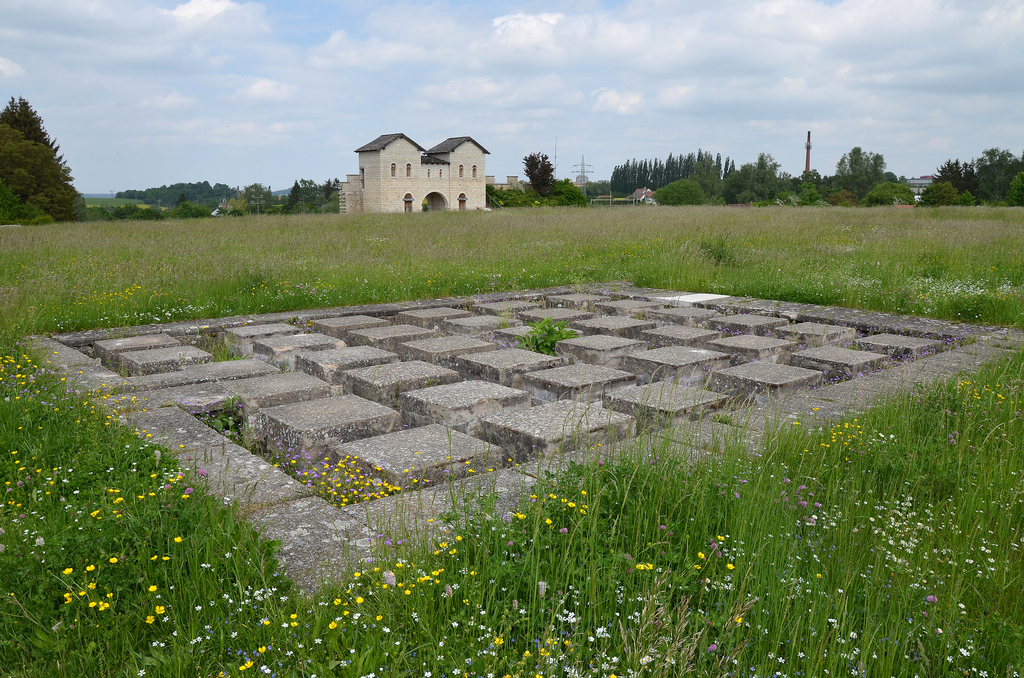
The administrative and utility buildings were all built of stone and were located in the central part of the fort, which included the principia (headquarters)with its aedes(shrine where the signa militaria or standards were kept) and a basilica. Near the principia stood the horreum (granary) and the praetorium (commander’s house). The fabricae (workshops) and the valetudinarium (hospital) were in the western area of the fort. In contrast to these buildings, the barrack blocks were made of timber. The barracks were found in the retentura (rear northern part of the camp), and the stables in the praetentura (front, southern part of the camp). Each contubernium (barrack room) was the home to a squad of eight soldiers who lived in close quarters. There were 14 barracks in the fort at Weißenburg, each housing 30 men. The garrison must have had a total of 420 mounted soldiers.
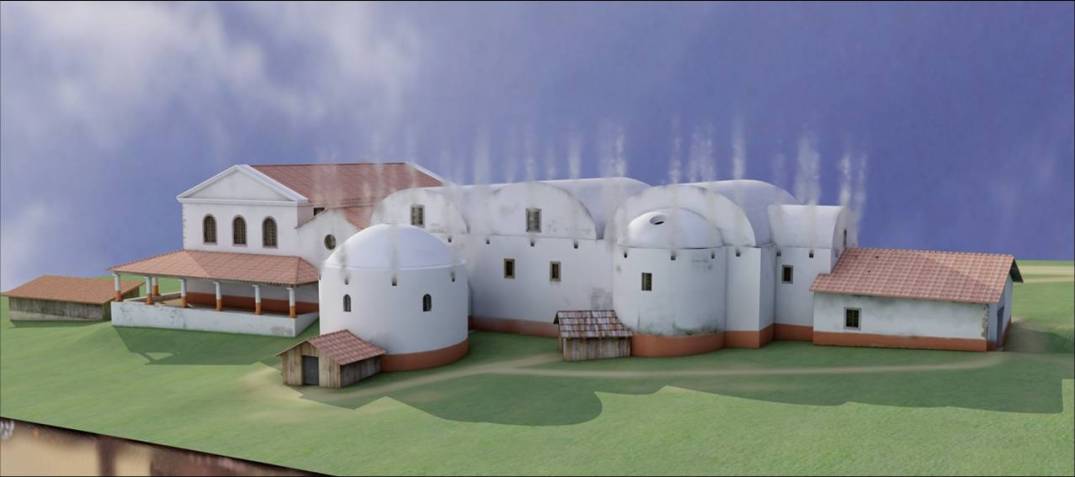
One of the most remarkable relics of the Biriciana Roman fort is the remnant of the large thermal bath complex that served the garrison from 90 BC to 259 AD. Discovered in 1977, west of the Roman fort, the baths were restored and turned into a museum in 1983. The construction of Roman Baths in Weißenburg had three historical phases: building Phase I around 90 AD, building Phase II in 130 AD, and building Phase III around 180 AD.
Historical reconstruction of the Roman Baths in Weißenburg. (www.cyark.org)
A vicus developed in the immediate vicinity of the thermal baths where family members of the soldiers, traders and craftsmen settled. The vicus of Biriciana, whose exact limit can no longer be localised, stretched over a total area of about 30 hectares and probably reached a population of about 2500 inhabitants in the 2nd century AD.
The remains of the Roman fort and vicus at Weißenburg were investigated by the Reichs-Limeskommission (Kohl) between 1890 and 1905 and later again by the State Office for Monument Conservation. The ground plan of the parameter walls and the principia of the fort are preserved. The north gate and the adjoining parts of the parameter walls were completely reconstructed in 1990.
PORTFOLIO
THE FORT
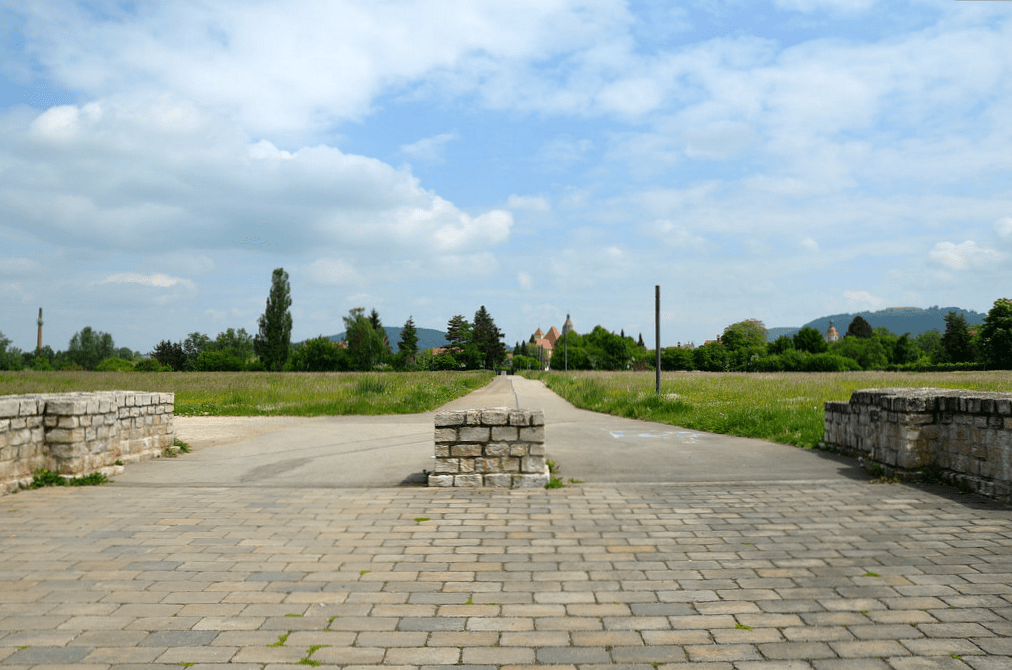
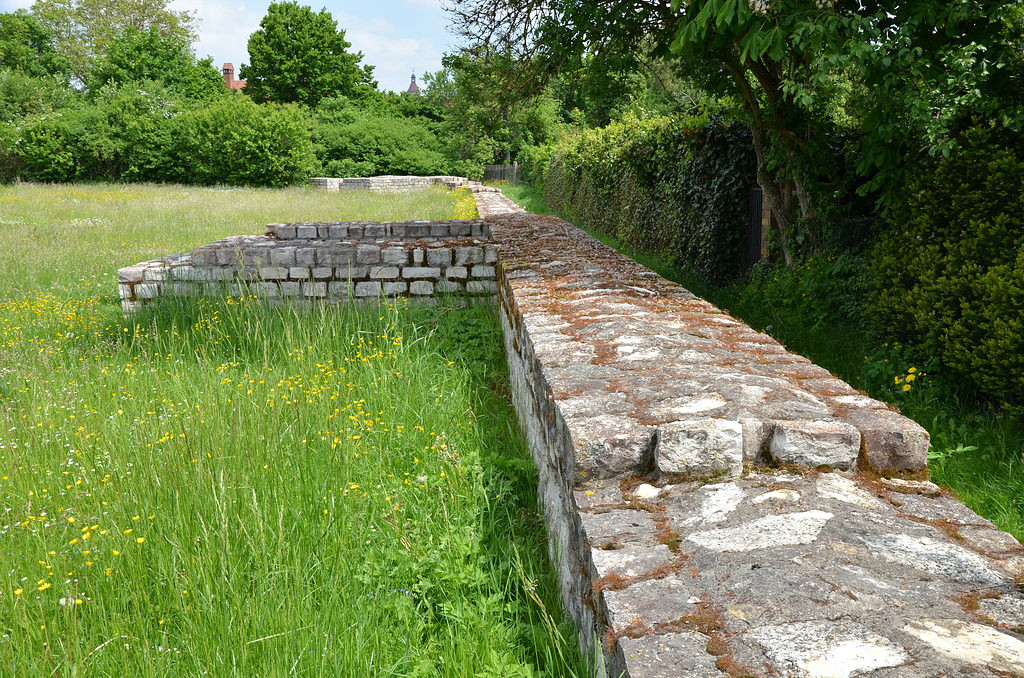
The reconstructed northern gate (porta decumana).The front side of the porta decumana with the with the first V-shaped ditch.The porta decumana.Middle section of the fort comprising of the head-quarters (principia). In the background the northern gate.The western gate (porta principalis dextra) and the via principalis.The via praetoria with the northern gate in the background.The remains of the perimeter wall.
THE LARGE THERMAL BATH COMPLEX
The cold water basin with original preserved floor. It was the largest pool of the thermal baths (8,80 mx7,70 m).The tepidarium (warm room).The heated dressing room with hypocaust.The second frigidarium.A square water basin in the caldarium.
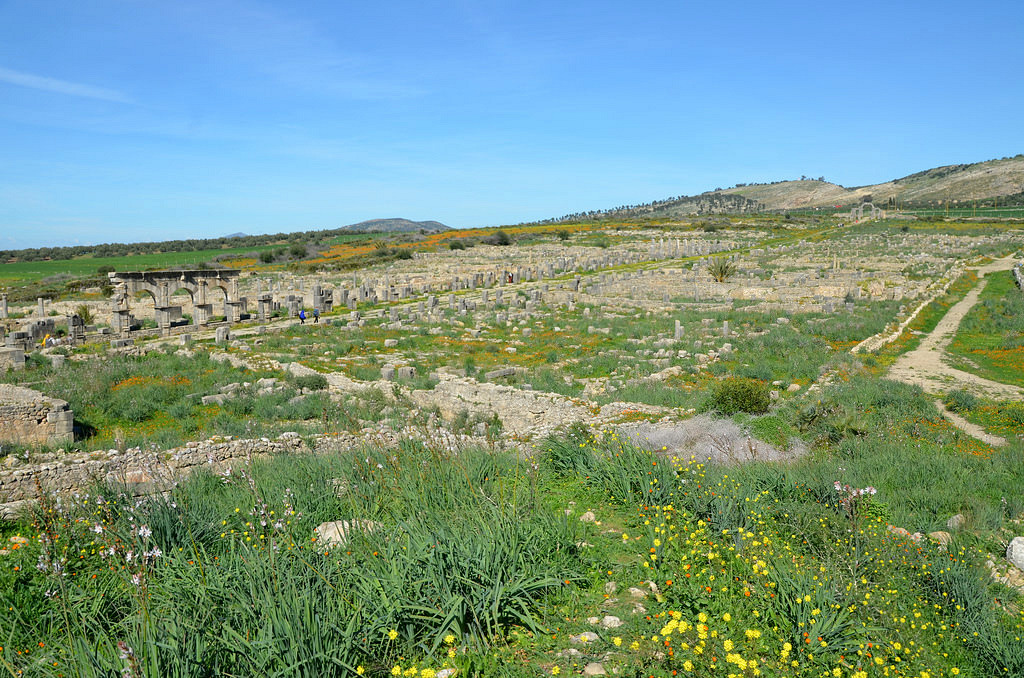
The ruins of Volubilis sit in the middle of a fertile plain about 33km north of Meknès in northern Morocco, near the heights of the Atlas Mountains. Considered the ancient capital of the kingdom of Mauretania, Volubilis developed from the 3rd century BC onwards and became an important outpost of the Roman Empire. The ancient city is the best-preserved archaeological site in Morocco and was declared a UNESCO World Heritage site in 1997. Extensive remains of fine buildings and many beautiful in situ mosaics survive on the archaeological site.
Volubilis was a Roman settlement constructed on what was probably a Carthaginian city, dating from the 3rd century BC. In the 1st century BC, under the Mauretanian king Juba II, Volubilis became a flourishing centre of late Hellenistic culture. Annexed to Rome about AD 44, the city grew rapidly under Roman rule. Claudius made it a municipium (a community that exercised partial rights of Roman citizenship) as a reward for supporting Rome against Aedmon’s rebellion. It became the chief inland city of the Roman province of Mauretania Tingitana.
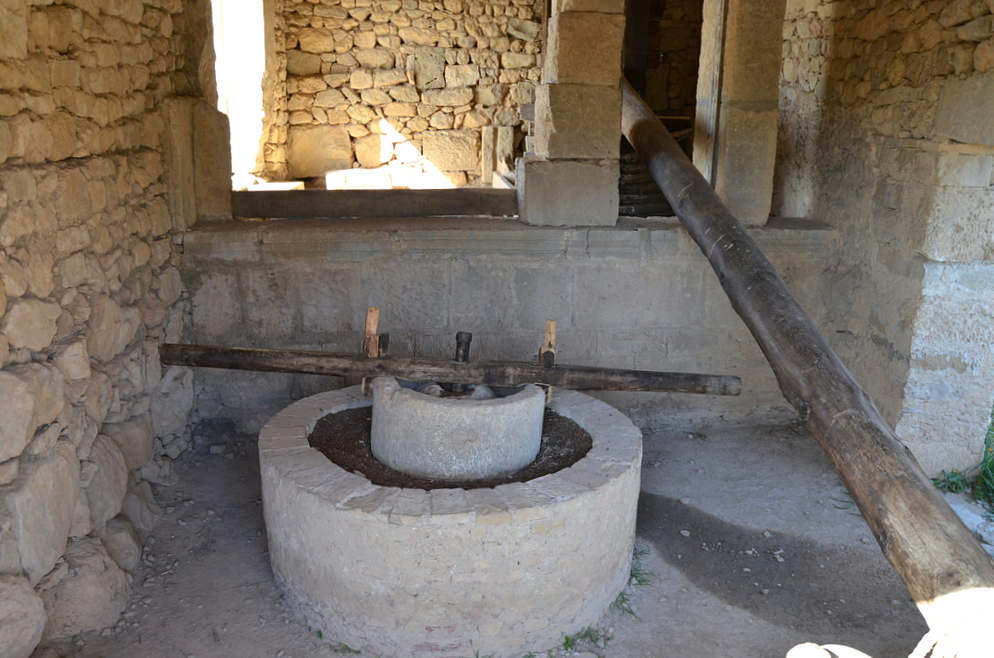
From the 1st century onwards, Volubilis expanded spectacularly due to the wealth and prosperity derived from the province’s fertile lands, which produced valuable export commodities such as grain, olive oil, and wild animals for gladiatorial spectacles. During the 1st century AD, major urban structures were constructed; the Forum (probably Neronian), two sets of baths (Flavian), temples and two street grids with different orientations. The aqueduct that fed the first baths was built between 60 and 70 AD. The urban landscape was formed of houses with shops along their facades, bakeries, and oil-pressing complexes. The latest are so numerous that they suggest that the olive was one of the town’s principal riches.
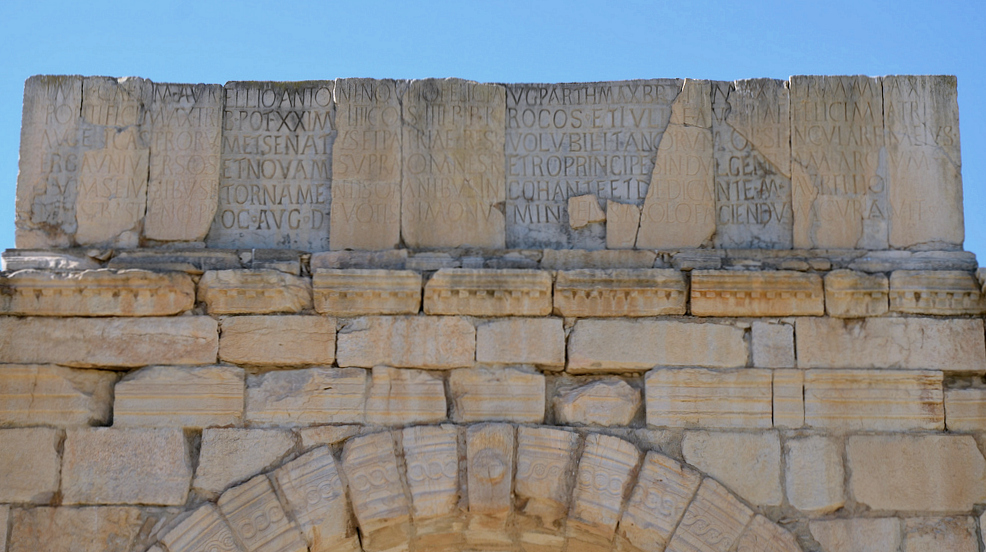
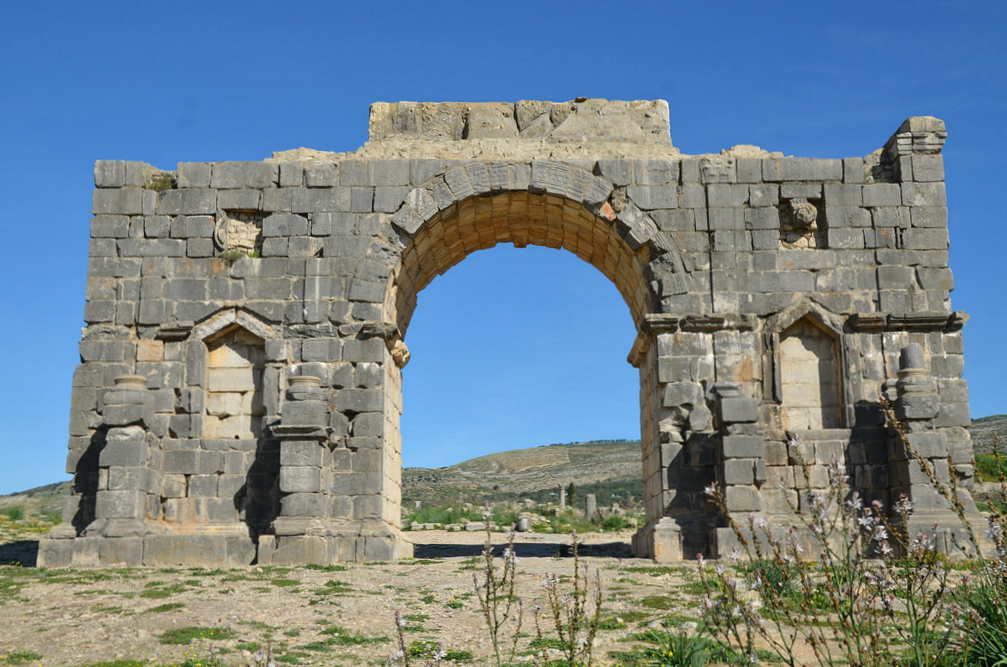
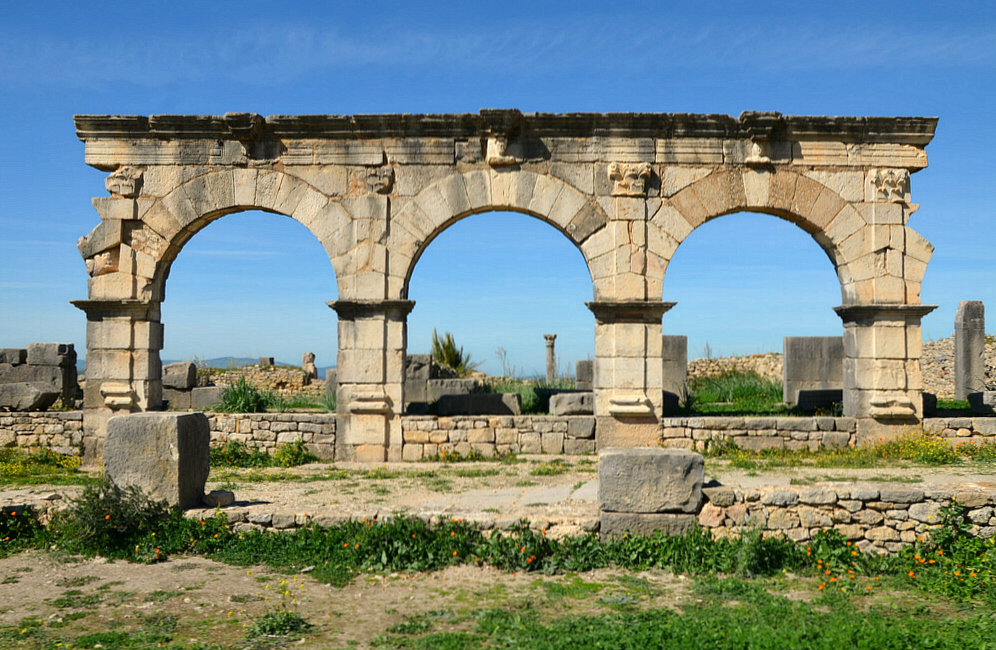
Under the reign of Marcus Aurelius (r. AD 168-169), walls surrounding the city were constructed, including eight monumental gates flanked by towers. At that time, Volubilis occupied an area of 42 hectares. Further additions came during the Severan dynasty between 193 and 235 AD when a new monumental centre was created, including the Capitoline temple, the civil basilica and the remodelled Forum. A monumental arch was added during the time of the emperor Caracalla. It was built in 217 AD by the city’s governor, Marcus Aurelius Sebastenus, to honour the emperor and his mother, Julia Domna. It was meant to thank them for having bestowed upon the inhabitants of Rome’s provinces Roman citizenship and tax exemption. Also dating back to this period are the richly decorated houses with peristyles, pools and large mosaic floors, numerous bakeries, and about one hundred oil presses attesting to the thriving economy of this Roman outpost.
Towards the end of the 3rd century AD, the Roman administration and army withdrew from the area due to the Diocletian reorganization of Mauretania Tingitana. The city fell to local tribes and continued to be inhabited for at least another 700 years, first as a Latinised Christian community, then as an early Islamic settlement. In the late 8th century AD, it became the seat of Idris ibn Abdallah, the founder of the Idrisid dynasty and the state of Morocco. By the 11th century, Volubilis had been abandoned after the seat of power was relocated to Fes.
Archaeological excavations began in 1915 and continue to this day. They have exposed a large part of the town (more than 20 ha.), but much remains to be excavated, particularly in the area occupied in the post-Roman period.
PORTFOLIO
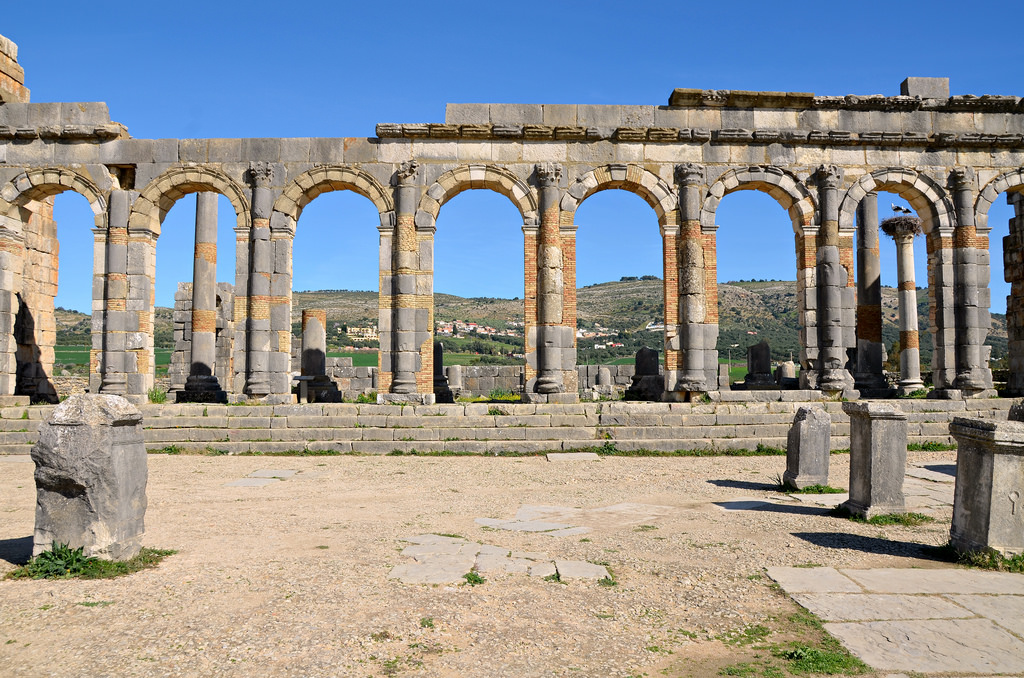
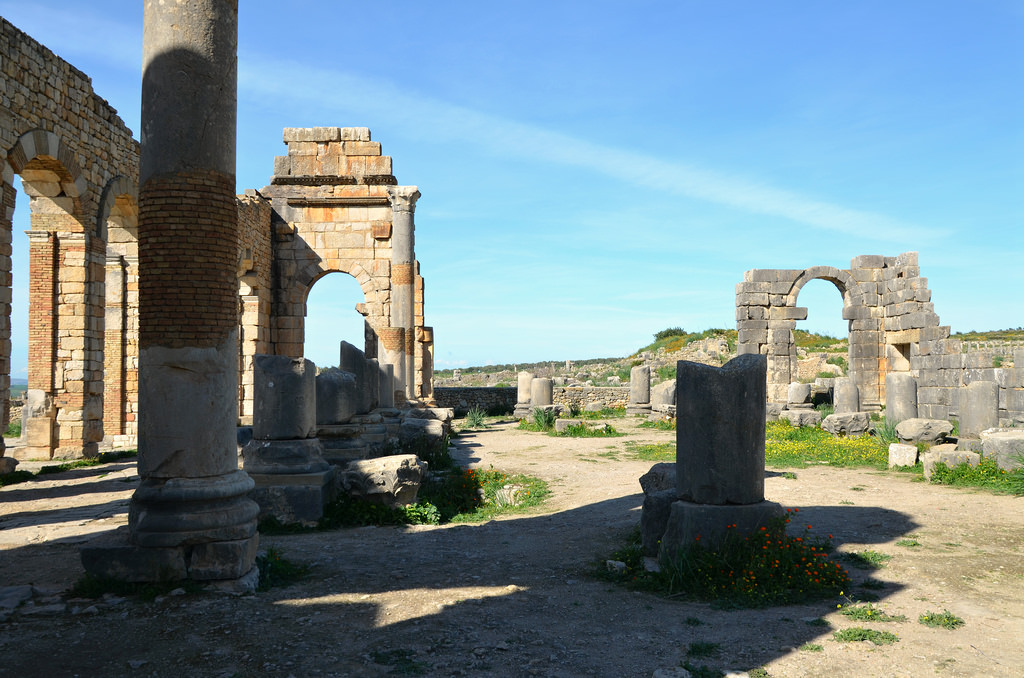
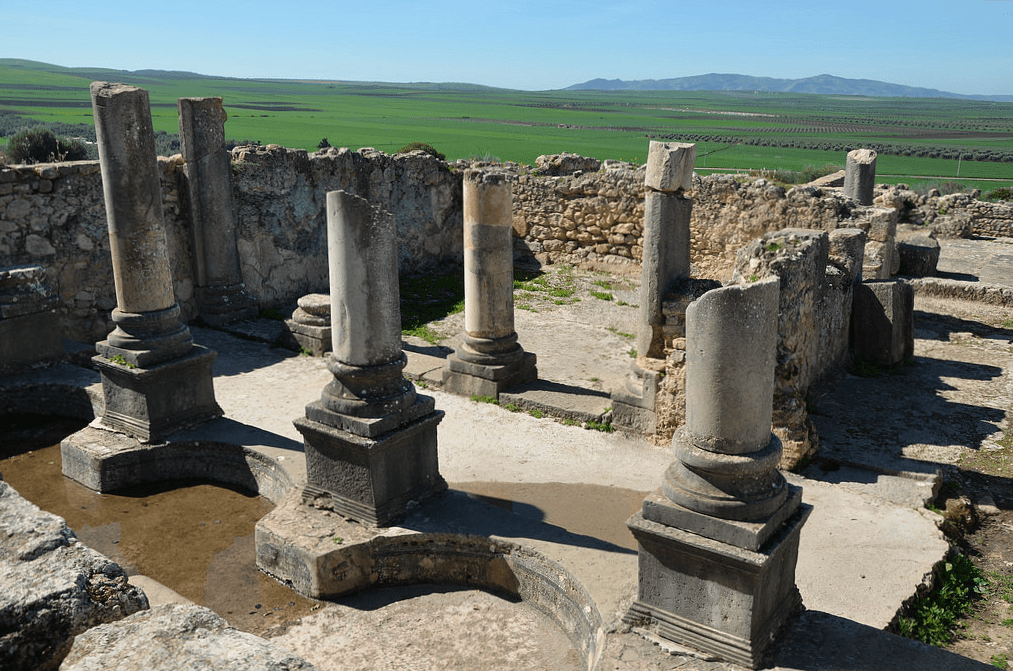
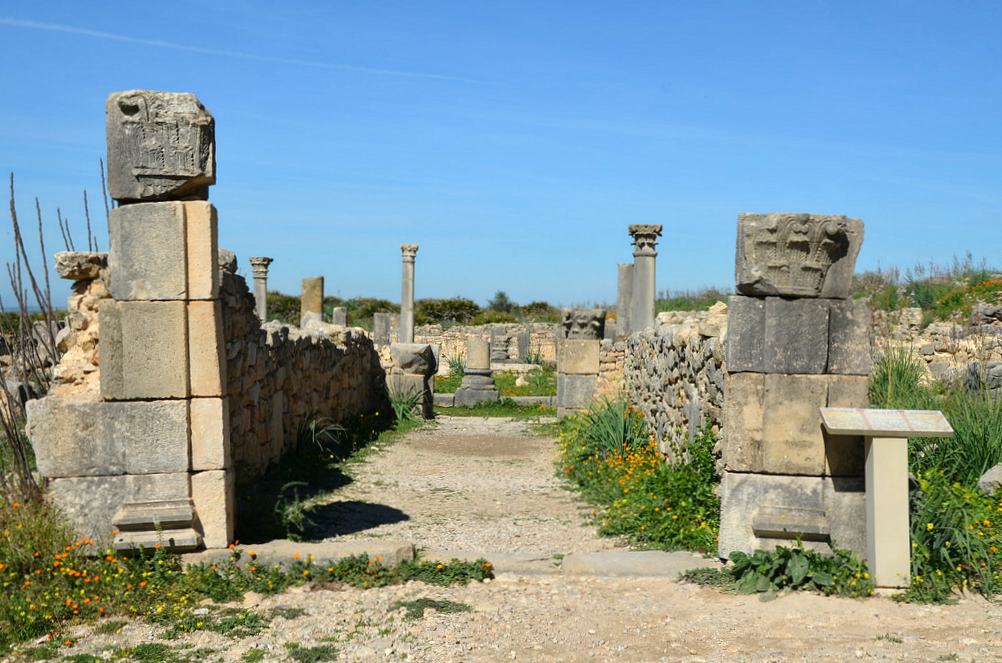
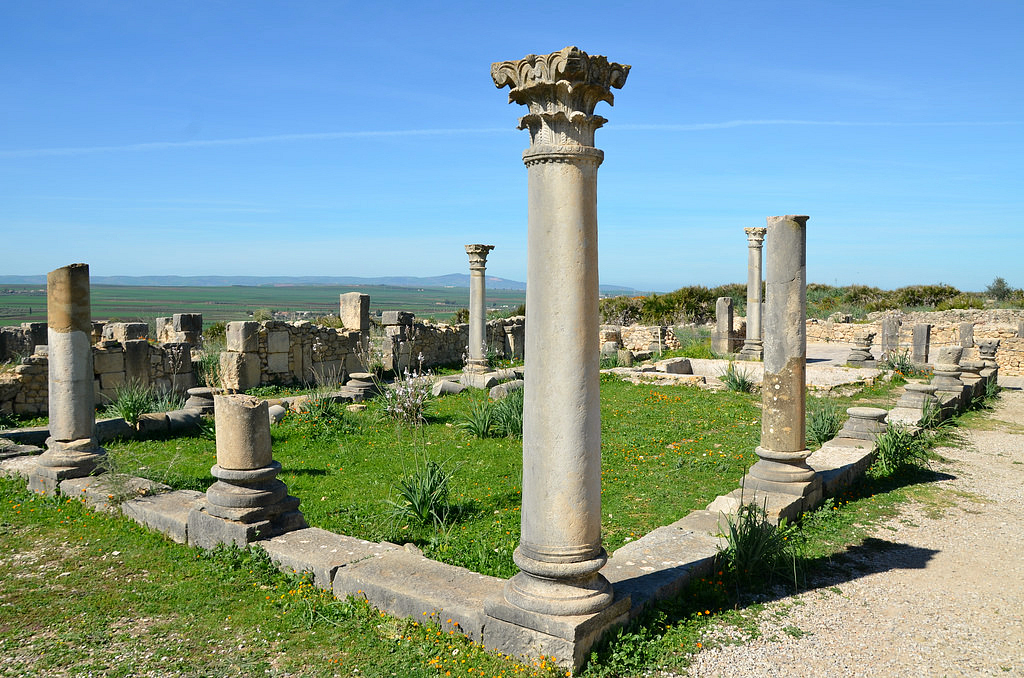
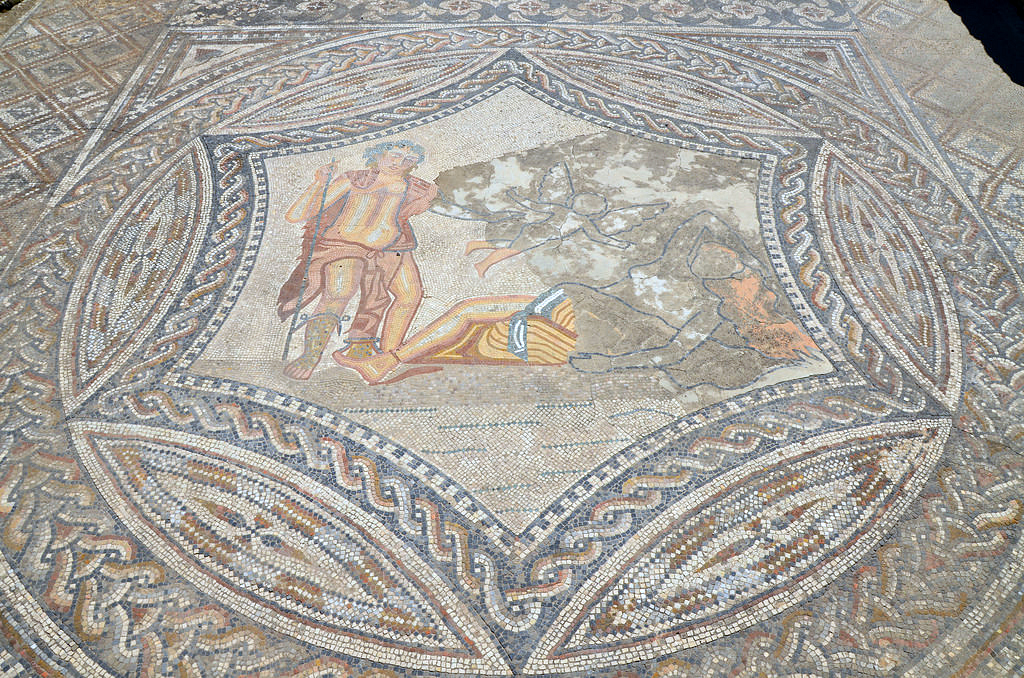
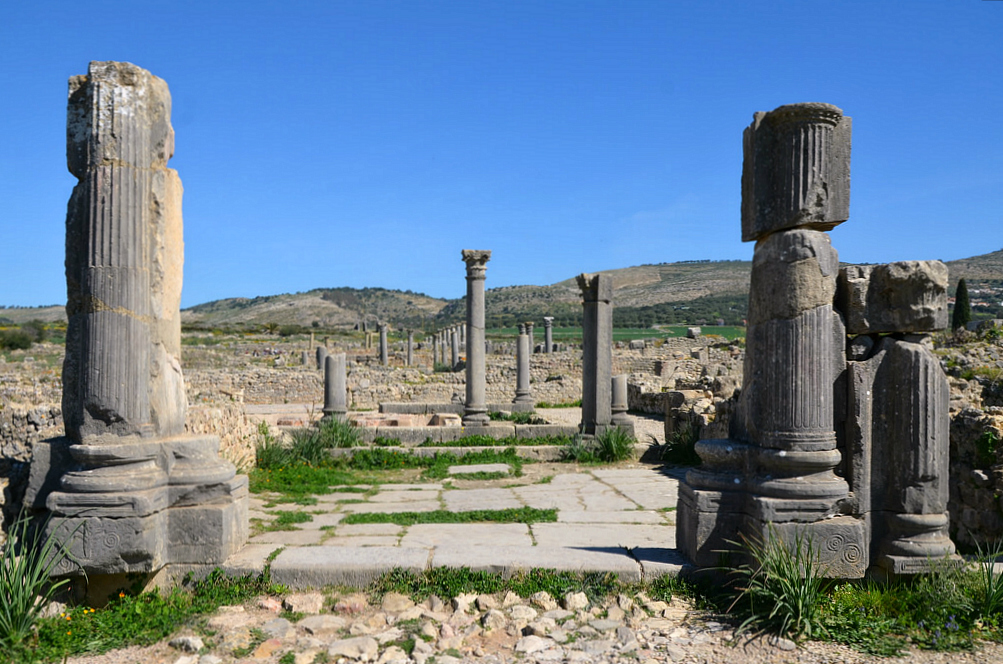
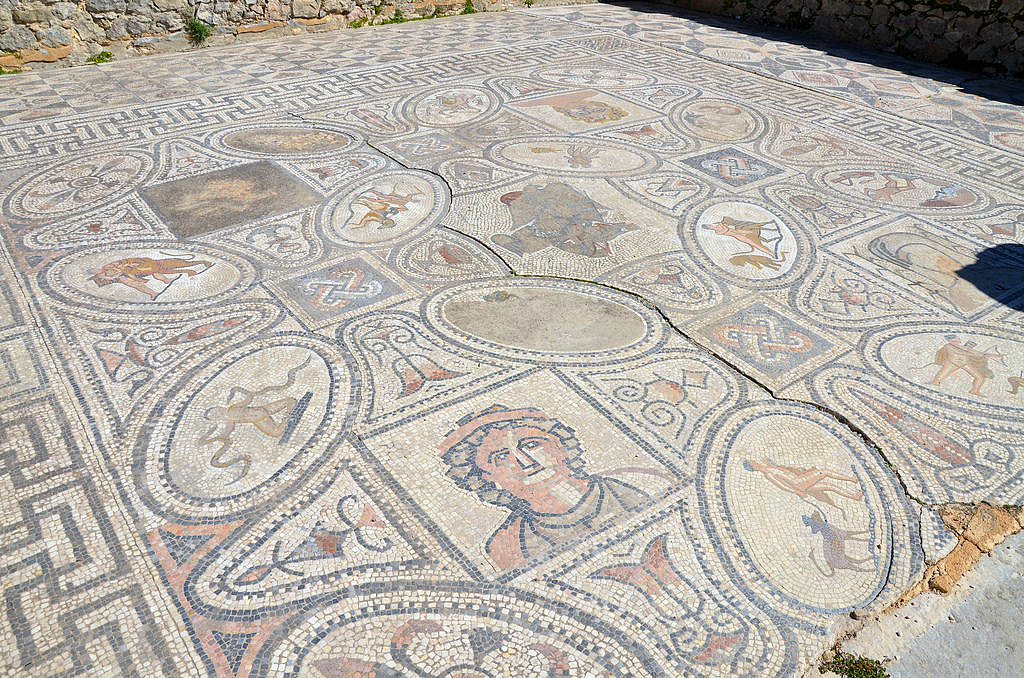
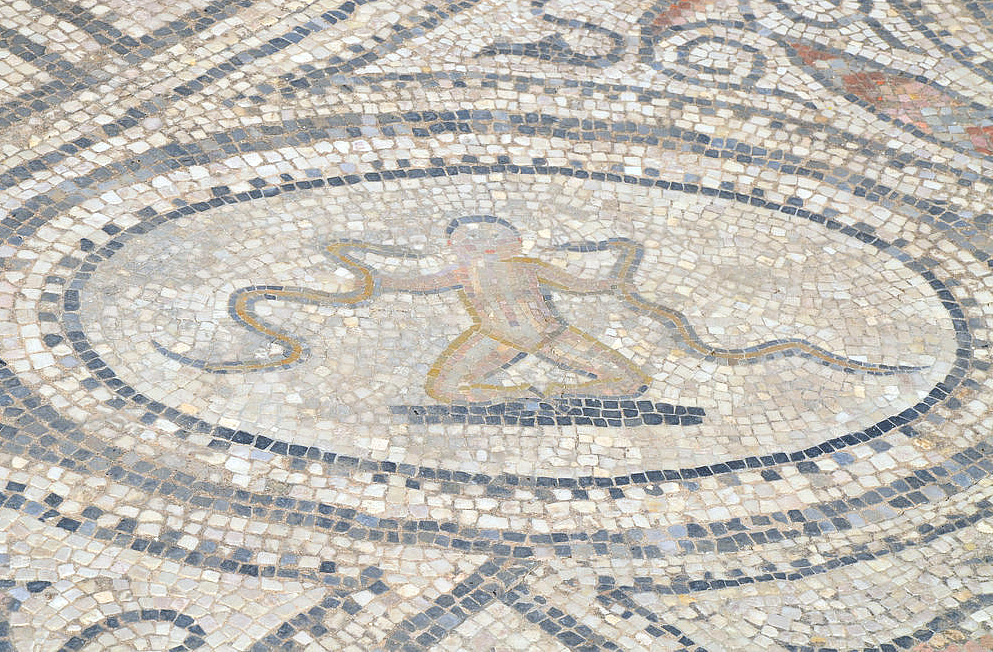
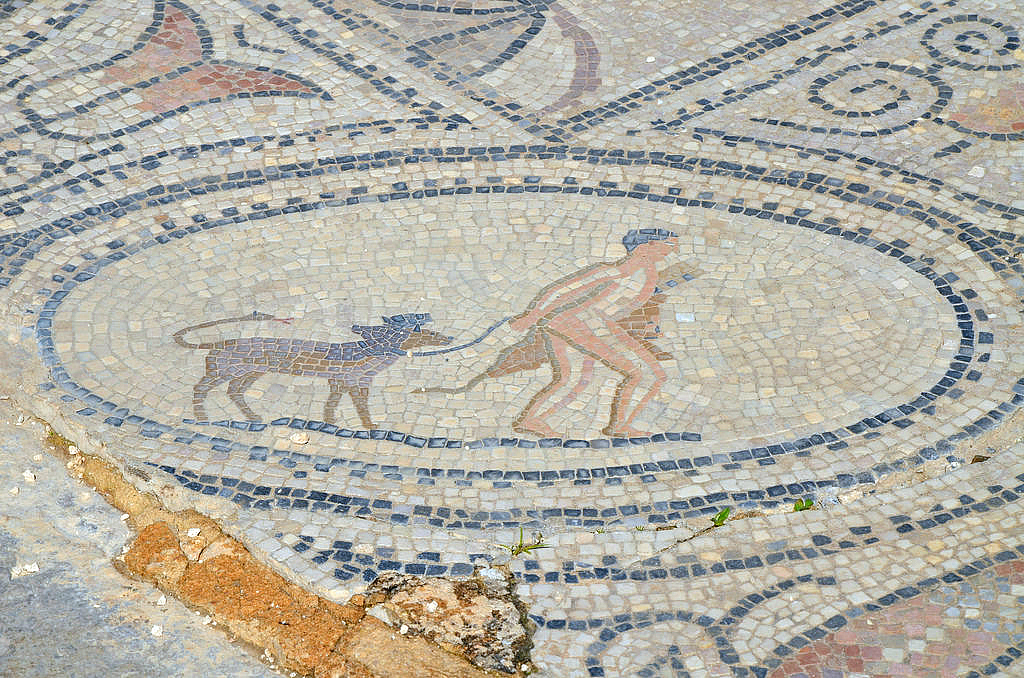
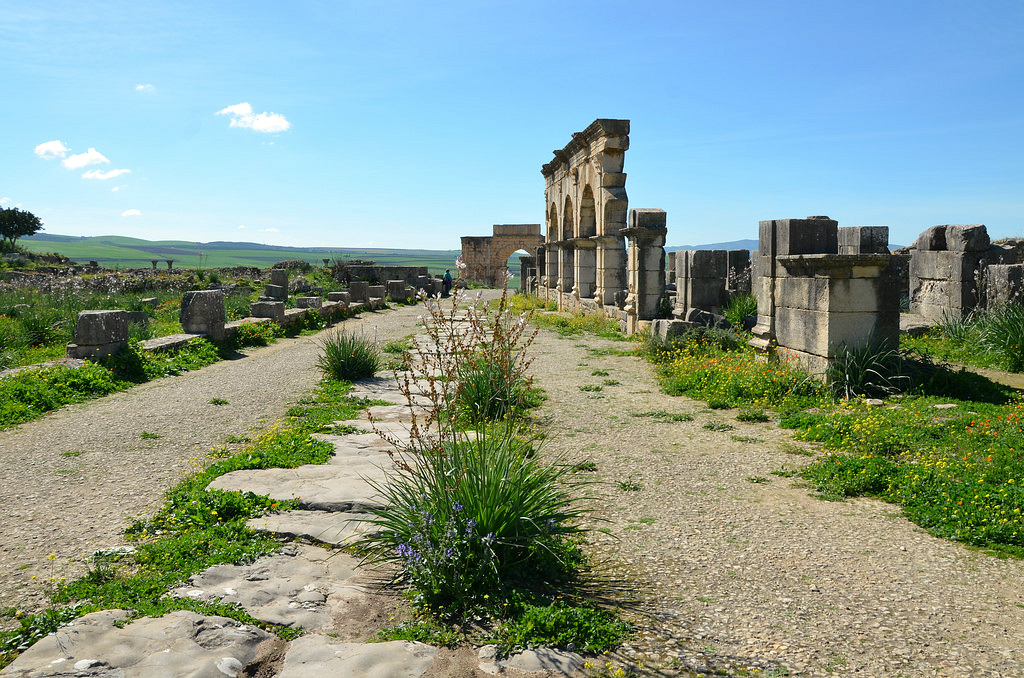
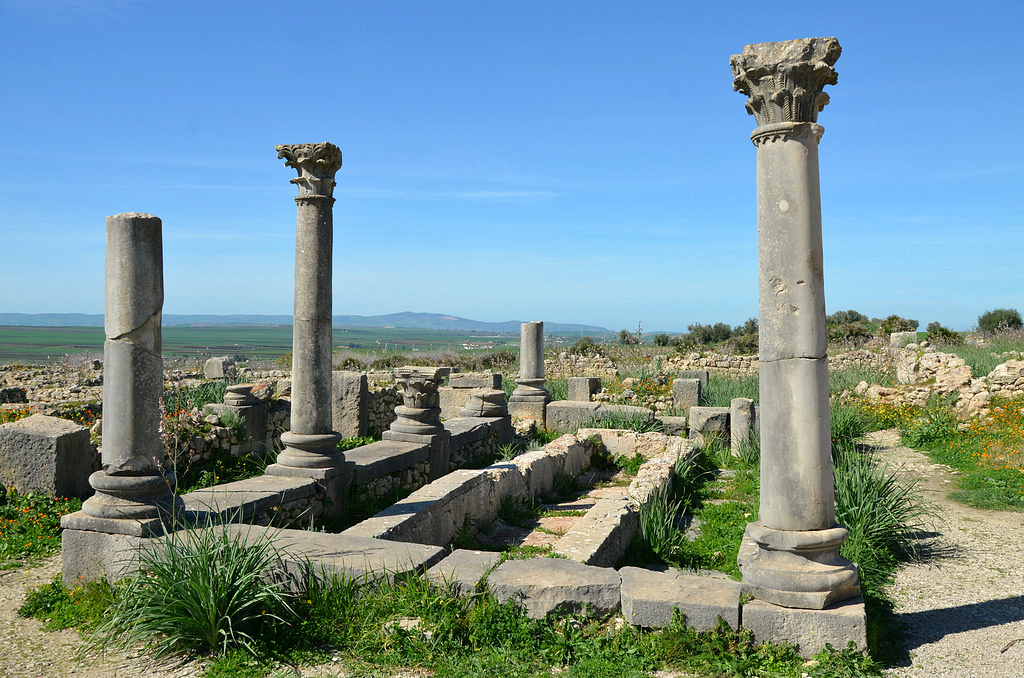
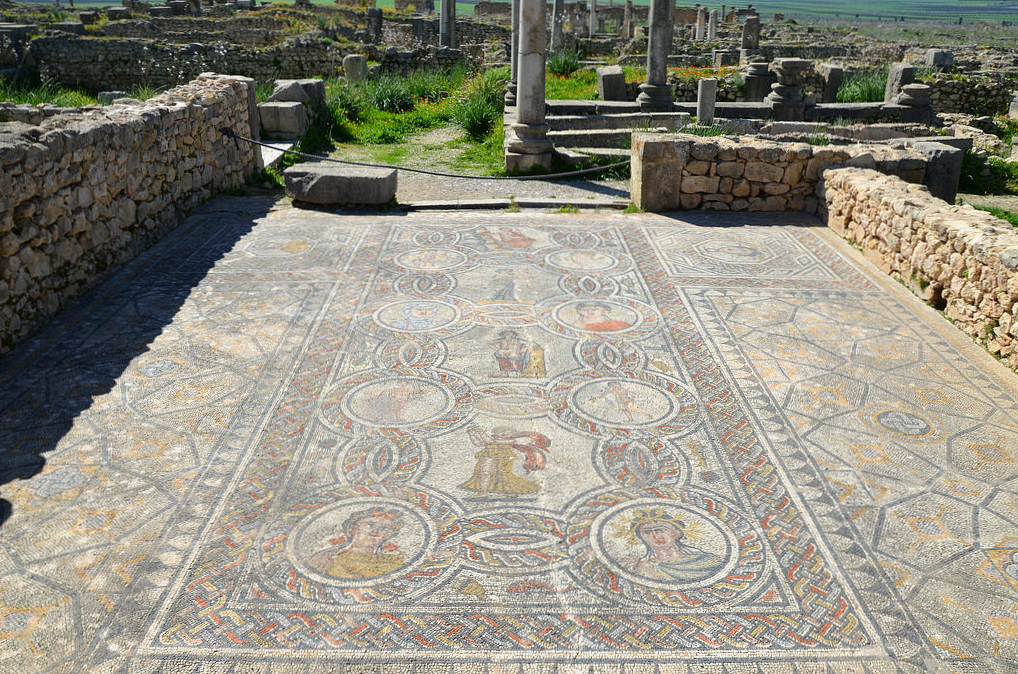
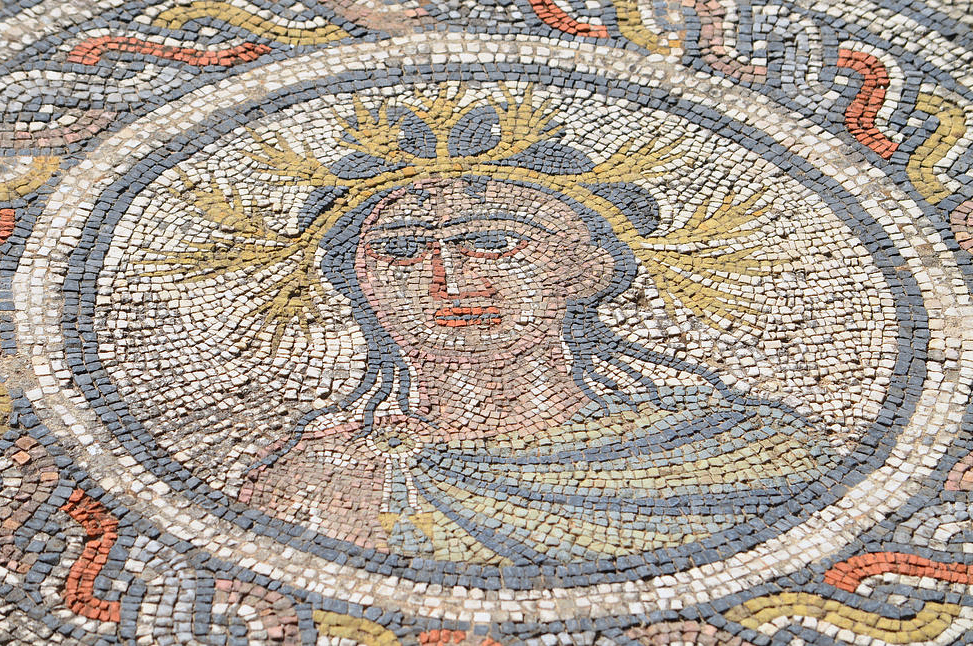
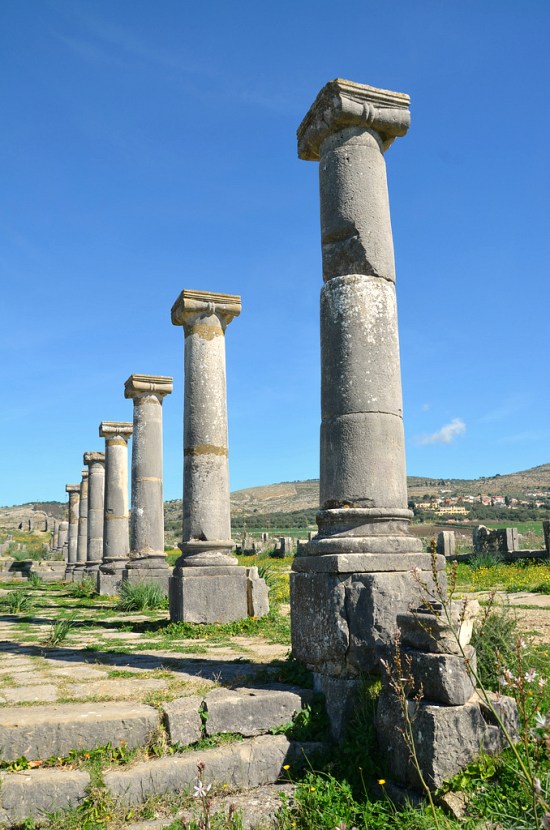
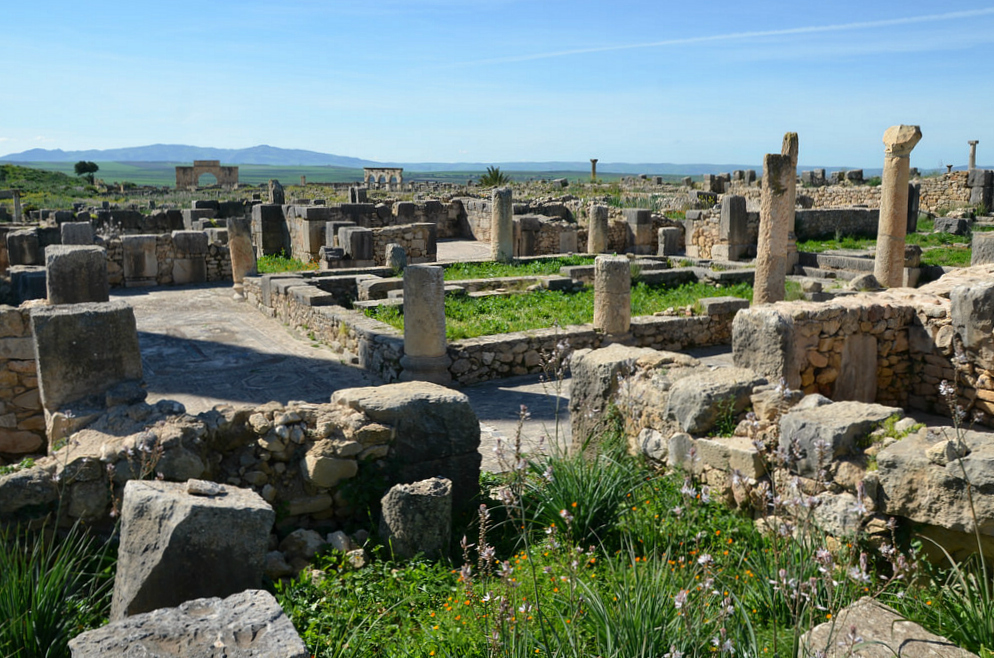
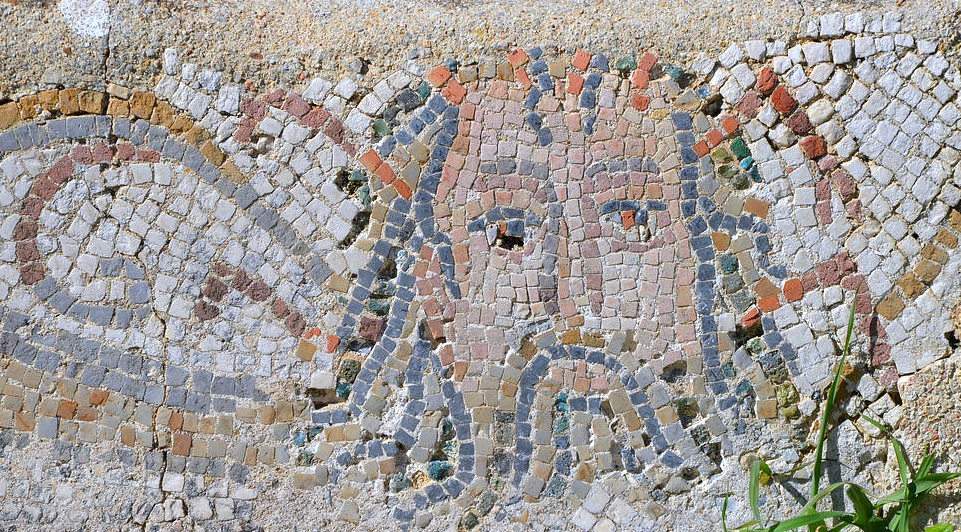
The Basilica (court of law and seat of the magistrates) lies on the eastern side of the forum. This imposing building is 42.2m long and 22.3m wide and originally had two storeys.The outer wall of the basilica is faced with Corinthian columns and overlooks the forum where markets were held. The paved forum had numerous statues of emperors and local dignitaries, of which only the pedestals now remain.Statue base for Caecilia Caeciliana. Caeciliae Caecili[anae] / L(ucius) Caecilius Caec[ilia]nus pater et Valeria / Manlia mater filiae / piissumae d(e) s(ua) p(ecunia) d(e)d(erunt)The interior of the basilica is divided into three parts, a central nave outlined to its north and south by an apse and two lateral aisles framed by Corinthian columns.The basilica was converted into a church after the end of Roman rule. In the central area, a semicircular depression has been cut into the floor, representing a baptistery.The Capitolium (dedicated to the three chief divinities of the Roman state, Jupiter, Juno and Minerva), with its porticoed courtyard, faces the back wall of the basilica. An altar stands in the courtyard in front of 13 steps leading up to the Corinthian-columned temple, which had a single cella.The Capitolium was completed under the reign of the emperor Macrinus in 218 AD. Erected on a tall podium, this temple was probably peripteral and hexastyle (six columns) but was clumsily restored in modern times as a four-columned prostyle building.View of the basilica and the Capitolium.The House of Orpheus in the southern part of the city. It takes its name from the large mosaic depicting Orpheus playing his lyre to an audience of animals and birds.The mosaic of Orpheus embellished the triclinium (dining room) of the house, where the diners would have reclined on couches set against the walls and admired the central mosaic.Fountain with circular baths lined with mosaics and triclinium in the House of Orpheus.Reconstructed Roman oil press in the House of Orpheus. Olive growing was the main industry in Volubilis.Mosaic with dolphins in the House of Orpheus.The triumphal arch is situated according to the usual architectural layout. It is found in the Decumanus Maximus (the principal axis), at the junction of the northeast, central and western sectors of the city.The arch was erected sometime between December 216 and April 217 AD by the council of Volubilis in honour of the emperor Caracalla who bestowed Roman citizenship on its inhabitants and exempted them from paying taxes.The inscription on the top of the arch was reconstructed from the fragments found scattered on the ground.South side of the Arch of Caracalla. The monument was reconstructed by the French between 1930–34. However, the restoration is incomplete and of disputed accuracy.The entrance to the House of the Ephebe. The house was named after a bronze statue found there.The courtyard of the House of the Ephebe leads to a number of public rooms decorated with mosaics.Detail of mosaic of a lobster in the House of Ephebe.The entrance to the House of the Columns is named after the diversity of its columns (fluted, plain, spiral).The atrium with a large circular pool in the House of the Columns.Private garden with a lobed fountain in the House of the Columns.Mosaic in the House of the Knight depicting the god Bacchus encountering the sleeping Ariadne, 1st century AD.The entrance to the House of the Labours of Hercules, named for the mosaic depicting the twelve tasks that the demigod had to perform as penance for killing his wife and children. The house was of palatial size, with 41 rooms covering an area of 2,000 m2 (22,000 sq ft).The atrium with a lobed fountain in the House of the Labors of Hercules.Mosaic of the Labours of Hercules, in a triclinium of the house of that name.Detail of the mosaic of the Labours of Hercules showing little Hercules strangling the snakes sent by Hera, one in each hand, before they could bite him, 1st century AD.Detail of the mosaic of the Labours of Hercules showing Hercules capturing the three-headed dog Cerberus from the underworld, his twelfth labour, 1st century AD.Detail of the mosaic of the Labours of Hercules showing Hercules slaying the Stymphalian birds with a bow and arrow, his sixth labour, 1st century AD.The Decumanus Maximus was the main street in the city. It was paved with footways on either side and was lined with arcaded porticoes on either side, behind which were dozens of shops.Section of the portico leading to the shops on Decumanus Maximus.Detail of the arcade with the figure of the god Mars.The Decumanus Maximus.Overview of Volubilis.The House of Dionysos and the Four Seasons.Mosaic of the Four Seasons, in the triclinium (dining room) of the House of Dionysos, 3rd century AD.Medallion from the mosaic of the Four Seasons depicting Summer in the triclinium of the House of Dionysos, 3rd century AD.Ionic columns lining the Decumanus Maximus.The Tingis Gate, built in 169 AD, marked the northern-eastern entrance to Volubilis.The House of Venus was located towards the eastern side of the city. It was one of the most luxurious residences and had a set of private baths and a richly decorated interior, with fine mosaics dating from the 2nd century AD showing animal and mythological scenes.Mosaic depicting Diana and a companion nymph being surprised by Actaeon while bathing. Actaeon is depicted with horns beginning to sprout from his head as he is transformed by the angry goddess into a stag before being chased down and killed by his own hunting dogs.Mosaic depicting the Abduction of Hylas by the nymphs, 3rd century AD, from the House of the Procession of Venus.The House of the Nereides.Detail of the mosaic depicting Oceanus in the House of the Nereides.Overview of Volubilis.