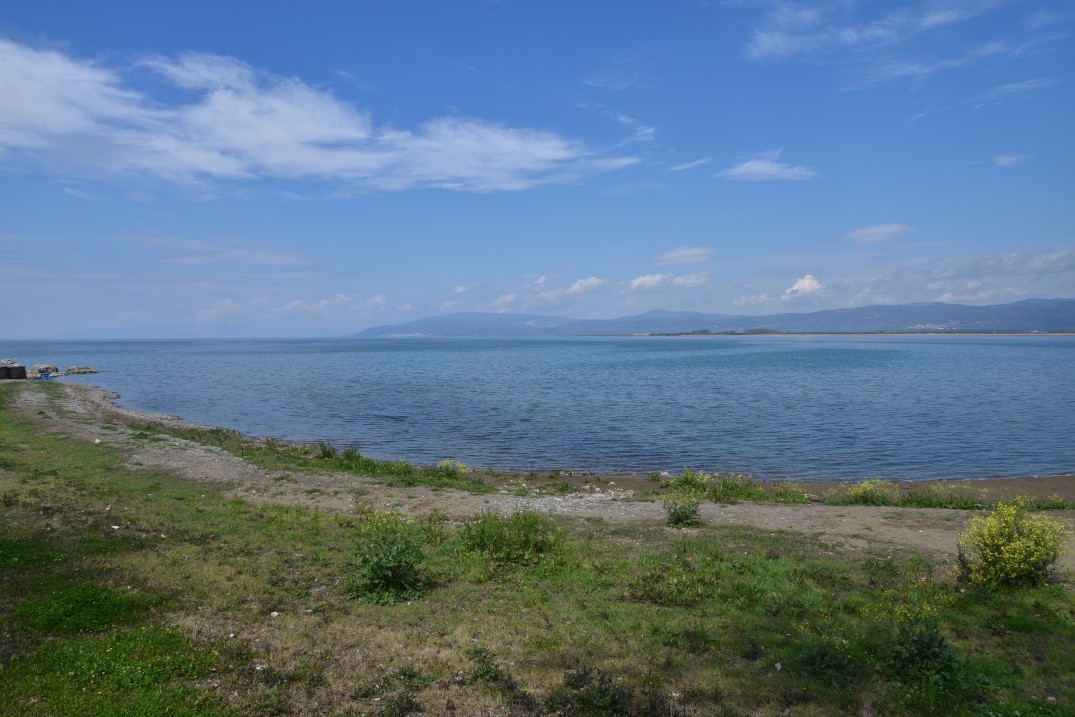
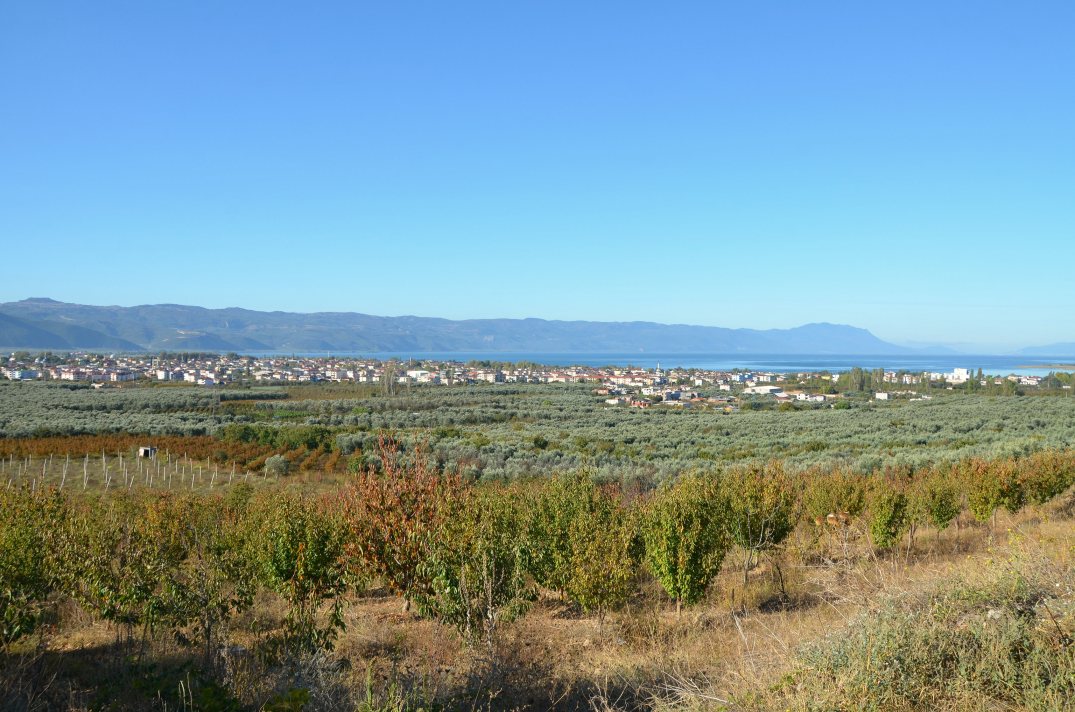
Nicaea is an ancient Greek city in the northwestern Anatolian region of Bithynia, now the modern Turkish town of İznik. It is most notable as the site of the First and Second Councils of Nicaea. The city was founded by Antigonus I Monophthalmus, one of Alexander the Great‘s generals, around 316 BC, and initially served as a strategic military outpost. Over time, Nicaea evolved into a prominent cultural and economic centre within the Bithynian Kingdom. Its location on the eastern shore of Lake Ascanius (modern-day Lake İznik) provided both strategic advantages and fertile land, contributing to the city’s prosperity. Hadrian took an active interest in Nicaea, visiting the city after an earthquake in AD 120. The city was the hometown of the Greek astronomer Hipparchus and the Roman historian Cassius Dio.
Coordinates: 40° 25′ 44.4″ N, 29° 43′ 10.2″ E
Nicaea is said to have been colonised by Bottiaeans from Central Macedon, who had named the city Helikore, but the Mysians subsequently destroyed the first colony. In the wake of Alexander the Great’s death, Nicaea was rebuilt by the Macedonian king Antigonus I, who named the city Antigoneia after himself. Shortly after that, in 301 BC, following the battle of Ipsus, Lysimachus conquered the town and renamed it Nikaea in honour of his wife. In 281 BC, the area gained independence from the Seleucids, and Nicaea came under the control of the local dynasty of the kings of Bithynia. Gradually, the Romans extended their control in the region, and in 74 BC, the last Bithynian ruler bequeathed his province to Roman authority.
Nicaea became particularly significant during the Hellenistic and Roman periods. The city played a pivotal role in the Hellenistic wars and was later incorporated into the Roman Empire in 74 BC. Under Roman rule, Nicaea flourished as a hub for trade and commerce, benefiting from its proximity to major trade routes. It gained prominence as a key administrative and religious centre, hosting important imperial conferences and councils.
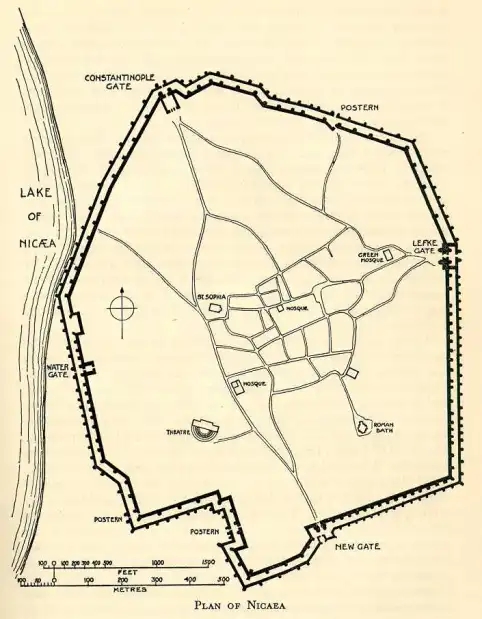
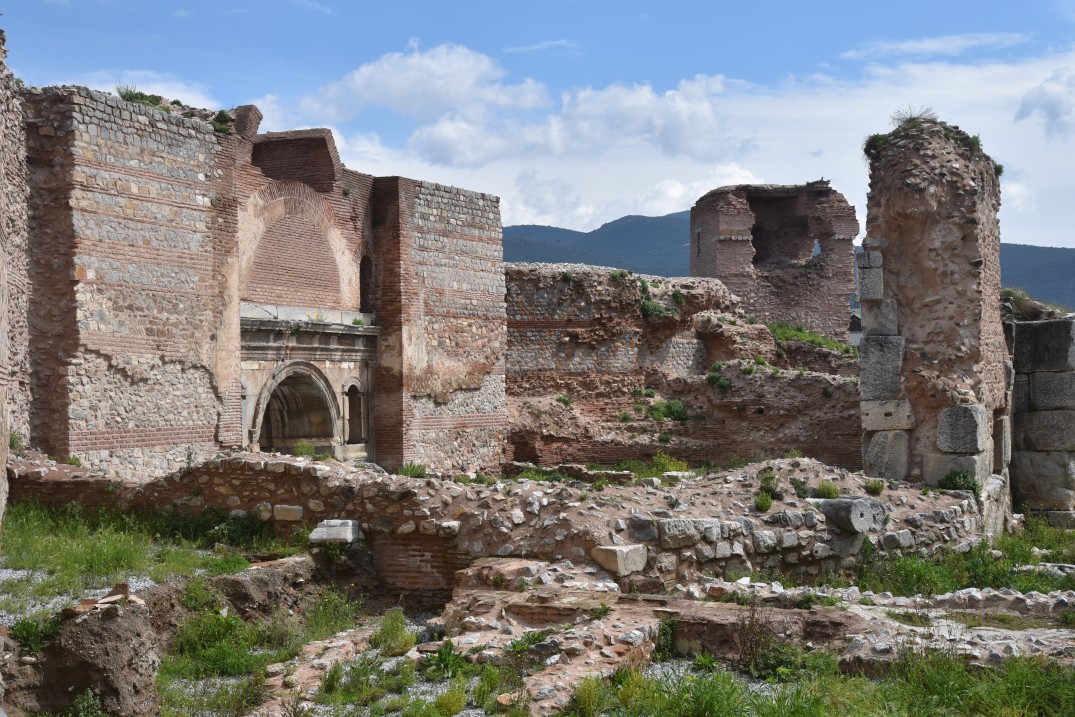
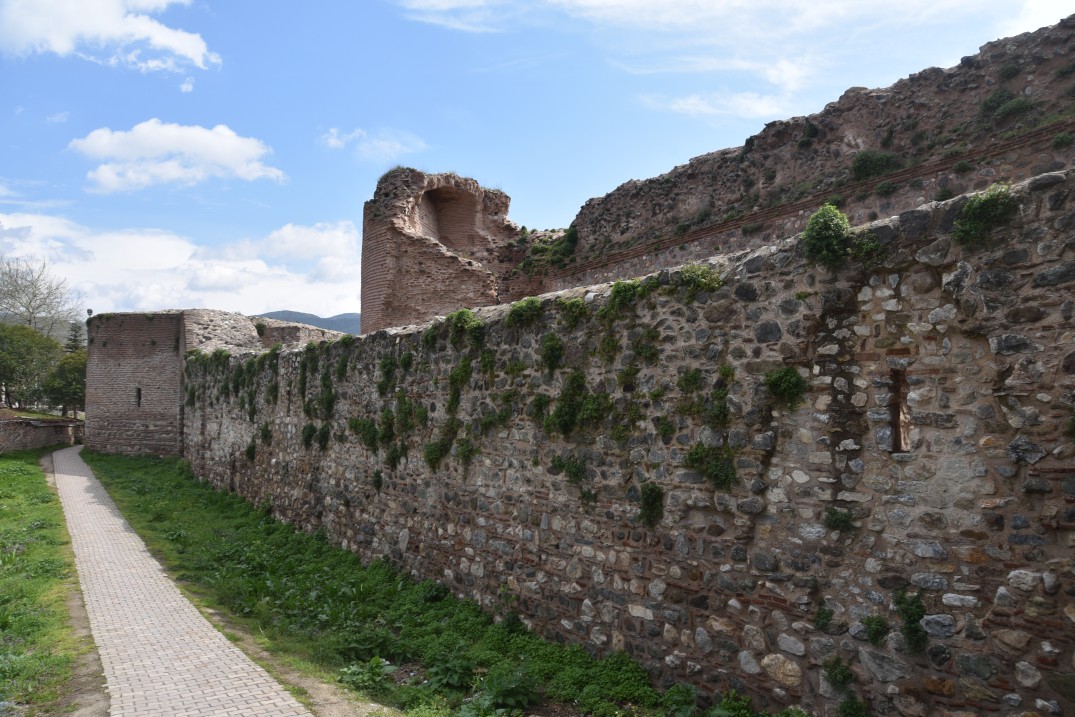
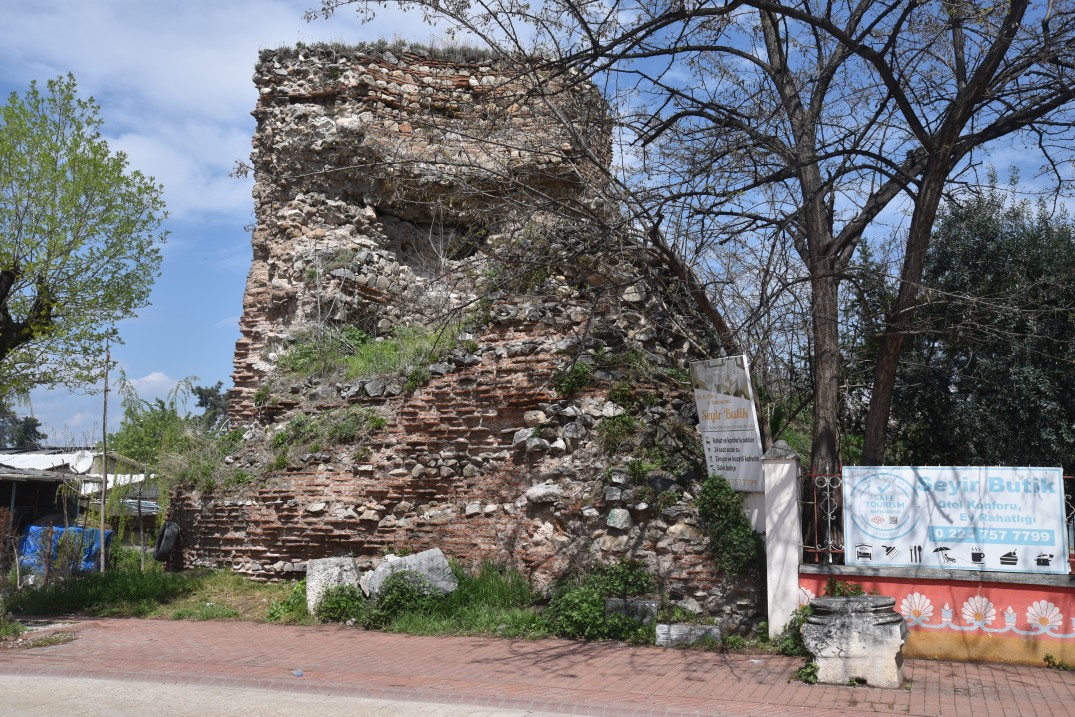
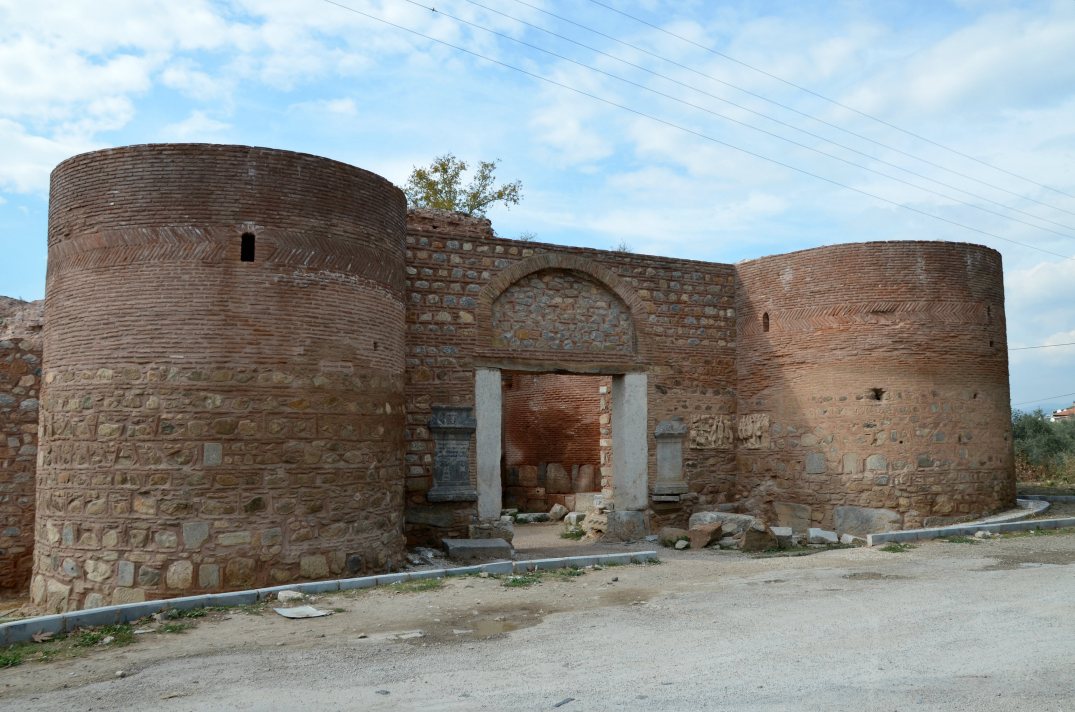
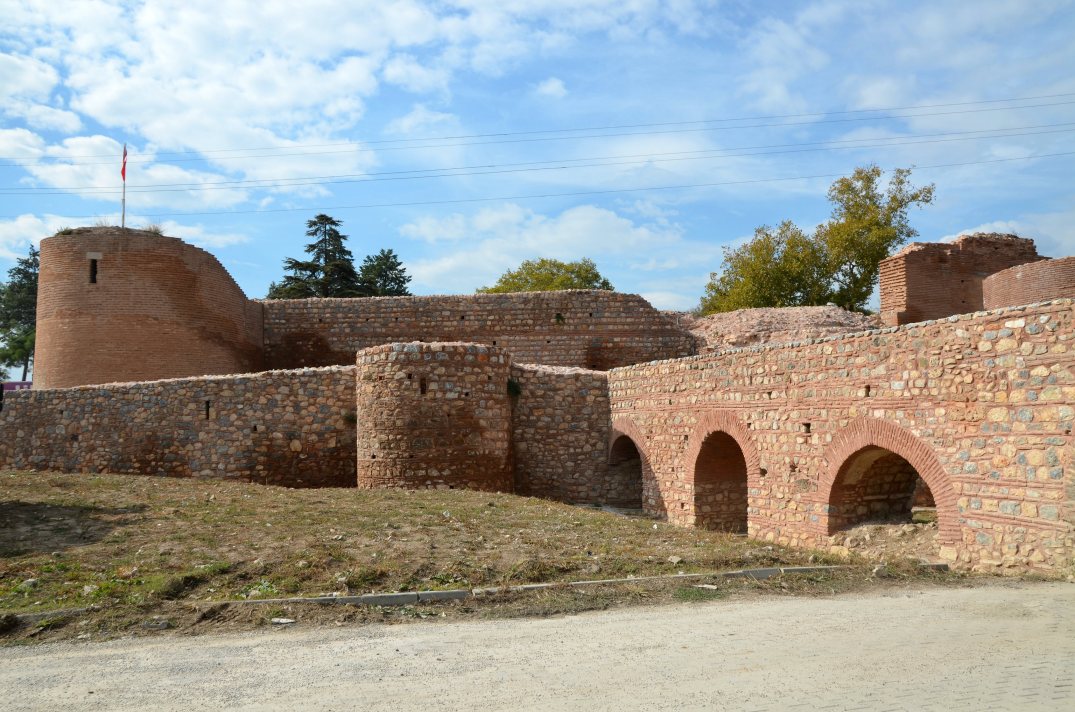
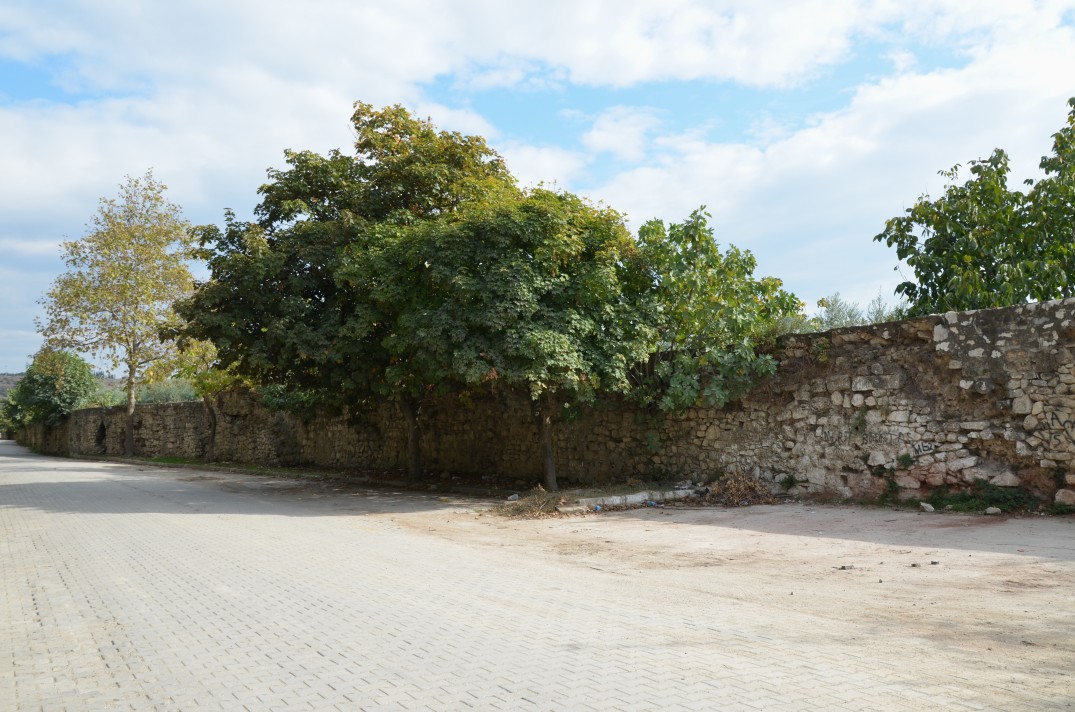
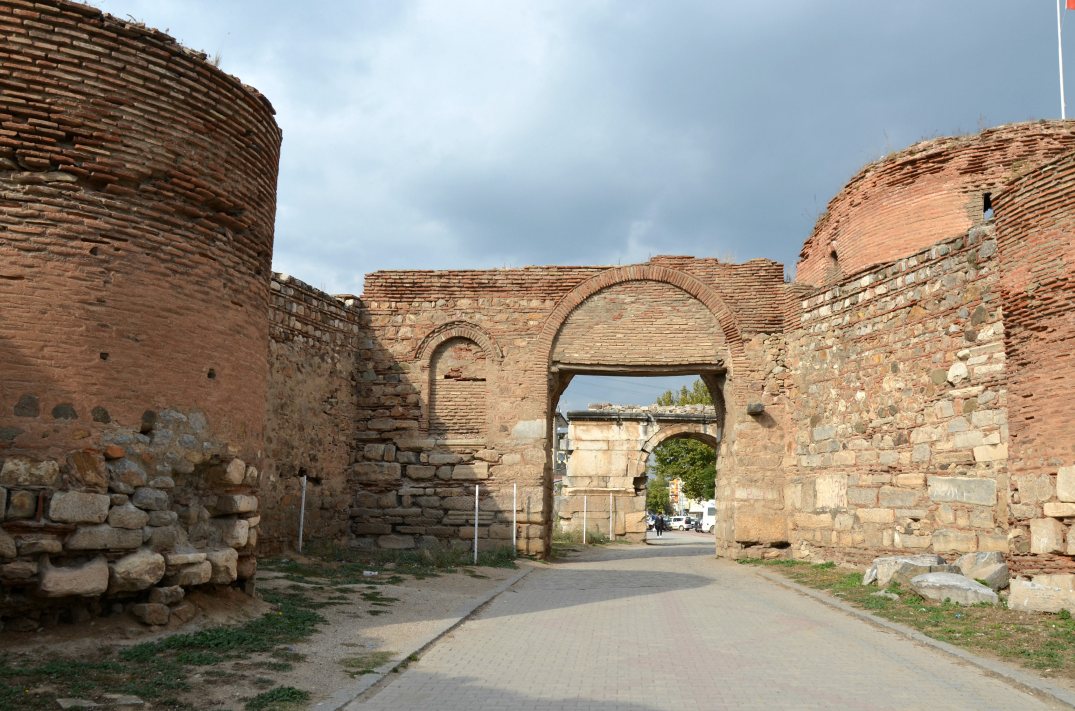
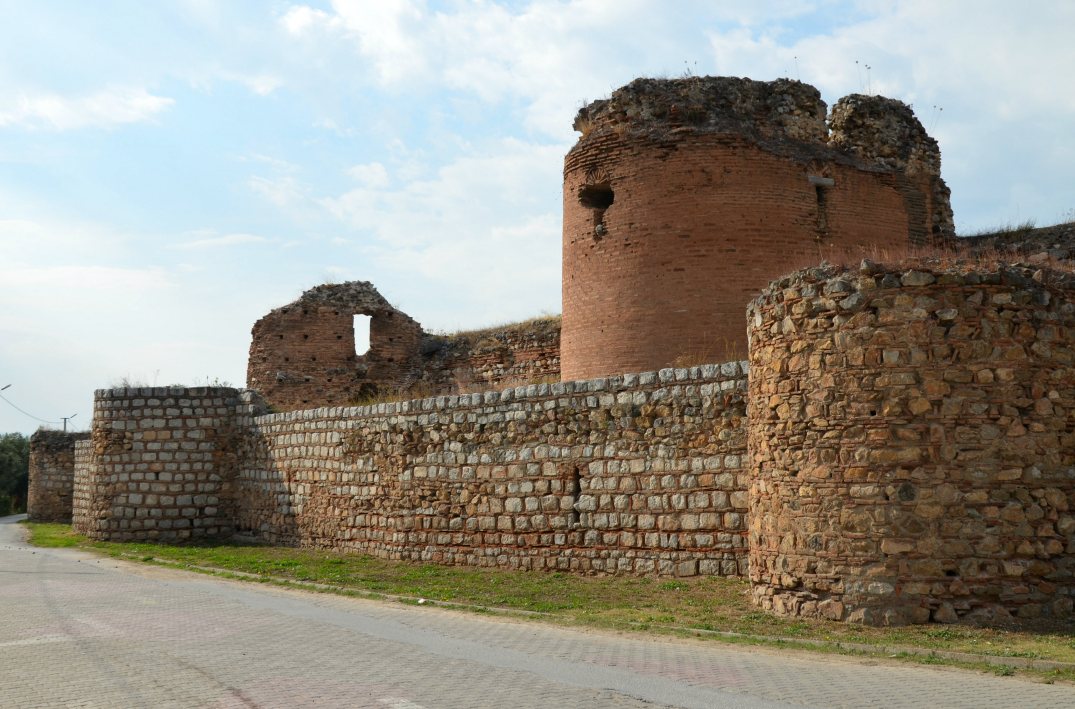
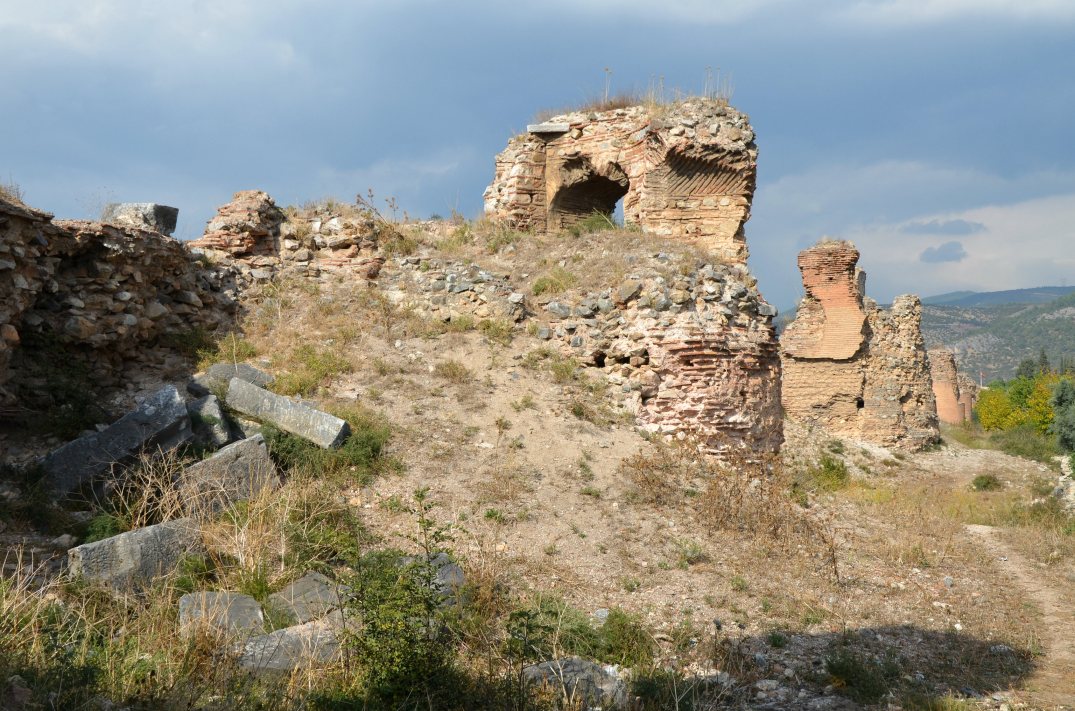
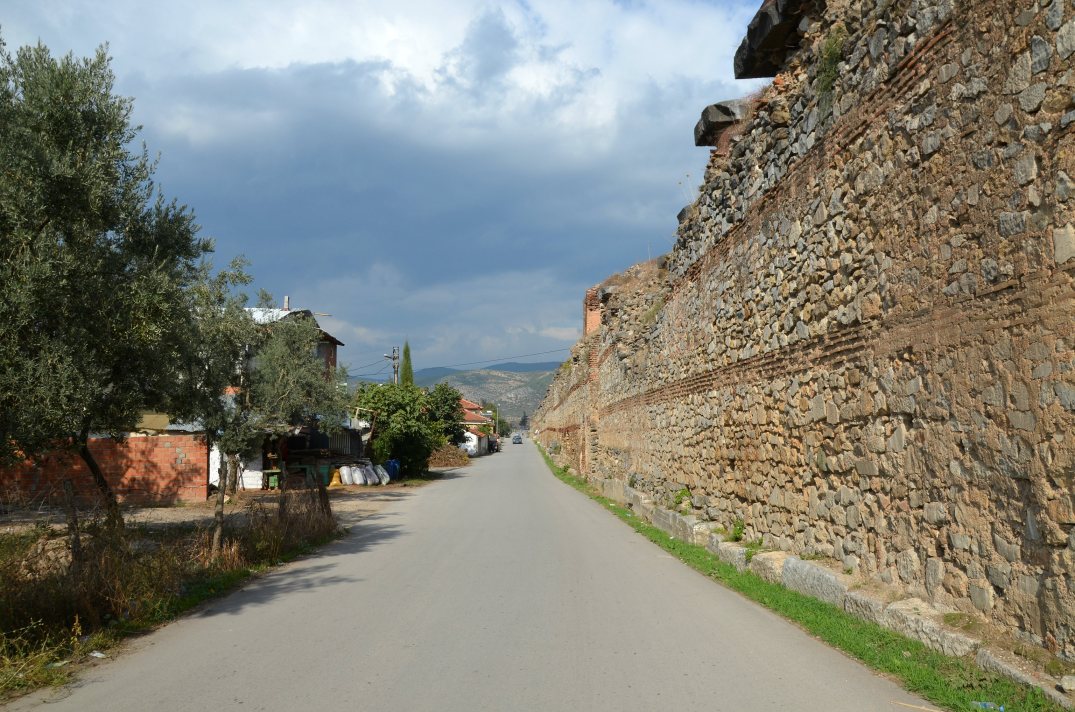
As Strabo records (Strab. 12.4), the town was built as a square measuring 16 stadia in circumference (approx. 700 sq. km). The city’s streets were planned using the Hippodamian system, with all intersections at right angles. This system is still visible in Iznik’s modern street layout. The city had two main streets leading to four gates, visible from a fixed stone at the centre of the gymnasium, which stood at the heart of the town. During the Hellenistic Period, Nicaea had a smaller ring of walls, as Strabo noted. The Hellenistic walls fell into disuse and disappeared in the Roman period. Instead, freestanding triumphal arches were built under Vespasian at the ends of Nicaea’s main streets. After the Goths threatened the region in the late 3rd century AD, the city walls were reconstructed. These walls formed an irregular pentagon measuring about 5 km on a side, as seen on the reverses of bronze coins minted under the emperors Valerian and Gallienus.
Nicaea was embellished under Augustus to the point of contending with Nicomedia for the seat of the provincial governor. A temple dedicated to Roma (the personification of the city of Rome) and Julius Caesar was erected. Furthermore, in this same period, the koinon of Bithynia instituted agonistic games in Nicaea, held every four years in honour of the Emperor.
Caesar, meanwhile, besides attending to the general business, gave permission for the dedication of sacred precincts in Ephesus and in Nicaea to Rome and to Caesar, his father, whom he named the hero Julius. These cities had at that time attained chief place in Asia and in Bithynia respectively. Dio 51.20.6
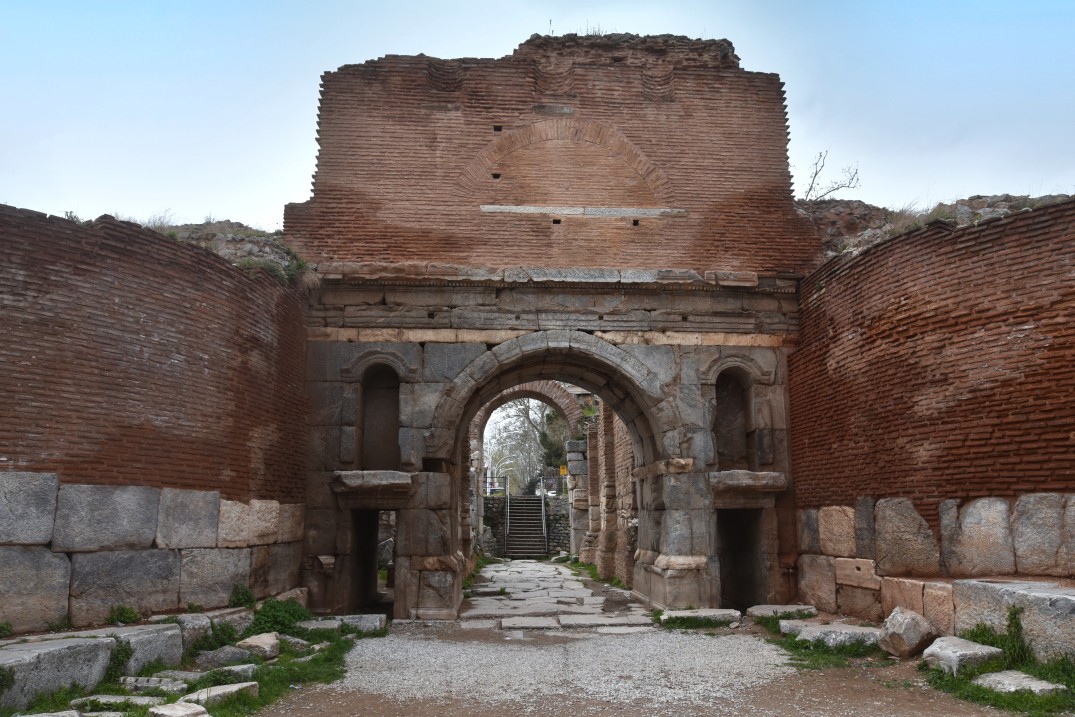
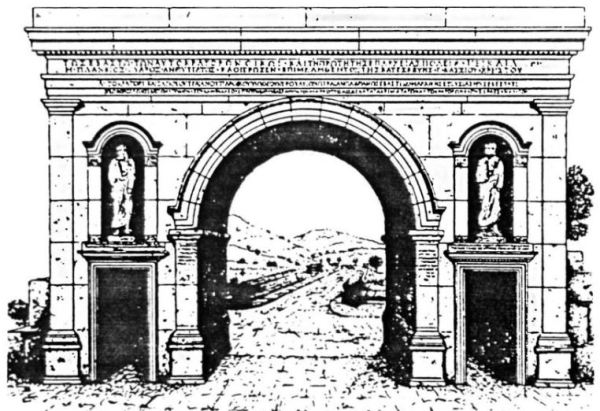
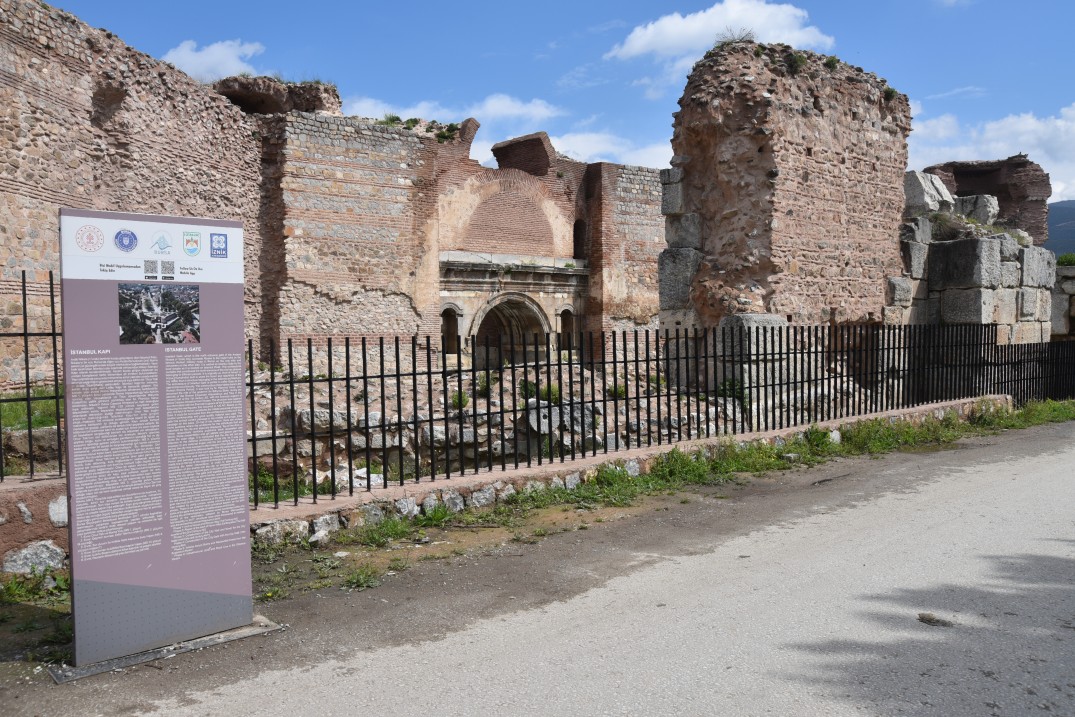
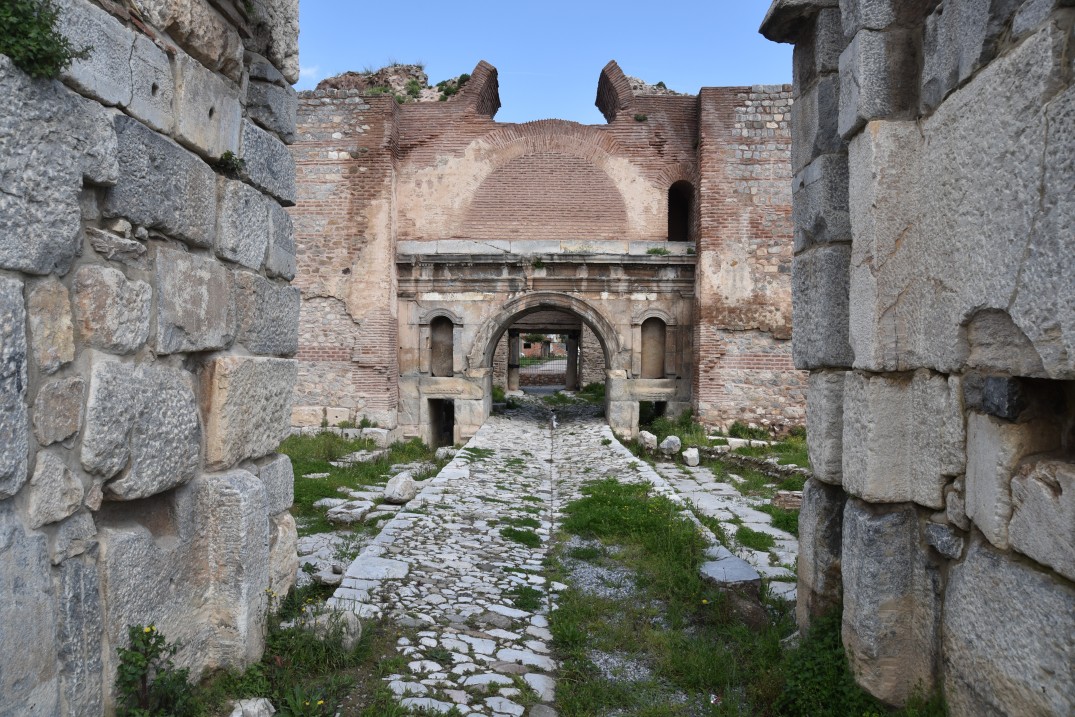
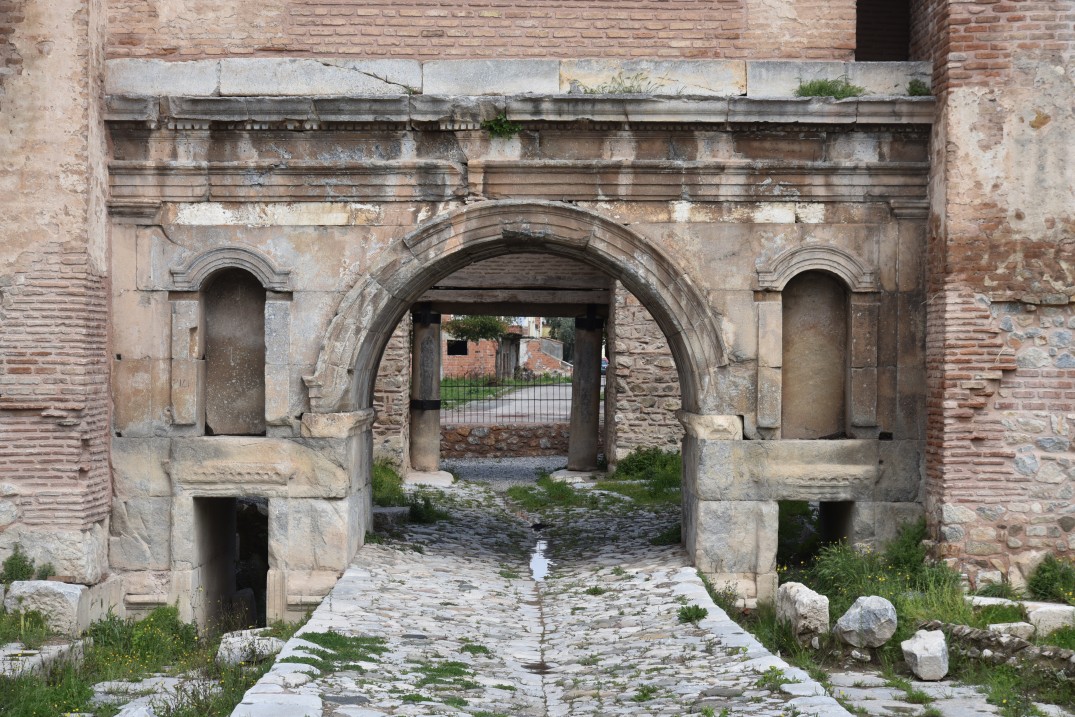
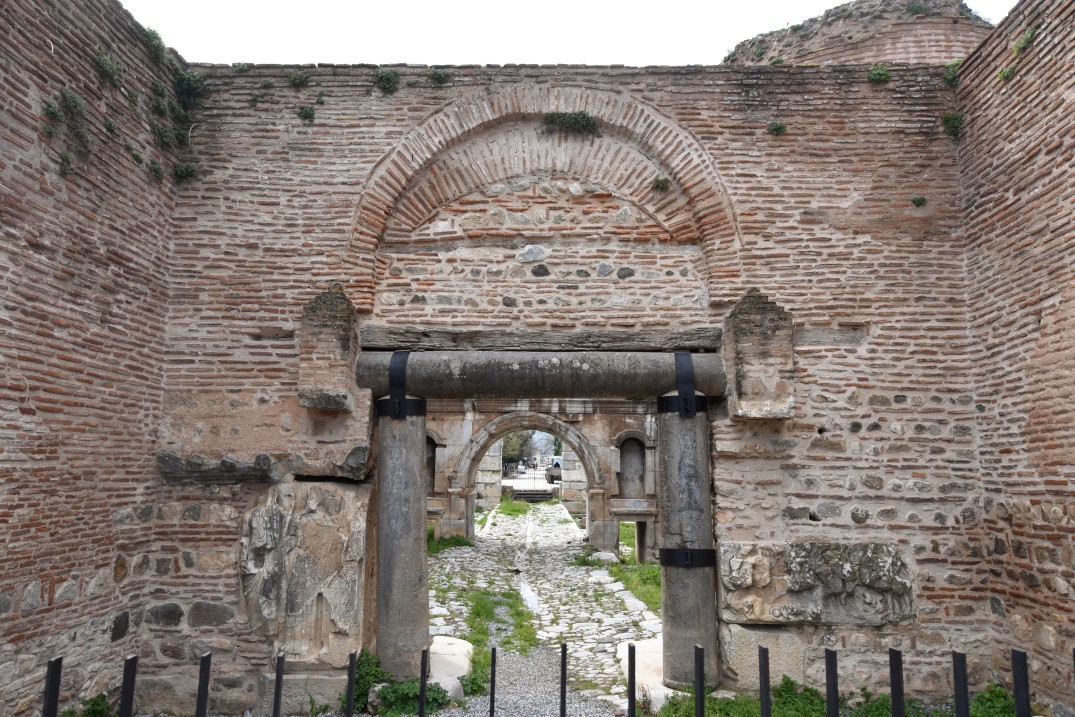
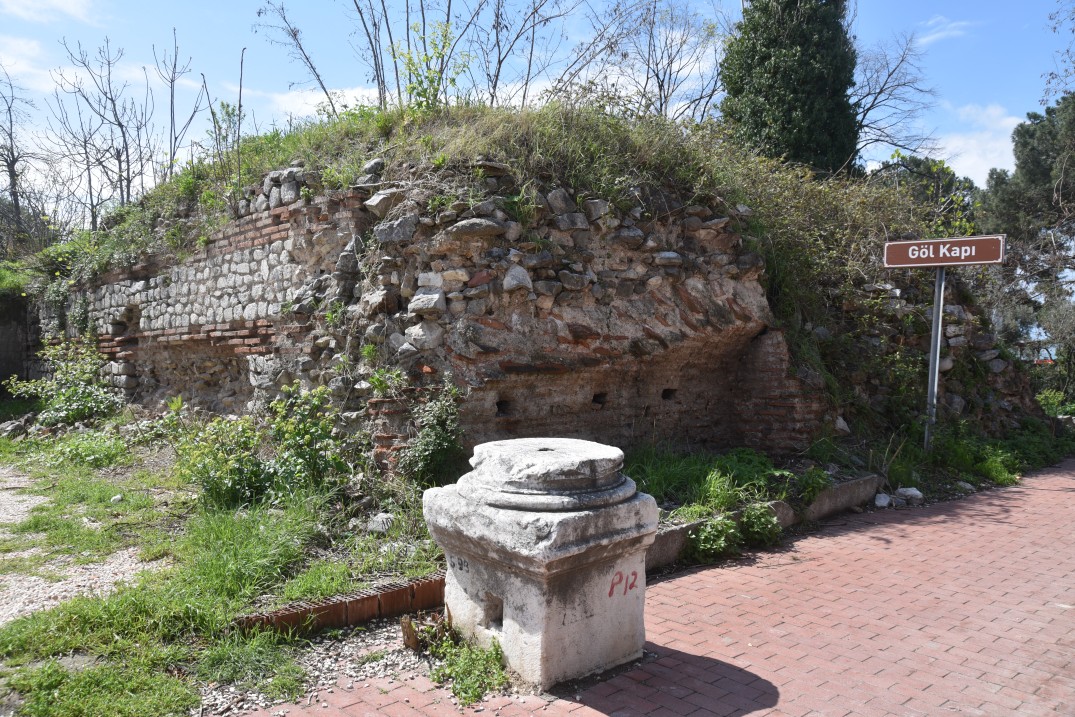
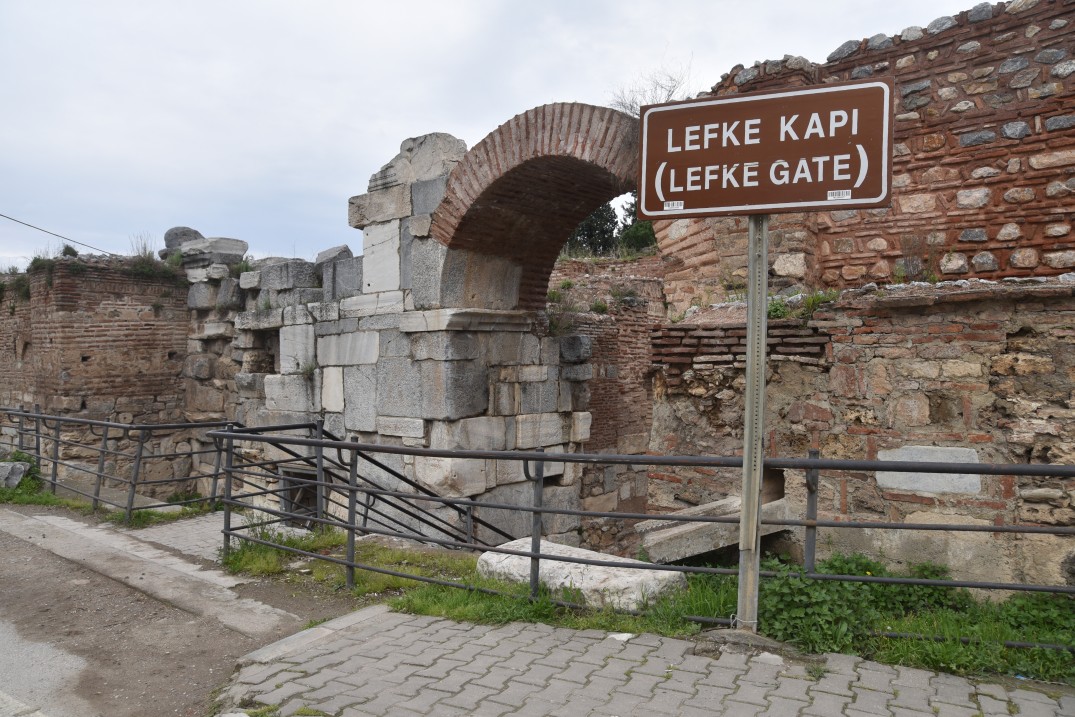
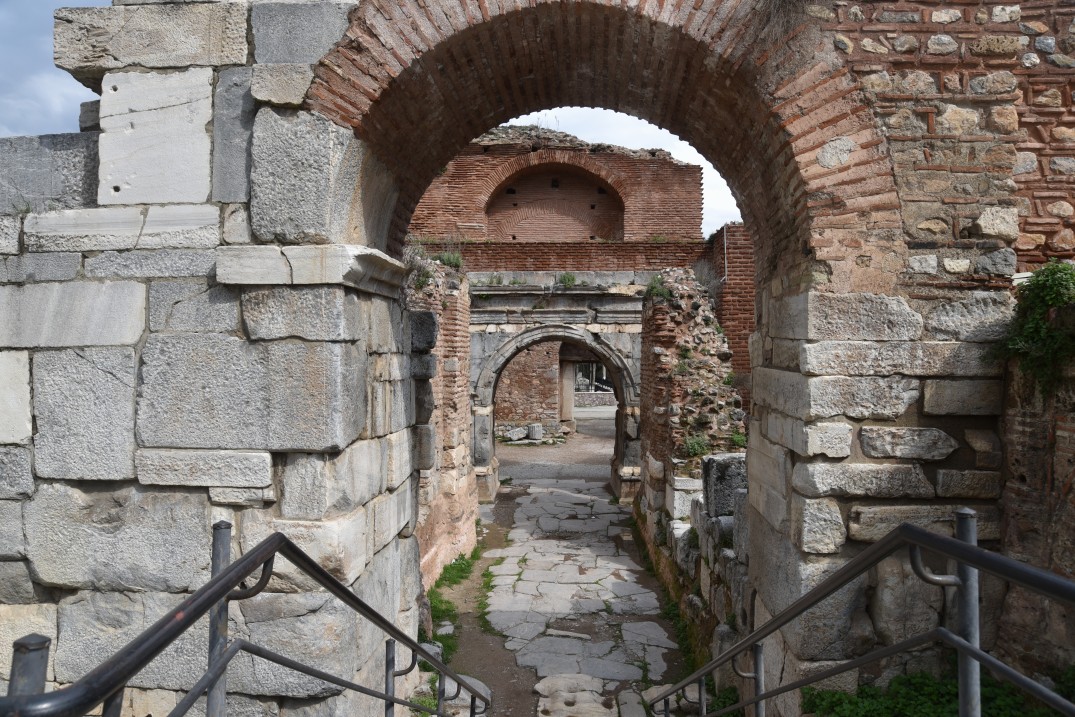
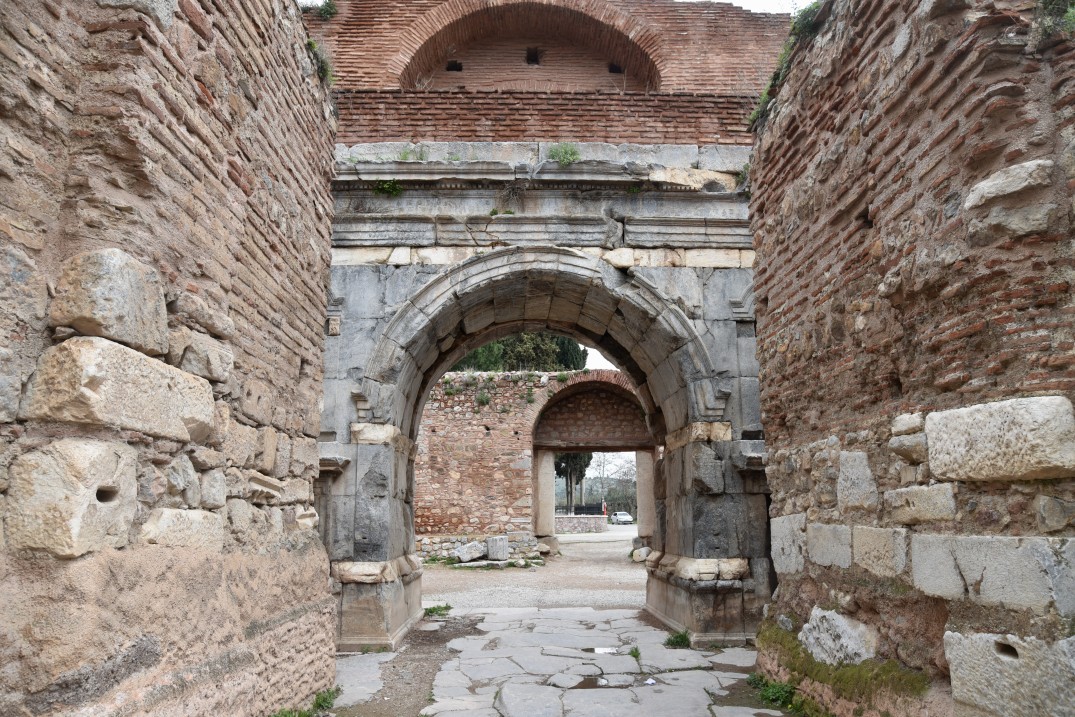
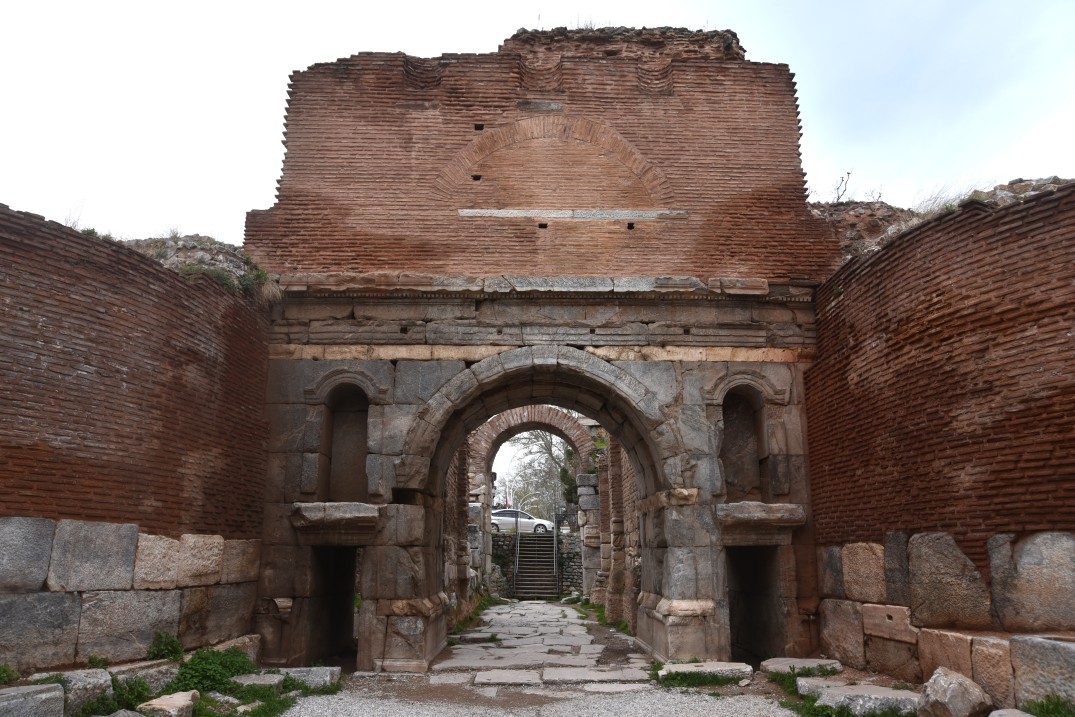
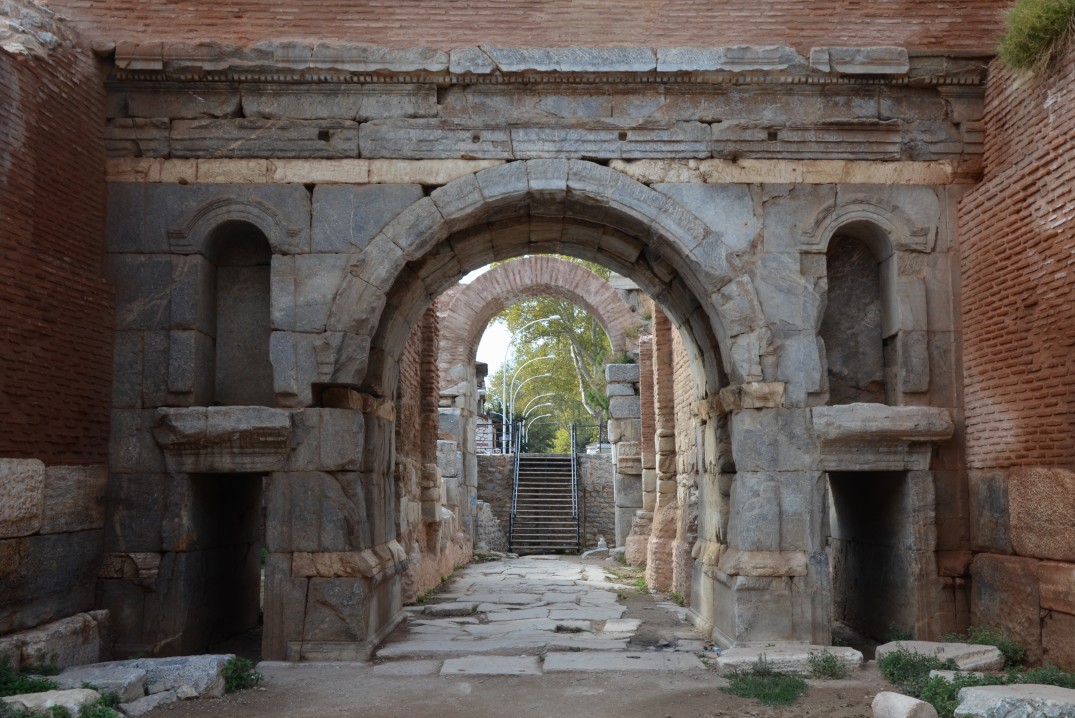
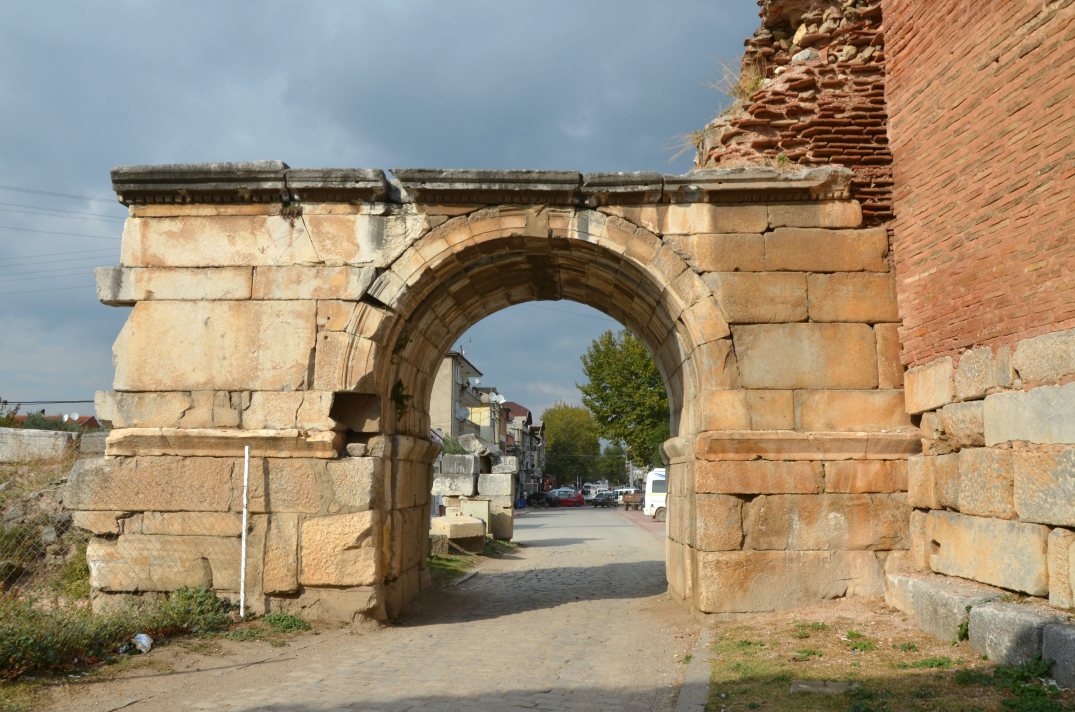
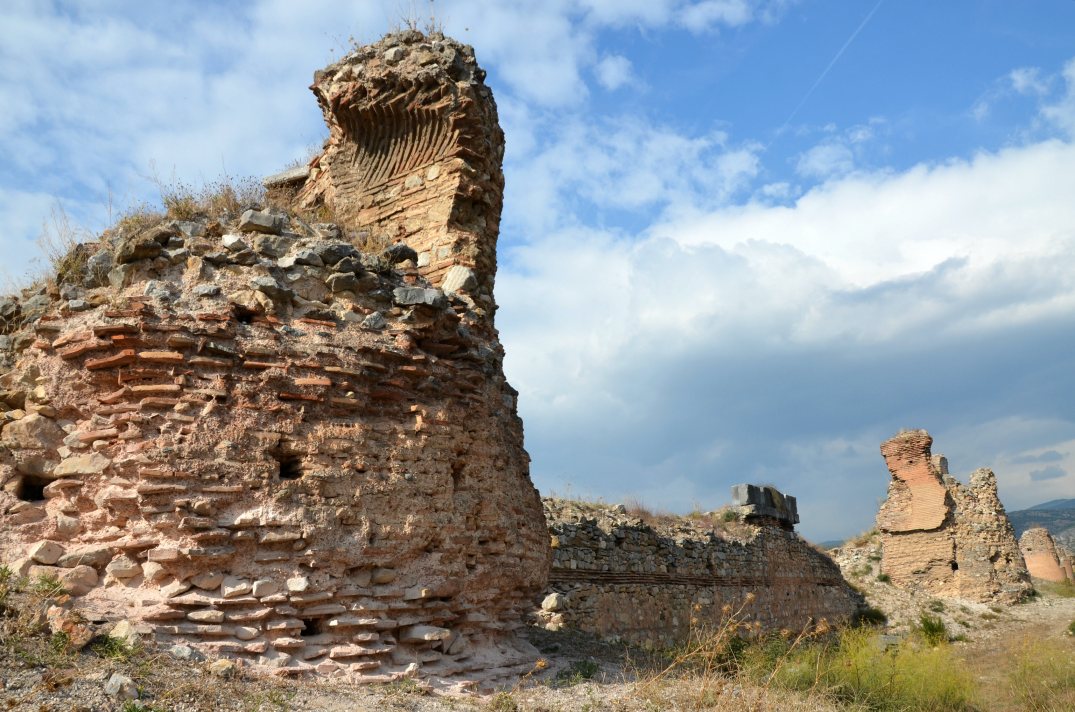
During the Flavian period (after AD 70), four new monumental gates (north, east, west and south) were built from local marble and dedicated by the Bithynian proconsul. They honoured Vespasian and his son Titus and “the first city of the province, Nicaea”. Each gate had an arched central passage flanked by two minor rectangular gateways. They were embellished with statues in the niches on either side of the archway and perhaps over the gates. Later, in the 3rd century AD, as part of a re-fortification project, the walls were raised, and the gates were entirely rebuilt with a new brick superstructure and towers.
Pliny the Younger, governor of Pontus and Bithynia under Trajan, played a significant role in developing and expanding the city of Nicaea. During his tenure, he corresponded with Trajan on the state of public works in the city. Pliny reported on the progress of various unfinished buildings, including the theatre and the gymnasium (Plin. Epist. 10.39).
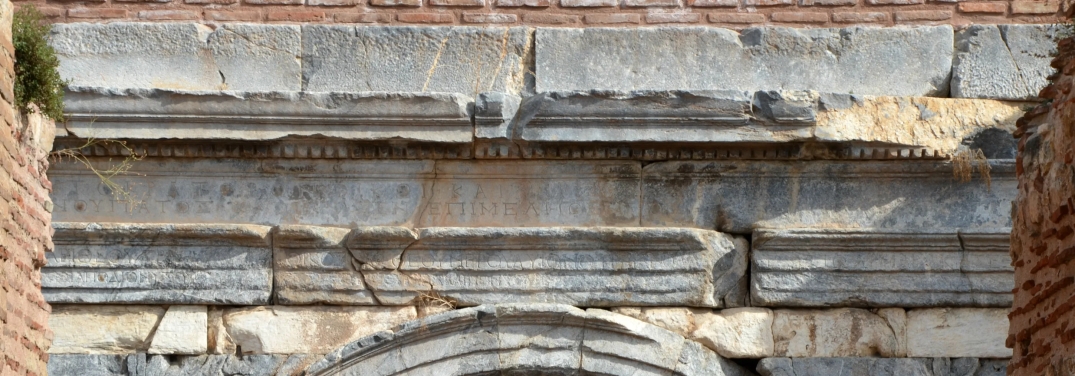
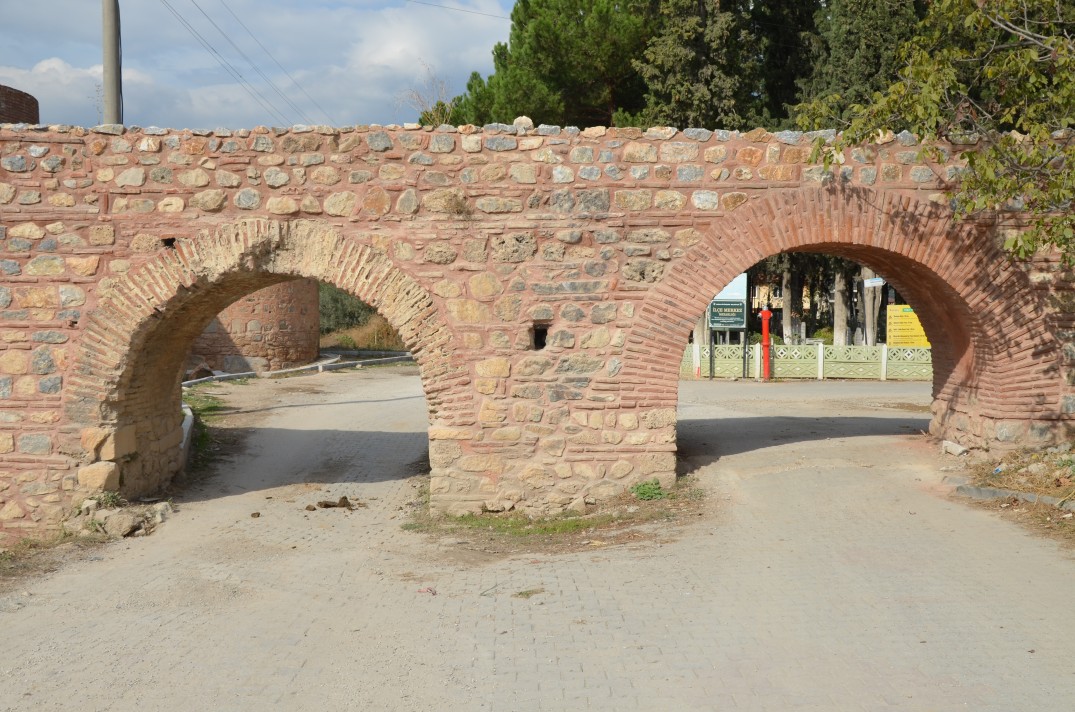
Nicaea was devastated by an earthquake in AD 120, which caused extensive damage. Hadrian contributed to the city’s rebuilding by providing it with new colonnaded streets and a market and repairing the city walls on a much larger scale. In honour of his benefactions and his visit in 124, Nicaea’s northern and eastern gates would be rededicated to Hadrian (IK Iznik 29). Another inscription (AE 1939, 293) indicates that Hadrian was the dedicatee of the Nicaea aqueduct and that he enforced strict land-use regulations around the aqueduct. Under Hadrian, Nicaea became a neokoros for the first time and was awarded the title metropolis, as evidenced by the long dedication to Hadrian on both sides of the architrave of the gates.
After an earthquake had happened, Nicomedia lay in ruins, and many things were overturned in the city of Nicaea: for the reconstruction of which, Hadrian generously gave funds from the public treasury. Jerome, Chronicle 180
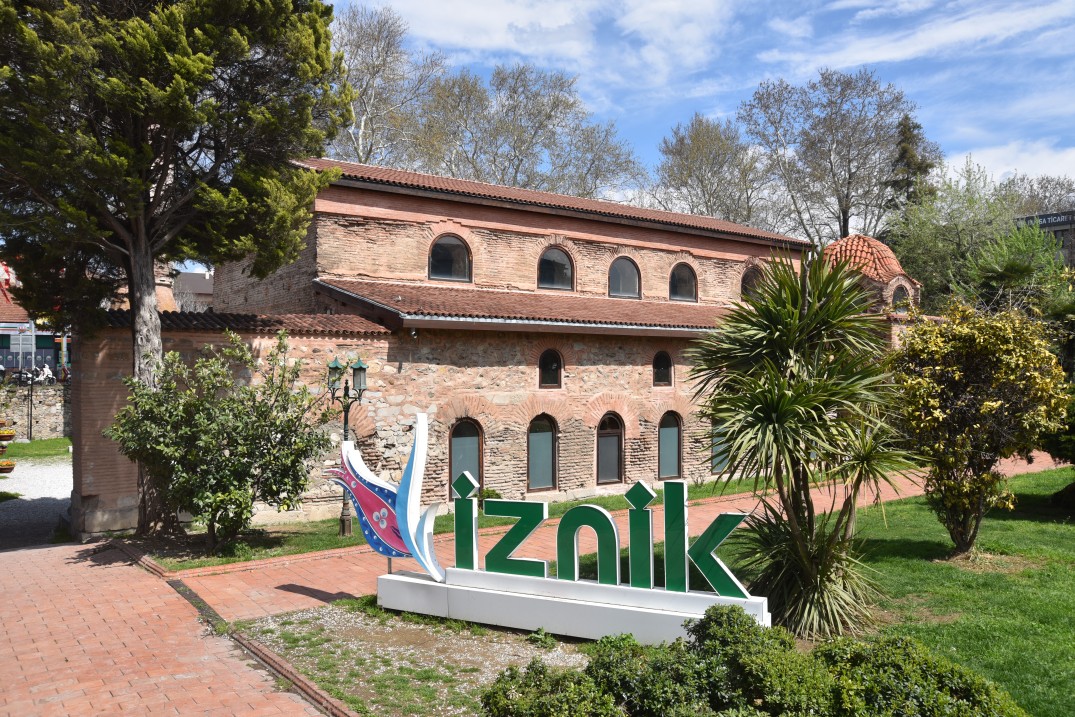
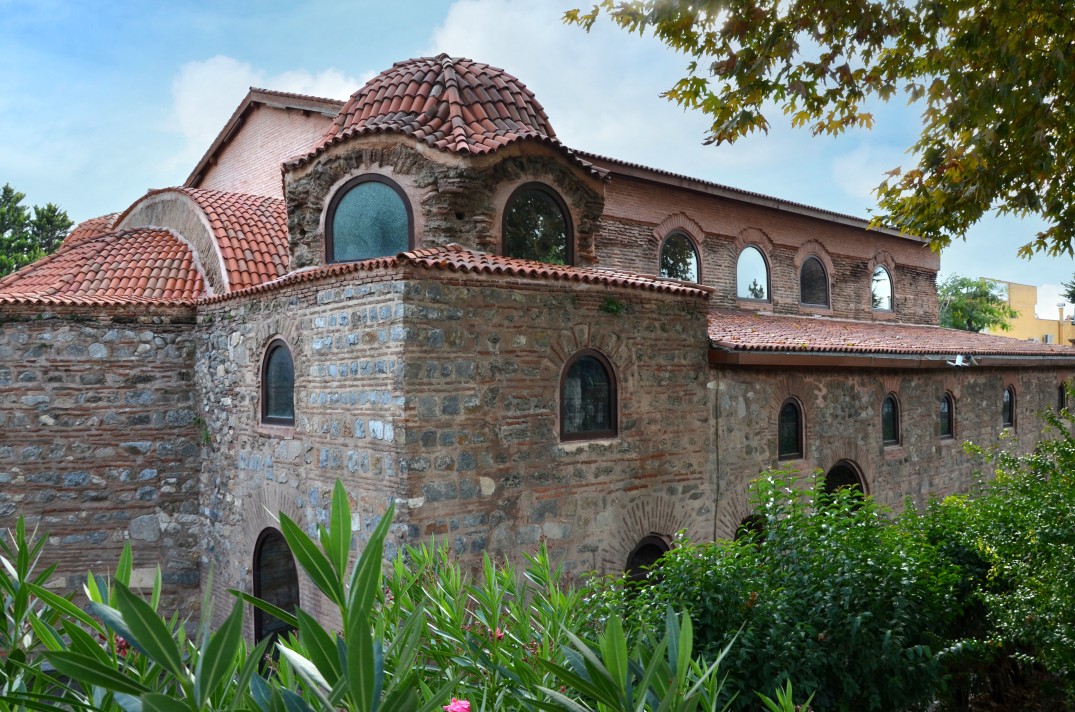
The city’s historical significance reached a zenith in AD 325 when it hosted the First Council of Nicaea, convened by Constantine the Great. This ecumenical council aimed to address theological disputes within Christianity and led to the formulation of the Nicene Creed, a seminal statement of Christian faith. The impact of this council resonates through the annals of Christianity, solidifying Nicaea’s place in religious history. Another important council was held in AD 787 to deal with the iconoclastic controversy. This would be known as the Second Council of Nicaea and the Seventh Ecumenical Council.
The Byzantines further fortified the city, leaving remnants of defensive walls and structures that testify to its strategic importance. However, the city experienced several destructive earthquakes over time. In AD 740, a powerful earthquake caused significant damage to Nicaea, leading Emperor Constantine V (r. AD 741–775) to initiate extensive reconstruction projects in Nicaea and throughout the region.
After the sacking of the Byzantine capital, Constantinople, during the Fourth Crusade, Nicaea became the capital of the Empire of Nicaea and the Patriarchate’s seat until the collapse of the Latin Empire in 1261. Nicaea fell to the Ottoman Turks in 1453. Renamed Iznik, the town gained worldwide renown as the centre of ceramic tiles and pottery production, one of the most beautiful and enduring types of Turkish-Islamic art (see here). Iznik tiles are a type of ceramic tile used in architectural applications for private residences since the late 15th century. These tiles are known for their beautiful and intricate designs and patterns, often featuring blue and white floral or geometric motifs.
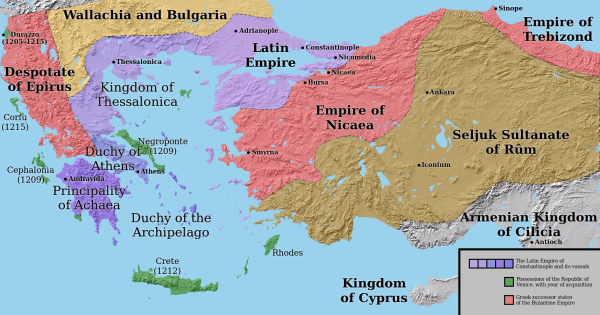
Author: LatinEmpire (Wikimedia)
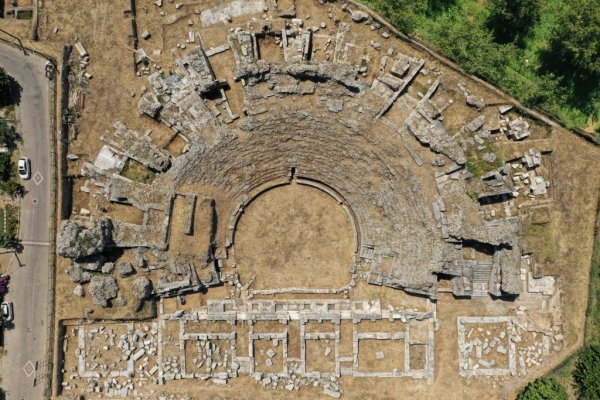
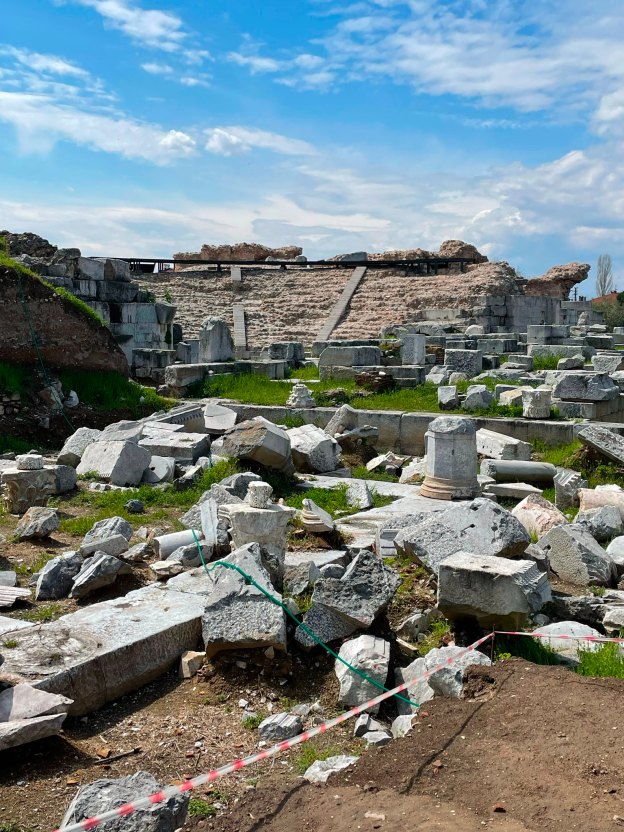
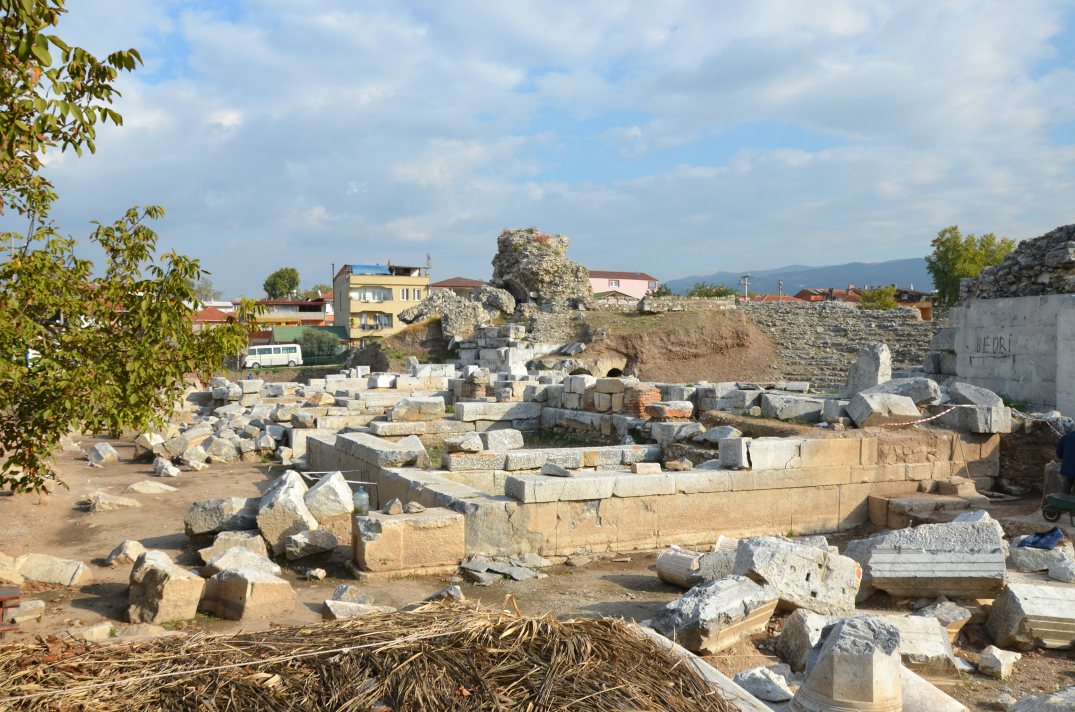
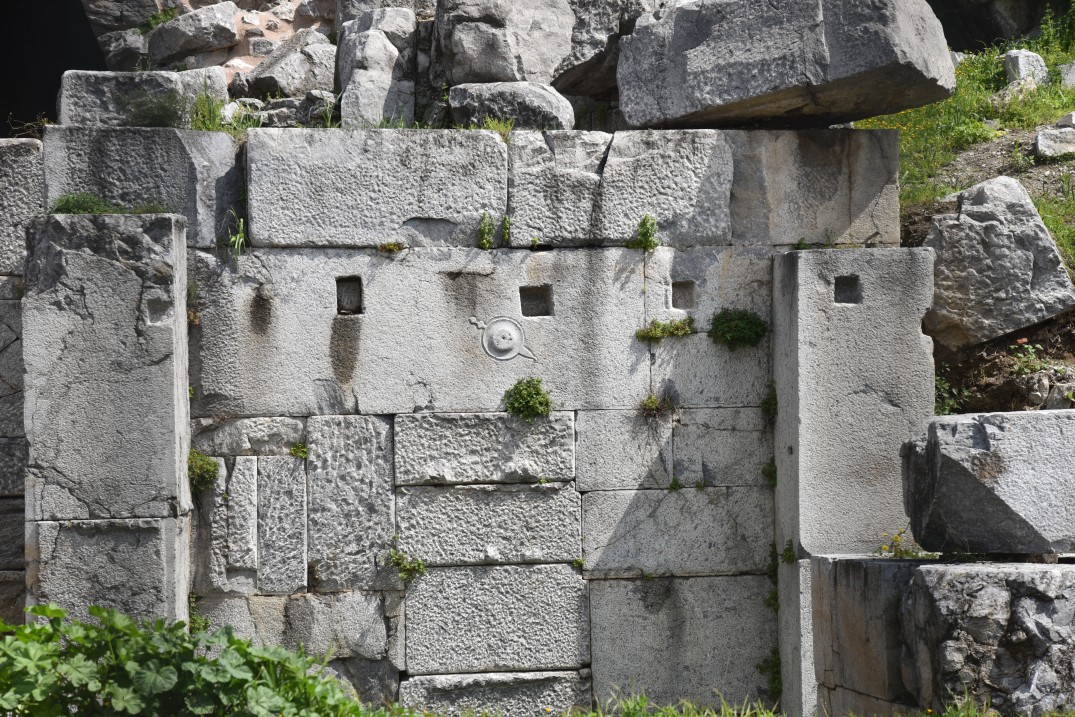
Excavation and restoration work at Pliny’s theatre has been carried out by Dokuz Eylül University’s archaeology department since 2016. The theatre, which is the only one in Turkey that rises on vaults in a flat area, has a seating capacity of approximately 10,000 spectators. During the reign of Hadrian, two-story columned galleries were constructed on both sides of the stage building, independent of the theatre. The galleries of the second floor were decorated with statue herms standing between the columns and parapets. The theatre was used for gladiatorial games, as evidenced by the sword-shield relief on the analemma wall and the gladiator oil lamps found during excavations. Further excavations have revealed that the theatre was later transformed into a mass graveyard in the 13th century. During the Ottoman period, ceramic kilns were discovered within the ancient building, and its stones were used as construction materials, particularly in rebuilding the city walls during the Byzantine and Ottoman periods.
www.gotobursa.com.tr
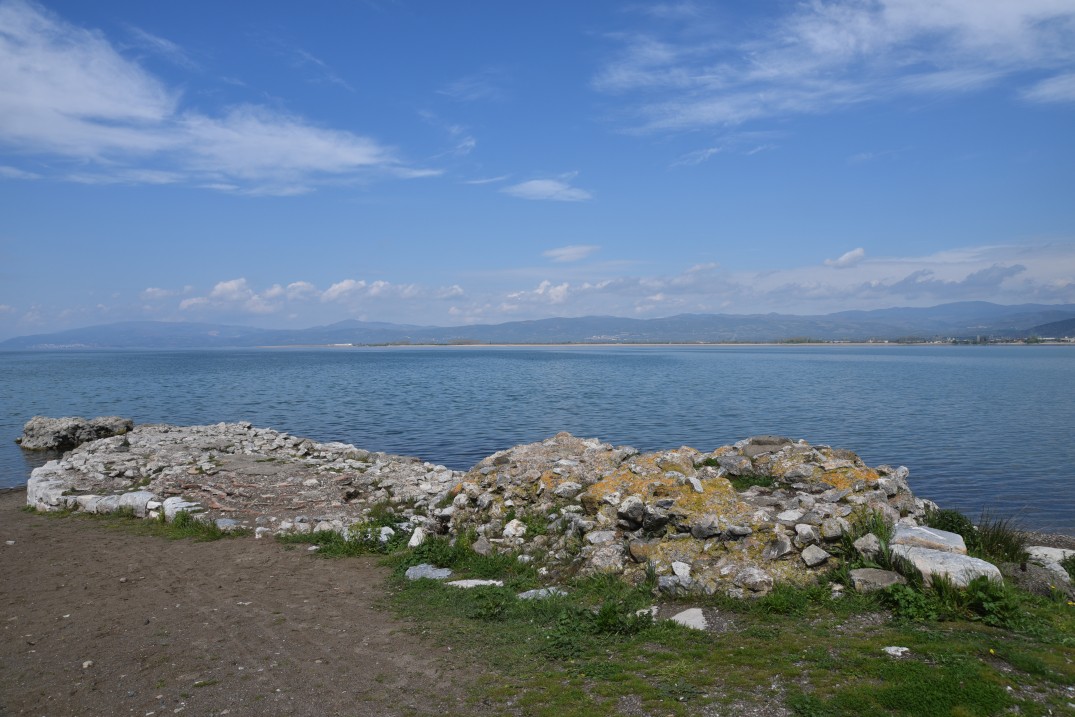
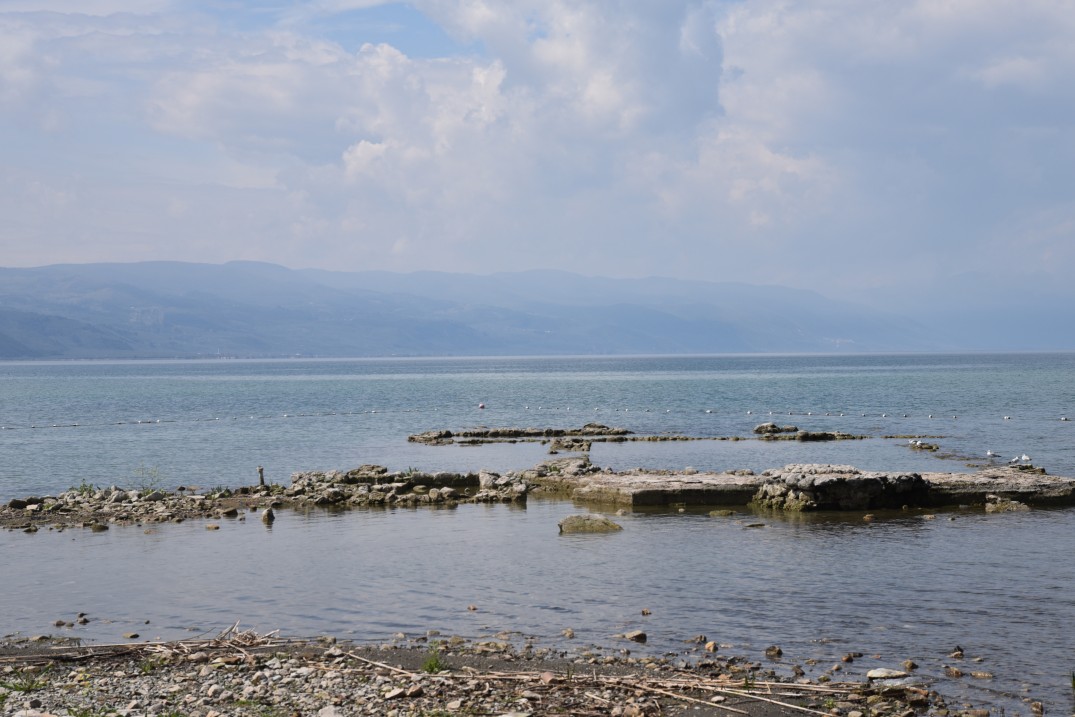
In 2014, during a seasonal drought when the lake was at a low level, the remains of a basilica church were discovered just outside the city walls, approximately 50 metres from the shore. This basilica is believed to have been built in memory of Saint Neophytos, who was killed during the Christian persecution led by Diocletian. According to researchers, the basilica may have been built in response to the First Council of Nicaea, convened by Constantine the Great in 325. The basilica became submerged after an earthquake in AD 740. The discovery of the basilica was included in the Archaeological Institute of America’s list of the top 10 archaeological discoveries of 2014.
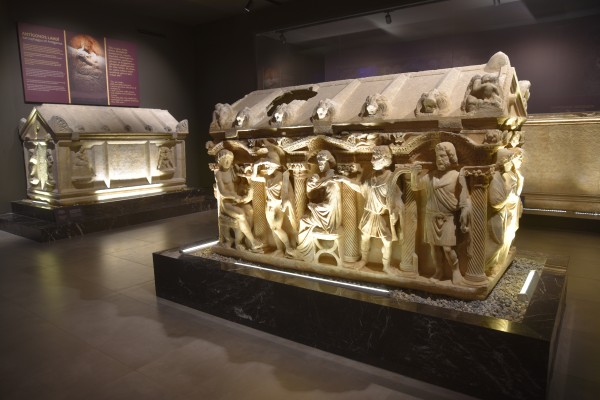
Nicaea is well known for its necropolises surrounding the city. The Hisardere Necropolis is one such necropolis situated 2.4 km from the city centre on a 10,400 m2 land that includes vineyards and olive groves. The area has been subjected to rescue excavations, revealing numerous sarcophagi and terracotta cist burial chambers, including the Sarcophagus of Gregorios, the Sarcophagus of Achilles, the Sarcophagus of Antigonus and the Sarcophagus of Nike and Eros. These sarcophagi can be viewed at the new Iznik Archaeological Museum.
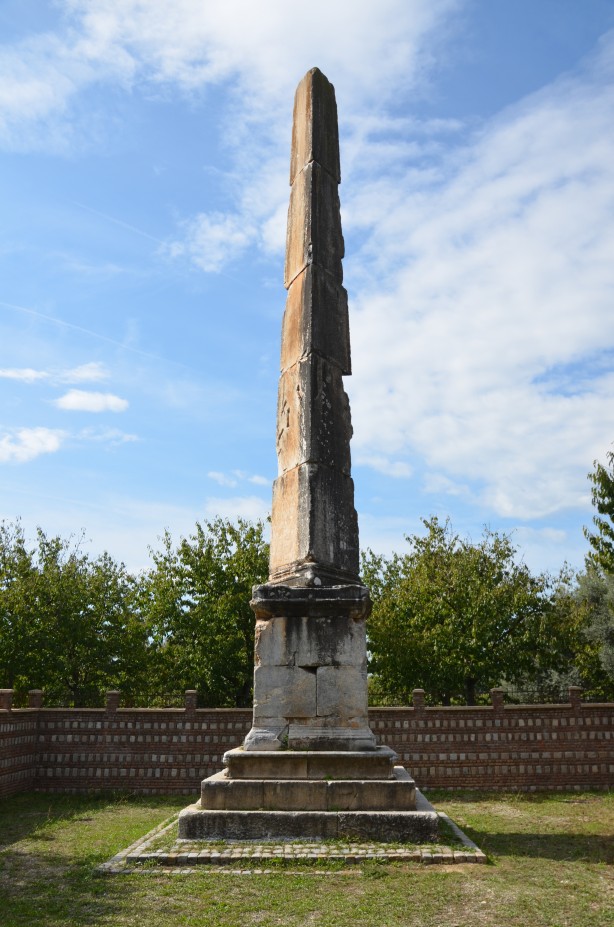
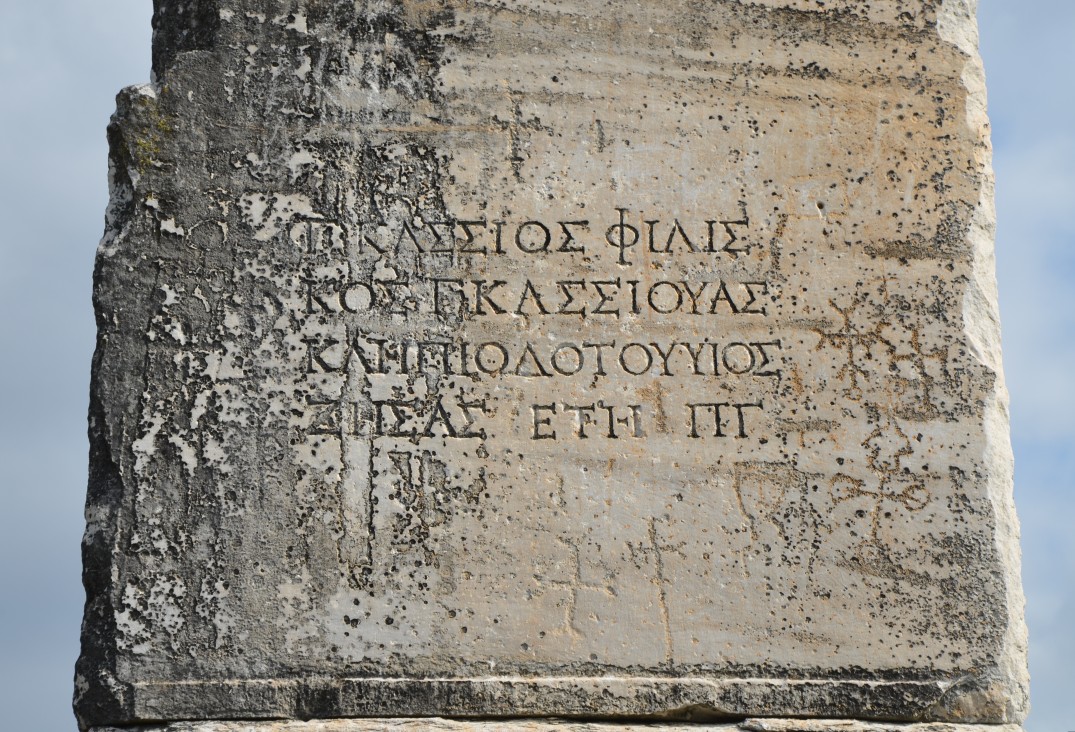
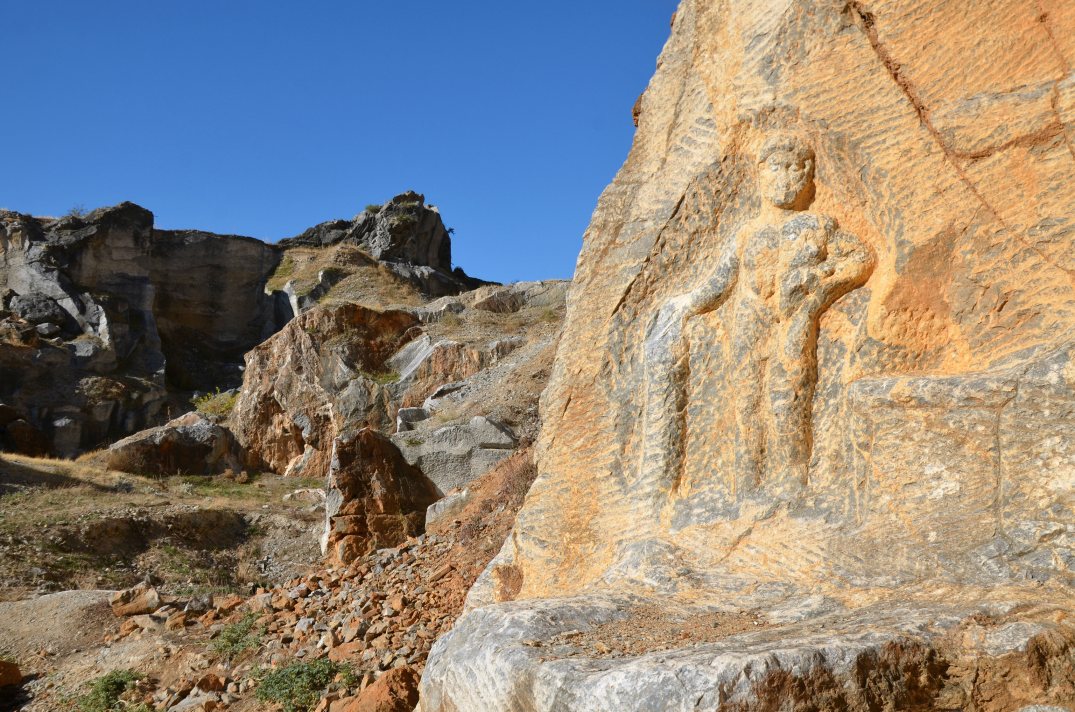
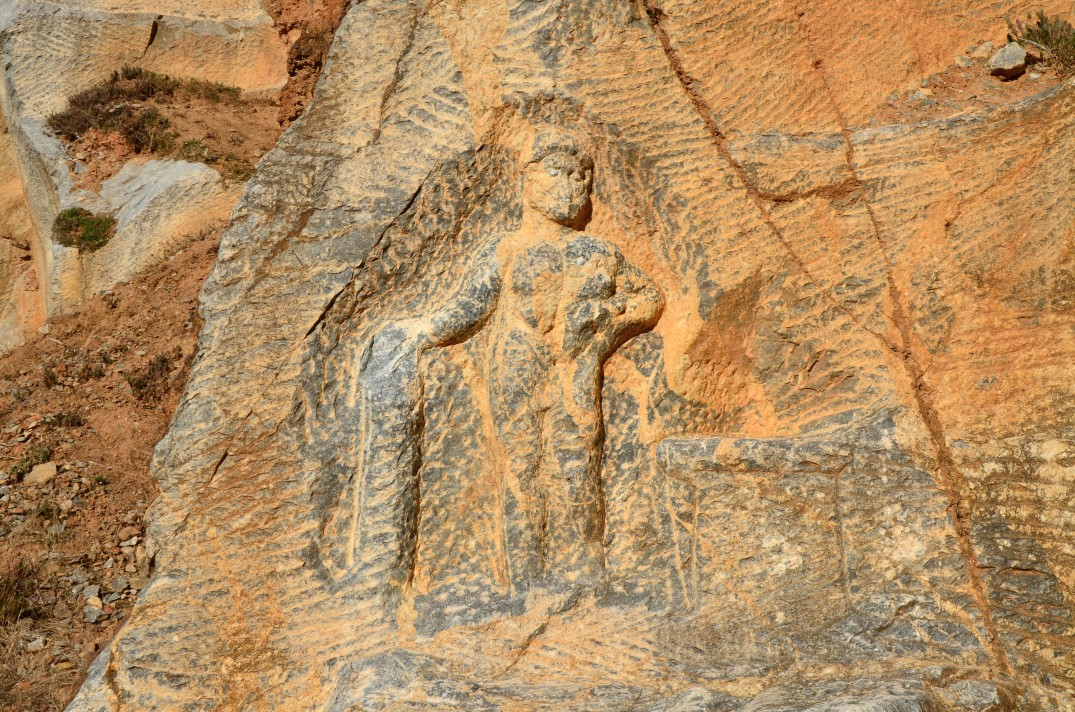
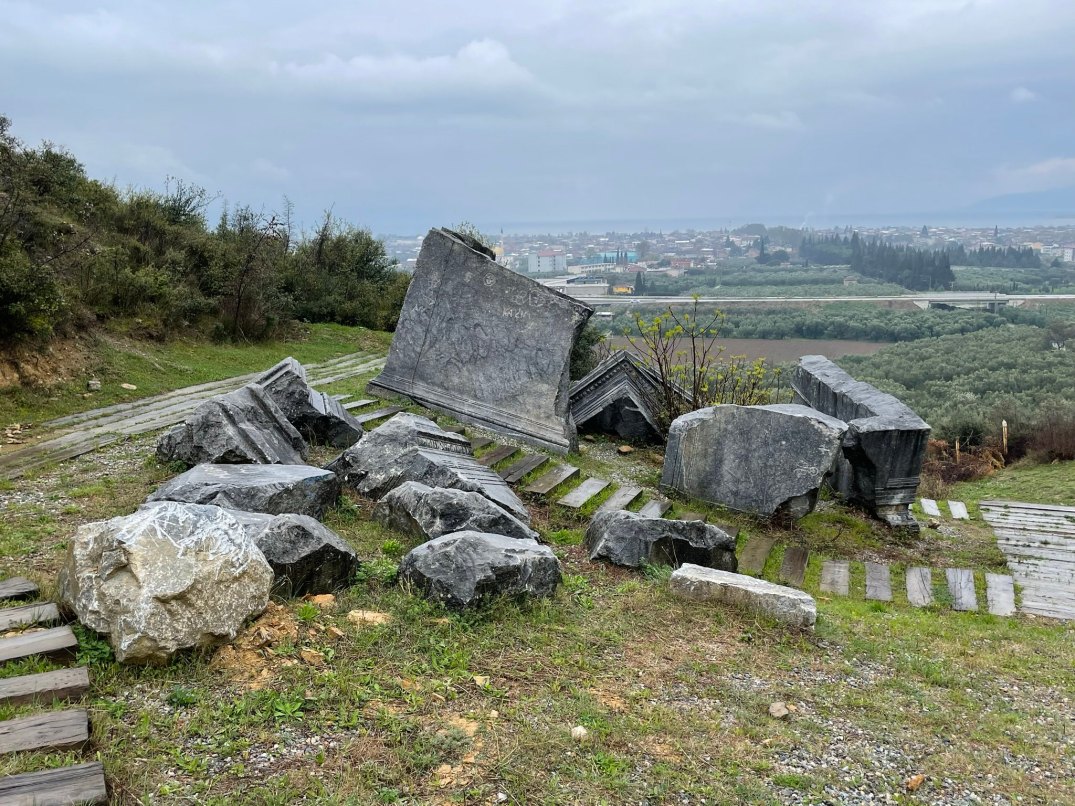
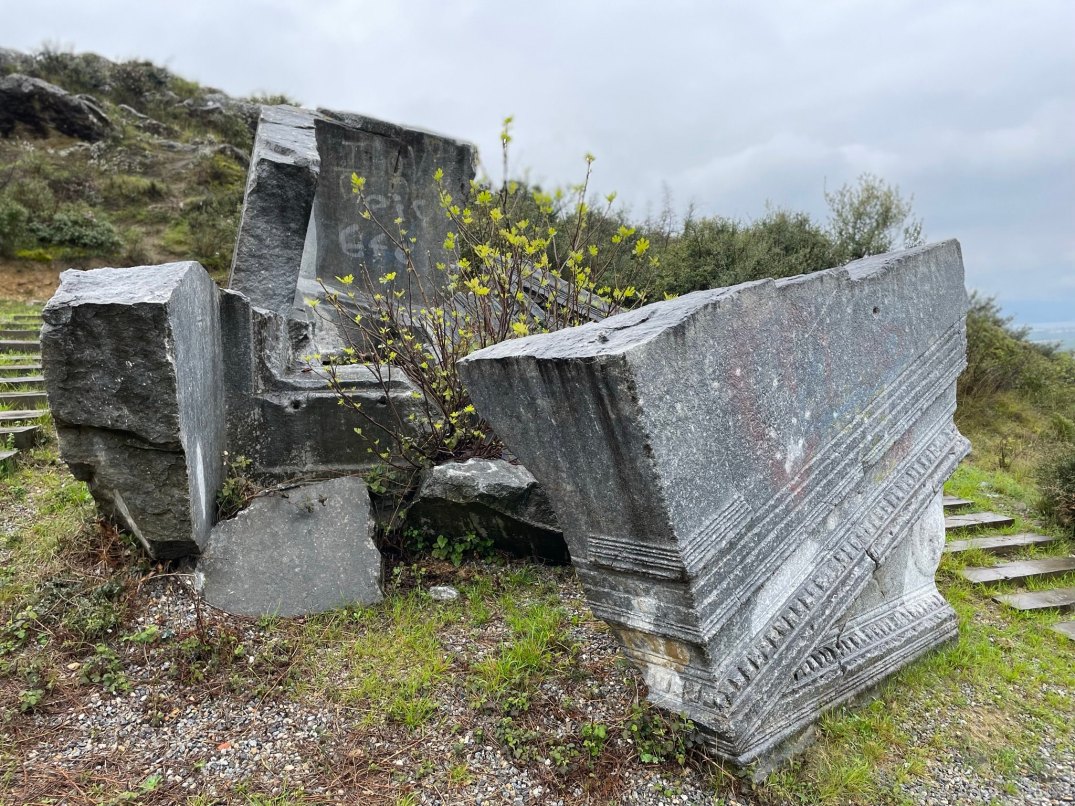
Just outside Nicaea, along the ancient road to Nicomedia, stands the funerary monument of Gaius Cassius Philiscus, a wealthy landowner from Nicaea who died at 83. Another funeral monument can be seen north of Iznik, where 17 pieces from a burial chamber carved from basalt rock, known as “Berber Rock” by locals, are scattered on a slope near the district’s Lefke Gate. The tomb dates back to the Bithynia civilisation in 149 BC. In 1990, a beautiful relief of Hercules was discovered in an ancient stone quarry known as Deliktas, just outside of Iznik. This relief may be related to the mythological foundation of Nicaea, as the hero Herakles is said to have founded the city.
İznik is on the UNESCO World Heritage Site Tentative List.
PORTFOLIO
Lake Ascanius (Lake Iznik)
The Gates and City Walls
recovered from the Roman theatre of the city.
The Roman Theatre
The Hagia Sophia
The Beştaş Obelisk
Stone relief of Hercules
Basilica of Saint Neophytos
Berber Kaya
Links:
- The Princeton Encyclopedia of Classical Sites: NICAEA (Iznik)
- Stefanidou, Vera (2003). “Nicaea (Antiquity)“. Encyclopaedia of the Hellenic World, Asia Minor. Foundation of the Hellenic World.
Read more about Hadrian’s arrival in Nicaea in AD 117 on Following Hadrian.


Pingback: Early AD 124 – Hadrian spends the winter in Nicomedia, tours Bithynia and meets Antinous (#Hadrian1900) FOLLOWING HADRIAN
Pingback: Summer AD 124 – Hadrian tours Asia, visits Cyzicus and Troy and hunts a she-bear (#Hadrian1900) FOLLOWING HADRIAN
Pingback: Ancient Theatres, Odeons and Bouleuteria – following hadrian photography