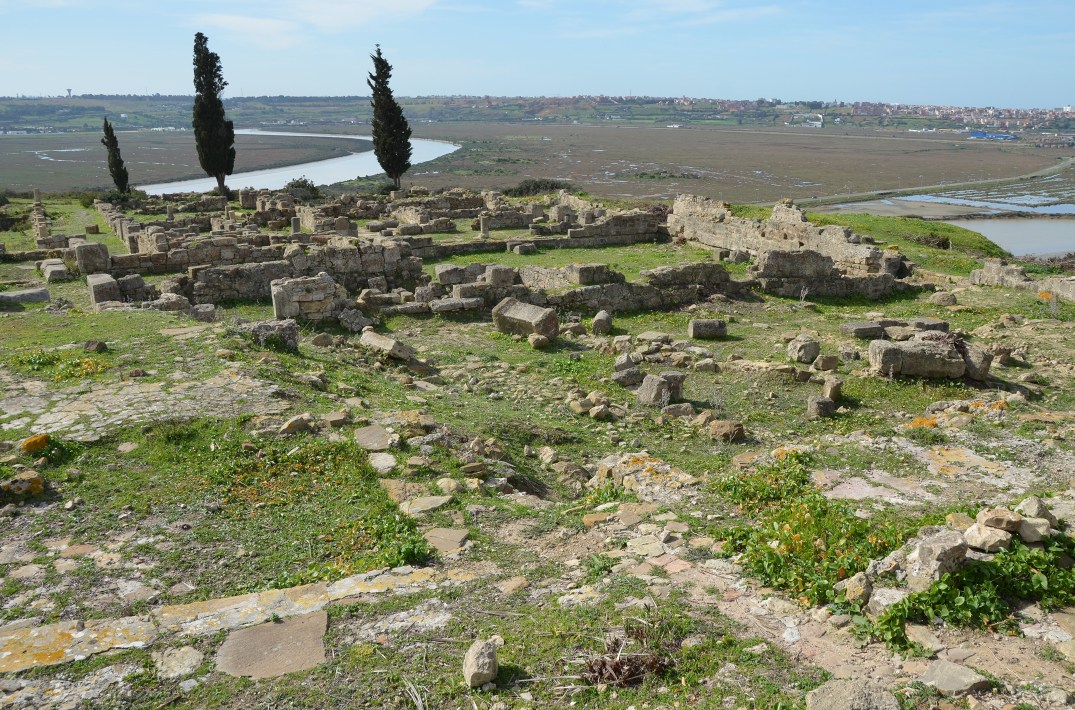
Lixus is an ancient Roman-Berber-Punic city on the western coast of Morocco, just north of Larache. It lies on a hill with spectacular views over the Loukkos Estuary (Lucus River) and is one of the first western Mediterranean cities. Lixus was first settled by the Phoenicians during the 8th century BC and gradually grew in importance as a trading post (in gold, ivory and slaves), later coming under Carthaginian domination.
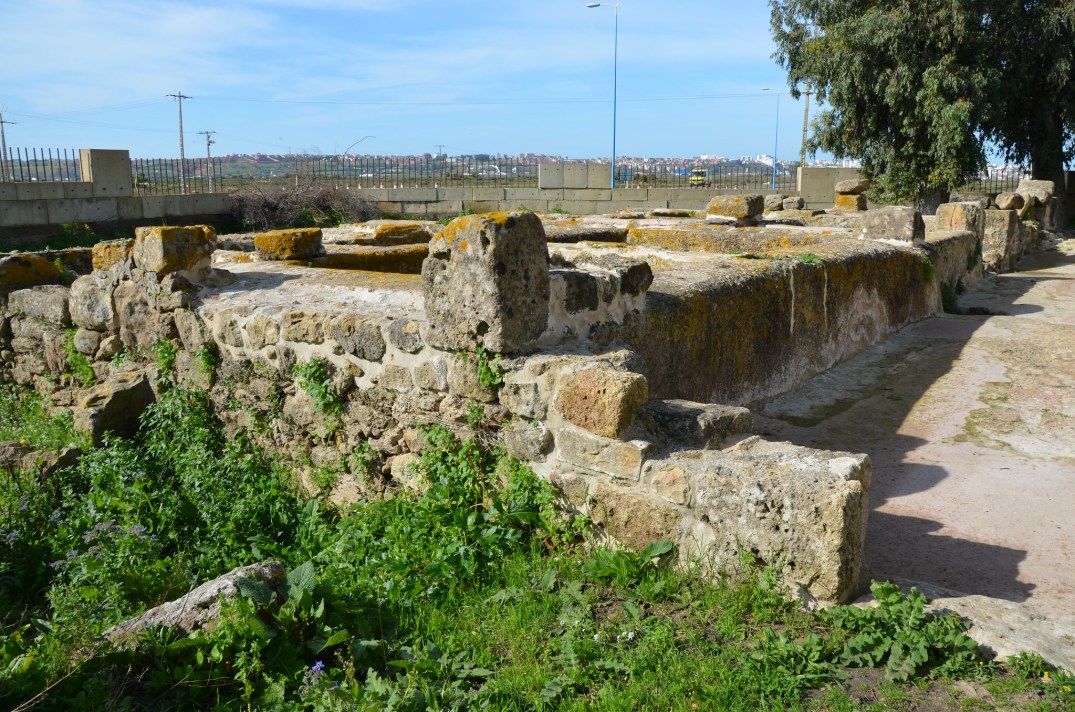
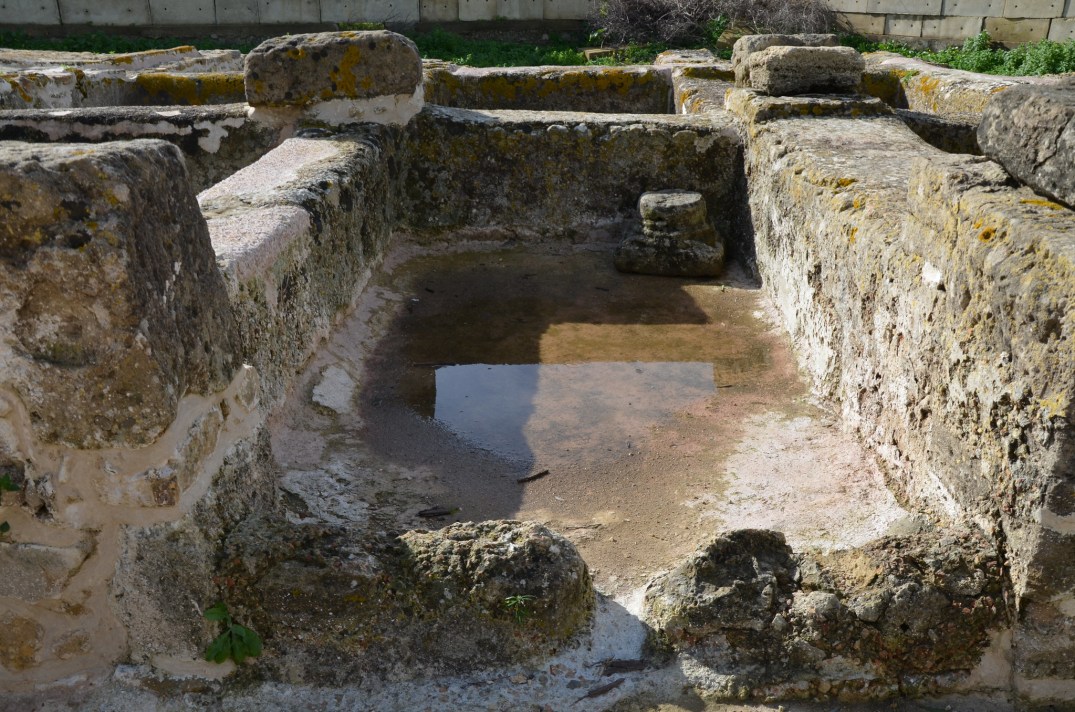
After the destruction of Carthage, the city fell to Roman control and reached its zenith during the reign of the emperor Claudius (AD 41–54) and began exporting the fish-based garum sauce. The salt-fishing factory consisted of closely spaced complexes with a salting capacity of over one million litres, making it the largest garum producer in the western Mediterranean. In the 3rd century AD, Lixus became nearly fully Christian. The site was abandoned in the 7th century AD and later became known to Muslims as Tuchummus when a mosque was erected.
Floors decorated in mosaics, an amphitheatre, garum-making facilities, baths, and a Paleochristian church are reminders of the splendour and prosperity of Lixus. The excavated zones (62 hectares) constitute approximately 20% of the total surface of the site.
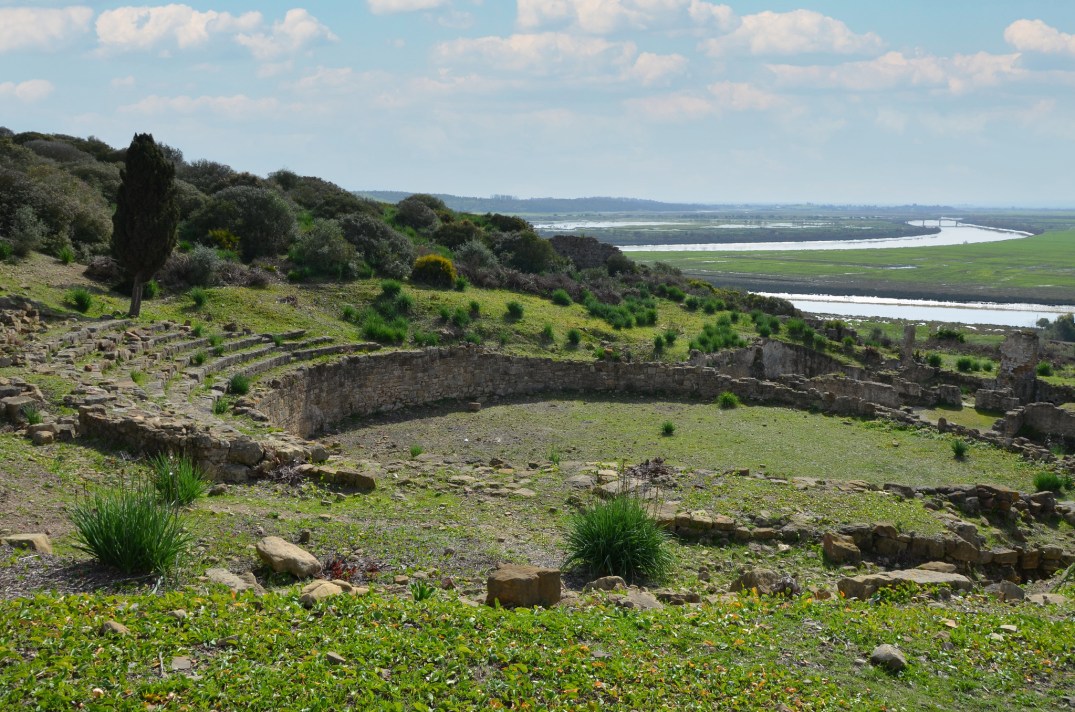
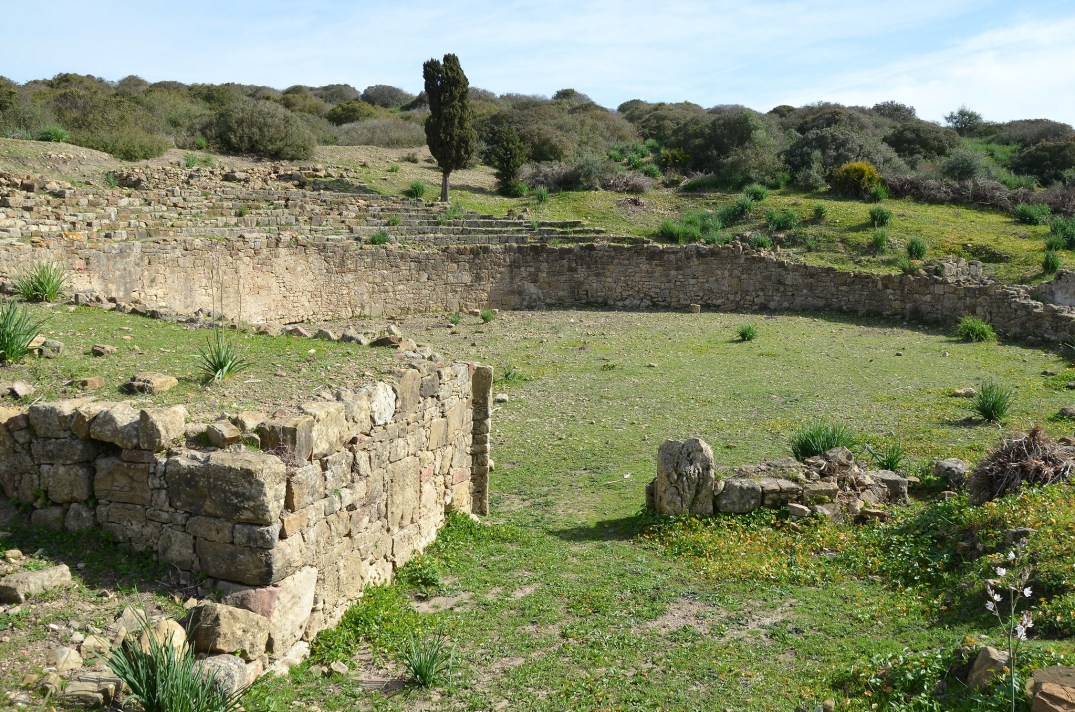
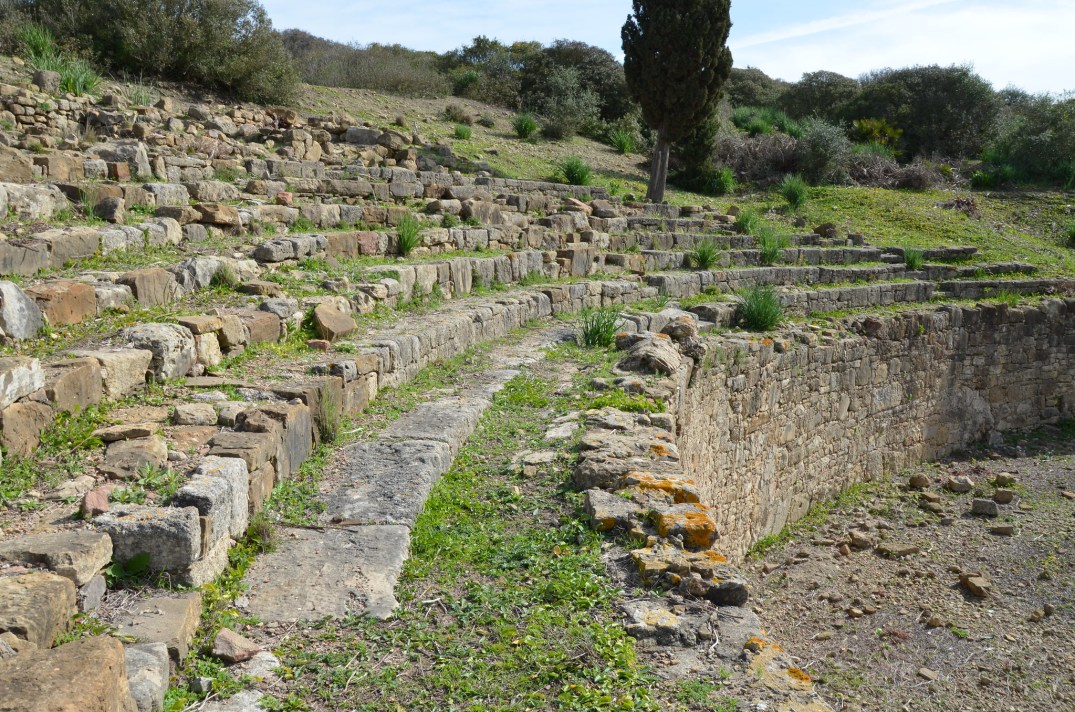
Complex 1 of the fish-salting factory, with 23 extant vats (cetariae) that functioned from AD 40/60 to the early 6th century AD.At least 142 square and rectangular vats with a combined capacity of 1,013 cubic metres are still extant. They are located at the foot of the southern slope of the hill below the Acropolis.Fishing vats varied in size and depth and were built of bricks and/or rubble construction, which were faced with a sealing mortar mixture of lime, forming opus signinum.Complex 10 of the fish-salting factory, with four extant vats (cetariae) and two arched cistern chambers.Two arched cistern chambers.The fish factory also had two buried cisterns.Roman bath complex.Roman bath complex.Small amphitheatre with a semi-circular cavea (seating section), designed to house theatrical plays and gladiatorial combats.A theatre was built in the 1st century AD and later converted into an arena. Its stage building was then dismantled.The cavea leans against a natural slope. Up to 7 rows of seats have been preserved.A row of seats with letters to identify the seats.The amphitheatre with the bath complex built against it.
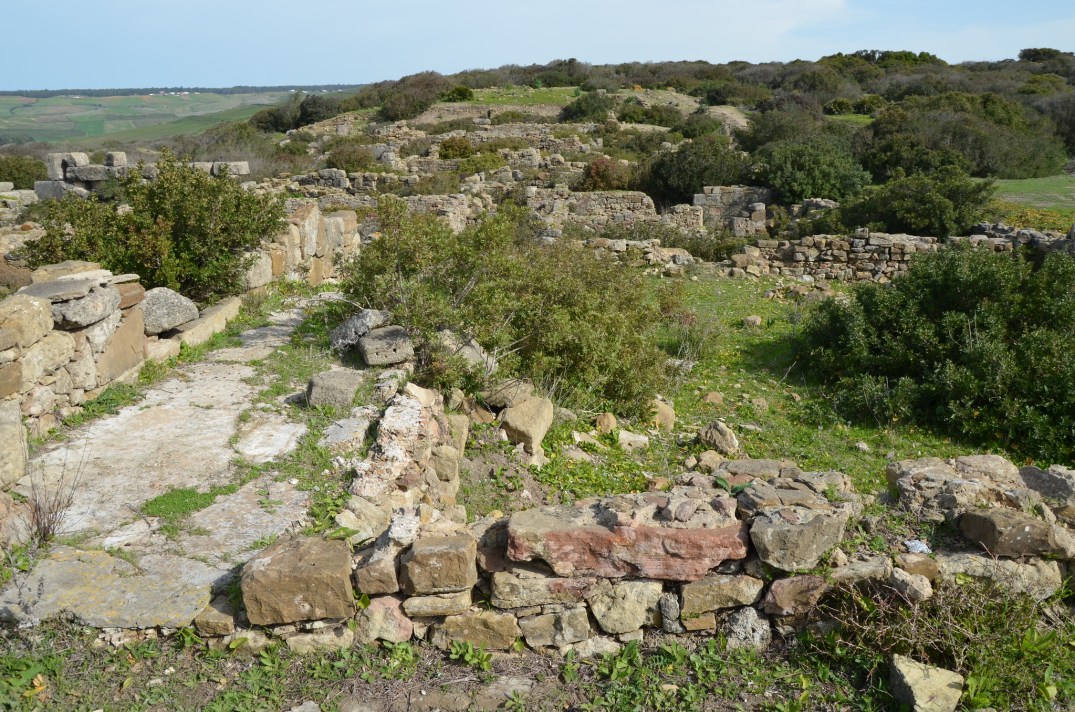
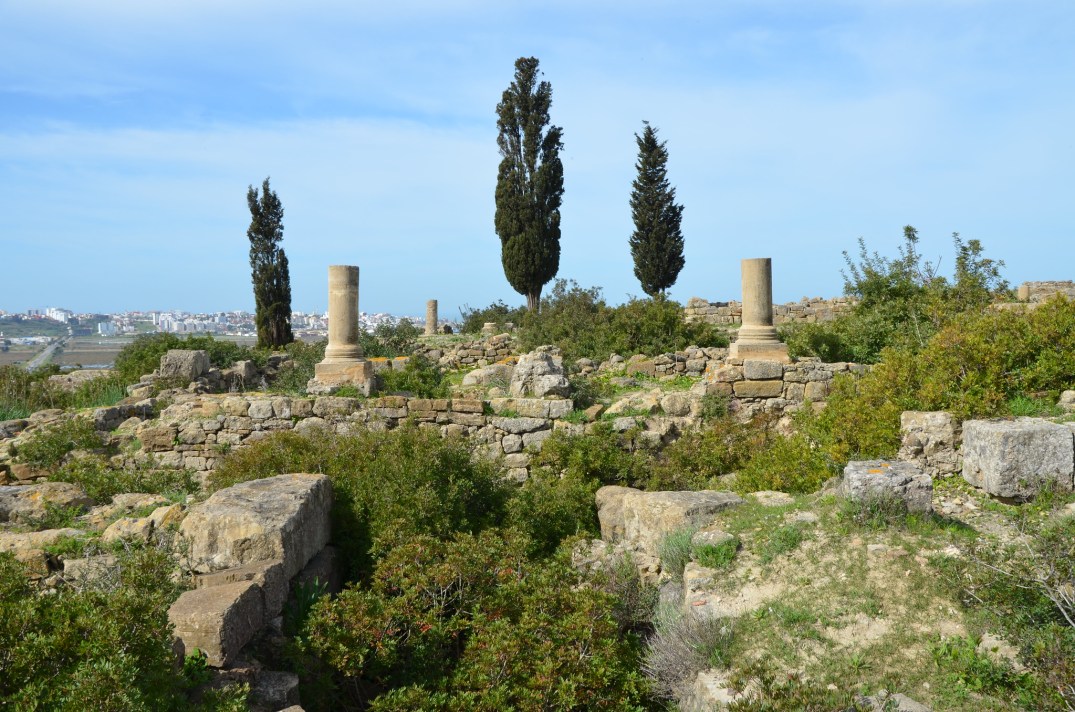
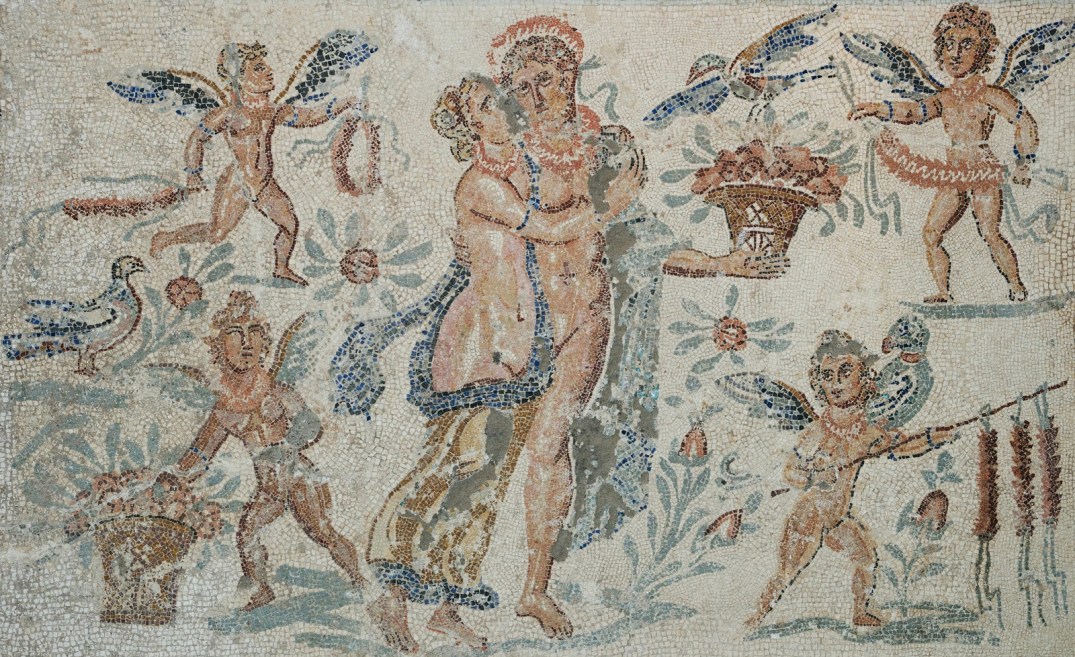
The upper town.Roman houses.The Palace of Juba II.The Palace of Juba II and temples.An apotropaic phallus as a symbol to avert the evil eye.The ruins of a Paleochristian church.Roman houses.The ruins of a mosque.Venus and Adonis. This mosaic decorated the floor of a villa that once housed the wealthiest citizens of Lixus. (Photo: Roger Eritja, agefotostock / Alamy Stock Photo)
Qasr al-Abd is a rare example of Hellenistic architecture located in Iraq al-Amir in the Jordan Valley, 17 kilometres west of Amman. The building was erected in the 2nd century BC by Hyrcanus, son of the tax collector Joseph of Jerusalem from the influential Tobiads Jewish family. Qasr al-Abd (Castle of the Slave) is thought to have been the centre of a vast estate belonging to the Tobiads, as described by the Jewish historian Flavius Josephus in the 1st century AD (Antiquities of the Jews, Book 12, Ch. 4):
Hyrcanus… seated himself beyond Jordan, and …erected a strong castle, and built it entirely of white stone to the very roof, and had animals of a prodigious magnitude engraved upon it. He also drew round it a great and deep canal of water. He also made caves of many furlongs in length, by hollowing a rock that was over against him; and then he made large rooms in it [the rock], some for feasting, and some for sleeping and living in. He introduced also a vast quantity of waters which ran along it, and which were very delightful and ornamental in the court. But still he made the entrances at the mouth of the caves so narrow, that no more than one person could enter by them at once…Moreover, he built courts of greater magnitude than ordinary, which he adorned with vastly large gardens. And when he had brought the place to this state, he named it Tyros.
Restitution of the Palace. F. Larché.
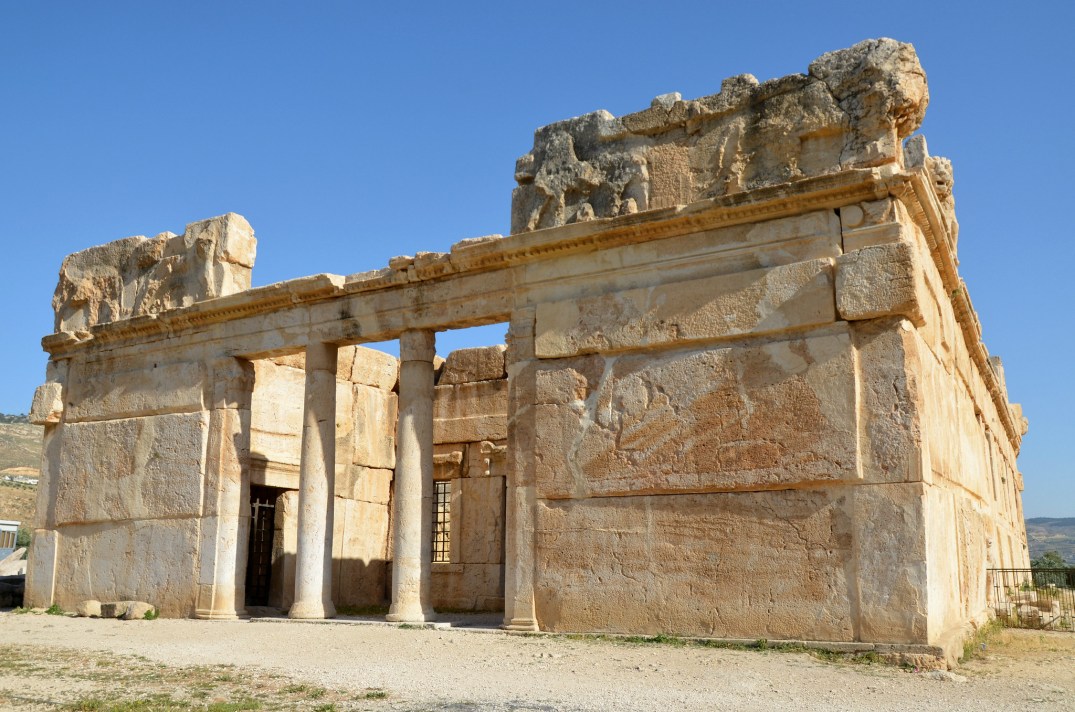
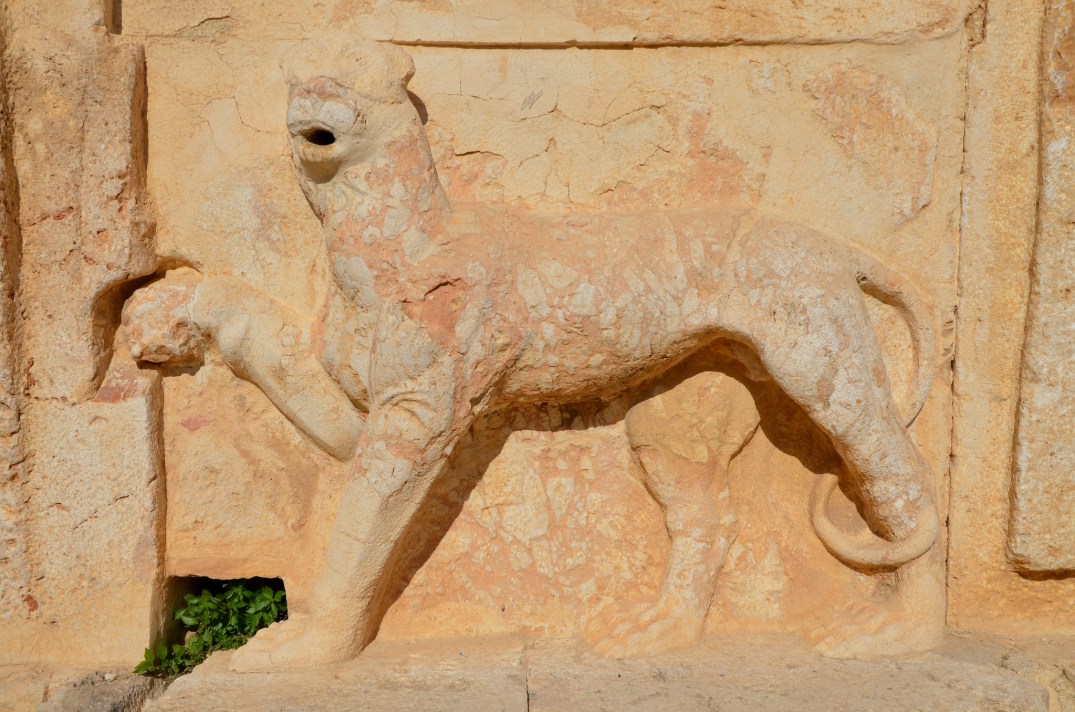
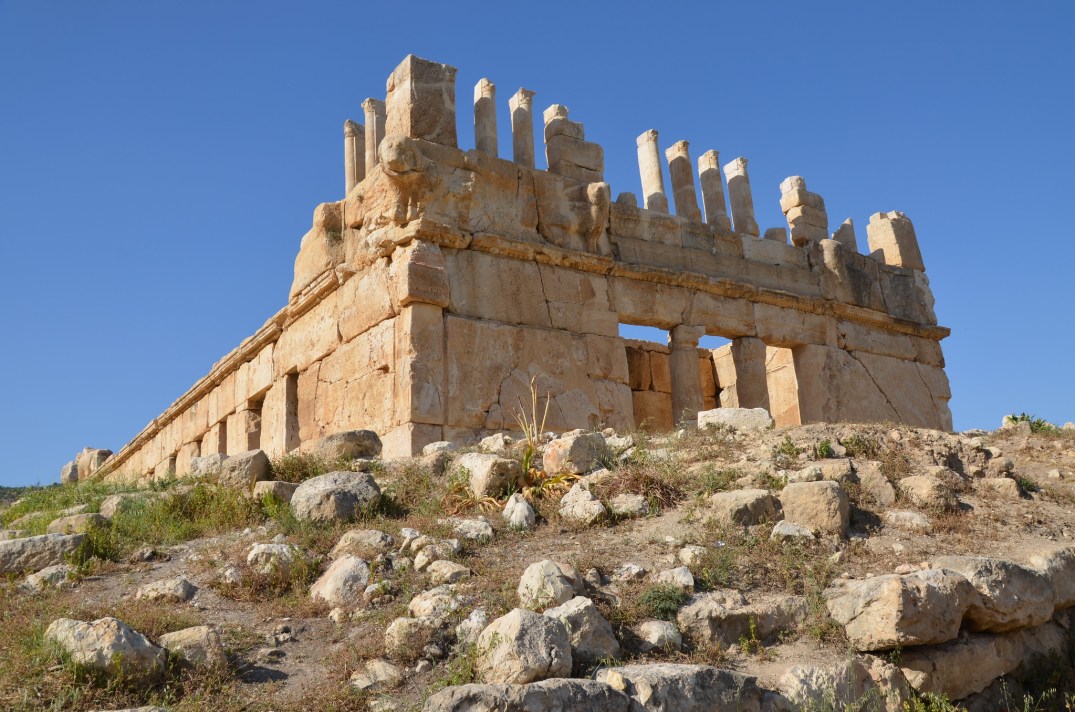
The Qasr al-Abd structure (measuring about 40 metres by 20 metres and 13 metres high) was built in the Hellenistic style of the late 2nd century BC, similar to the palaces at Alexandria. It had two floors with two portals and was adorned with life-size lion reliefs on the entablatures, eagles at the corners of the upper level, and wide-mouthed felines on each lateral wall.
Several earthquakes in the region severely damaged Qasr al-Abd. A French team largely restored and reconstructed it between 1976 and 1986.
Archaeologist and architect Stephen Rosenberg recently proposed that Qasr al-Abd functioned as the family mausoleum of the Tobiads, modelled after the mausoleum at Halicarnassus, one of the Seven Wonders of the Ancient World (read here).
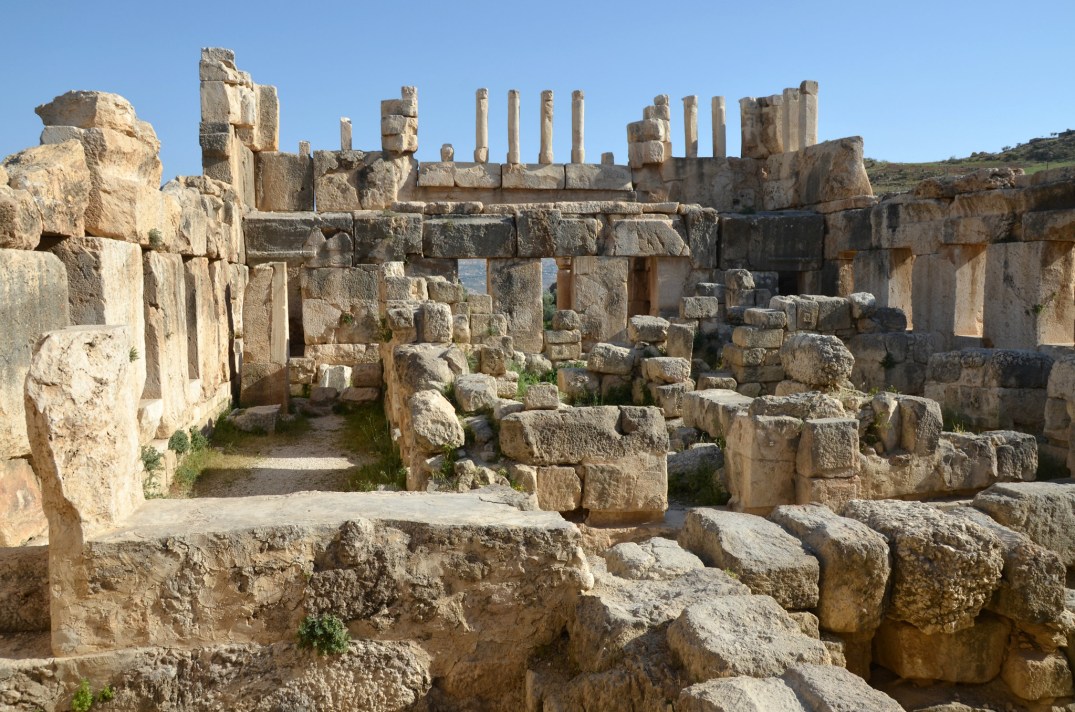
View of Qasr al-Abd from the southwest.The upper corner has remains of a lions’ frieze and half-columns of the upper floor.Northern entrance.Relief of a Lioness with a cub.Interior view.View from the northwest.Western Leopard Fountain.Eastern Leopard Fountain.The upper level of the southern façade with Corinthian columns.View of Qasr al-Abd from the southwest.













 following hadrian photography