Schwarzenacker Roman Museum

The Schwarzenacker Roman Museum (German: Römermuseum Schwarzenacker) is an open-air archaeological museum in Schwarzenacker in Saarland (Germany) with several partly-reconstructed structures. The museum was built by archaeologist Alfonso Kolling who also led the archaeological excavations at the site. The site shows the remains of a Gallo-Roman settlement (its ancient name is lost) that existed from the beginning of the 1st century AD until its destruction by the Alemanni in AD 275.

Coordinates: 49° 16′ 58″ N, 7° 19′ 0″ E

Around 2,000 people inhabited the settlement, which covered an area of approximately 25-30 hectares. The inhabitants benefited from the nearby Roman military and trade routes leading from Augusta Treverorum (Trier) to Argentoratum (Strasbourg) and from Divodurum (Metz) to Augusta Vangionum (Worms). This favourable location gave rise to a highly prestigious residential, commercial and administrative centre.

The urban planning of the settlement showed a clear Roman influence with streets intersecting at right angles. The main streets were flanked by large drainage channels, while covered walkways led to the shop counters and workshops. Freshwater, pumped from deep wells, was supplied by pipelines of clay and wood. A stone relief with Venus, Cupid, and the Three Graces was found in one of the wells. The half-timbered houses of varying sizes were sometimes decorated with high-quality frescoes and ceiling paintings. One house differed from the standard types; it had a hall with a large cellar with a row of five columns running along the centre to support the wooden ceiling of the cellar (two of them were table columns with round stone slabs). Life-size figures were represented on one of the walls of the house. Six bronze statuettes were also found in the cellar: a Genius populi Romani, a seated Mercury with a wild boar, a rooster, a standing Mercury, an Apollo, a seated Neptune, and a Victory. The house was probably the seat of a cult.

In the adjoining 18th-century Baroque villa, important finds from everyday Roman life are exhibited (although the most important ones are in the Museum of Pre- and Early History in Saarbrücken). In front of the Baroque Edelhaus stand life-size replicas of two unfinished Roman equestrian sculptures, which were discovered in 1887 in a Roman quarry at Breitfurt. They weigh about 5000 kg each and are considered to be the largest Roman statues found north of the Alps.

PORTFOLIO

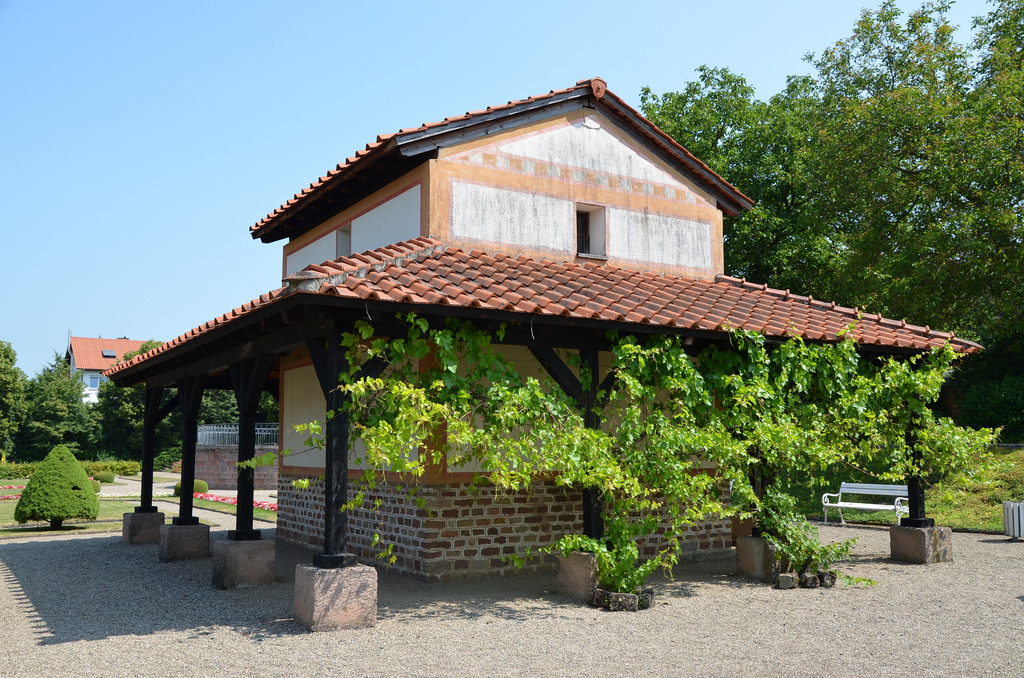
Reconstruction of the Gallo-Roman Temple of Mercury from the nearby site of "Tempelbezirk Klosterwald".
Reconstruction of the Gallo-Roman Temple (fanum) of Mercury from the nearby site of “Tempelbezirk Klosterwald”.
Reconstruction of the Gallo-Roman Temple of Mercury from the nearby site of "Tempelbezirk Klosterwald".
Reconstruction of the Gallo-Roman Temple (fanum) of Mercury from the nearby site of “Tempelbezirk Klosterwald”.
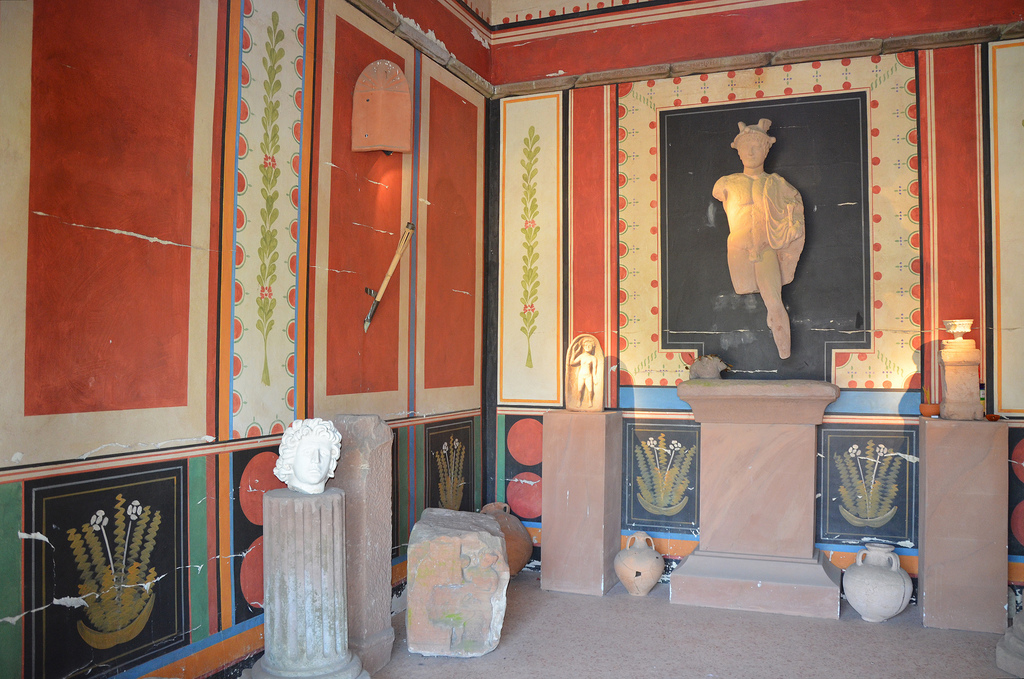
The interior (cella) of the reconstructed Gallo-Roman Temple of Mercury from the nearby site of "Tempelbezirk Klosterwald".
The interior (cella) of the reconstructed Gallo-Roman Temple of Mercury from the nearby site of “Tempelbezirk Klosterwald”.
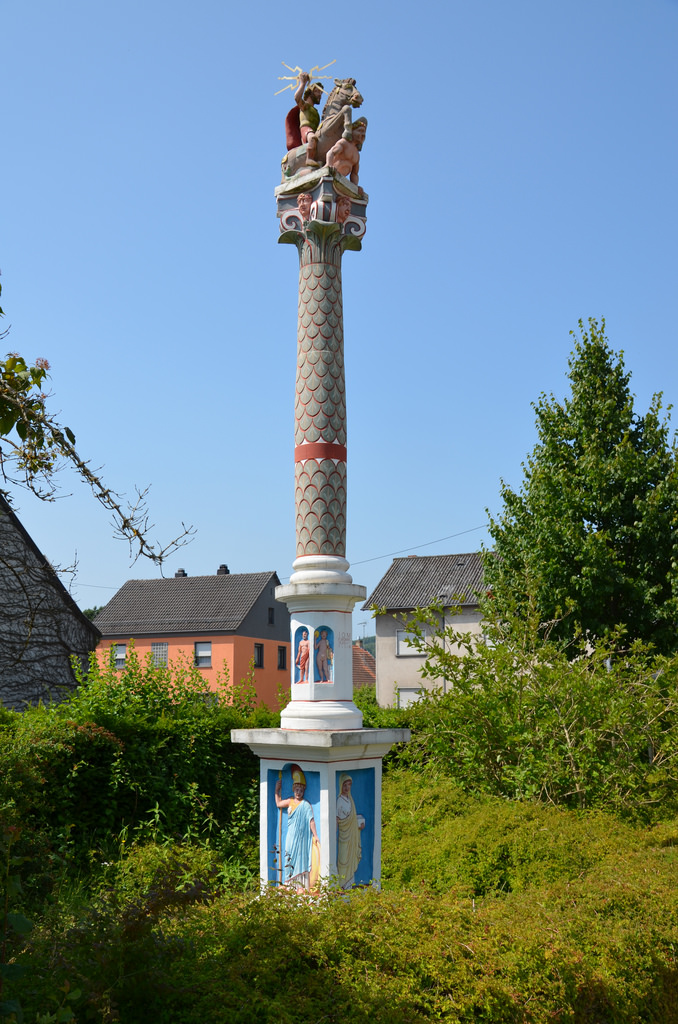
Complete reconstruction (in colour) of a Jupiter column.
Complete reconstruction (in colour) of a Jupiter column found in 1922.
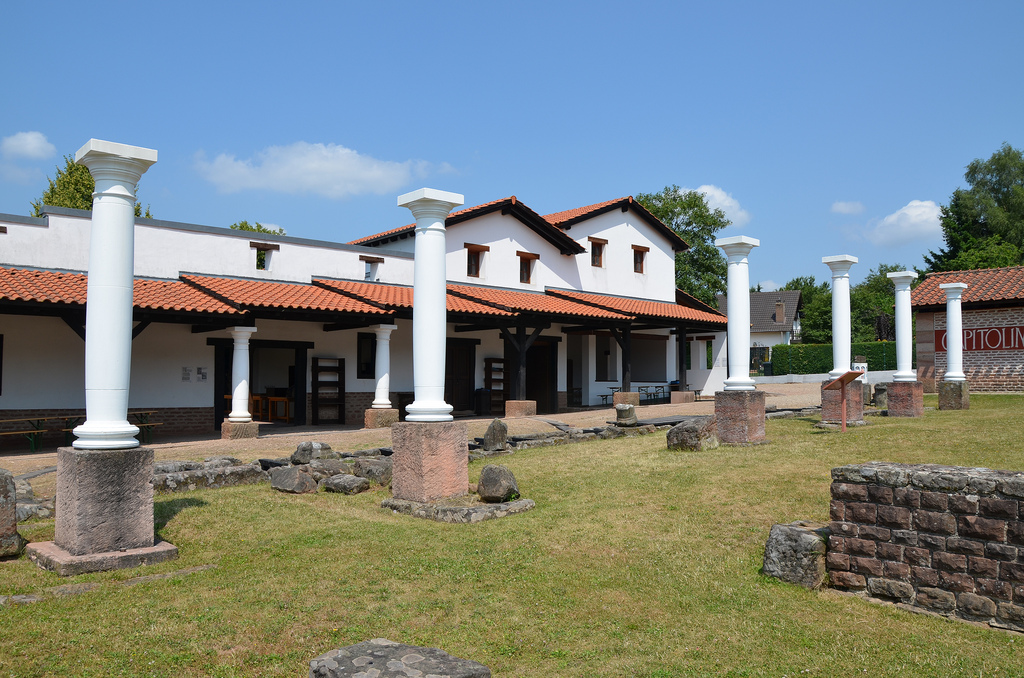
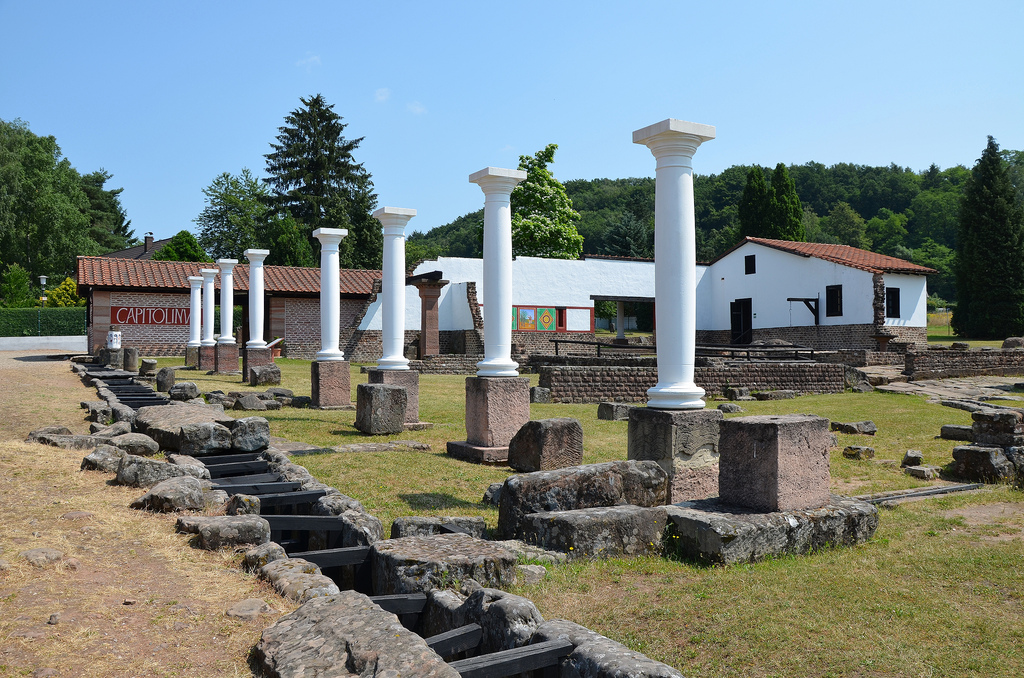
columns of the arcades on the north-south main road. In the background is the Taberna of Capitolinus at the intersection with the east-west main street of the vicus.
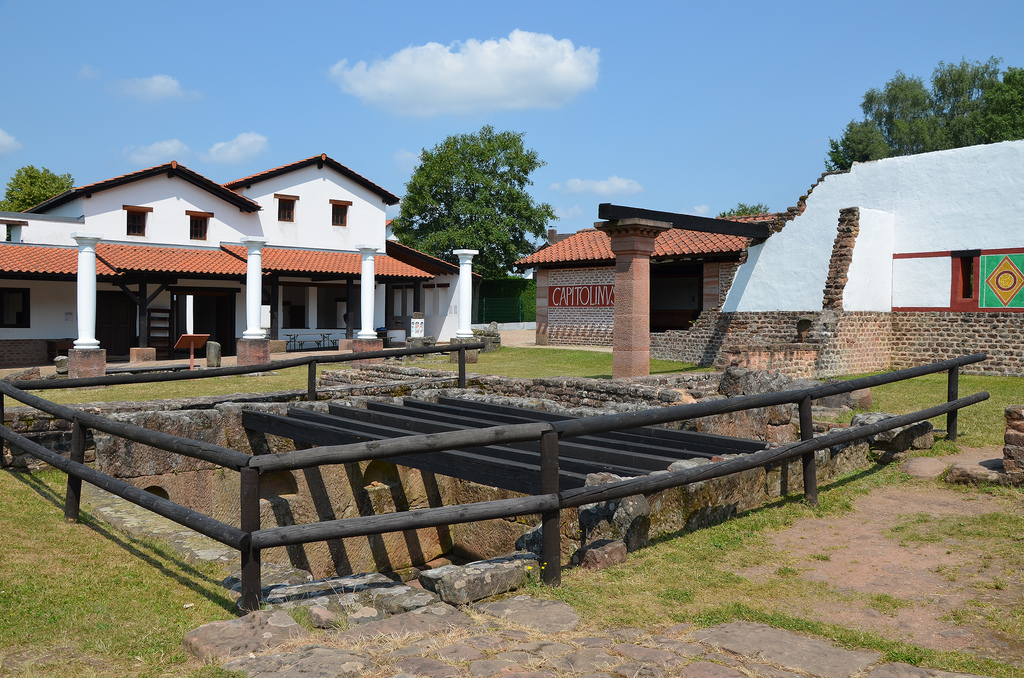
The north-south main street of the vicus flanked by broad sewers and colonnaded porticoes. In the background is the Taberna of Capitolinus at the intersection with the east-west main street of the settlement.
The north-south main street with the Taberna of Capitolinus and the House of the Ophthalmologist in the background.
The reconstructed Taberna of Capitolinus.....
The reconstructed Taberna of Capitolinus.
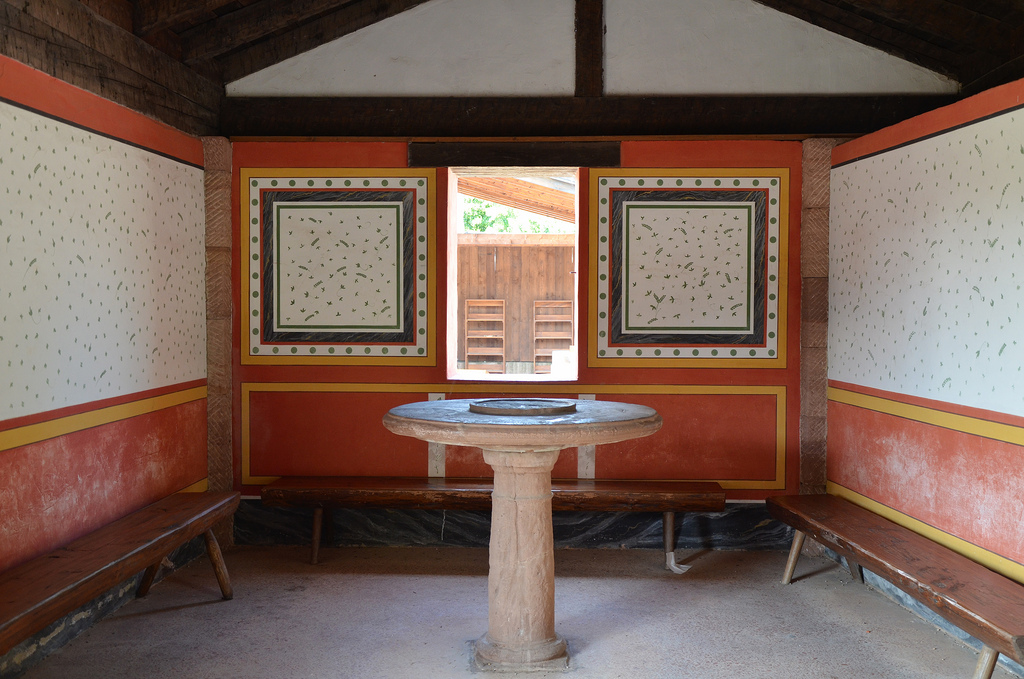
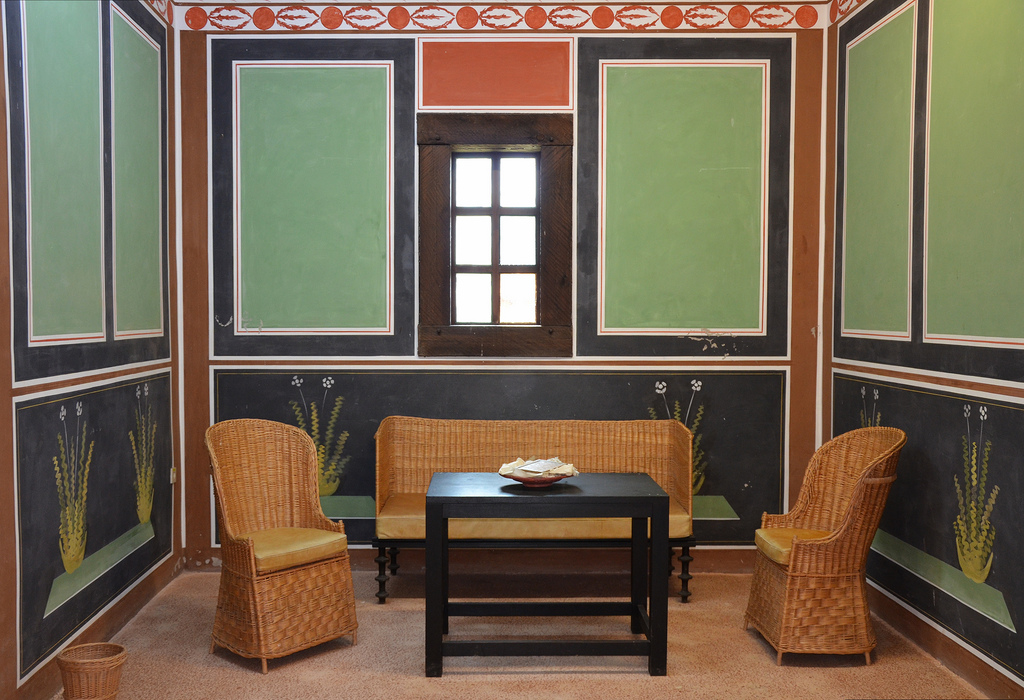
The guest room of the Taberna Capitolinus with original stone table. Tabernae were the fast food restaurants of the Romans.
The guest room of the Taberna Capitolinus with an original stone table. Tabernae were the fast-food restaurants of the Romans.
The counter the Taberna of Capitolinus with embedded earthenware jars used to store dried food like nuts.
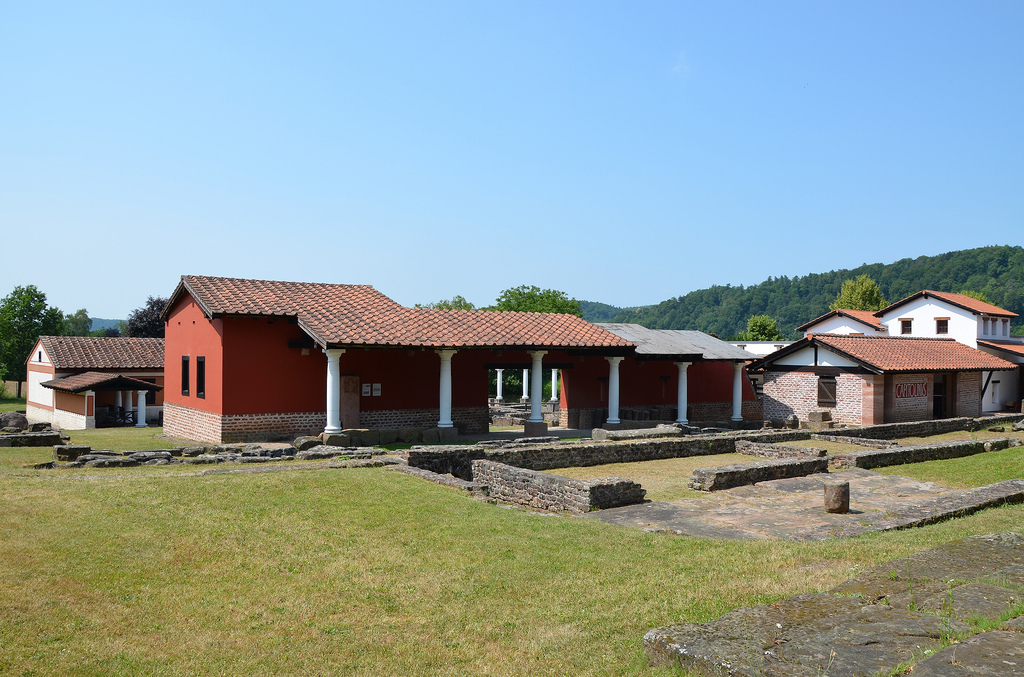
The reconstructed House of the Ophthalmologist along the east-west main street of the vicus.
The partially reconstructed House of the Ophthalmologist facing the east-west main street of the settlement. The name of the house takes its name from the ophthalmic artefacts found in the house.
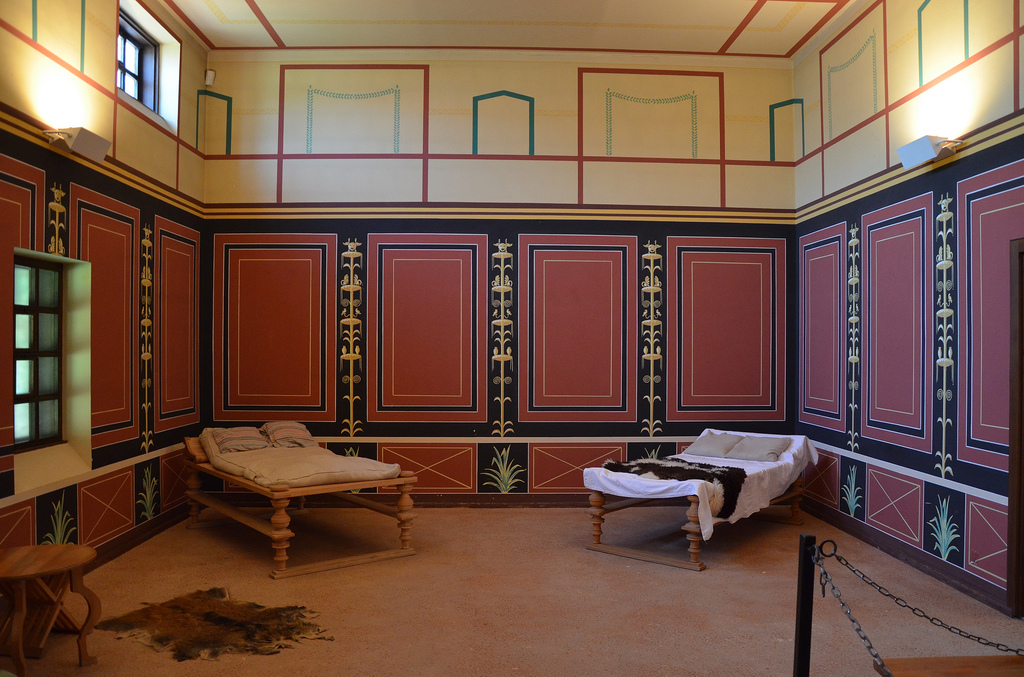
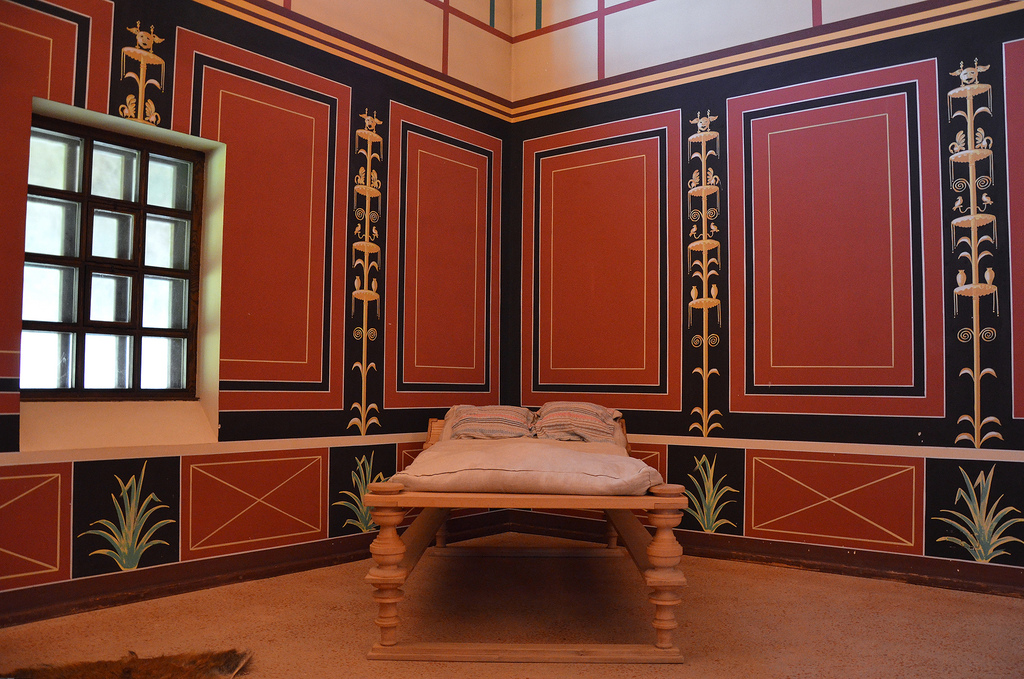
Reception Room of the Hous of the Ophthalmologist.
The reconstructed triclinium of the House of the Ophthalmologist.
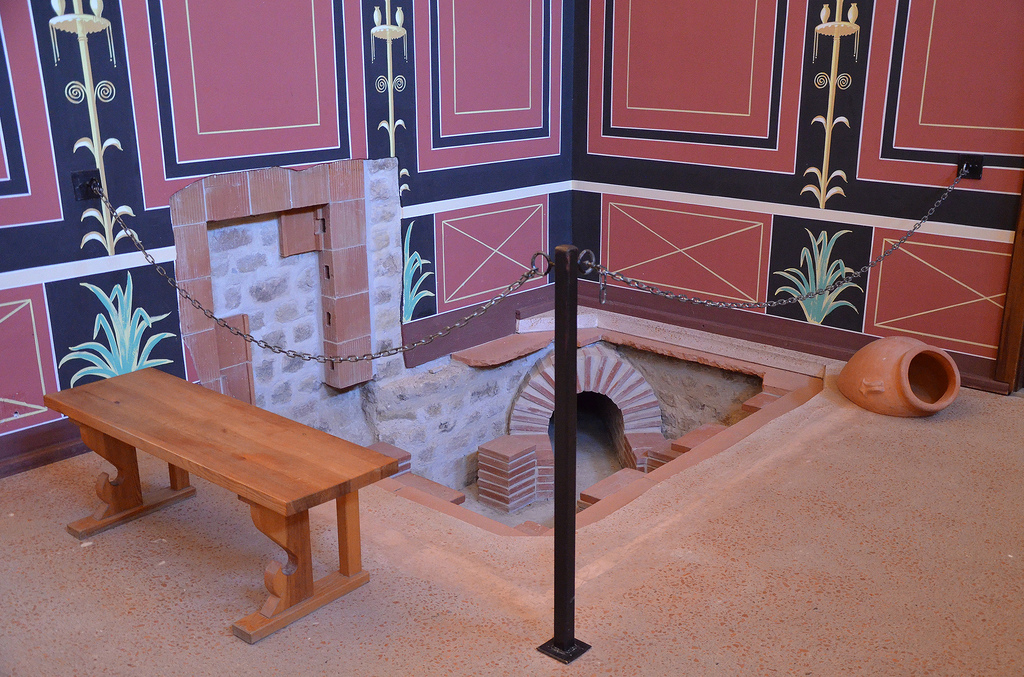
room which rested on many small supports bathed in warm air (hypocaust)
The reconstructed triclinium of the House of the Ophthalmologist rested on pillars of tiles from the underfloor heating system known as a hypocaust.
The reconstructed House of the Ophthalmologist along the east-west main street of the vicus.
The reconstructed House of the Ophthalmologist along the east-west main street of the settlement.
Rear view of the partially reconstructed house. The ditch is a drainage channel. The painted wing of the building is the reconstructed dining area of the house.
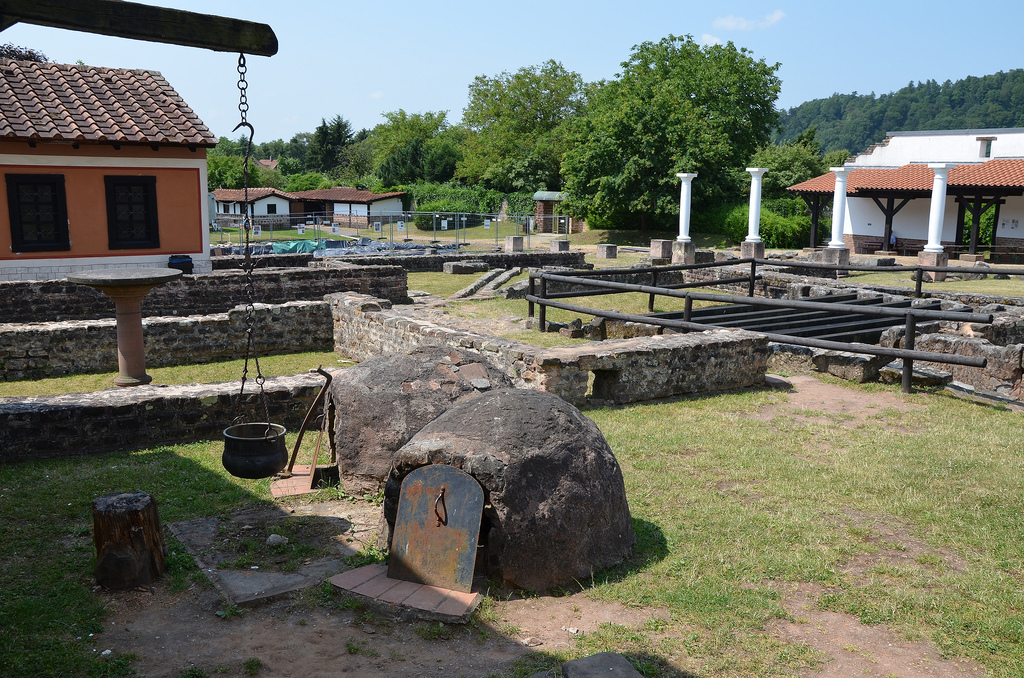
Rear view of the partially reconstructed House of the Ophthalmologist with the kitchen area with ovens and cooking sets and an underground cellar.
The underground cellar of the House of the Ophthalmologist with openings in the stone structure used to support wooden beams on which upper floors were built. The cellar had oval-shaped niches, which were used to display statues of Roman gods.
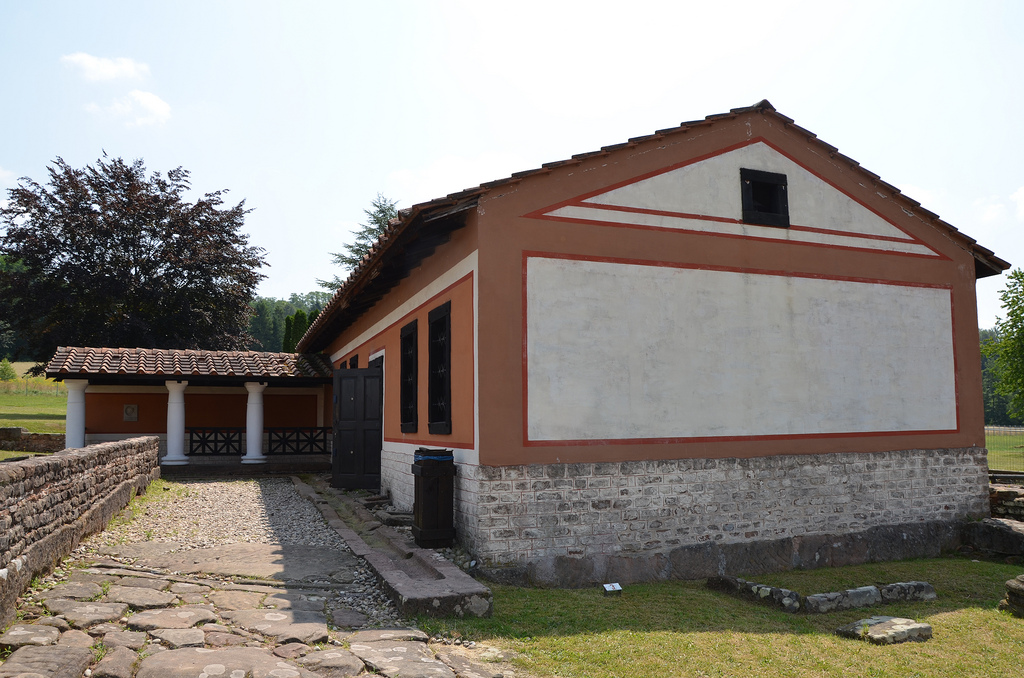
The reconstructed House of the Columns.
The partially reconstructed House of the Columns.
The cellar of the House of the Columns with a row of five columns (two of them were table columns: round stone slabs) that carried the wooden ceiling of the cellar.
The cellar of the House of the Columns had a row of five columns (two of them were table columns with round stone slabs) that carried the wooden ceiling of the cellar.
The partially reconstructed House of the Columns.
Fresco with a life-size figure from the House of the Columns.
The north-south main street.
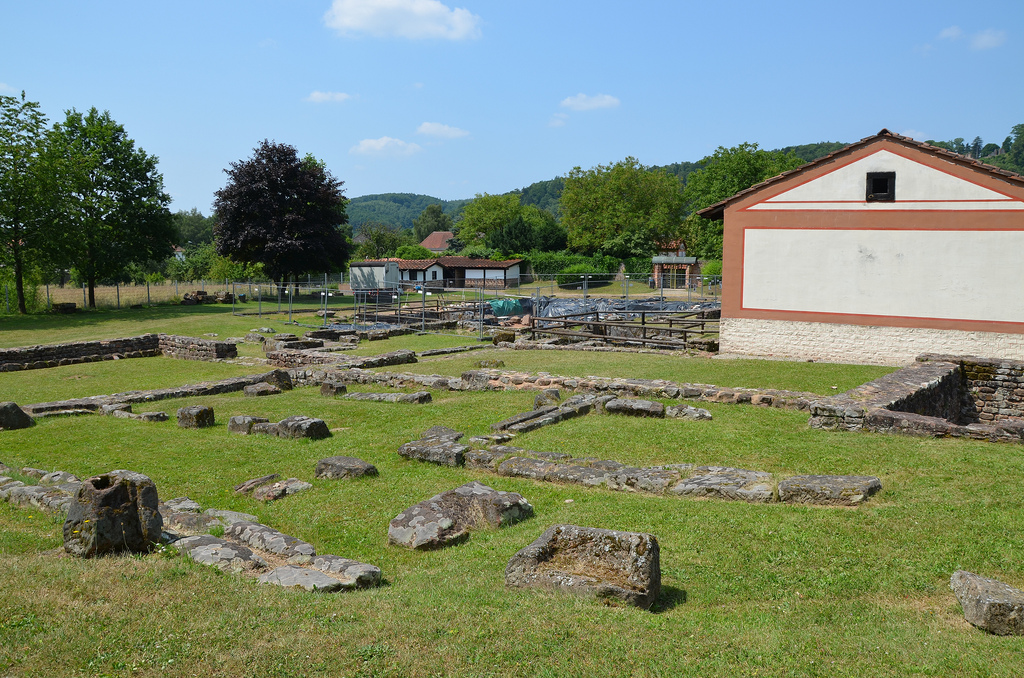
Foundations of buildings behind the north-south main street.
Foundations of buildings behind the House of the Columns.
The Edelhaus dating back to the early 18th century (1725). It houses the museum archaeological finds (mainly replicas, originals in Saarebrucken) and and other paintings from contemporary painters of the region. For noble house is designed in the Baroque style garden, which was created after the excavation of the Vicus.
The Edelhaus dating back to the early 18th century (1725) which houses the archaeological finds (mainly replicas, originals in Saarbrücken) and 18th-century paintings from painters of the region. The Baroque-style garden was created after the excavation of the Gallo-Roman settlement.
Pair of life-size replicas of two unfinished Roman equestrian statues which were discovered in 1887 in a Roman quarry at Breitfurt (the originals are in the museum in Speyer). They are considered to be the largest Roman statues found north of the Alps.

The site is open daily from 9am to 5pm from April to October (Saturday and Sunday: Closed from 12:30pm to 1pm) and from 10am to 4pm from November to March (Saturday and Sunday: Closed from 12:30pm to 1pm). It is closed in December and January.

Website: www.roemermuseum-schwarzenacker.de

The Saarland and the Mosel Valley’s ancient Roman heritage has a lot to offer to tourists and scholars alike. More than 120 antique sights along the Moselle and the Saar rivers, the Saarland and Luxembourg are a testament to the Gallo-Roman era north of the Alps (further information here).

Roman Villa Borg

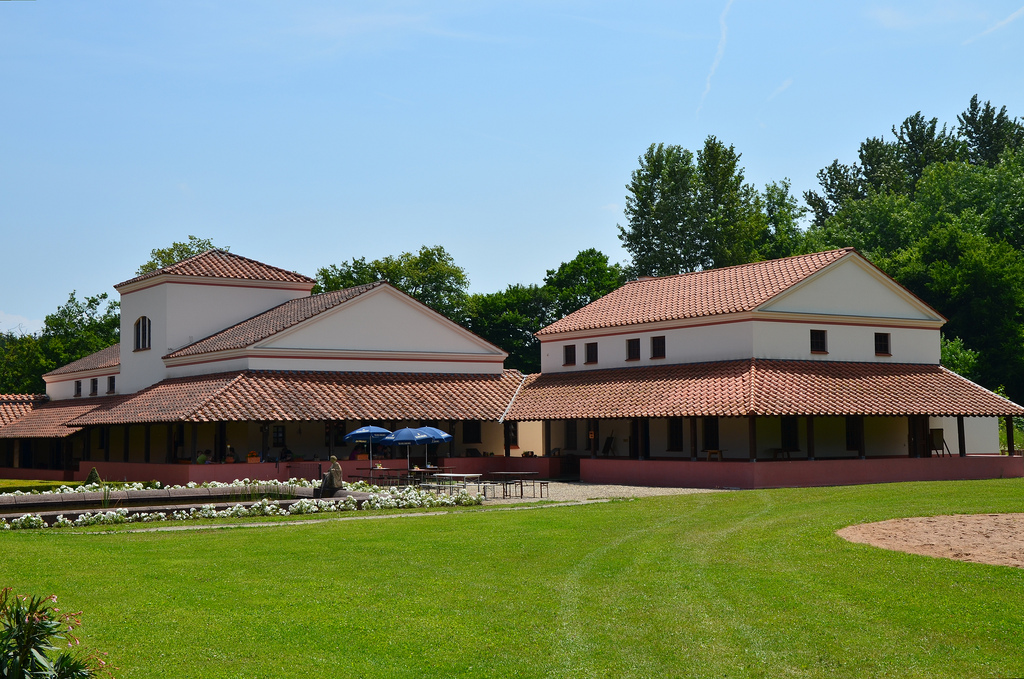
The Roman Villa Borg is a reconstructed Roman villa located near the village of Borg in Saarland, Germany. At the end of the 19th century, a local school teacher discovered the ruins of a grand Roman countryside villa (villa rustica) which consisted of three wings covering an area of more than 7.5 hectares. The complex was excavated in the late 1980s, and a plan to reconstruct an authentic representation of the buildings as they originally appeared in the 2nd and 3rd centuries AD began in 1994. The project was completed in 2008, although further excavation is still underway.

Coordinates: 49° 29′ 47″ N, 6° 27′ 29″ E

The site consisted of an agricultural facility, including a large palatial residence or pars urbana and a pars rustica or economic area. The reconstruction of the Roman villa rustica was based on the local findings and excavation work at similar sites in the Saar region, such as the villa at Echternach in Luxembourg. The reconstructed buildings now stand on the Roman foundation walls, revealing their probable appearance in the 2nd to 3rd centuries AD. Today, the archaeological park functions as an open-air museum and provides a detailed impression of what life was like back then in the countryside.

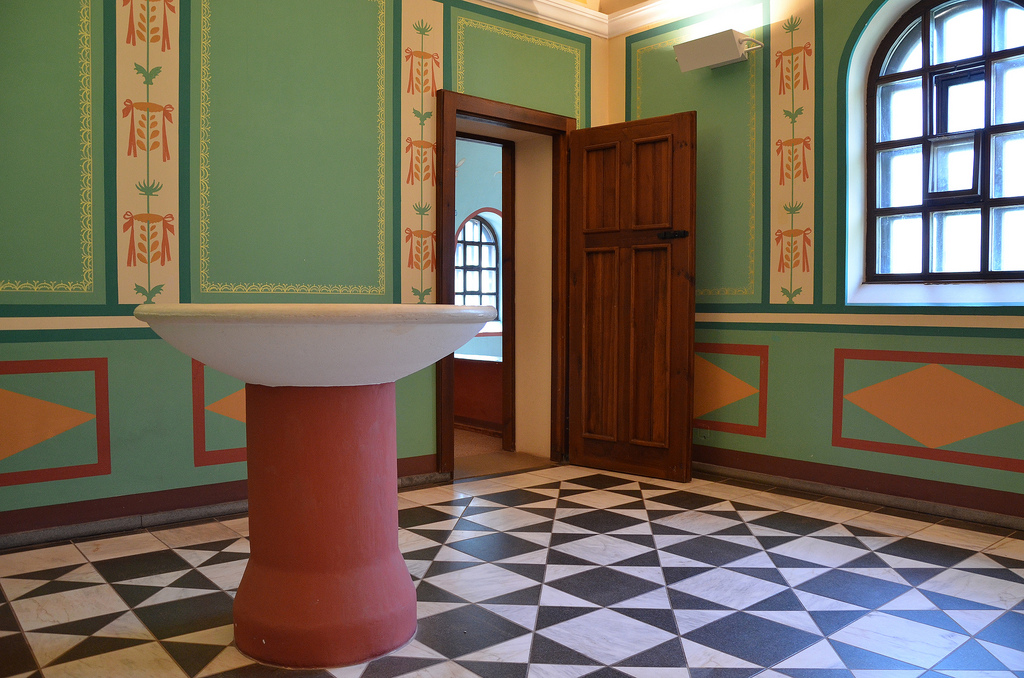
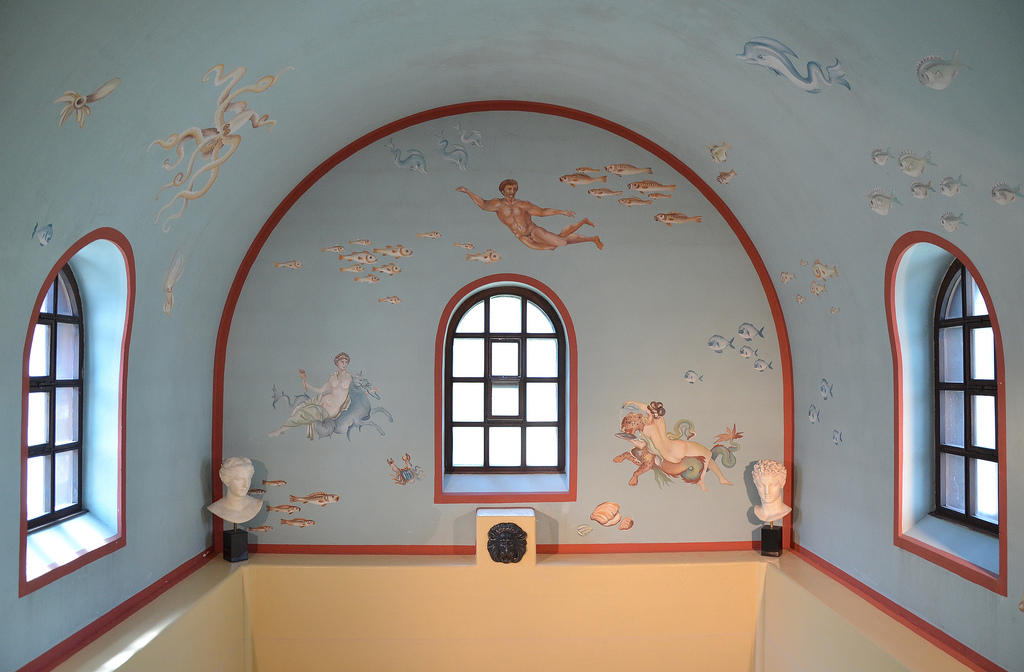
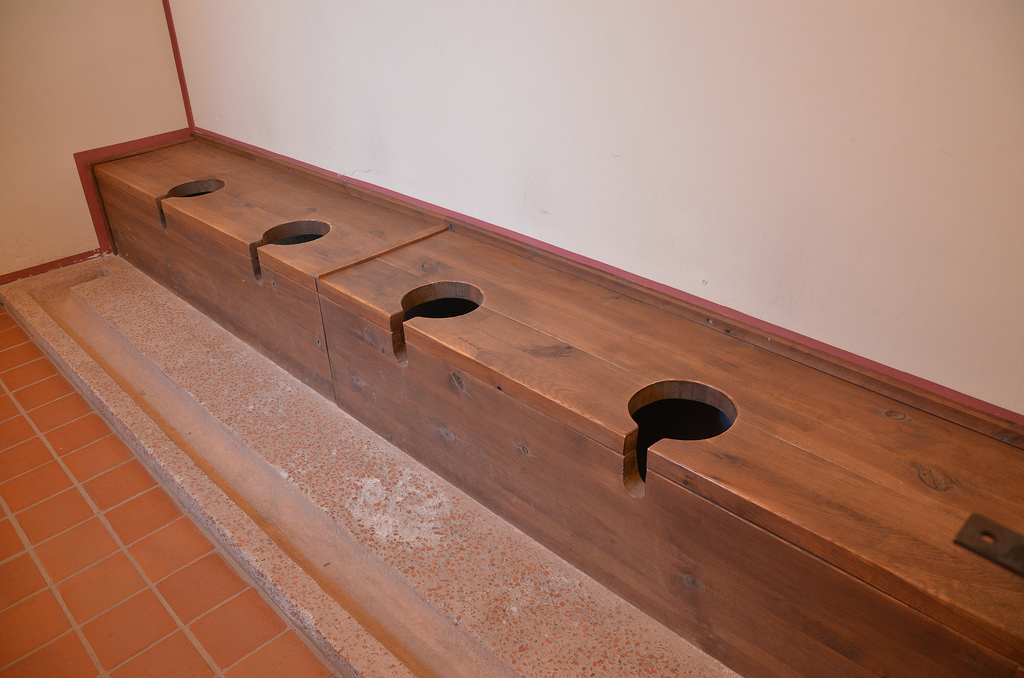
The reconstructed buildings comprise the baths, which are fully functional and consist of a frigidarium (cold bath), caldarium (hot bath) and tepidarium (tempered bath) together with latrines and a dressing room (apodyterium); the main building with large reception hall and several adjacent rooms in which the most important finds from the site and replicas (see here) are displayed; a Roman kitchen; a residential building.

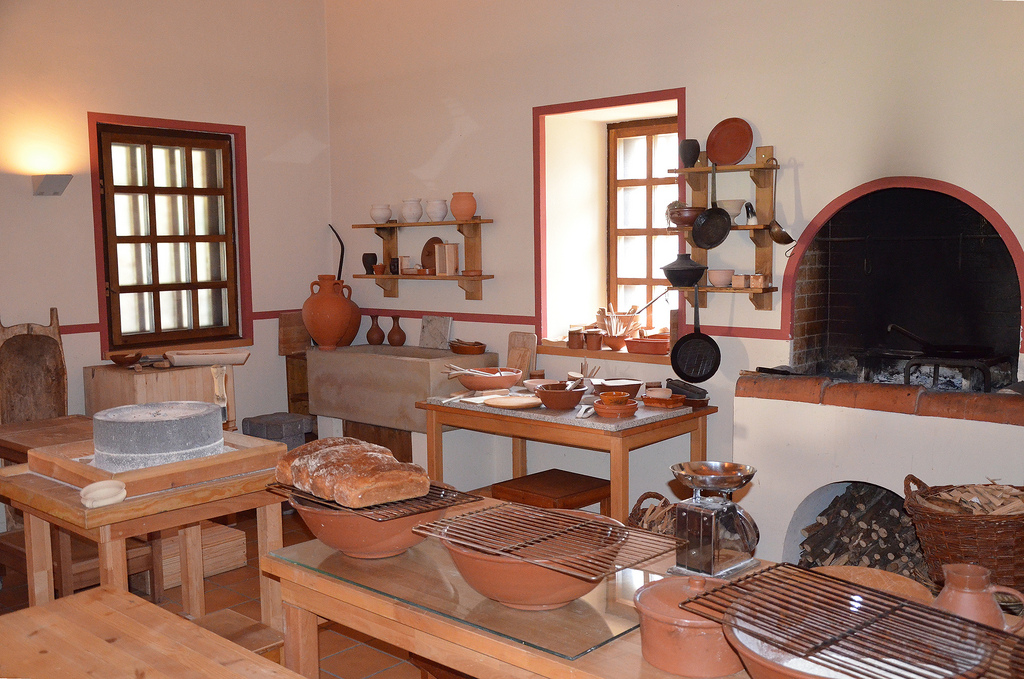
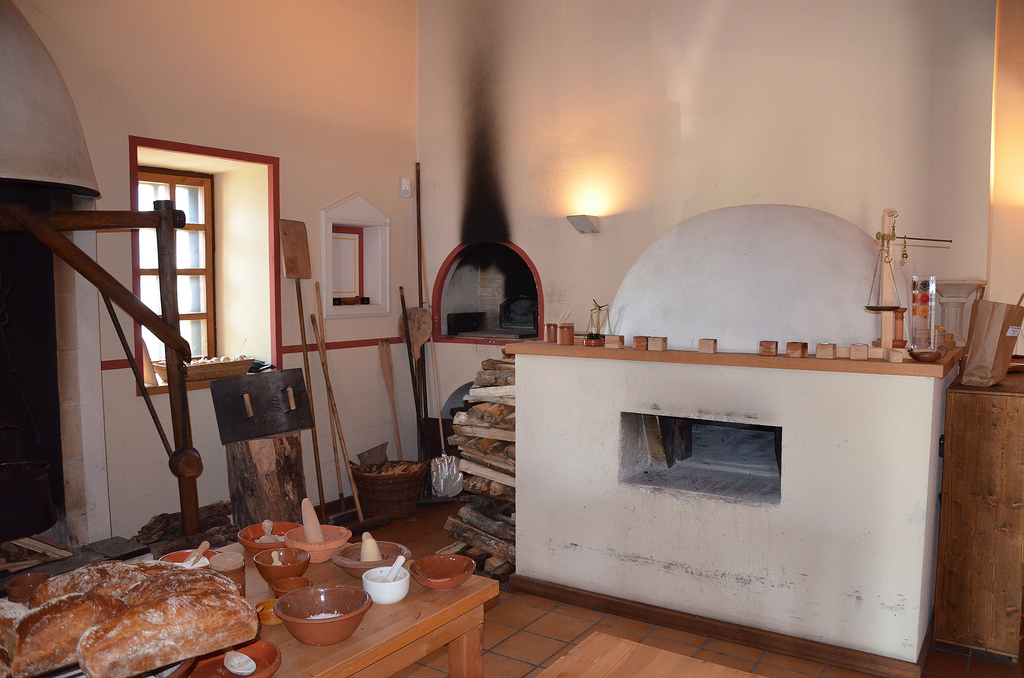
A tavern in one of the wings, which was not part of the original villa, serves food and drinks based on ancient Roman recipes. The Villa Borg also produces its own Roman bread, which you can buy at the tavern. The bread is baked inside the reconstructed Roman kitchen (culina).

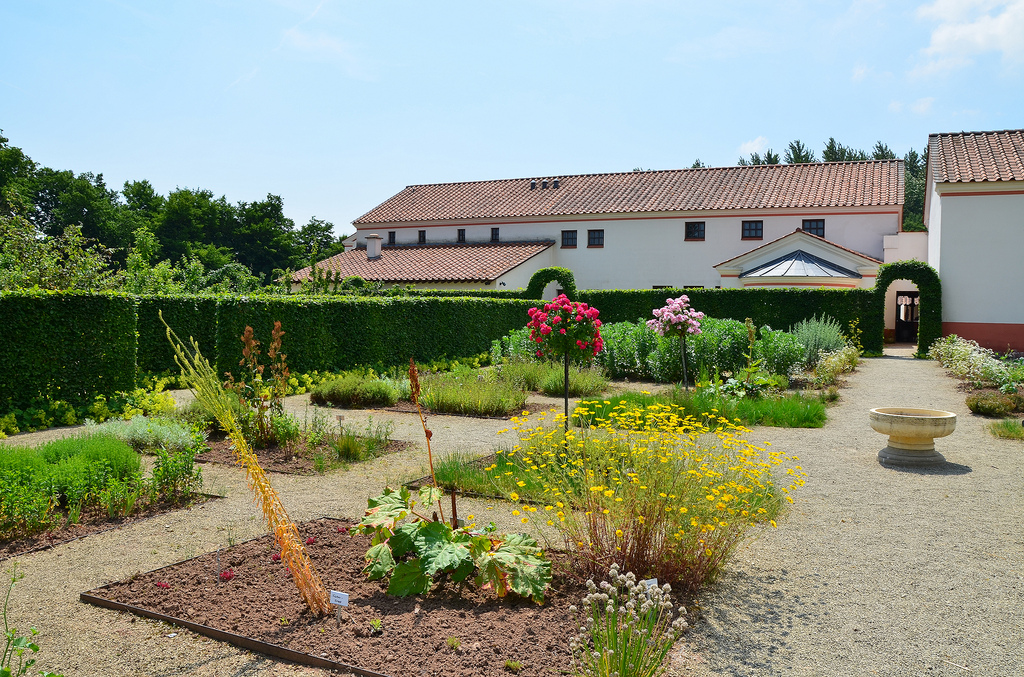
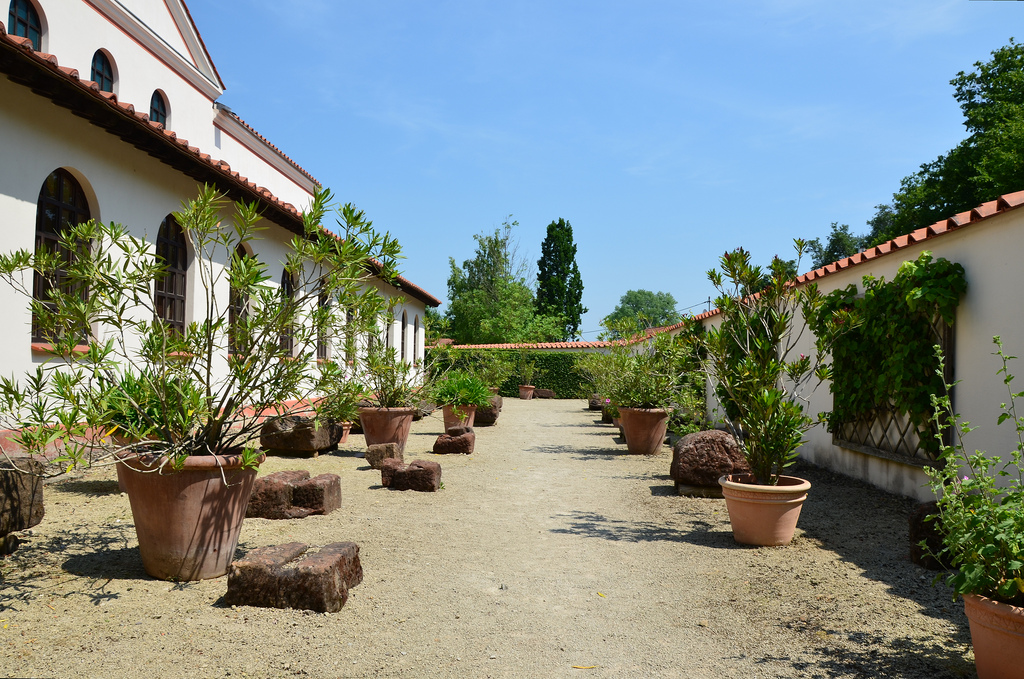
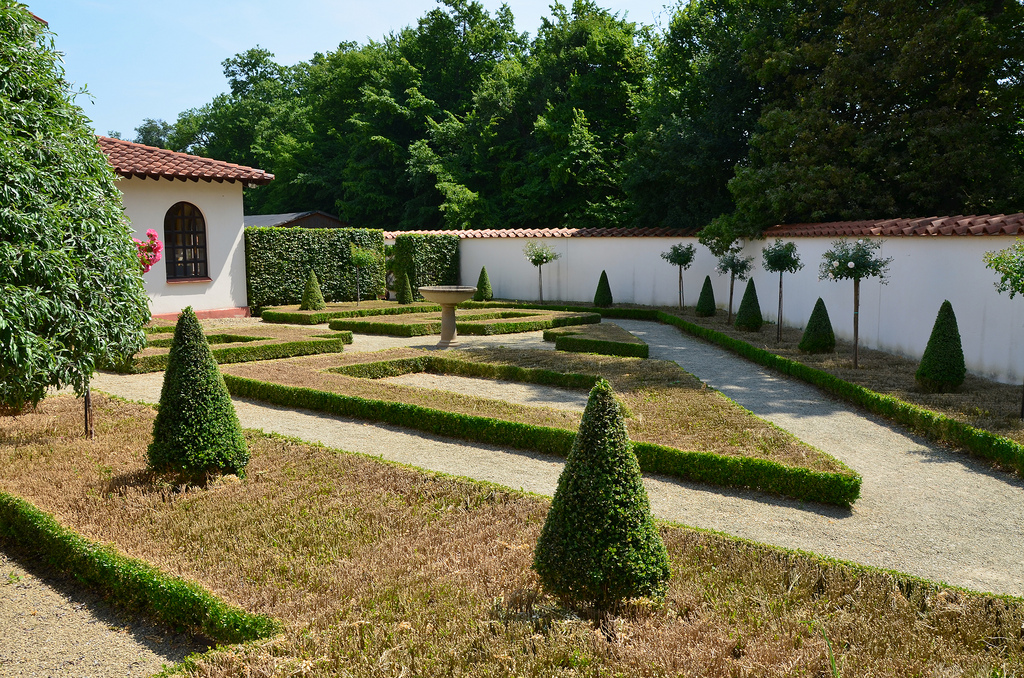
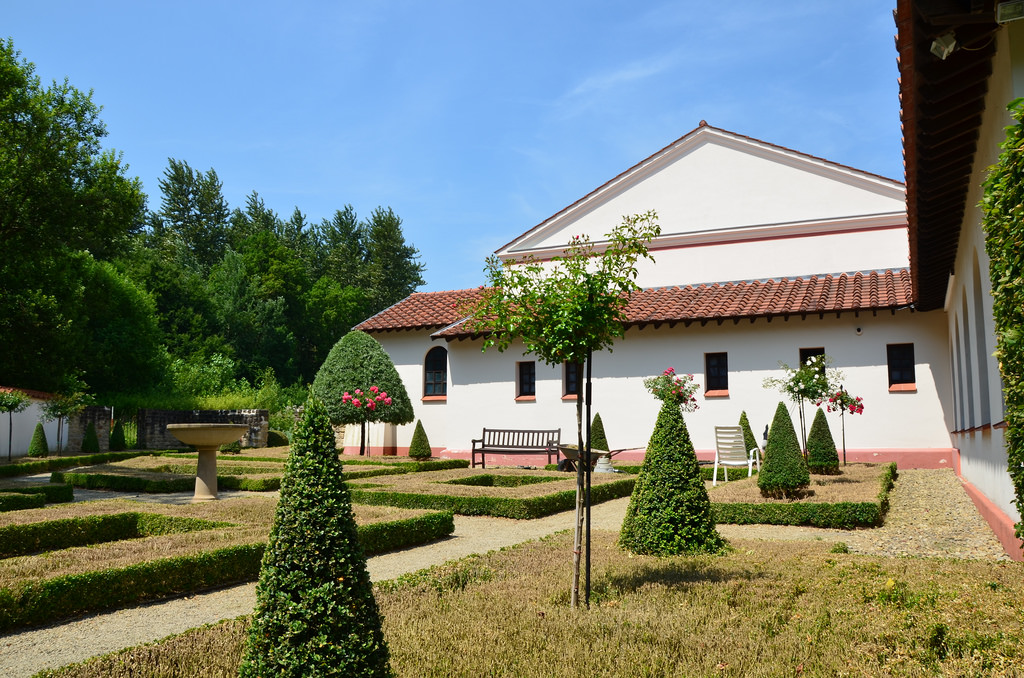
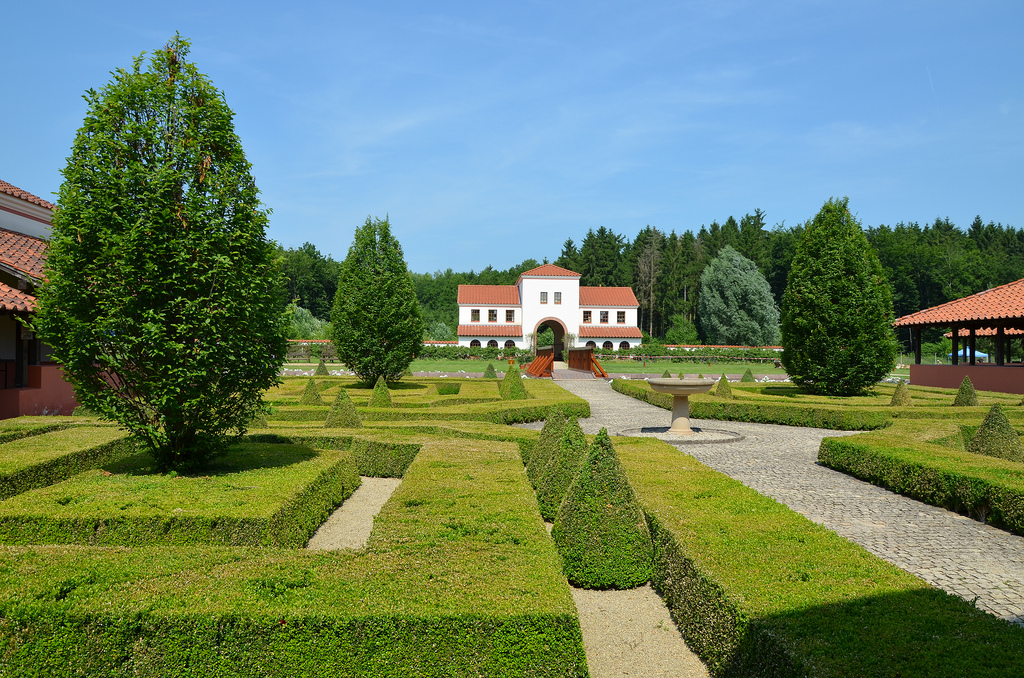
In 2000 the villa complex was expanded in the wake of the EU project “Gardens without Limits“. Six gardens were created on the complex site: the courtyard garden, the herb garden, the rose room, the fruit garden, the vegetable garden and the flower garden. The fruits, vegetables and herbs are used to prepare the Roman and regional dishes in the Tavern.

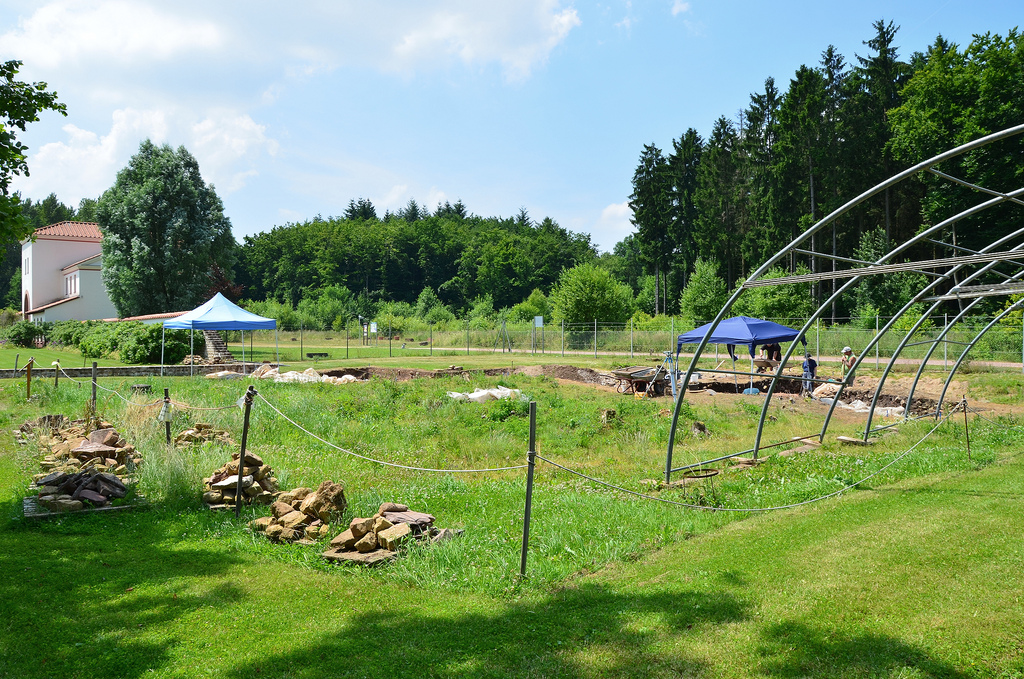
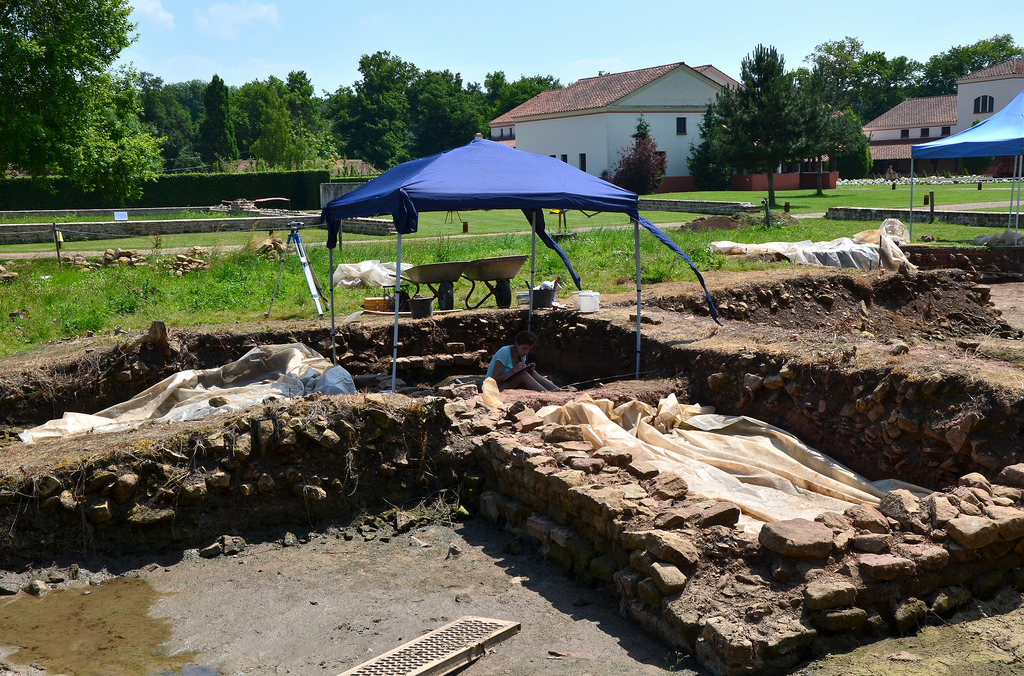
Only the pars dominica, the residential area exclusive to the master (dominus) and his family, has been excavated. Excavation work is currently being carried out in the area of the pars rustica, the space reserved for servants and workers of the farm.

PORTFOLIO

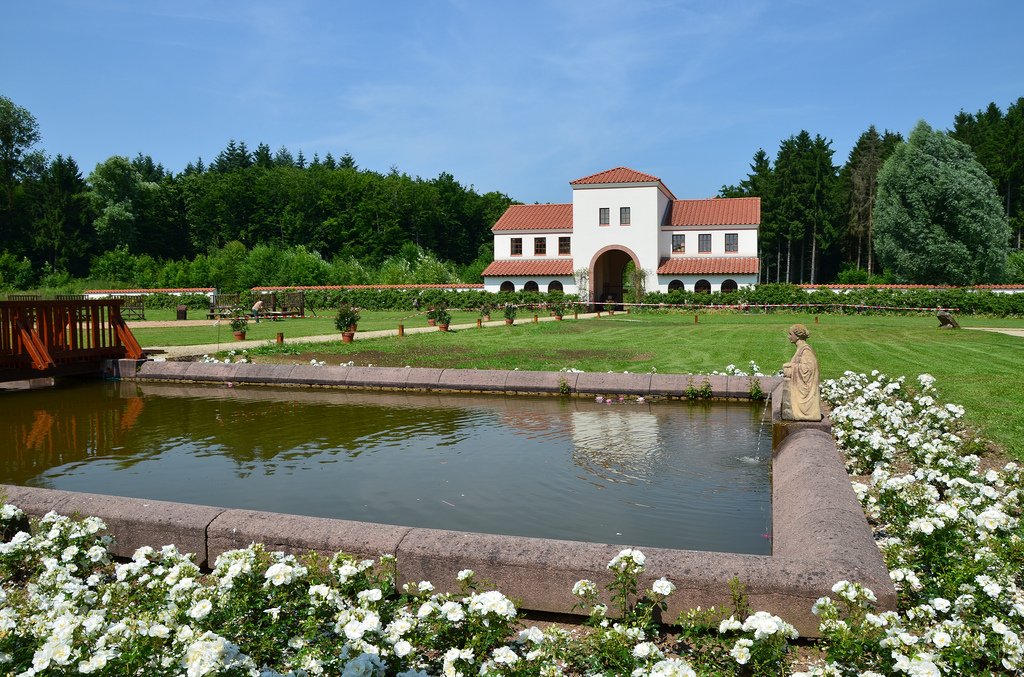
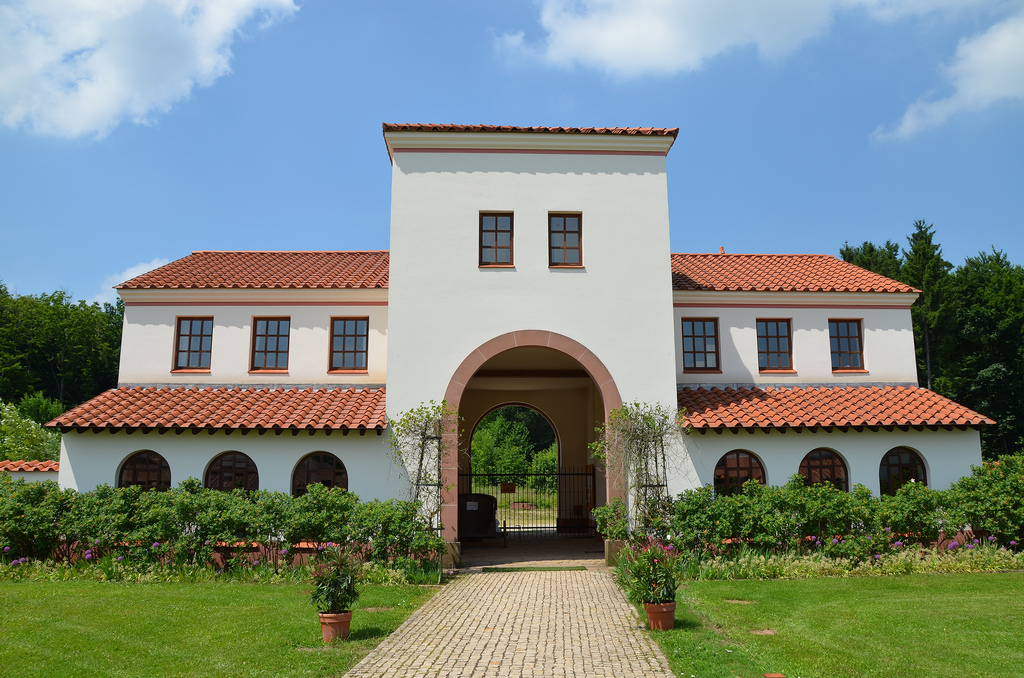
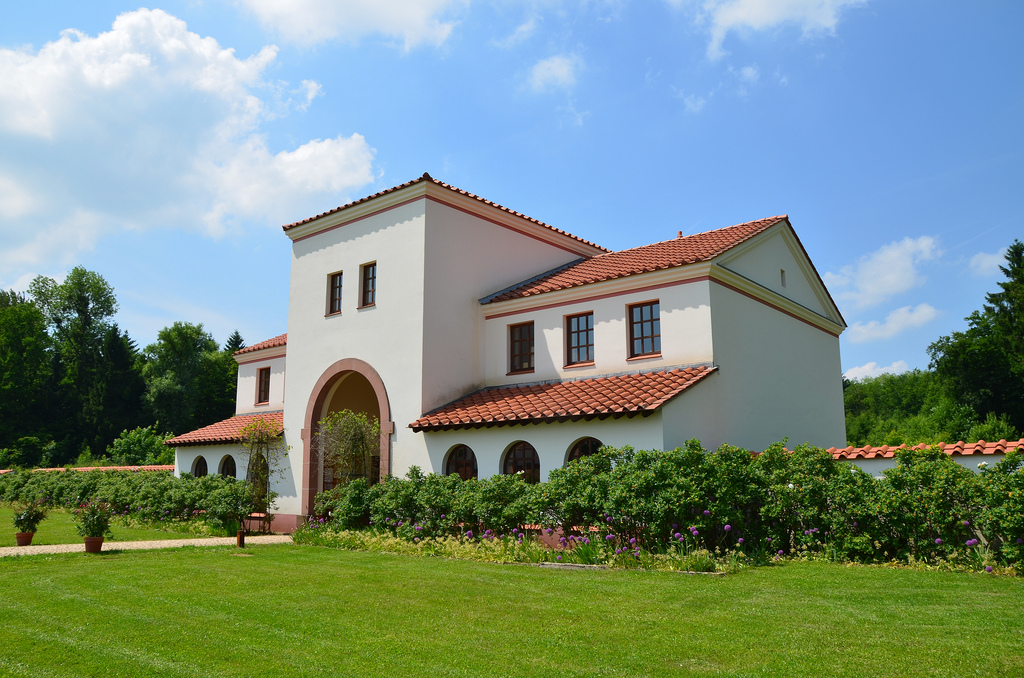
The reconstructed Gatehouse through which visitors enter the site of the Roman Villa Borg.

The interior of the Gatehouse has been designed to meet contemporary requirements and accommodates the ticket office, museum shop and administrative offices.
The interior of the Gatehouse has been designed to meet
contemporary requirements and accommodates the ticket
office, museum shop and administrative offices.

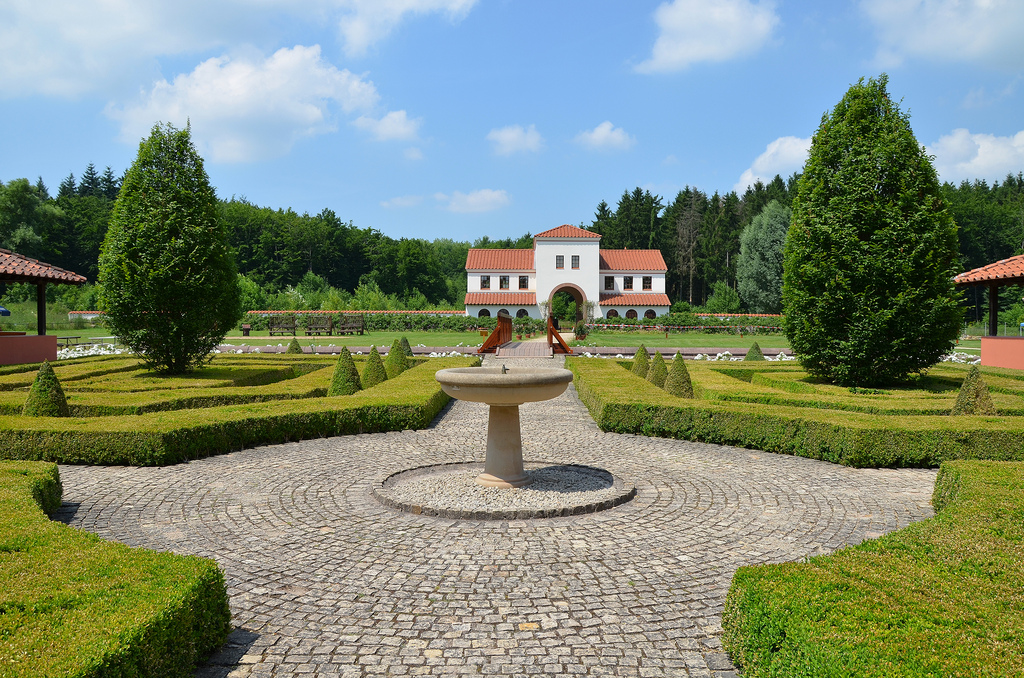
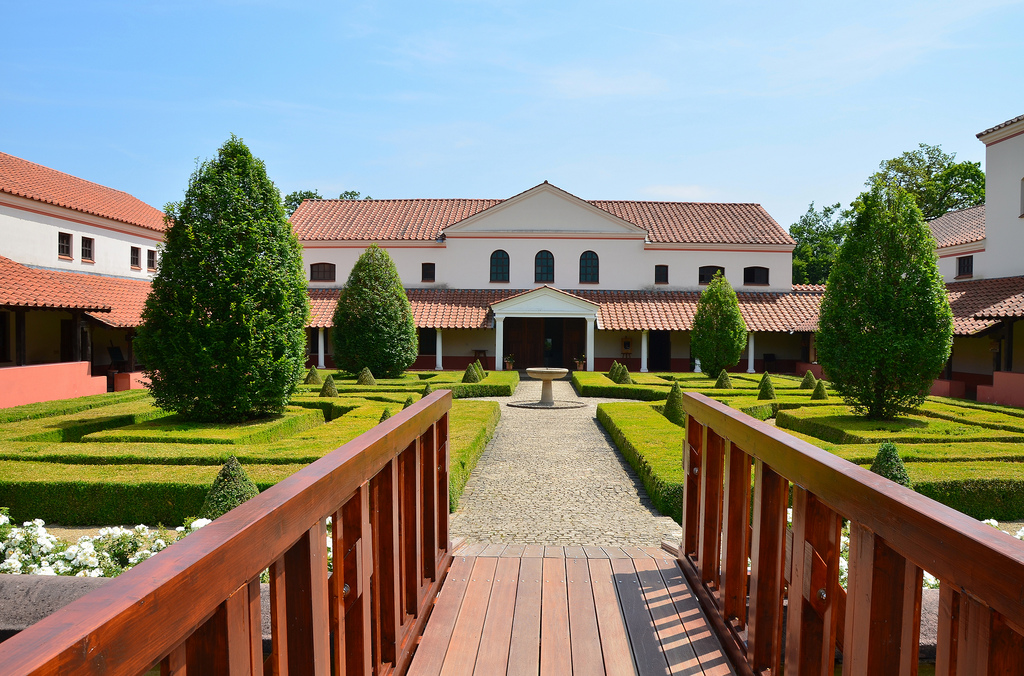
The courtyard garden with the Gatehouse in the background.

The courtyard garden with the Gatehouse in the background.

Manor house, bath and Taverne (right); living and working quarters (left.
The Manor house and its courtyard garden.

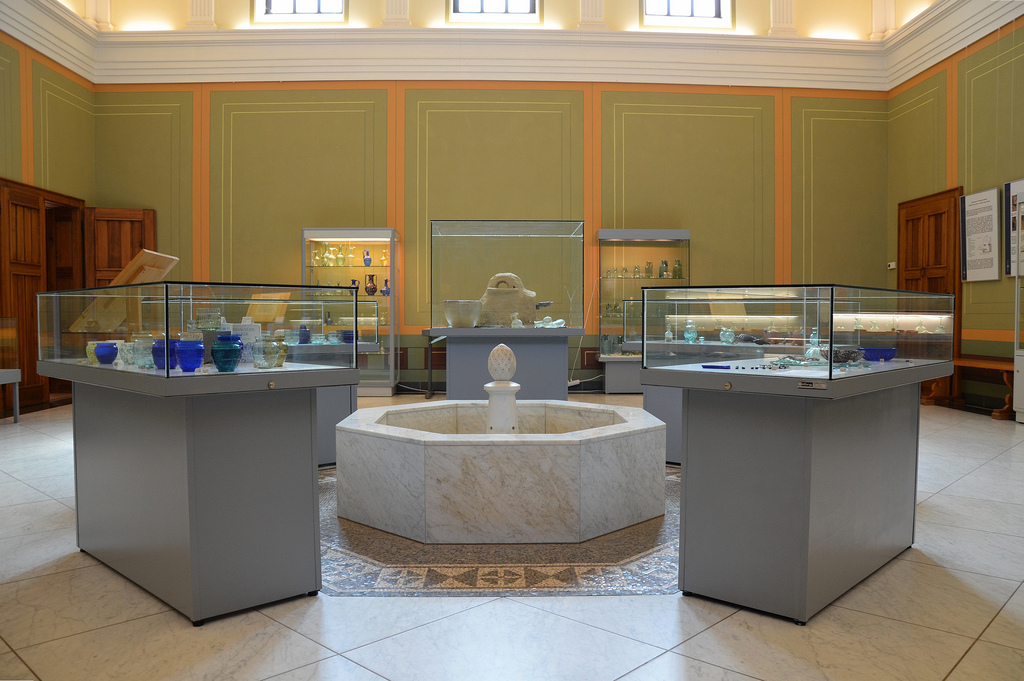
The reconstructed manor hall (atrium) used as a museum.
The reconstructed manor hall (atrium) is used as a museum.

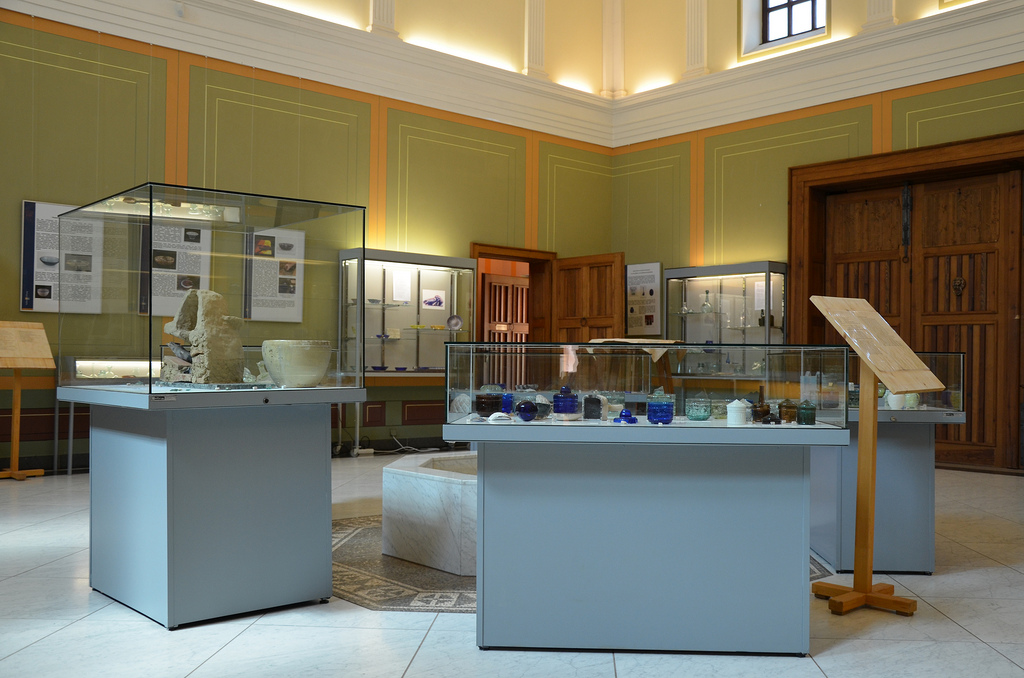
The reconstructed manor hall (atrium) used as a museum.
The reconstructed manor hall (atrium) is used as a museum. From February to July 2013, an exhibition on Roman glass (CIRCUS BEAKERS & RIBBED BOWLS ROMAN GLASSMAKERS Mark Taylor & David Hill – work show 1989-2012) was held in the reception hall. Several dozen glass vessels found at the Villa Borg site were displayed alongside hundreds of glasses reconstructions made by Mark Taylor & David Hill.

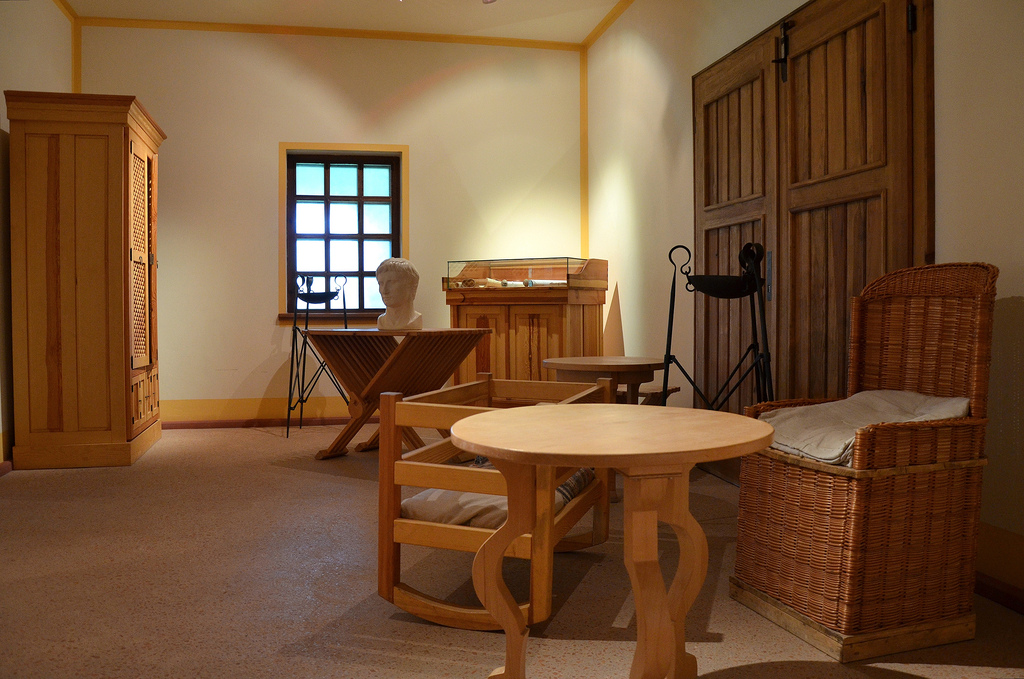
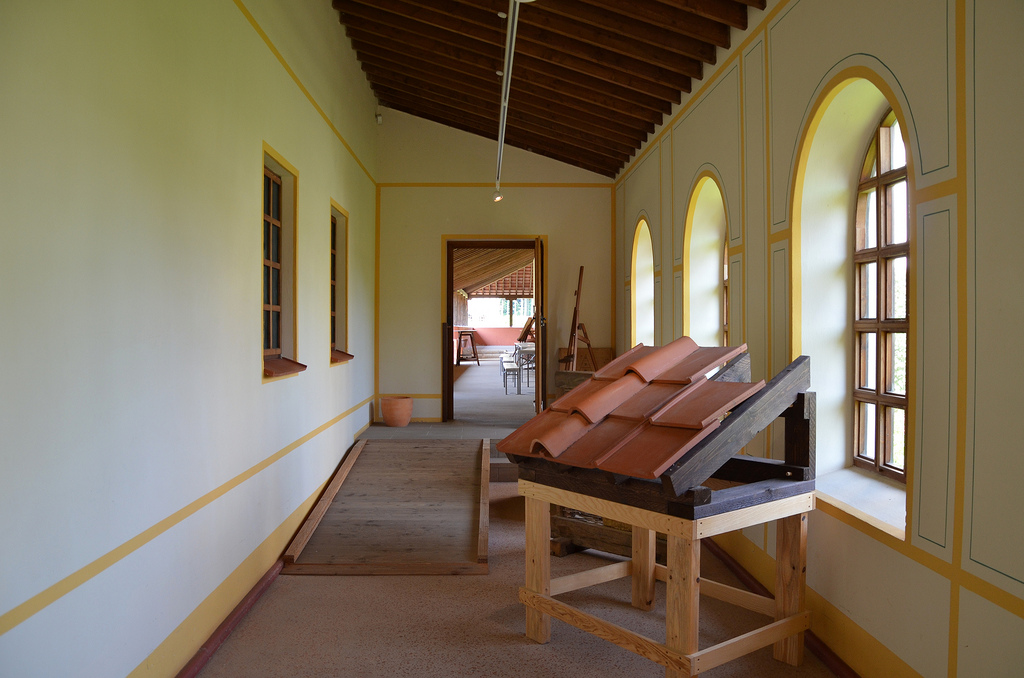
Furniture reproductions, stools, tables, cupboards exhibited in the adjacent rooms.
Furniture reproductions, stools, tables, and cupboards are exhibited in the adjacent rooms.

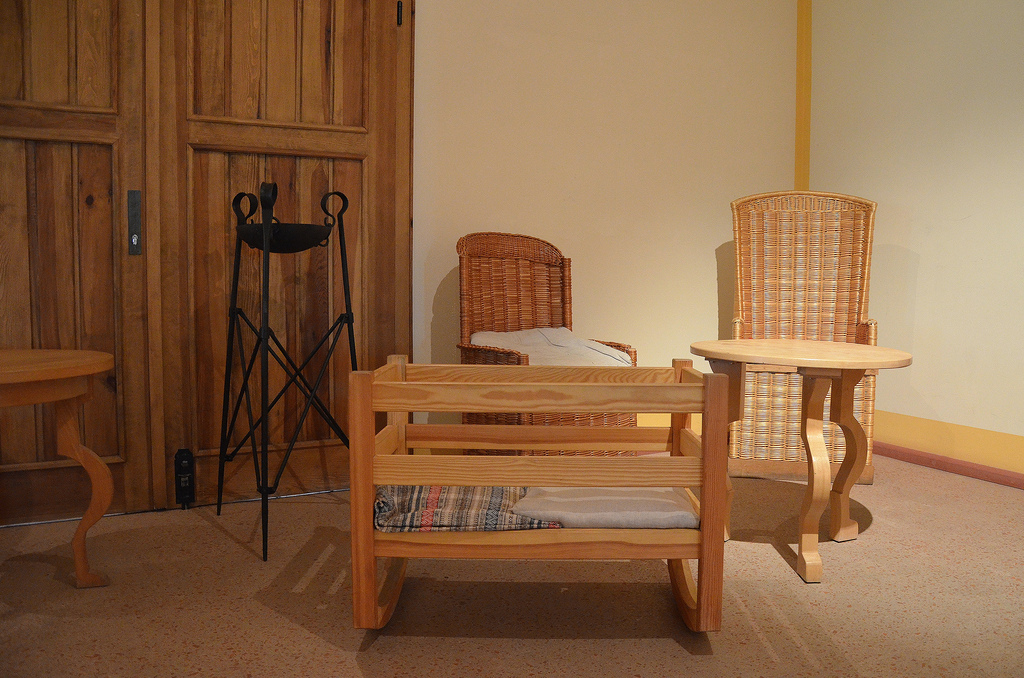
Furniture reproductions including a Roman cradle based on the one found in Herculaneum.
Furniture reproductions include a Roman cradle based on the one found in Herculaneum in the house of Marcus Pilius Primigenius Granianus.

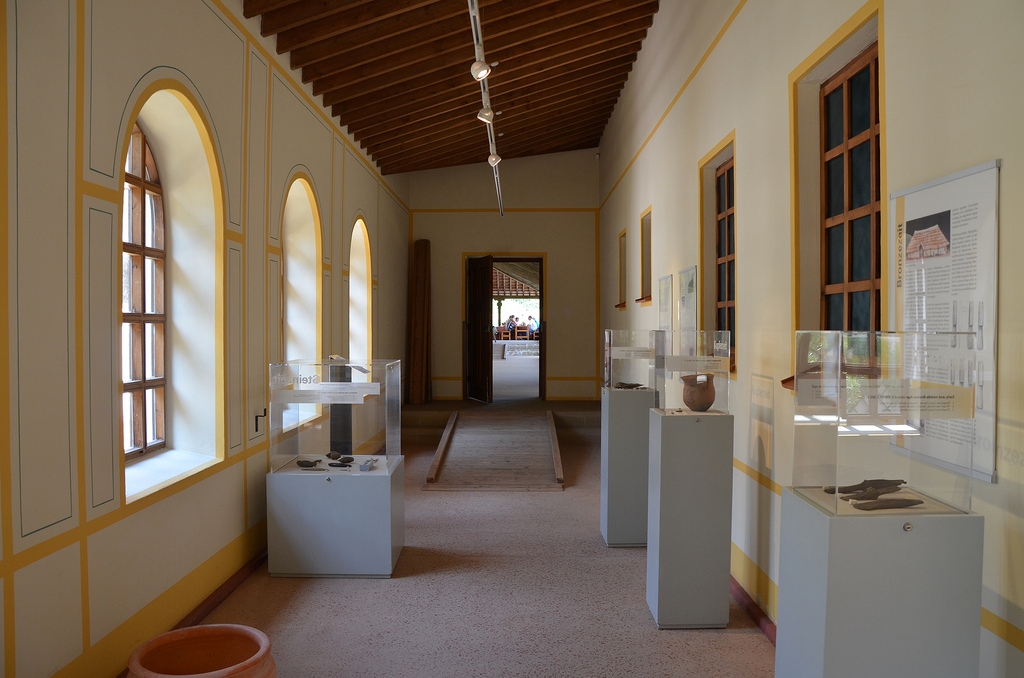
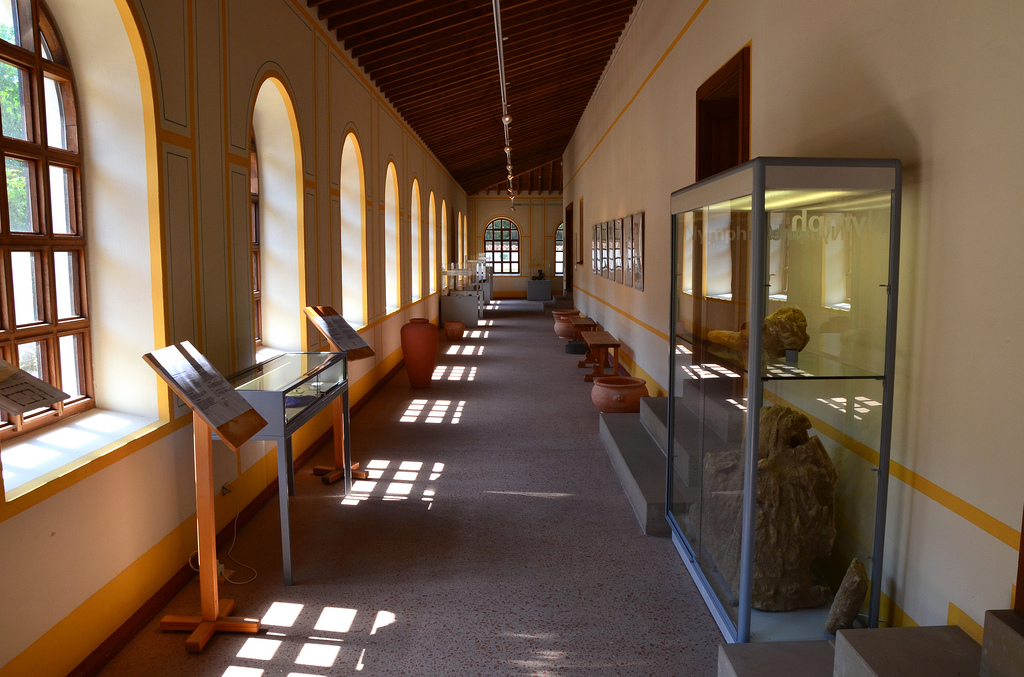
The exhibition area.

The exhibition area.

The exhibition area.

The complex also includes a fully functioning Roman bath. The baths have been rebuilt in their original way and give an indication of how important the bathing culture was in the Roman Empire.
The complex also includes a fully functioning Roman bath. The baths have been rebuilt in their original way and indicate how important the bathing culture was in the Roman Empire.

The reconstructed frigidarium (cold bath).

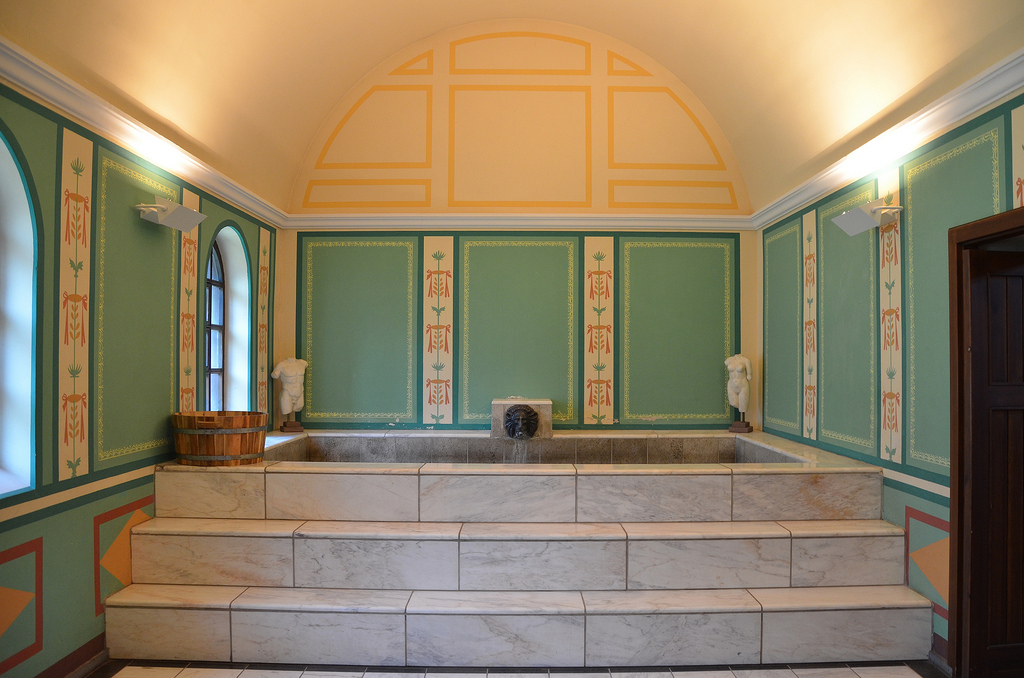
The reconstructed caldarium, a vaulted room containing a hot bath.
The reconstructed caldarium is a vaulted room containing a hot bath.

Next to the caldarium and in line with ancient bathing customs is the reconstructed laconicum, the dry sweating room of the Roman thermae. The resting room was raised to a higher temperature and had no bath in it.
The reconstructed laconicum, the dry sweating room of the Roman thermae. The resting room was raised to a higher temperature and had no bath in it.

The reconstructed laconicum (resting room).

The reconstructed hypocaust in the resting room next to the baths.
The reconstructed hypocaust in the resting room.

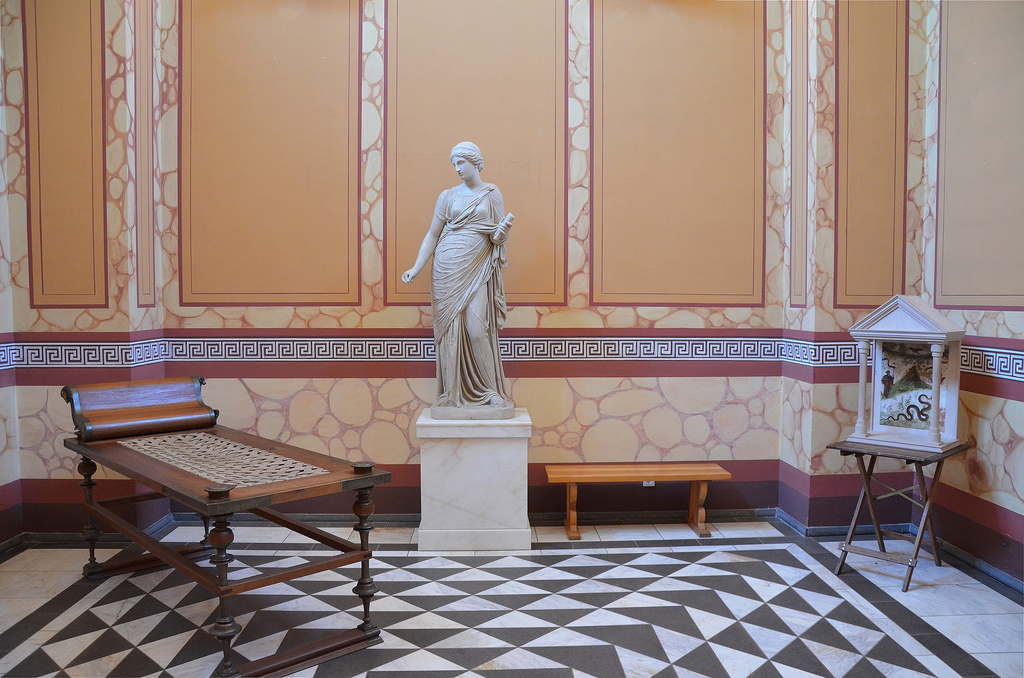
The reconstructed lararium, the sacred place of the house, and a statue of Clio, the muse of history and and a reconstructed lararium, a shrine to the guardian spirits of the Roman household (Lar Familiaris).
The medium-warm room of the baths contains a statue of Clio, the Muse of history and a reconstructed lararium, a shrine to the guardian spirits of the Roman household (Lar Familiaris).

The reconstructed latrines.

The reconstructed Roman kitchen (culina). The Villa Borg produces its own Roman bread which you can buy at the tavern. The bread is baked inside the reconstructed kitchen.
The reconstructed Roman kitchen (culina). The Villa Borg produces its own Roman bread, which you can buy at the tavern. The bread is baked inside the reconstructed kitchen.

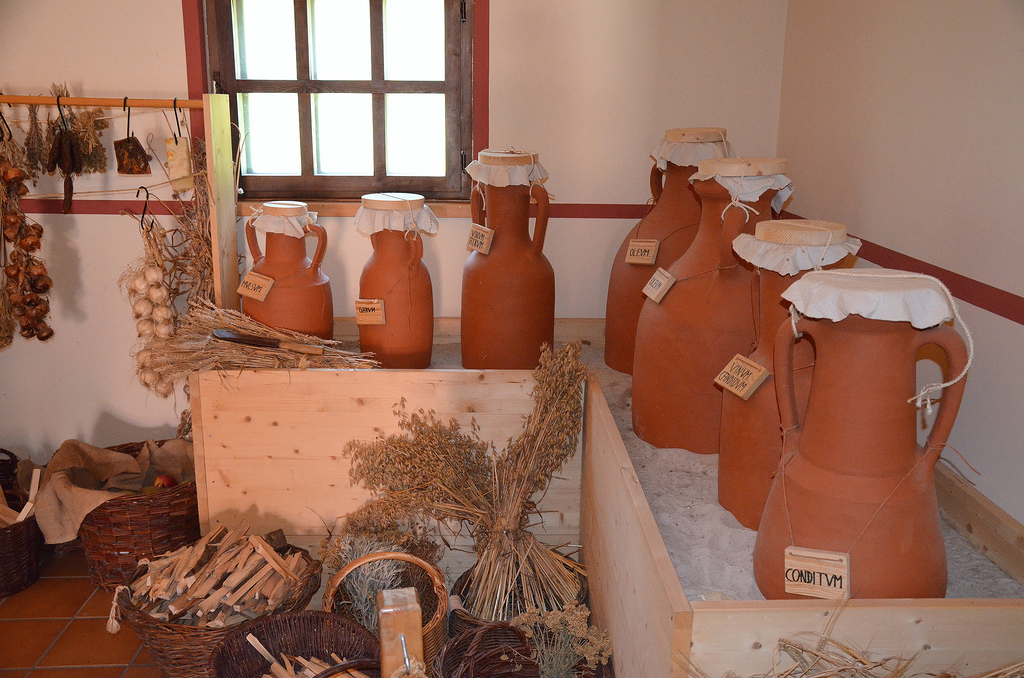
The reconstructed Roman kitchen (culina).

The reconstructed Roman kitchen (culina).

The flower garden.
The flower and herb garden. The gardens were designed as authentically as possible based on pollen analysis and relevant literature.

The plant garden.
The plant garden.

The rose garden.
The rose garden.

The rose garden.
The rose garden.

A tavern in one of the wings which was not part of the original villa serves food and drinks based on ancient Roman recipes.
The tavern in one of the wings serves food and drinks based on ancient Roman recipes.

Excavation work at the Roman Villa Borg.

Excavation work at the Villa Borg.

Roman Villa Borg.
Roman Villa Borg.

The Saarland and Mosel Valley’s ancient Roman heritage has a lot to offer to tourists and scholars alike. More than 120 antique sights along the Moselle and the Saar rivers, the Saarland and Luxembourg are testaments to the Gallo-Roman era north of the Alps (further information here).
Visiting the Roman Villa Borg: The villa is open from Tuesday to Sunday from 10am to 6pm from April to October and from 11am to 4pm from February to March and November. The site is closed on Mondays and in December and January.

Website: http://www.villa-borg.de