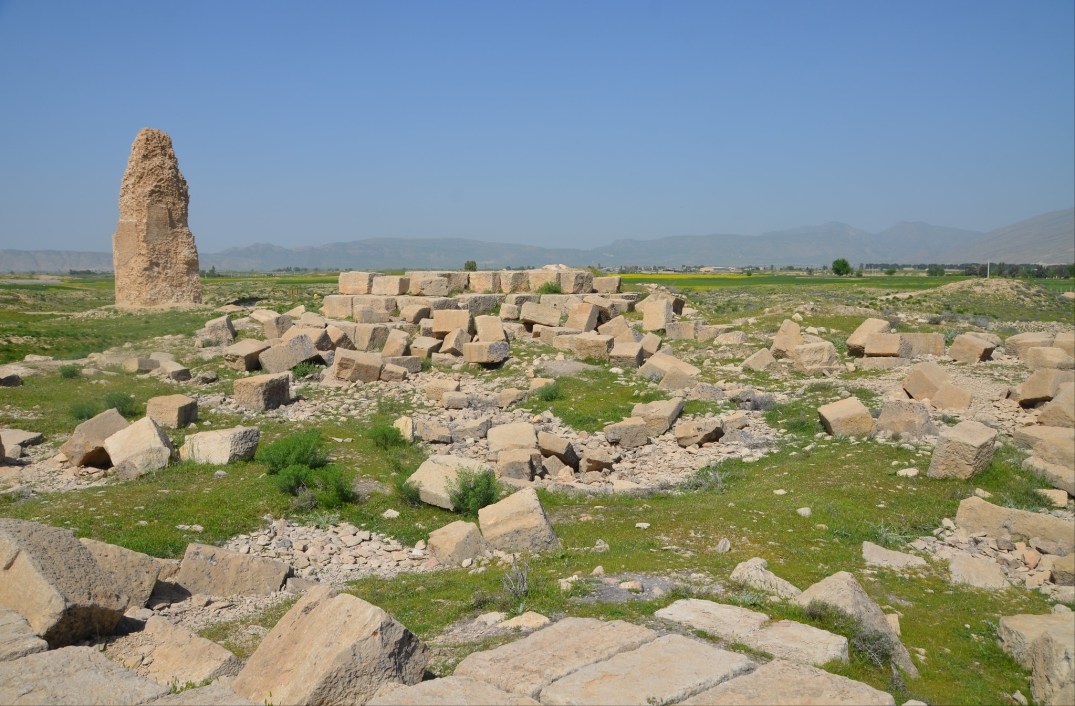
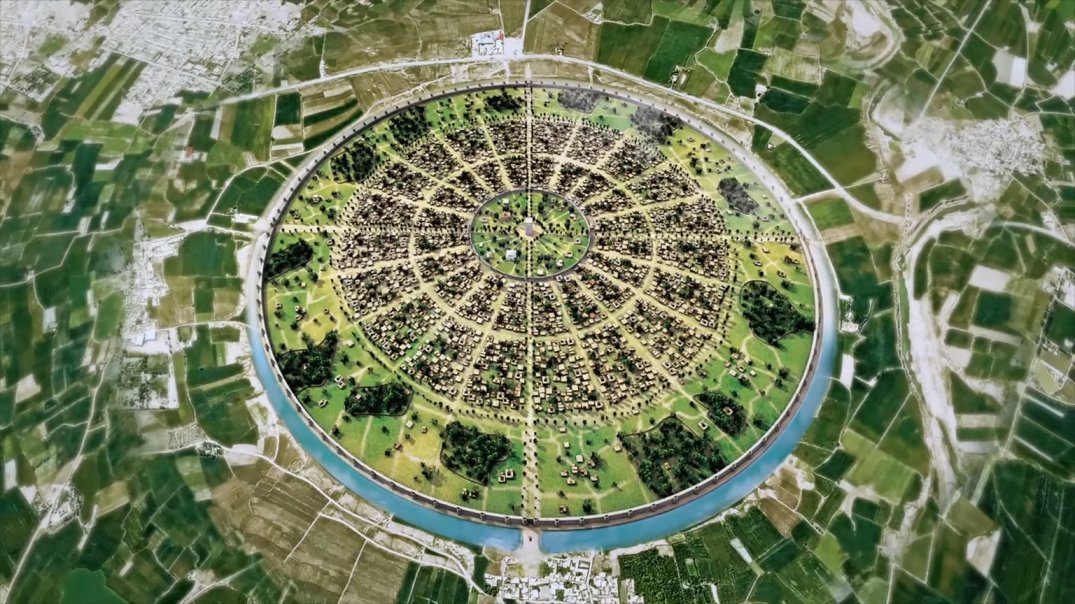
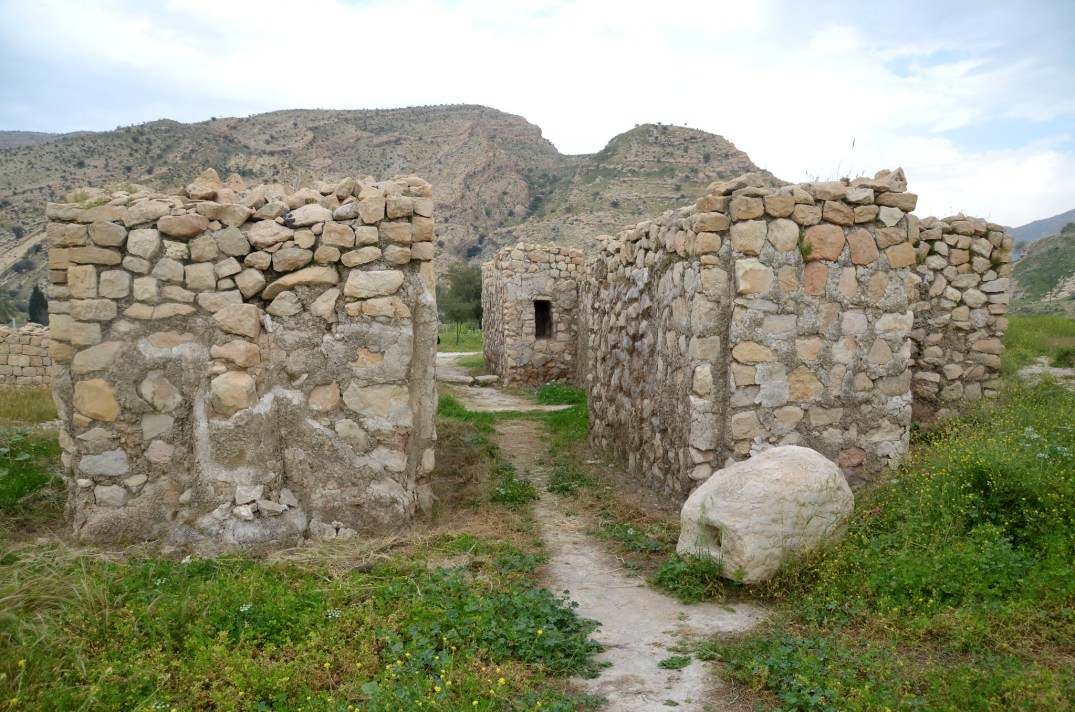
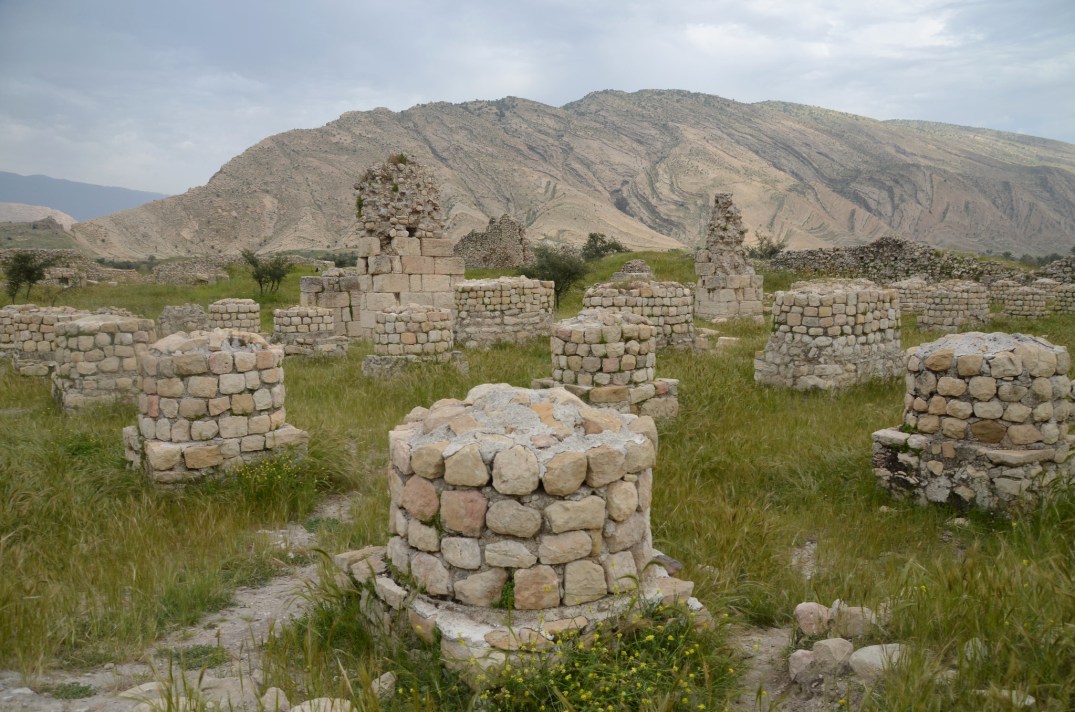
Firuzabad is a city located in the Fars Province of Iran, approximately 110 kilometres south of Shiraz. It is home to the circular citadel city of Gur, which was the Sassanid Empire’s first capital. Legend has it that Ardashir I, the first king of the Sassanid dynasty, founded the capital on the site of an Achaemenid city destroyed by Alexander the Great. The city was designed as a circular town with gates positioned at the four cardinal points. In June 2018, Firuzabad was designated a UNESCO World Heritage site as part of the Sassanid Archaeological Landscape of the Fars Region.
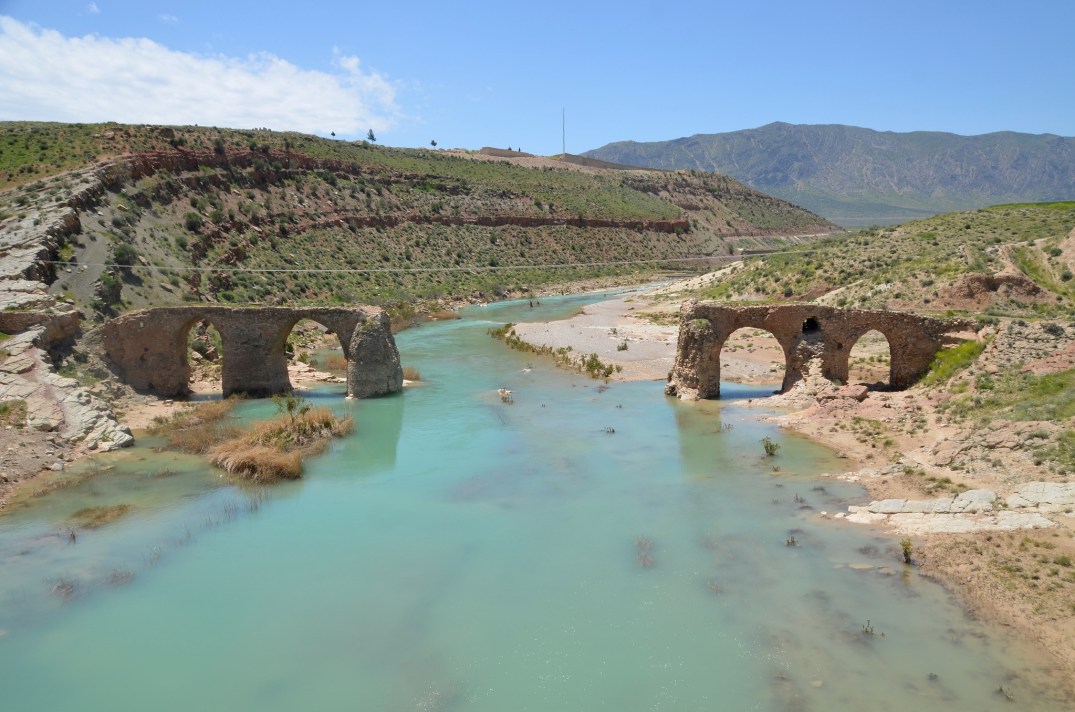
The ensemble at Firuzabad includes a monumental memorial dedicated to the founder of the Sassanid state, all within a 14-kilometre diameter area. Notable archaeological sites in this region include the ancient city of Gur, the Palace of Ardashir, the Qal’eh Dokhtar fortress, and reliefs dating to the time of Ardashir. Additionally, there is a 5th-century Pahlavi inscription and the bridge of Mihr Narseh. Fifty kilometres south of modern Kavar, near the ancient site of Gur, stands a 125-meter-long bridge that spans the Qara Aqaj River. This bridge, built on arches during the reign of Ardashir, was likely constructed by Roman engineers. It represents the political, historical, cultural, and artistic developments of the early Sassanid period. Gur and its surrounding structures were part of Ardashir-Khurrah, which means “Glory of Ardashir,” one of the five administrative divisions (kūra) of the Fars province in Iran.
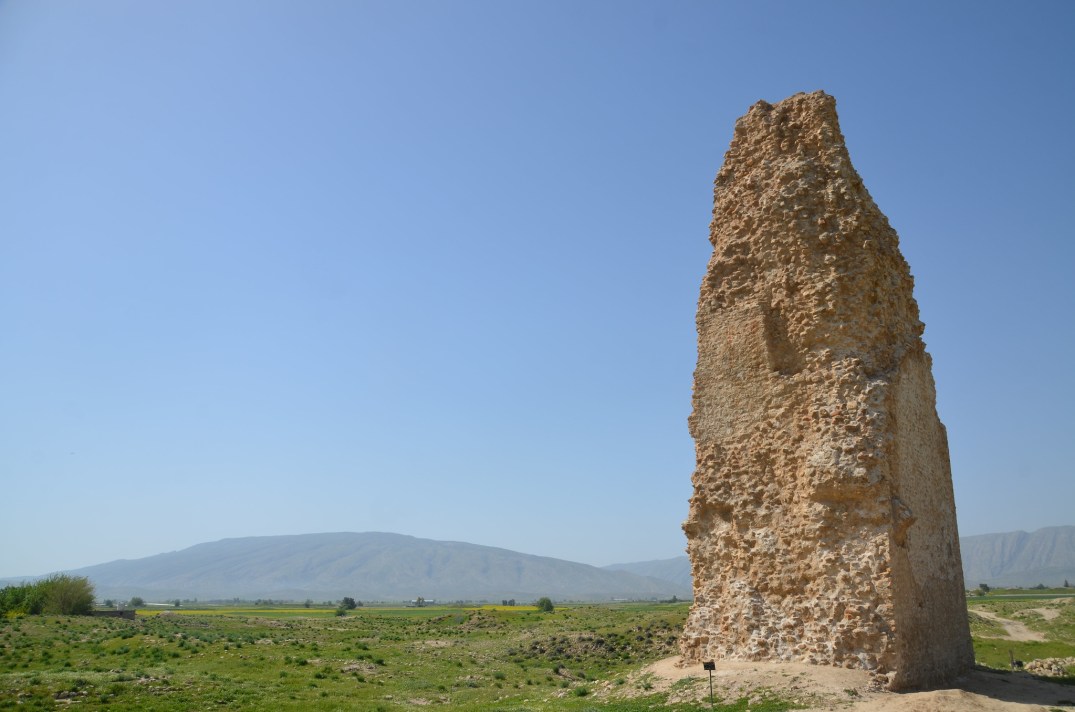
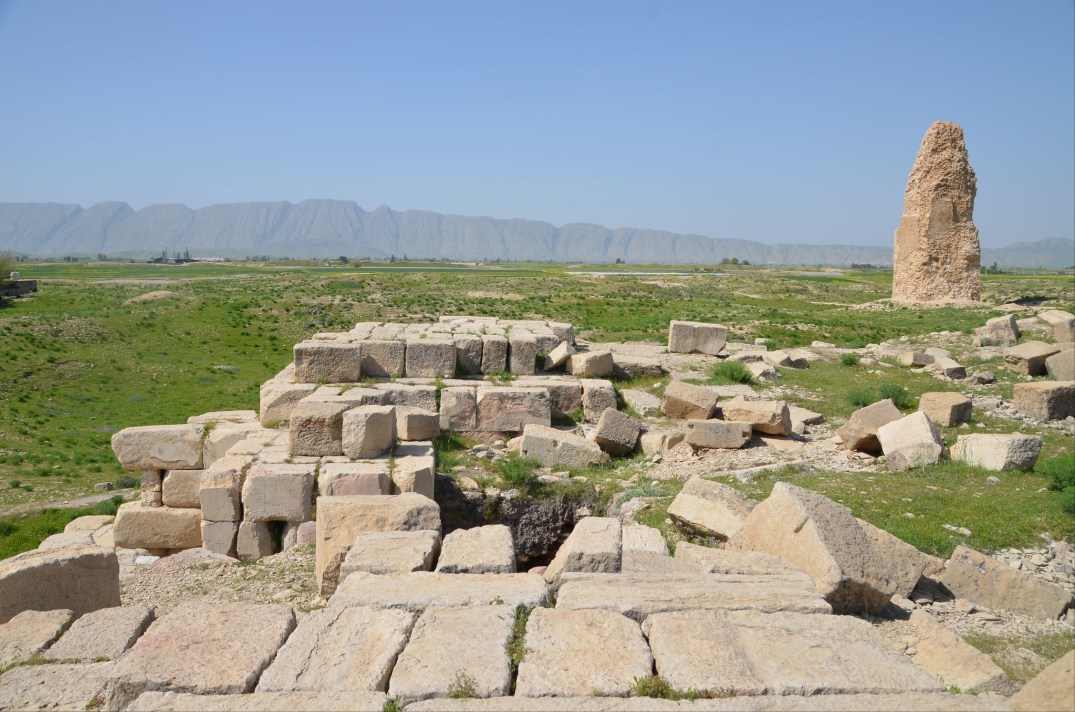
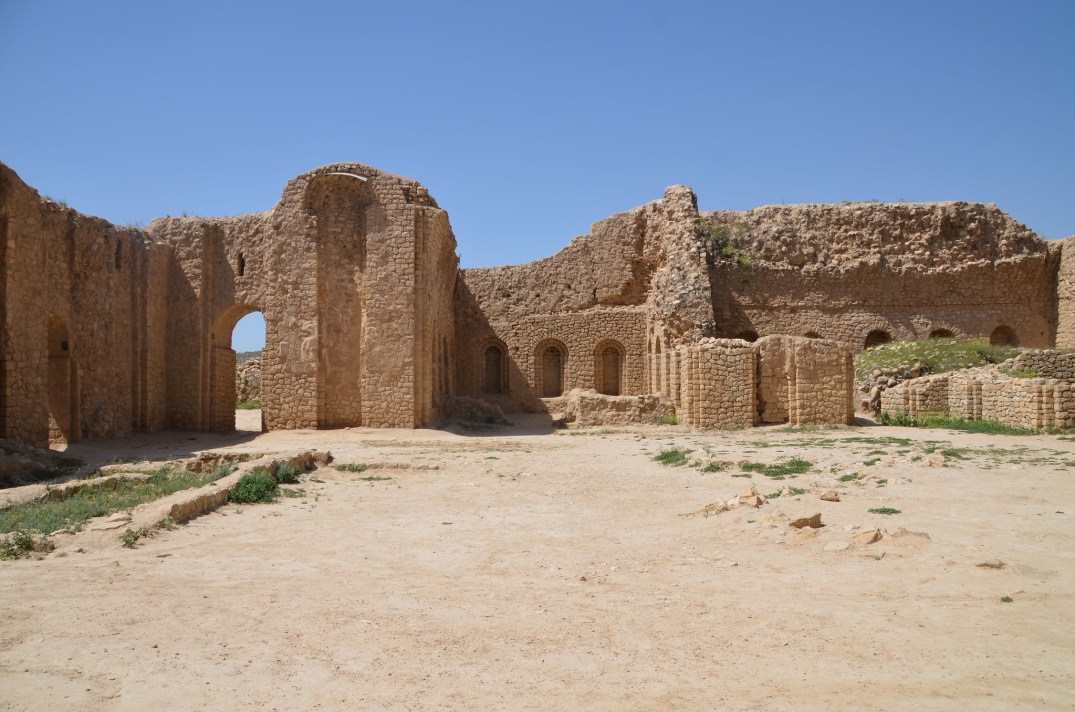
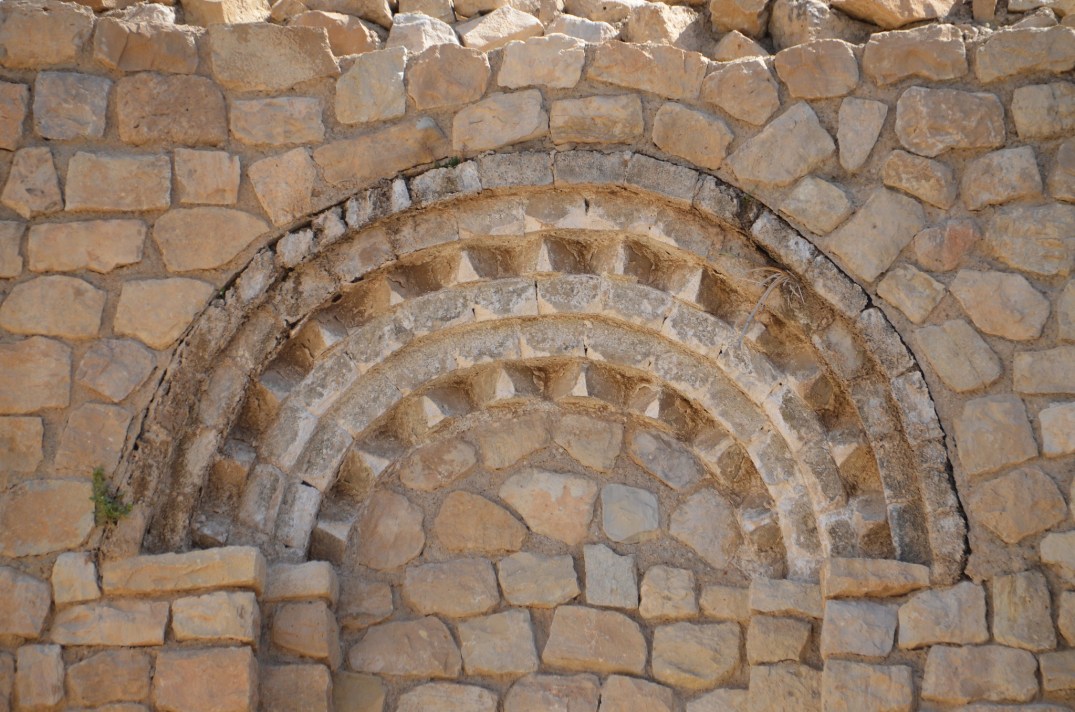
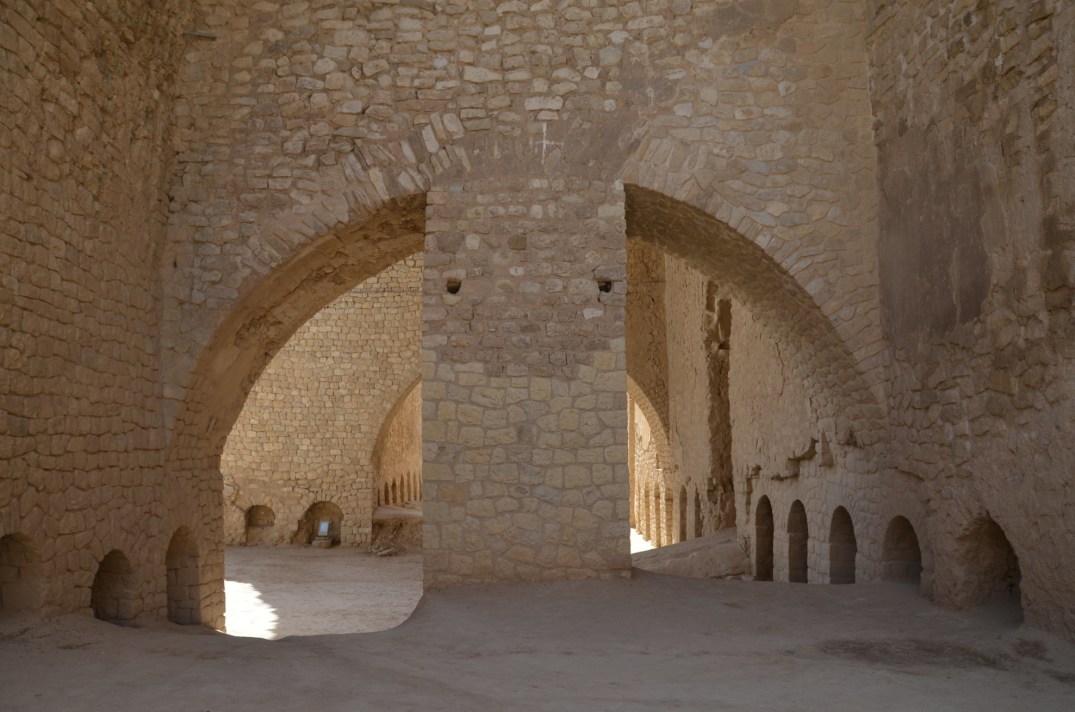
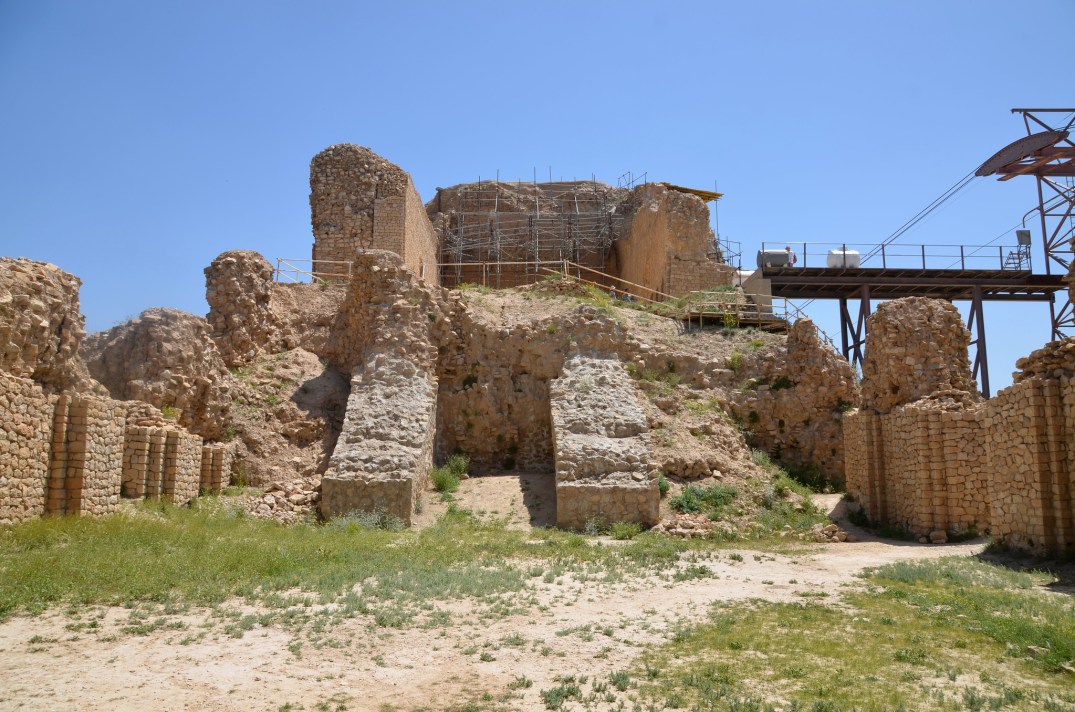
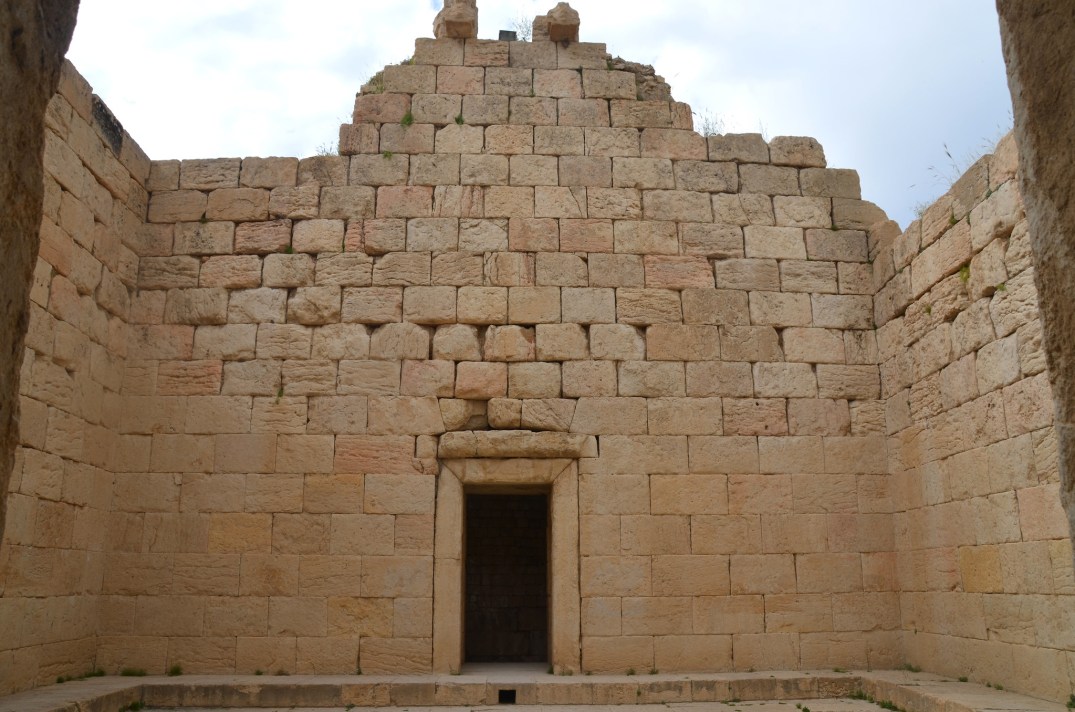
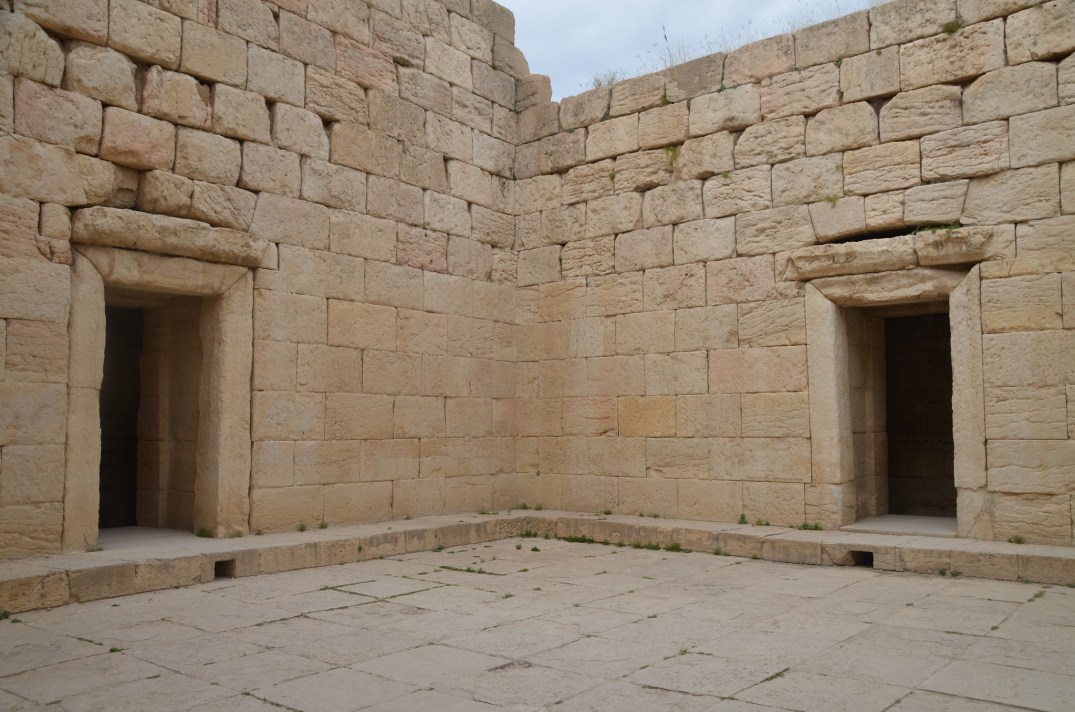
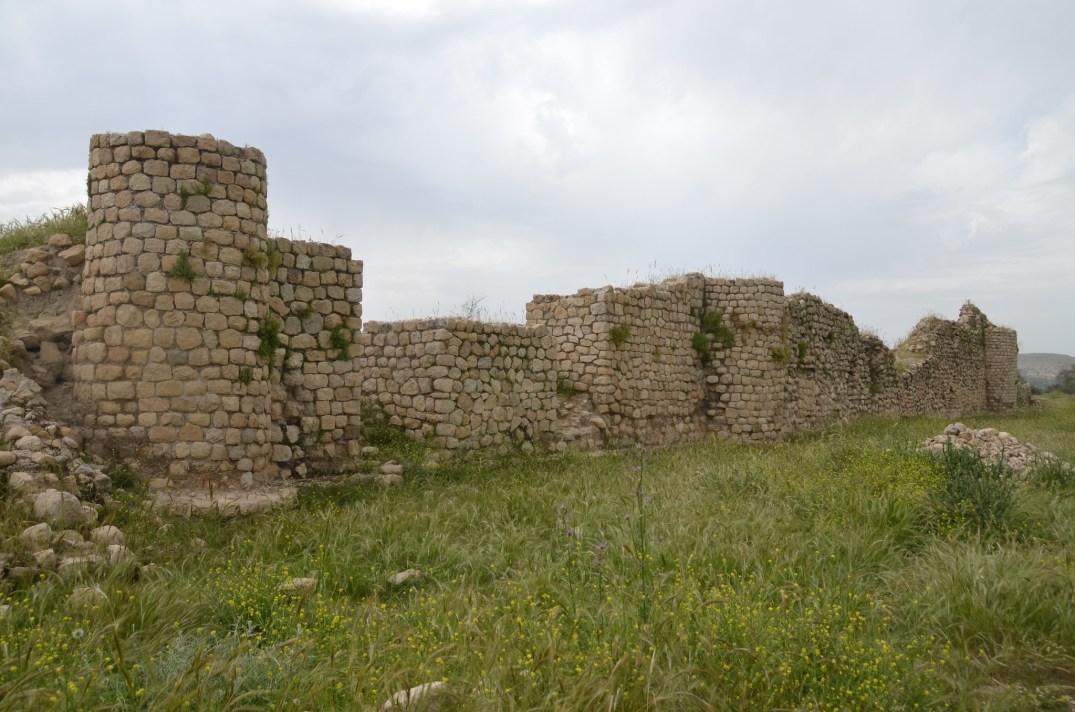
Ardashir’s new city covered a perfect circle 2 km in diameter and was divided into 61 sectors by 20 radial walls and three concentric circles. It was also protected by a 50-meter-wide trench. At the centre of the town stood an elevated platform or tower called a minar. About two kilometres away from Gur, the Palace of Ardashir stands on the bank of the western branch of the Tangab River. The structure consisted of several parts opening to a garden with a pool and contained three domes, resembling the Parthian palace at Ctesiphon. Although some sources state that the capital was established after Ardashir’s victory in 244 over the Parthian king Artabanus V, archaeological evidence confirms that it was established before the battle.

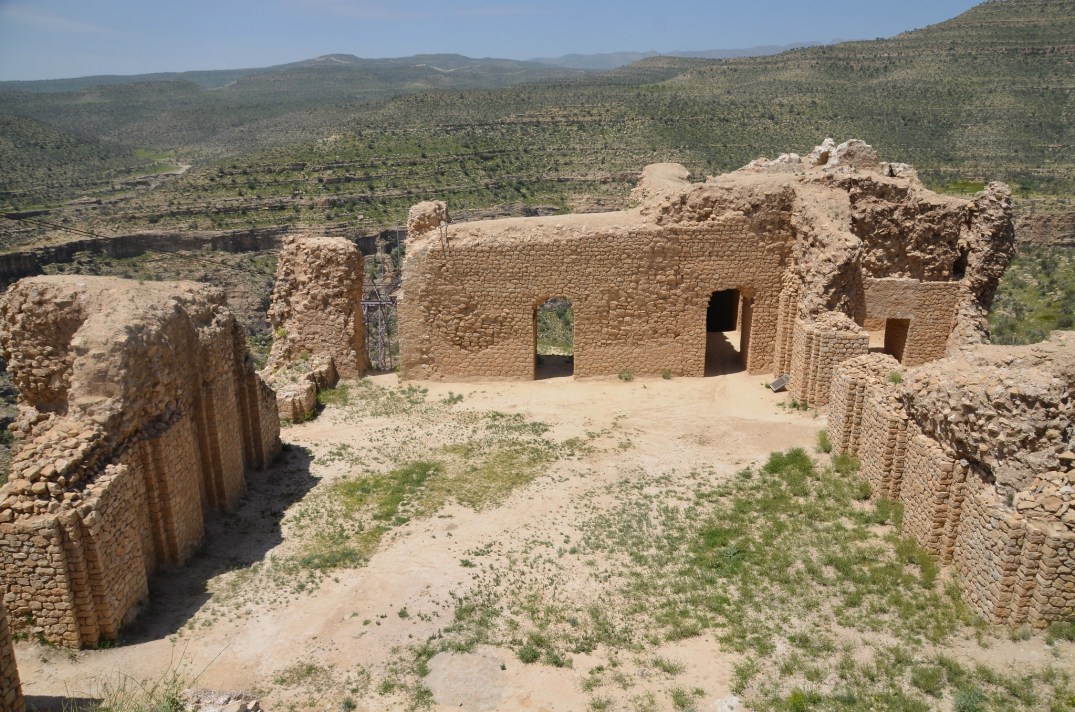
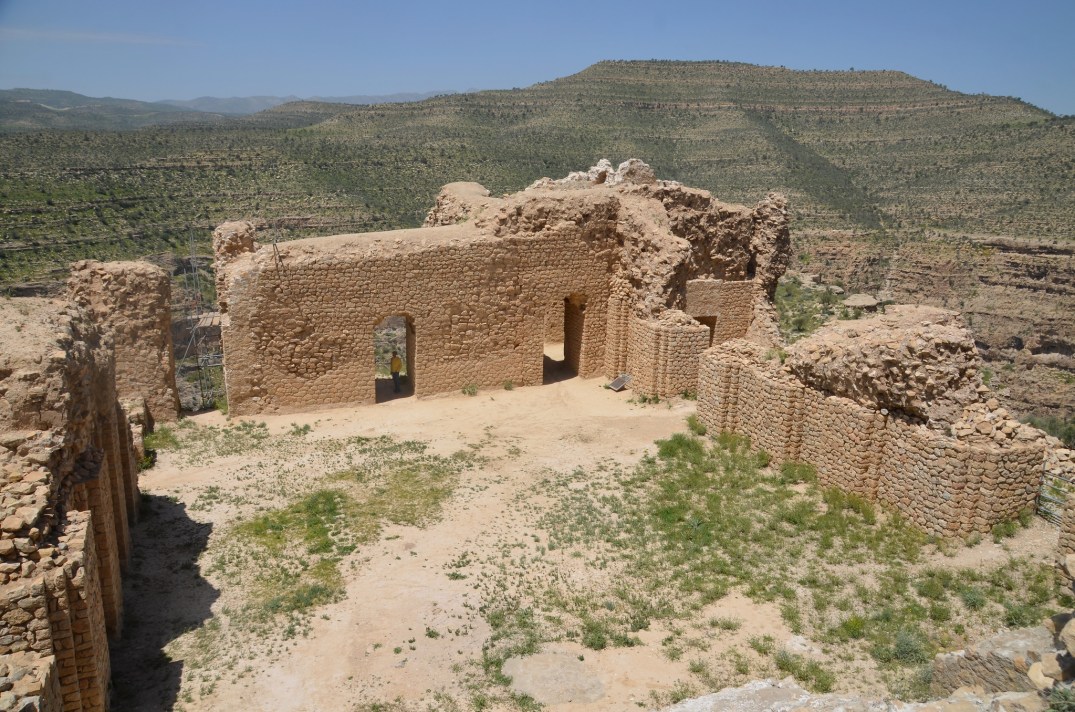
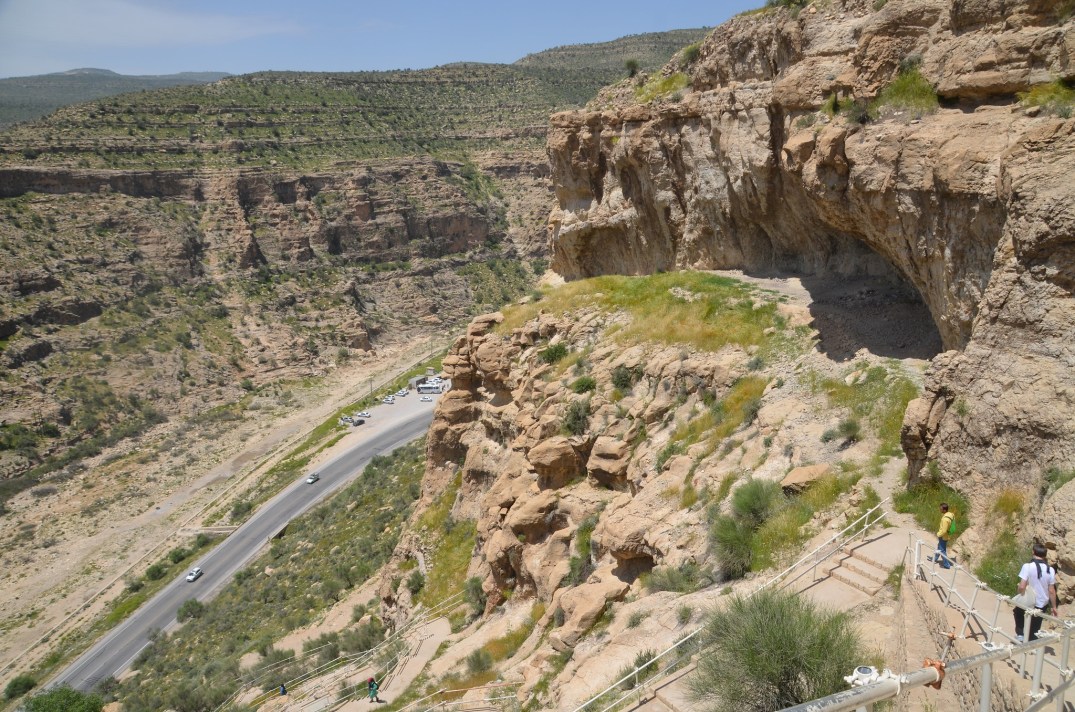
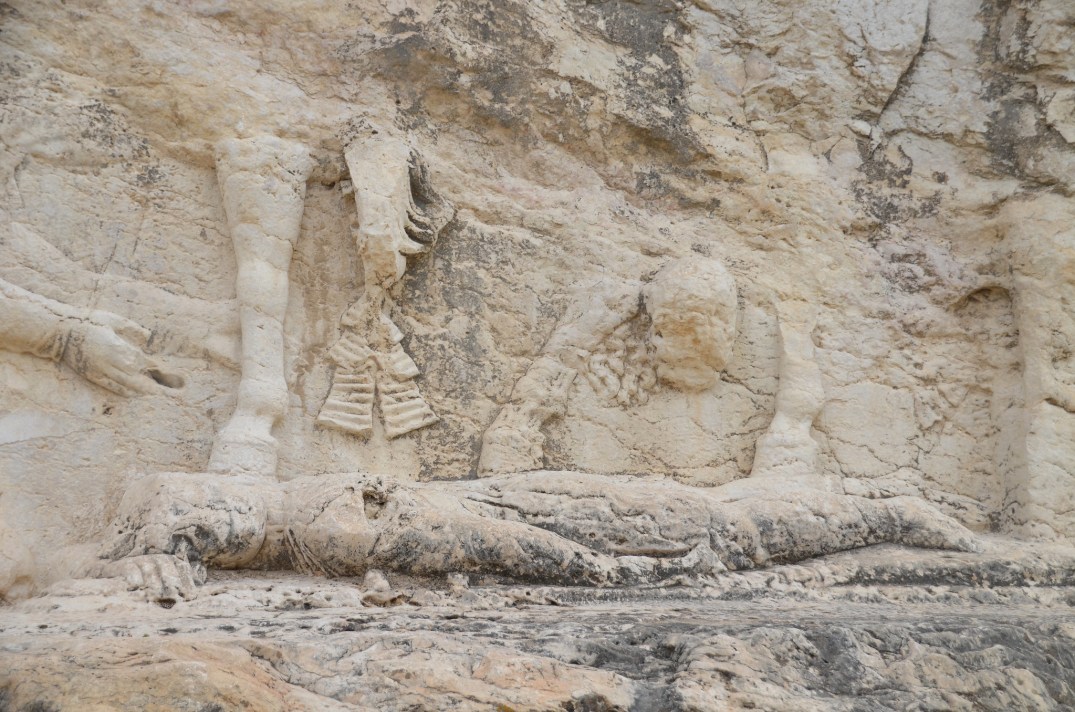
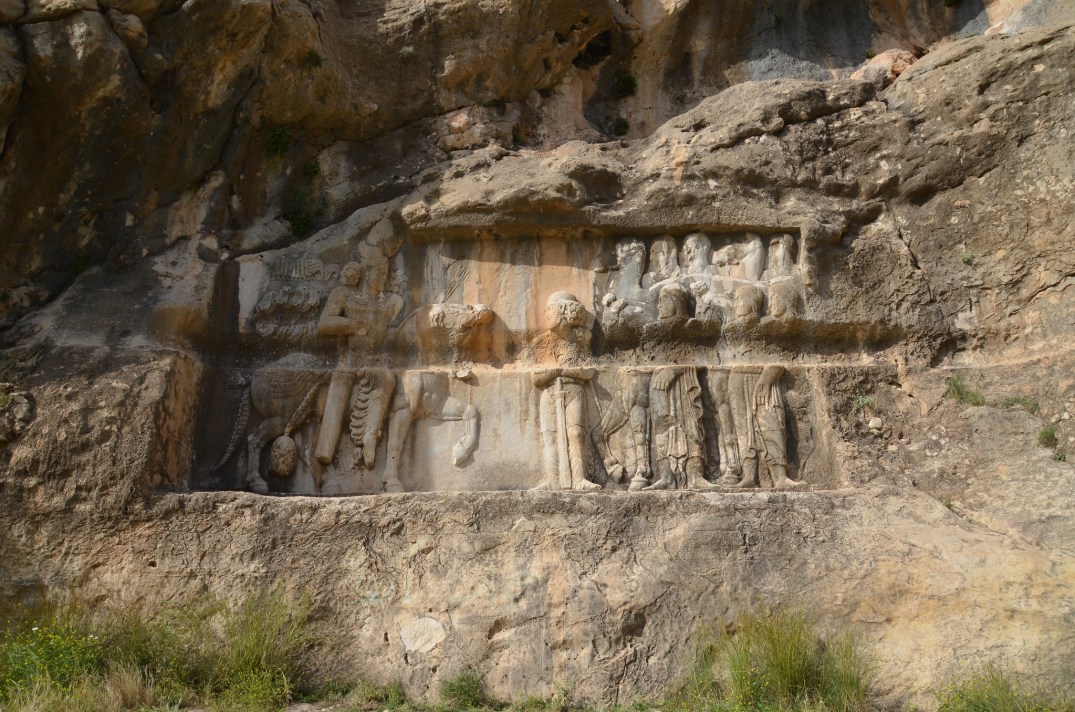
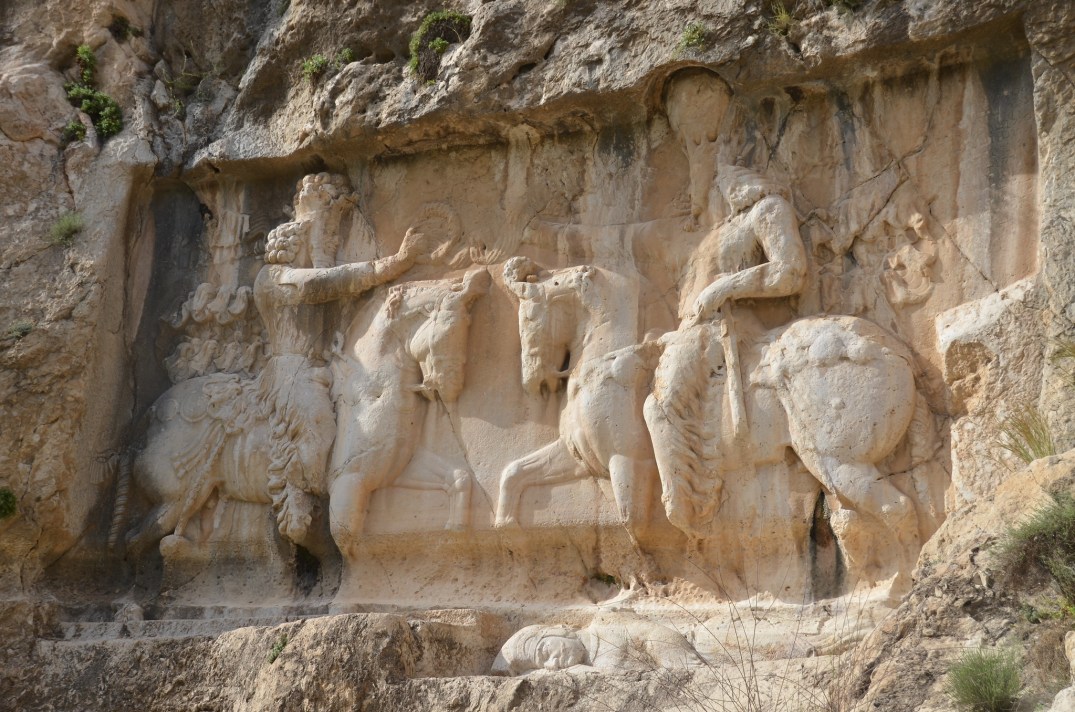
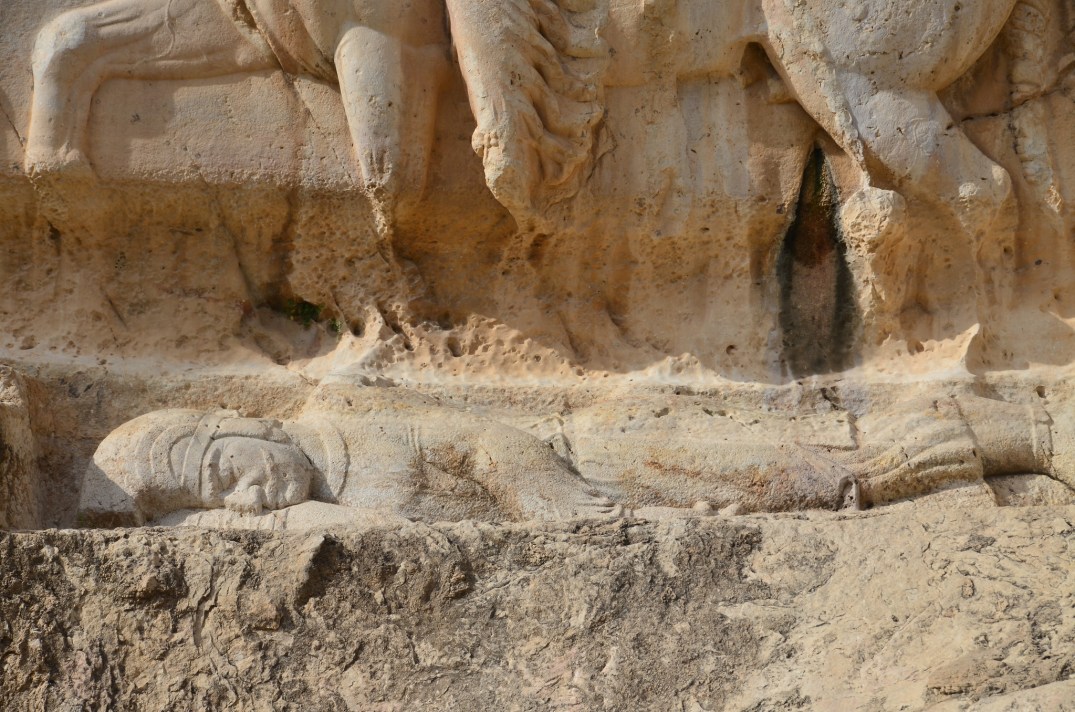
The Qal’eh Dokhtar fortress stands atop the mountain adjoining the river, four kilometres away from the palace of Ardashir. At the foot of the Qal’eh Dokhtar fortress are the remains of a Sasanian bridge, and on its opposite body a bas-relief depicting the crowning of Ardashir (see images here), the Pahlavi Sasanian inscription of Mihr Narseh (see image here), from the time of Yazdgerd II, and at a small distance, the bas-relief depicting the victory of Ardashir over Ataban V, the last Parthian king (see images here).
Coordinates: 28°51’24.3″N 52°32’08.1″E
PORTFOLIO
Ardashir-Khurrah


Palace of Ardashir




Qal’eh Dokhtar

KARVAR BRIDGE

Links:











 following hadrian photography