
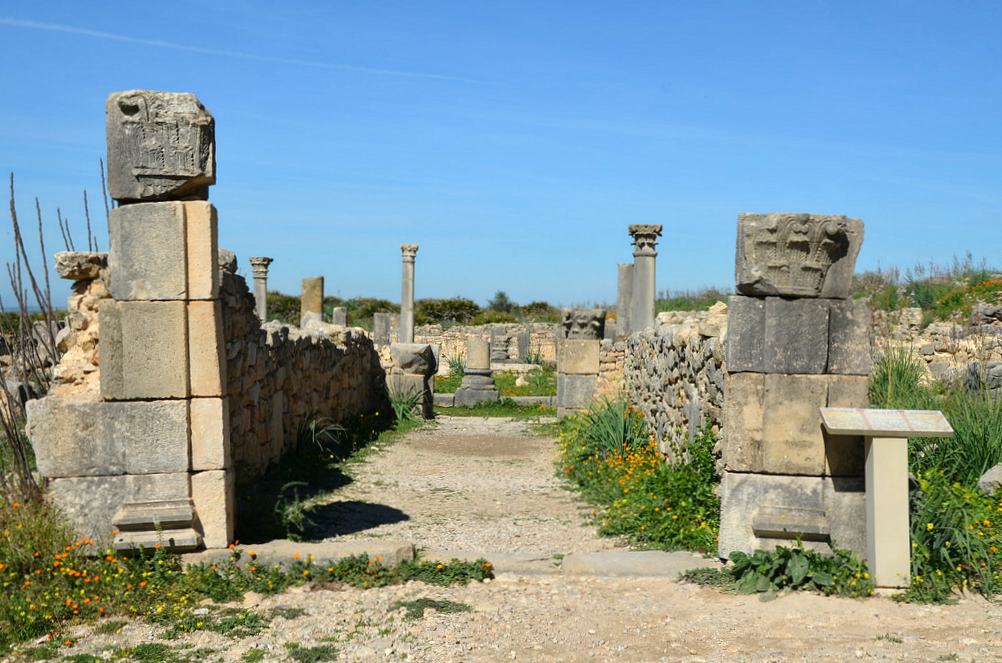
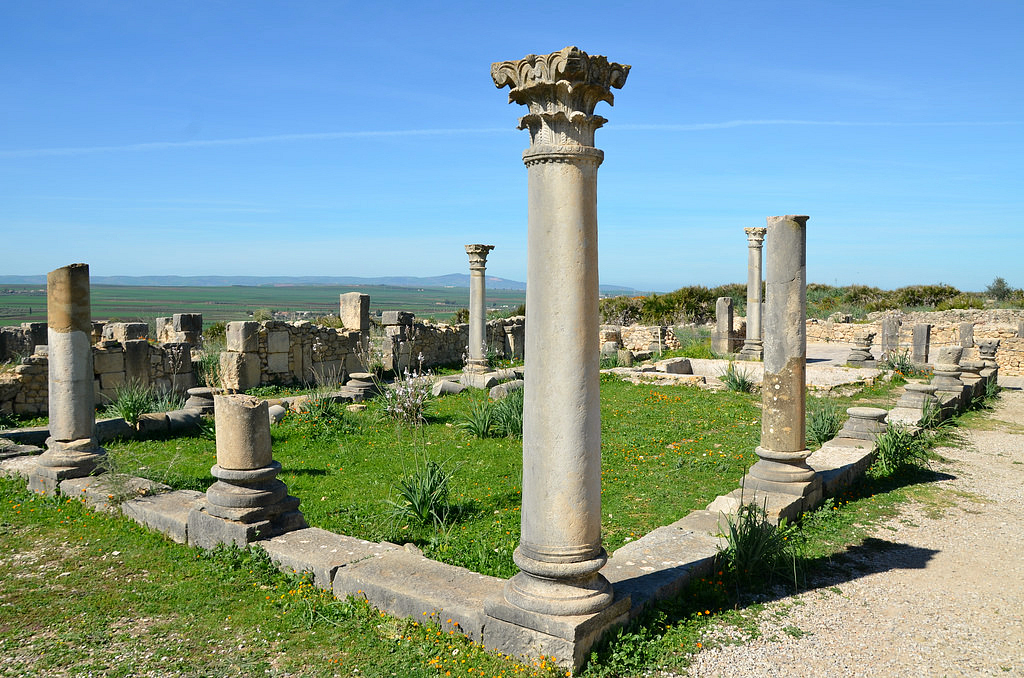
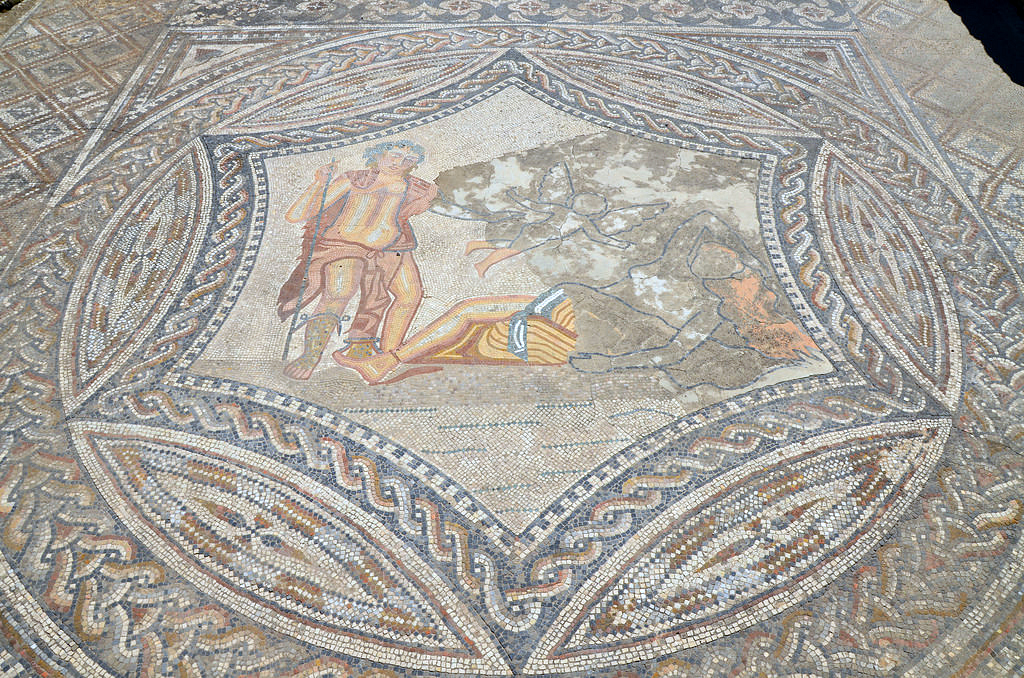
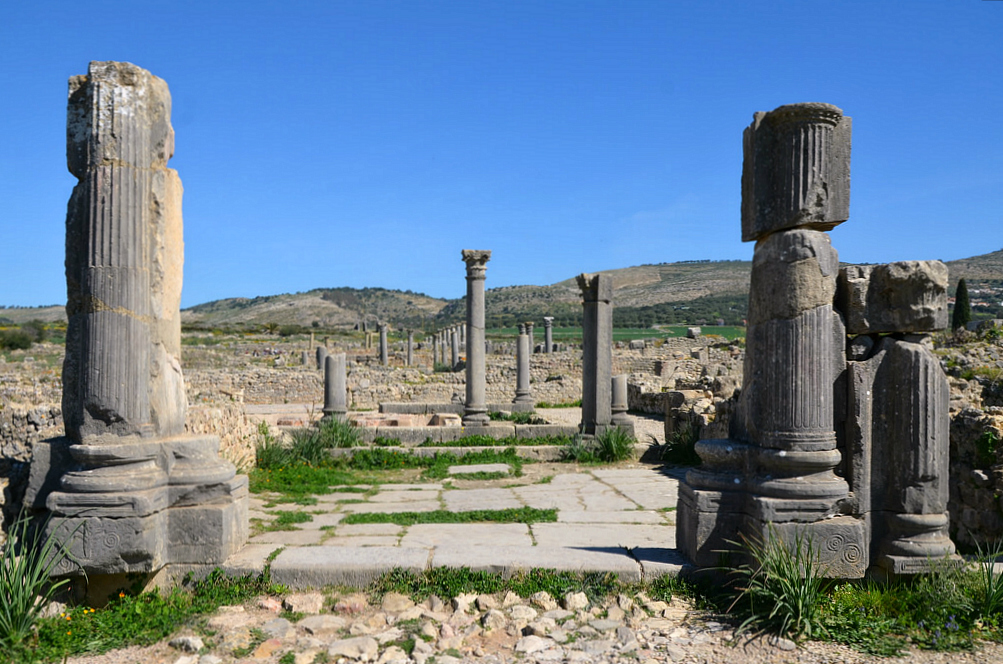
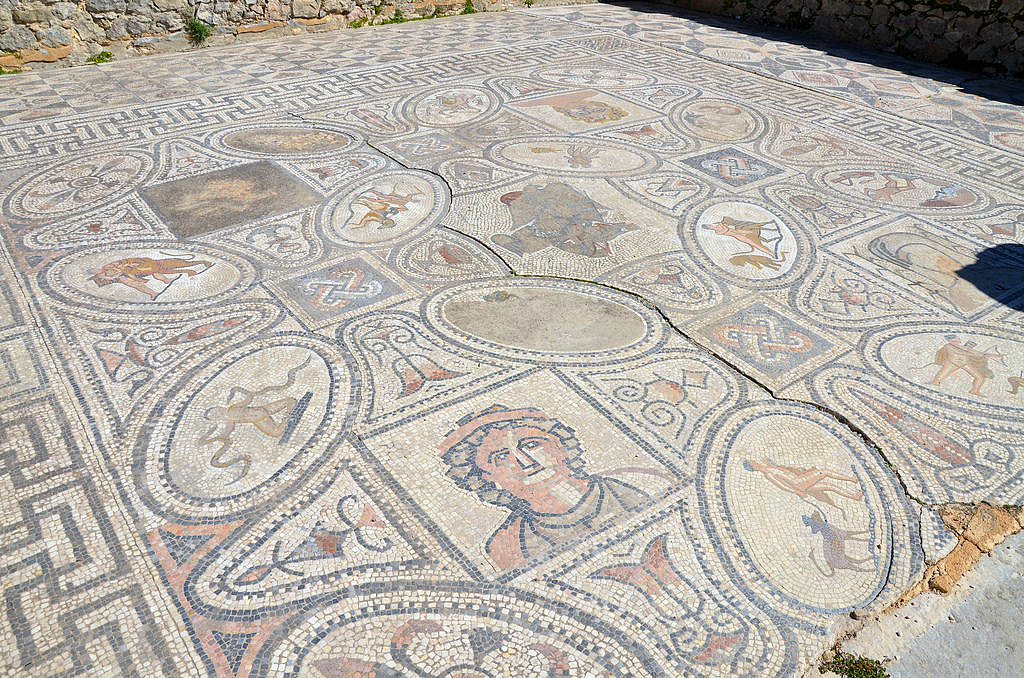
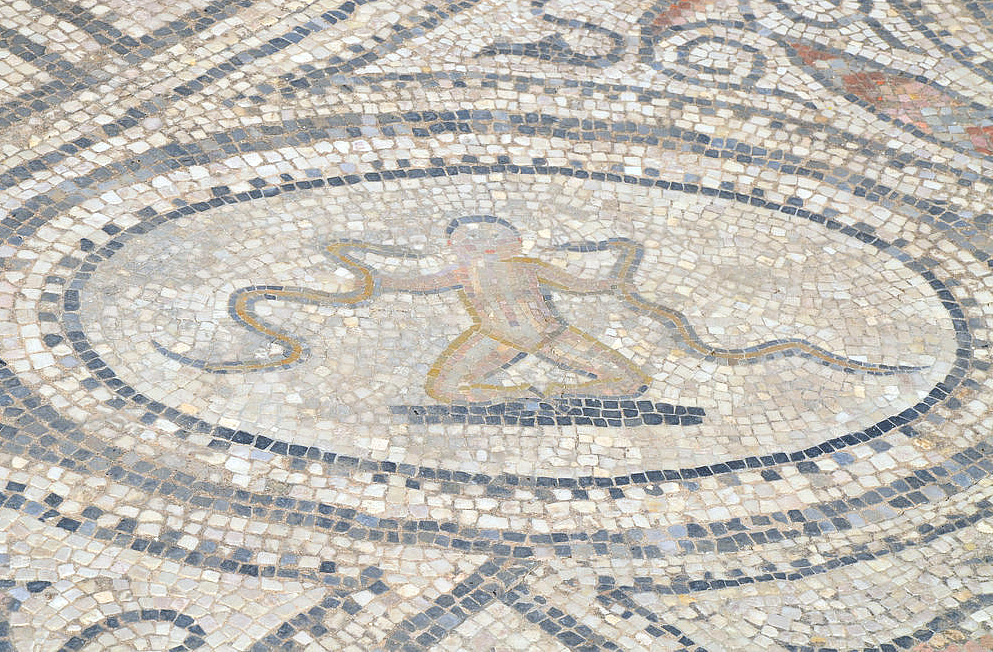
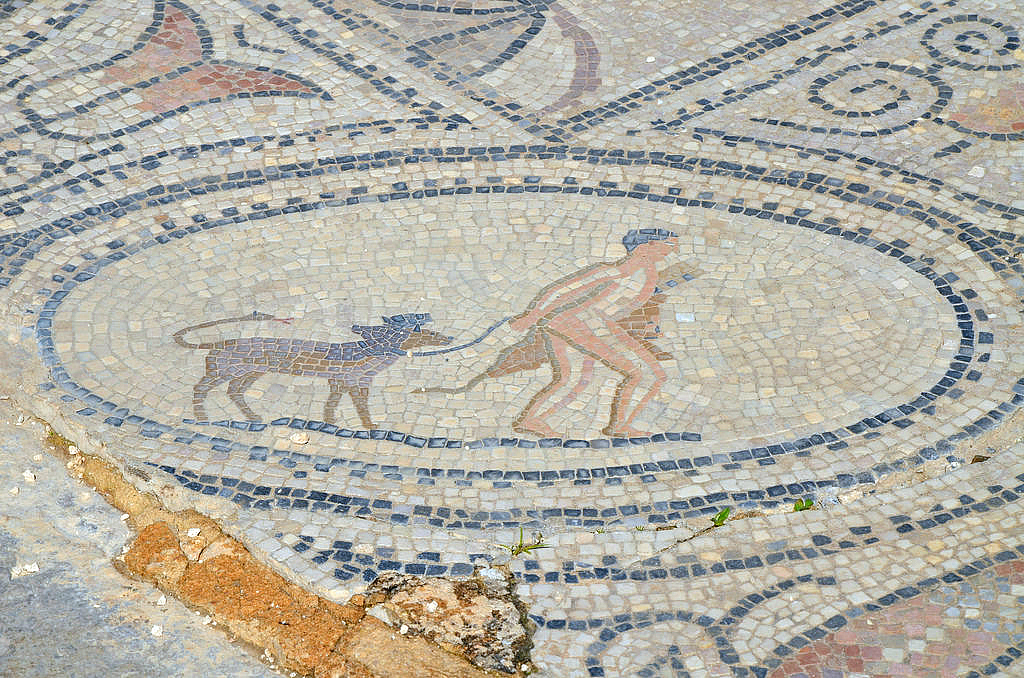
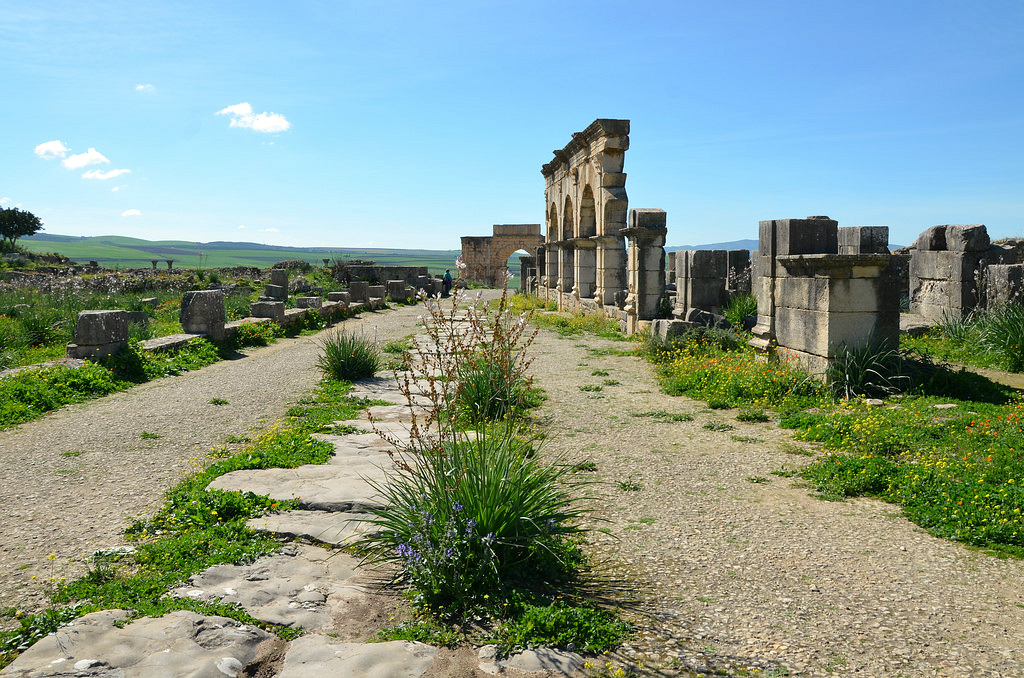
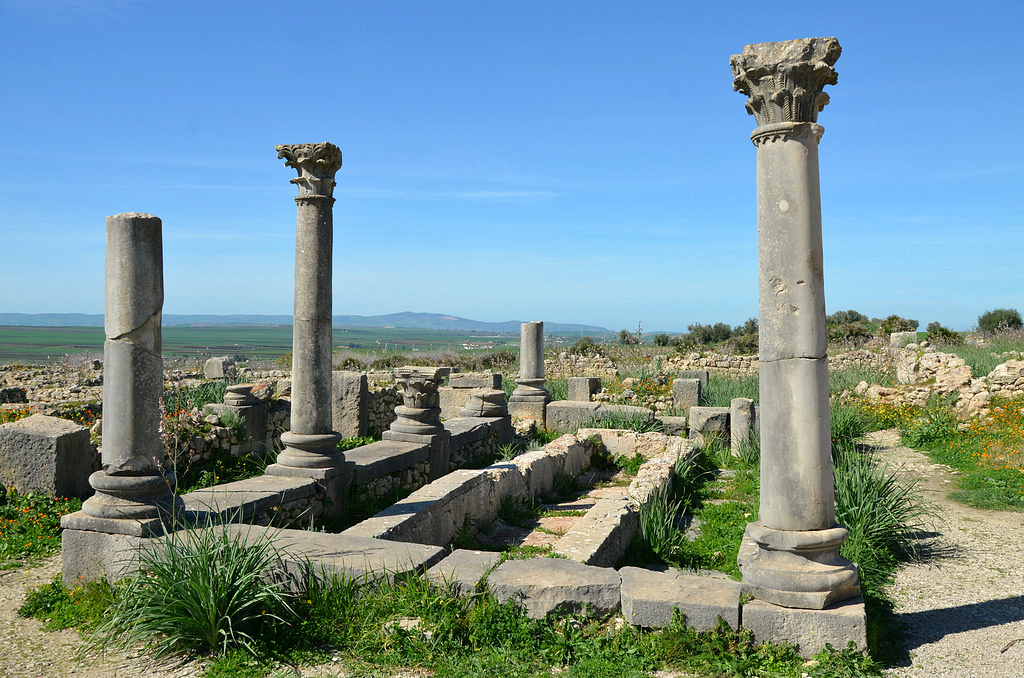
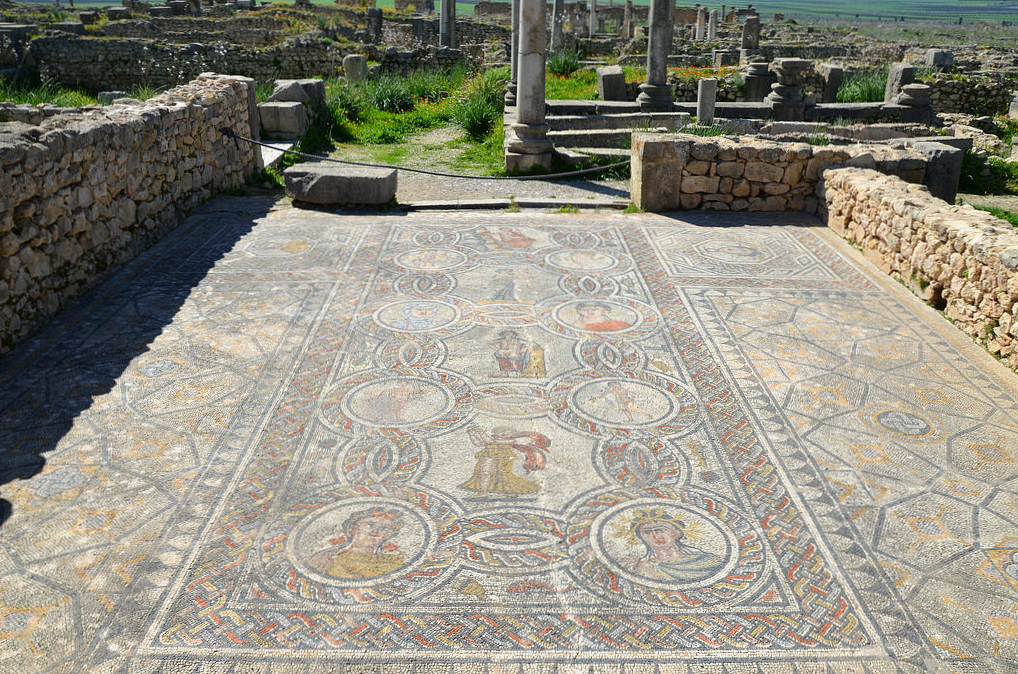
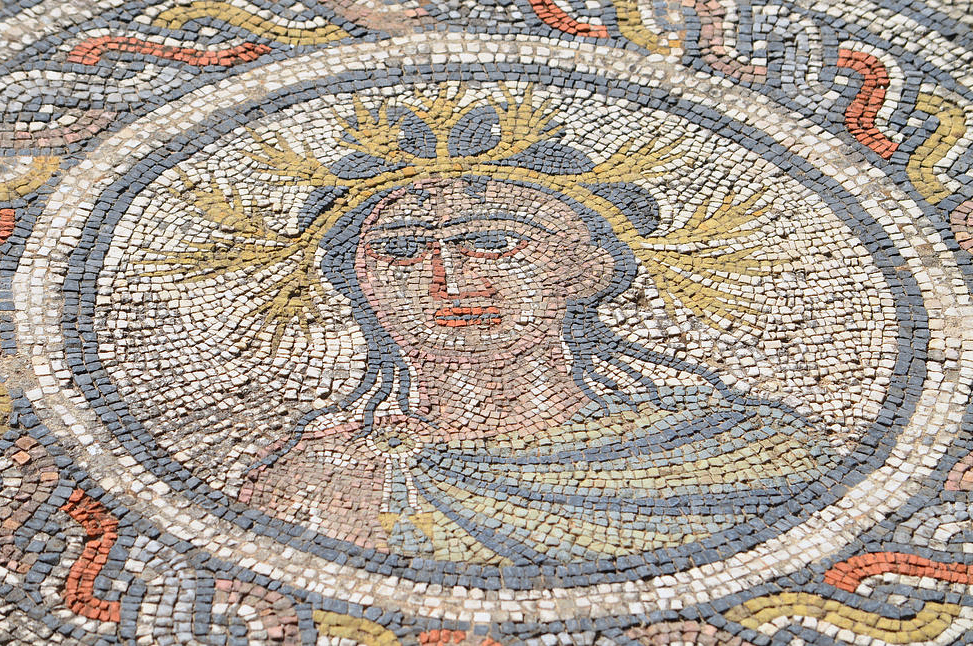
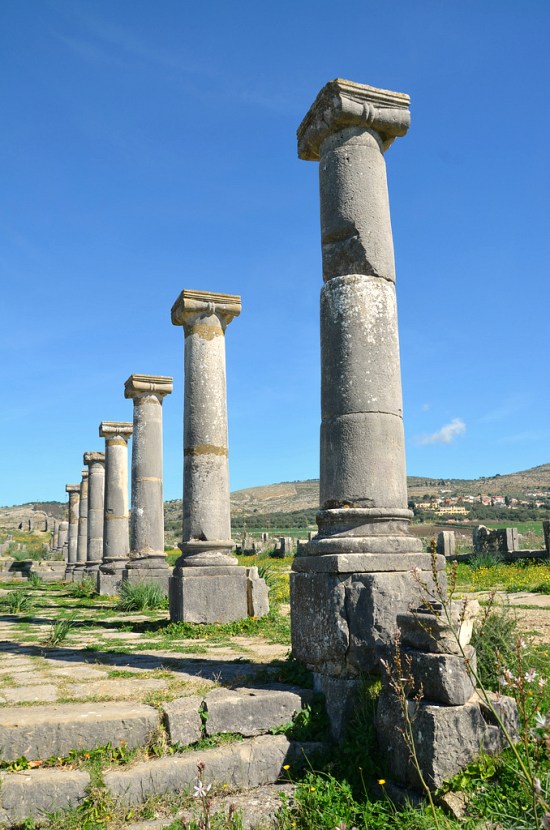
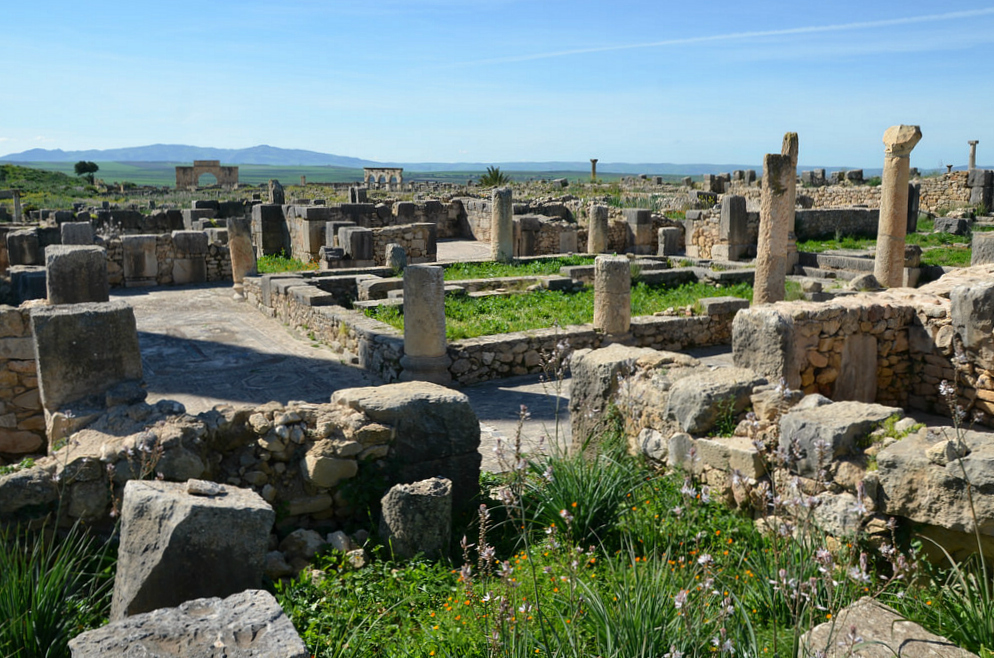
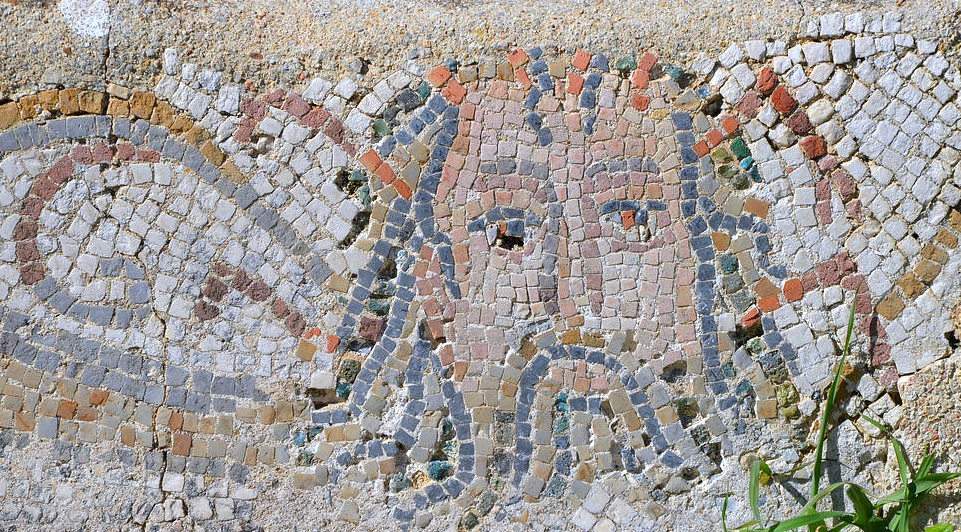
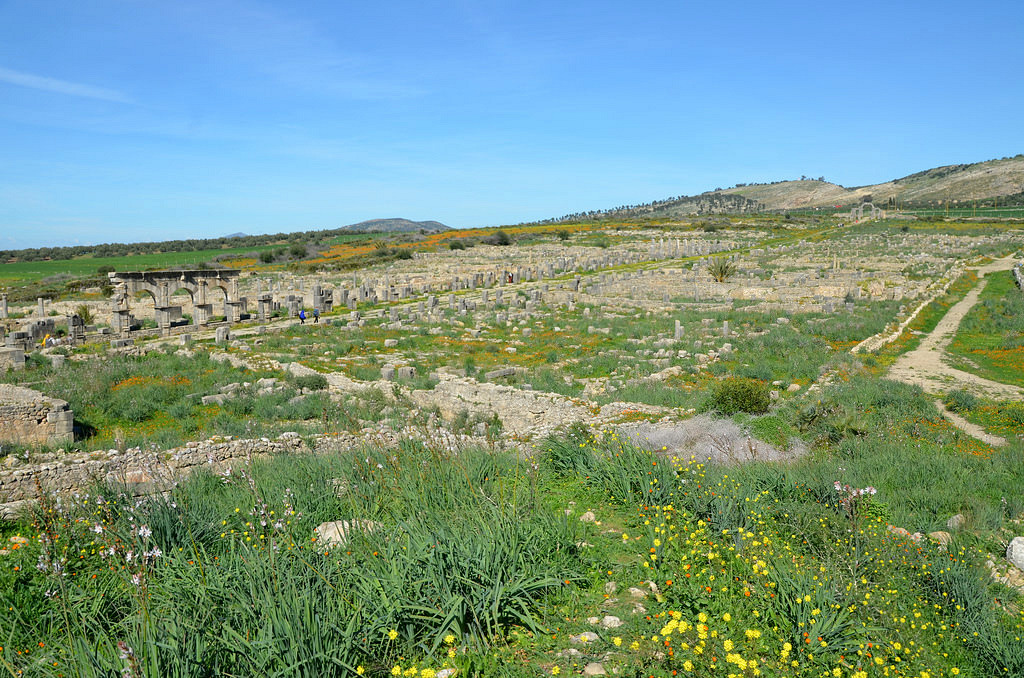
The ruins of Volubilis sit in the middle of a fertile plain about 33km north of Meknès in northern Morocco, near the heights of the Atlas Mountains. Considered the ancient capital of the kingdom of Mauretania, Volubilis developed from the 3rd century BC onwards and became an important outpost of the Roman Empire. The ancient city is the best-preserved archaeological site in Morocco and was declared a UNESCO World Heritage site in 1997. Extensive remains of fine buildings and many beautiful in situ mosaics survive on the archaeological site.
Coordinates: 34° 4′ 16″ N, 5° 33′ 13″ W
Volubilis was a Roman settlement constructed on what was probably a Carthaginian city, dating from the 3rd century BC. In the 1st century BC, under the Mauretanian king Juba II, Volubilis became a flourishing centre of late Hellenistic culture. Annexed to Rome about AD 44, the city grew rapidly under Roman rule. Claudius made it a municipium (a community that exercised partial rights of Roman citizenship) as a reward for supporting Rome against Aedmon’s rebellion. It became the chief inland city of the Roman province of Mauretania Tingitana.
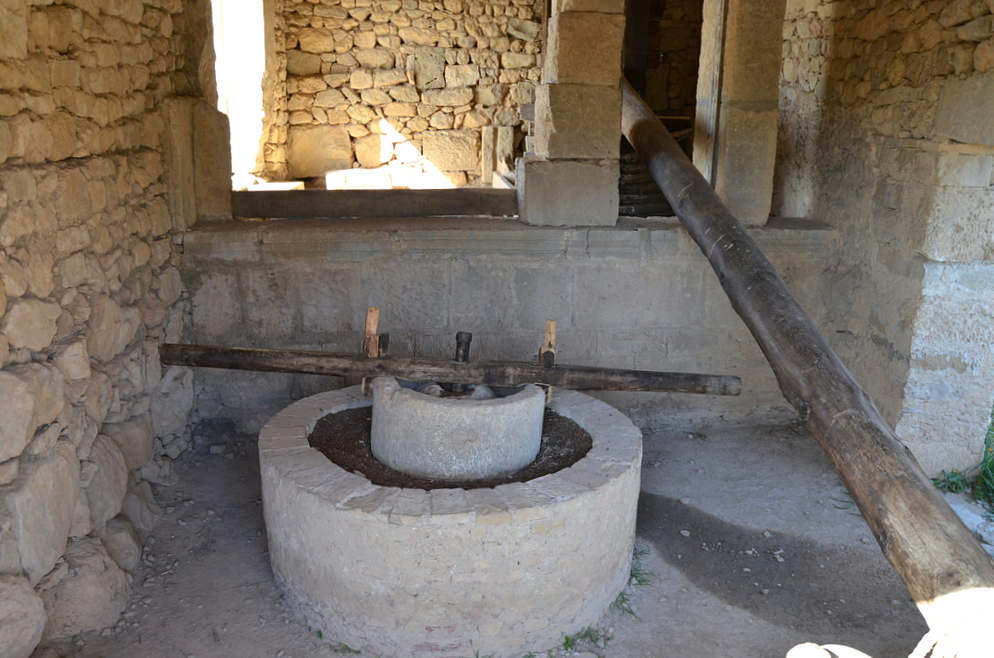
From the 1st century onwards, Volubilis expanded spectacularly due to the wealth and prosperity derived from the province’s fertile lands, which produced valuable export commodities such as grain, olive oil, and wild animals for gladiatorial spectacles. During the 1st century AD, major urban structures were constructed; the Forum (probably Neronian), two sets of baths (Flavian), temples and two street grids with different orientations. The aqueduct that fed the first baths was built between 60 and 70 AD. The urban landscape was formed of houses with shops along their facades, bakeries, and oil-pressing complexes. The latest are so numerous that they suggest that the olive was one of the town’s principal riches.
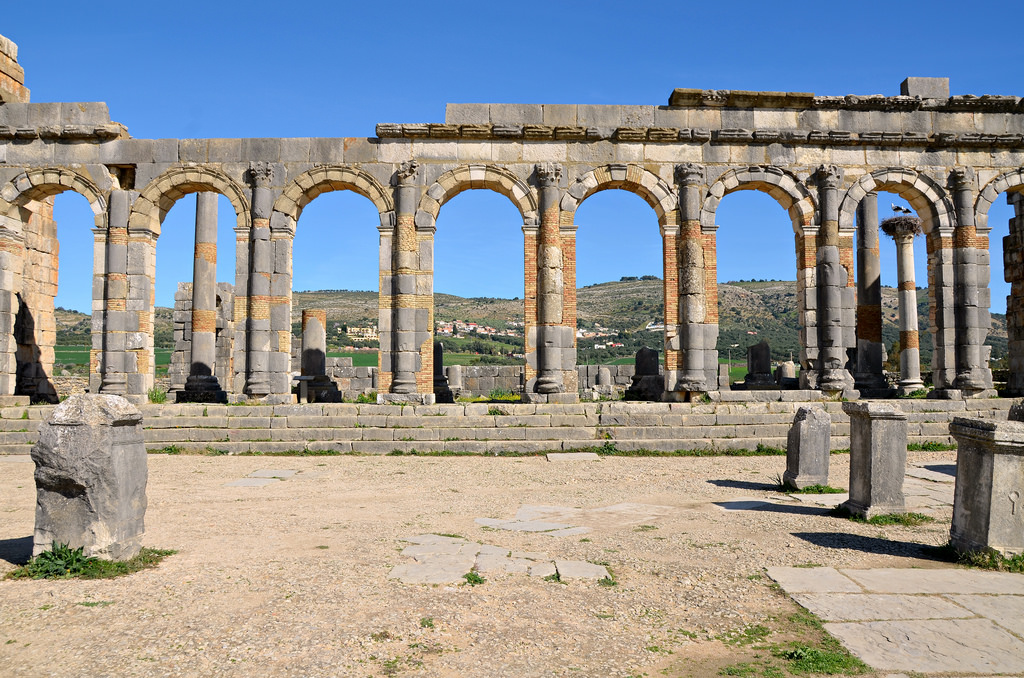
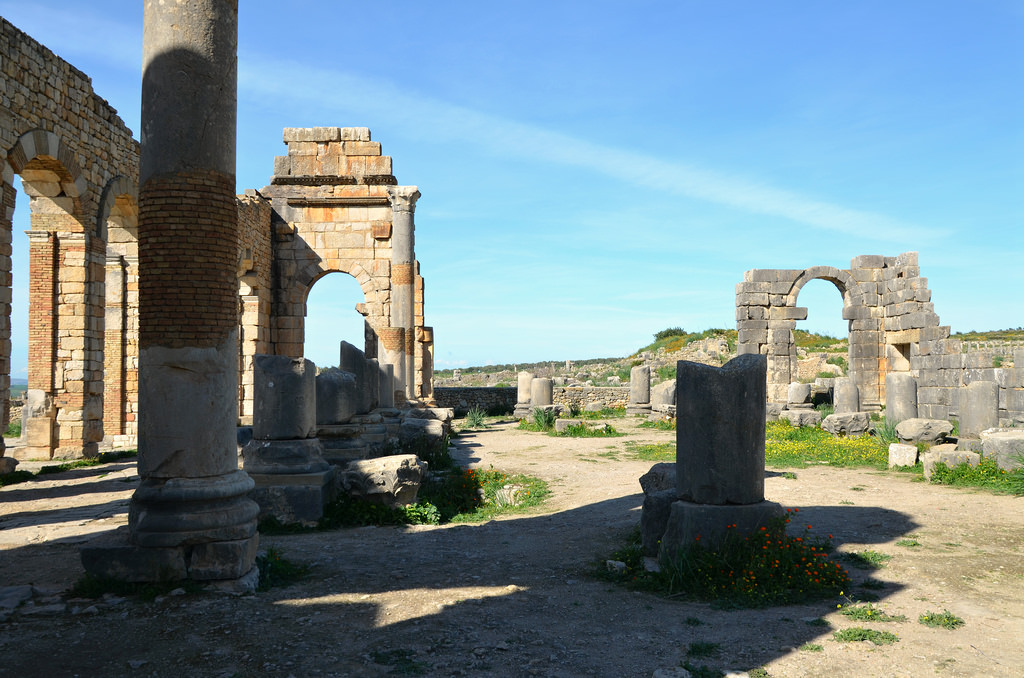
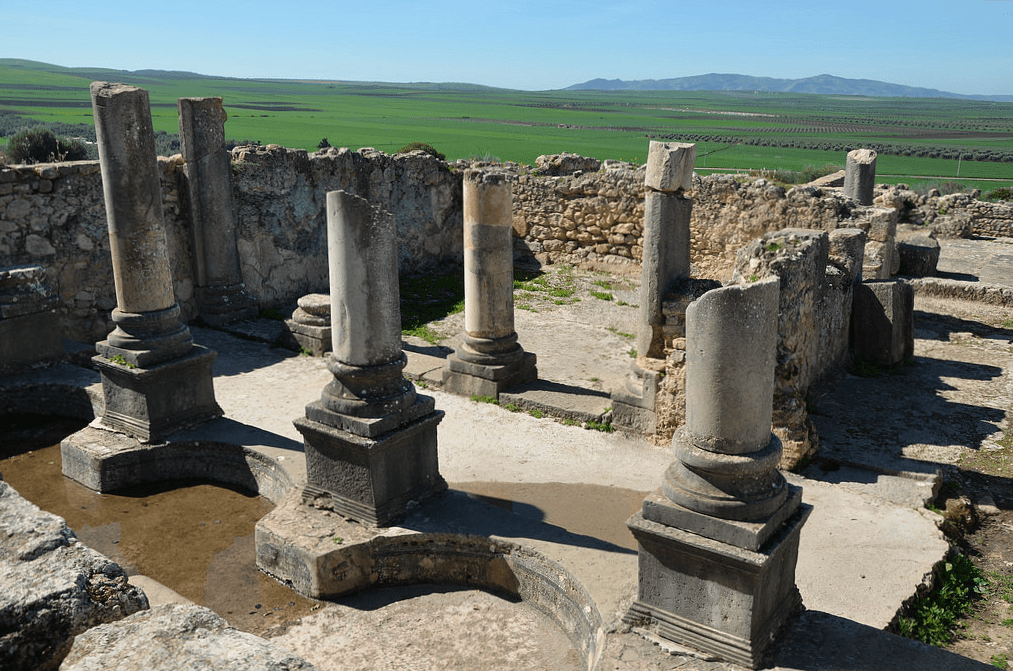
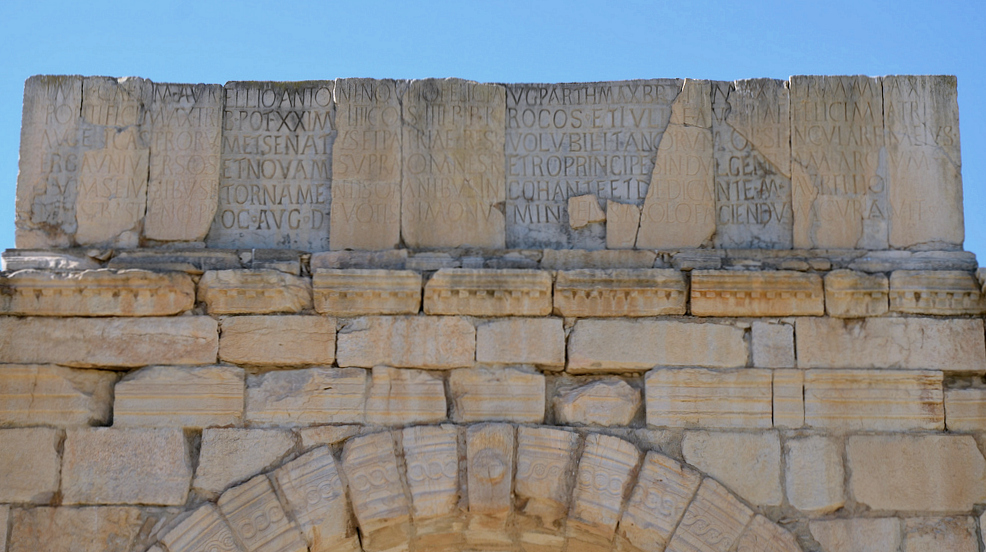
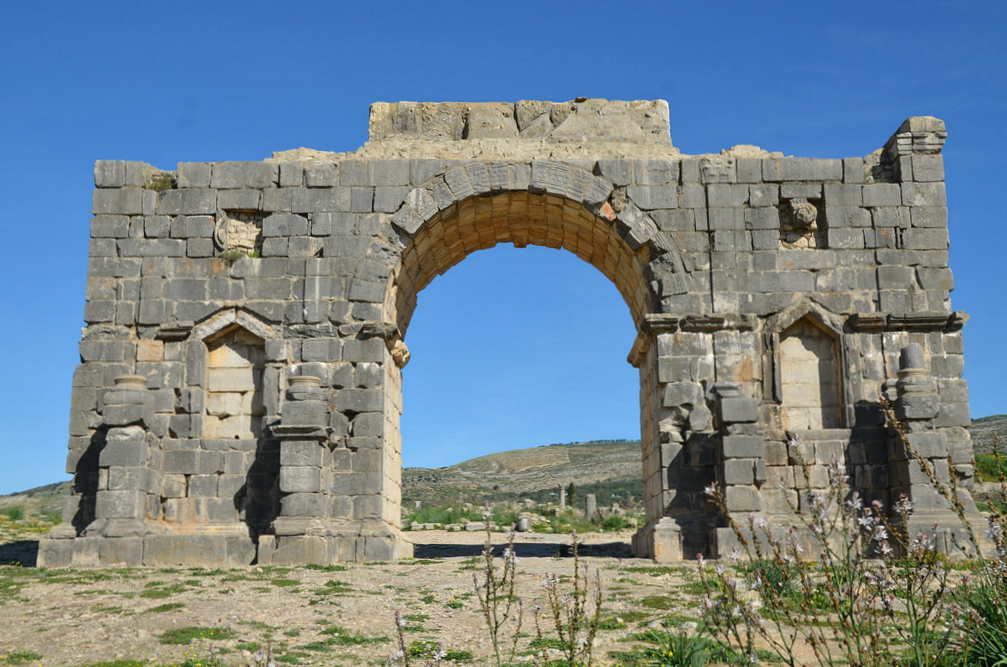
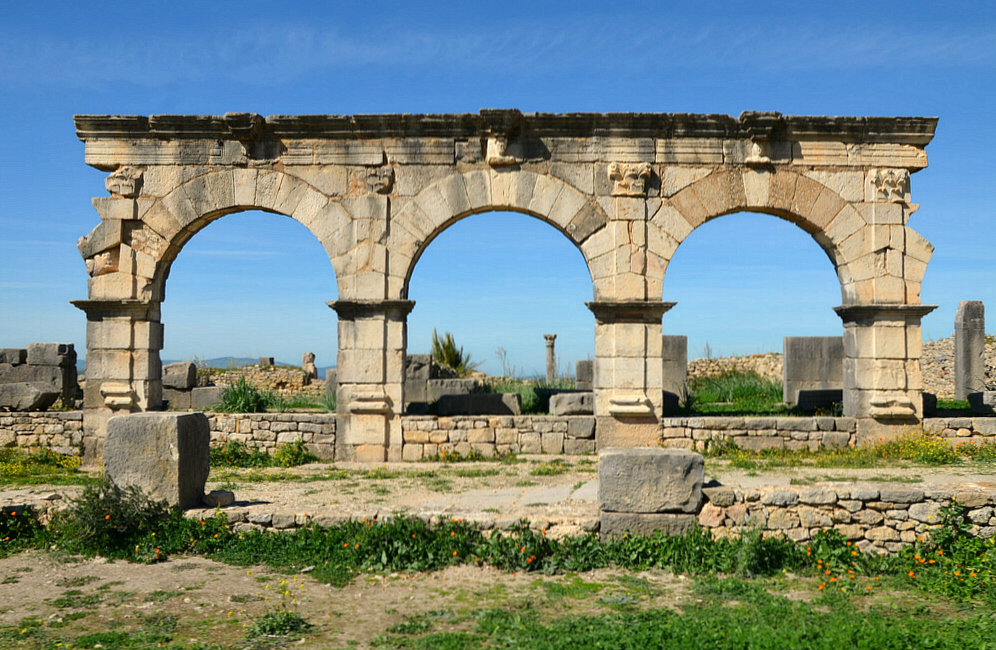
Under the reign of Marcus Aurelius (r. AD 168-169), walls surrounding the city were constructed, including eight monumental gates flanked by towers. At that time, Volubilis occupied an area of 42 hectares. Further additions came during the Severan dynasty between 193 and 235 AD when a new monumental centre was created, including the Capitoline temple, the civil basilica and the remodelled Forum. A monumental arch was added during the time of the emperor Caracalla. It was built in 217 AD by the city’s governor, Marcus Aurelius Sebastenus, to honour the emperor and his mother, Julia Domna. It was meant to thank them for having bestowed upon the inhabitants of Rome’s provinces Roman citizenship and tax exemption. Also dating back to this period are the richly decorated houses with peristyles, pools and large mosaic floors, numerous bakeries, and about one hundred oil presses attesting to the thriving economy of this Roman outpost.
Towards the end of the 3rd century AD, the Roman administration and army withdrew from the area due to the Diocletian reorganization of Mauretania Tingitana. The city fell to local tribes and continued to be inhabited for at least another 700 years, first as a Latinised Christian community, then as an early Islamic settlement. In the late 8th century AD, it became the seat of Idris ibn Abdallah, the founder of the Idrisid dynasty and the state of Morocco. By the 11th century, Volubilis had been abandoned after the seat of power was relocated to Fes.
Archaeological excavations began in 1915 and continue to this day. They have exposed a large part of the town (more than 20 ha.), but much remains to be excavated, particularly in the area occupied in the post-Roman period.
PORTFOLIO


Caeciliae Caecili[anae] / L(ucius) Caecilius Caec[ilia]nus pater et Valeria / Manlia mater filiae / piissumae d(e) s(ua) p(ecunia) d(e)d(erunt)















Links & references:
- The Princeton Encyclopedia of Classical Sites
- Exploring Roman Morocco
- www.sitedevolubilis.org/
- S. Lefebvre 1992, “Hommages publics et histoire sociale: les Caecelii Caeciliani et la vie municipale de Volubilis (Maurétanie Tingitane)“, Mélanges de la Casa de Velázquez 28-1, pp. 19-36.


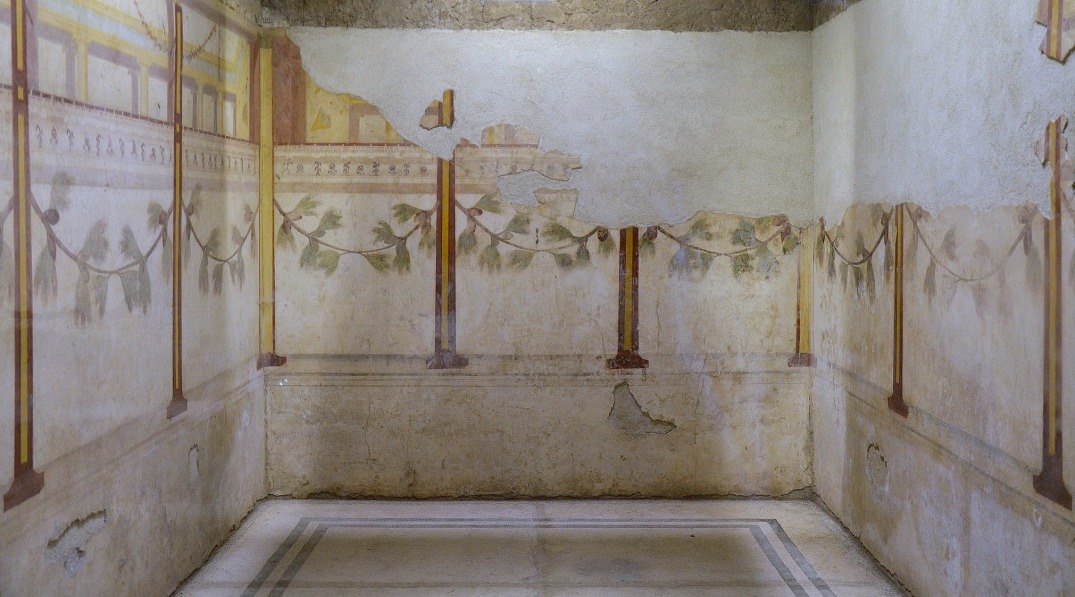
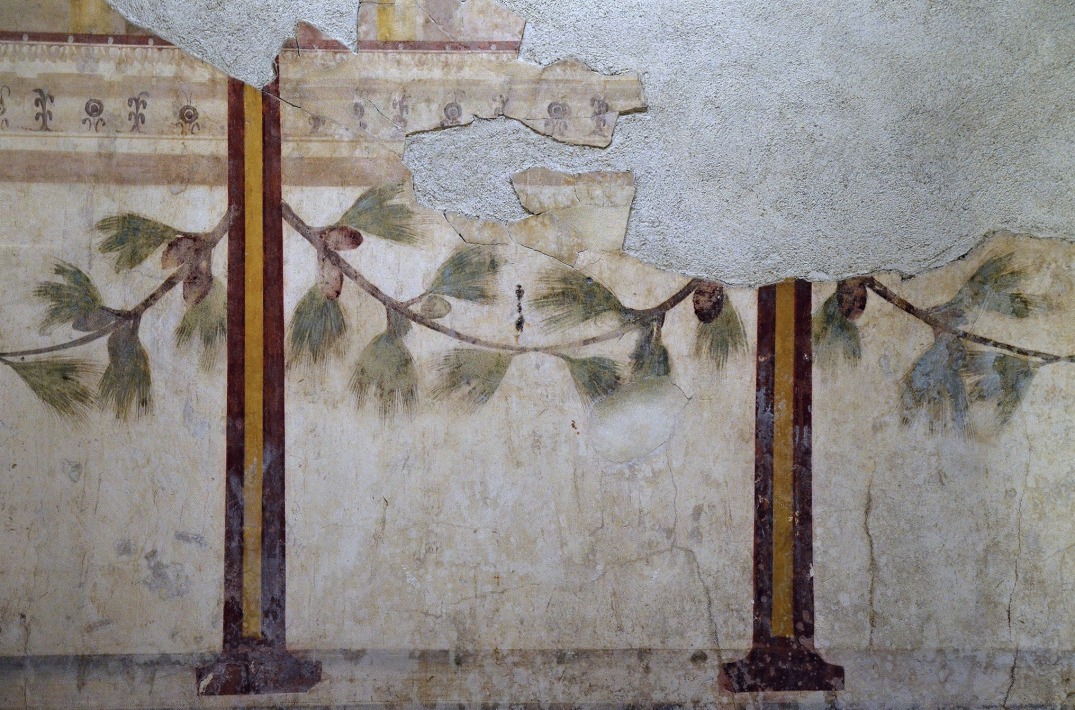
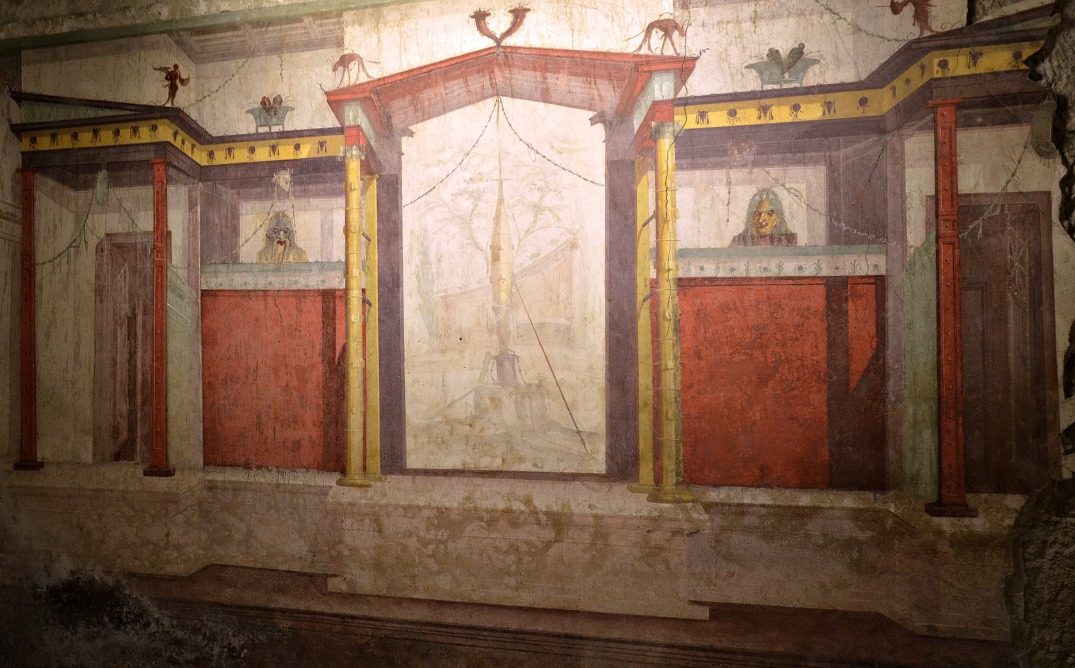
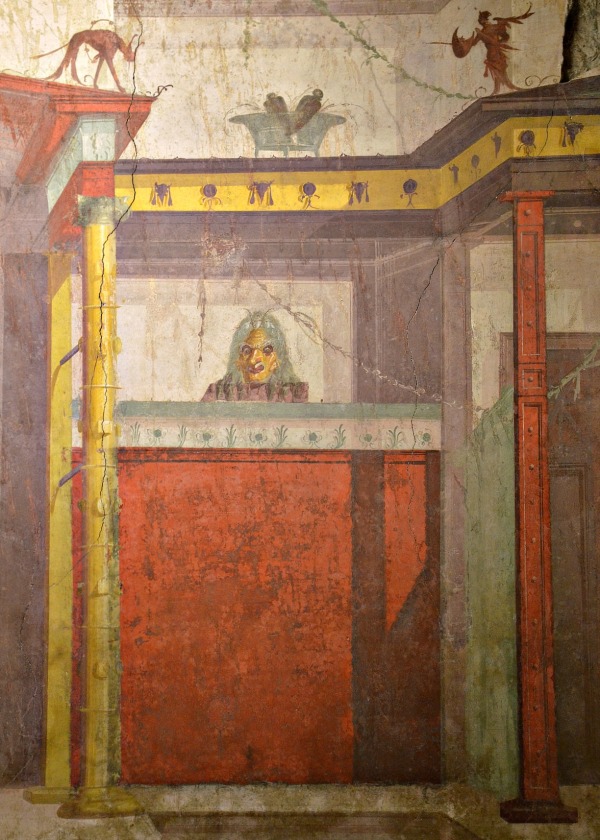
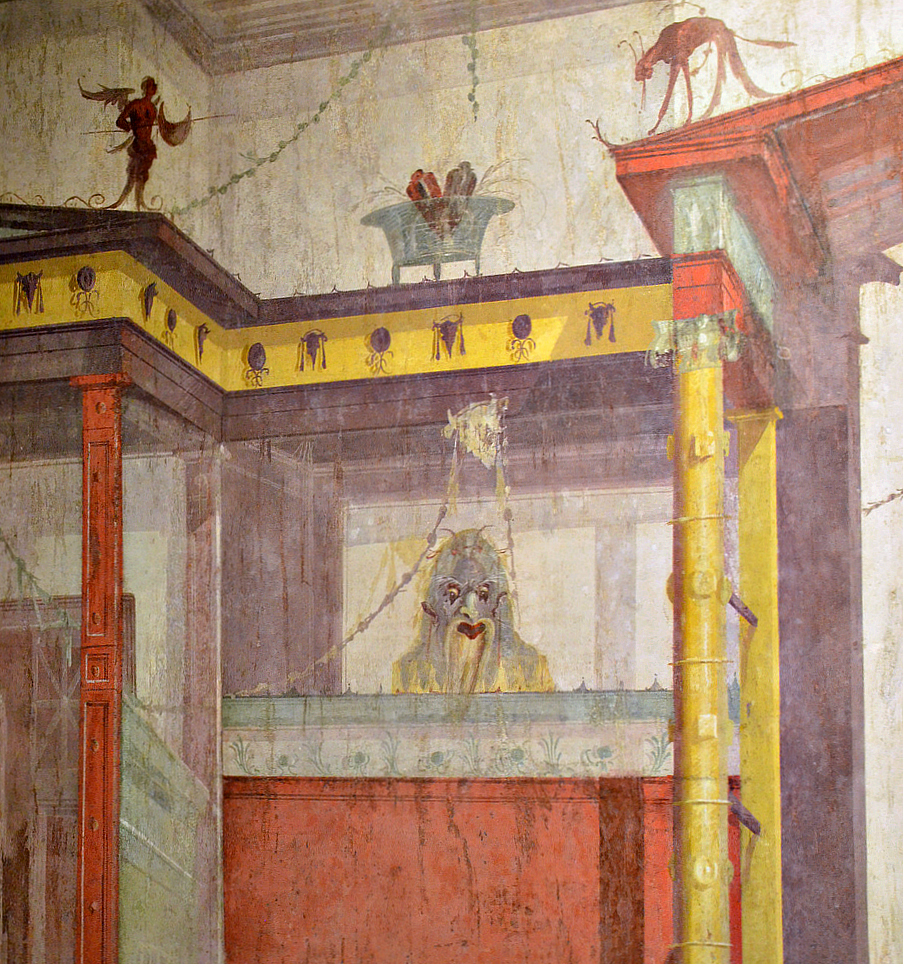
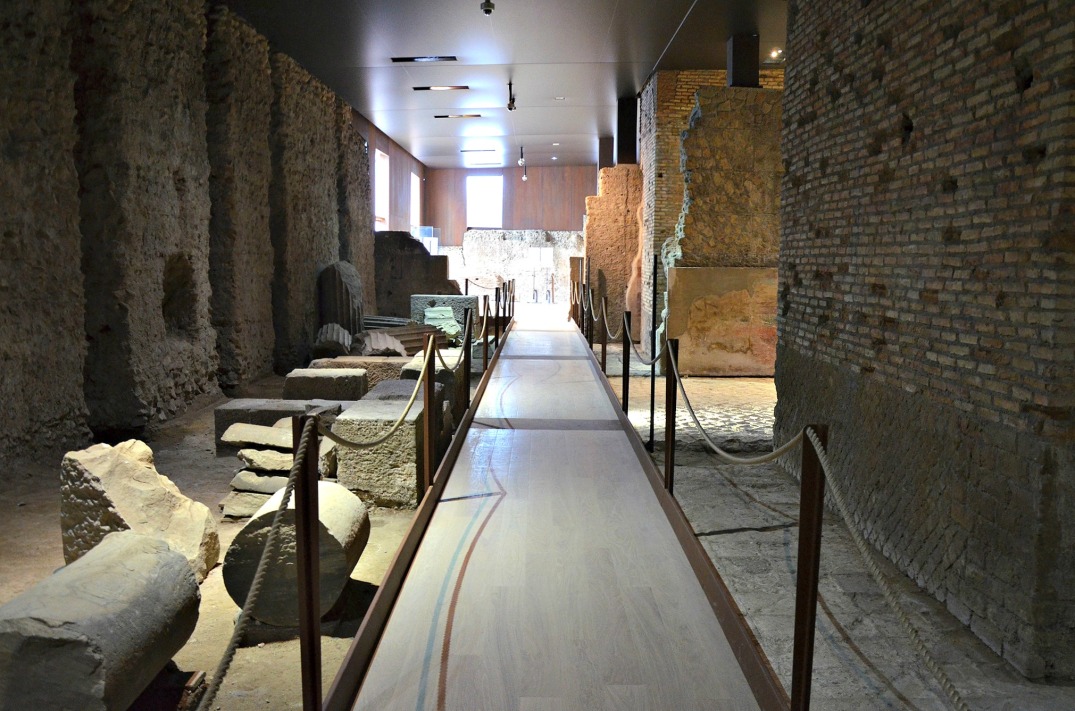
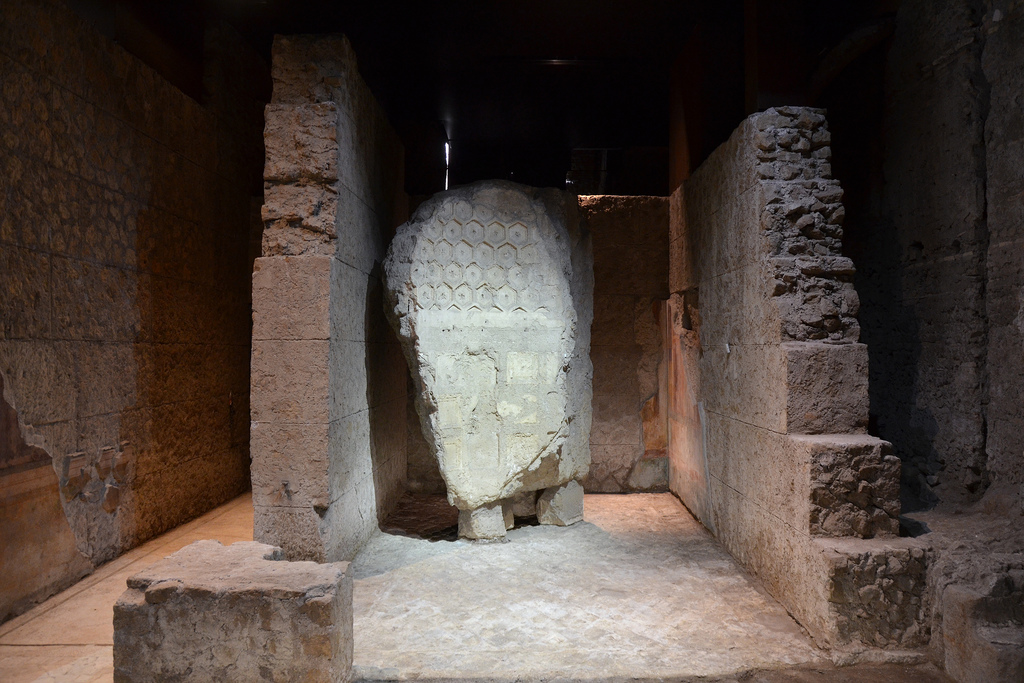
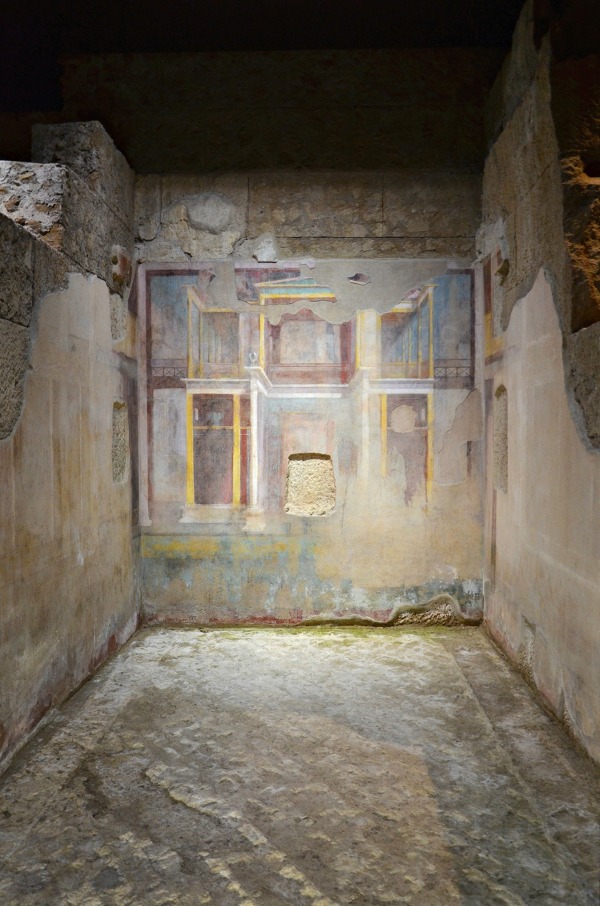
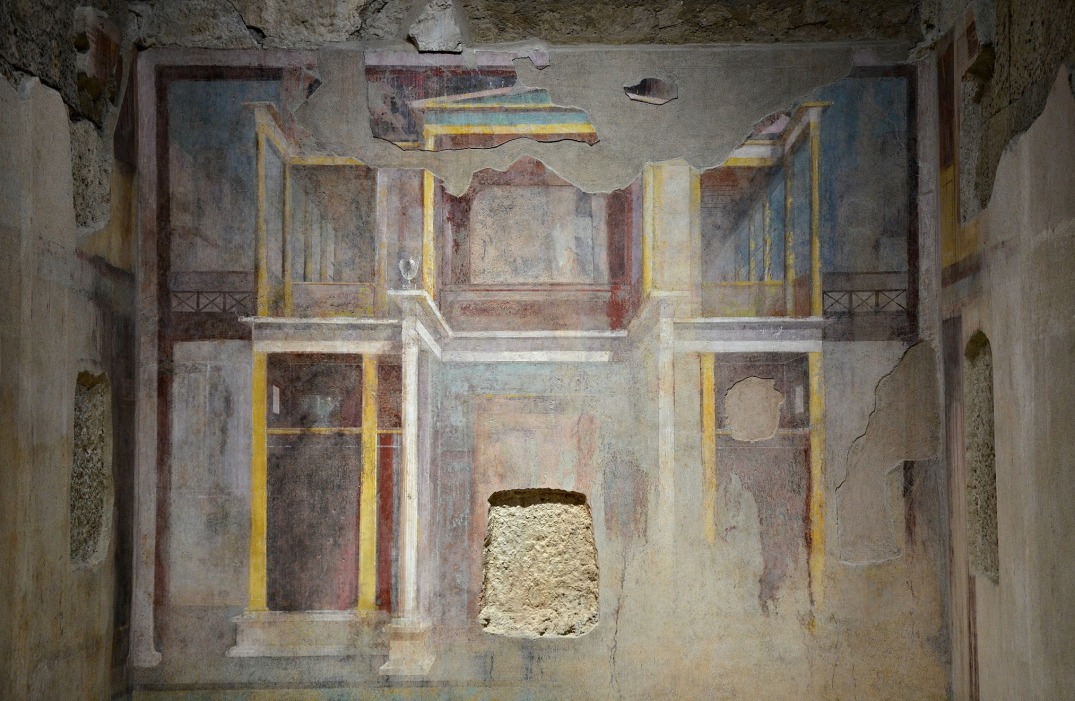

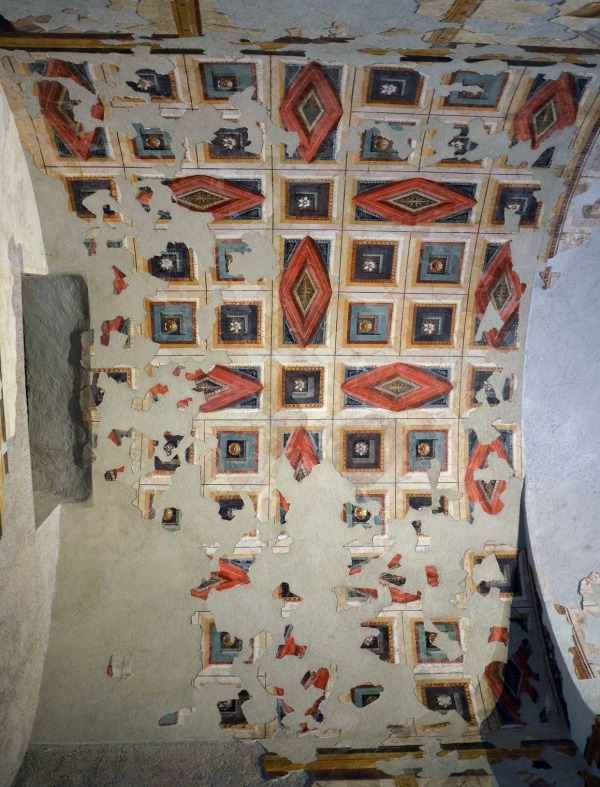
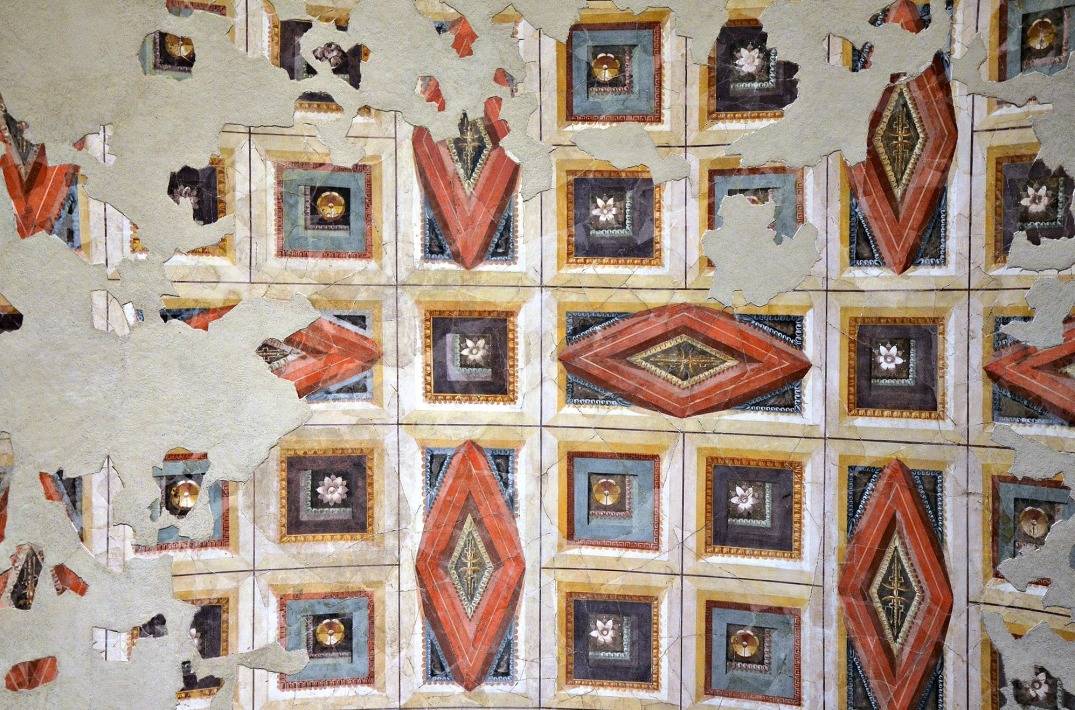
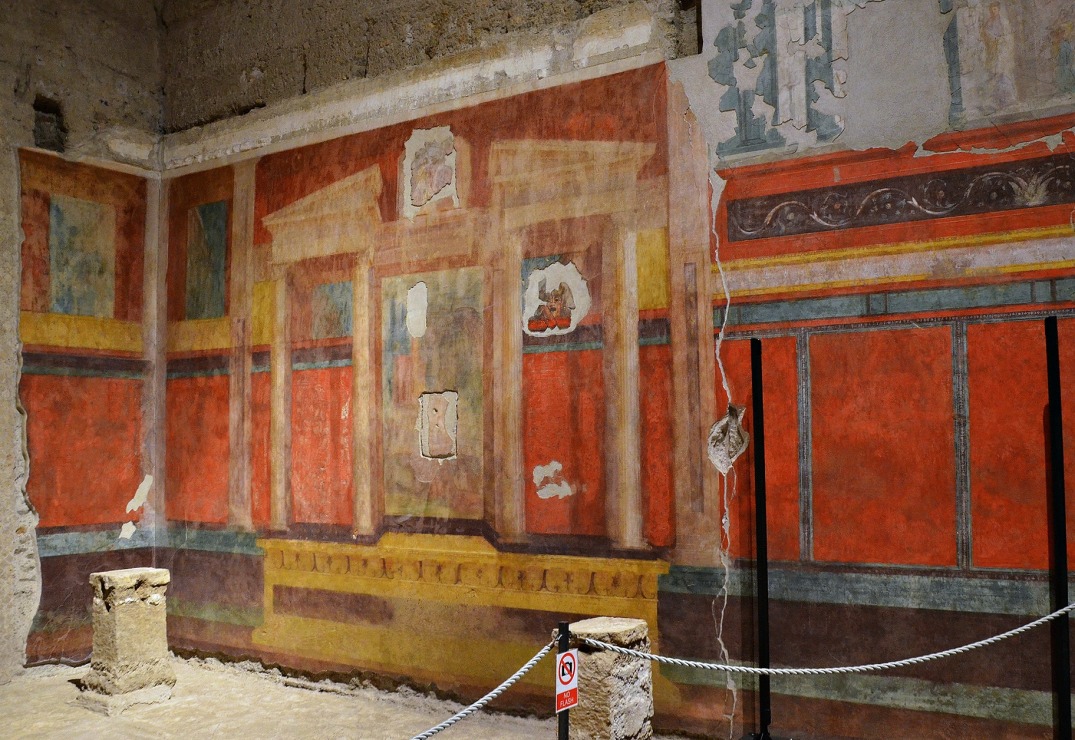
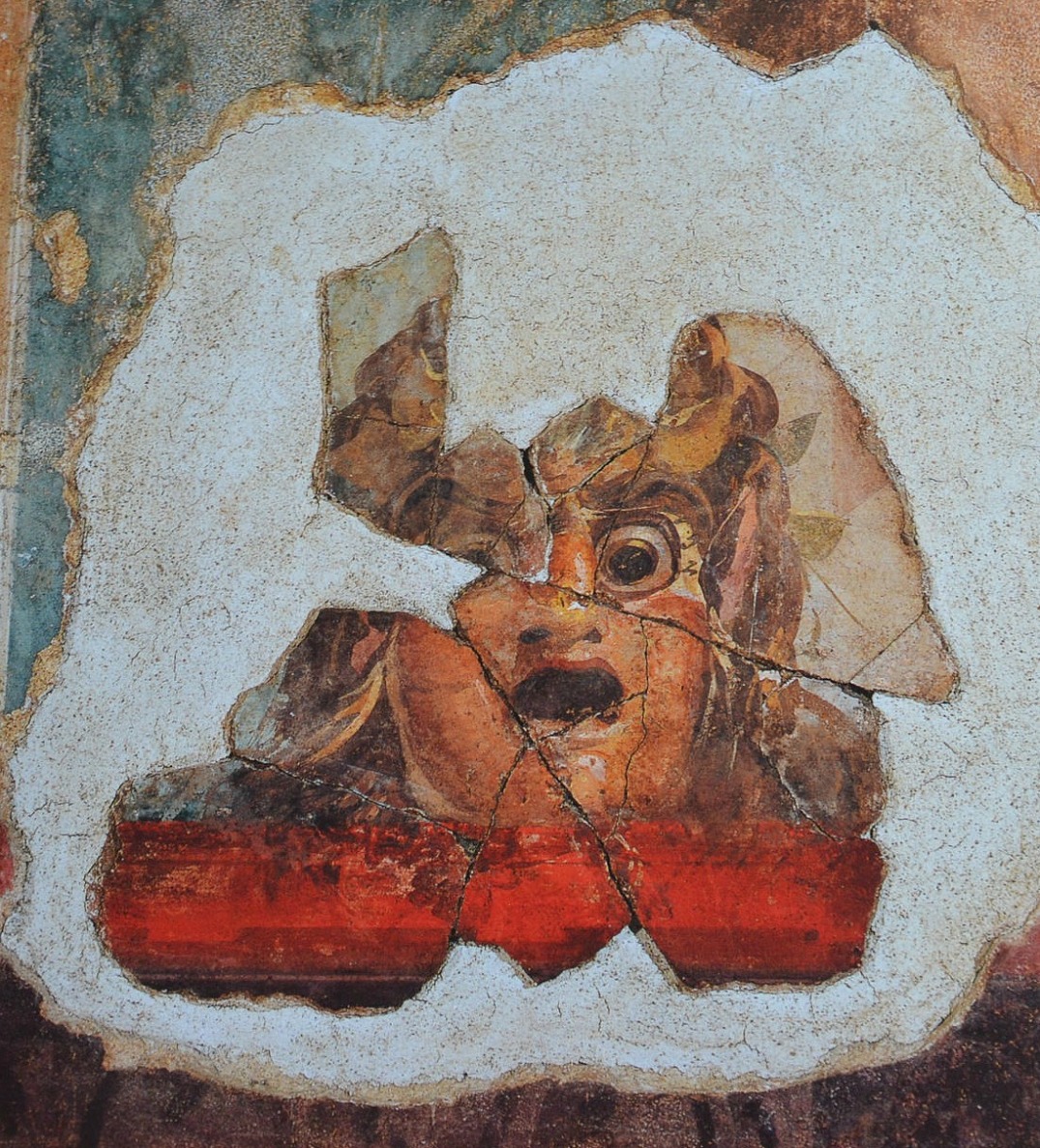
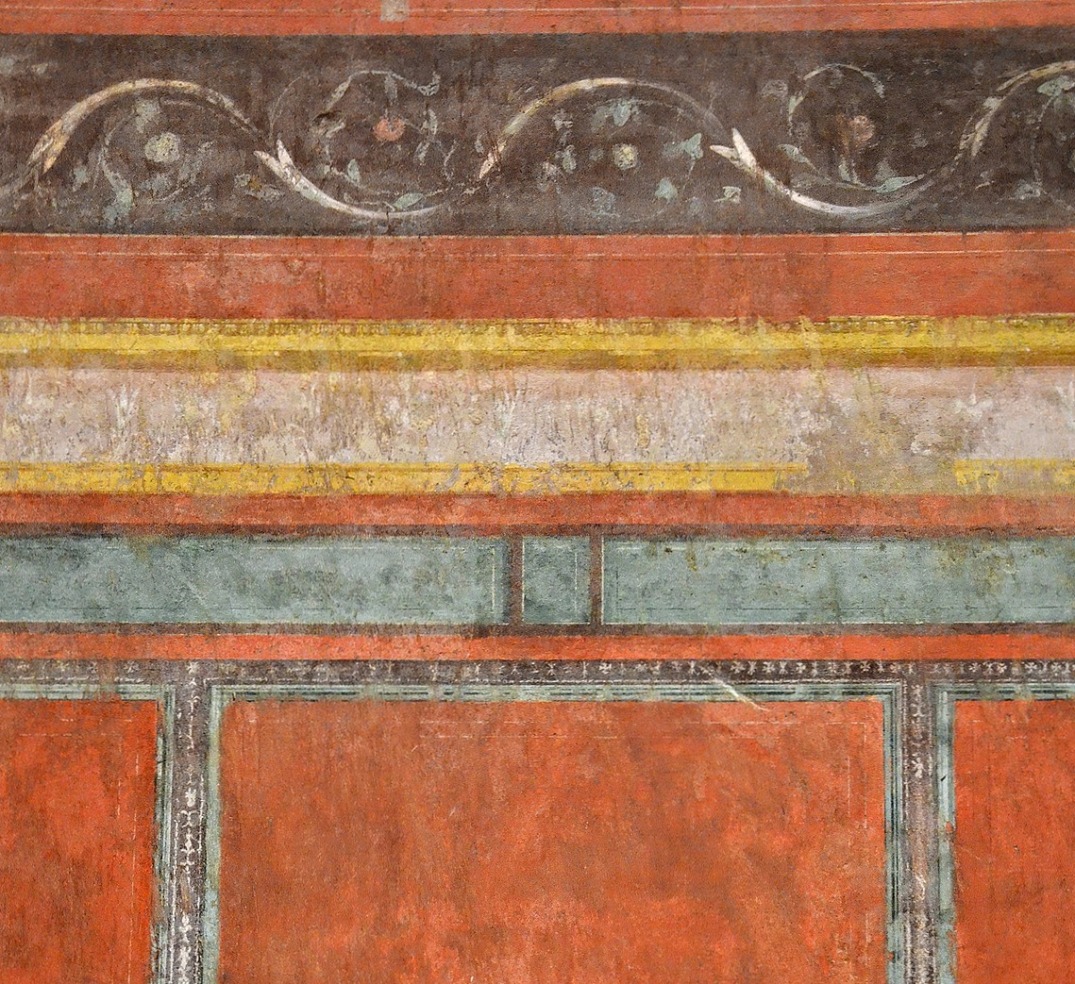
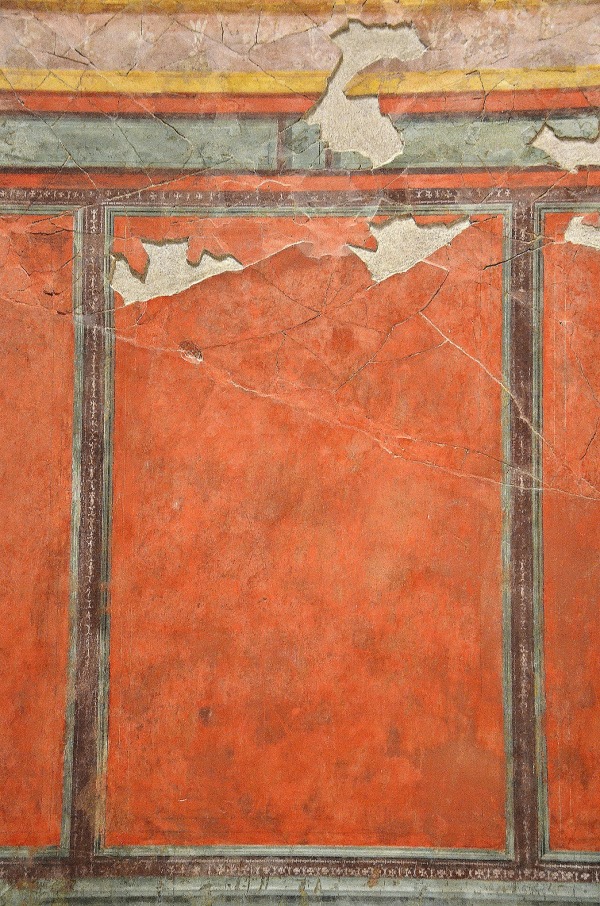
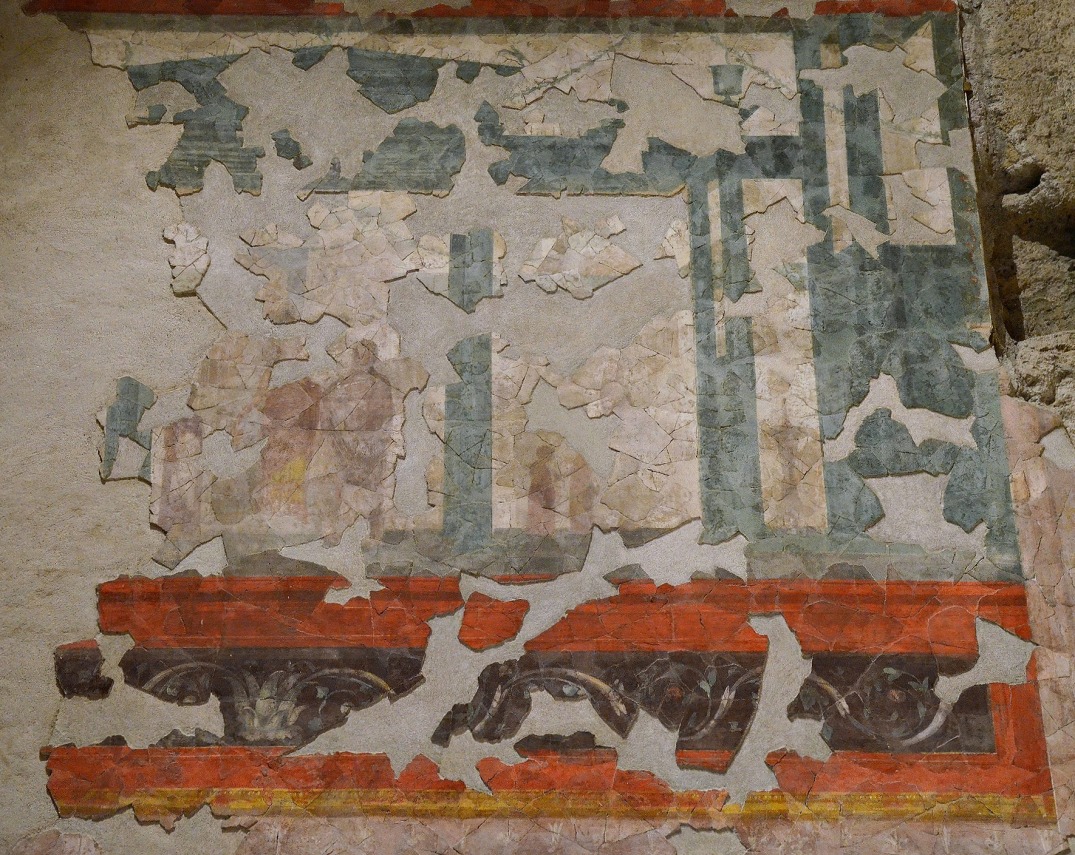
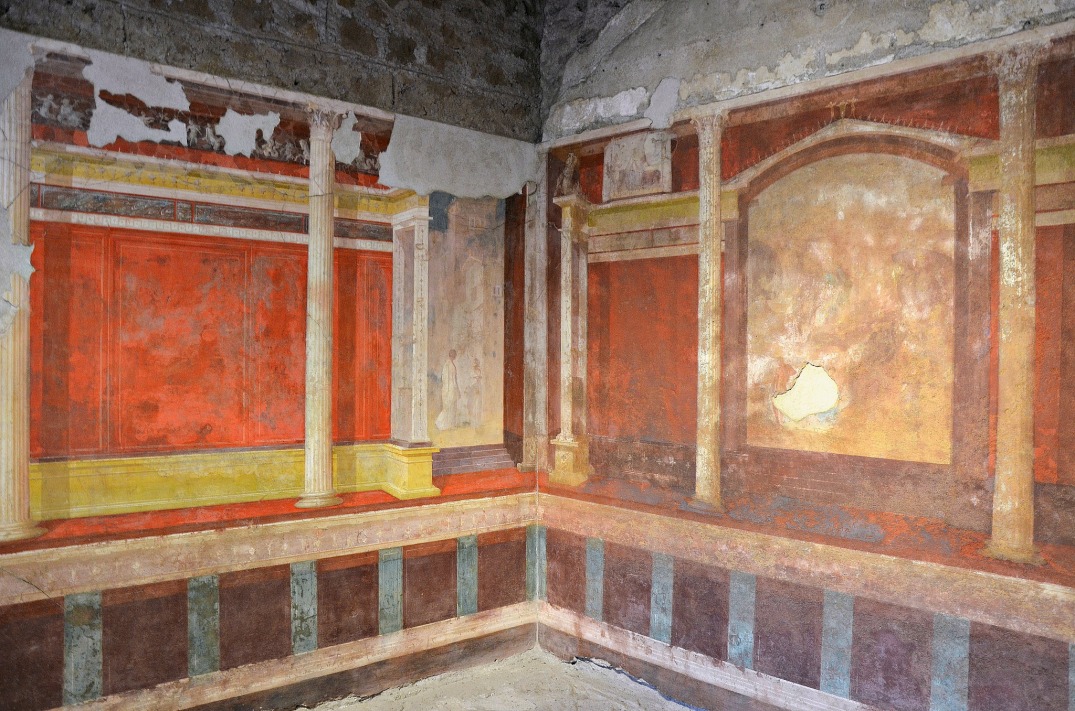
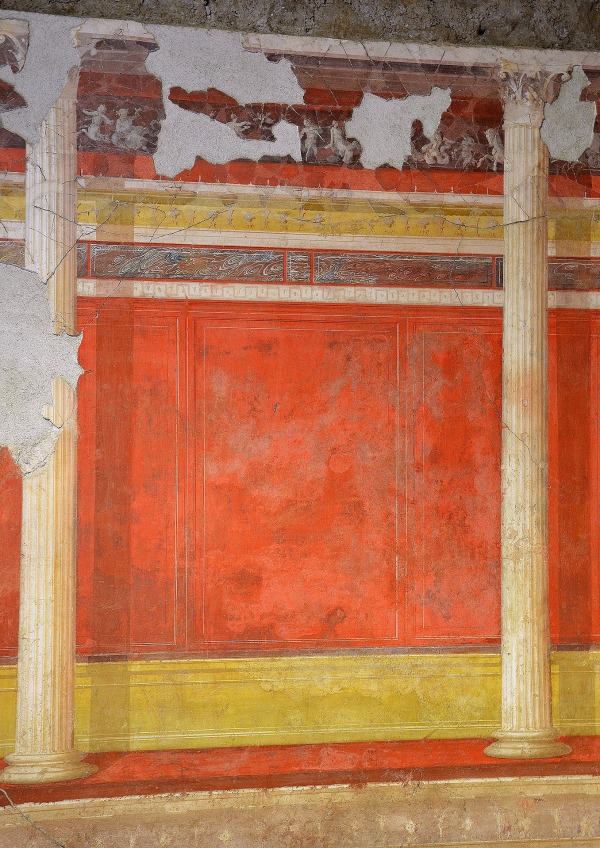
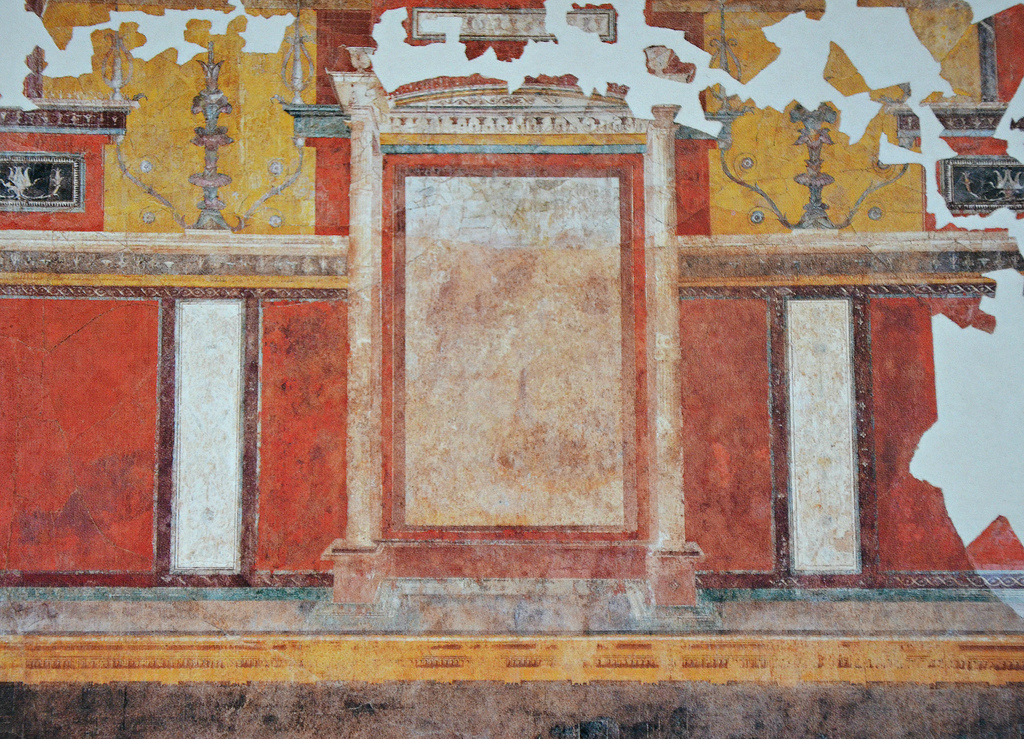
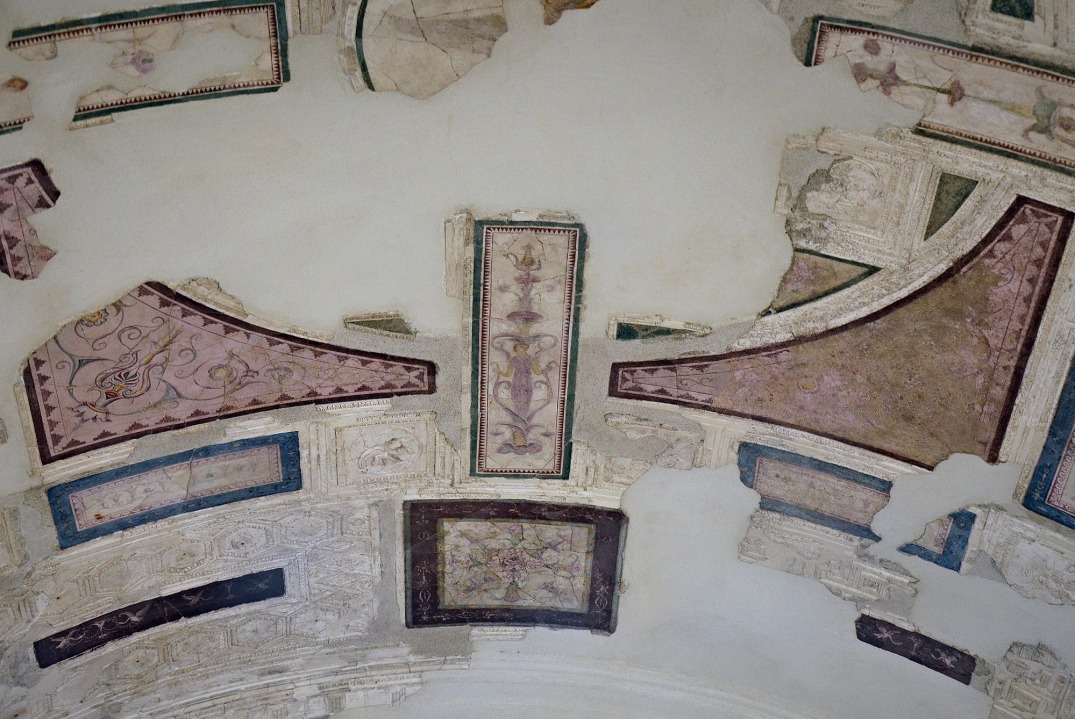
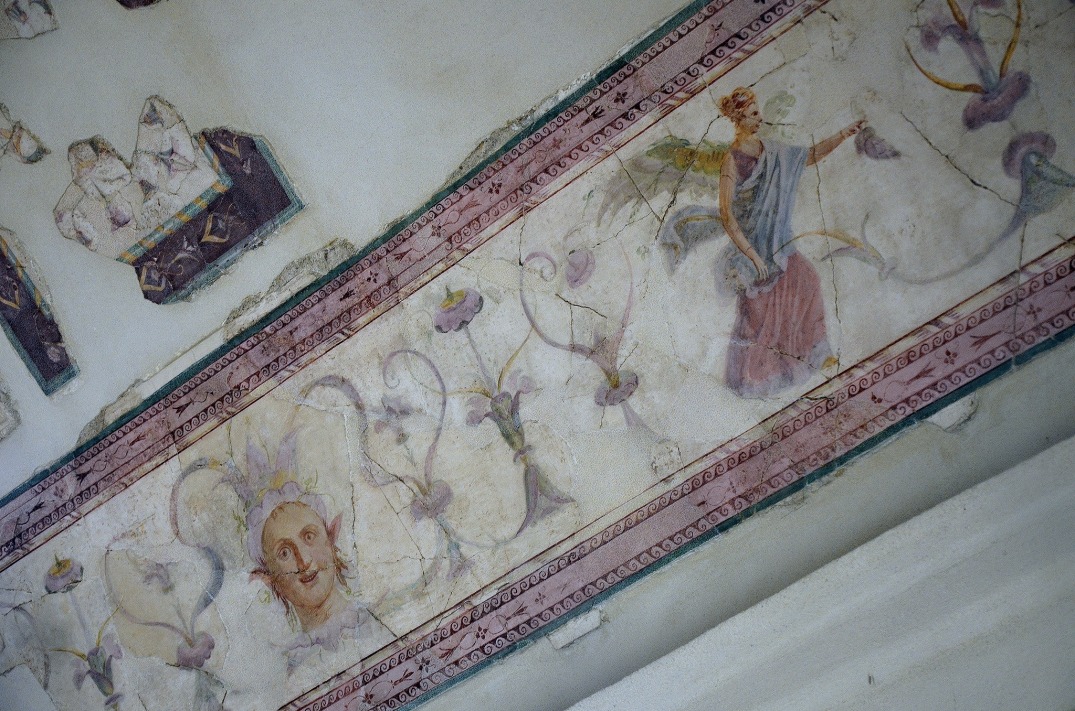
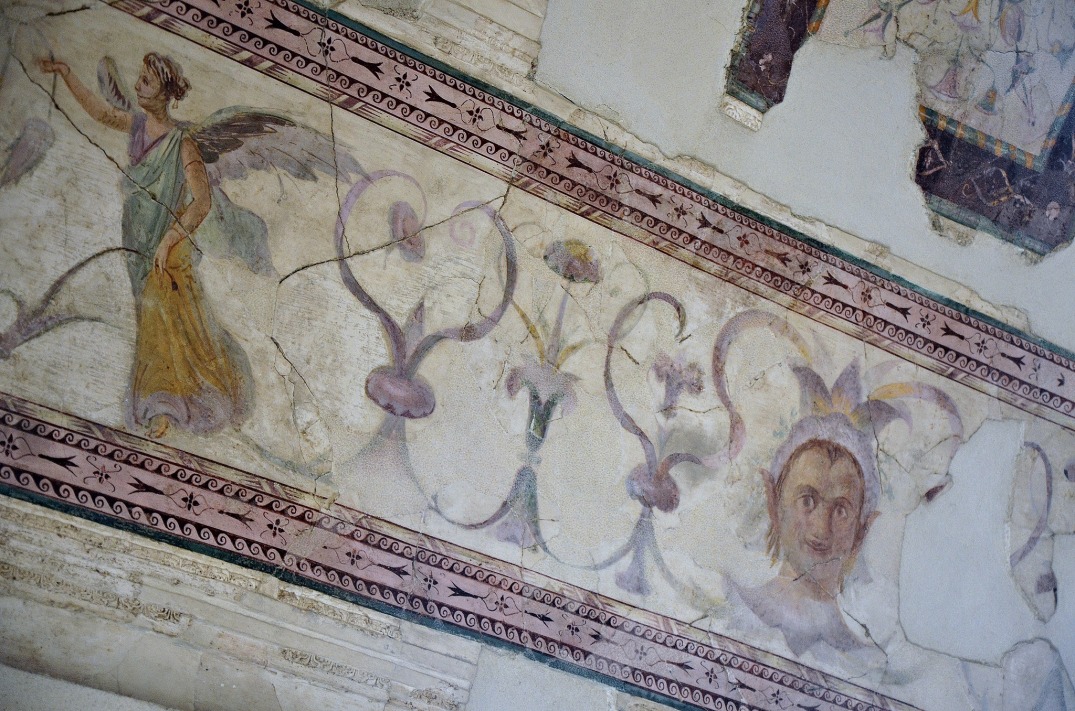
 Unfortunately, the exquisite beauty of these frescoes could not be perfectly rendered through my photographs due to the artificial lighting in the rooms and the protective glass. If you want to see magnificent illustrations of the highest quality, I strongly recommend that you buy the magnificently illustrated book “The House of Augustus: Wall Paintings”. The book features all the wonderful fresco cycles covering the walls, from the general composition to the smallest detail.
 following hadrian photography