Situated about 50 km northeast of Persepolis, Pasargadae was the earliest capital of the Achaemenid Empire. The city was founded by Cyrus the Great in the 6th century BC in Pars, the heartland of the Persians (present-day Fars Province in southwestern Iran). Its palaces, lavish pleasure gardens, and the Tomb of Cyrus constitute an outstanding example of royal Achaemenid art and architecture. Pasargadae remained the capital of the Achaemenid empire until Cyrus’s son, Cambyses II, moved it to Susa. The site was designated a UNESCO World Heritage Site in 2004.
Coordinates: 29° 56′ 4″ N, 52° 53′ 29″ E
According to tradition, Cyrus the Great, the first great Persian king who reigned from 559 to 530 BC, decided to build his capital on the exact same spot where he defeated the Median army led by Astyages in 550 BC (Strabo, Geography, 15.3.8). The city was founded with contributions from the diverse peoples who comprised the first great multicultural empire in Western Asia.
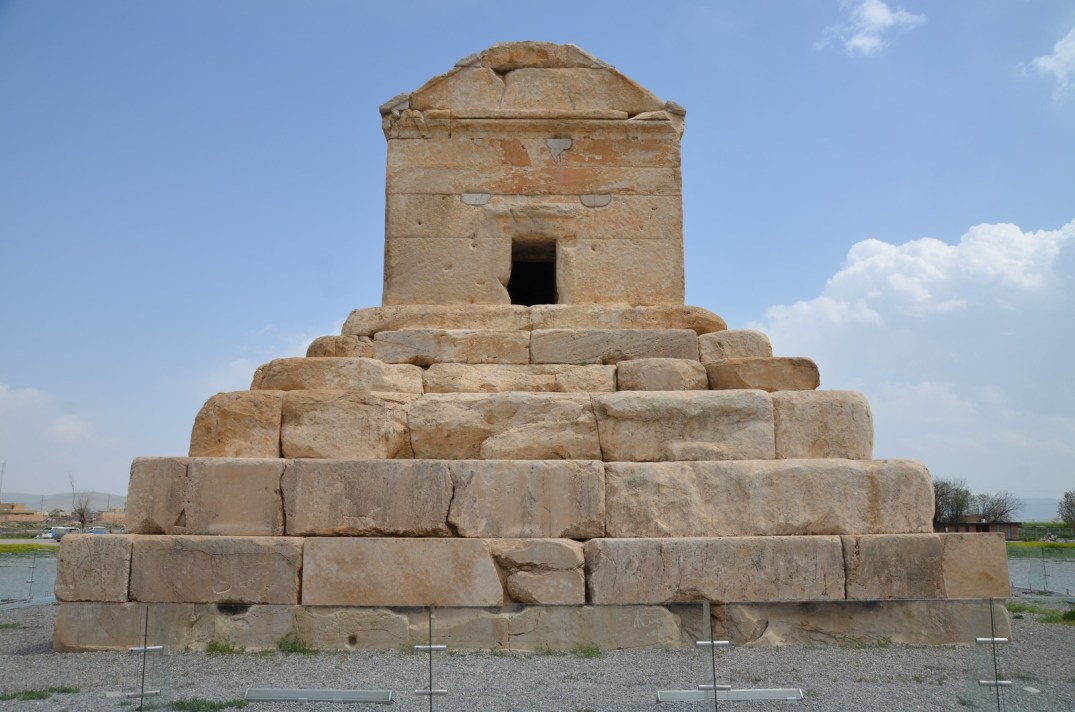
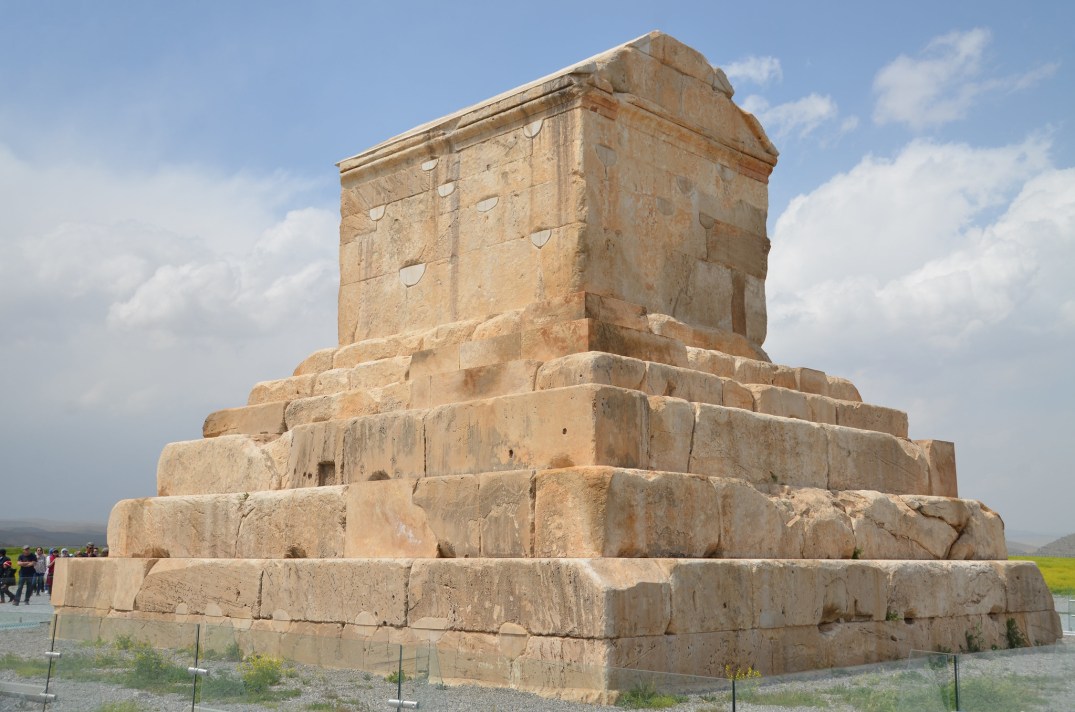
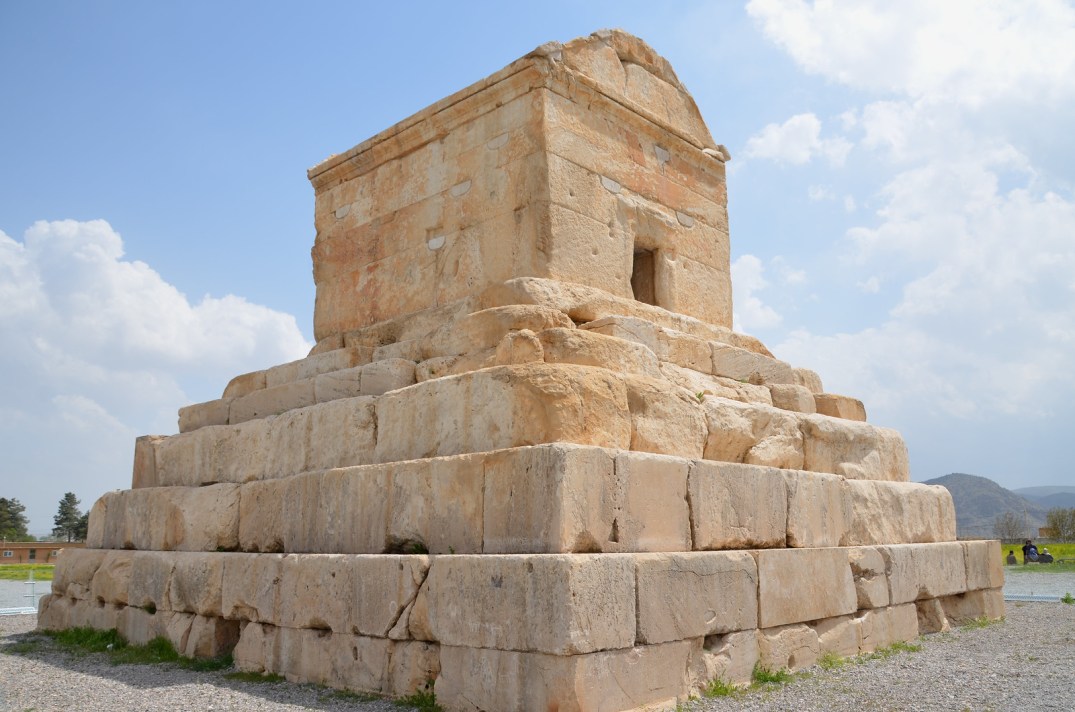
Pasargadae’s most famous monument is the tomb of Cyrus the Great, located approximately 1 km southwest of the palaces. The monument measures about 13 x 12 metres and consists of a modest rectangular burial chamber perched on a high, six-tiered plinth with a gabled roof. The tomb chamber measures 2m in width, 2m in height, and 3m in depth, and once contained a gold sarcophagus. The design inspiration is variously credited to the Elamite ziggurats of Mesopotamia, but the cella is usually attributed to the funeral monuments in Urartu.
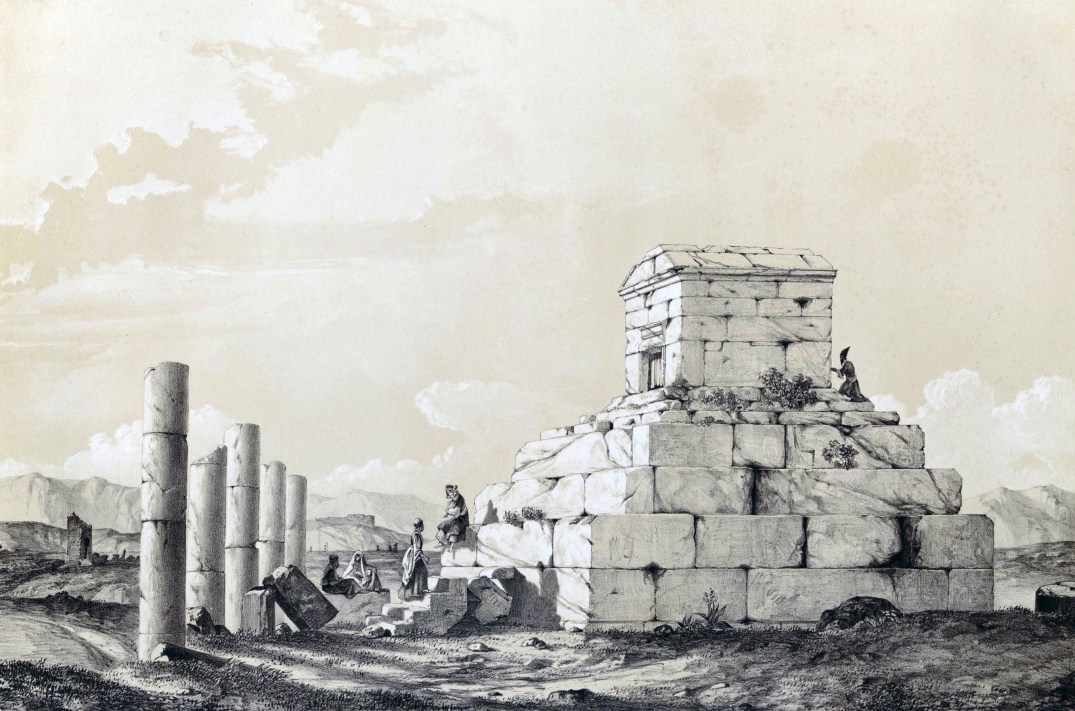
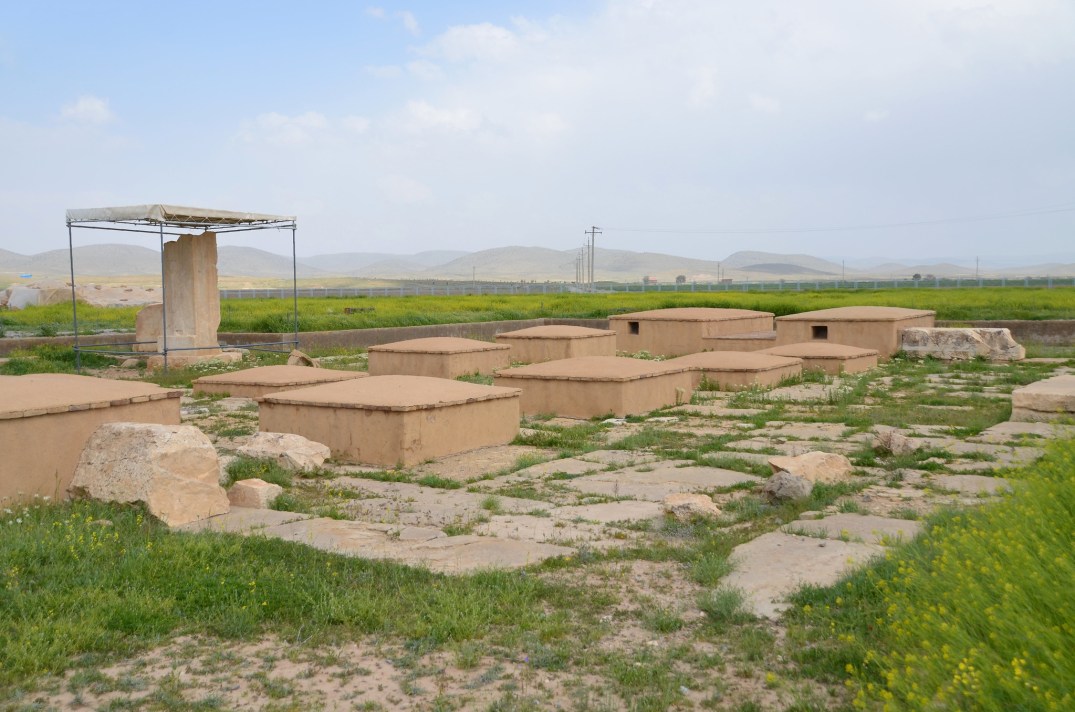
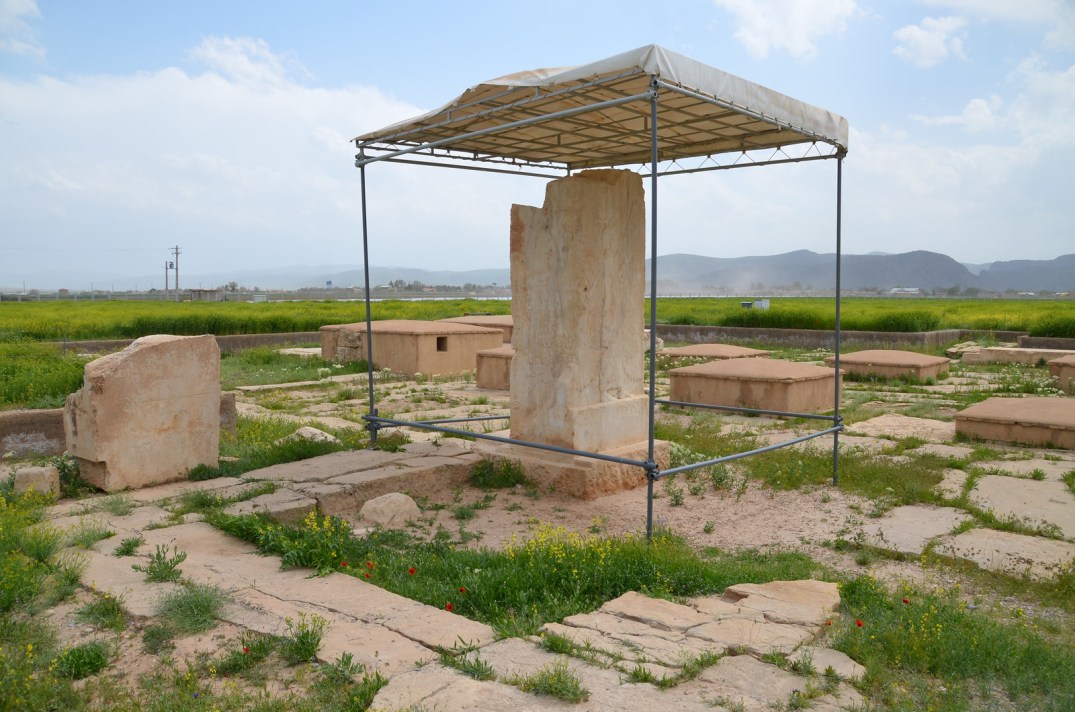
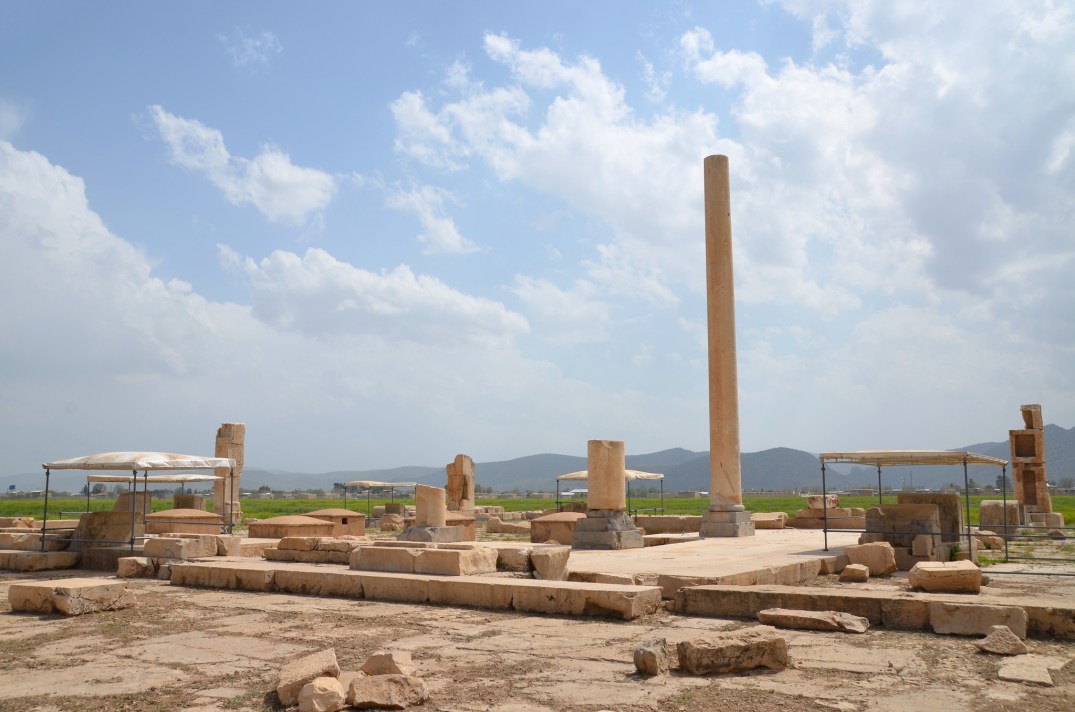
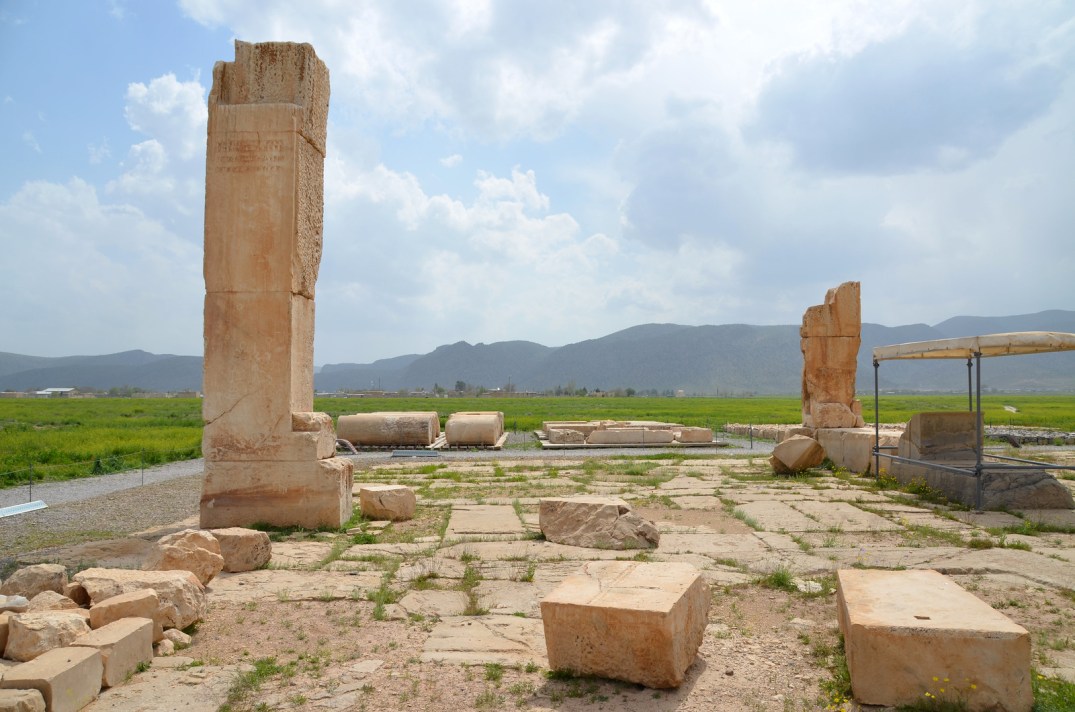
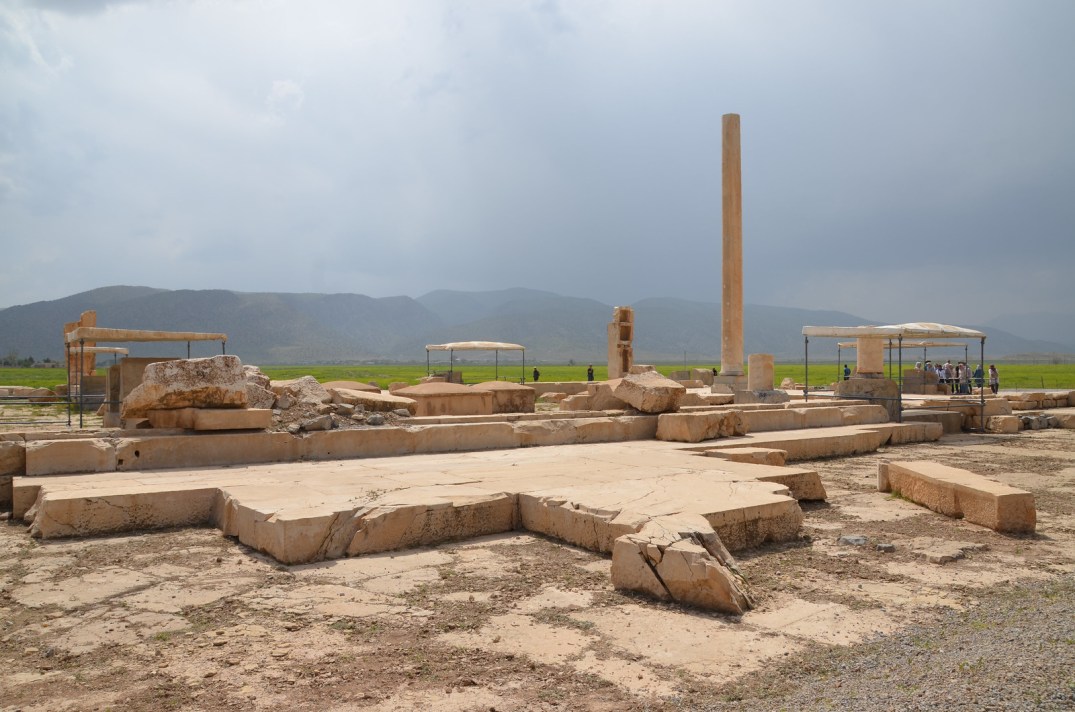
The ruins of Pasargadae are less well-preserved than those of Persepolis. The ruins are dispersed over a wide area that covers 160 hectares across the plain. They include a structure commonly believed to be the tomb of Cyrus, the fortress of Tall-e Takht situated on a nearby hill, and the remains of two royal palaces: the Audience Hall (or Palace S) and the Residential Palace (or Palace P), as well as landscaped gardens.
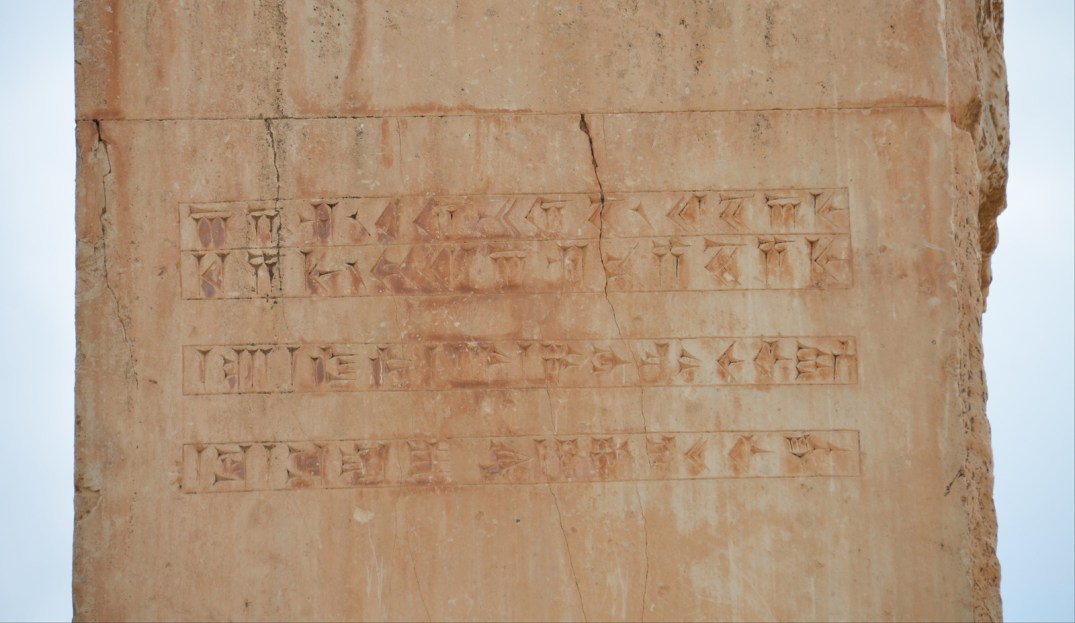
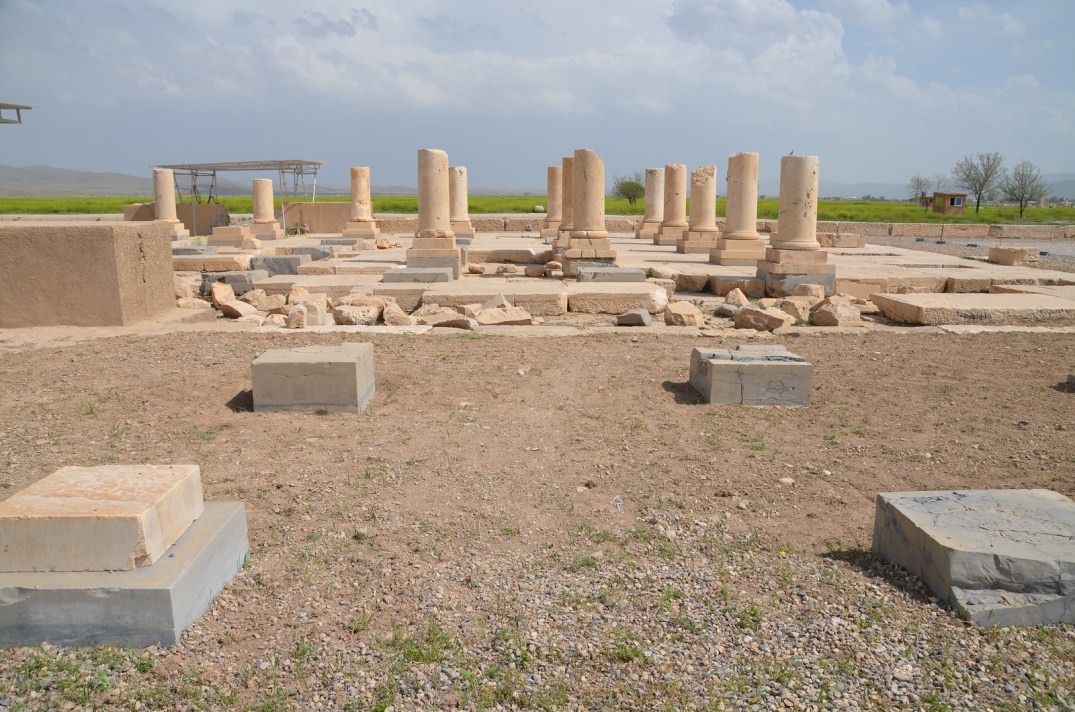
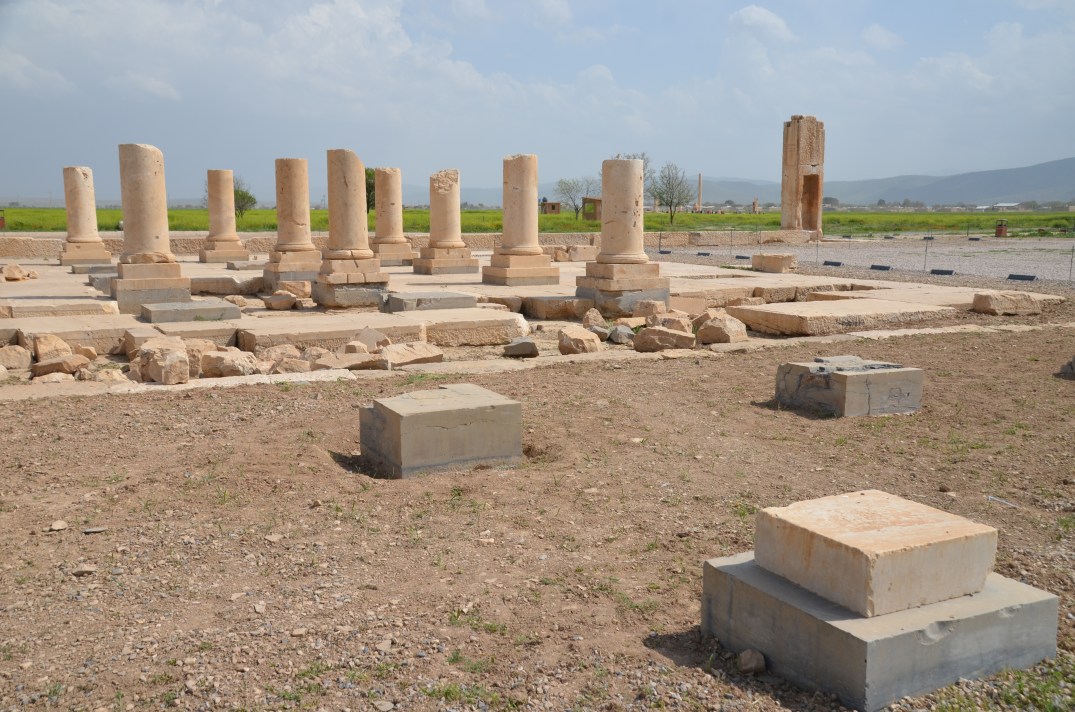
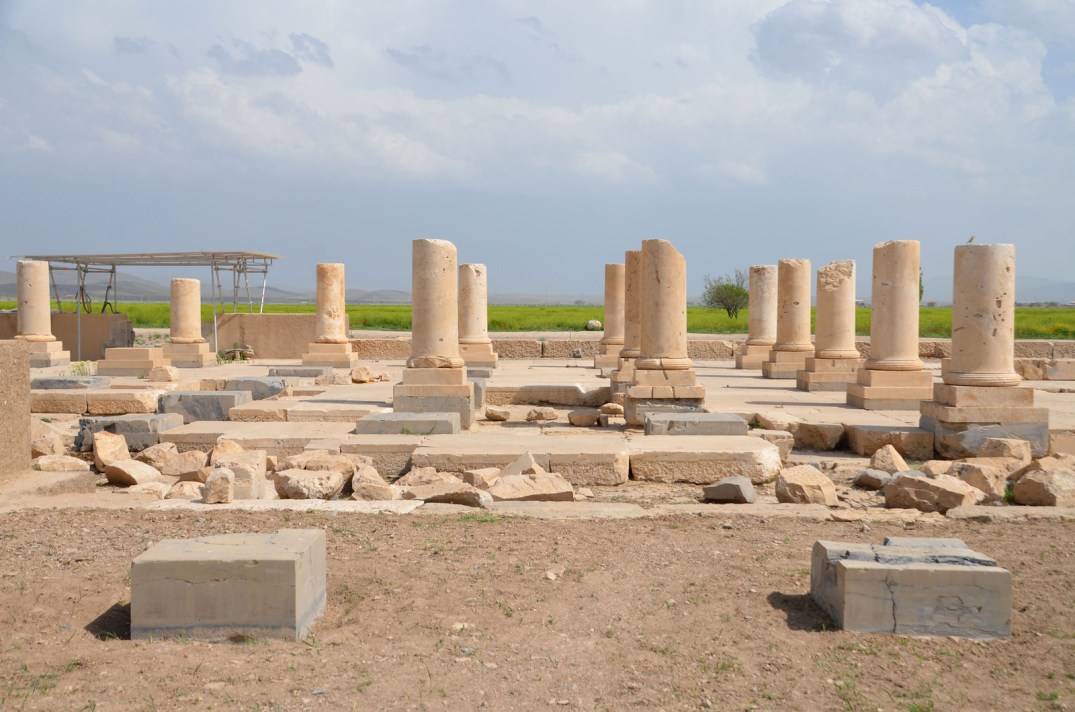
The ‘Residential Palace’ is usually regarded as the residence of King Cyrus the Great. It is composed of a central hall with five rows of six pillars, flanked on two sides by long porticoes. ‘I am Cyrus, the Achaemenid King’ reads the cuneiform inscription on a pillar. Approximately 250 meters away is the ‘Audience Hall’, which archaeologists have identified as a reception hall surrounded by porticoes on all four sides. Unlike the palaces of Persepolis, which had a square plan, both buildings at Pasargadae were oblong structures. Standing at the eastern edge of the palace vicinity is a large building that served as an entrance hall (Gate R), which must have resembled the Gate of All Nations in Persepolis. The gate consisted of a rectangular columned hall with two opposite monumental doorways on its long axis and two side doorways on its cross axis. One of the doorways is notable for its decoration; a unique sculpture, 2.7 metres high, representing a four-winged genius wearing an Egyptian crown.
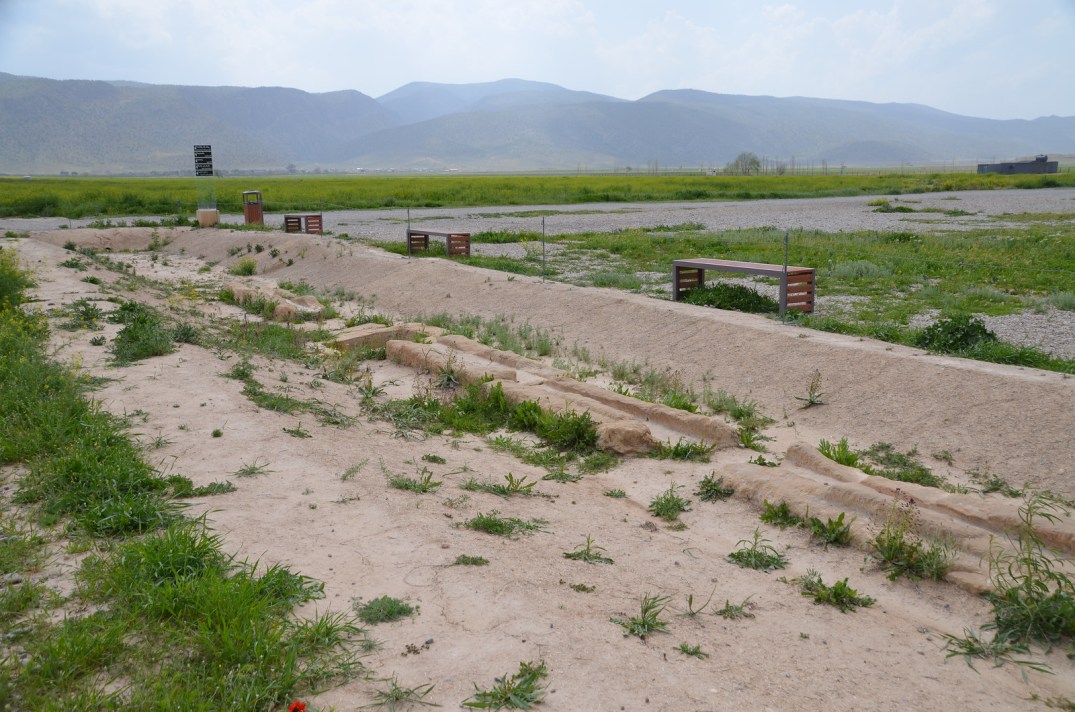
Pasargadae provides the earliest example of the Persian “Chahar Bagh”, a traditional and sophisticated form of Persian Gardens. A sophisticated irrigation system was created to bring water, thereby transforming those dry lands into an earthly representation of heaven. Today, the gardens are difficult to discern, but the water channels fed by the Pulvar River still run alongside the palaces.
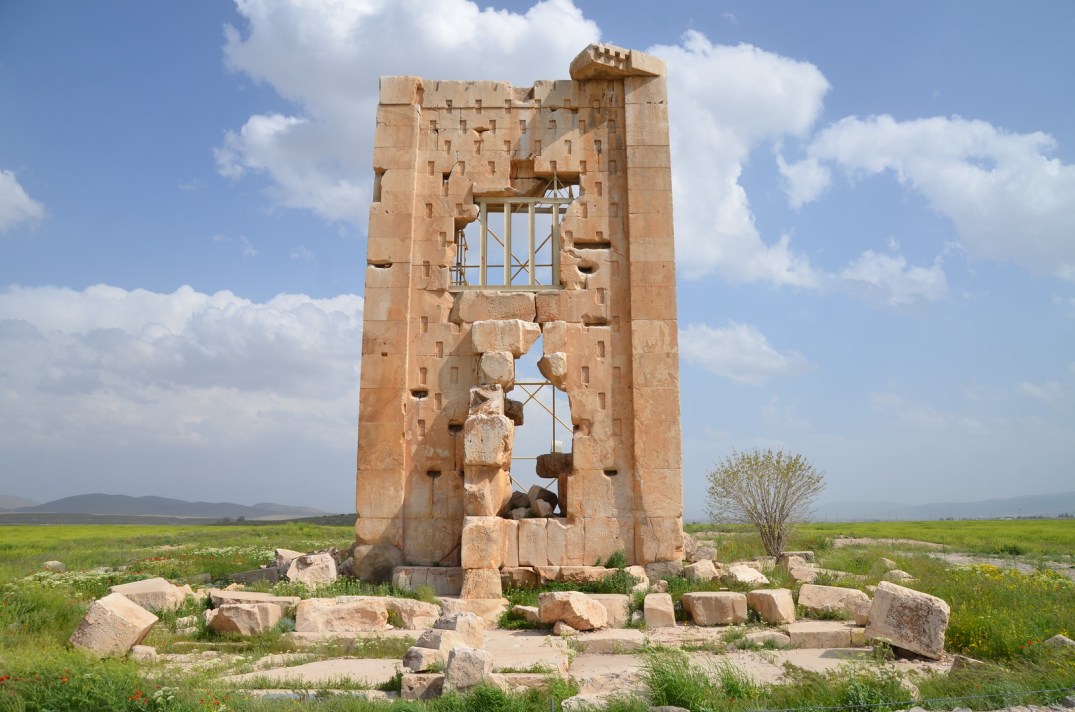
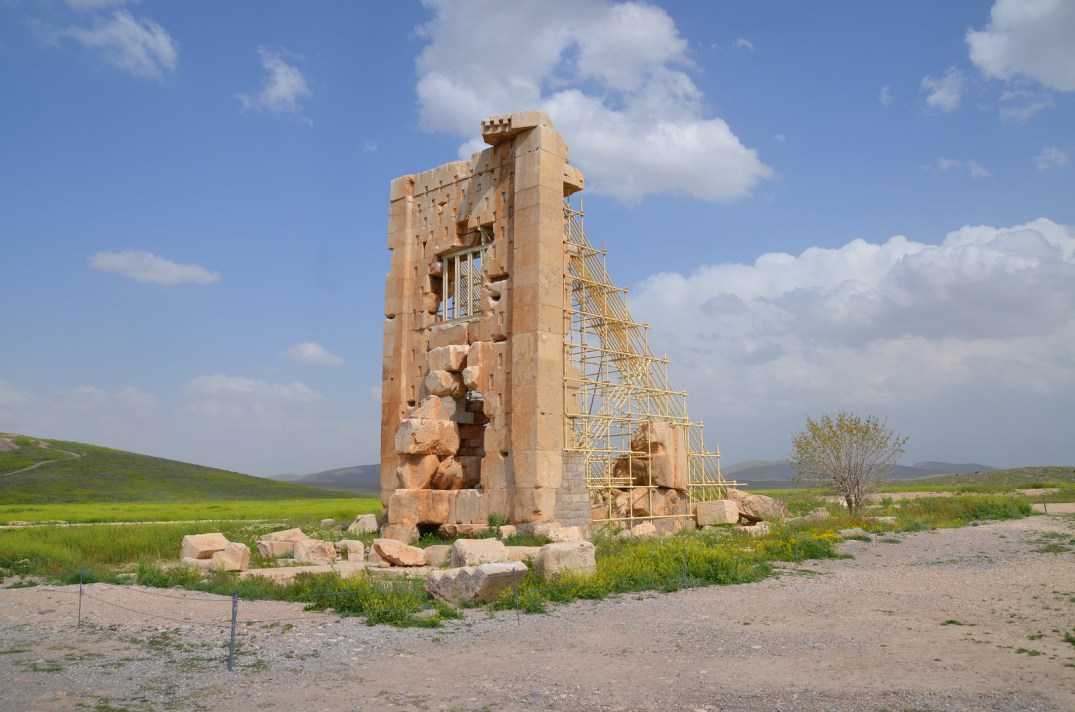
About 250 meters north of Cyrus’ palace are the remains of a tower, known locally as Zendan-e Soleiman (Prison of Solomon), that closely resembles Ka’ba-ye Zartosht, an Achaemenid-era cube-shaped counterpart standing in the necropolis of Naqsh-e Rostam near Persepolis. The structure consists of an almost square tower standing on a three-step plinth. A flight of twenty-nine stone steps originally led to the single chamber in the upper half of the monument. On the hill beyond is the Tall-e Takht, a monumental 6000-sq-metre citadel used from Cyrus’ time until the late Sasanian period.
PORTFOLIO
Links:
 following hadrian photography
Many thanks for your fine work on Iran.
LikeLike