
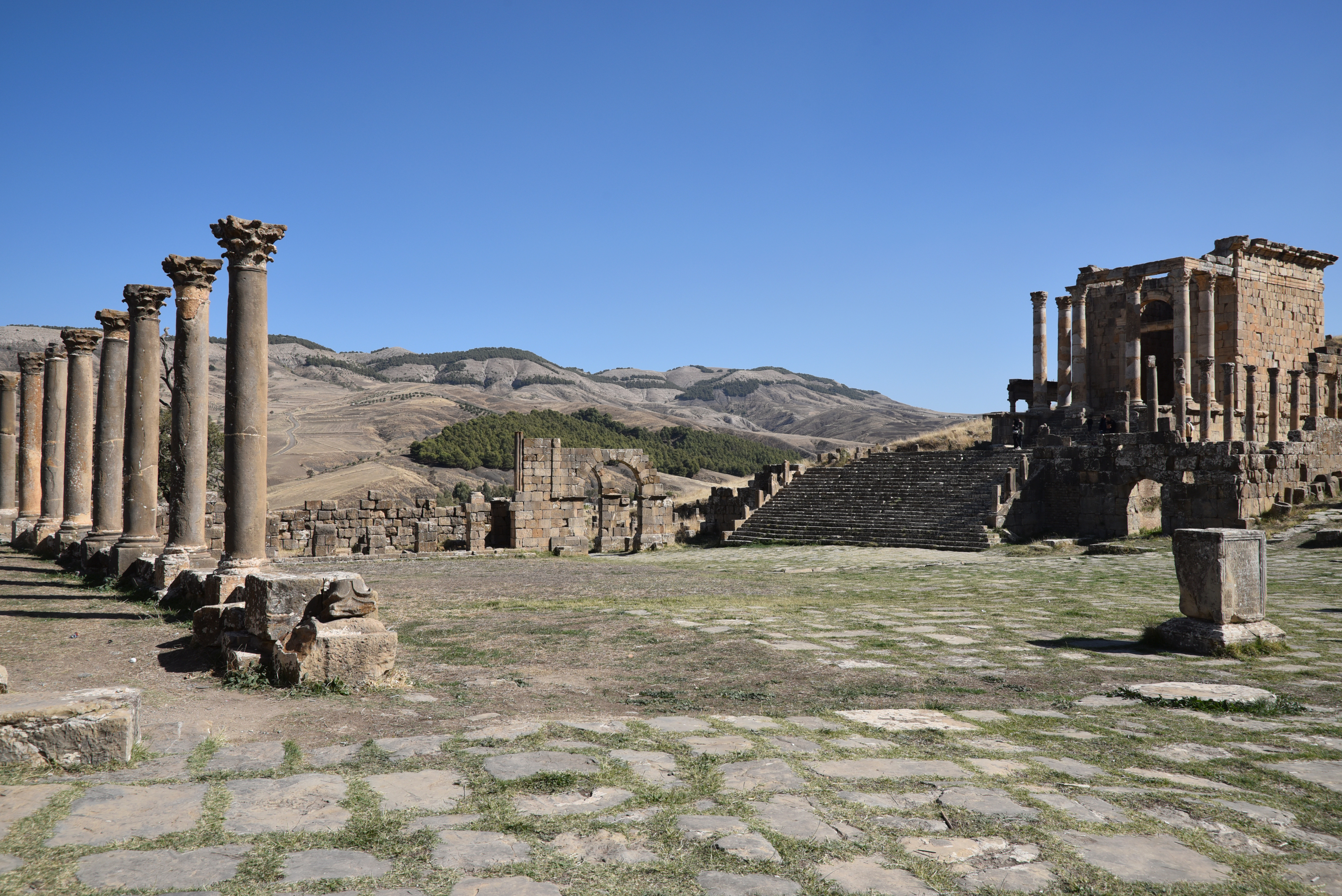
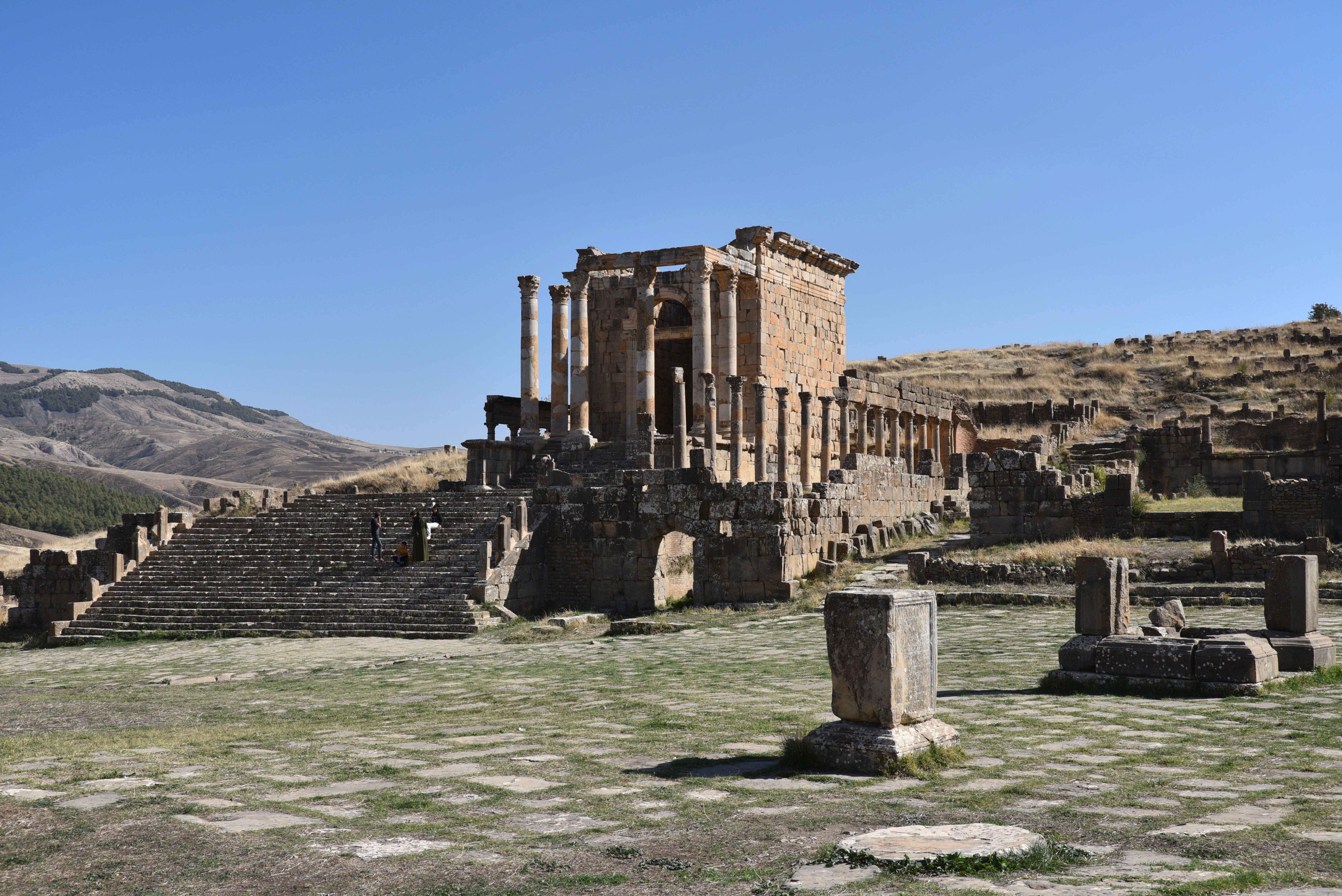
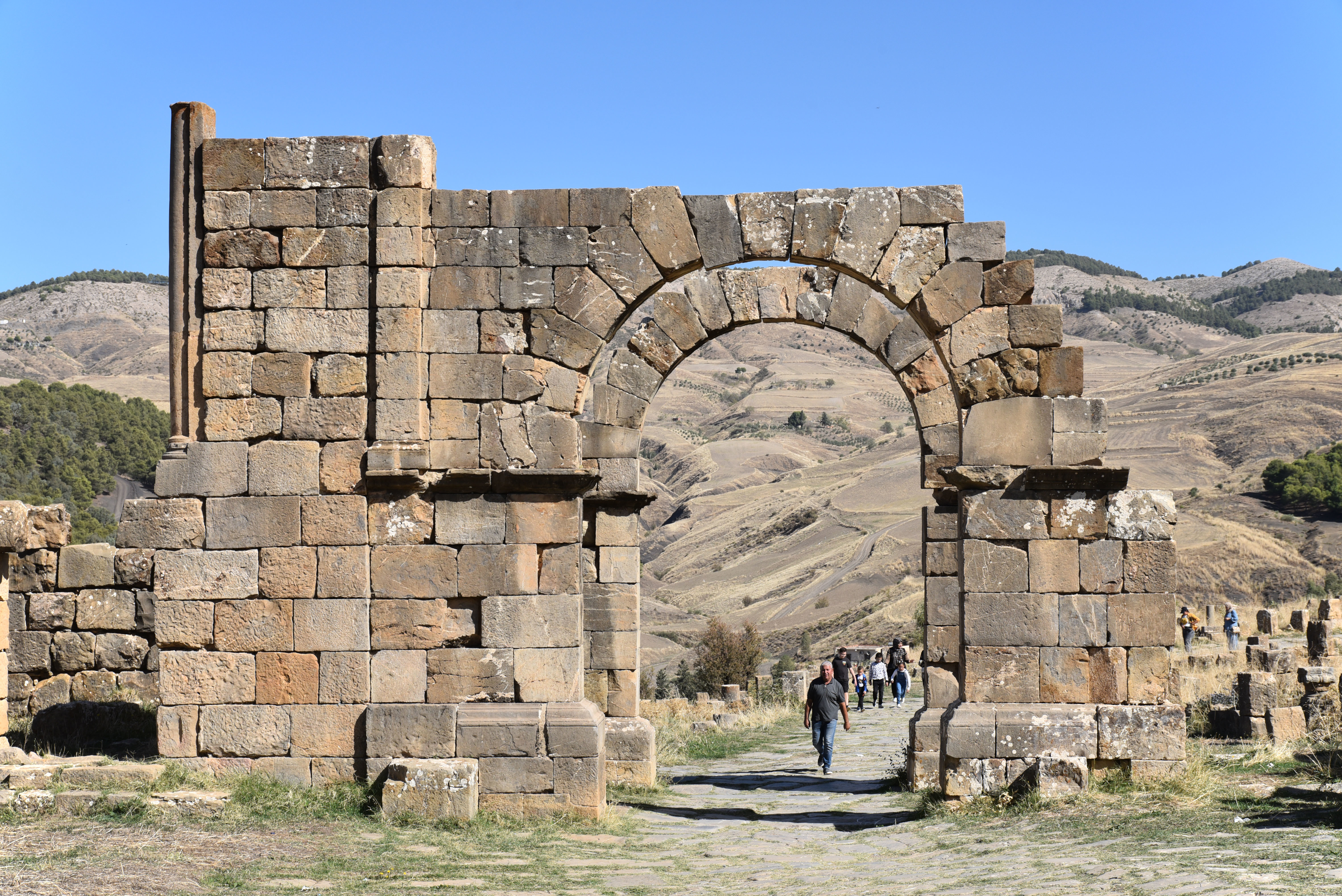
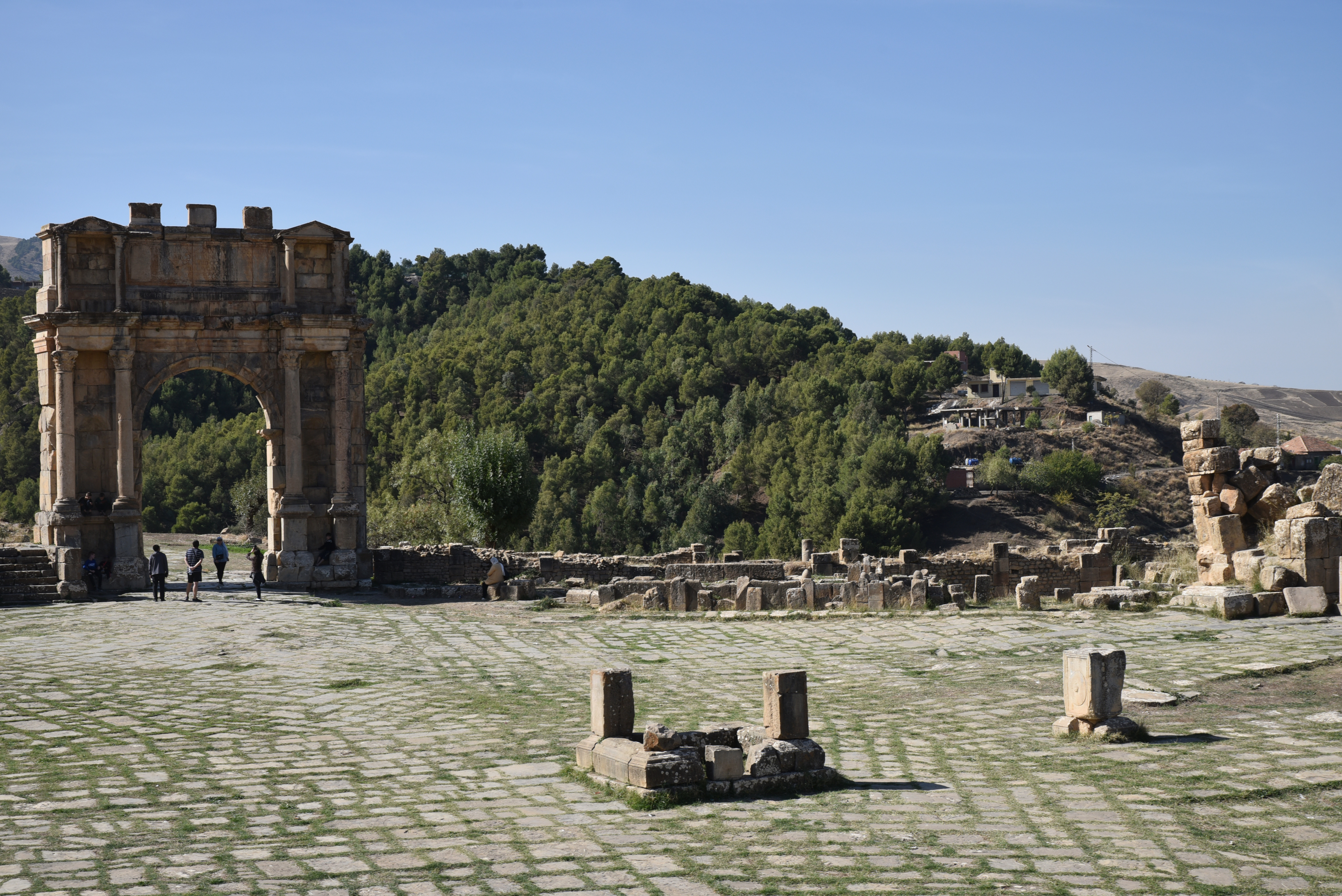
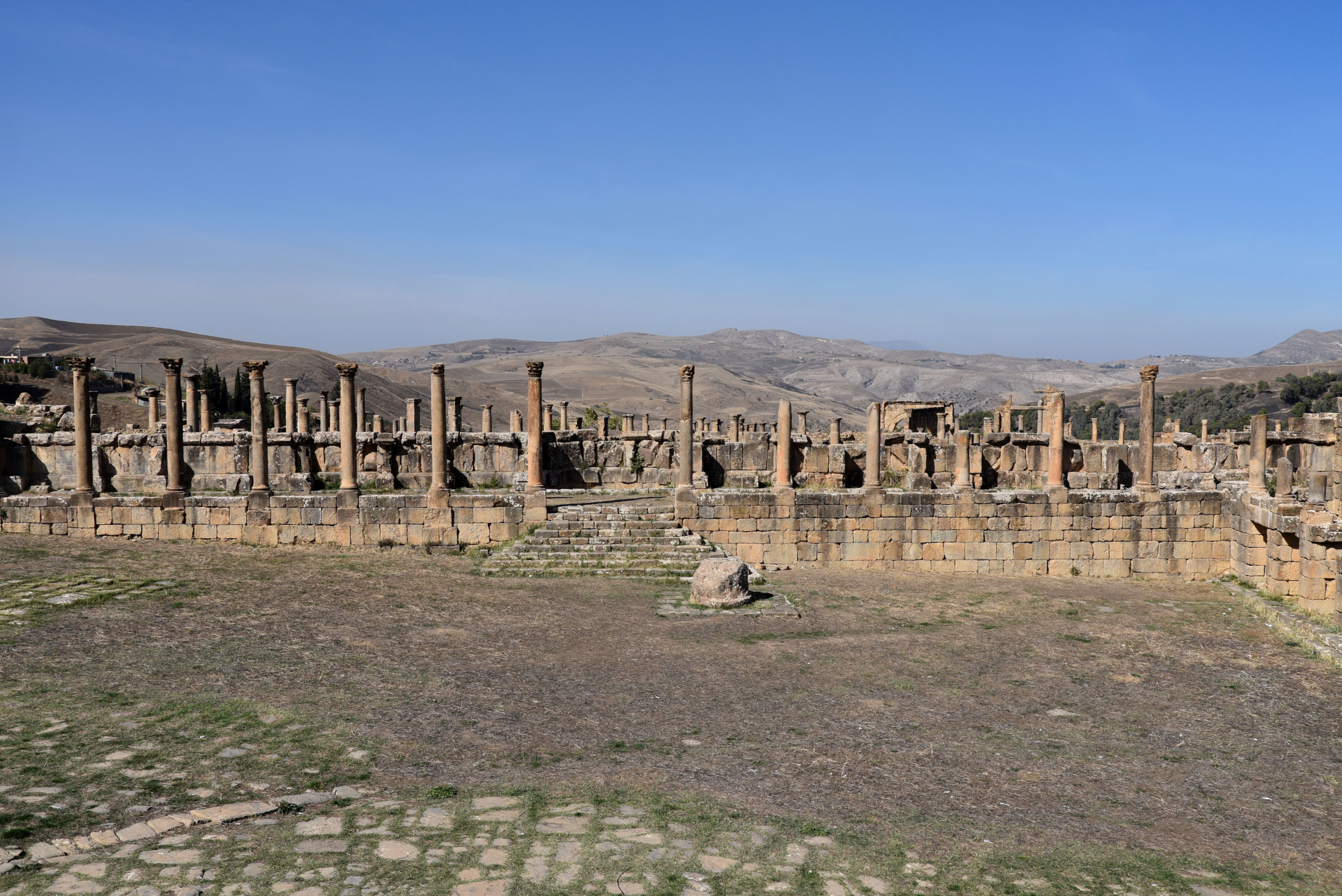
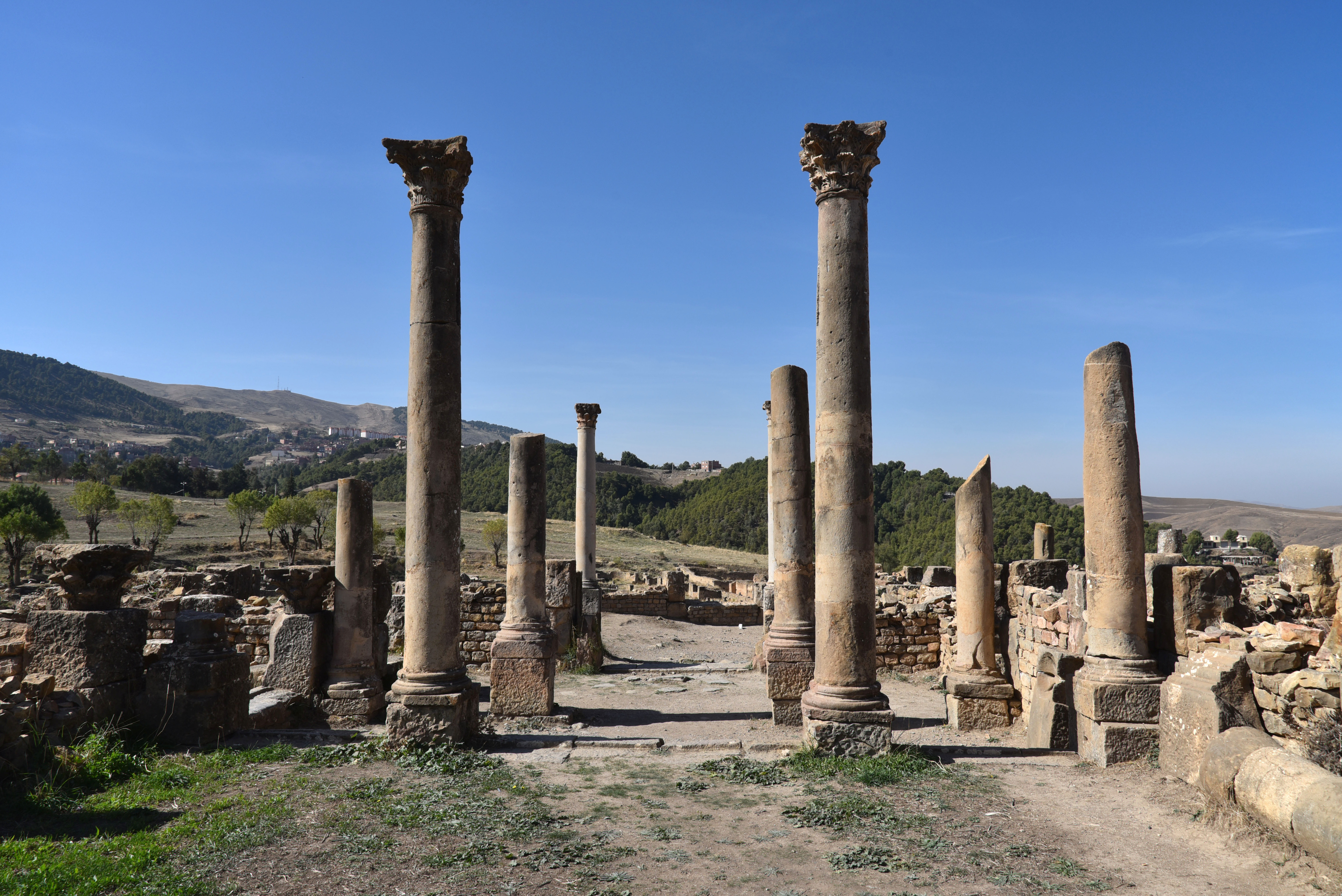
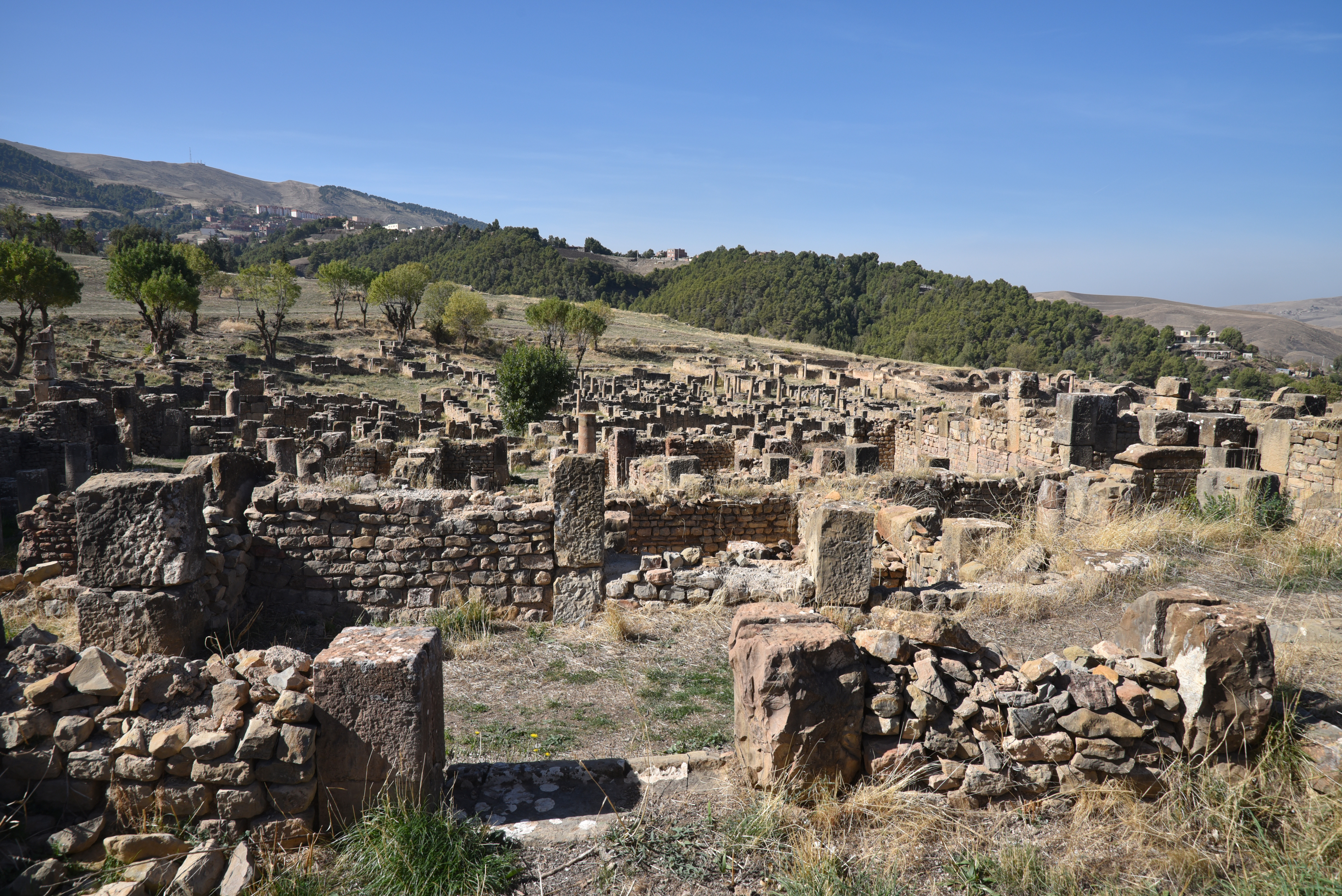
The UNESCO World Heritage site of Djémila, meaning “beautiful” in Arabic and also known by its Berber name Cuicul, is located near the northern coast of Algeria, east of Algiers. Nestled between two deep ravines at an elevation of 900 meters above sea level, Djémila features streets with wheel ruts that are lined with elaborate houses, a forum, temples, markets, and triumphal arches. The site exemplifies Roman town planning adapted to its mountainous location.
Coordinates: 36°19’00.0″N 5°44’00.0″E
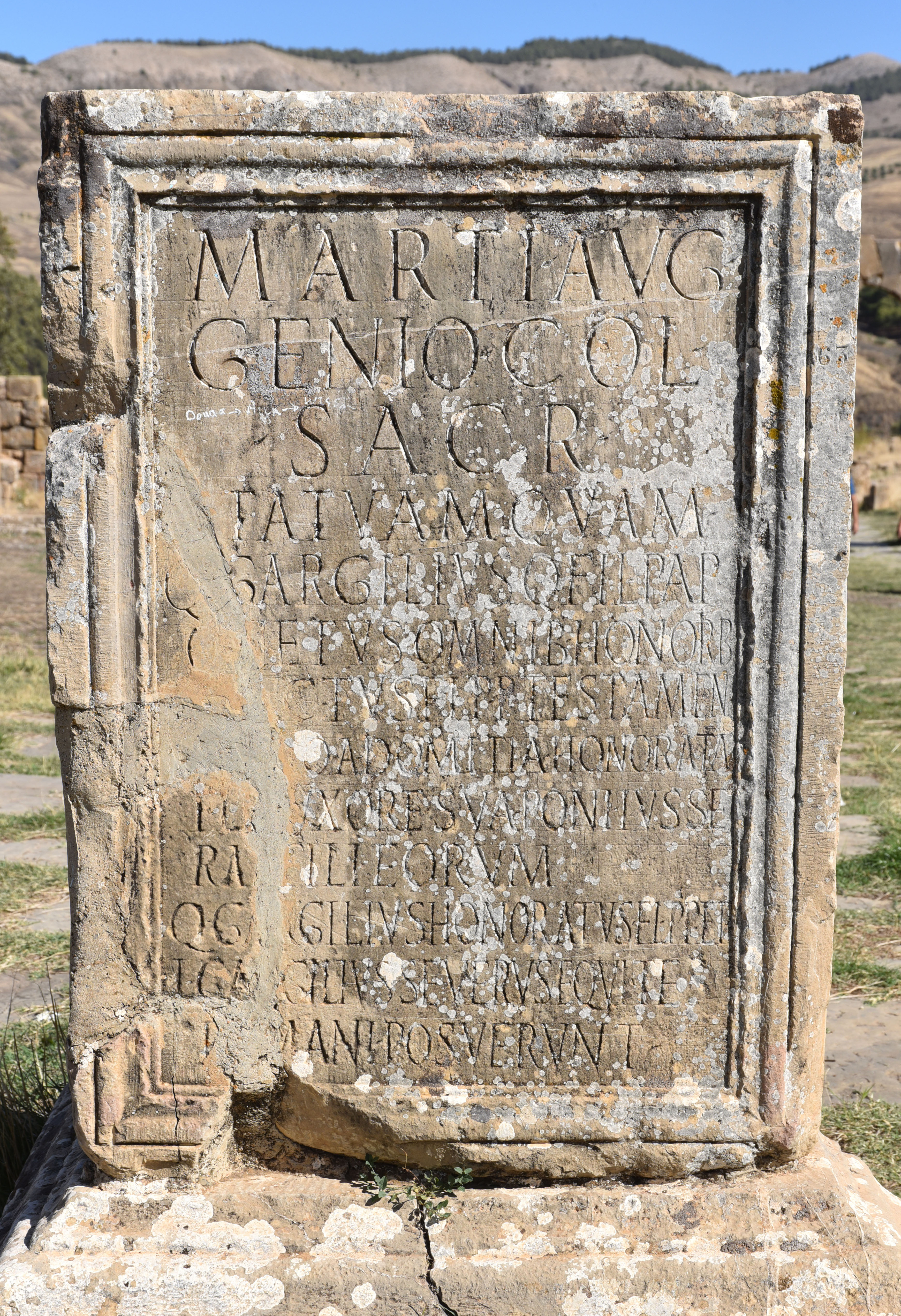
Cuicul was a veteran colony founded under Nerva (r. AD 96-98). It was a prosperous commercial city during the 2nd and early part of the 3rd centuries AD, outgrowing its original defensive wall and reaching a population of over 12,000. Under the Antonine Dynasty (AD 96-192), the town had a forum, a capitol, several temples, a curia (town hall), a market, and a theatre. Under the Severan dynasty (AD 193-235), new districts were laid out around a new forum. Cuicul became a city where retired soldiers enjoyed a comfortable lifestyle.
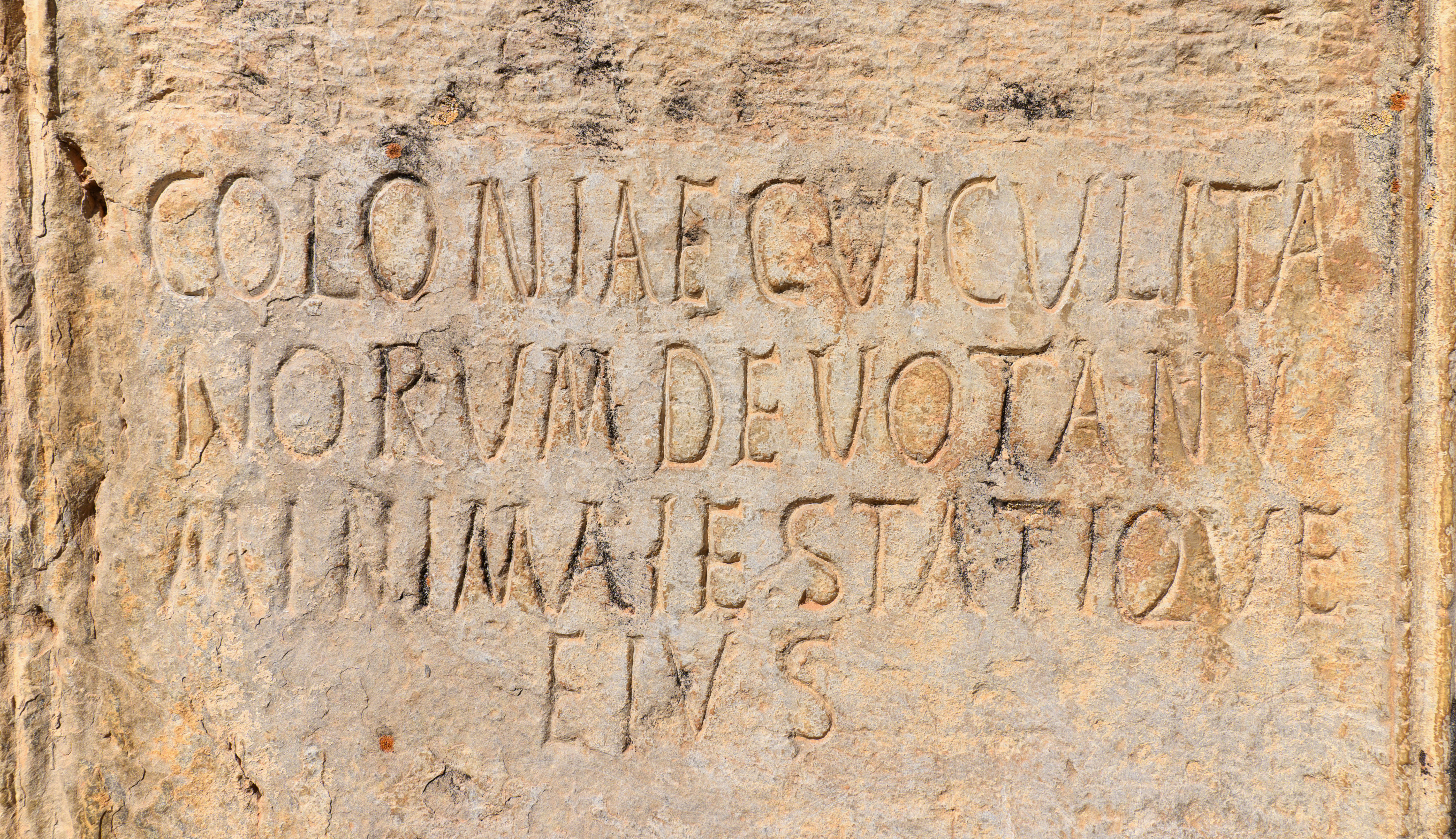
Christianity came to Cuicul early, with the first bishop recorded in AD 255. Religious buildings appeared by the end of the 4th century AD as the southern extension of the city, known today as the Christian quarter, with its baptistery, chapels, and basilicas. The city fell to the Vandals and had a brief renaissance under the Byzantines during the first half of the 6th century AD, only to be abandoned after the Arab invasion of North Africa.
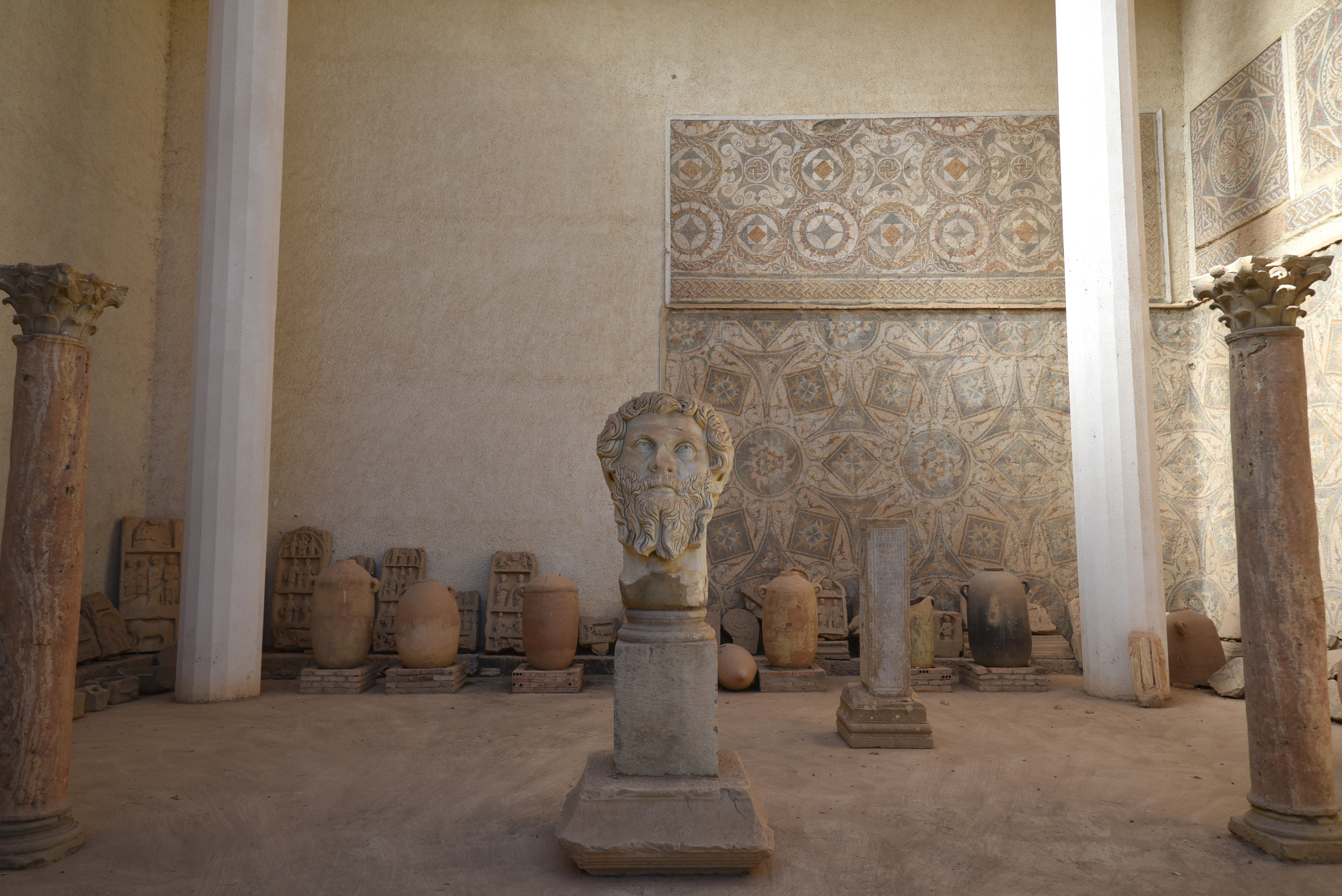
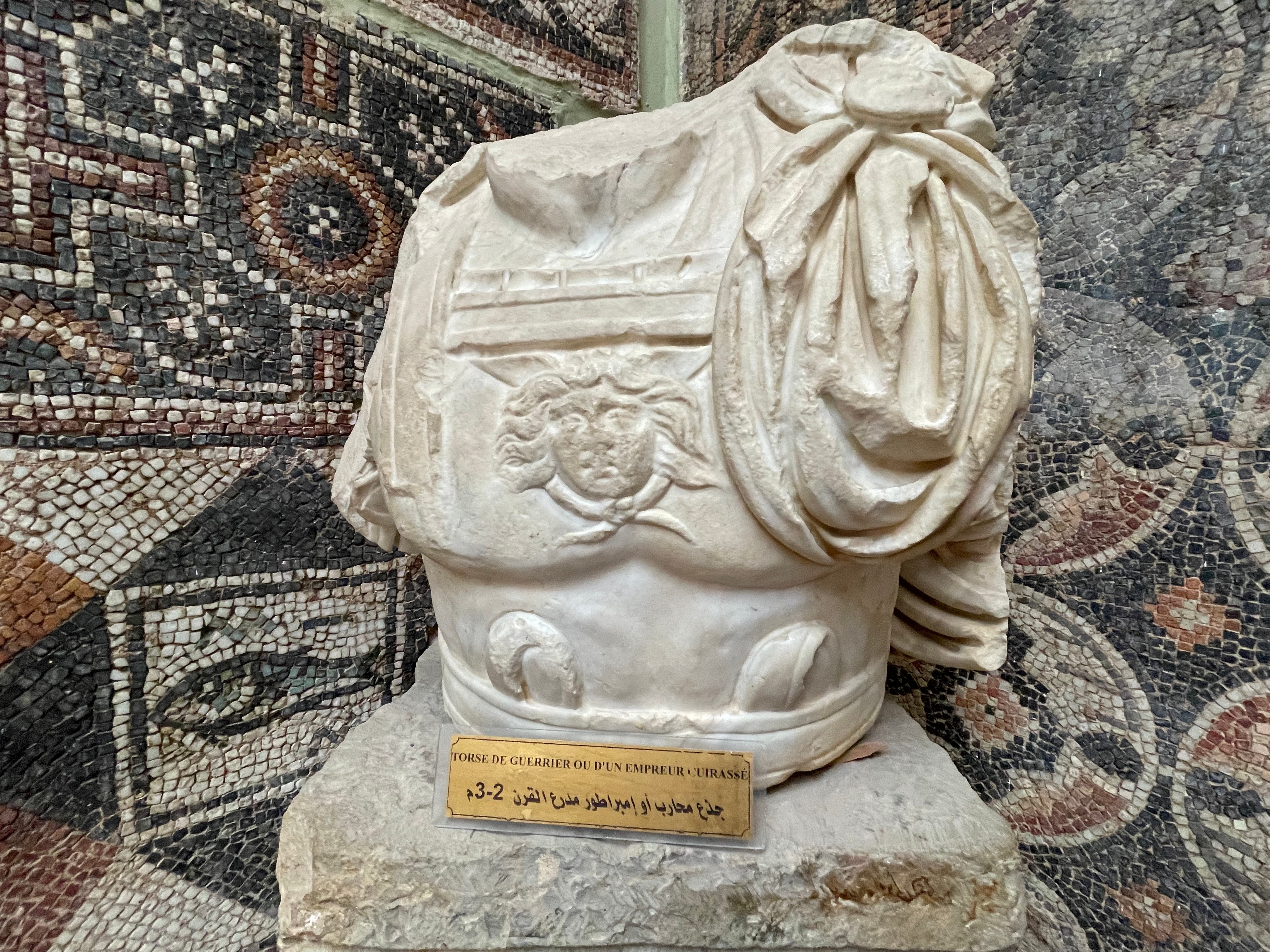
The Museum of Djémila is located within the site and contains beautiful Roman mosaic pavements found on the site. They cover around 1700 m², almost the whole of the wall space of the museum. Highlights include a hunting scene mosaic – the 10-metre-long so-called Mosaic of the Ass and the Toilet of Venus.
PORTFOLIO
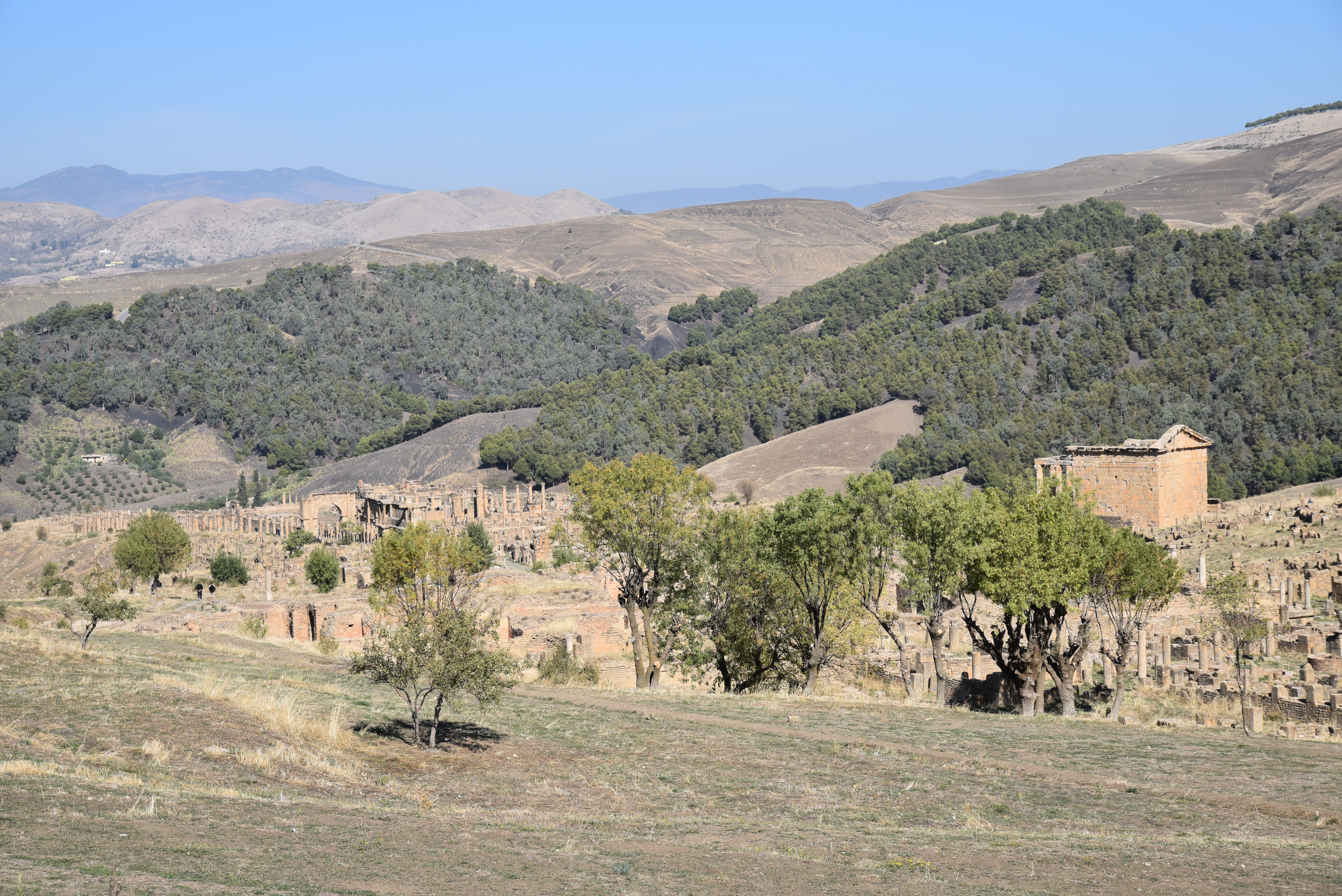
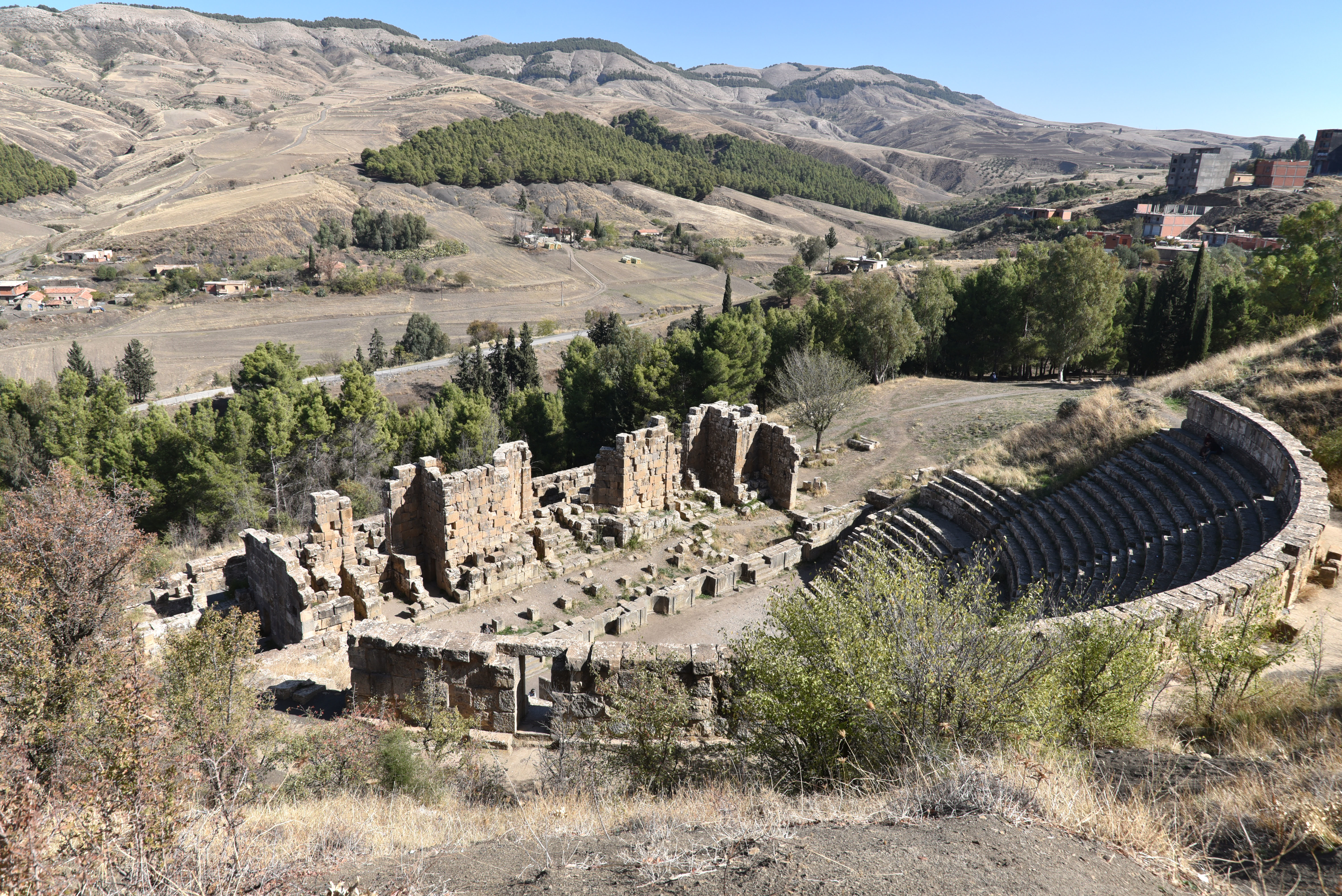
- The Old City/Forum


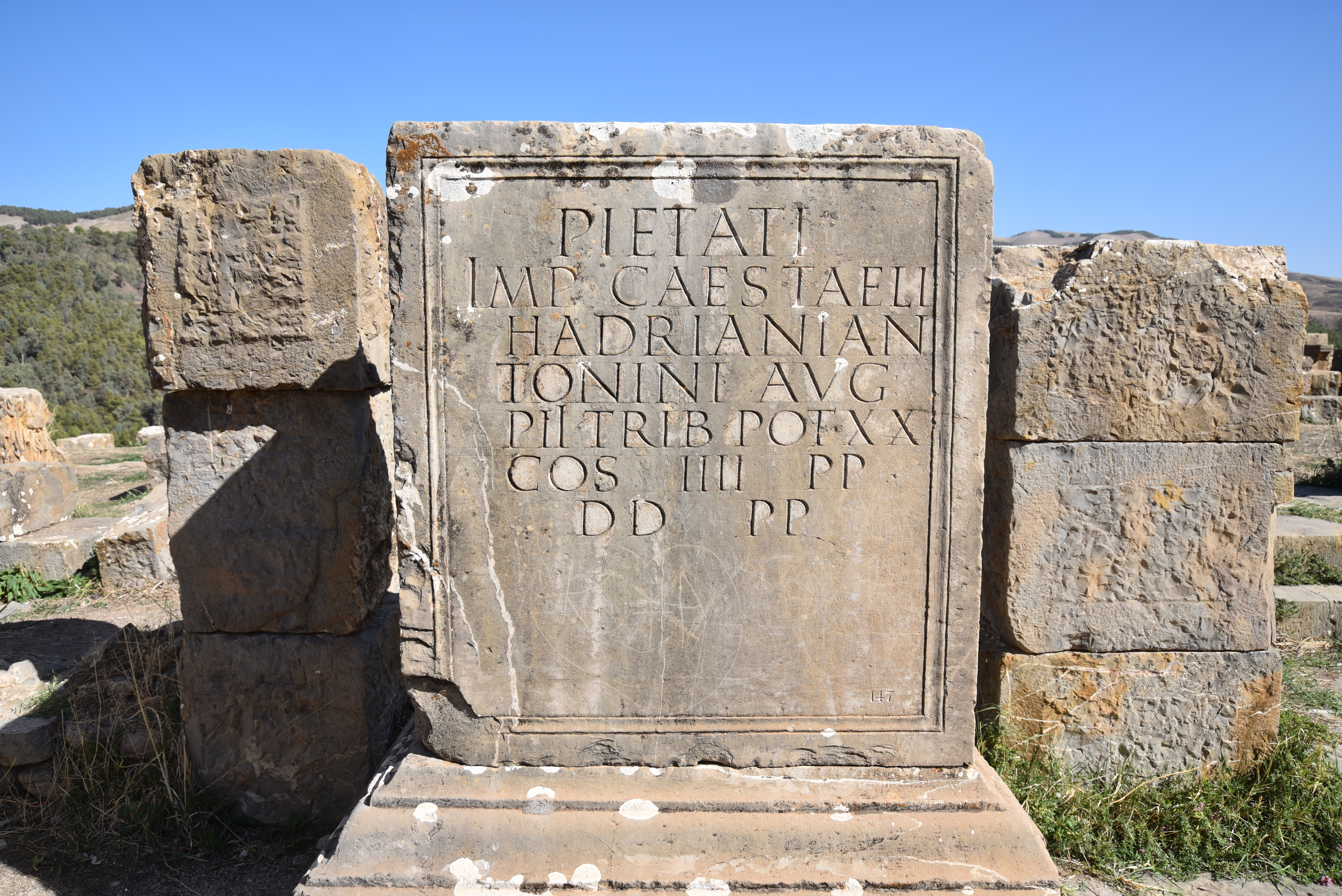


- The New Severan City/Forum







- The Christian Quarter



- The Western Quarter


- The Djemila Museum




References & links:
- The Splendours of Roman Algeria
- Blas de Roblès, Jean-Marie; Sintes, Claude; Kenrick, Philip. Classical Antiquities of Algeria: A Selective Guide (p. 127). Society for Libyan Studies. pp. 100-137



 following hadrian photography