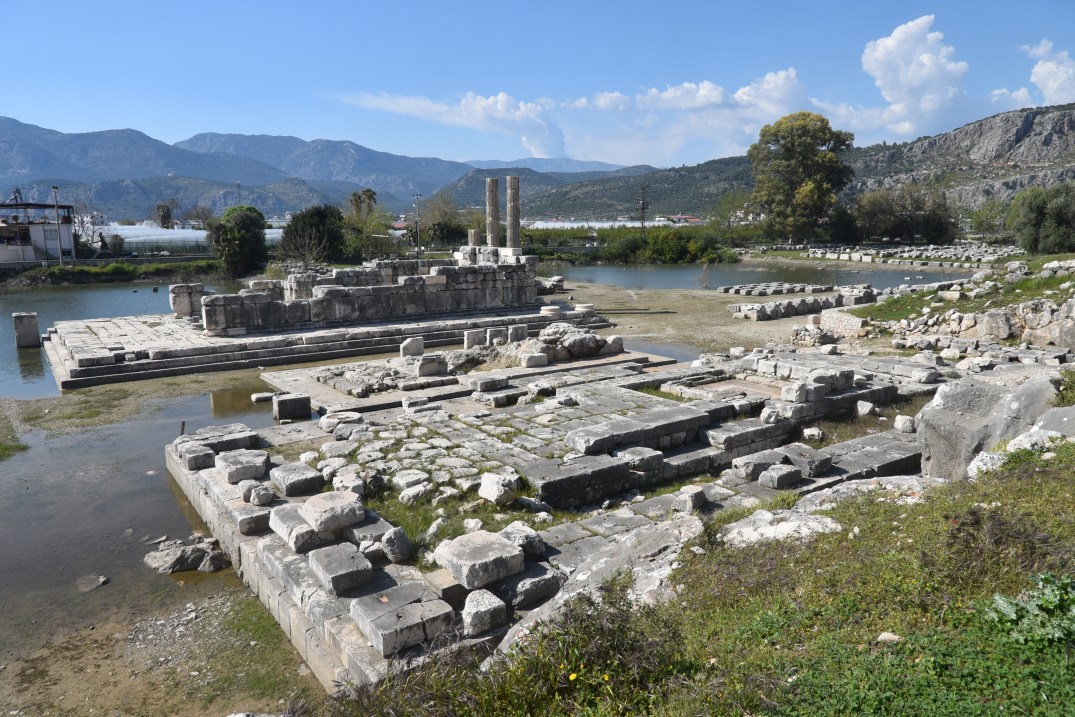
Letoon was the main religious sanctuary of ancient Lycia, located at the foot of Tümtüm Tepe near modern Kumluova, Turkey, about four kilometres southwest of Xanthos. Dedicated to the goddess Leto and her children, Apollo and Artemis, it served as a sacred centre for Lycia and was closely linked with the Lycian League. Unlike Xanthos, which became a political hub, Letoon was primarily a site for worship and festivals. Its archaeological remains include three temples for Leto, Artemis, and Apollo, a Hellenistic theatre, colonnaded porticoes, a sacred spring, a fountain linked to Hadrian, and an Early Byzantine basilica. Letoon was inscribed on the UNESCO World Heritage List in 1988, along with Xanthos.
Coordinates: 36°19’55.0″N 29°17’23.0″E
The origins of Letoon date back to at least the 6th century BC, when worship centred on a natural spring at the foot of the hillside. Archaeological discoveries, including terracotta figurines and pottery, suggest that the sanctuary was originally dedicated to an indigenous Anatolian mother goddess, identified in Lycian inscriptions as Eni Mahanahi, the Mother of the Gods. She was accompanied by local water divinities known as the Eliyanas. During the Classical period, the indigenous goddess was identified with the Greek Leto, while her children, Artemis and Apollo, were worshipped under their Lycian names, Ertemi and Natri. The establishment of their cult is associated with the Lycian dynast Arbinas in the early 4th century BC.
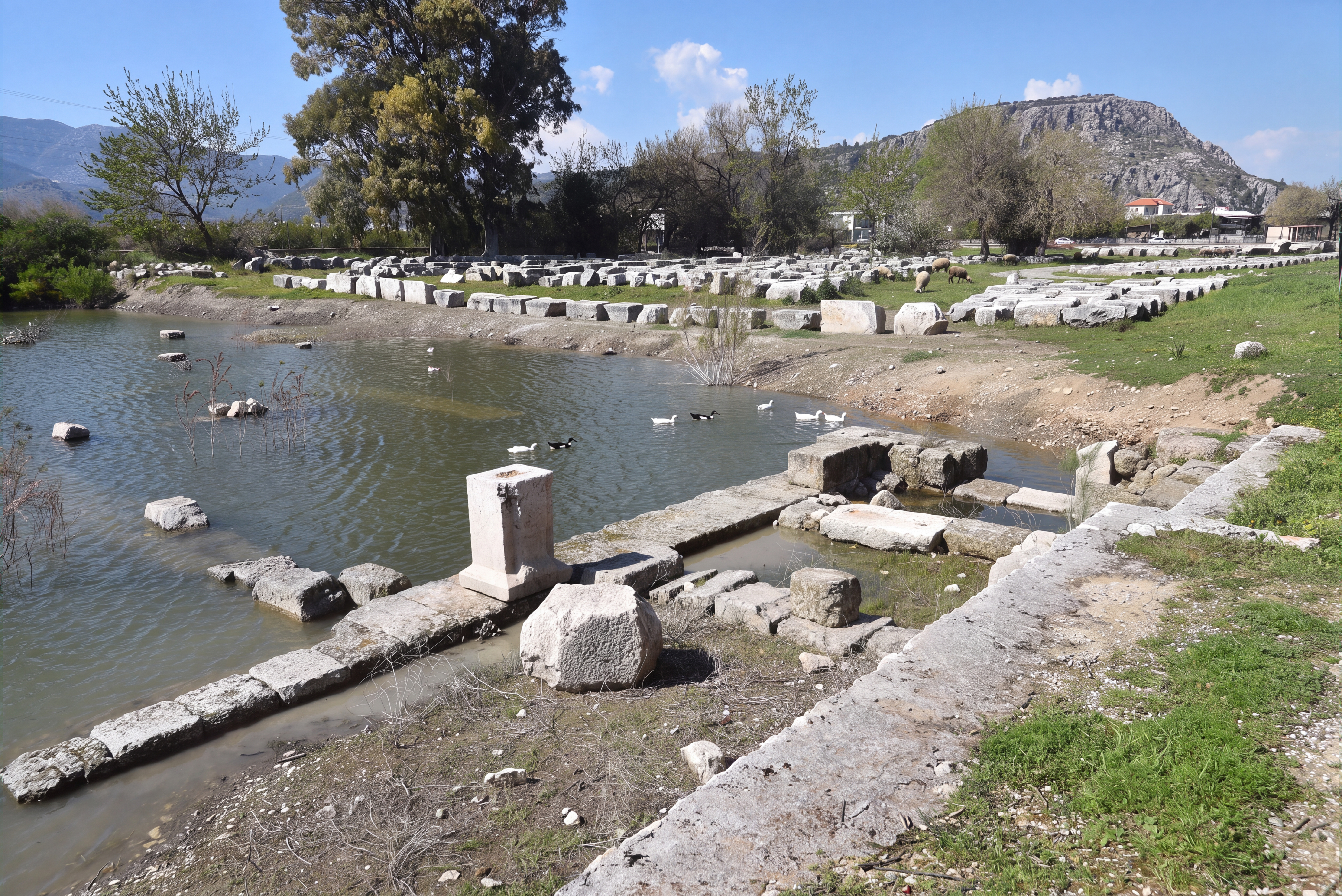
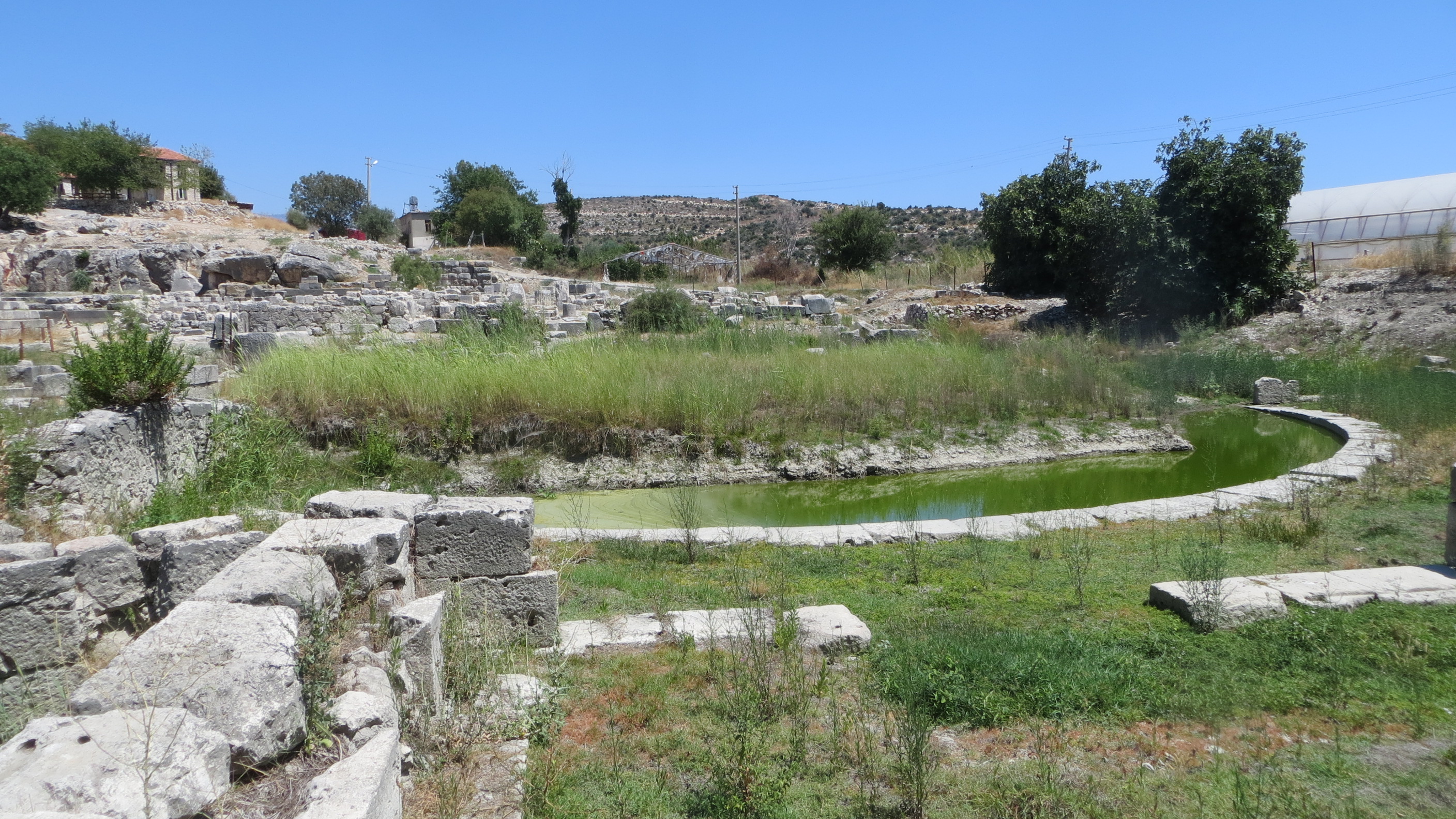
The sanctuary was also associated with a myth recounted by Ovid in his Metamorphoses (6.313–381). According to the story, Leto arrived in Lycia with her children and attempted to drink from a pool, but local peasants prevented her from reaching the water and deliberately stirred up the mud. Angered by their behaviour, the goddess transformed them into frogs. The story became closely associated with Letoon’s sacred spring and marshy landscape, where water played a central role in religious worship.
Under Persian rule, Letoon became a significant religious and administrative centre. A key discovery is a trilingual inscription found in 1973 near the Temple of Apollo, written in Lycian, Greek, and Aramaic. Dating to either 358 or 337 BC, it records a decree by Pixodaros of the Hecatomnid dynasty establishing a cult for Basileus Kaunios and detailing priesthoods and religious ceremonies. This inscription has been vital for deciphering the Lycian language and is housed at the Fethiye Archaeological Museum.
Following the conquests of Alexander the Great, Letoon entered the Hellenistic world, and its sacred precinct underwent substantial architectural development. The three temples were rebuilt in Greek architectural styles, while porticoes, terraces and a monumental entrance were constructed around them. The sanctuary became a major ceremonial centre of the Lycian League, a federation of cities with shared political institutions. Religious festivals and public gatherings brought together representatives of the Lycian communities, while decrees and honorary monuments displayed within the precinct reflected its political importance.
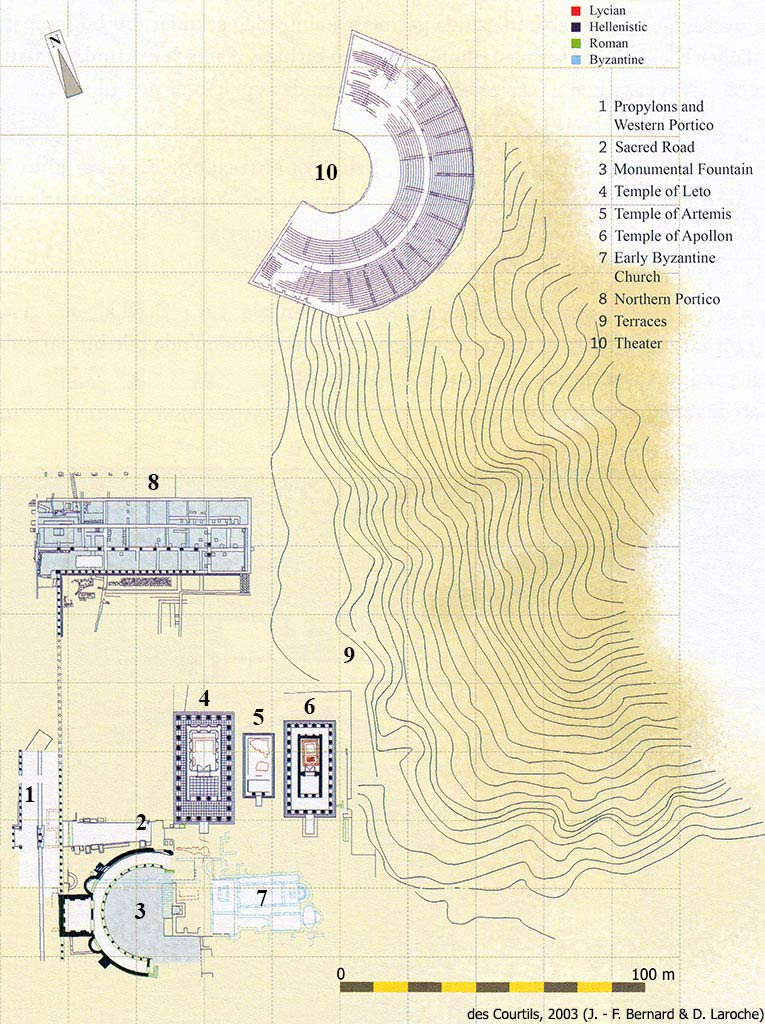
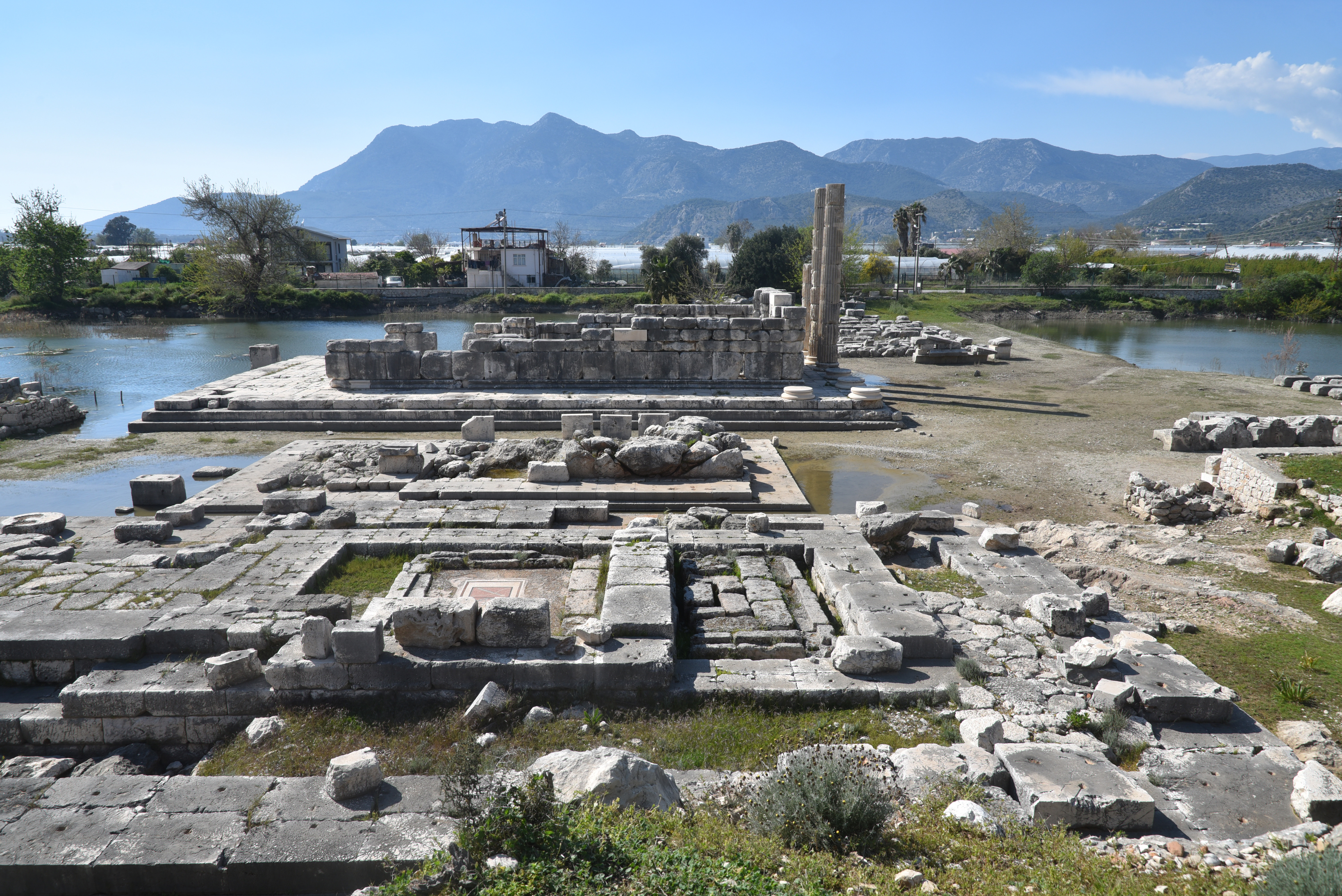
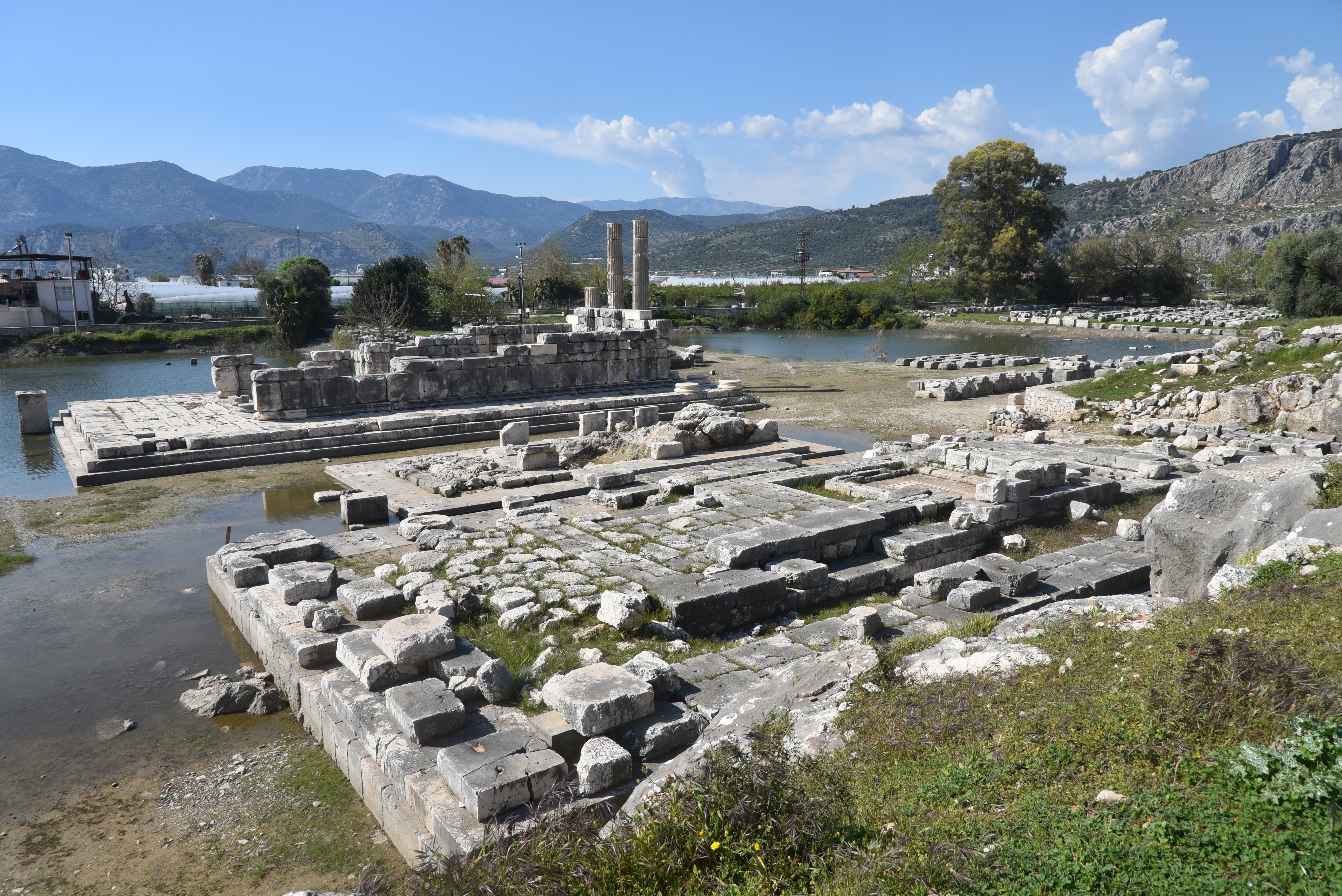
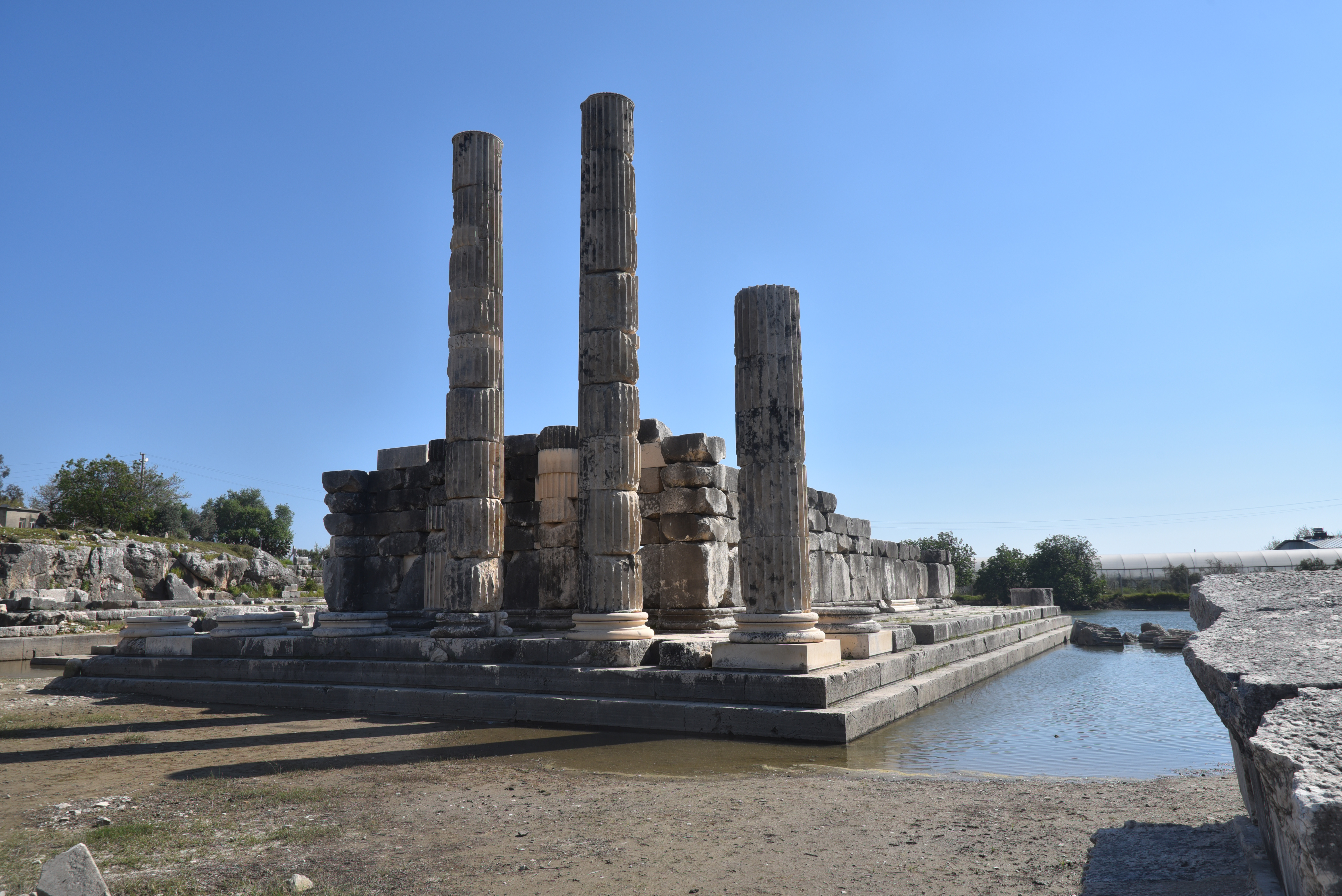
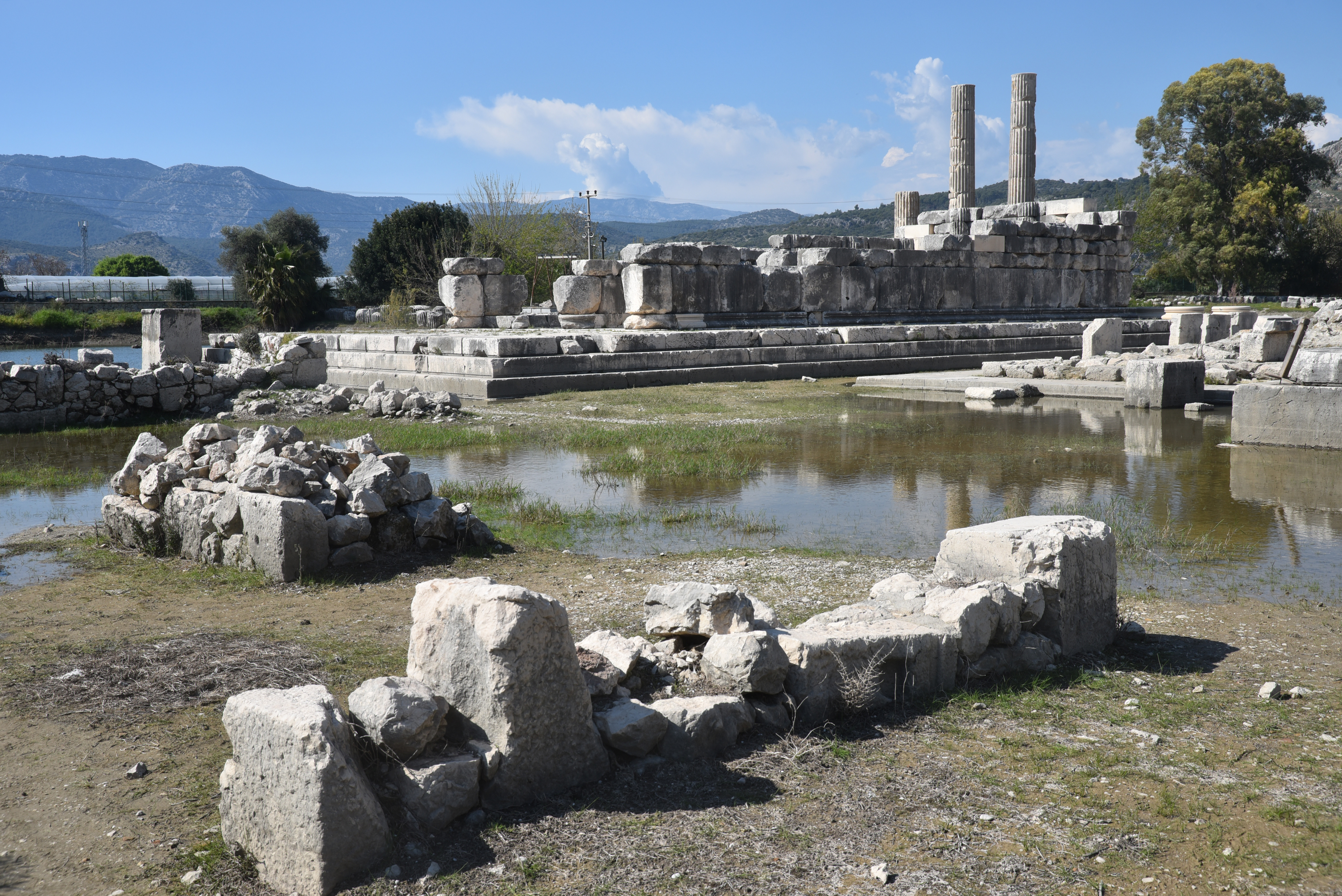
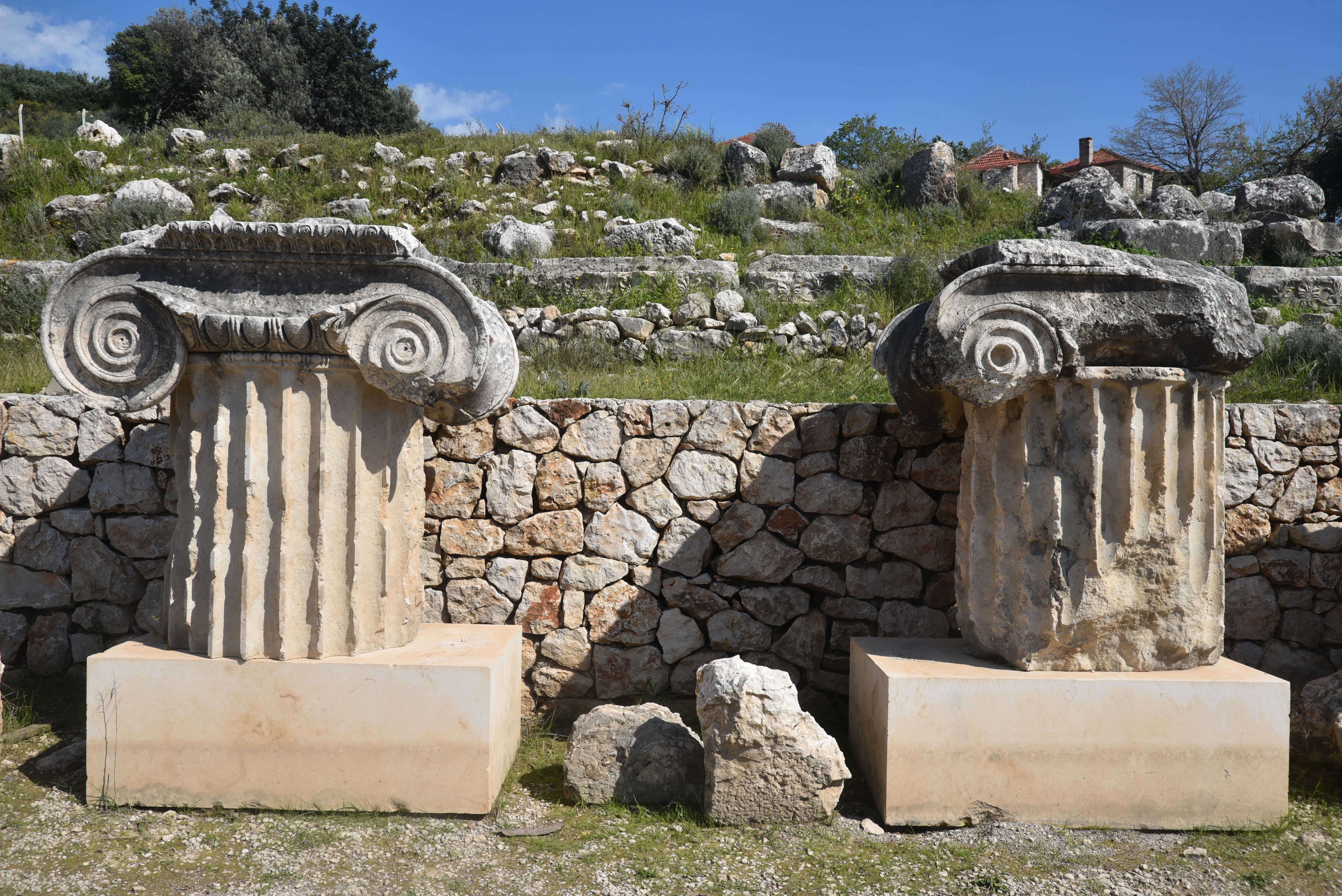
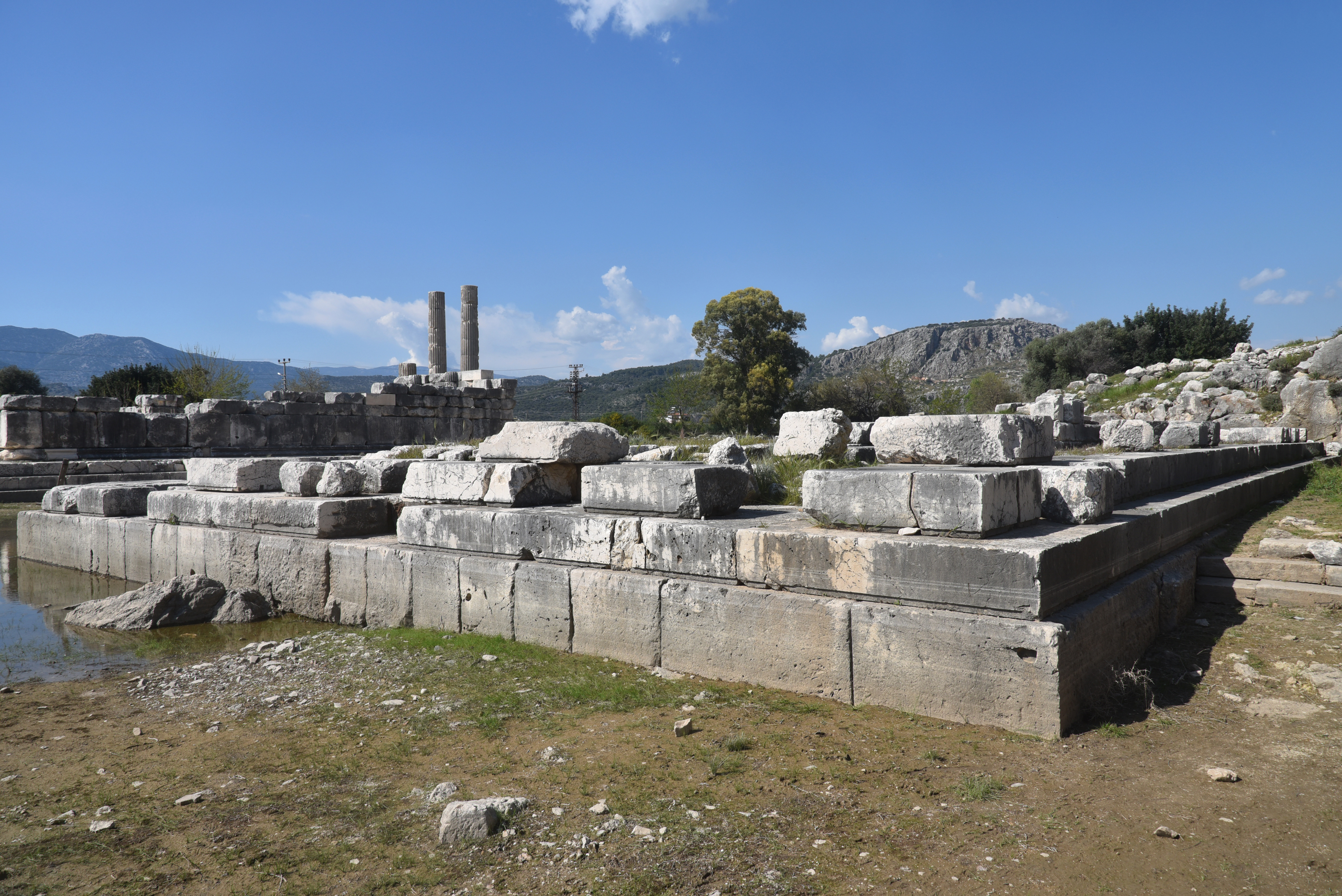
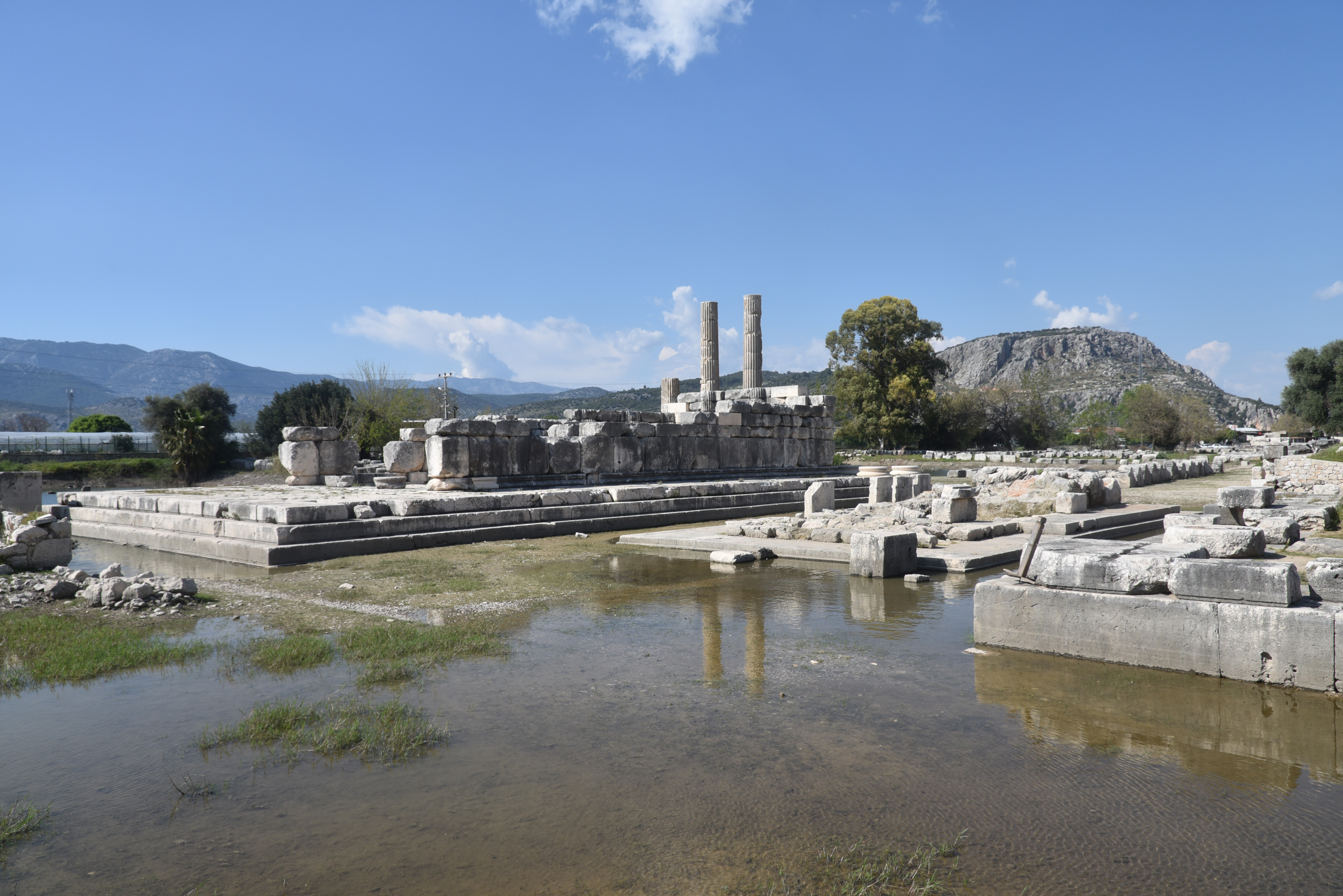
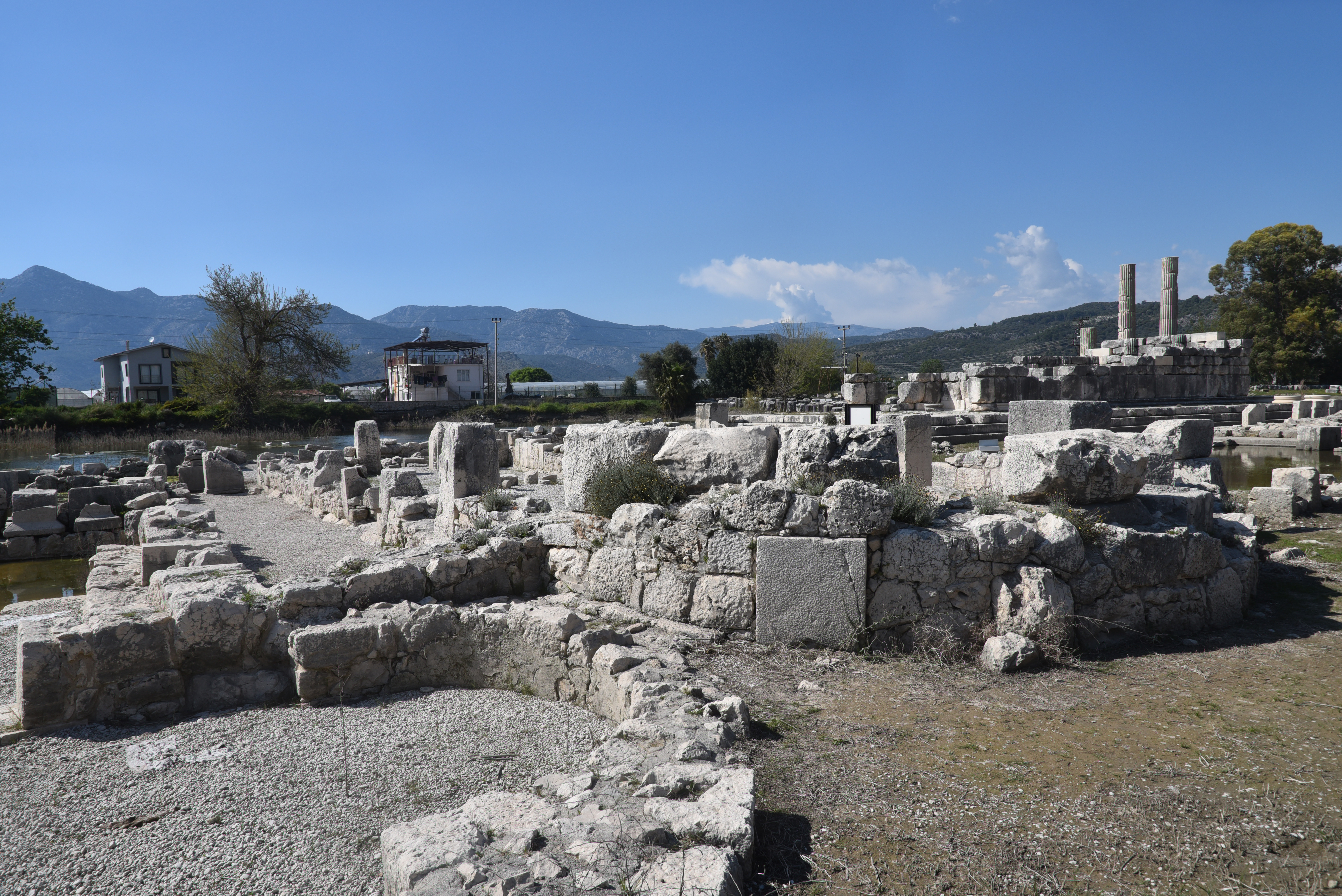
At the centre of the sanctuary stood three temples on a raised terrace overlooking a sacred spring. The largest was the Temple of Leto, an Ionic structure measuring approximately 32.25 × 15.75 meters, featuring six frontal columns and eleven along each side. This elaborately decorated Hellenistic temple replaced an earlier sanctuary and included a deep pronaos, a cella, and a rear chamber.
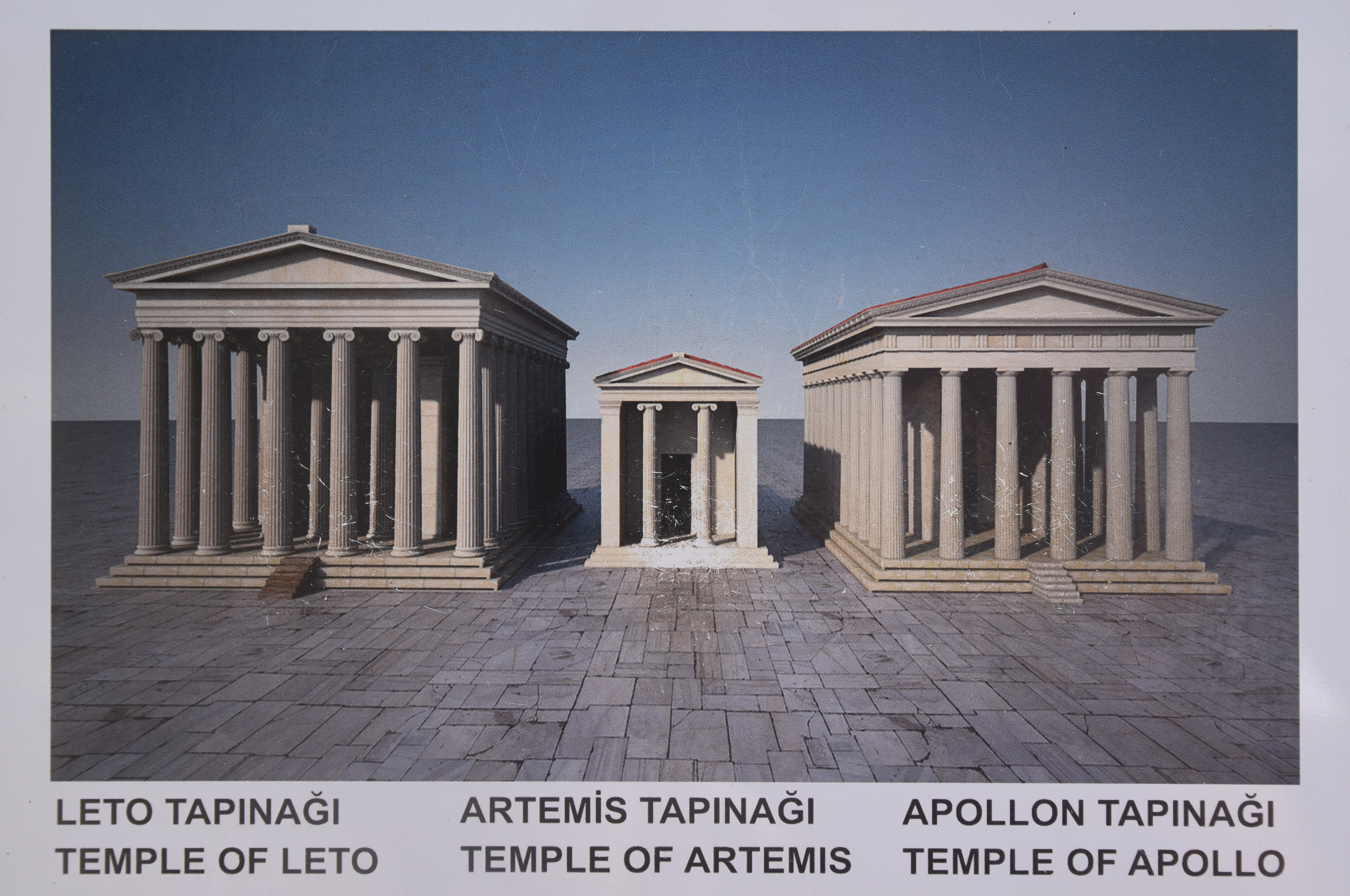
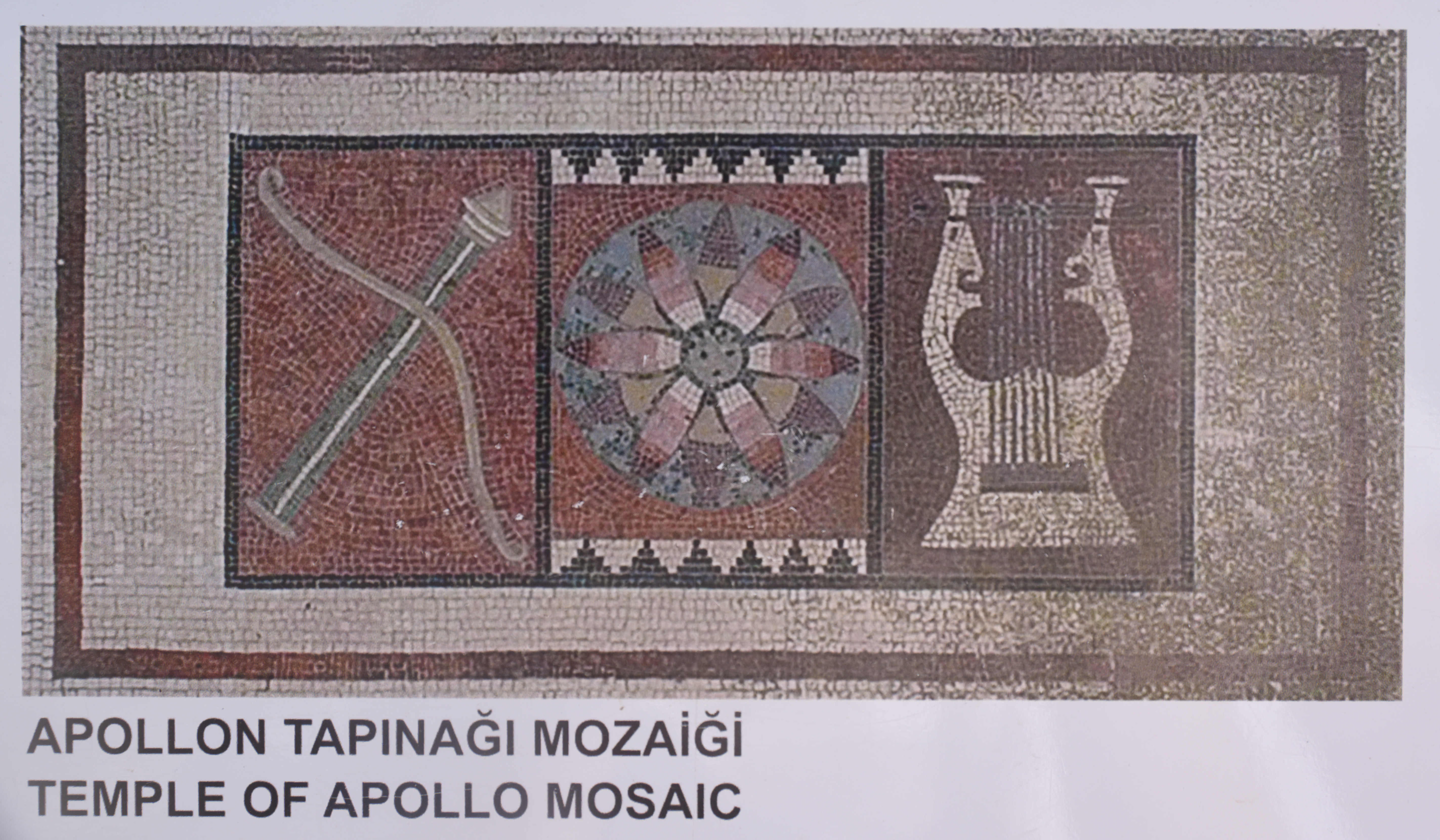
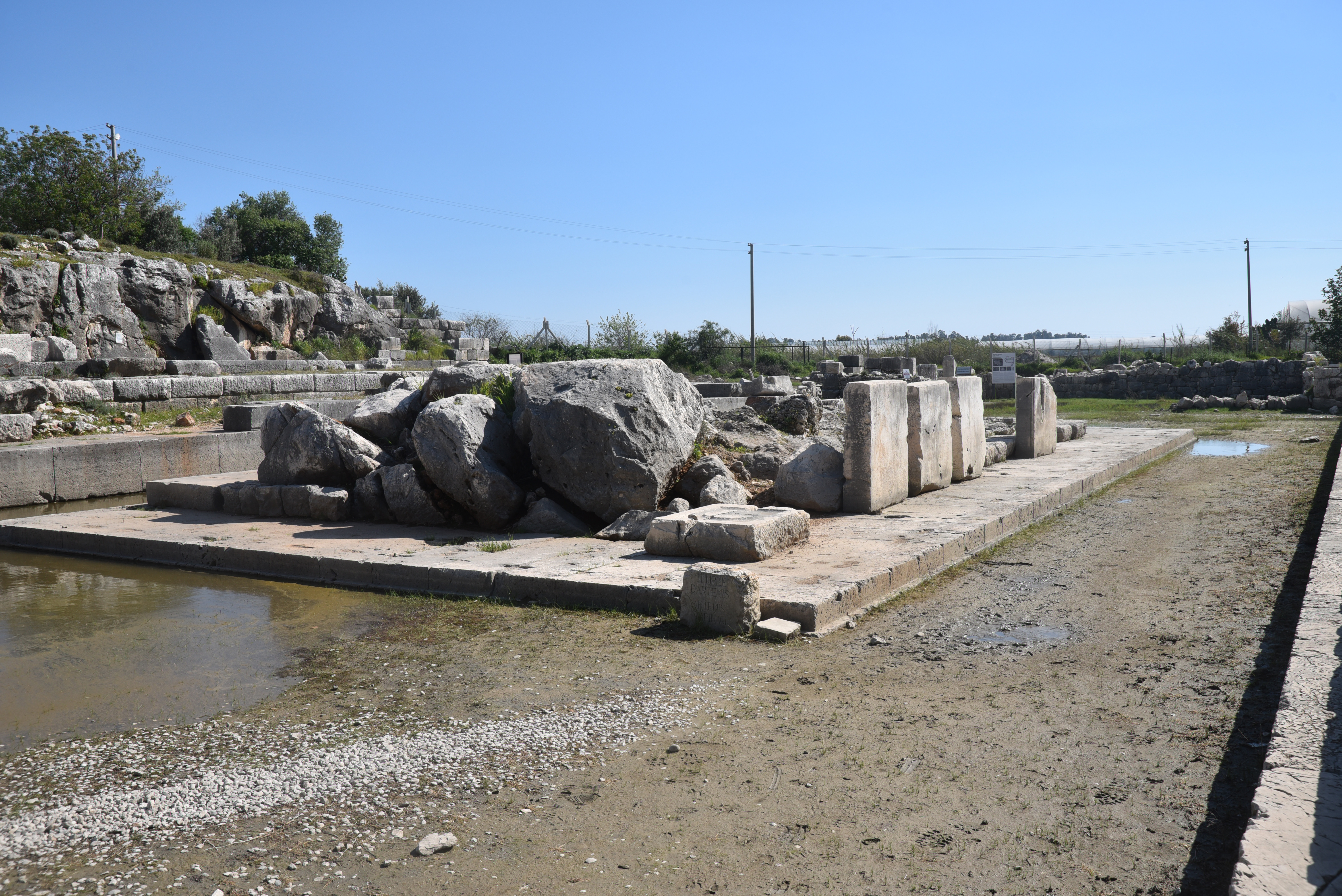
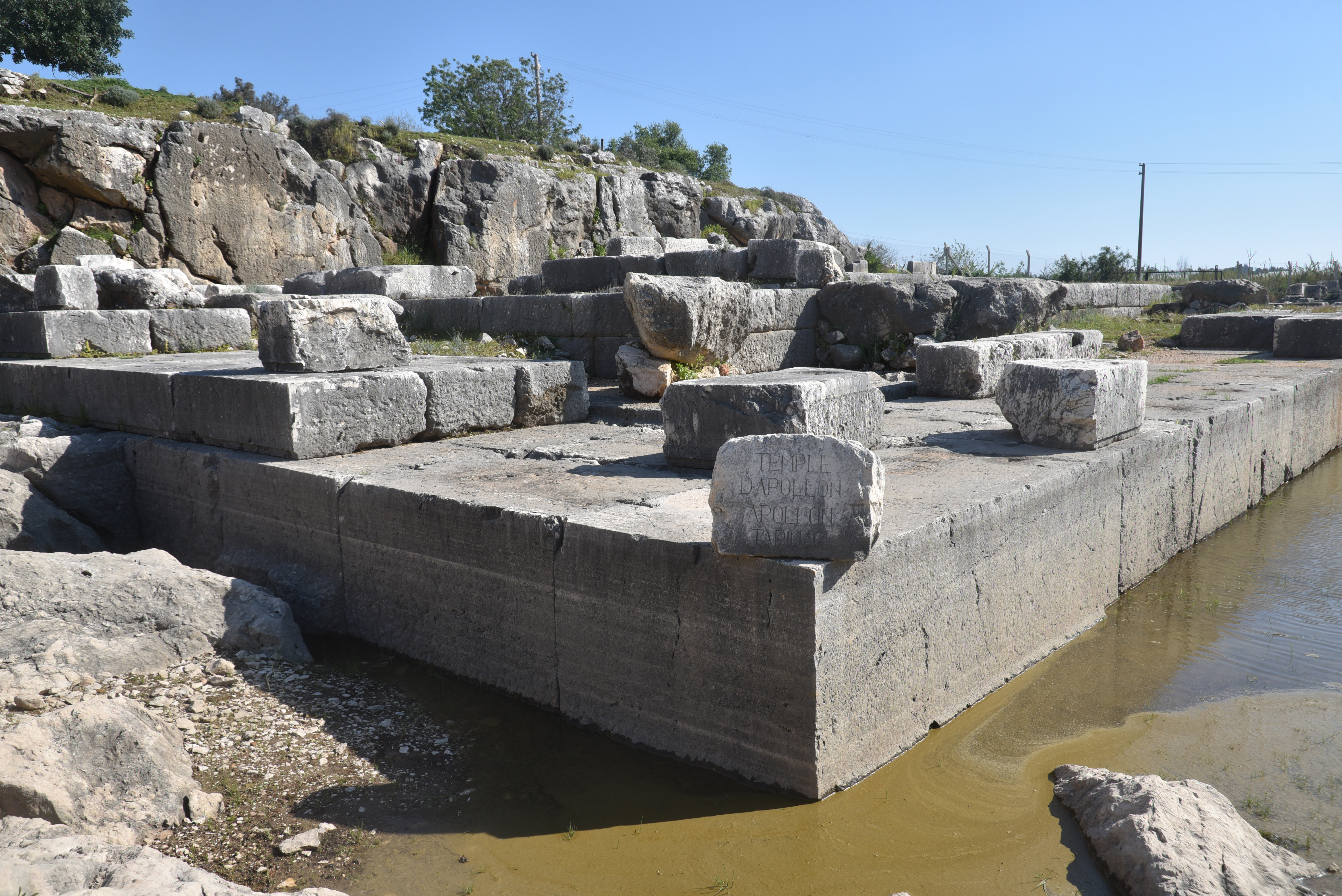
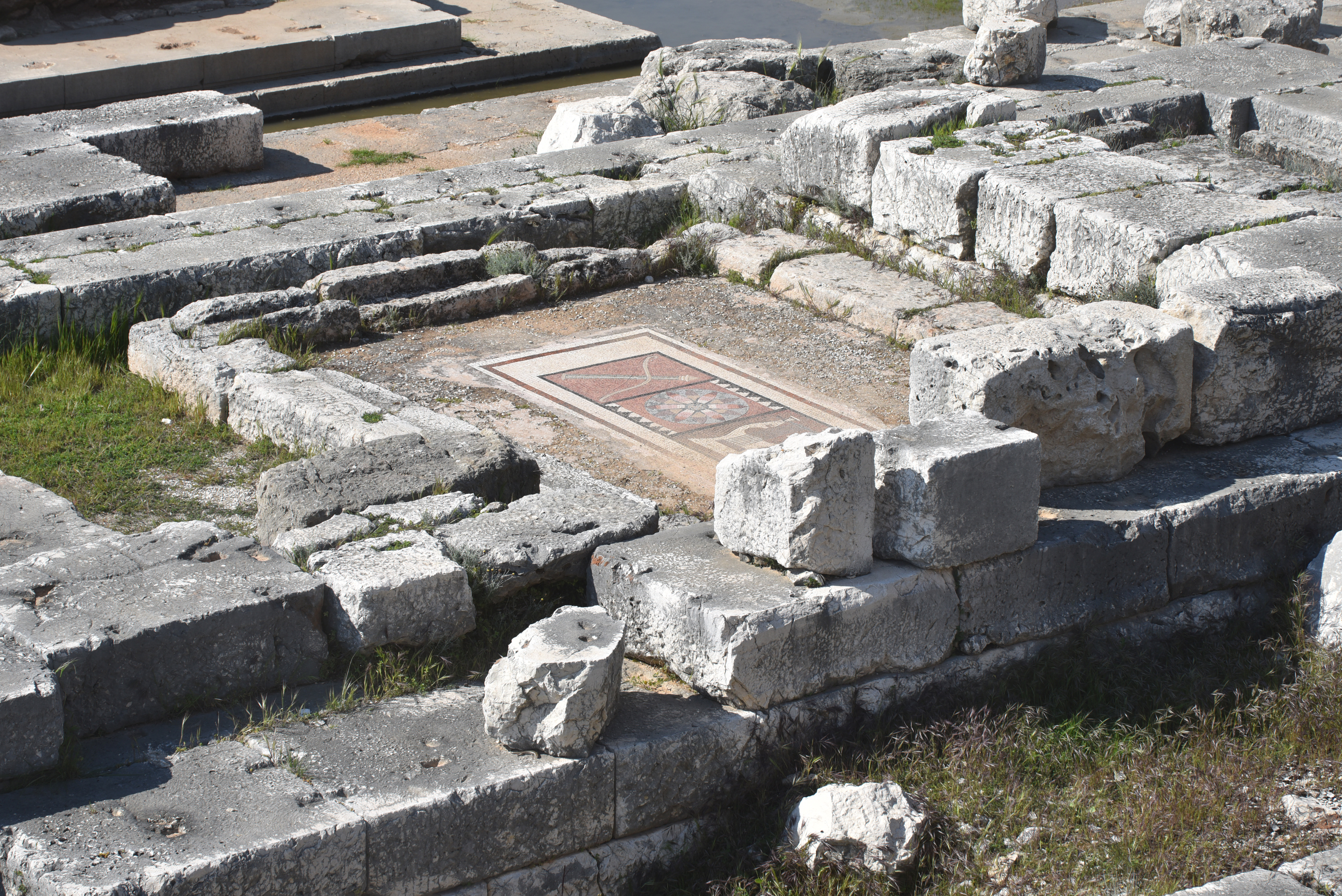
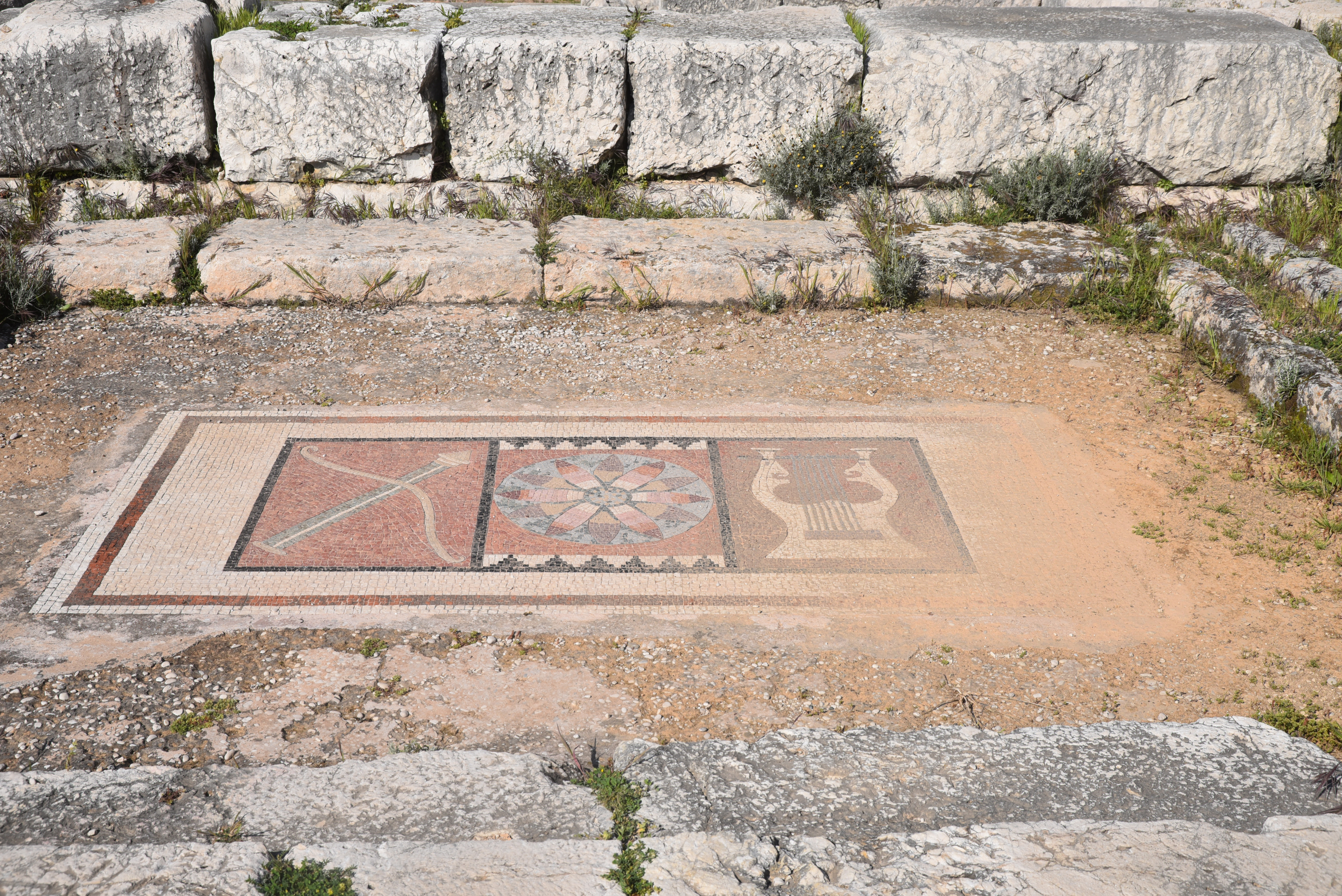
The central Temple of Artemis measured about 18.5 × 9.5 meters and incorporated a natural rock formation from an earlier sacred site within its cella. The easternmost Temple of Apollo combined Doric and Ionic styles and featured a 2nd-century BC mosaic in its cella depicting symbols associated with Artemis and Apollo. The original mosaic is preserved at the Fethiye Archaeological Museum, while a replica is displayed at the site.
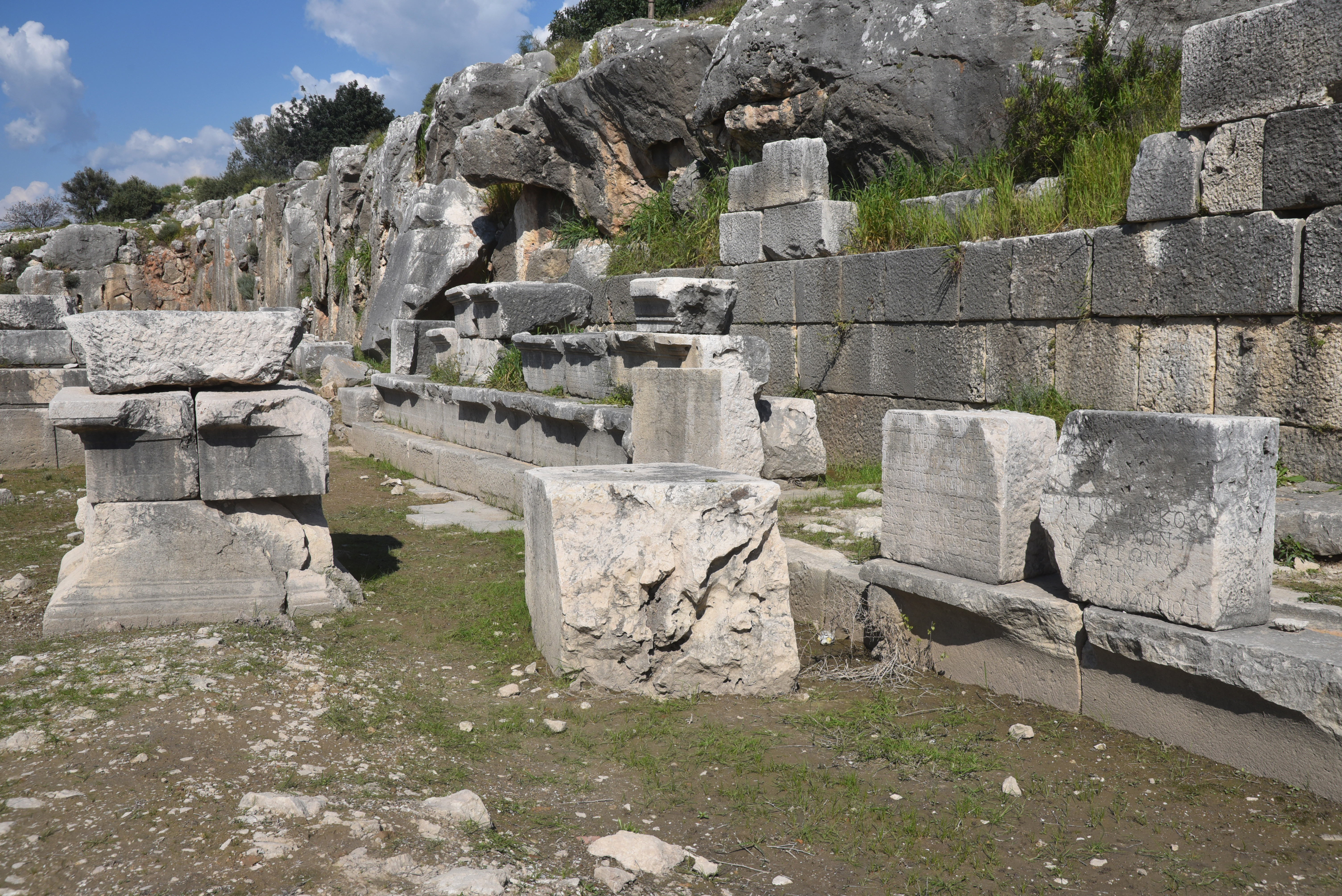
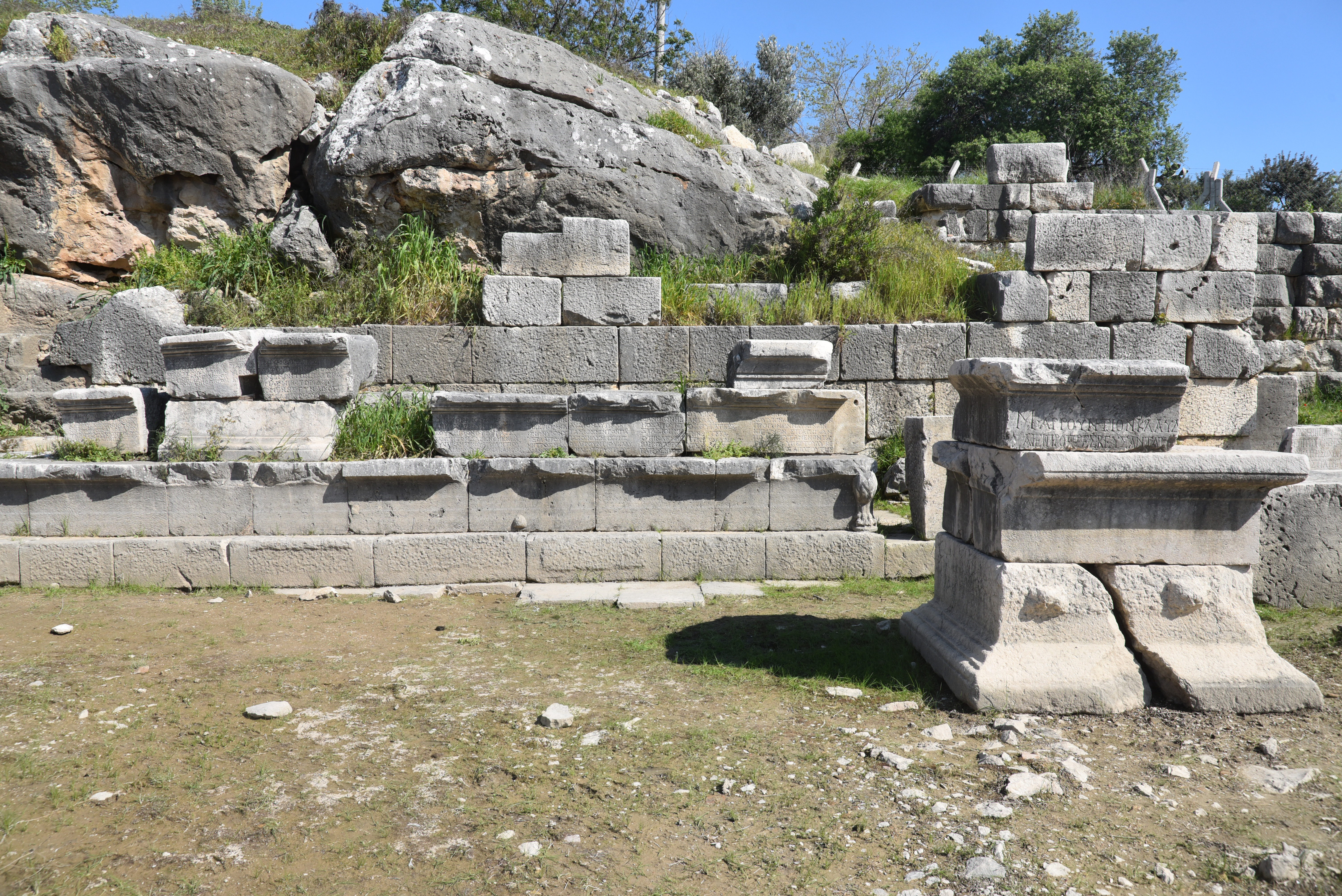
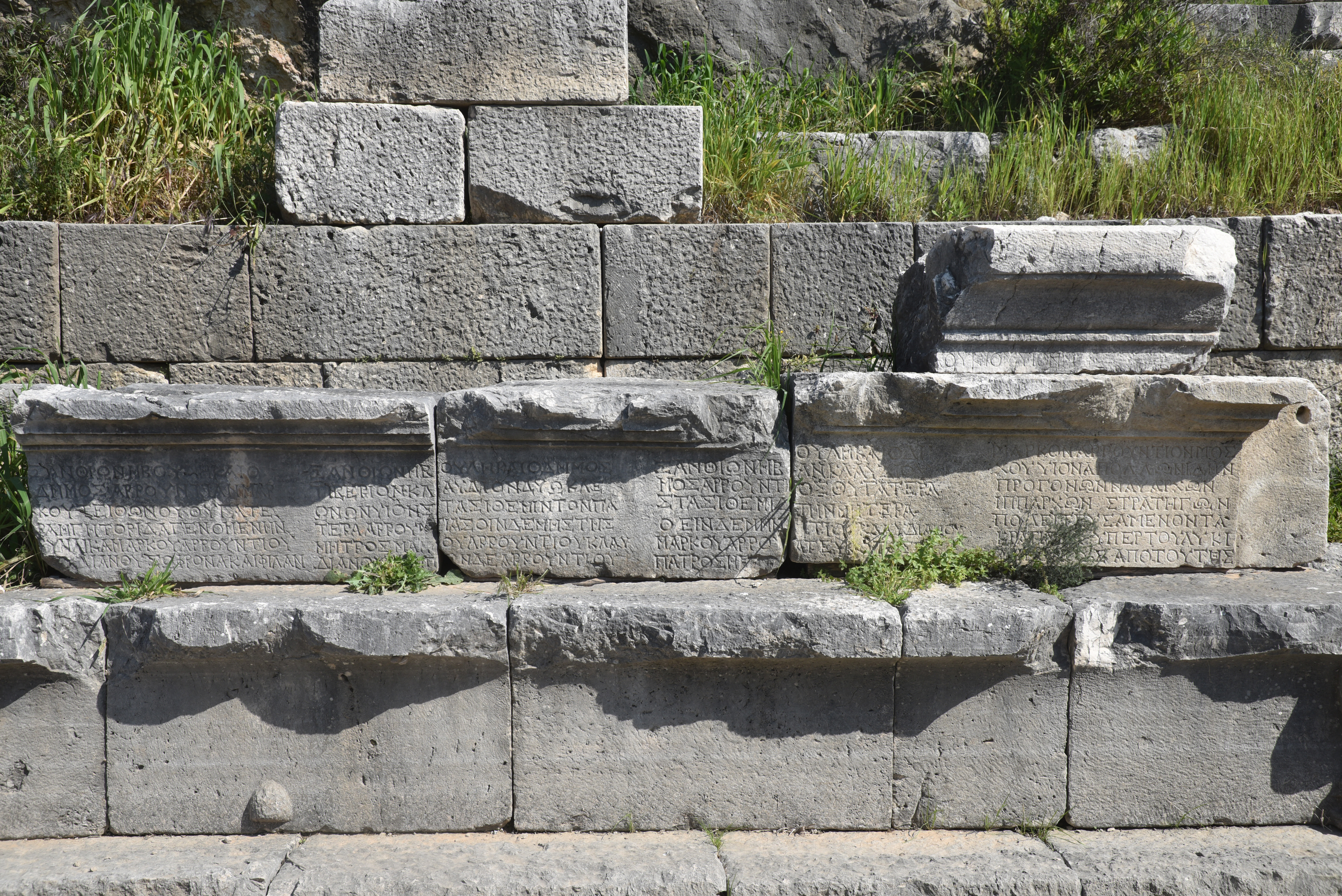
The sacred area was bordered by colonnaded porticoes from the Hellenistic period that provided shelter for visitors and a space for statues and dedications. A monumental entrance led to a paved Sacred Way towards the temples. During the Roman period, these porticoes were modified, and additional monuments were erected, including the Arruntii honorary monument near the Temple of Apollo, which honours Marcus Arruntius Claudianus and his family, significant figures from Xanthos who rose to prominence in the Roman Empire.
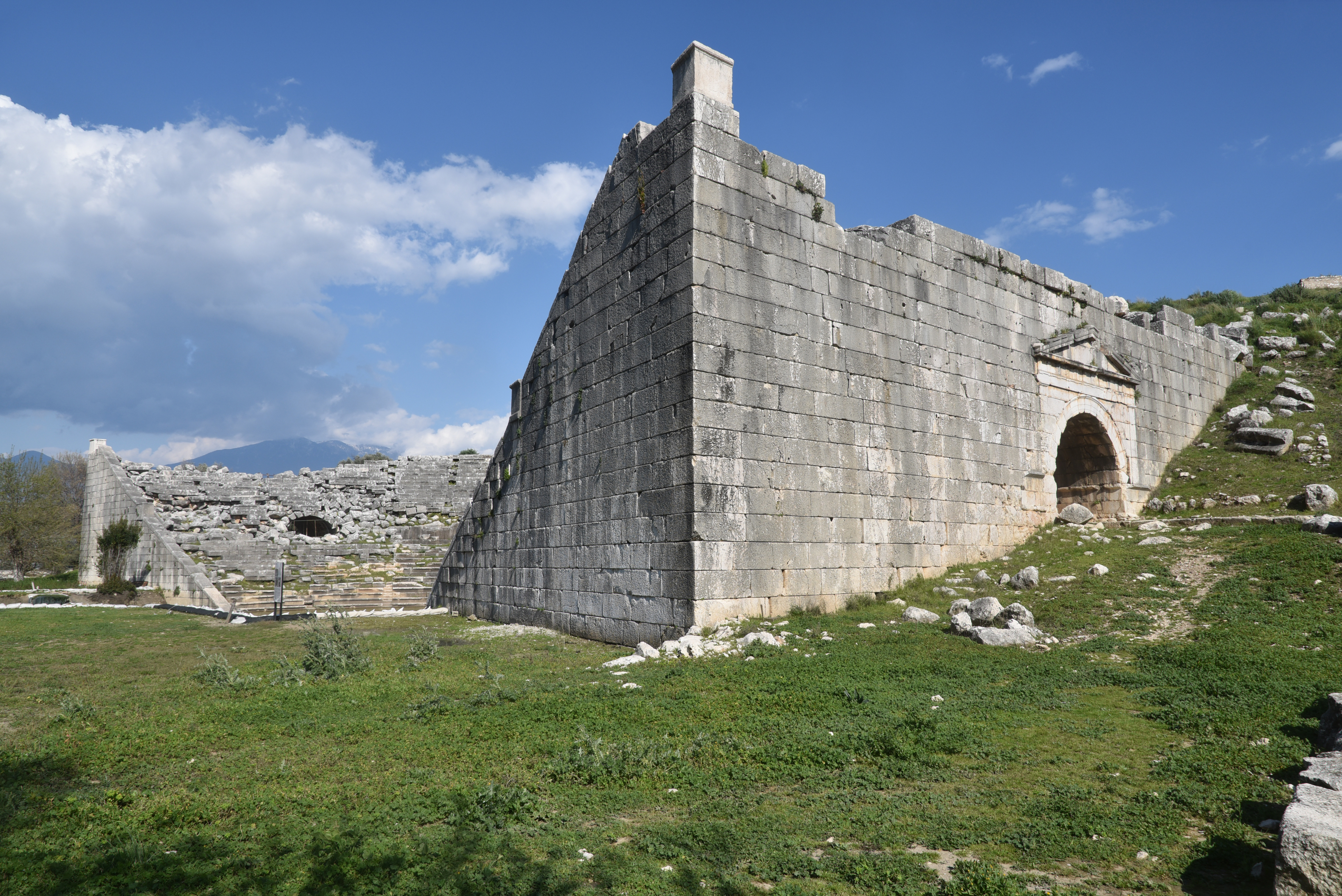
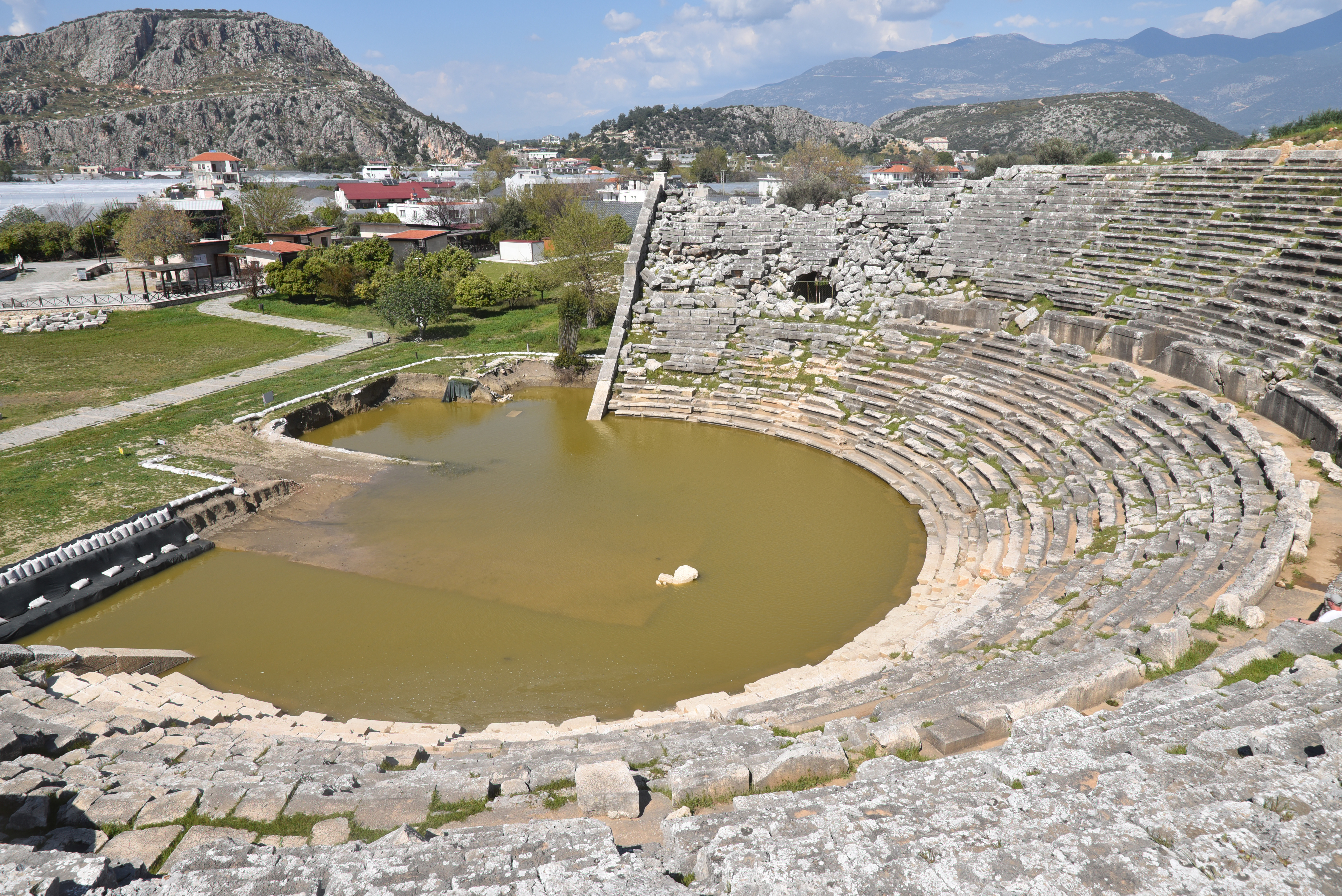
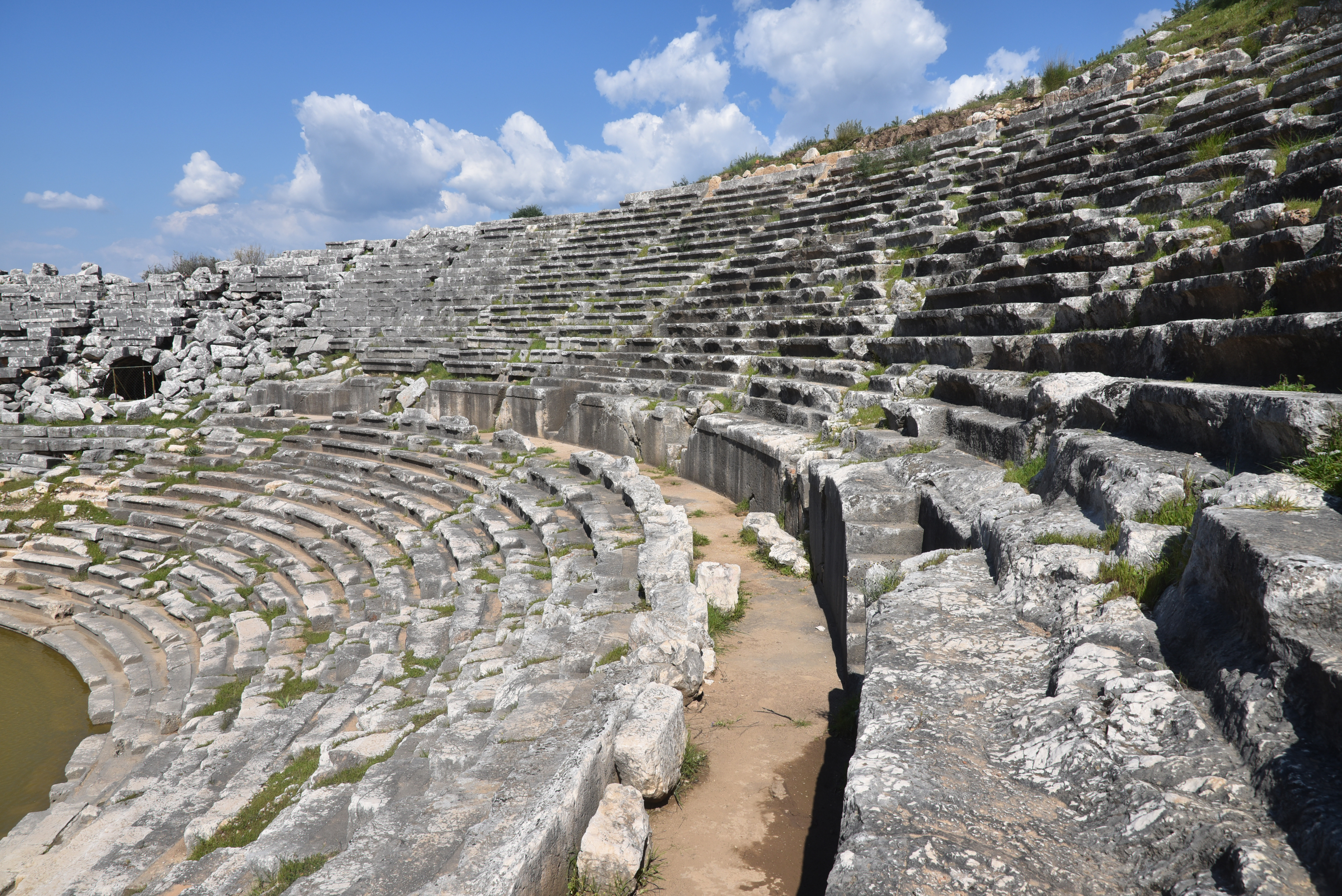
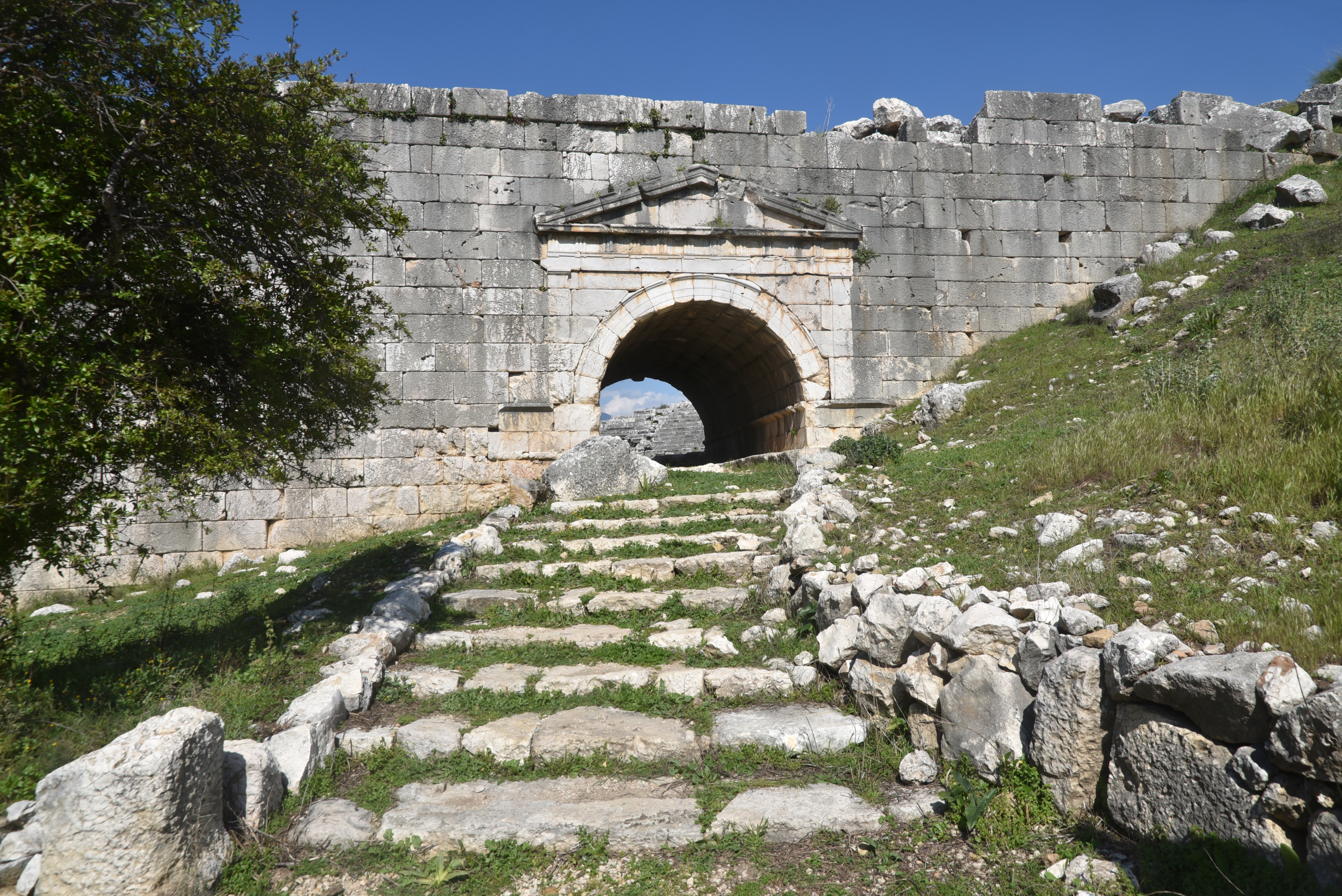
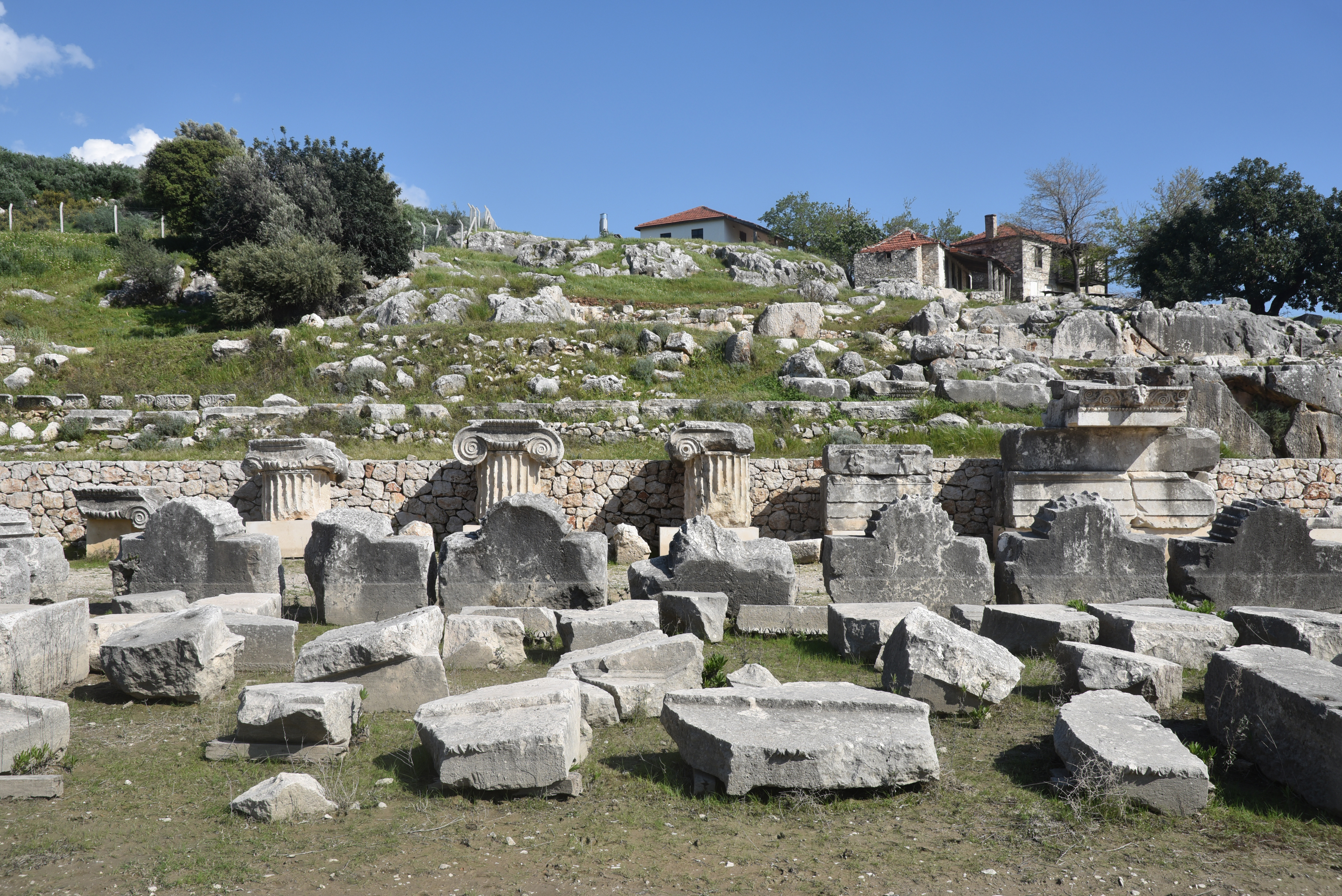
To the north of the sacred precinct lies a well-preserved Hellenistic theatre, built in the 2nd century BC and modified under Roman rule. The semicircular seating accommodated around 7,800 spectators, divided into thirty-six rows. Two monumental entrances provided access, with the southern one distinguished by a triangular pediment. The theatre likely hosted performances related to the sanctuary’s religious festivals and the Lycian League.
During the Roman Imperial period, a monumental fountain known as the Nymphaeum of Hadrian was added at the southwestern corner of the precinct. It featured a semicircular colonnaded portico overlooking a sacred spring and a central chamber dedicated to the imperial cult, which once housed a statue of Hadrian.
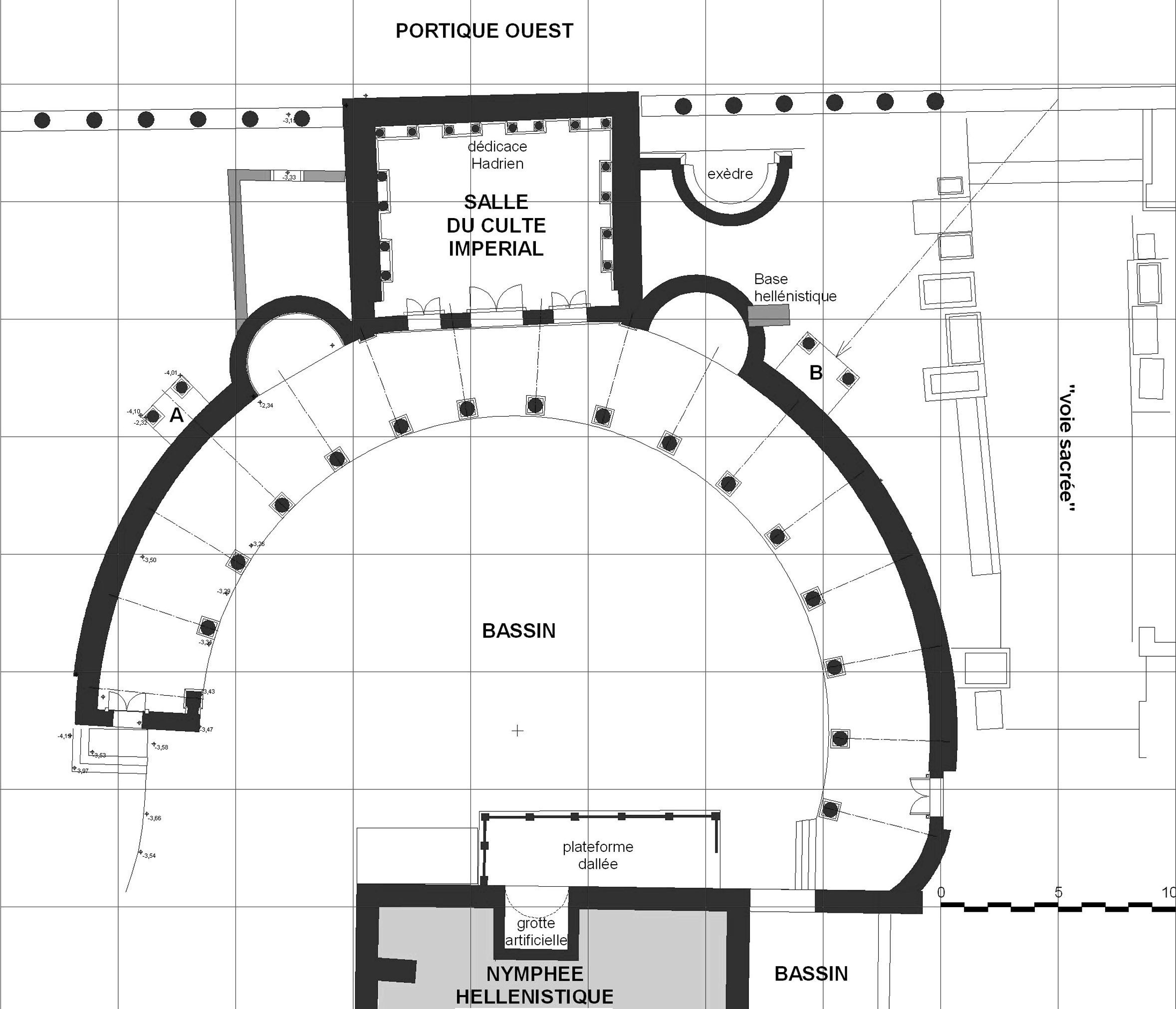
Source: Laurence Cavalier, Réflexions sur la circulation sous les portiques du Létôon de Xanthos, Fig. 2.
As Christianity spread during Late Antiquity, the sanctuary’s pagan functions diminished, and a three-aisled basilica was constructed, reusing materials from earlier buildings. The church included an apse, a baptistery, and mosaic pavements, but it changed during the Byzantine period and was largely abandoned by the 7th century AD.
French archaeological teams began investigating Letoon in the early 1960s, revealing its temples, theatre, and Roman monuments. Excavations continue under Turkish direction, enhancing the understanding of its religious evolution from indigenous Anatolian cults to Greek, Roman, and Christian worship. Today, Letoon is recognised as one of Lycia’s most significant archaeological sites.
PORTFOLIO
Links:
Bibliography:
-
Bryce, T. R. (1986). The Lycians, Volume I: The Lycians in Literary and Epigraphic Sources. Copenhagen.
-
des Courtils, J. (2003). Ksanthos ve Letoon Rehberi. Istanbul.
-
Metzger, H., ed. (1979). Fouilles de Xanthos VI: La stèle trilingue du Létôon. Paris.
-
Çevik, N. (2021). Lykia Kitabı: Arkeolojisi, Tarihi ve Kültürüyle Batı Antalya. Ankara.
-
Yenel, A., & Bahçeci, M. (2020). “Site Management Strategies for UNESCO World Heritage Sites: The Case of the Letoon Sanctuary in Turkey.” Athens Journal of Tourism, 7(4), 227–258. https://doi.org/10.30958/ajt.7-4-3

