
The rock of Masada, located at the eastern edge of the Judean desert, is a place of majestic beauty. With a sheer drop of more than 400 m (1,300 ft) overlooking the Dead Sea, Masada is the most spectacular site in Israel and the scene of one of the most dramatic episodes in the country’s history.
Coordinates: 31° 18′ 56″ N, 35° 21′ 14″ E
Masada (which derives from a Hebrew word for “fortress”) was first fortified by Alexander Jannaeus (103-76 BC), one of the kings of the Hasmonean dynasty. The only written source on the history of Masada comes from Flavius Josephus‘ The Jewish War. Herod the Great captured it during the power struggle which followed the murder of his father, Antipater, in 43 BC. Under the influence of Rome, King Herod the Great built a series of palaces and buildings for himself and planned the fortress as a last refuge in the event of a revolt. Masada’s most impressive structure is his Northern Palace, constructed against the northern cliff face. It was built on three rock terraces, each containing grand rooms and supported by gigantic retaining walls to expand their size.
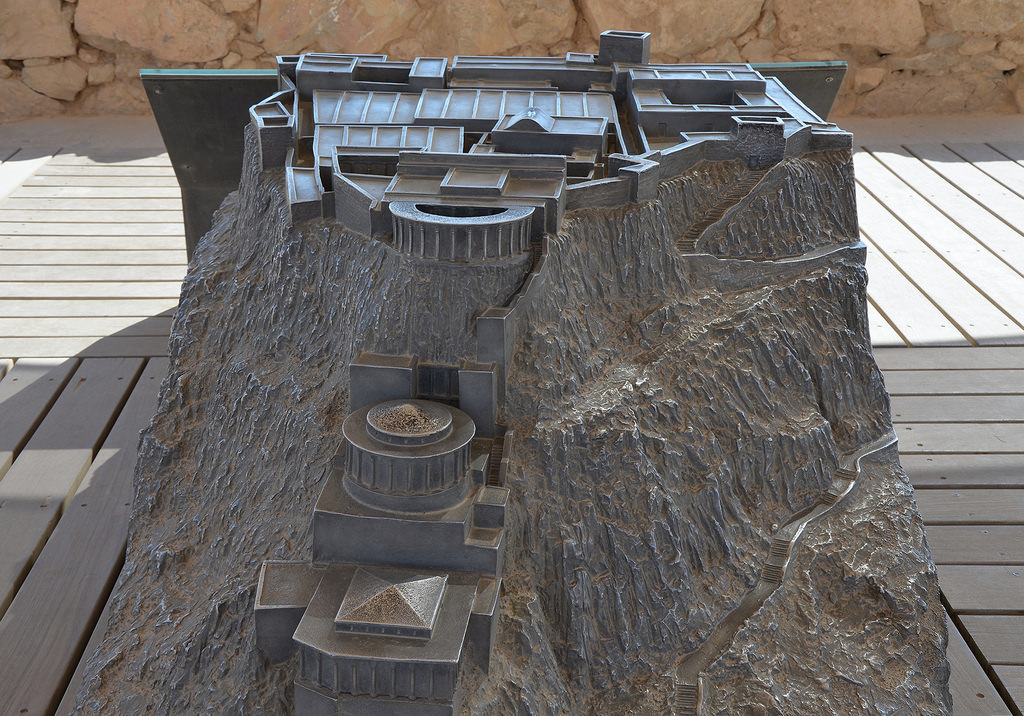
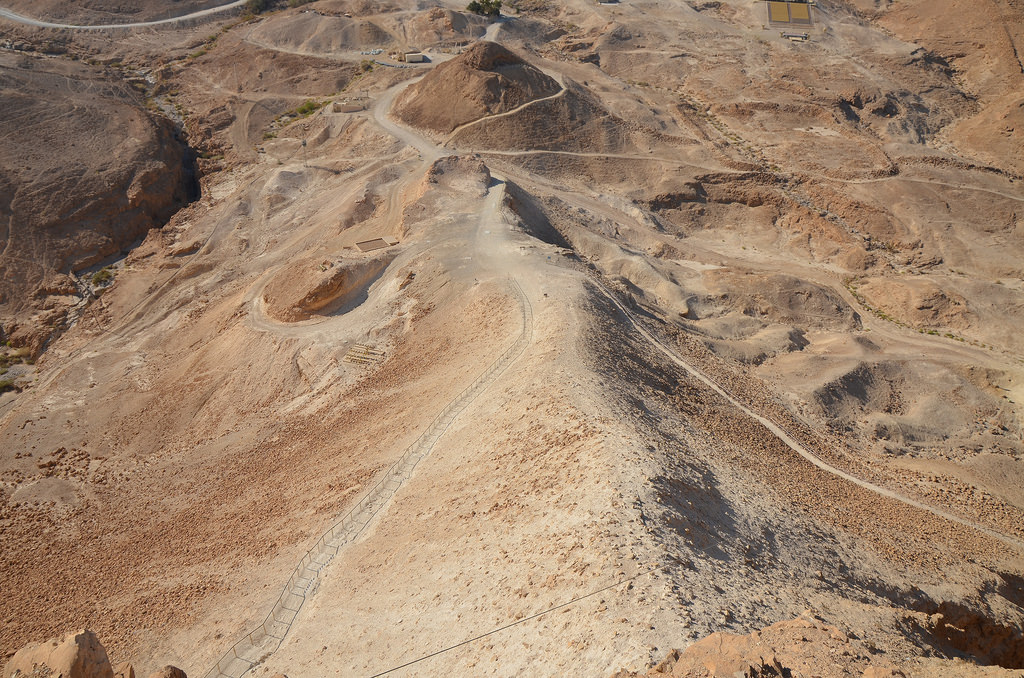
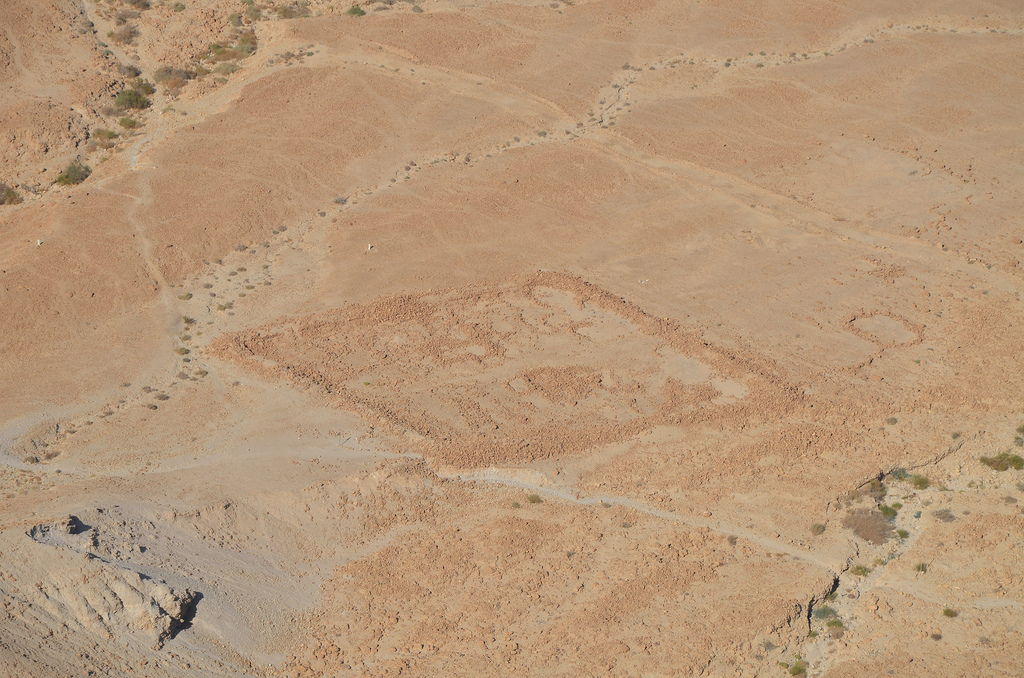
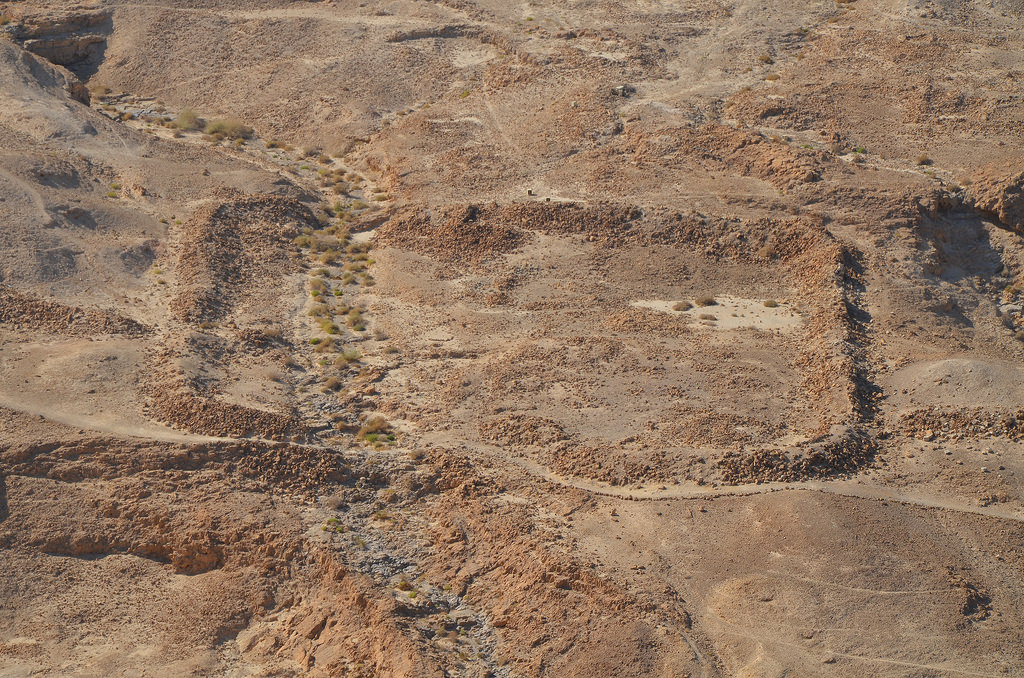
From AD 6, the Romans controlled Masada, but in the summer of AD 66, it became a place of refuge for Jewish rebels during the Great Jewish Revolt. The rebels turned the palaces into command posts and used them as public buildings. In AD 73, the Roman governor of Judea, Lucius Flavius Silva, headed the Legio X Fretensis and laid siege to Masada. The Romans reached the steep fortress after constructing a huge earthen ramp on its western side. The remains of the Roman siege are the most complete examples of such a siege in the world. The siege ended tragically for the zealots, who decided to commit suicide rather than be captured by the Romans.
Declared a World Heritage Site in 2001, Masada National Park features a Visitors’ Center, a fascinating interactive museum showcasing archaeological finds unearthed at Masada, and a thrilling audiovisual production.
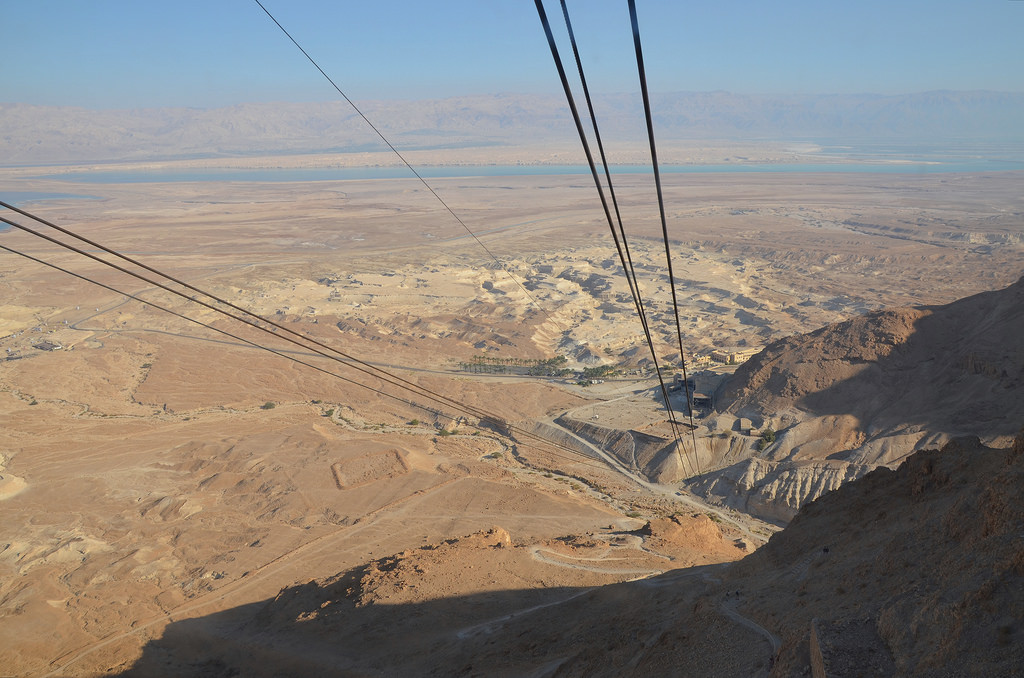
Visitors to Masada will find three ways to reach the fortress; on foot by hiking up the steep “snake path” on the east side, via the siege ramp on the west side or by cable car.
PORtFOLIO
THE WESTERN PALACE

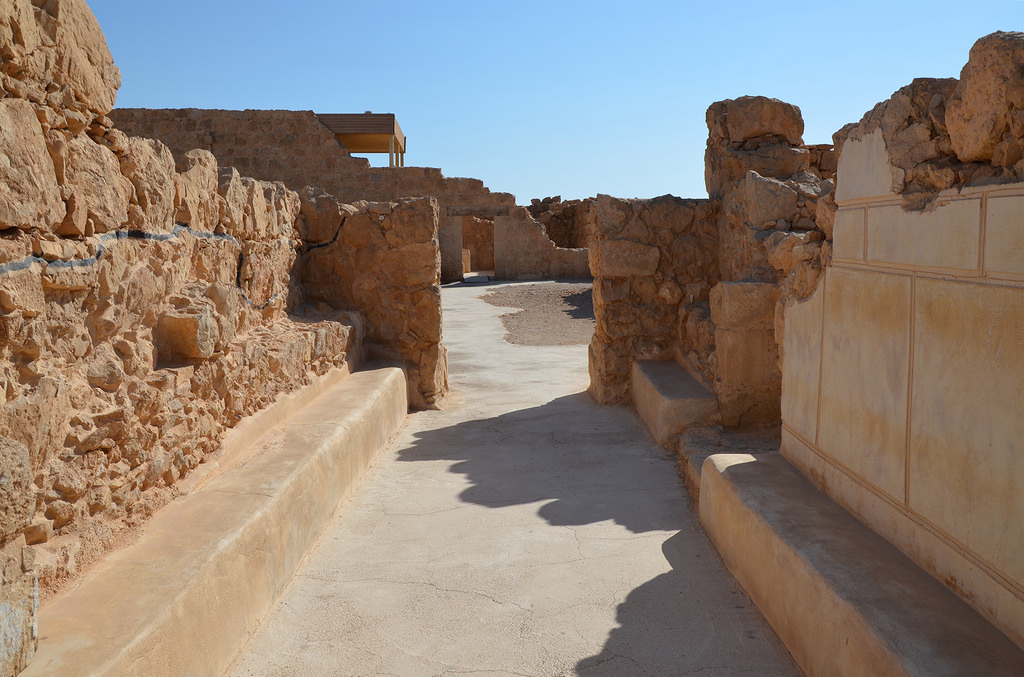
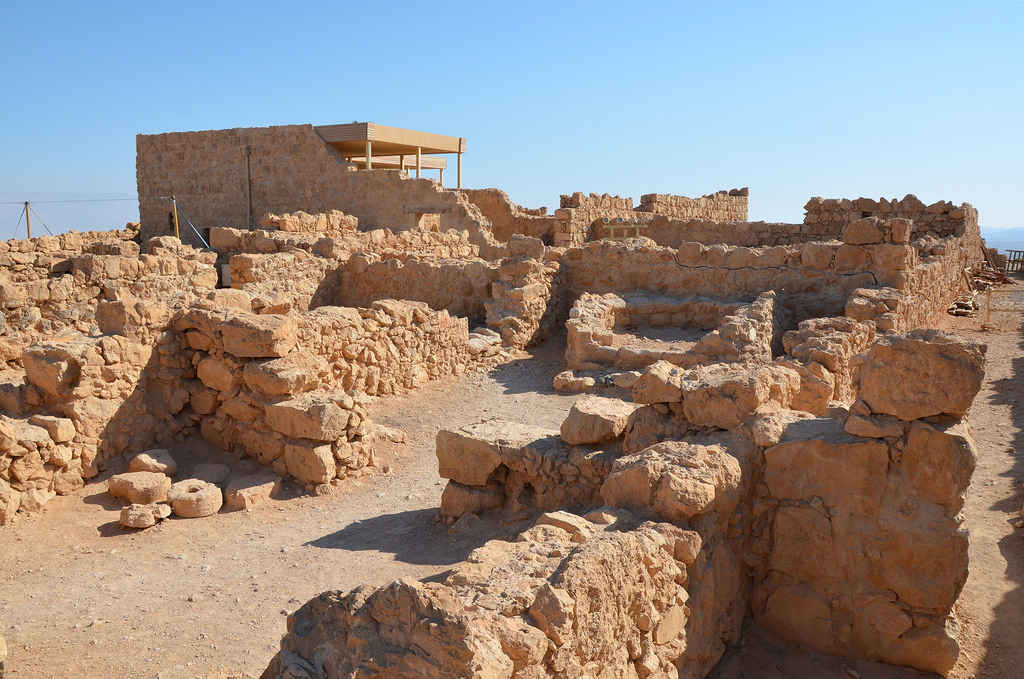
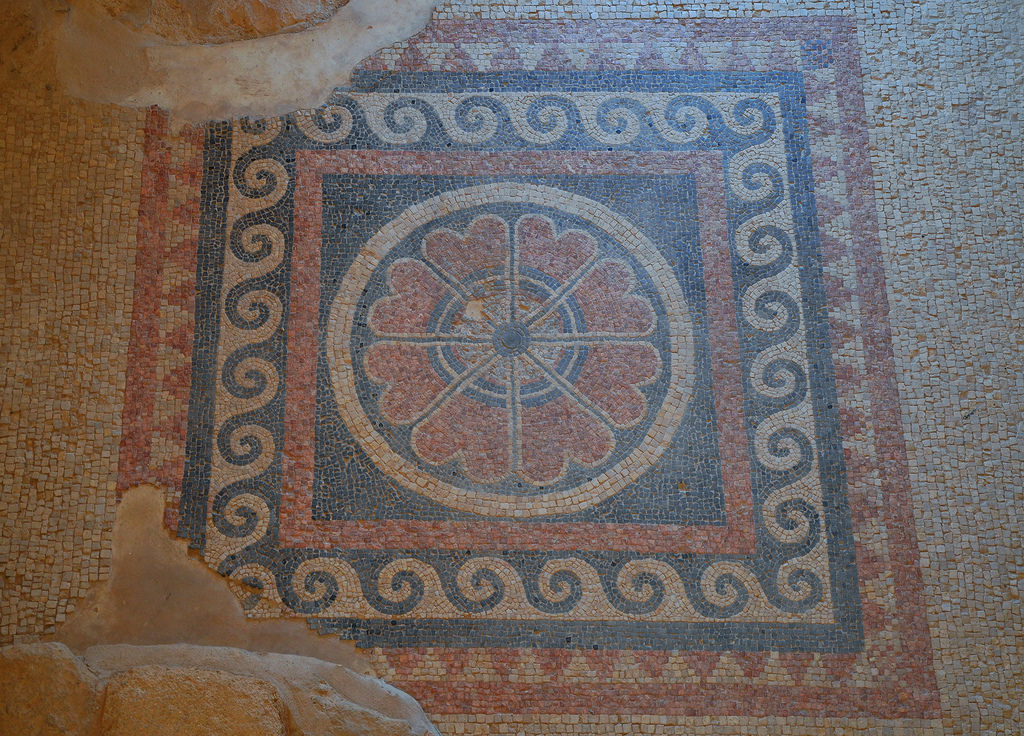
THE NORTHERN PALACE
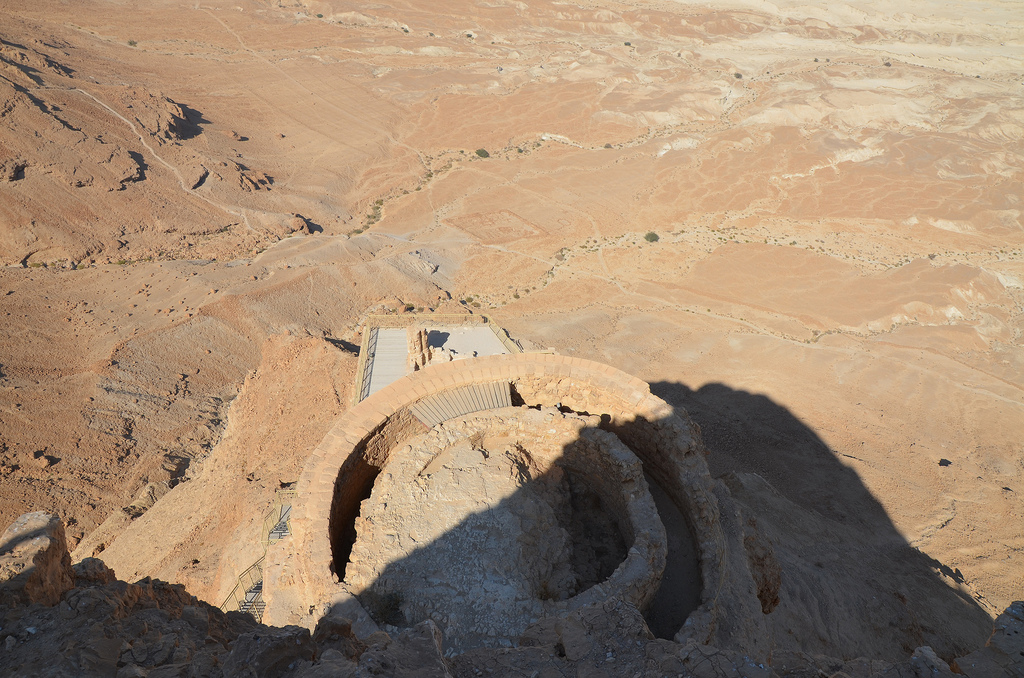

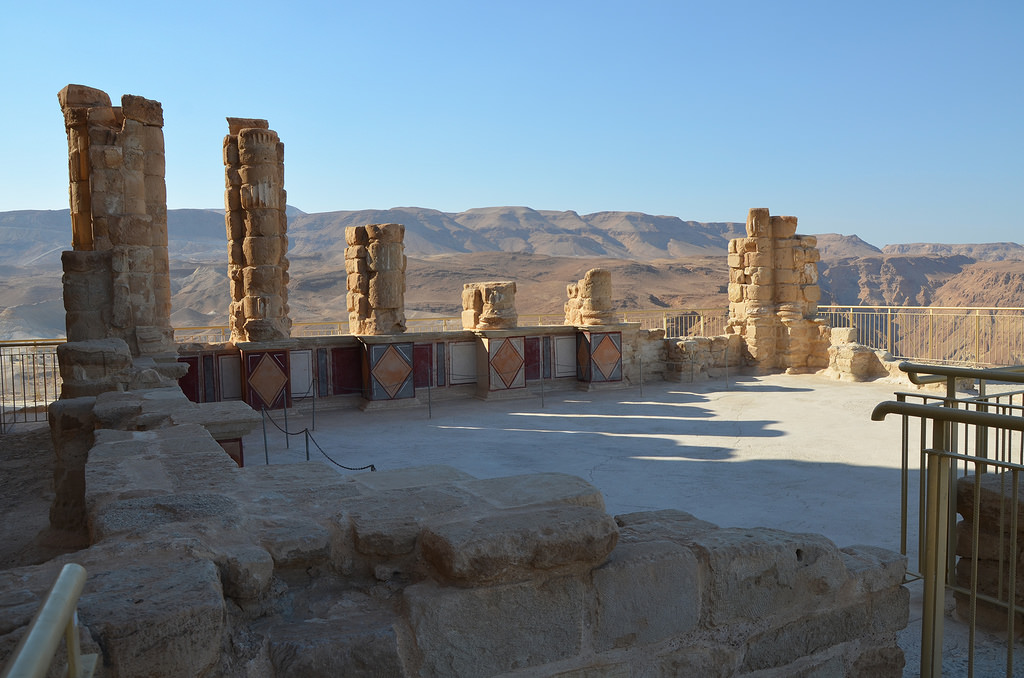


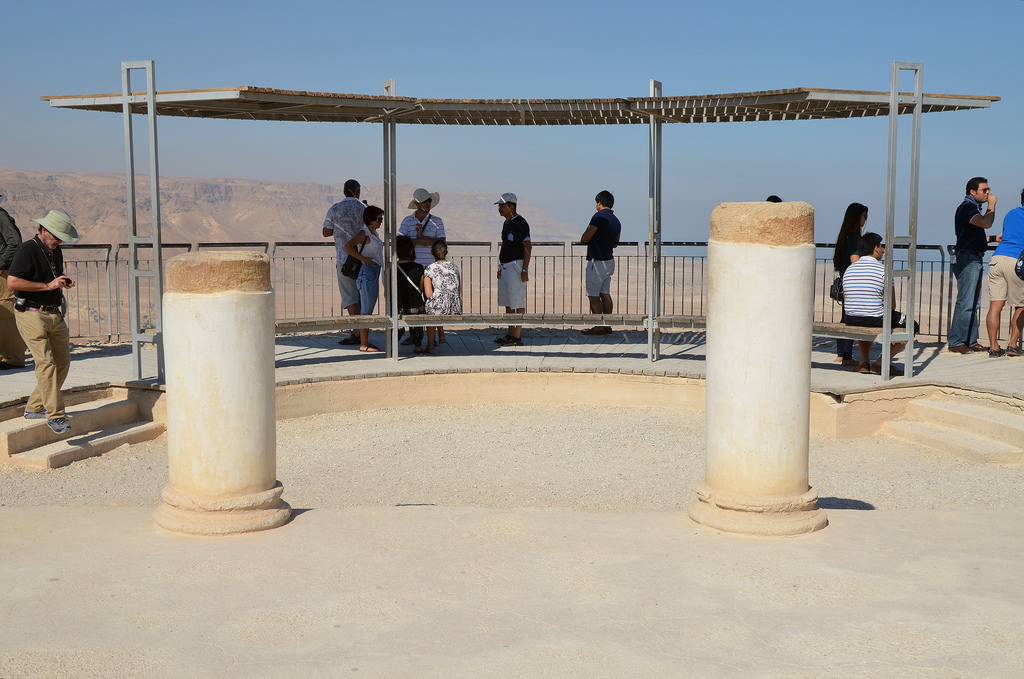
THE LARGE BATHHOUSE


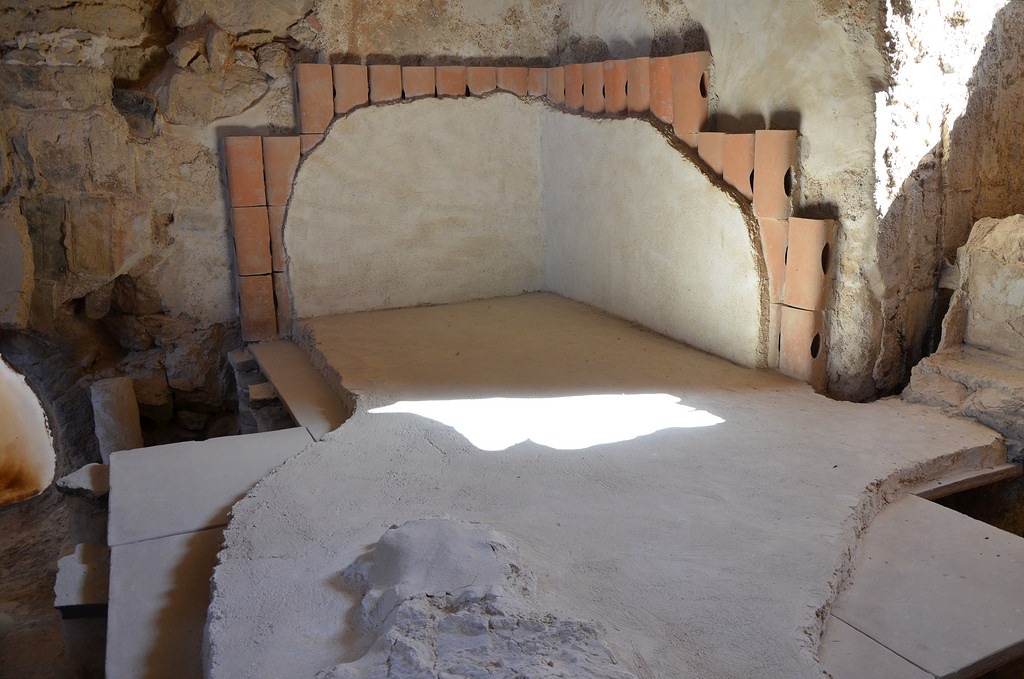
THE COMMANDANT’S RESIDENCE


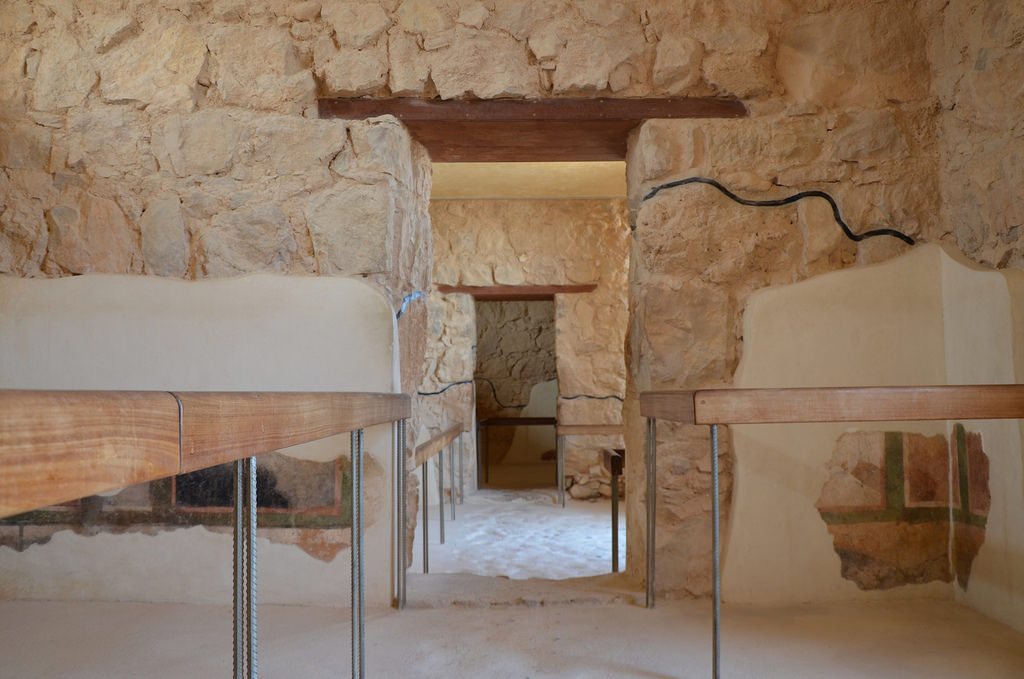
THE STOREROOMS COMPLEX

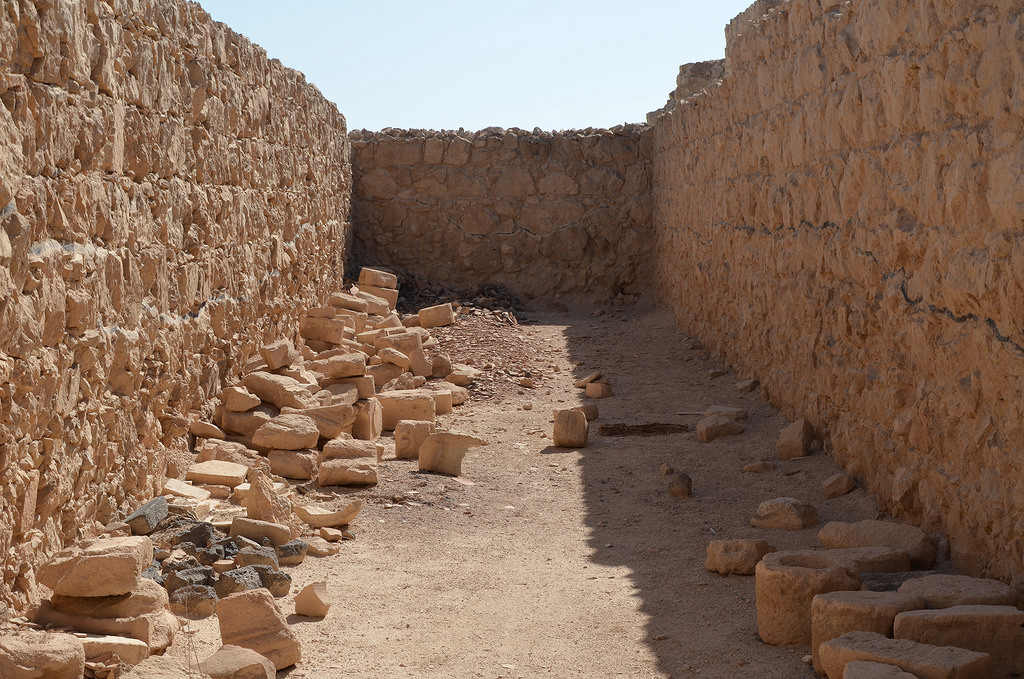
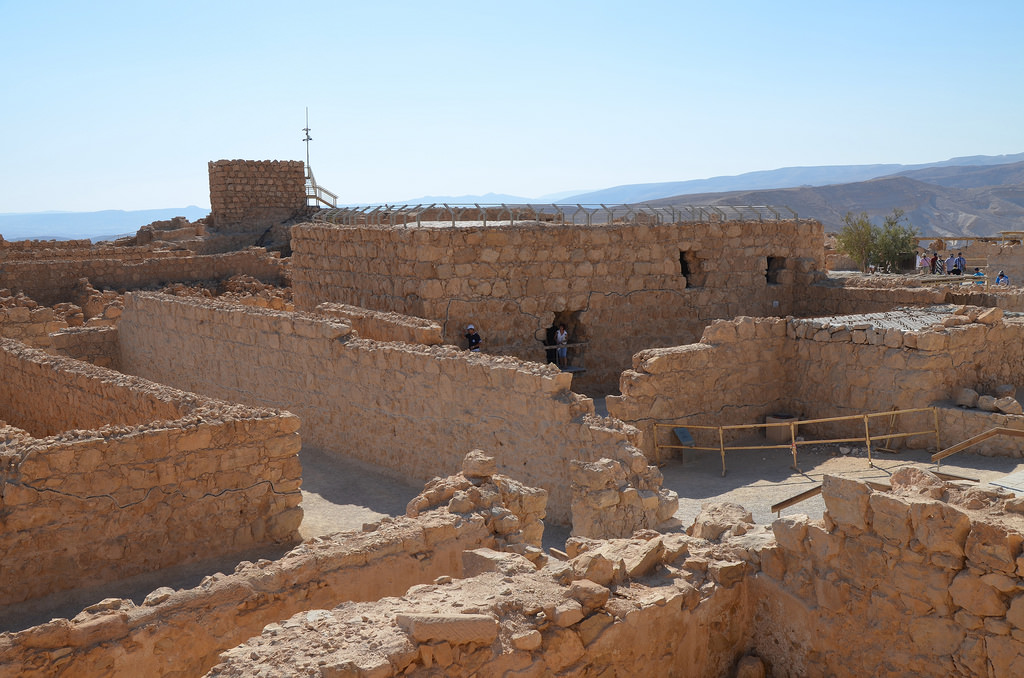
THE OFFICERS BARRACKS

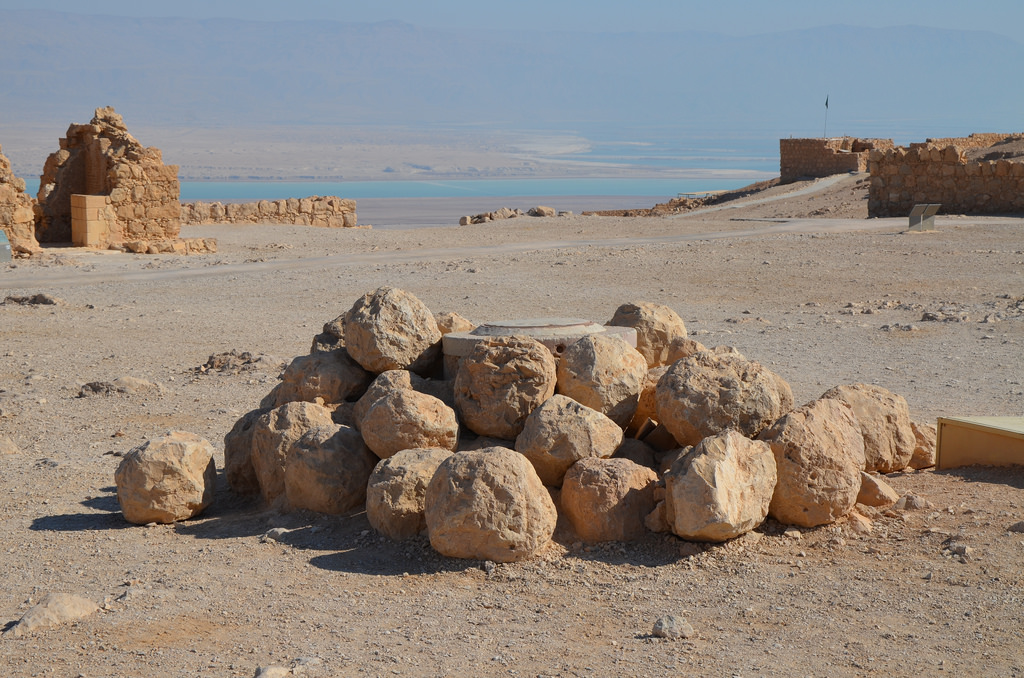
THE CISTERNS
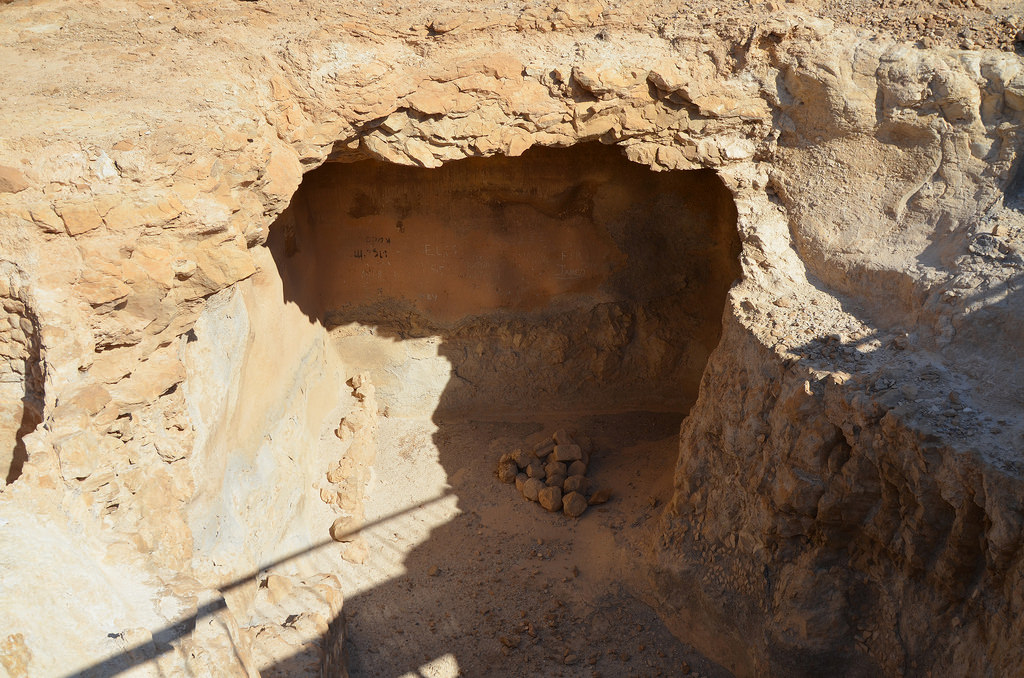
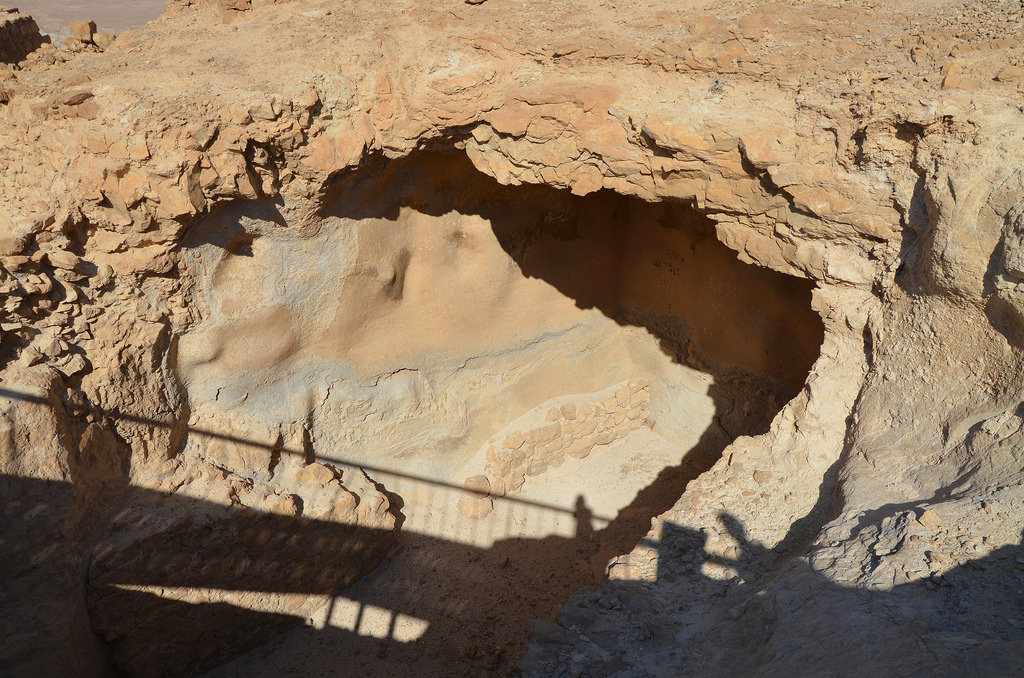
THE COLUMBARIUM TOWERS


THE DEFENSE WALLS AND GATES

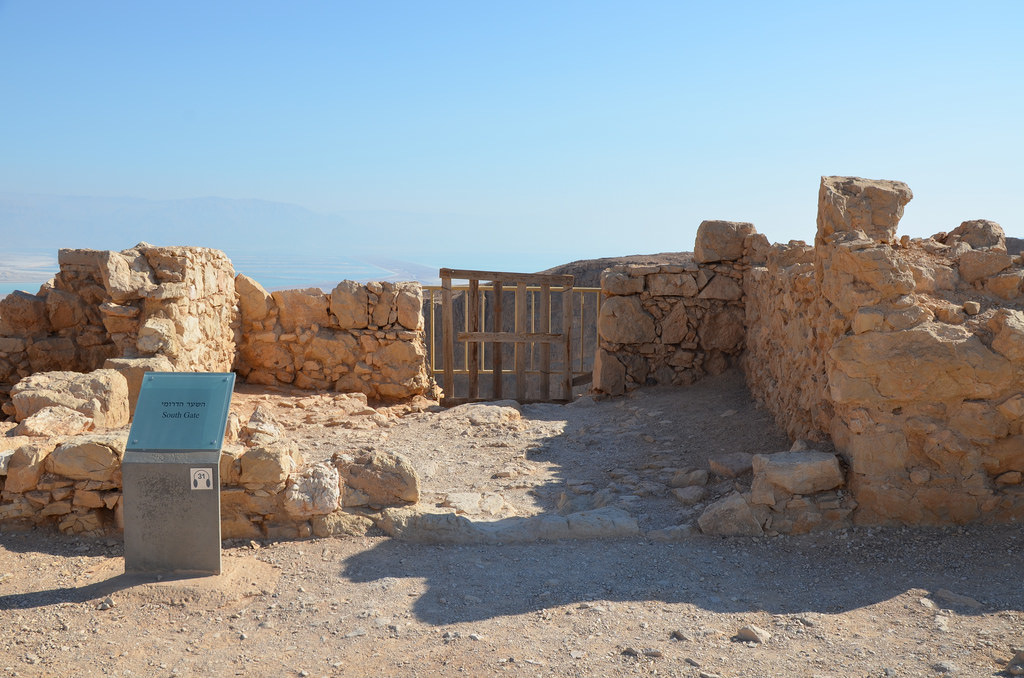
THE ROMAN SIEGE RAMP AND CAMPS




Links:
-
- World History Encyclopedia
- The Princeton Encyclopedia of Classical Sites
- The Project Gutenberg EBook of The Wars of the Jews or History of the Destruction of Jerusalem, by Flavius Josephus
Bibliography:
- Yadin, Yigael. Masada: Herod’s Fortress and the Zealots’ Last Stand. London, 1966




 following hadrian photography