Kanytelis was an ancient inland town in Cilicia, established during the Hellenistic period around a large karstic sinkhole that is approximately 70 meters deep and 160 meters wide. Today, its ruins are situated in a rural area near the town of Erdemli, about 55 kilometres west of Mersin, on Turkey’s rugged eastern Mediterranean coastline.
Notable archaeological features of Kanytelis include the Hellenistic Tower of Zeus Olbios, the Armaronxas Family Relief, the Papylos Basilica, the Aba mausoleum, and the Çanakçı rock tombs. Some of the best-preserved structures are the three-aisled basilicas built by Theodosius II during his reign from AD 402 to 450, when the town became a Christian religious centre and was renamed Neapolis.
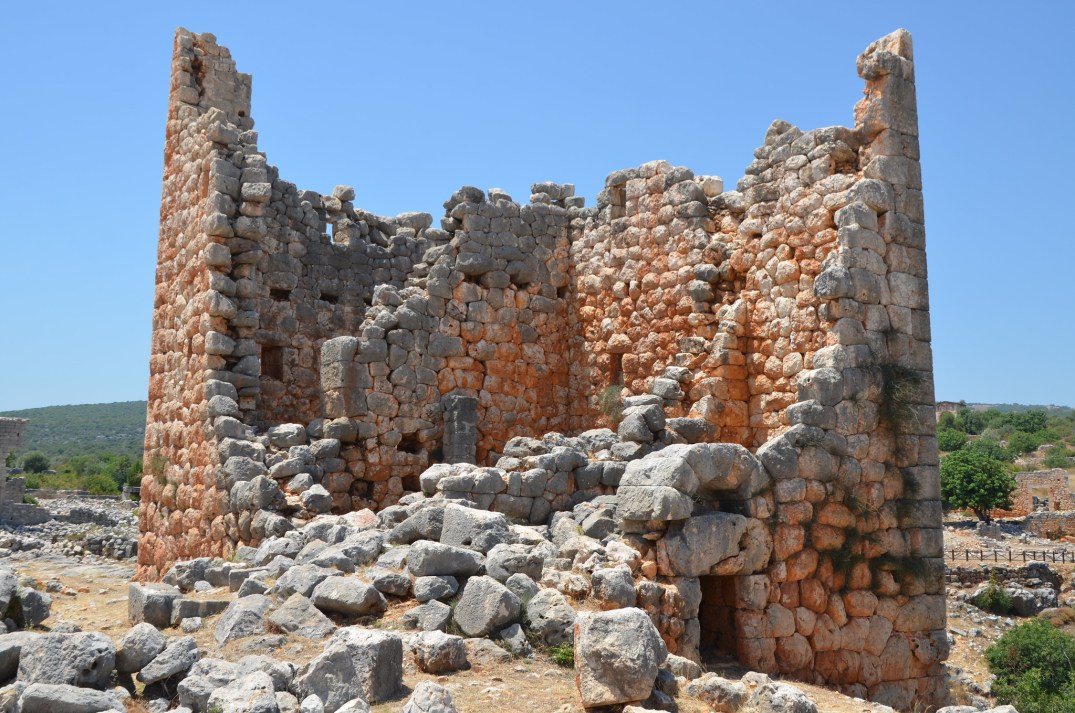
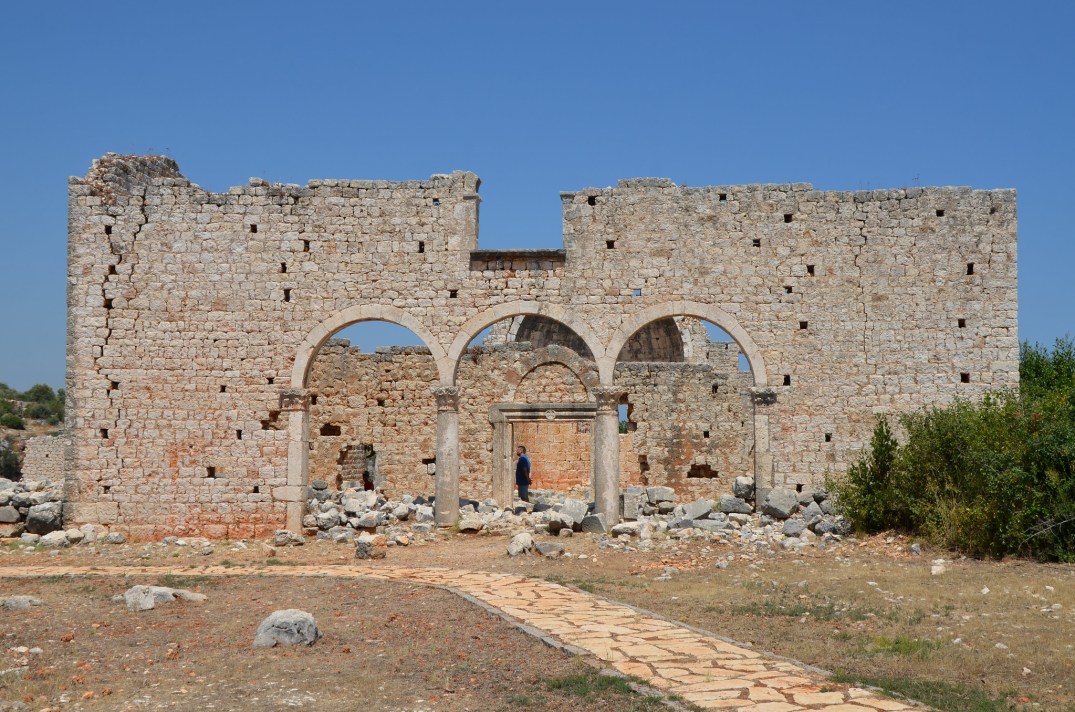
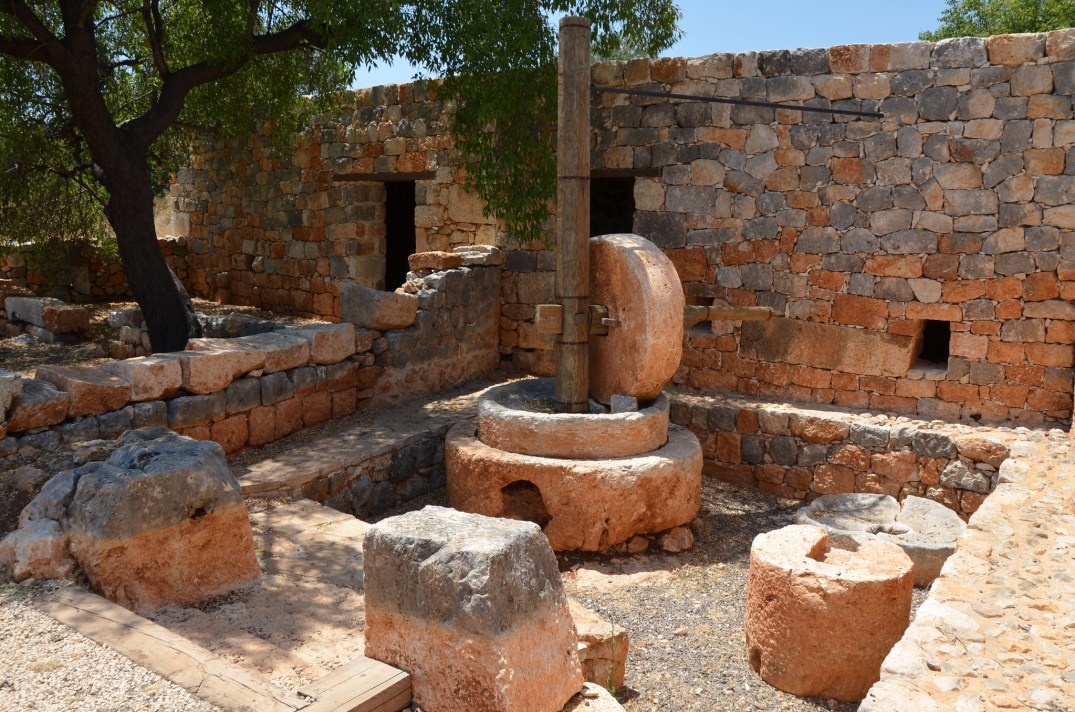
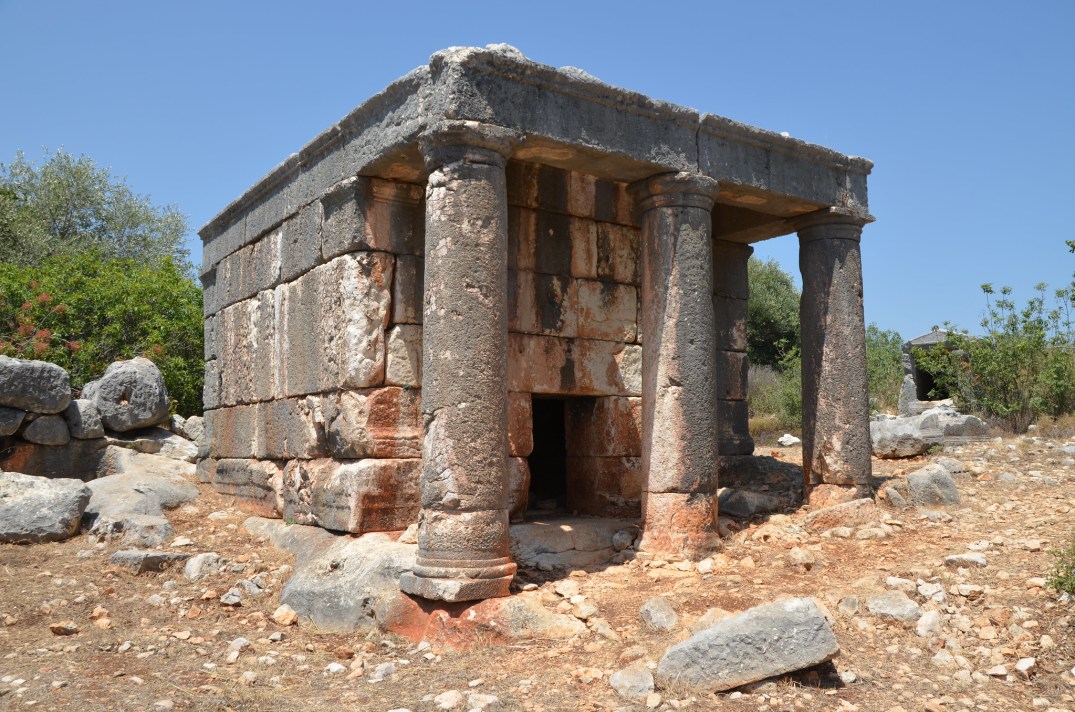
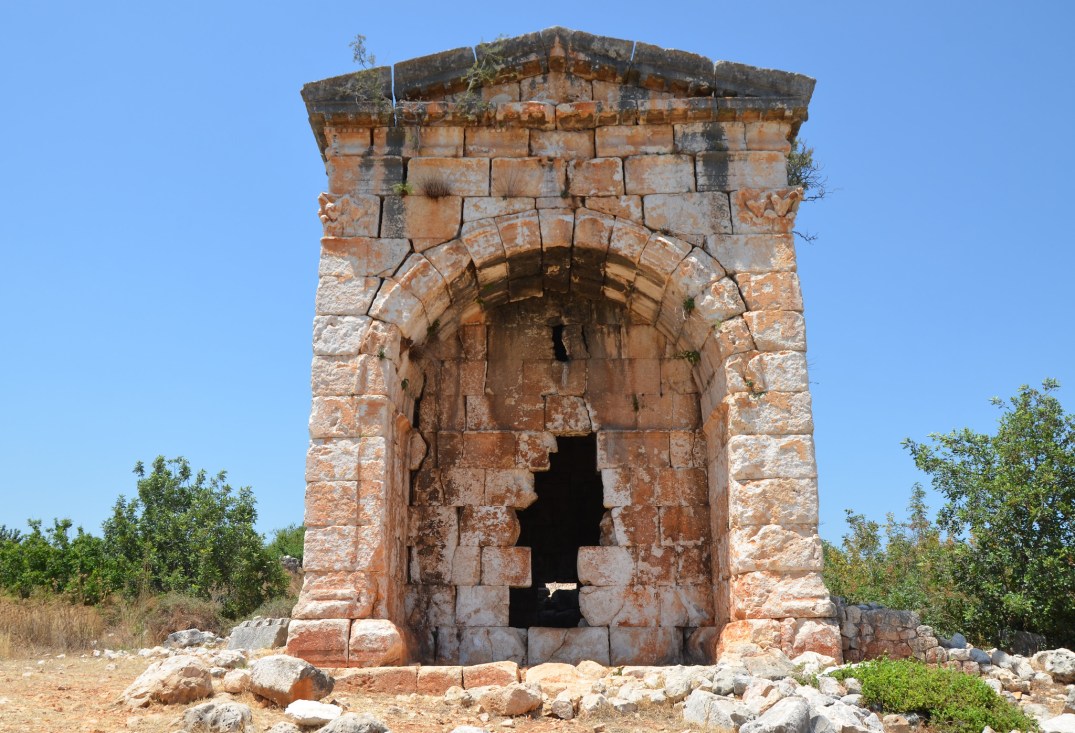
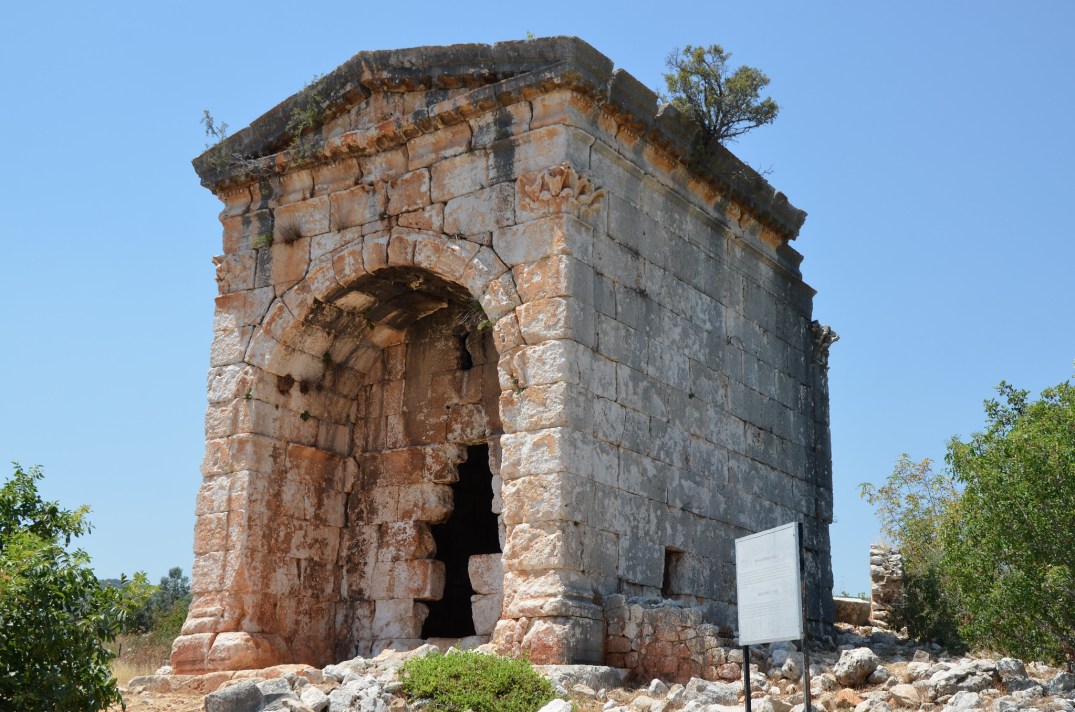
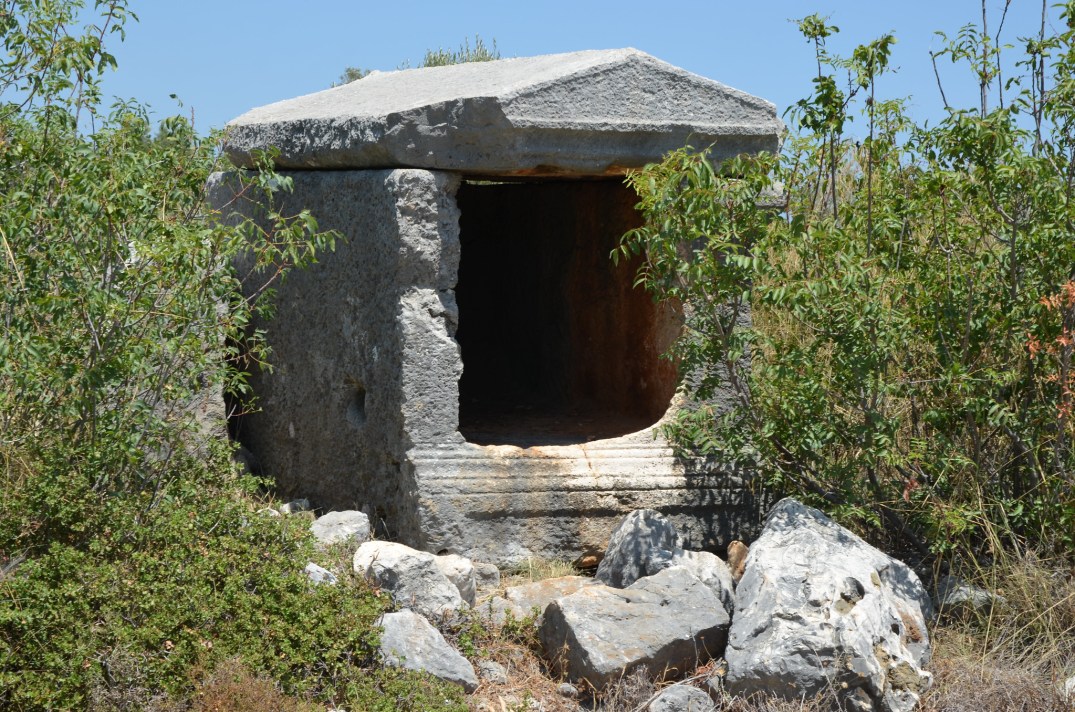
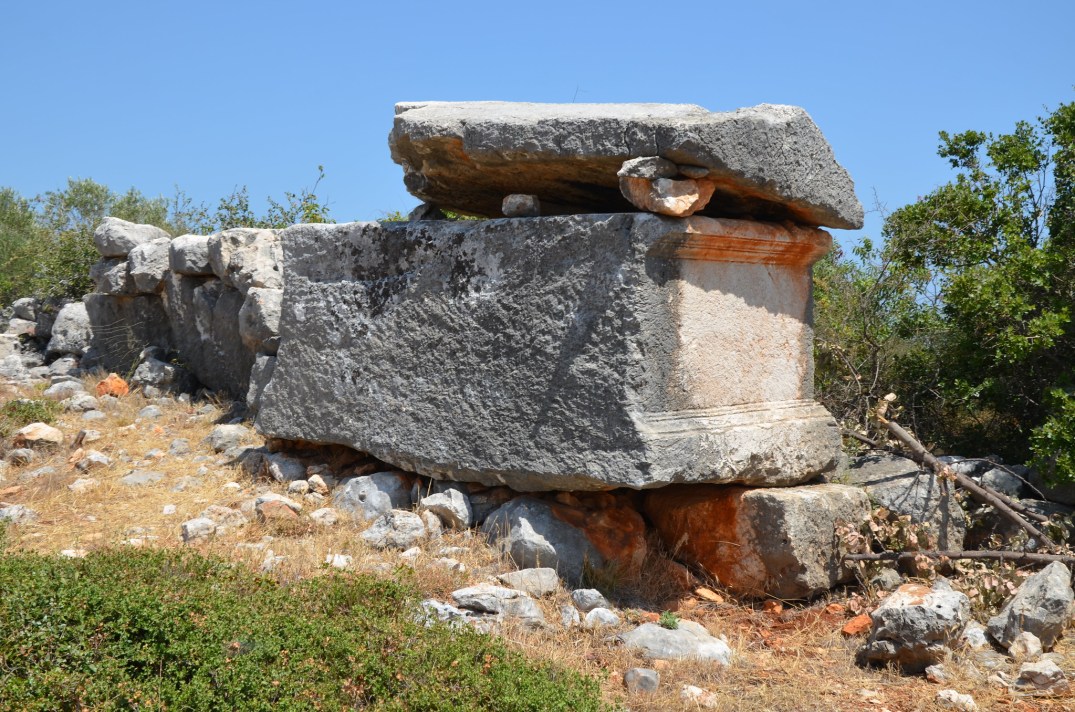
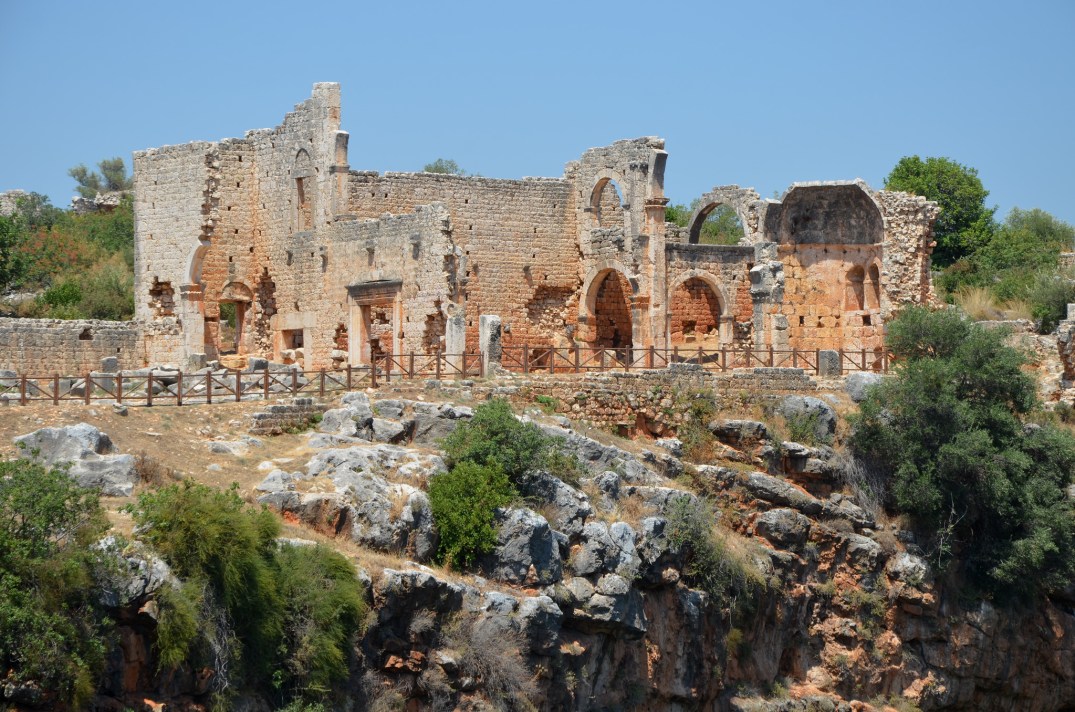
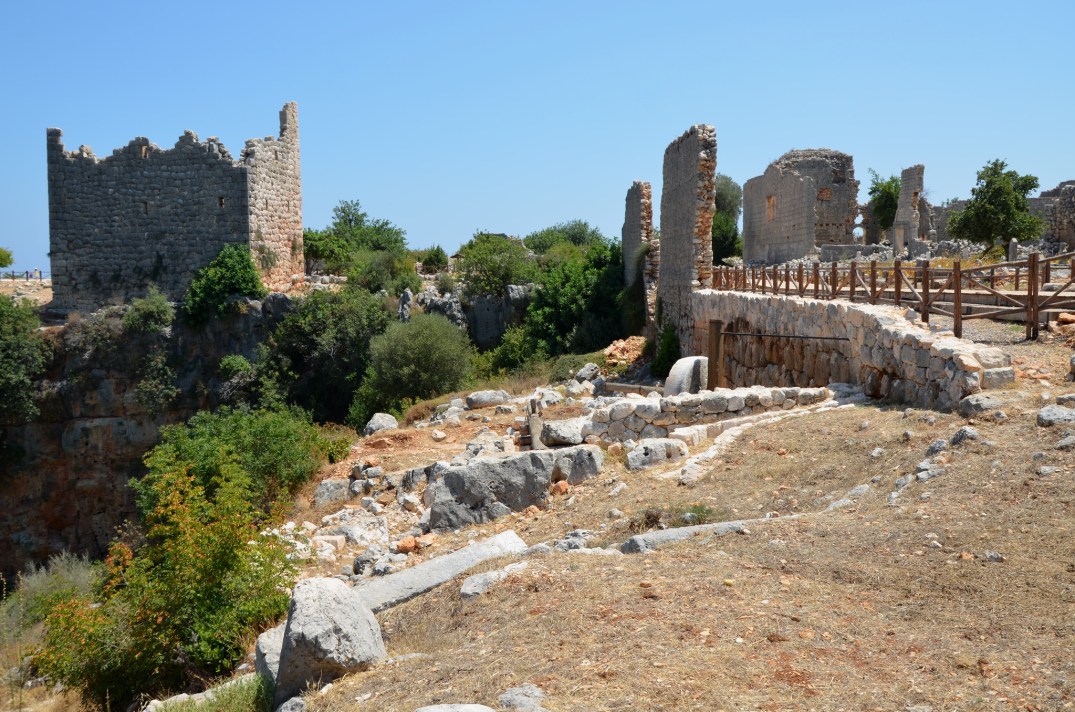
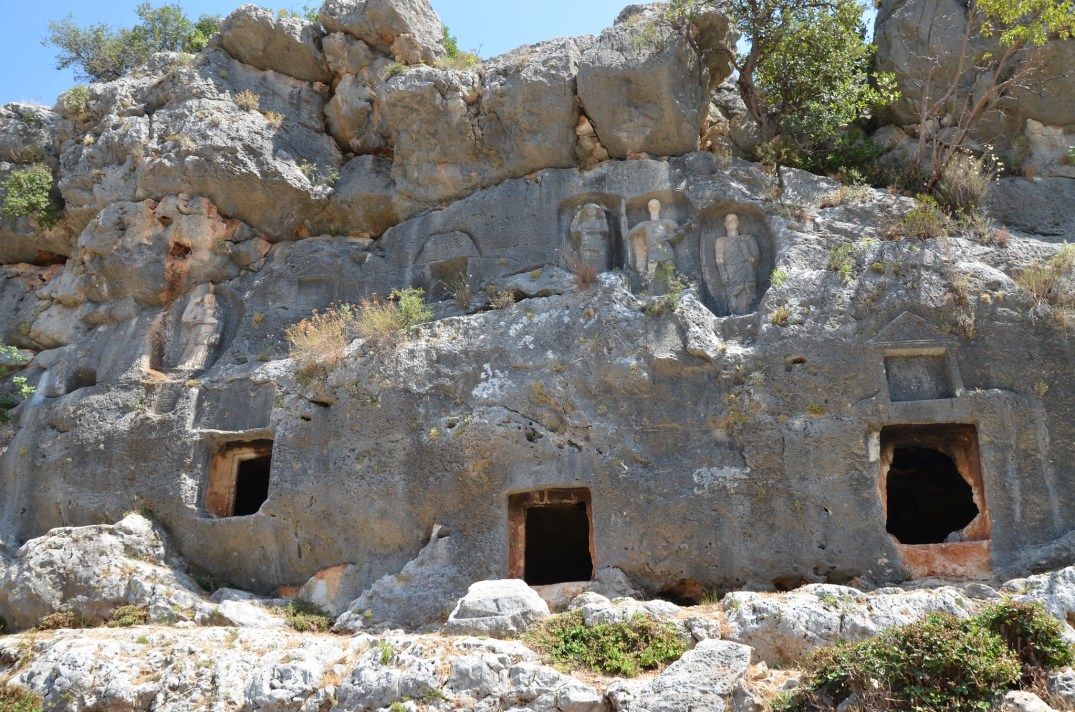
The Hellenistic tower dedicated to Zeus Olbios on behalf of the Olbian priest king Teukros, son of Tarkyares, in about 200 BC.The three-storied Hellenistic tower was built entirely of polygonal masonry. It stood on the southern edge of the sinkhole and was used as a dwelling until early Byzantine times.With its well-preserved outer walls, the three-nave Basilica A stands west of the Hellenistic tower.The only surviving nave of Basilica A.The Armaronxas Family Relief is a portrait of a family of six (the father and mother seated next to their four children) carved into the face of the sinkhole cliff in the 1st century BC. A badly eroded five-lined inscription records the name of the Armaronxas family.Kanytelis.One of the cisterns that supplied the city with water.Presses for olive oil production.The three-columned tomb in the north necropolis was built in the 3rd or 4th century AD.The Aba mausoleum is a temple-tomb built in the second half of the 2nd century AD by a noblewoman named Aba for her husband and two sons, who were probably victims of the plague.The burial chamber of the Aba mausoleum bears an inscription mentioning the name of the city of Kanytelis.A sarcophagus in the north necropolis.A sarcophagus in the north necropolis.Kanytelis.The three-nave Papylos Basilica (Basilica D) is the most recent in date (end of the 5th century AD) and is located on the northern edge of the sinkhole.The approximately 22-metre-long church Papylos Basilica was richly decorated with frescoes.The Papylos Basilica (Basilica D).Kanytelis.The Çanakçı rock tombs lie 300 m to the left of the sinkhole. The site contains a few sarcophagi and nine chamber tombs carved into a cliff. Some of these chambers have figures carved in relief above their doors, unquestionably belonging to the deceased.arThe Çanakçı rock tombs were carved around the 2nd century AD. Each tomb has a rectangular opening.The Çanakçı rock tombs: a woman, a man and a soldier holding a battle-axe.
Source: Silifke (Seleucia on Calycadnus ) and Environs: Lost Cities of a Distant Past in Cilicia by Celal Taşkıran (Sim Matbaasi, 1993)











Fascinating.
LikeLiked by 1 person
I always look forward to your posts. Adventuring vicariously!!
LikeLike
Thank you for the pictures.Made it more accessible to someone who is not very agile any more.
LikeLike