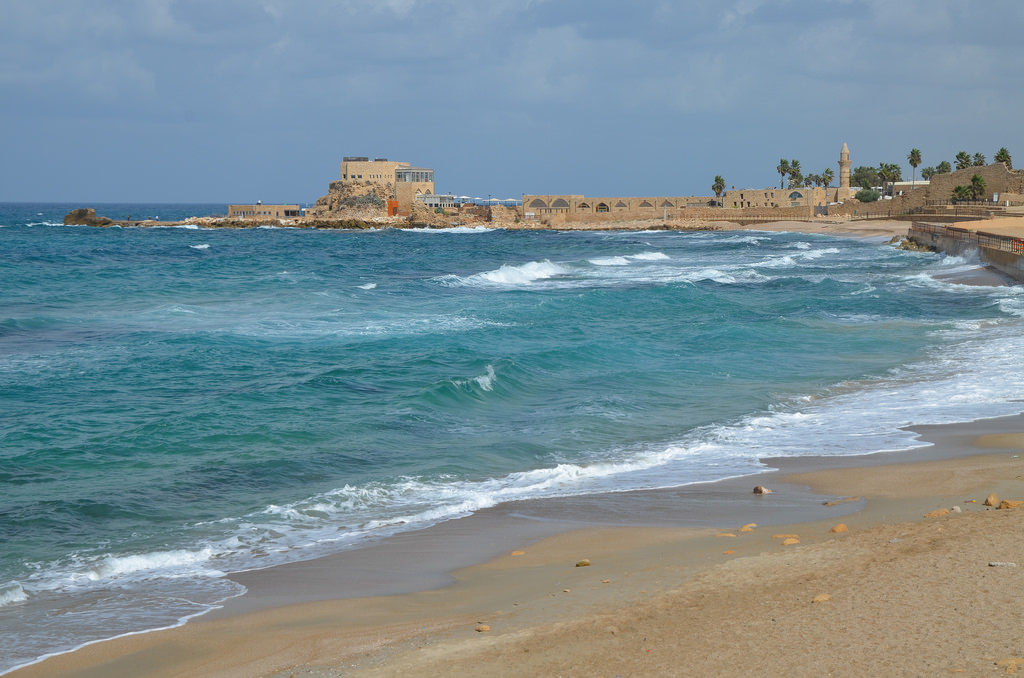
Caesarea Maritima is located on a sandy shore of the Mediterranean, about halfway between Tel Aviv and Haifa. This most fertile area of ancient Judea is the site of one of the most important cities of the Roman World and the capital of the Roman province of Judaea. Caesarea was founded between 22 and 10 BC by Herod the Great (37-4 BC) as an urban centre and harbour on the site of the earlier Strato’s Tower.
Caesarea was first settled by the Phoenicians, who also founded the port cities of Sidon, Tyre and Byblos. In the 4th century BC, the Phoenicians founded Strato’s Tower and used the natural bays and nearby rivers to establish a port that provided essential services for ships and their crews. The city changed hands many times before Roman troops entered Palestine in 63 BC, marching South from Syria under the leadership of Pompey the Great. Some three decades later, Augustusconfirmed Herod the Great’s client rule in Palestine and designated him as the “King of the Jews”.
In an ambitious construction project lasting some twelve years, Herod turned Strato’s Tower into the main port of his kingdom. He named the city Caesarea in honour of Augustus. Herod’s building program included broad, collonaded streets, a palace, a temple, public buildings, a theatre, a Hippodrome, an amphitheatre and other entertainment facilities. However, Herod’s port never attained the importance he surely hoped for. Caesarea lost its impact as a royal city when it was absorbed into the Roman Empire. The AD 79 eruption of Mount Vesuvius and the AD 115 Antioch earthquake generated tsunami waves that reached the coast, causing significant damage to the harbour. The city reached the height of its prosperity when it became the Byzantine administrative capital of the country from the 4th to the 6th century AD. The city was later abandoned after the Arab conquest in the 8th century AD. Today, it is a large and beautiful national park and a fascinating place to visit while exploring the Holy Land.
PORtFOLIO
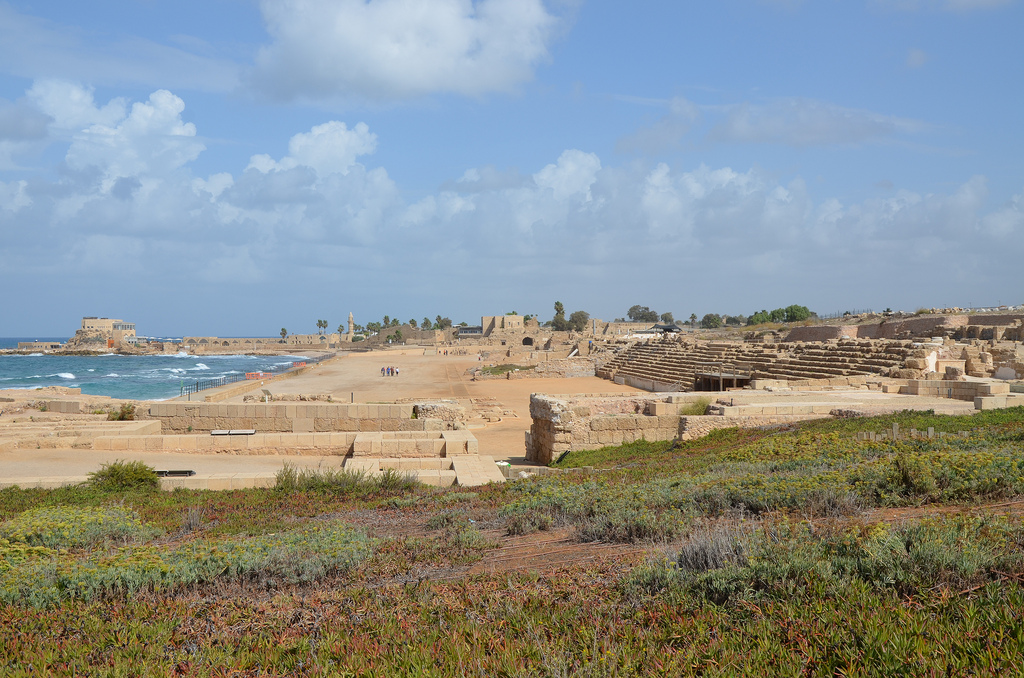
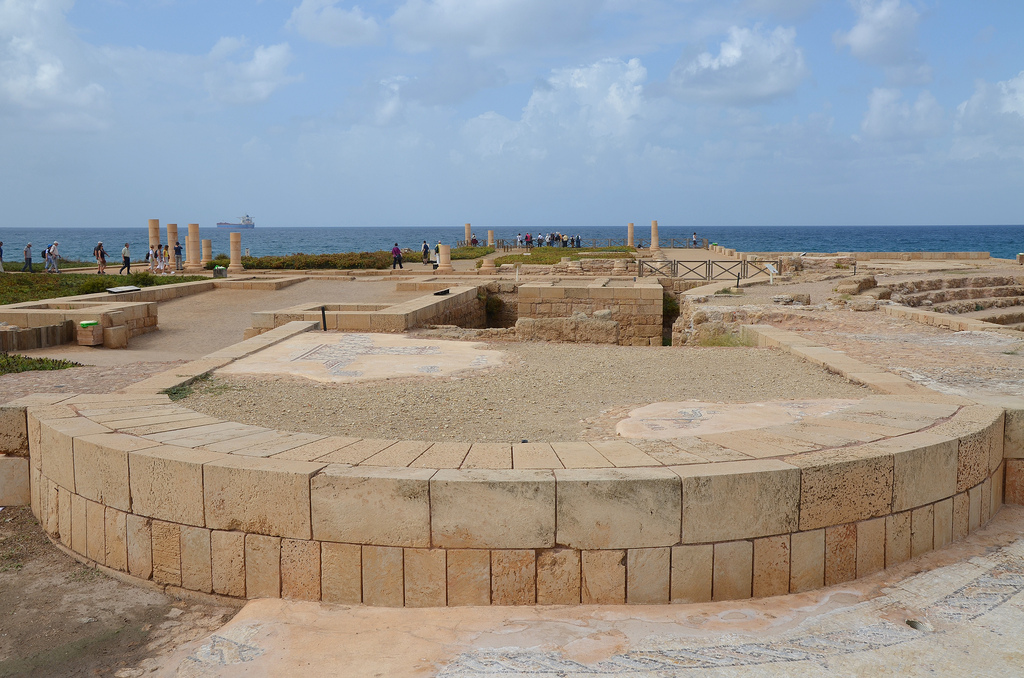
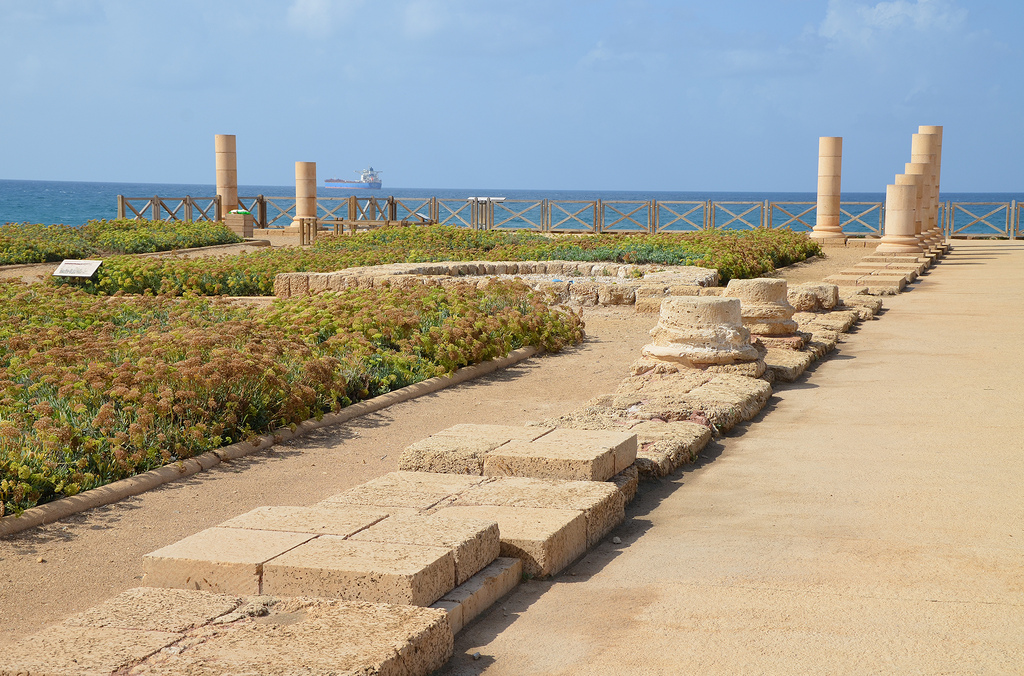
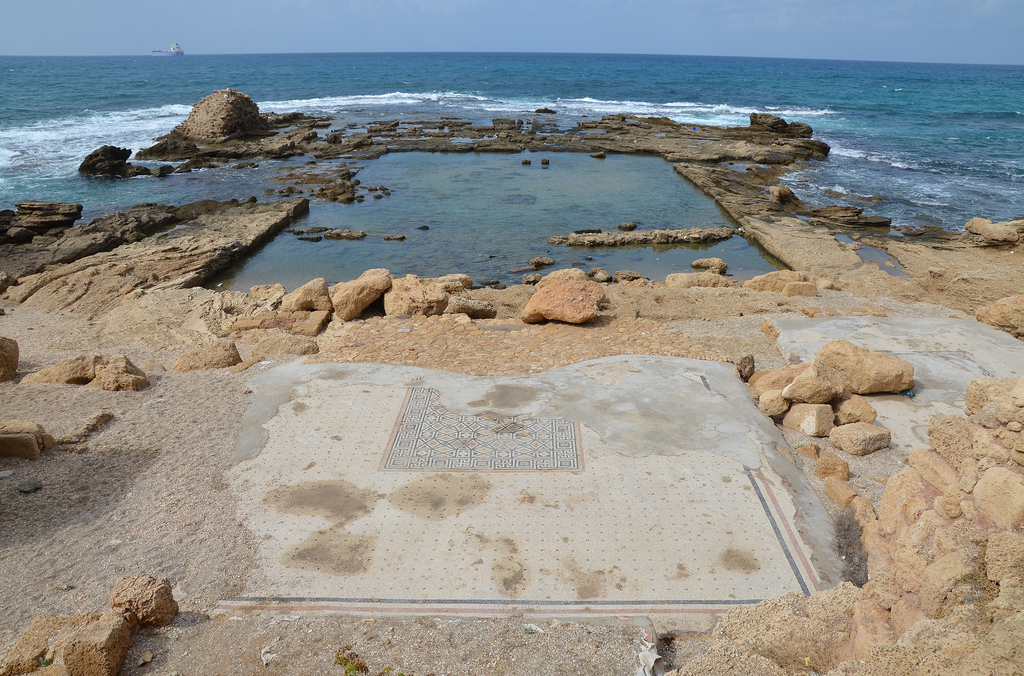
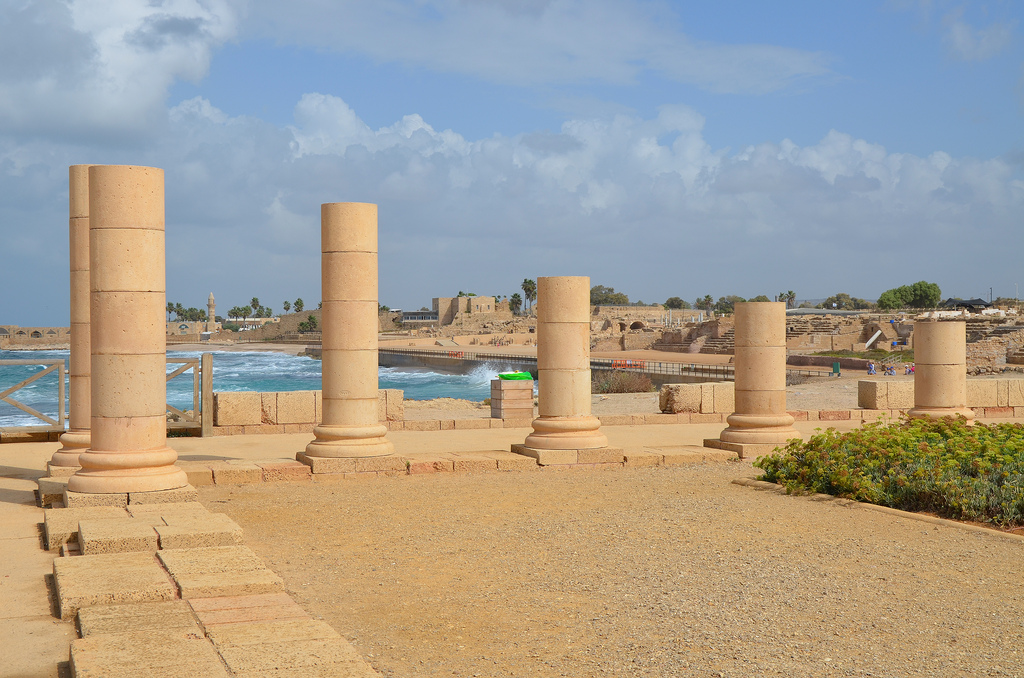
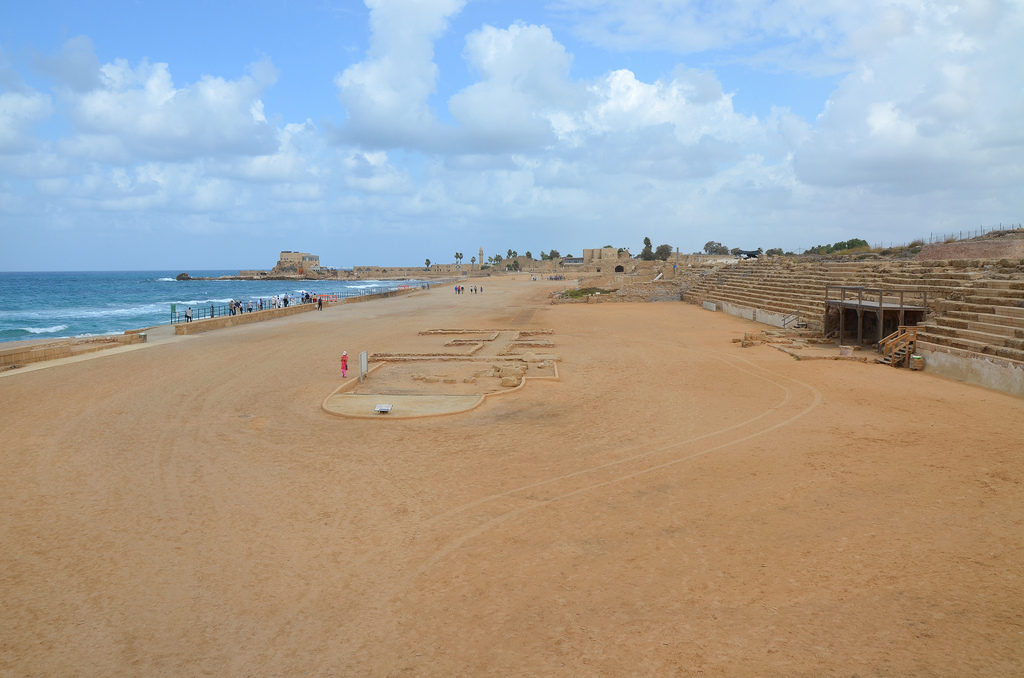
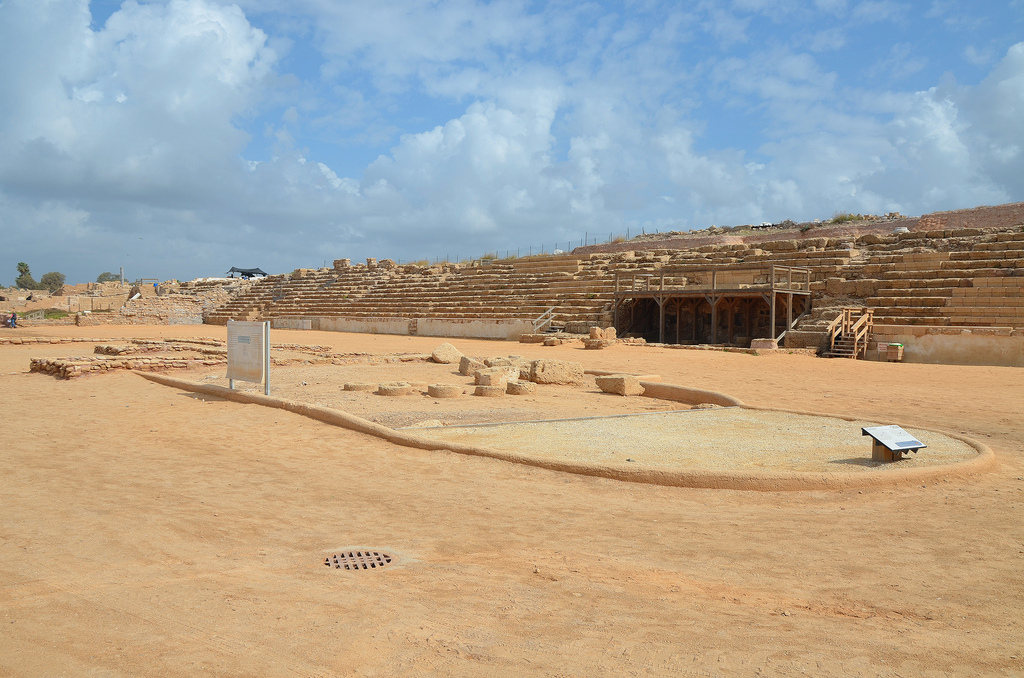
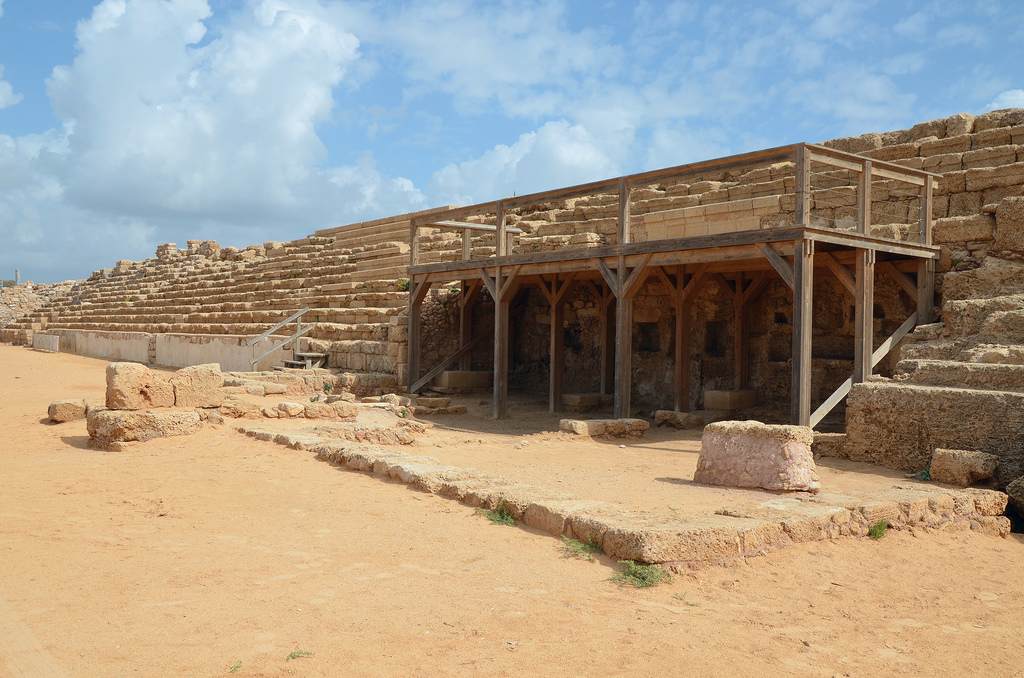
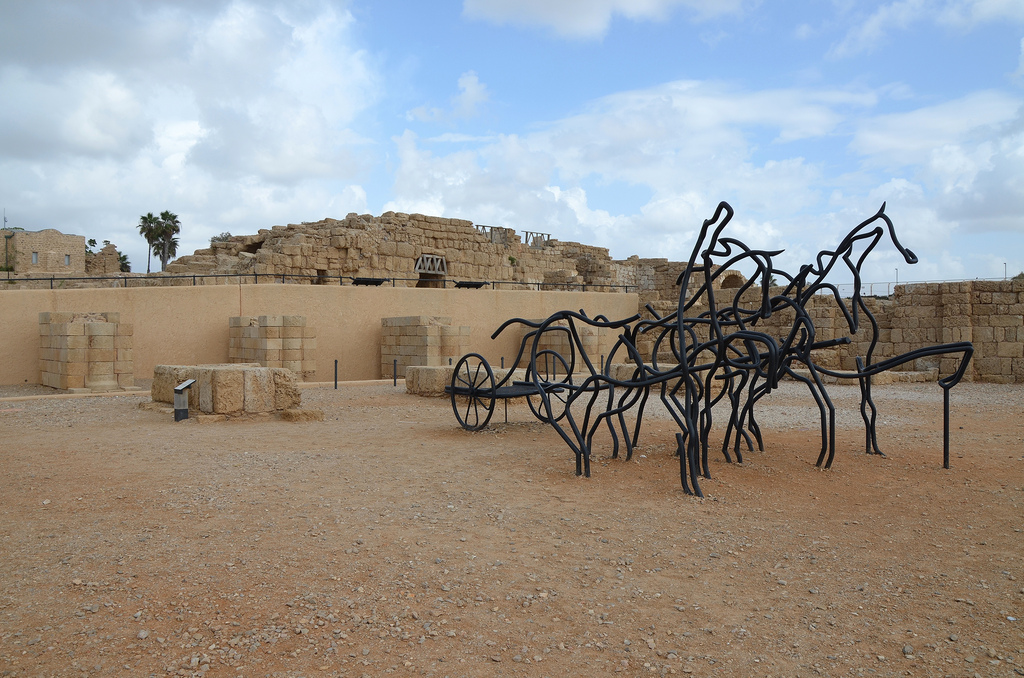
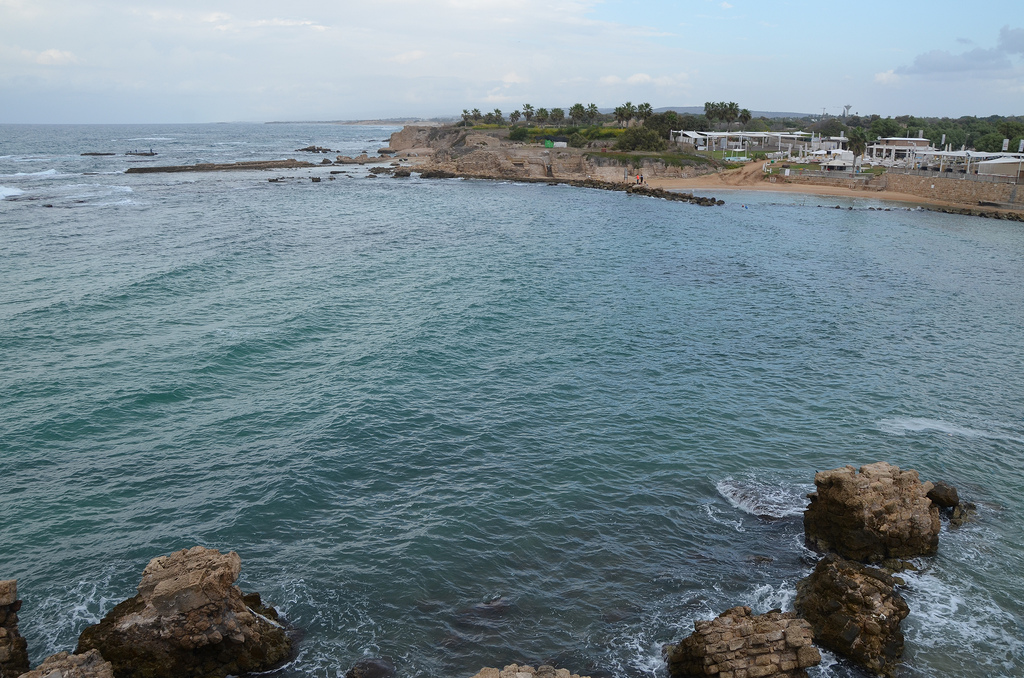
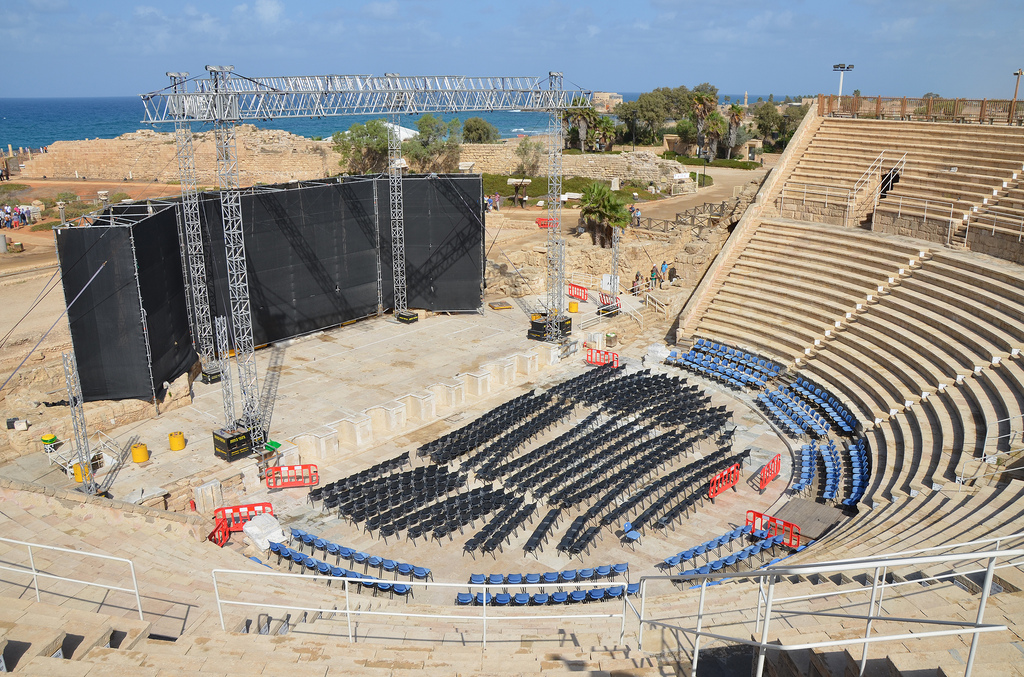
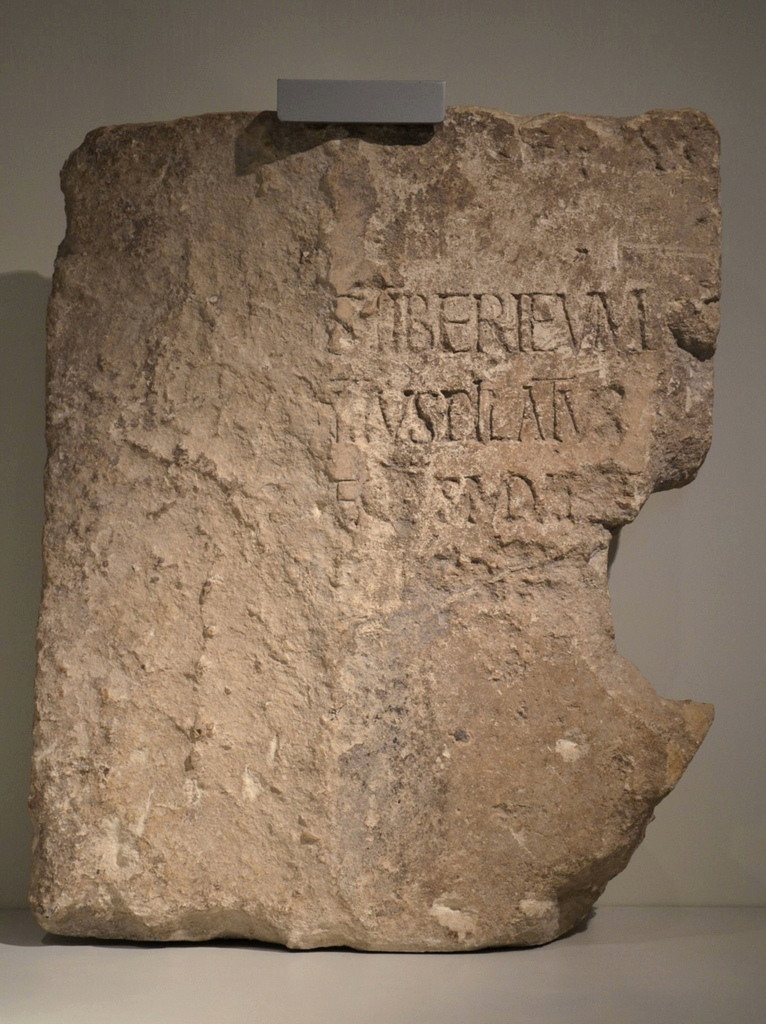
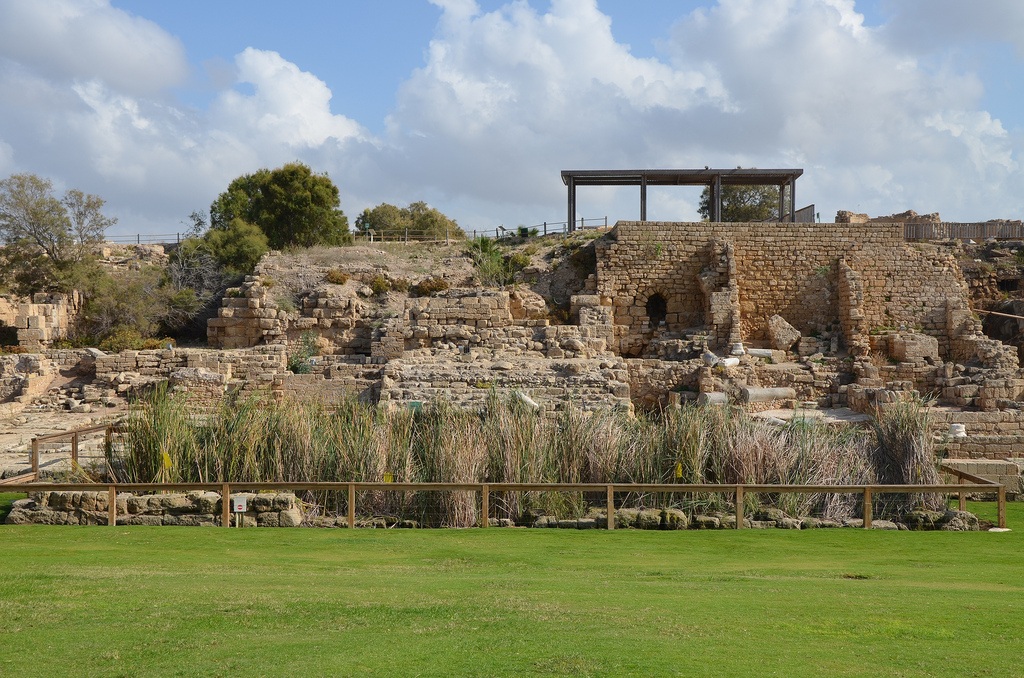
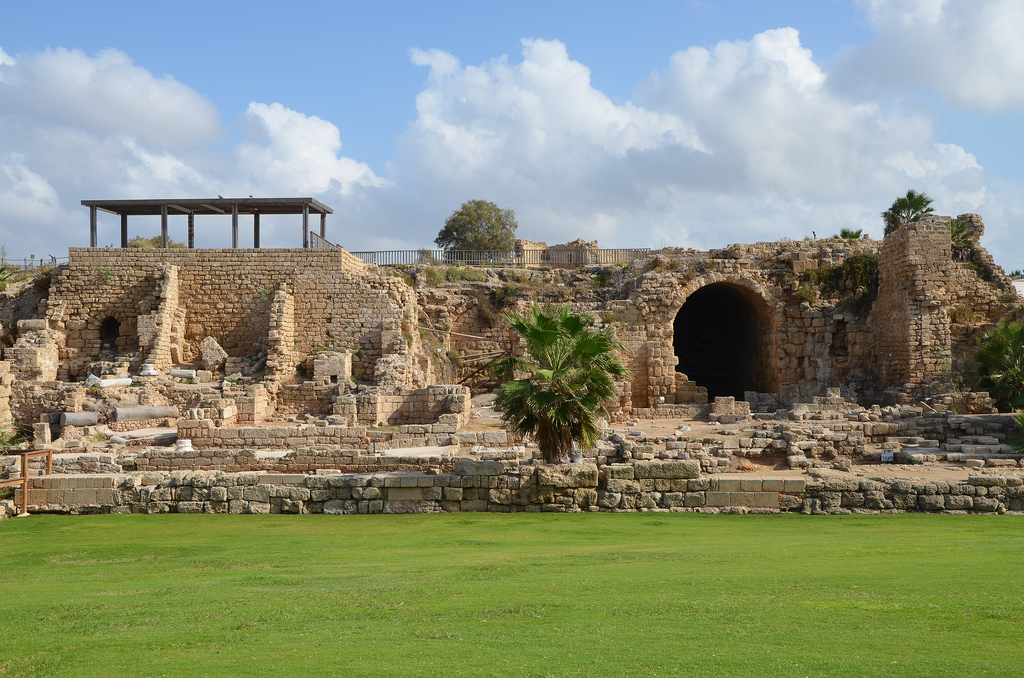
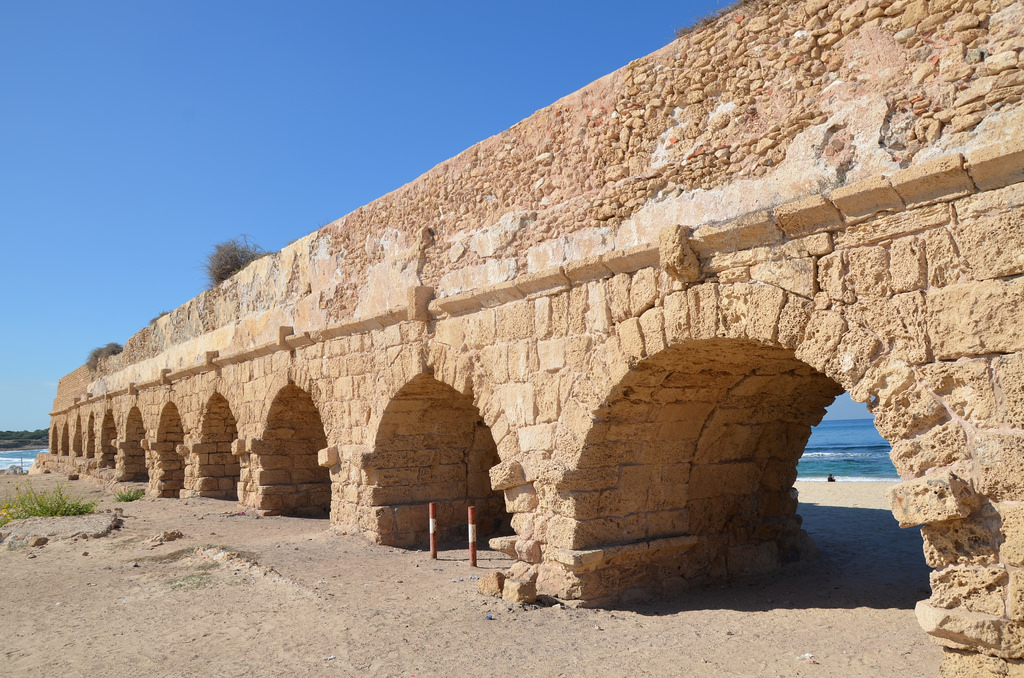
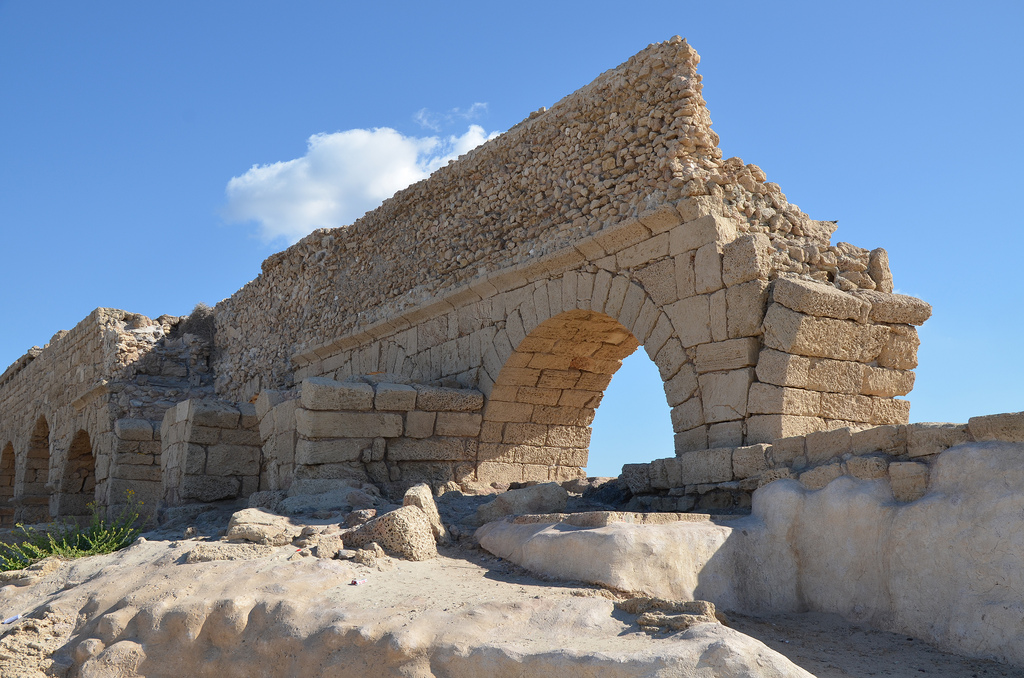
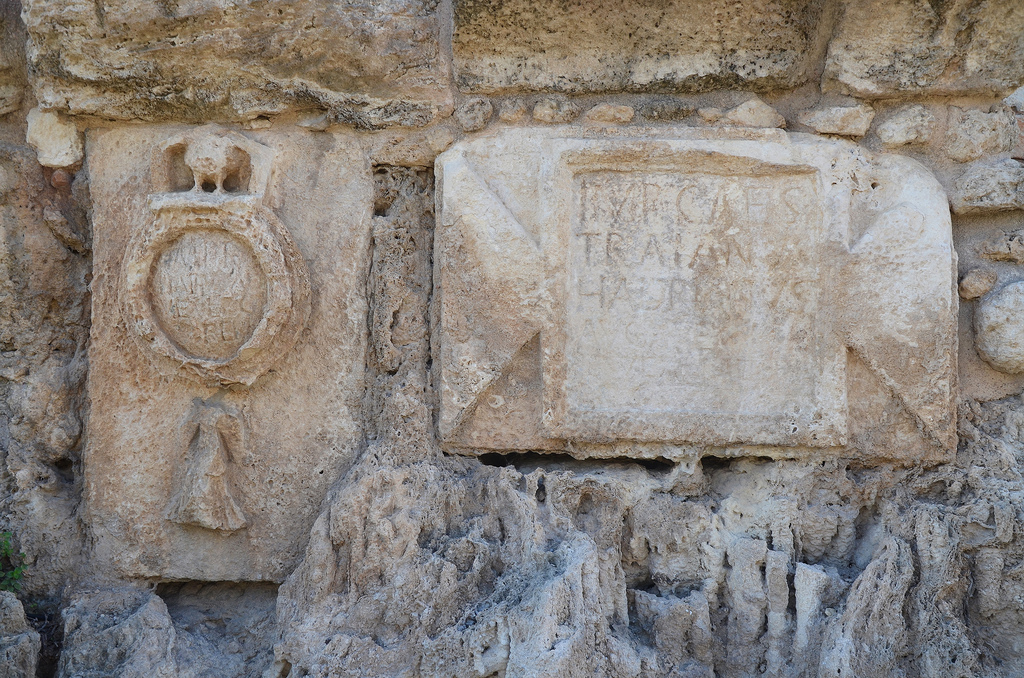
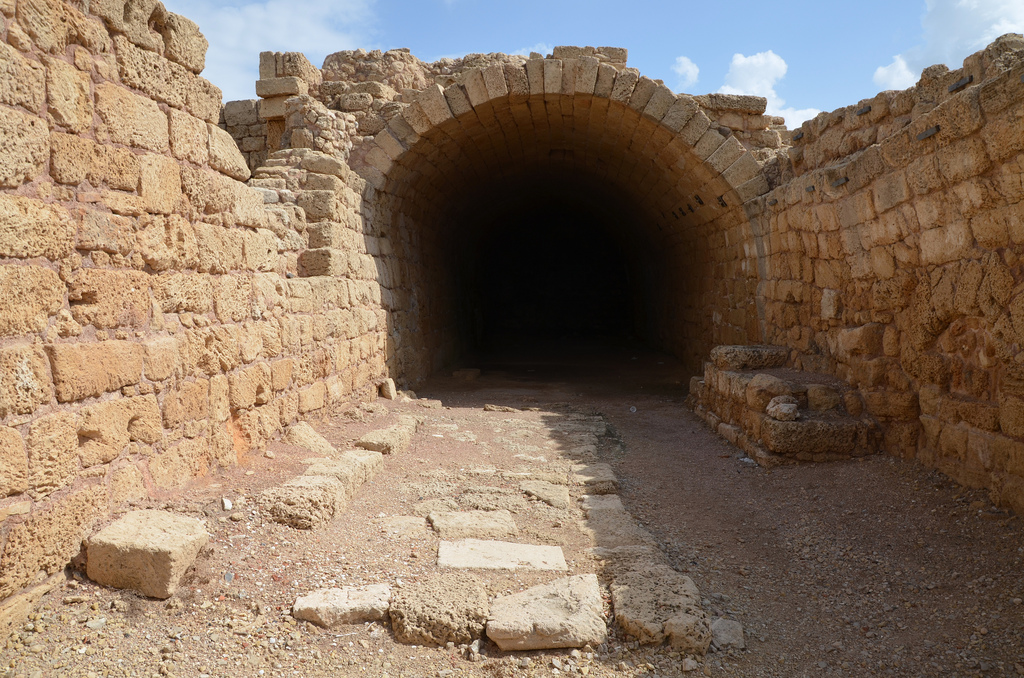
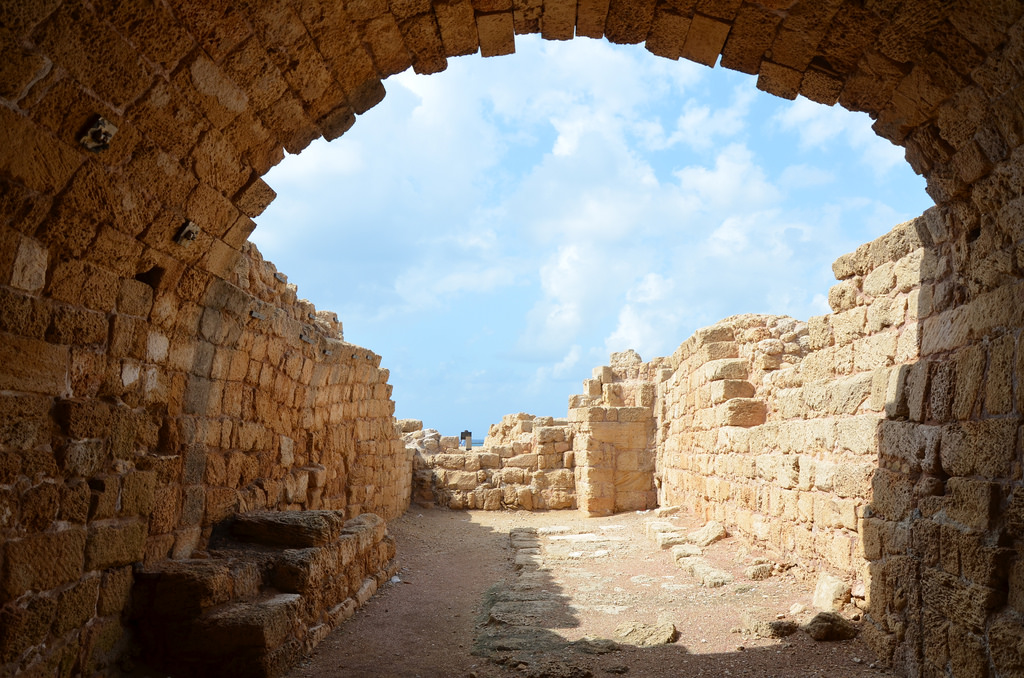
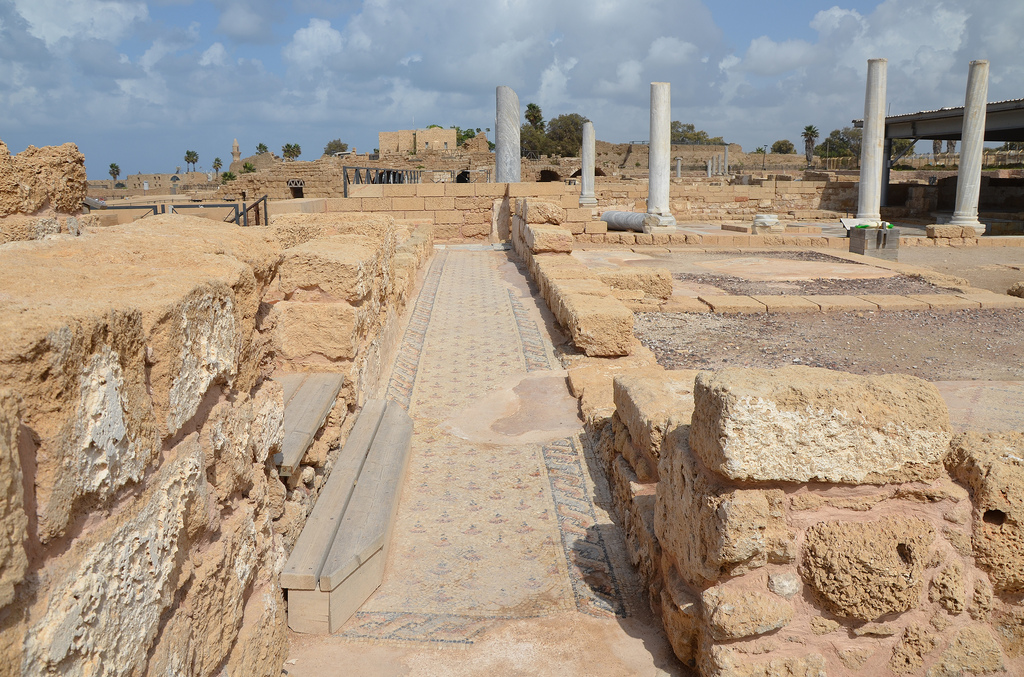
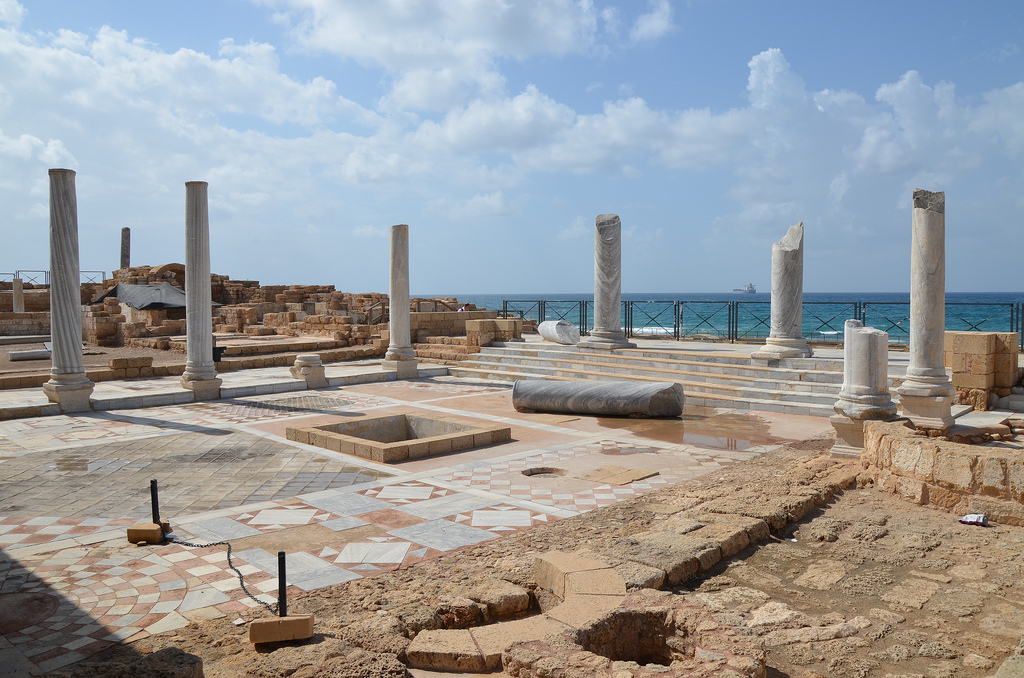
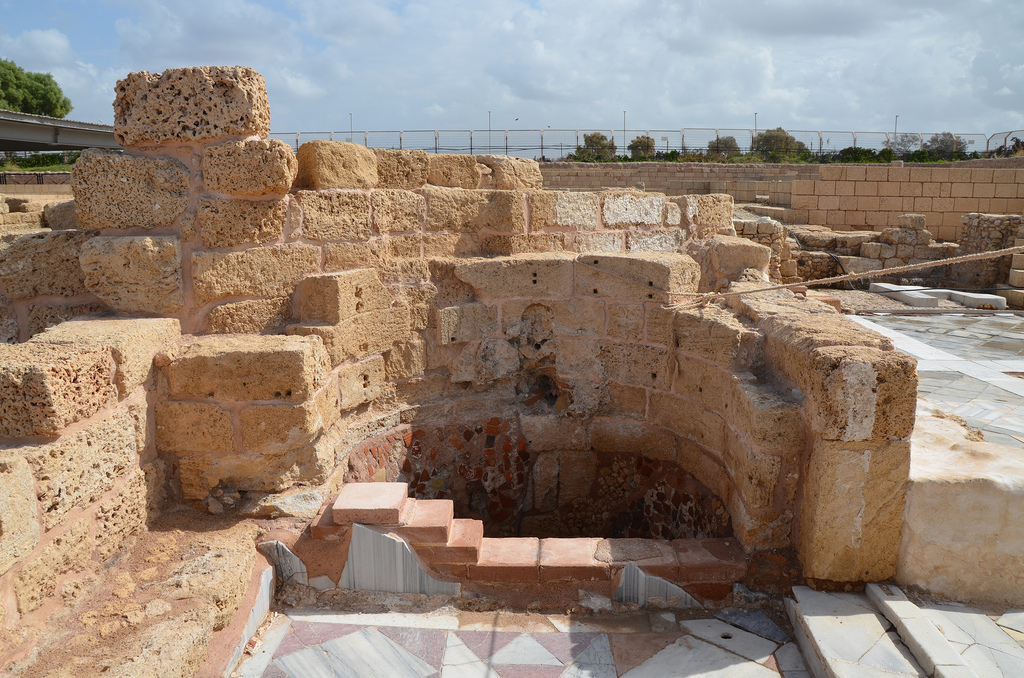
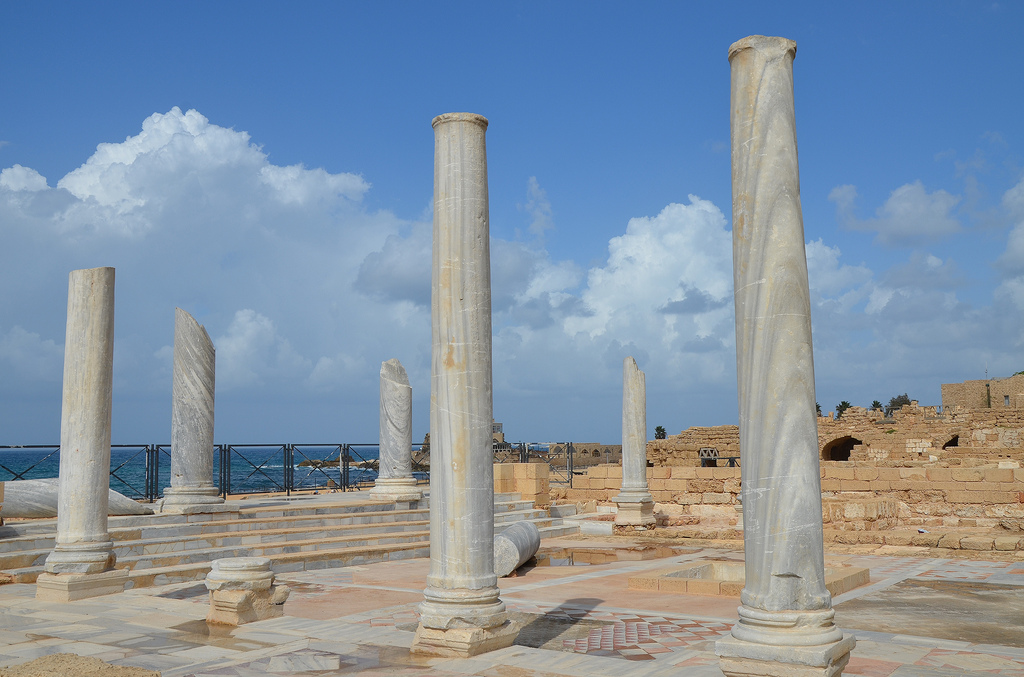
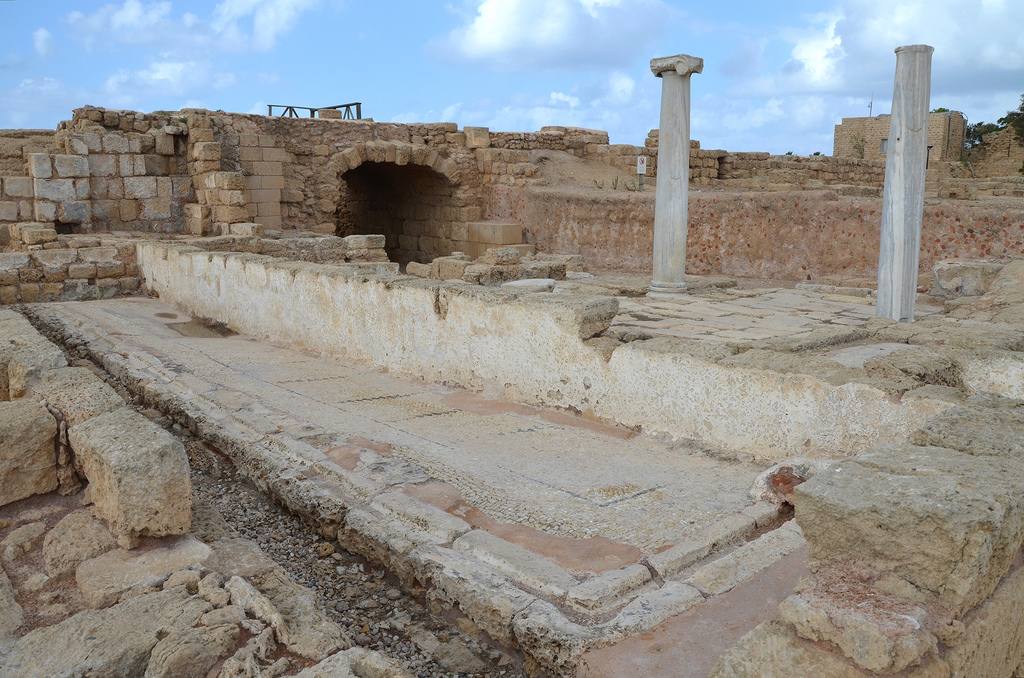
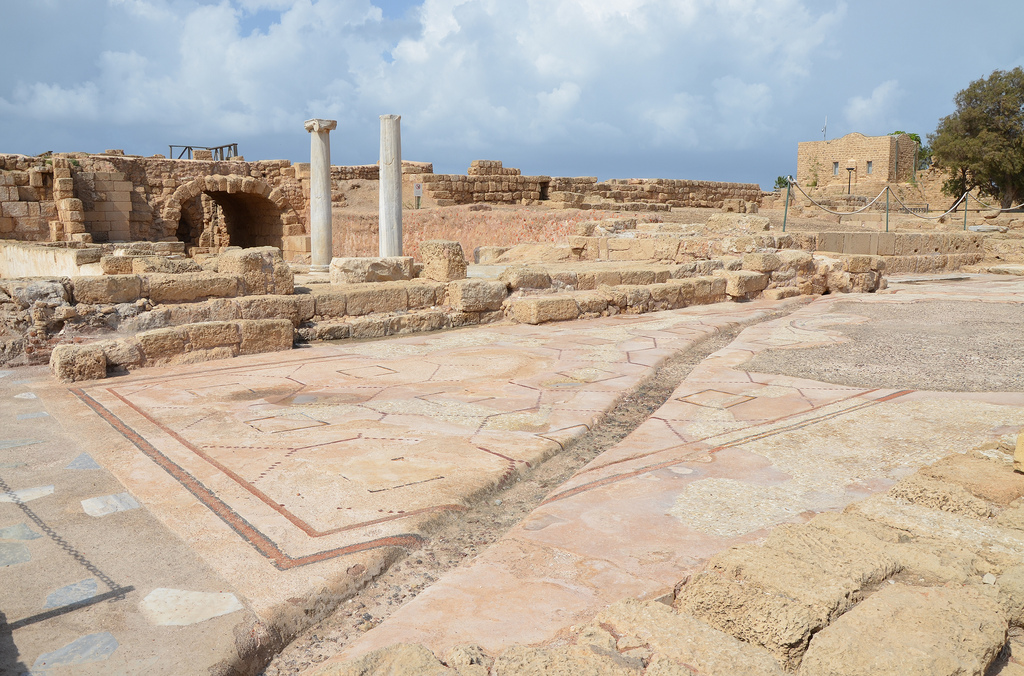
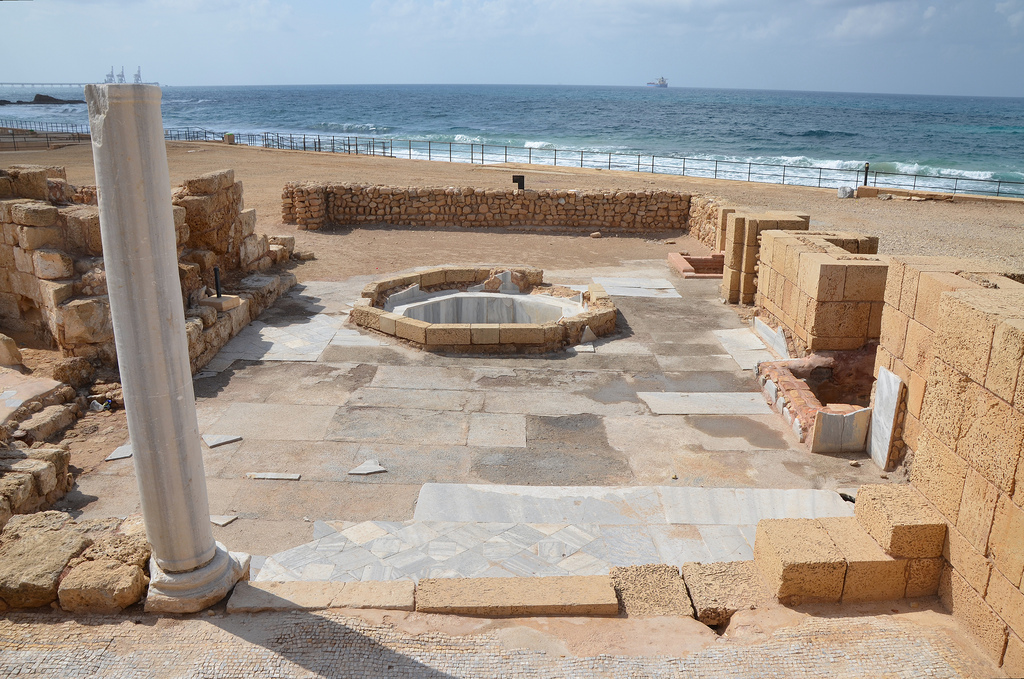
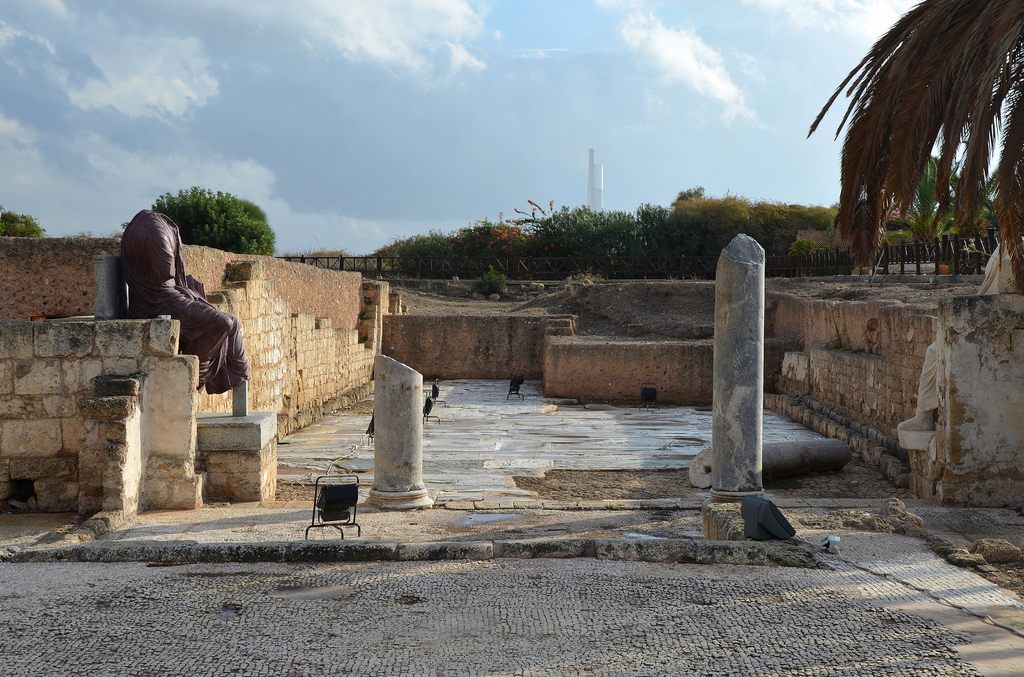
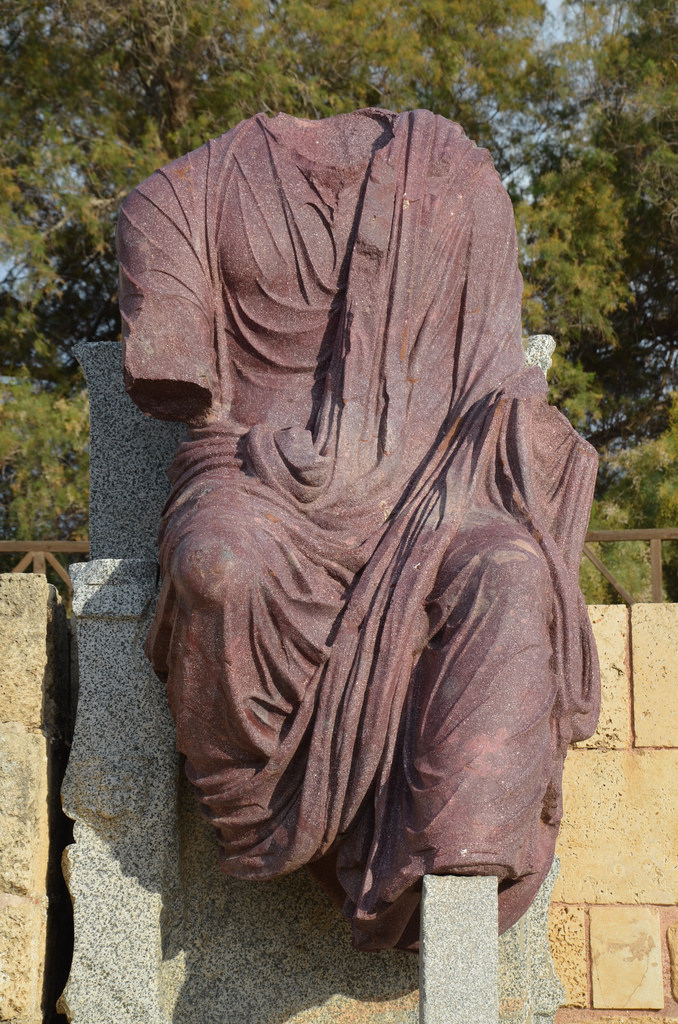
The Promontory Palace of Herod the Great stretches into the sea.The Promontory Palace was the palace’s private section.The lower wing of the Lower Terrace of the Promontory Palace was built around a pool, surrounded by four rooms with mosaic floors.The peristyle of the Upper Terrace of the Promontory Palace of Herod the Great with the Hippodrome in the background.The Hippodrome was built by Herod the Great for the city’s inauguration in 9/10 BC. It was the venue of the Actian Games instituted by King Herod in honour of Emperor Augustus, which were held every 4 years.The Hippodrome was 300 metres long and 50 metres wide and may have had as many as 15,000 seats in Herod’s day.View of the dignitaries’ platform in the Hippodrome.The Hippodrome was intended primarily for horse and chariot competitions. The riders’ chariot, pulled by two or four horses, emerged from compartments on the northern side of the Hippodrome.Herod’s Royal Harbour was known as Sebastos. It was the disembarkation point for visitors to the city.The reconstructed theatre was built by Herod during the city’s early development and was renovated in the 2nd century AD. The seating capacity in its final stage was about 4,000. The theatre is still in use today for concerts and shows.The dedicatory inscription was found reused in the staircase of the theatre of Caesarea. It is the first and only mention of Pontius Pilate’s name ever unearthed (AD 26-36, Israel Museum, Jerusalem) The inscription reads: ” Pontius Pilate, the Prefect of Judea, has dedicated to the people of Caesarea a temple in honour of Tiberius”.Part of the eastern wharf of the inner harbour with the podium of the Temple of Augustus and a series of vaults used as warehouses. The Temple of Augustus was built by Herod and was covered by an octagonal Byzantine church in the 6th century. Only the huge podium and a series of steps are visible today.Part of the eastern wharf of the inner harbour with the podium of the Temple of Augustus and a series of vaults used as warehouses.The high-level aqueduct of Caesarea was built by Herod the Great. Caesarea had no reliable source of fresh water when construction on the city began around 22 BC. King Herod commissioned a raised aqueduct to deliver water from the springs near Shuni, 16 kilometres north-east of Caesarea.A portion of the high-level aqueduct of Caesarea shows the two stages of construction. When Hadrian visited Caesarea in AD 130 on his grand tour of the eastern Roman Empire, the city’s growth required additional water. Hadrian then commissioned extensive repairs and the construction of a new aqueduct. This new section (known as the high-level aqueduct II) was added to the right of the first canal and doubled its capacity.Dedicatory inscription to Hadrian on the high-level aqueduct of Caesarea at Beit Hanania with the emblem depicting the 10th legion.The Mithraeum, a 1st-century grain storage converted into a Mithraeum during the 3rd century AD.The Mithraeum.The Byzantine Bathhouse was built in the 4th century AD.The palaestra of the Byzantine Bathhouse. Before bathing, clients could exercise in the palaestra.A pool in the Byzantine Bathhouse was built in the 4th century AD.The palaestra of the Byzantine Bathhouse.The public latrine was used during the Roman and Byzantine periods. Marble benches were set along the southern and western walls of the latrine. Water flushed through its channels, lay at the bottom of the walls, and connected with the main sewer beneath the decumanus street.The Praetorium, the Byzantine Governor’s Palace, combined administration, financial and judicial functions.The Ibexes Mosaic Hall in the Praetorium, the Byzantine Governor’s Palace.The Governor’s Palace Baths.A section of a Byzantine street paved with opus sectile and mosaics. The statues are older and date to the 2nd and 3rd centuries AD. They originally belonged to Roman temples.The headless porphyry statue of Hadrian is depicted seated, holding a sceptre and an orb (now missing). The statue’s original location was not on Byzantine Street. It may originate from a nearby temple dedicated to Hadrian, which he visited in AD 130 and who endowed it with a new aqueduct.Caesarea.
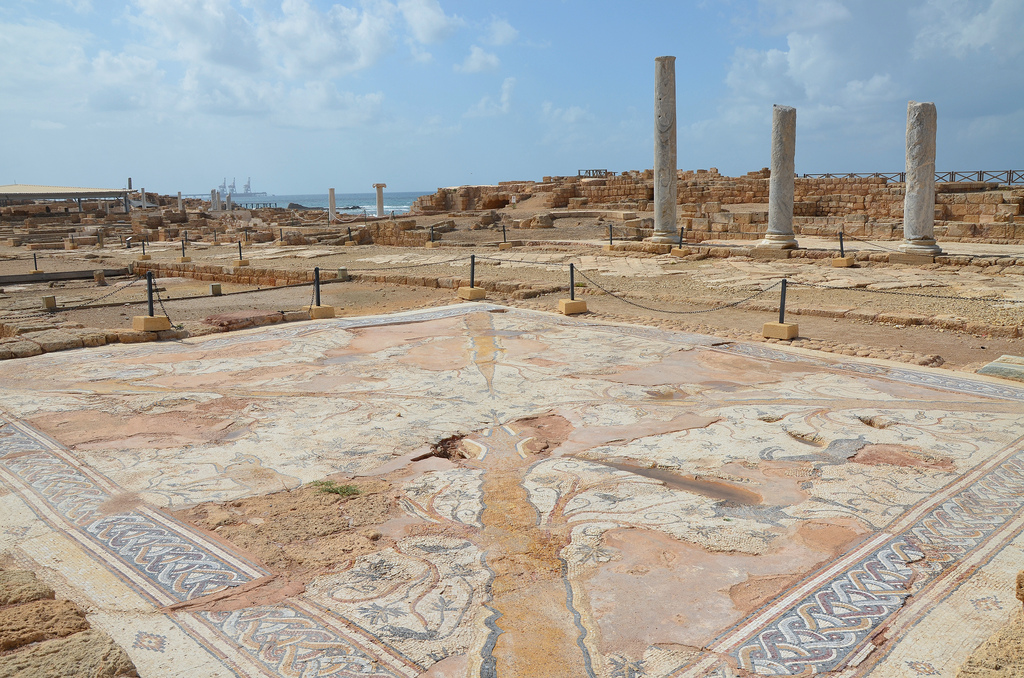
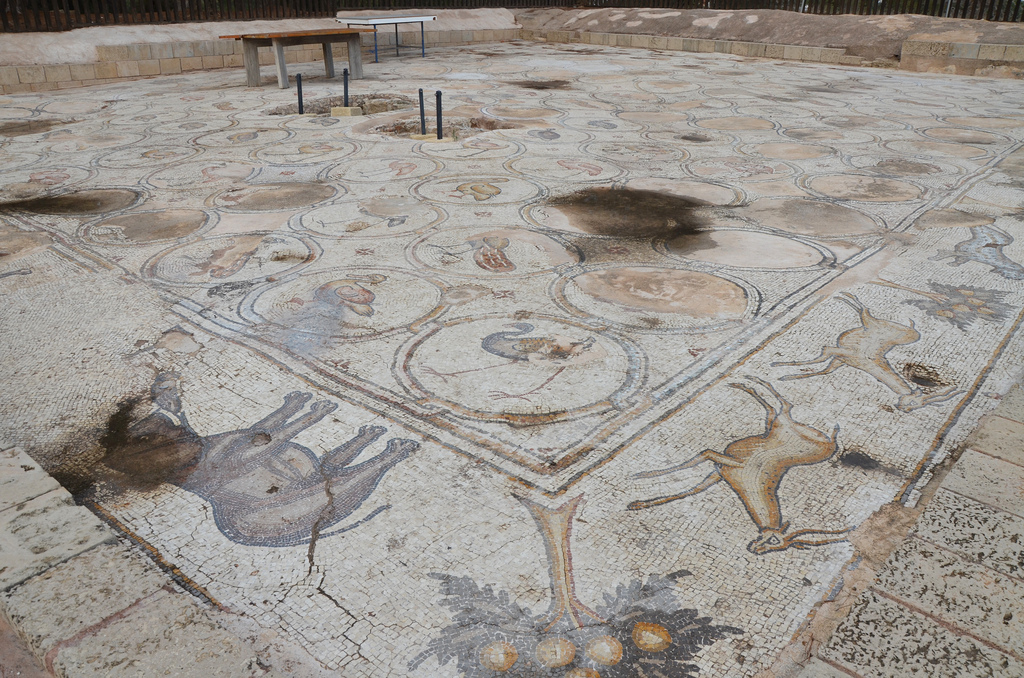
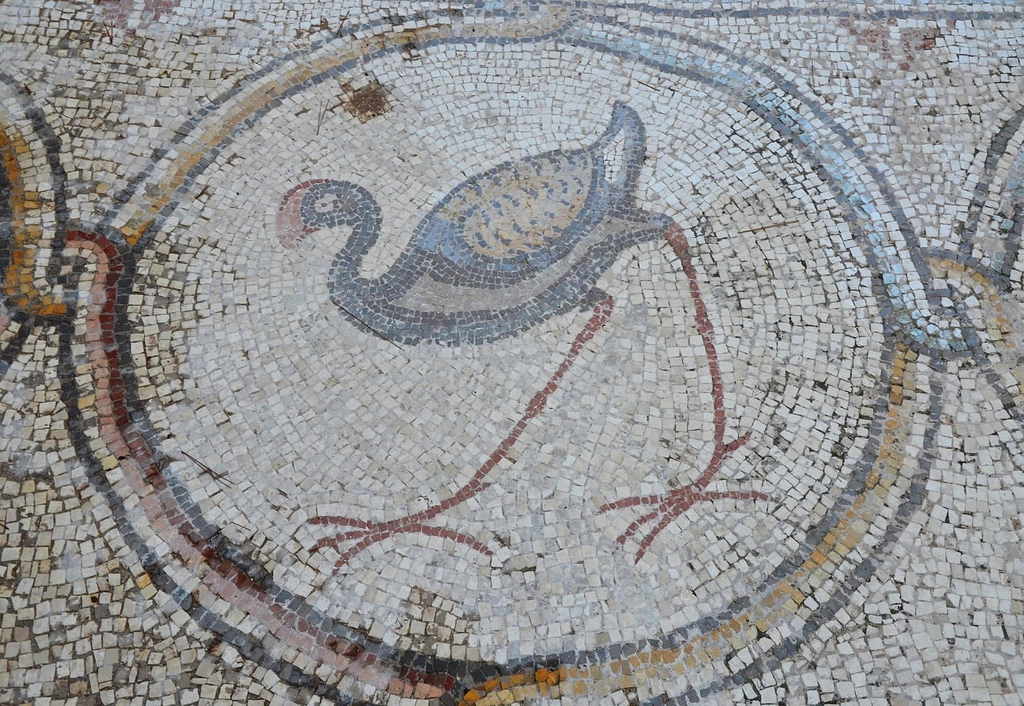
A stunning mosaic floor, known as the “Bird Mosaic,” was accidentally uncovered in 1955 on the outskirts of Caesarea, outside the walls of the ancient settlement. During the 2005 excavations, archaeologists determined that the ‘Bird Mosaic’ was part of a Byzantine palace complex dating to the 6th century AD. During the Byzantine period, the harbour city of Caesarea flourished and expanded as much as 800m inland. This palace complex, covering nearly 1 acre (4,000 sq. metres), was probably owned by a reputable and wealthy family. The “Bird Mosaic” adorned the floor of a large open courtyard, the atrium, with a portico along the western and southern sides.
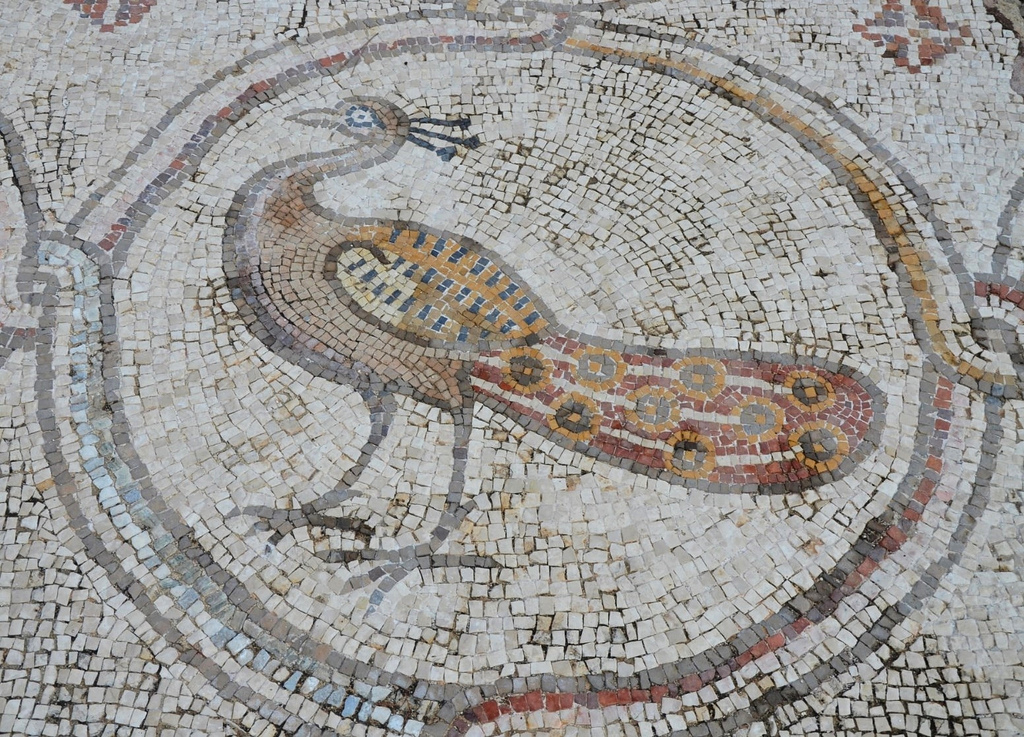
6th-century AD Bird Mosaic that adorned the atrium of a large palace complex outside the city wall of Byzantine Caesarea.A peacock, a detail from the 6th-century AD Bird Mosaic.6th-century AD Bird Mosaic that adorned the atrium of a large palace complex outside the city wall of Byzantine Caesarea.
 following hadrian photography
Wonderful Carole. Thank you.
LikeLiked by 1 person