Alabanda

Alabanda, located about 7 kilometres west of the present town of Çine in the Aydin province, was founded in the 4th century BC. The city was said to have been named after the hero Alabandus, who allegedly took his name after winning a horse race. Alabanda combines the Carian words ala (meaning ‘horse’) and banda (meaning ‘victory’).

Coordinates: 37° 35′ 30″ N, 27° 59′ 8″ E

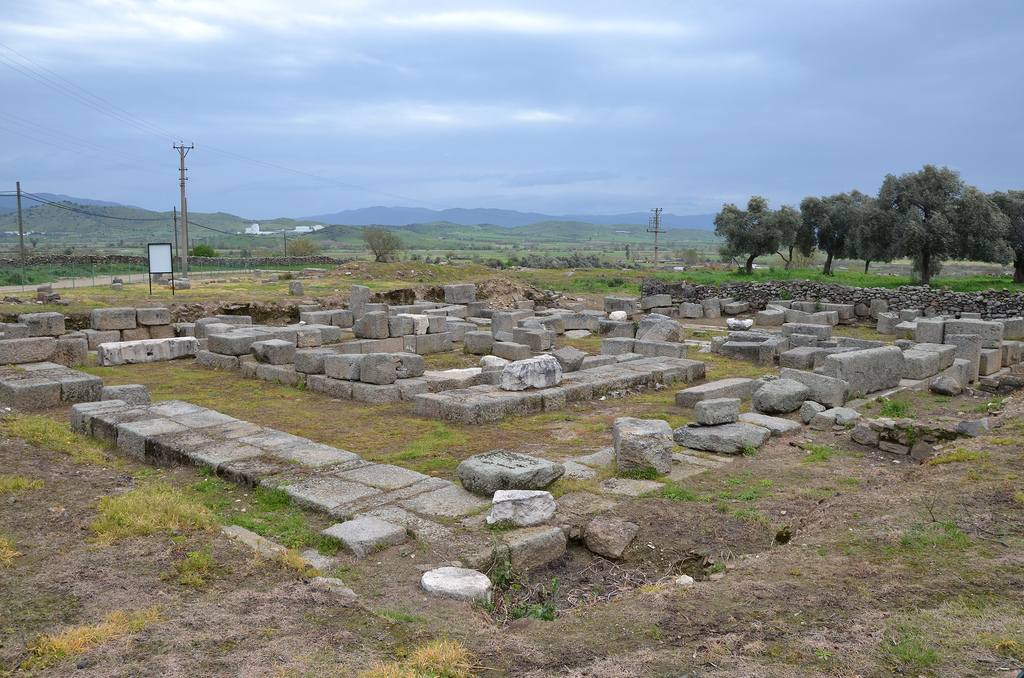
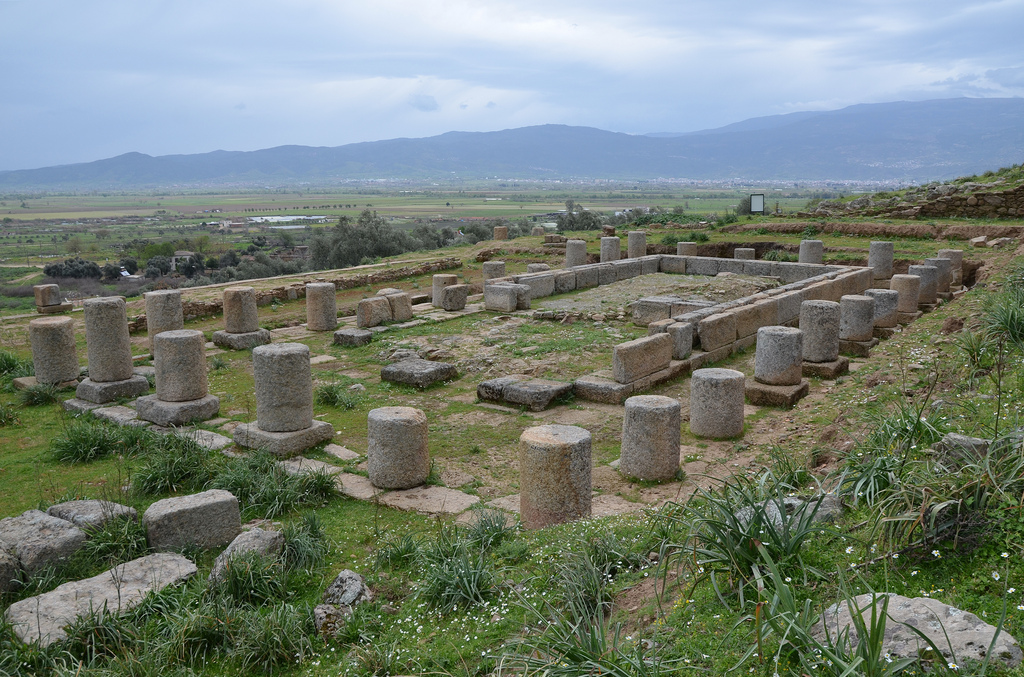
Excavations carried out in the 20th century have brought to light the foundations of two temples, a Hellenistic theatre, a rectangular bouleuterion and a gymnasium-bath complex. The first of these temples is the Temple of Apollo Isotimos. It was built in the 2nd century BC in the Ionic order, with thirteen white marble columns on each side and eight at the front and back. Four slabs of a frieze depicting a battle between the Greeks and the Amazons (Amazonomachy) were found at this site, along with an inscription indicating that the temple was rededicated to Apollo Isotimos and the Divine Emperors in Imperial times.

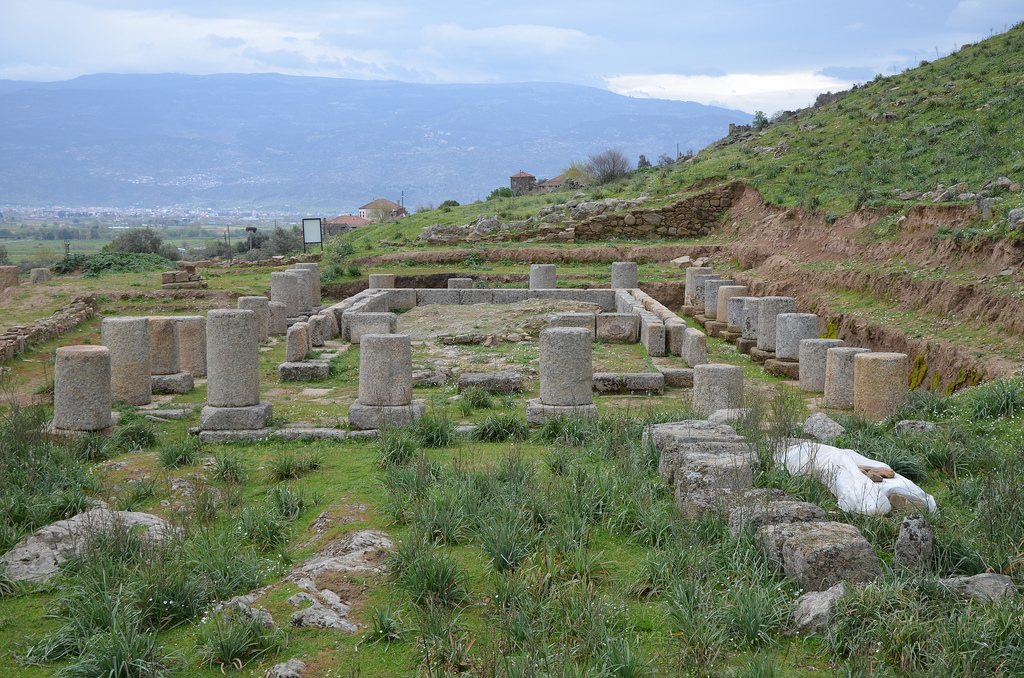
The second temple stood on the slope of the hill, a little above the plain. It was Doric in style, with six columns on its short sides and eleven on its long sides. It was commonly known as the Temple of Artemis after a figurine of Artemis-Hekate was found on the site, but in 2011, a group of excavators discovered an altar with a labrys (double-headed axe), an attribute of the Carian god Zeus Chrysaoreus (Zeus of the golden sword), which identifies the building as a temple dedicated to this god.

PORTFOLIO
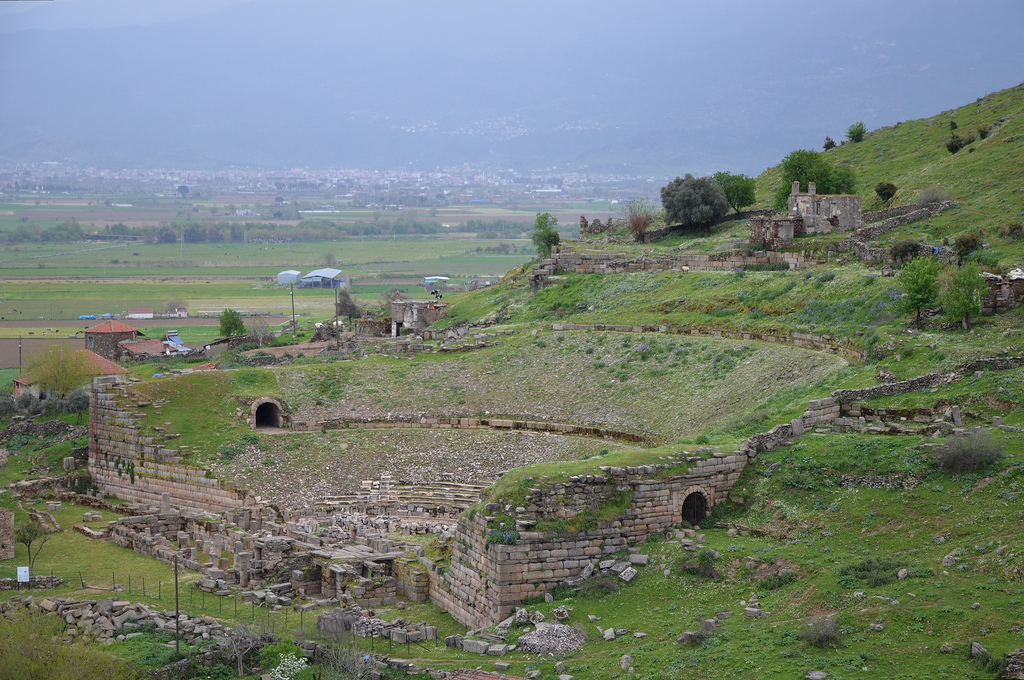
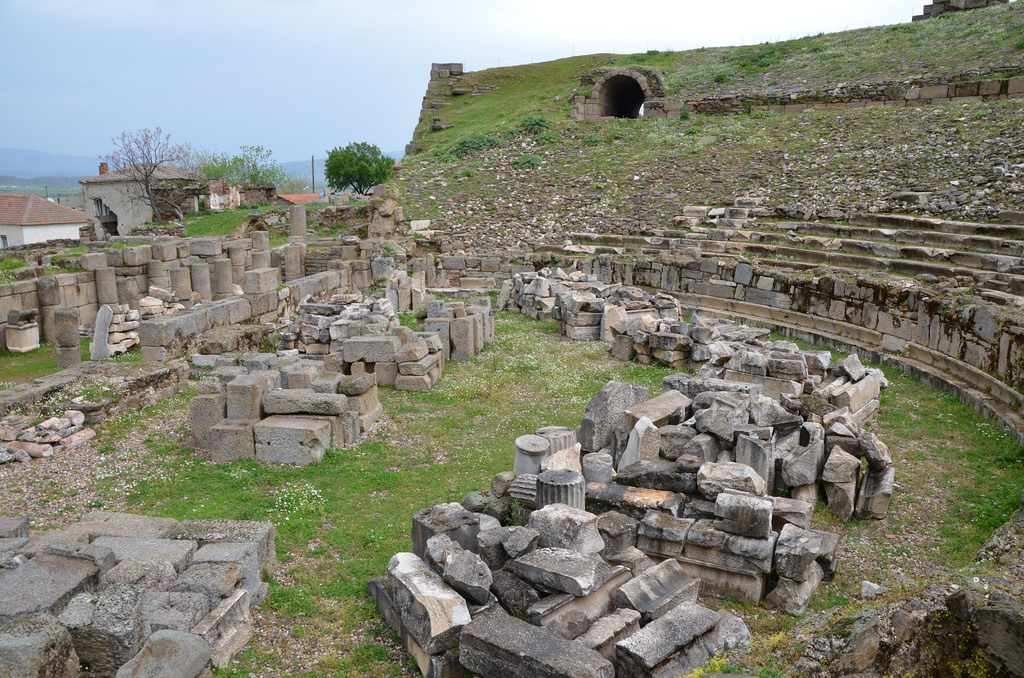
The Hellenistic theate, located on a natural south-facing hillside, in the 4th century AD repairs were made using block rocks from the Temple of Zeus Chrysaoreus, Alabanda, Caria, Turkey
The Hellenistic theatre is located on a natural south-facing hillside. Repairs were made in the 4th century AD using blocks of stone from the Temple of Zeus Chrysaoreus.
The Hellenistic theate, located on a natural south-facing hillside, in the 4th century AD repairs were made using block rocks from the Temple of Zeus Chrysaoreus, Alabanda, Caria, Turkey
The Hellenistic theatre.
16870365330_5138efcf62_b
The Doric Temple of Zeus Chrysaoreus, built in the 3rd century BC.
The Doric Temple of Zeus Chrysaoreus was built in the Doric style, with six columns on its short sides and eleven on its long sides.
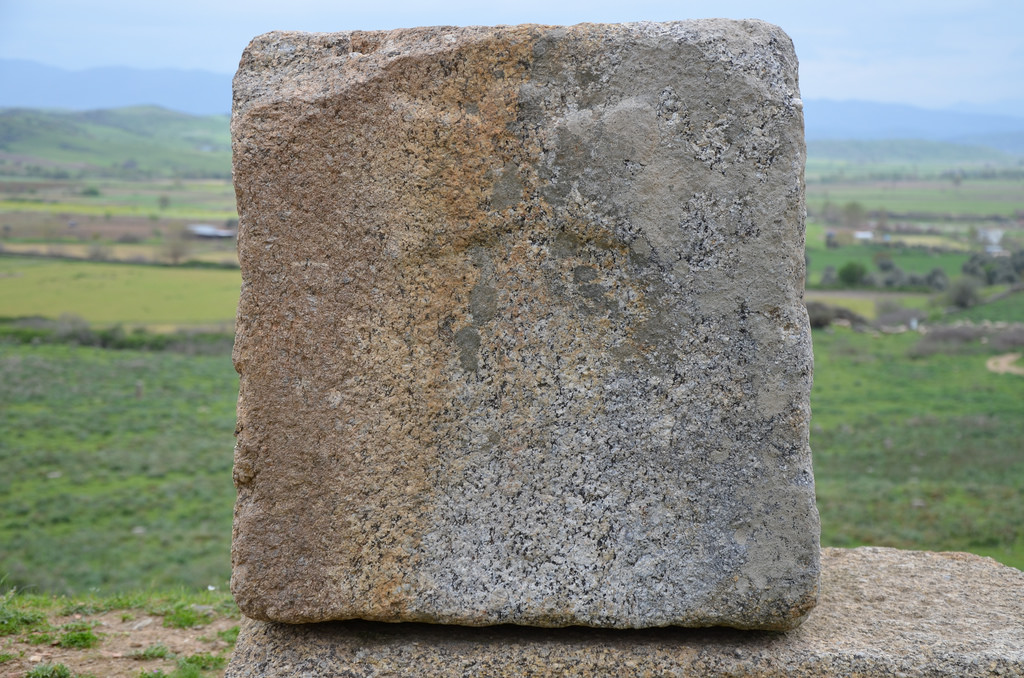
Altar with a labrys (doubleheaded axe), an attribute of the Carian god Zeus Chrysaoreus (Zeus of the golden sword).
Altar with a labrys (double-headed axe), an attribute of the Carian god Zeus Chrysaoreus (Zeus of the golden sword).
The ruins of the Ionic Temple of Apollo Isotimos, built in the 2nd century BC, Alabanda (or Antiochia of the Chrysaorians), Caria, Turkey
The ruins of the Ionic Temple of Apollo Isotimos, built in the 2nd century BC.
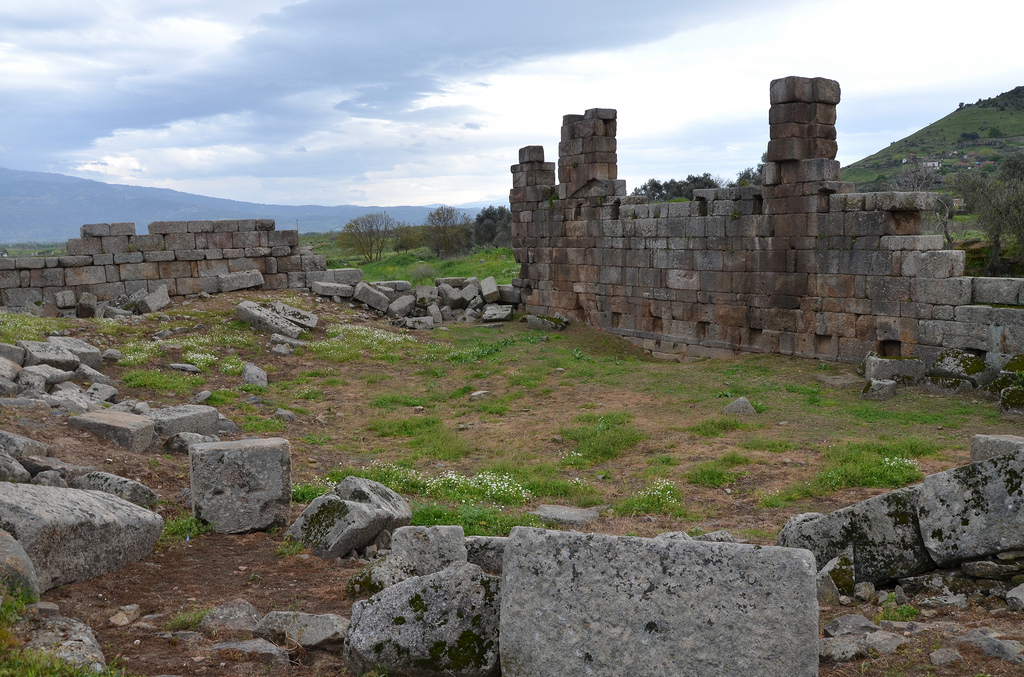
The Late Hellenitic Bouleulerion (concil house), the interior of the building has a rectangular plan measuring 36x36 meters, Alabanda, Caria, Turkey
The Late Hellenistic Bouleuterion (council house). The interior of the building has a rectangular plan measuring 36 x 36 metres.
The Late Hellenitic Bouleulerion (concil house), the interior of the building has a rectangular plan measuring 36x36 meters, Alabanda, Caria, Turkey
The Late Hellenistic Bouleuterion (council house).

Links:

Alinda

Alinda was an ancient inland city in Caria, located near the site of ancient Alabanda in western Turkey. Alinda is where the famous encounter between Alexander the Great and Ada of Caria occurred in 334 BC. With this event, Alinda made a dramatic appearance in the history of Caria. Alinda is recorded in Byzantine lists of bishoprics and is now a Latin Catholic titular bishopric.

Coordinates: 37° 33′ 30″ N, 27° 49′ 25″ E

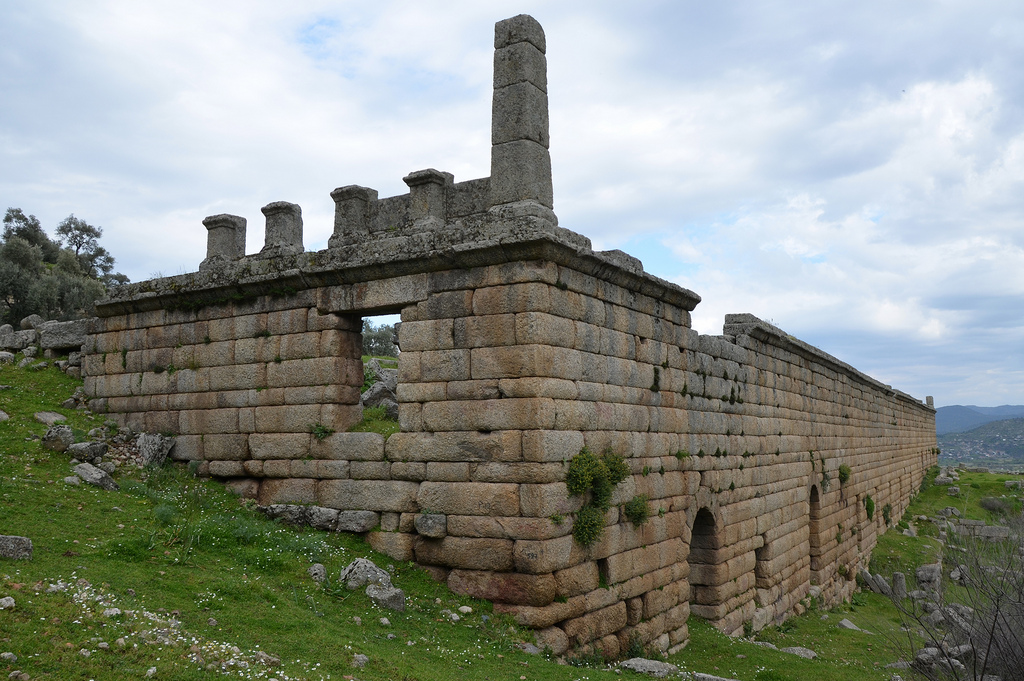
The ruins of Alinda are situated on a hilltop overlooking a fertile plain above the village of Karpuzlu. Several parts of the city walls, the theatre and some of the towers are in good state of preservation, but the most outstanding of Alinda’s ruins are the remains of its massive Hellenistic Agora. It is over 90 meters long and originally comprised three storeys, of which the lower two are well-preserved.

The Hellenistic theatre, retaining two galleries and most of its seats, is also in a good state of preservation but mostly overrun by vegetation and olive trees. It had a seating capacity of approximately 5,000 people. Facing south, the theatre gives an outstanding view over Karpuzlu and the valley below.

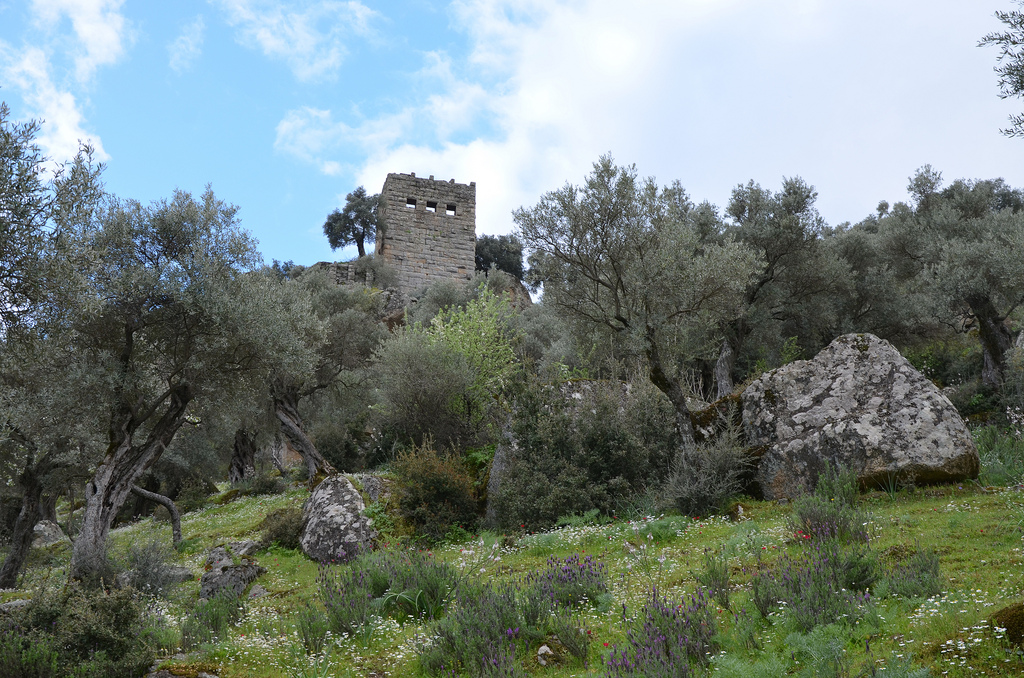
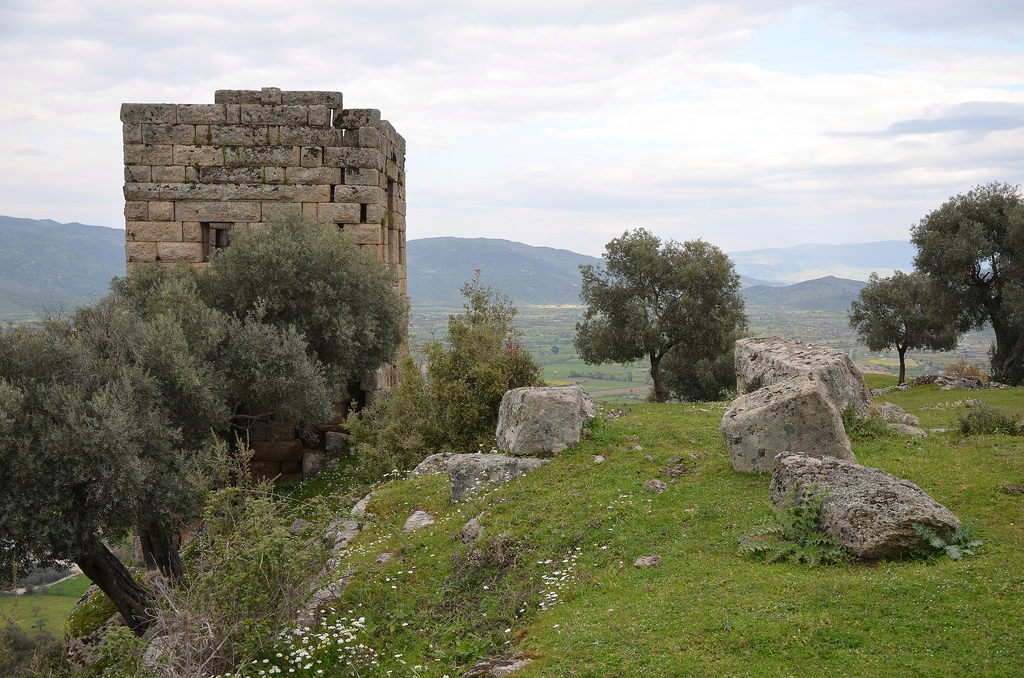
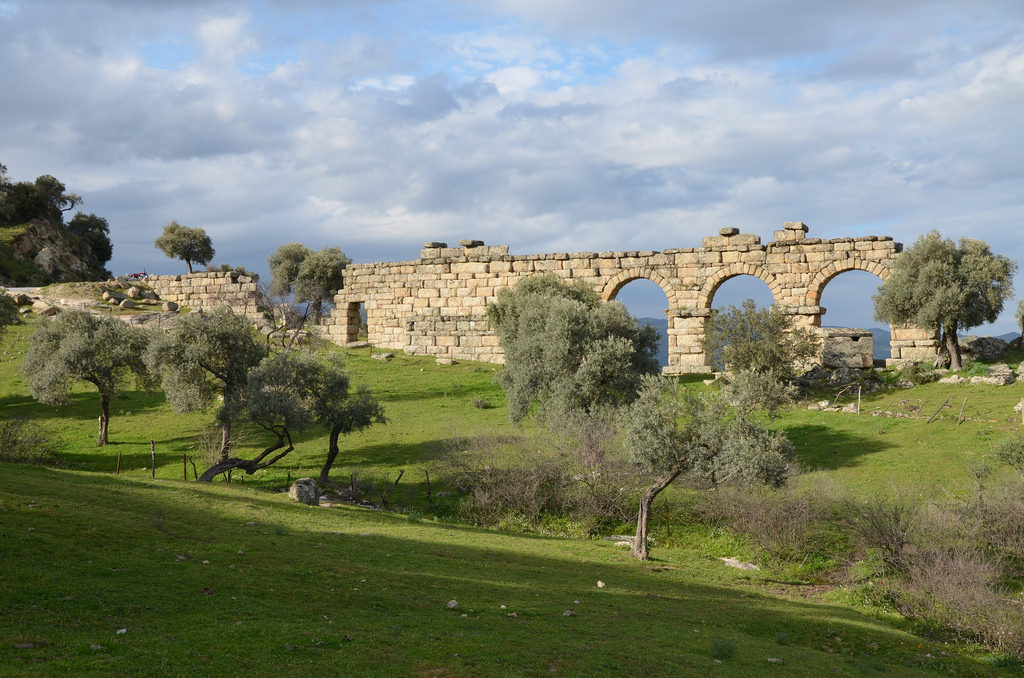
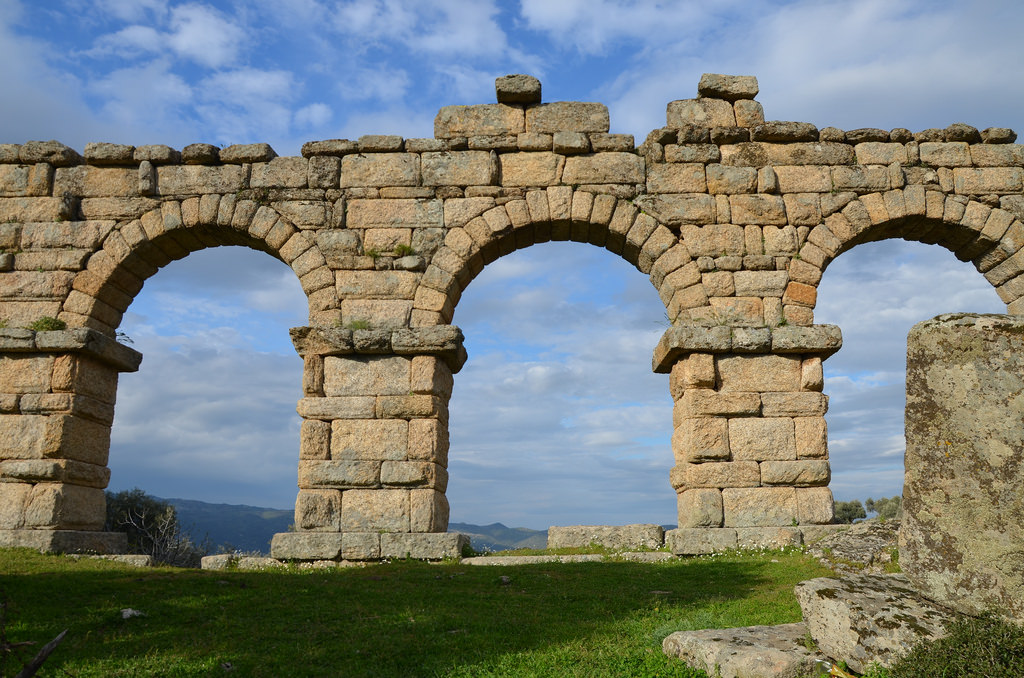
At the summit of the hill stands an imposing two-storey Hellenistic watchtower, the foundations of a small temple and substantial remains of a Roman aqueduct supported by four arches.

PORTFOLIO

The Hellenistic three-storey Agora of Alinda, Caria, Turkey
The south hall of the Hellenistic three-storey Agora of Alinda.
The Hellenistic three-storey Agora of Alinda, Caria, Turkey
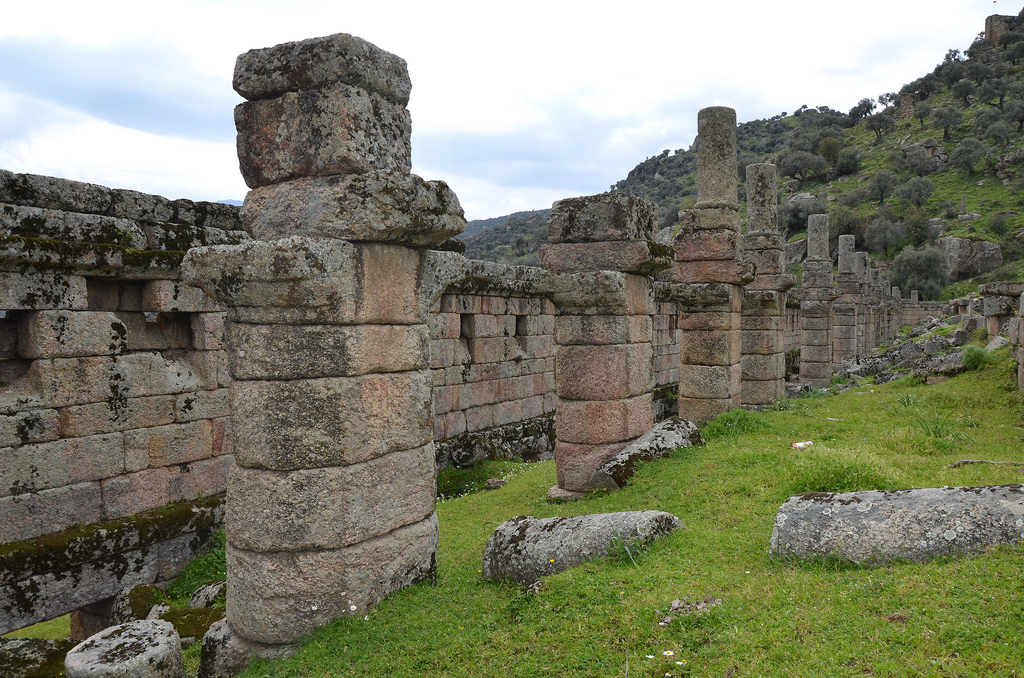
The interior of the south hall of the Hellenistic Agora. The lower part of the building was probably filled with small shops.
Above them a long line of columns still survives dividing up what was originally a second storey; how this floor was used is unknown.
Above the first storey, a long line of columns still survives, dividing up what was originally a second storey.
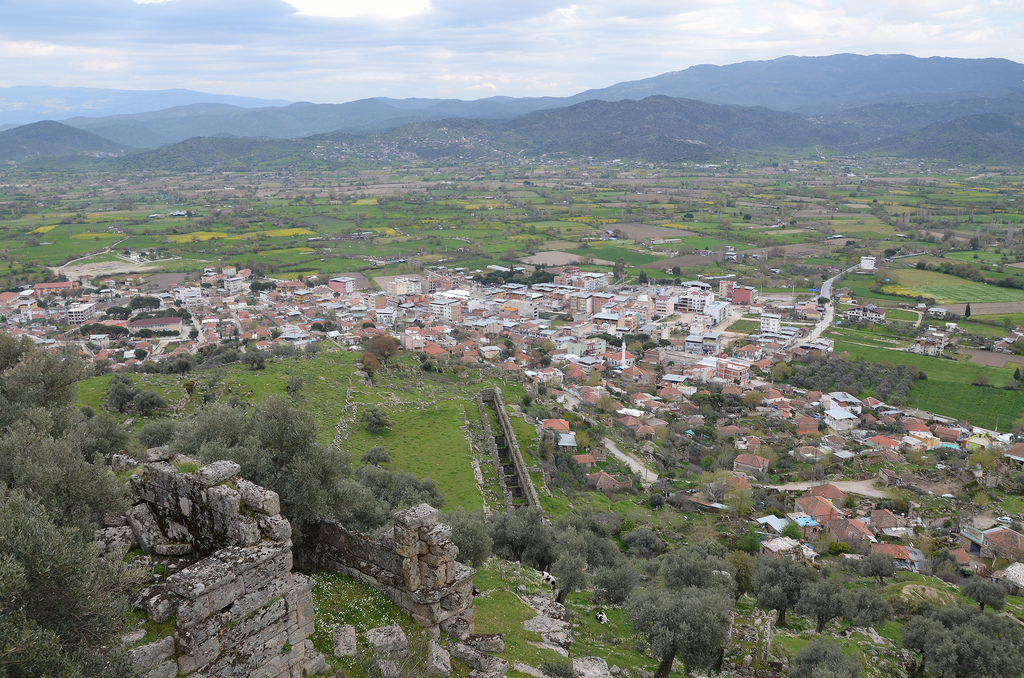
View of Alinda's lower town with the Agora and the western analemma ( retaining wall) of the theatre in the foreground.
View of Alinda’s lower town with the Agora and the western analemma ( retaining wall) of the theatre in the foreground.
The ruins of the early 2nd century BC theatre, Alinda, Caria, Turkey
The ruins of the Hellenistic Theatre that has yet to be excavated.
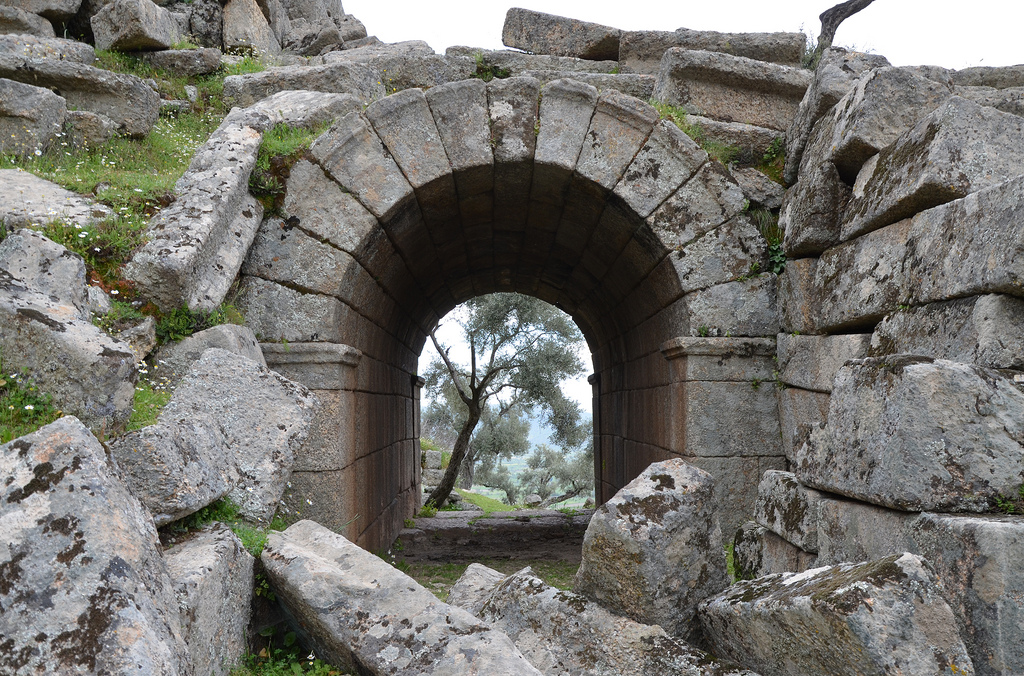
The retaining wall of the cavea of the Hellenistic Theatre with the arched entrance leading to the diazoma.
The retaining wall of the cavea of the Hellenistic Theatre.
The arched entrance leading to the diazoma of the Hellenistic Theatre.
The foundations of the small temple located on the highest elevation of the lower town.
The small temple’s foundations, located at the lower town’s highest elevation.
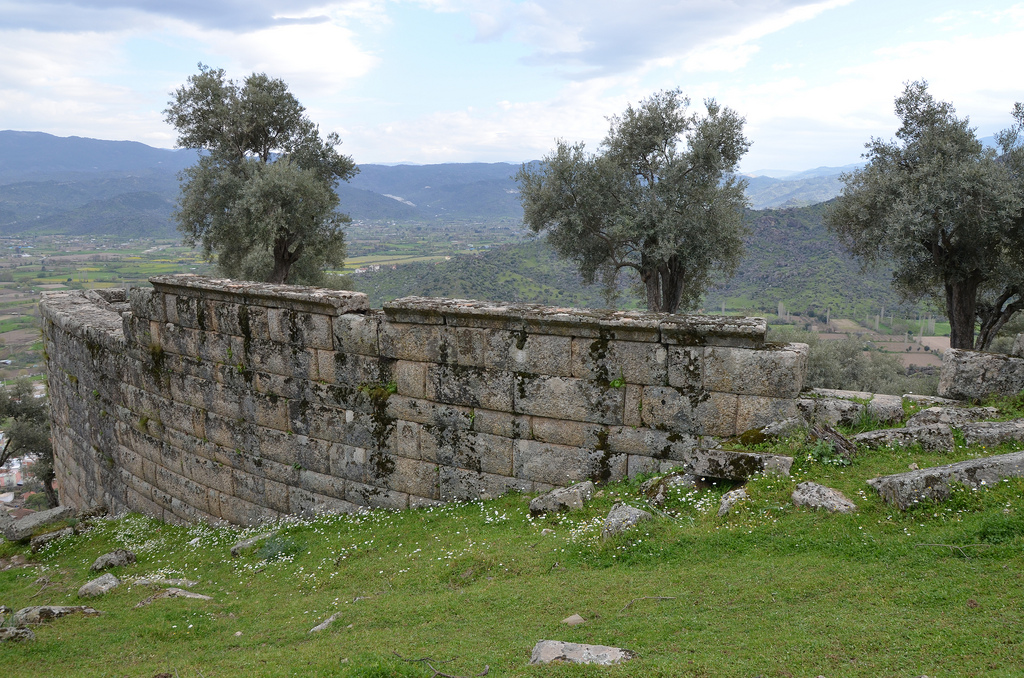
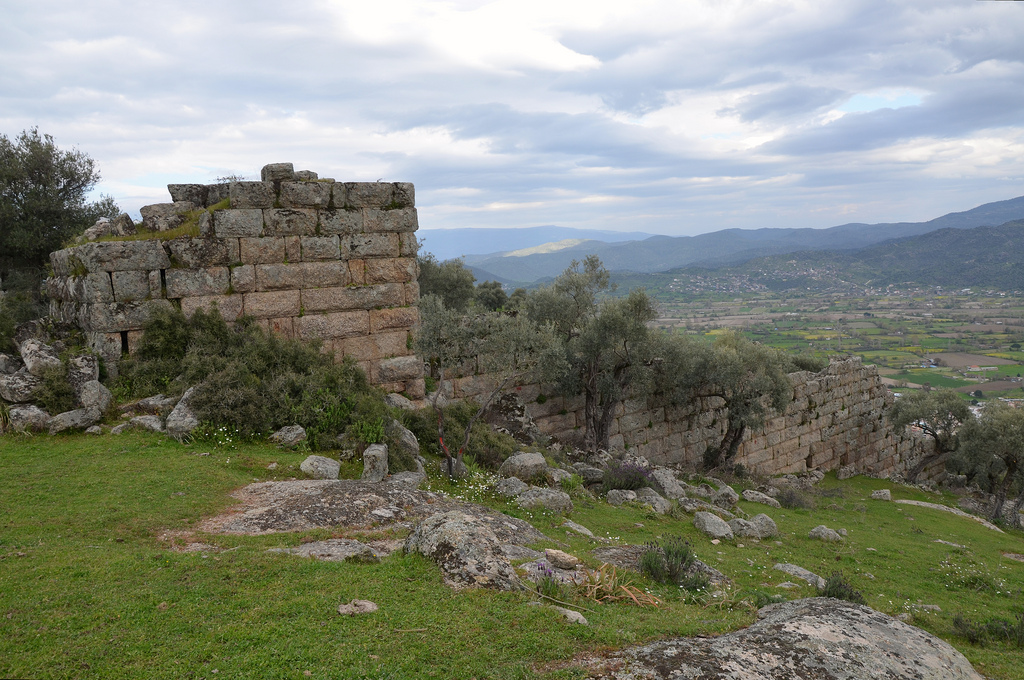
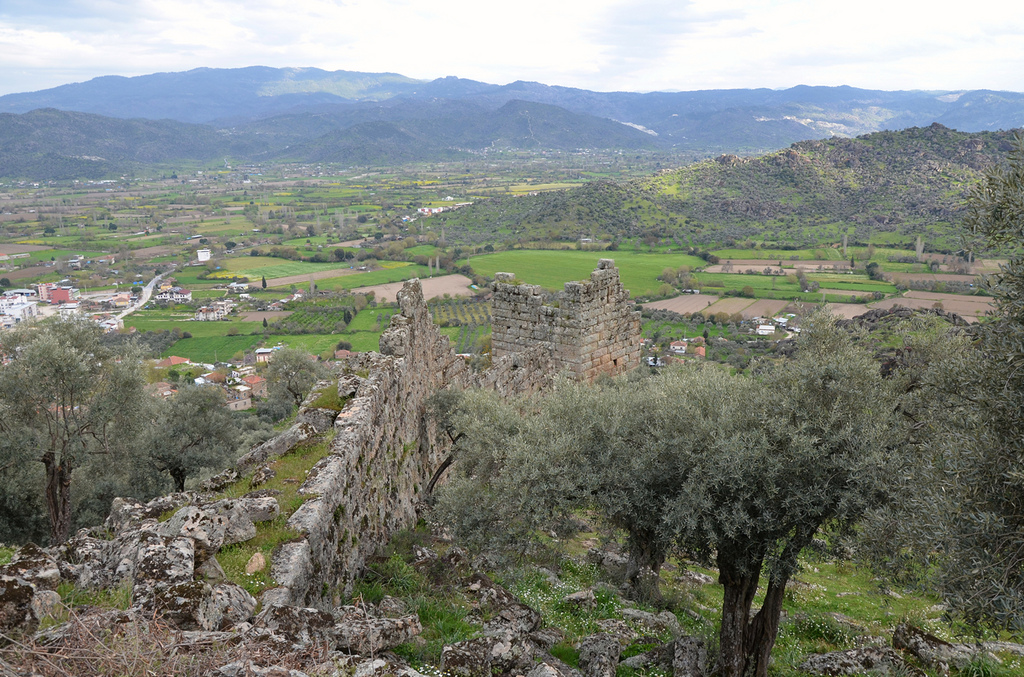
The Hellenistic city walls.
The Two-storey Hellenistic watchtower.
The Two-storey Hellenistic watchtower, Alinda, Caria, Turkey
The Two-storey Hellenistic watchtower.
The 45 meter section of the Roman aqueduct of Alinda with 4 remaining arches, Alinda, Caria, Turkey
The 45-meter section of the Roman aqueduct of Alinda with 4 remaining arches.
The 45 meter section of the Roman aqueduct of Alinda with 4 remaining arches, Alinda, Caria, Turkey
The 45-meter section of the Roman aqueduct of Alinda with 4 remaining arches.
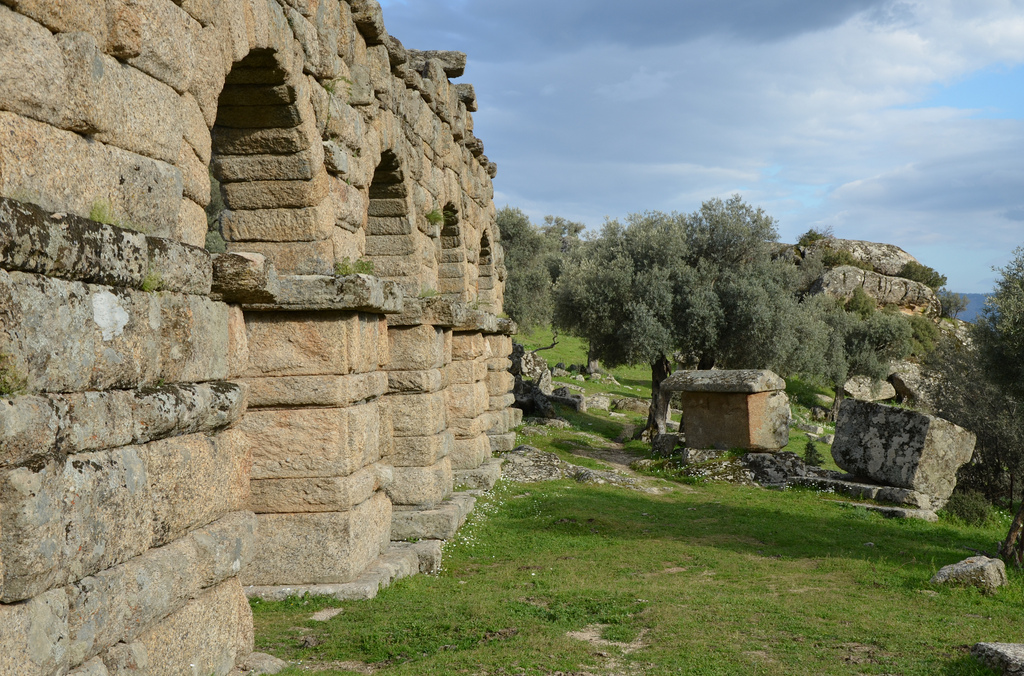
The aqueduct and sarcophagus from the late Classical necropolis.
The aqueduct and sarcophagi from the late Classical necropolis.
Over the arches of the aqueduct is the water channel, with some of its covering stones still in position.
Over the aqueduct’s arches is the water channel, with some of its covering stones still in position.

Links: