Patara was one of the main cities of Lycia, located at the mouth of the Xanthos River and closely associated with the fortunes of its harbour. From early on, it became a major port, linking the interior of Lycia to maritime trade routes across the Mediterranean. It later became an important centre of the Lycian League, reflecting its political and economic significance. Under Roman rule, the city expanded, acquiring monumental buildings, baths, and a theatre. However, its prosperity gradually declined as the harbour became silted, cutting it off from the sea. By the Byzantine period, its significance had diminished, and the site was ultimately abandoned. Much of the city remained buried beneath sand until modern excavations began to uncover it once again.
Patara’s early history is closely tied to both myth and geography. Ancient tradition connected its foundation to Patarus, a son of Apollo, reflecting the city’s long-standing association with the god and his oracle. Historically, Patara’s earliest mention dates back to the Bronze Age, when it is thought to have been known as Pttara in Hittite records, indicating its presence as an established settlement long before the classical period. The city later developed as a key Lycian settlement at the mouth of the Xanthos River, giving it access to both inland routes and the Mediterranean. This advantageous location allowed Patara to emerge as an important harbour and trading centre from an early date, linking the fertile Xanthos valley with wider networks of exchange.
By the Classical and Hellenistic periods, Patara had become one of the principal cities of Lycia. Its growth was influenced by both commerce and its religious significance. The city developed a more defined urban character, with its layout organised around the harbour and surrounding hills. Evidence of early public buildings and necropolises indicates a settlement that was economically active and structurally established. During the Hellenistic period, Patara was renamed Arsinoe, most likely under the Ptolemaic rulers who briefly controlled parts of Lycia. The name honoured Arsinoe II, the sister and wife of Ptolemy II Philadelphus, reflecting the common Hellenistic practice of renaming cities after members of ruling dynasties. However, the name did not persist. The city soon reverted to Patara, the name by which it is known in both earlier tradition and later historical periods.
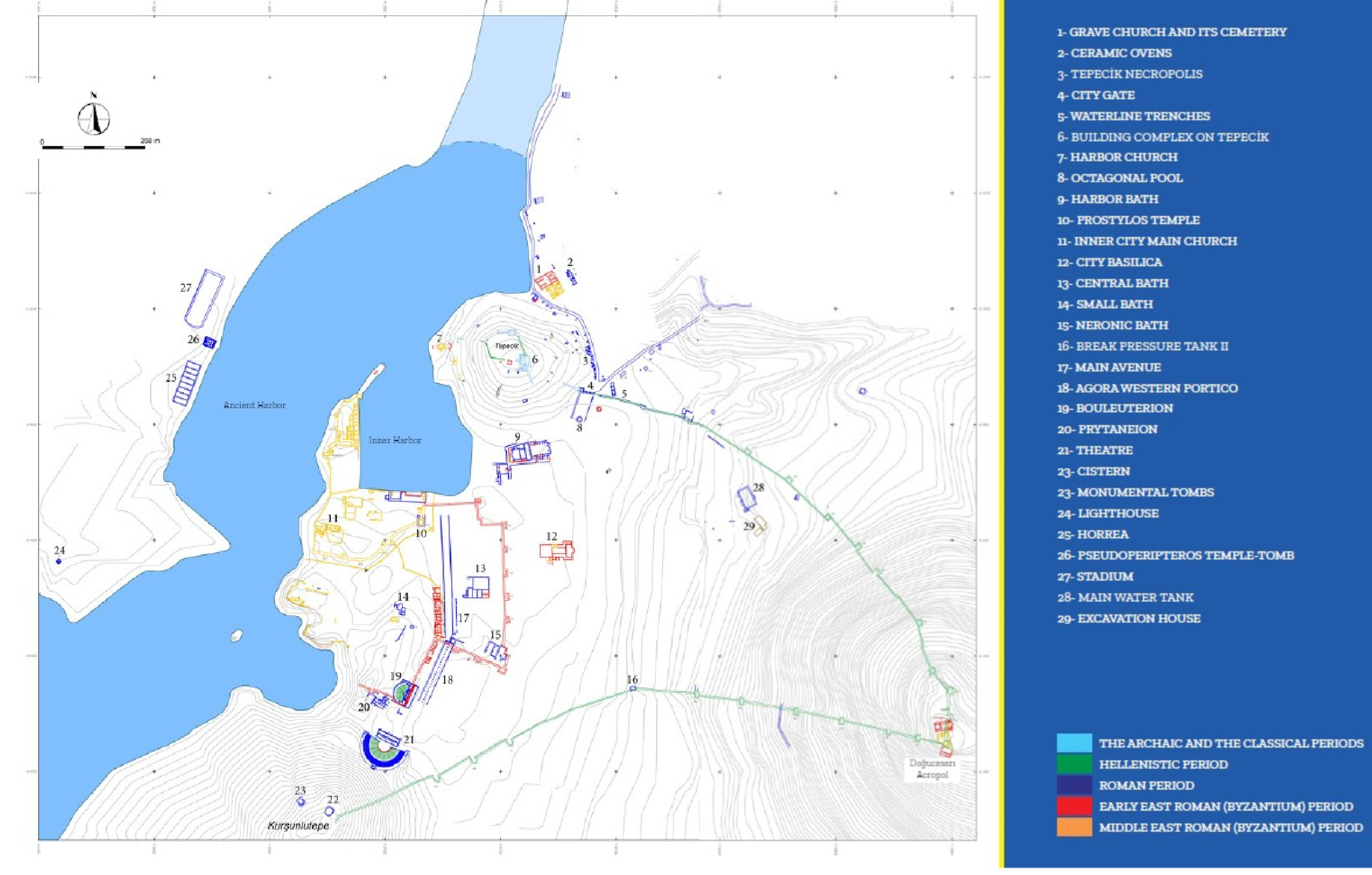
Patara city plan.
Under Roman rule, Patara reached the height of its importance and development. Following the annexation of Lycia in AD 43, the city became the administrative capital of the province and a central hub for both governance and trade. Its harbour remained a key asset, linking the interior of Lycia with the wider Mediterranean and ensuring continued prosperity. This period saw extensive urban expansion, with the construction of monumental buildings including baths, a theatre, colonnaded streets, and the Bouleuterion. Patara also played a significant role within the Lycian League during this time, reinforcing its political status, while its connections to the imperial network, particularly routes linking to Constantinople, further secured its position as one of the region’s leading cities. Patara was recognised as the metropolis (chief city) of Lycia and held the prestigious status of a high-priestly centre and twice as neocorus (temple warden) of the Lycian nation. This status was confirmed by inscriptions from the 2nd and 3rd centuries AD.
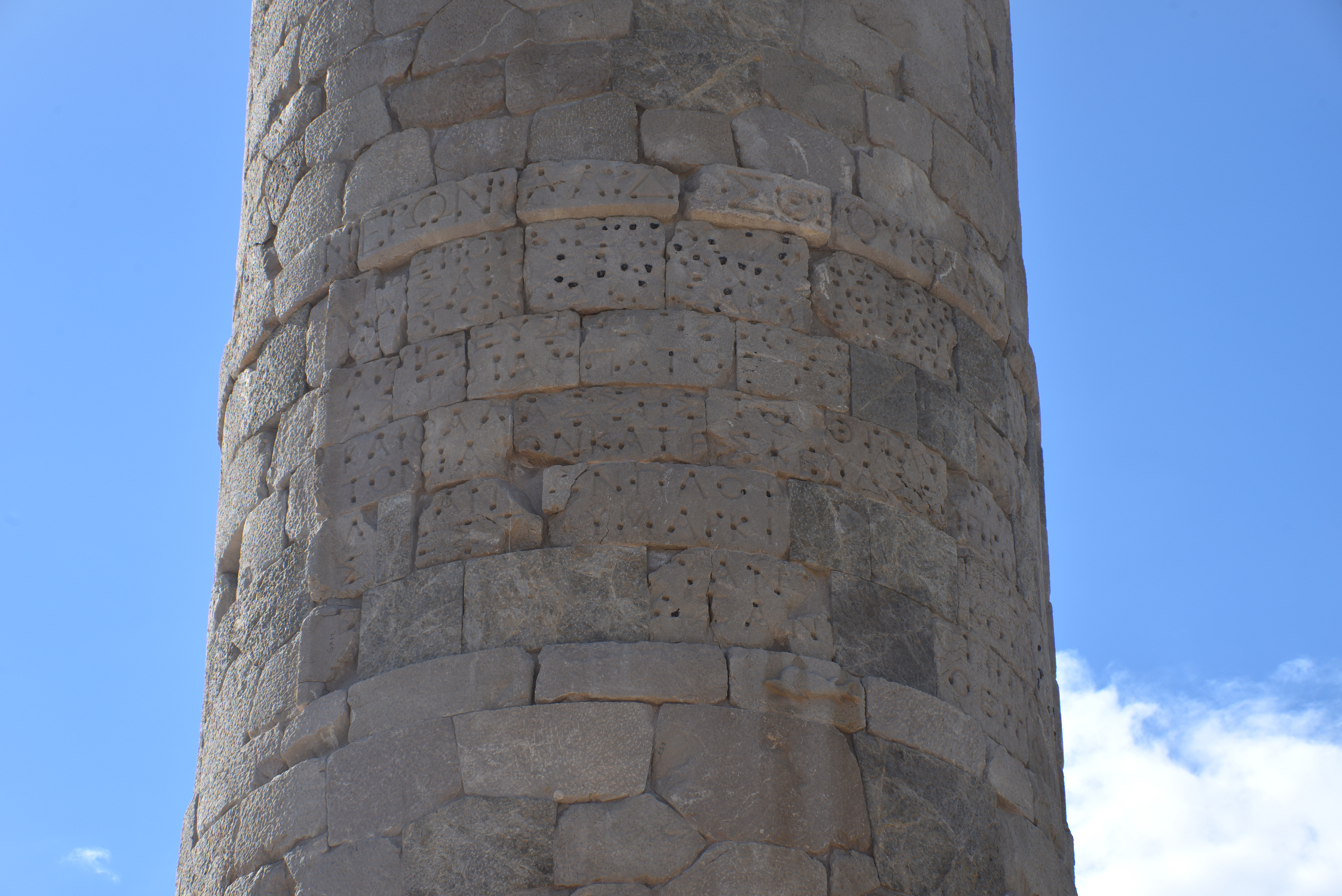
Hadrian visited Patara in AD 129 or 131, and his reign was marked by significant imperial attention to the city. This is confirmed by an inscription on the eastern facade of the horreum (granary) located on the western part of the city (TAM II 397). Additional inscriptions specifically honour Hadrian and his wife Sabina, associate them with Zeus of Olympus (TAM II 409) and ‘New Hera’ (TAM II 412). Furthermore, other inscriptions honour Hadrian as “saviour and builder” (TAM II 410).
HORREA IMP. CAESARIS DIVI TRAIANI PARTHICI F. DIVI [NERVAE NEPOTIS TRAIANI HADRIANI AUGUSTI (Horrea of the commander-in-chief Caesar, son of the divine Traian, who defeated the Parthians, grandson of the divine Nerva, Trajan, Hadrian, and Augustus).
During Late Antiquity and the Byzantine period, Patara remained an inhabited and active city, retaining its role as a bishopric and maintaining connections within the Christian world. The city had already acquired an important place in Christian tradition as the birthplace of Saint Nicholas, the 4th-century bishop of Myra who later became one of the most venerated saints of the medieval world. However, Patara’s fortunes gradually declined due to broader changes affecting the region. Repeated raids, coastal instability, and disease weakened the city over time. At the same time, the continued silting of the harbour further reduced its economic importance, cutting it off from maritime trade. Although occupation persisted for several centuries, Patara steadily diminished in scale and significance, and by the medieval period, it had been largely abandoned, its remains gradually buried beneath sand and sediment.
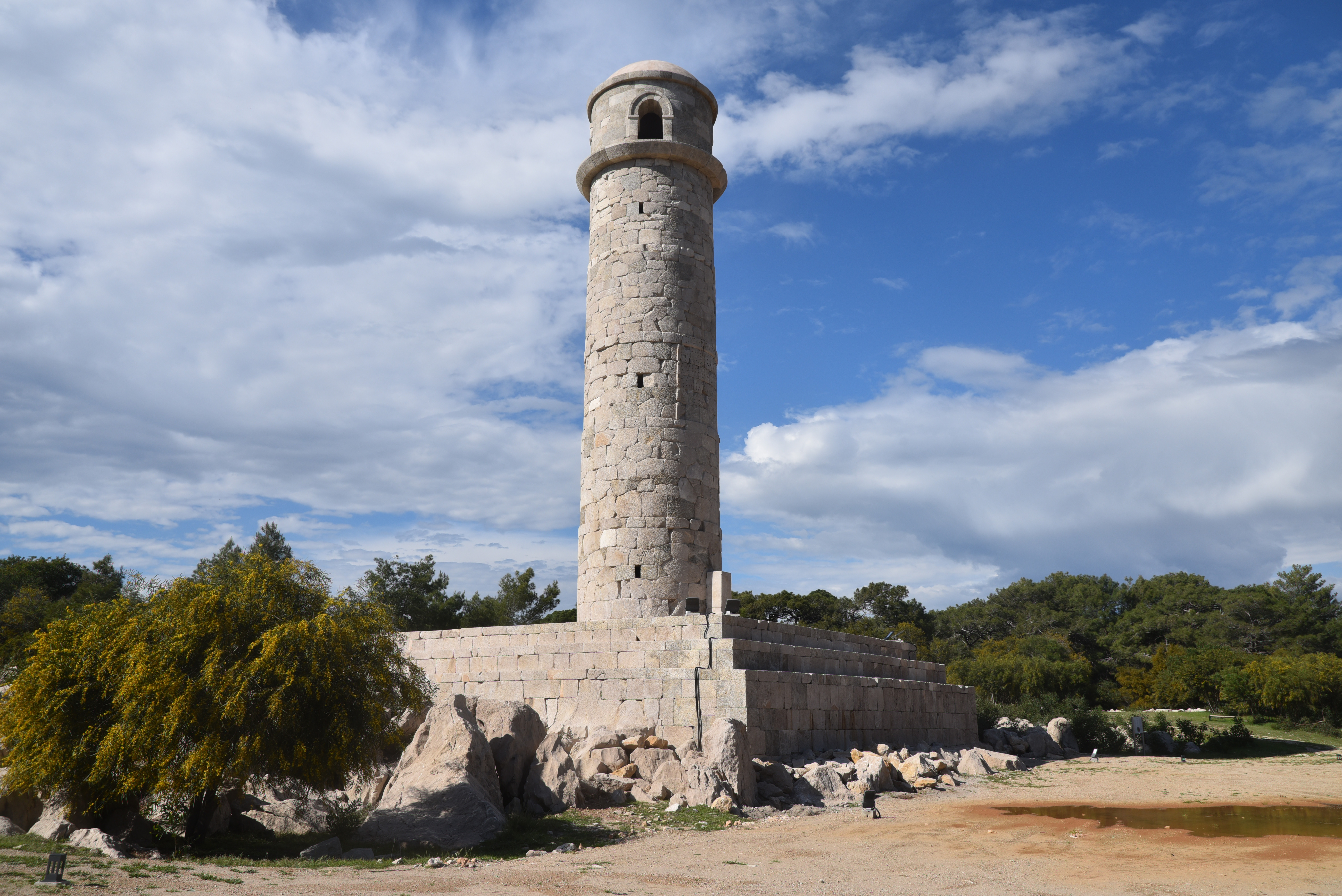
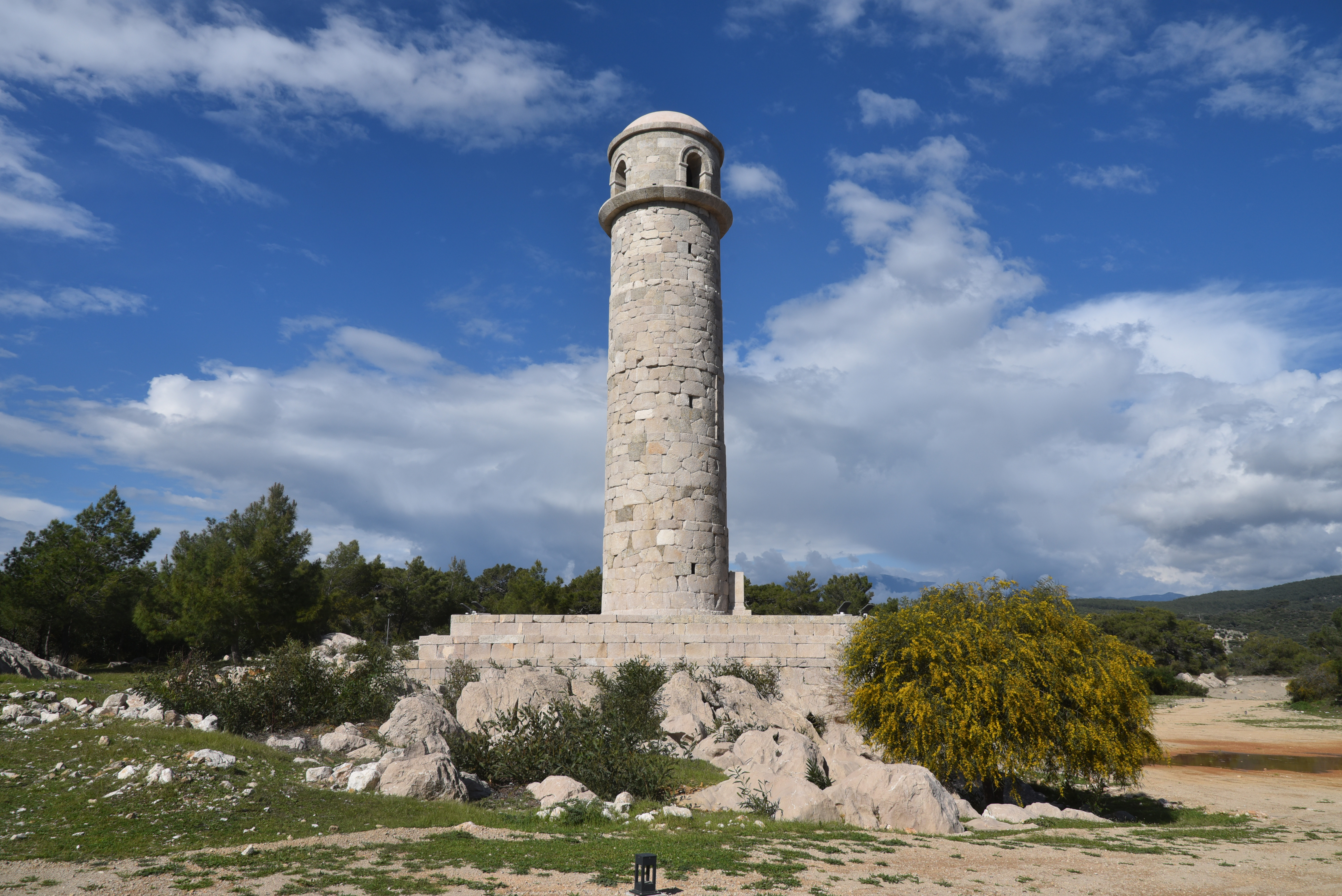
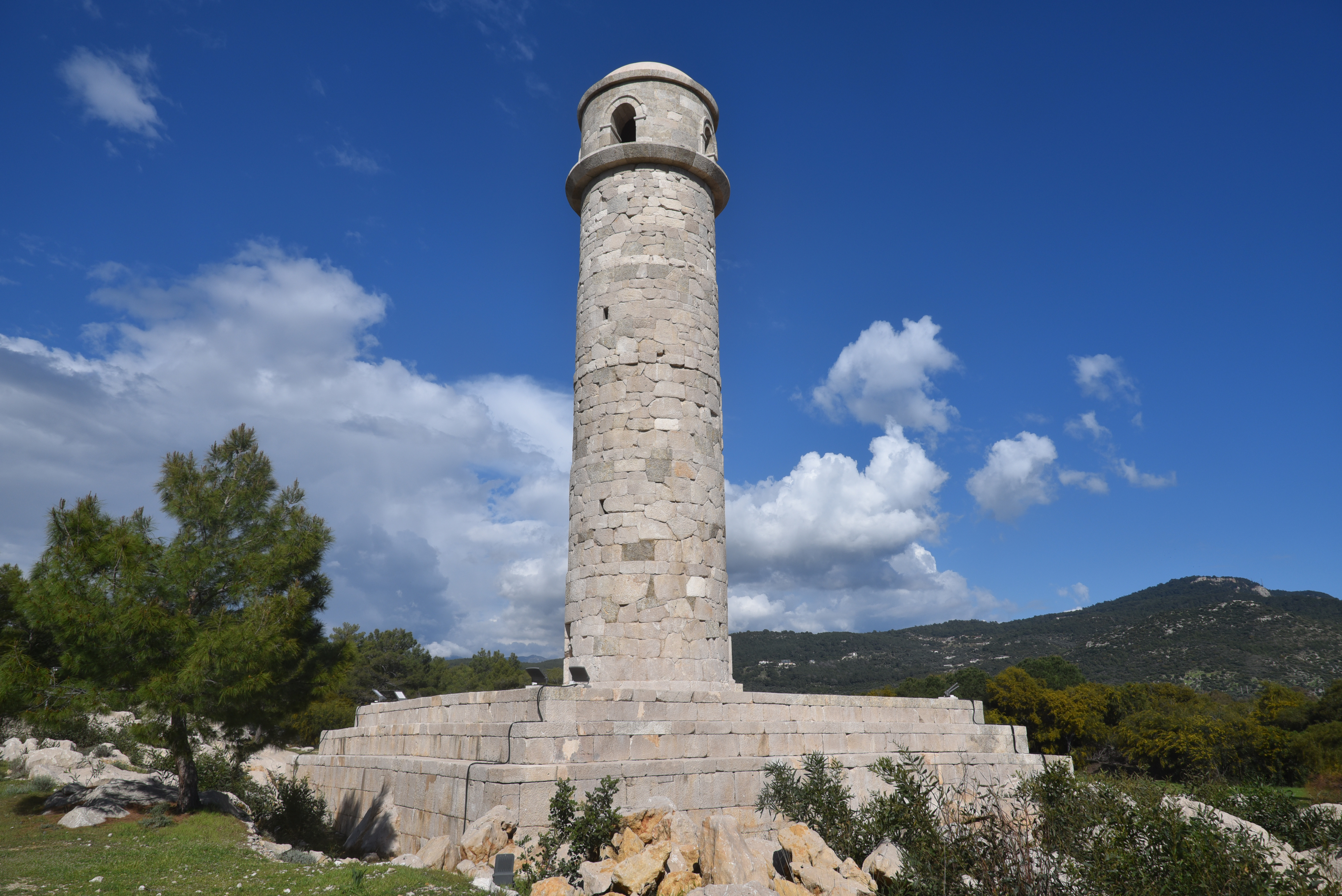
Systematic excavations at Patara began in the late 20th century and have since revealed a city that had long lain hidden beneath sand. As work progressed, major structures emerged, including the theatre, baths, colonnaded street, and the Bouleuterion, many of them remarkably well preserved due to their burial. Among the most significant discoveries has been the Roman lighthouse, originally built under Nero near the ancient harbour. In recent years, this structure has been carefully reconstructed using anastylosis, with its original blocks reassembled to restore its form. The result is a rare example of a Roman lighthouse brought back to life, standing once more as a marker of Patara’s former maritime importance.
Another significant discovery was the Stadiasmus Patarensis, a monumental Roman inscription uncovered in the aftermath of a fire in Patara in the summer of 1993. Erected around AD 45, it served as both an honorary monument for Emperor Claudius and an official record of the Roman road network in the newly annexed province of Lycia. The monument listed numerous roads, cities, and distances (in stadia), functioning as a provincial itinerary. For instance, the inscription included routes such as “from Patara to Xanthos: 56 stadia,” and continued with other cities and distances, allowing reconstruction of the ancient Lycian road network. The blocks were found scattered and reused in later construction, with some still embedded in the Byzantine wall.
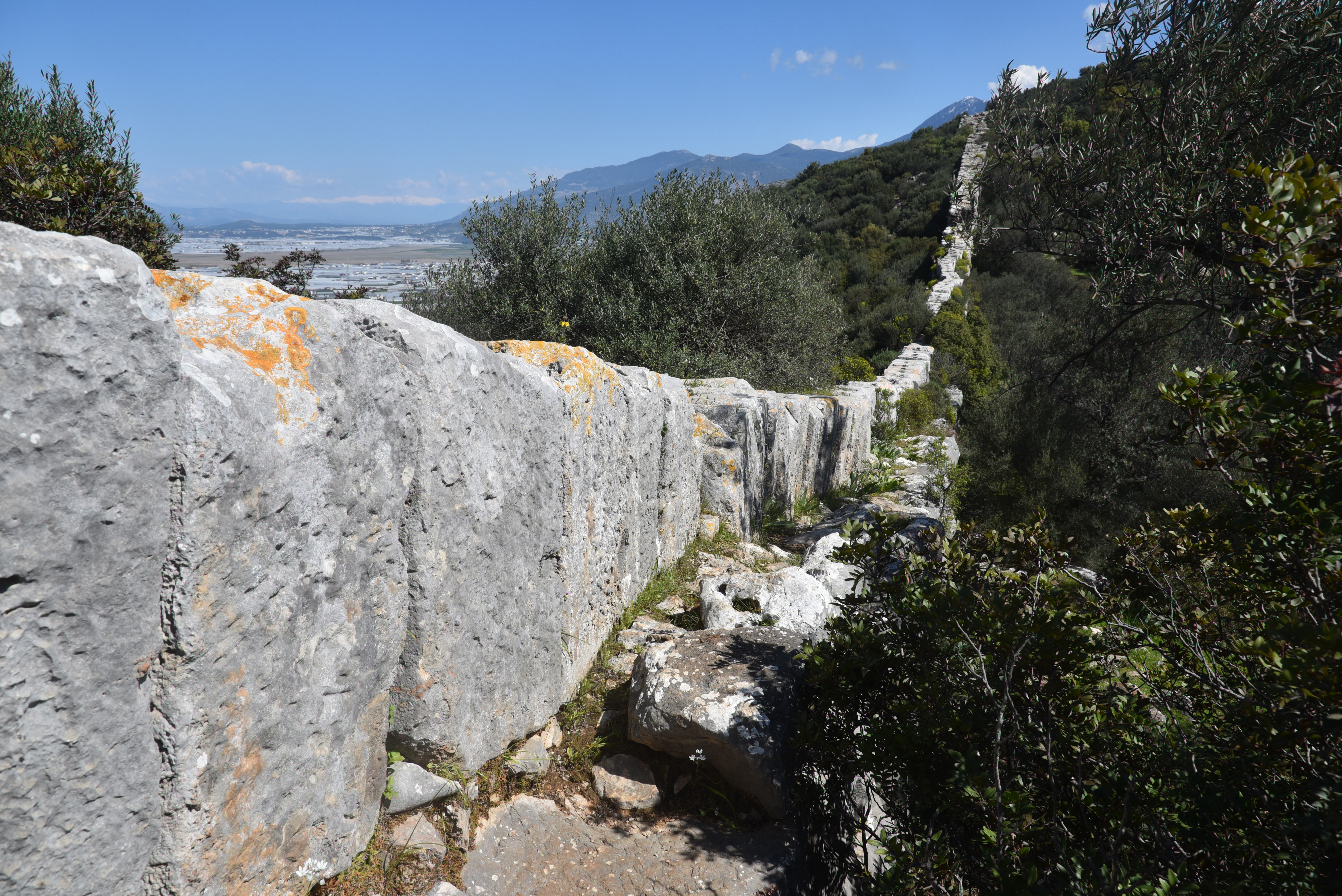
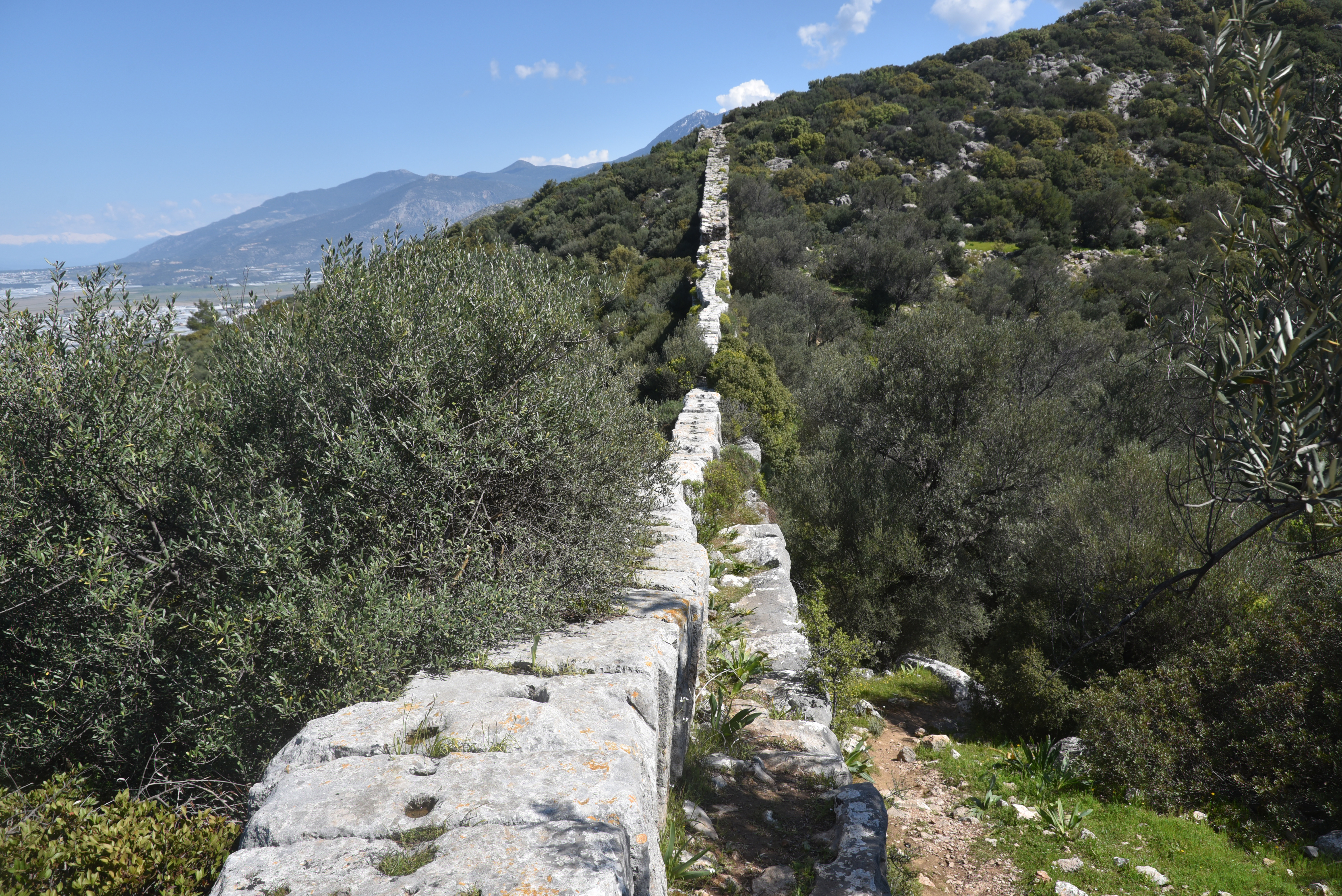
A 22-kilometre-long aqueduct supplied Patara with fresh water from springs in the surrounding hills, carrying it across the landscape to the urban centre and harbour district. Like many Roman aqueduct systems in Asia Minor, it combined channels cut into the bedrock with masonry conduits and elevated sections that maintained a steady gradient over long distances. One of its most fascinating features is the Delikkemer, a 200-metre-long pressure bridge that carried water across the valley from springs in the hills toward the city, using an advanced hydraulic design (reverse siphon) rarely preserved so clearly in the ancient world.
PORTFOLIO
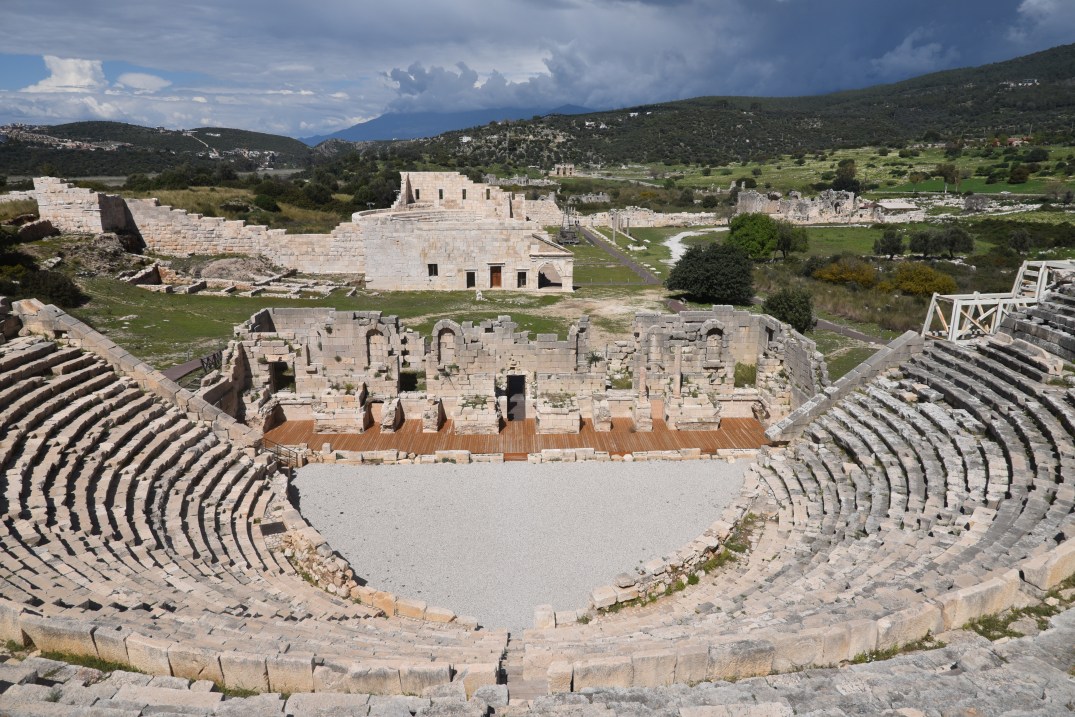
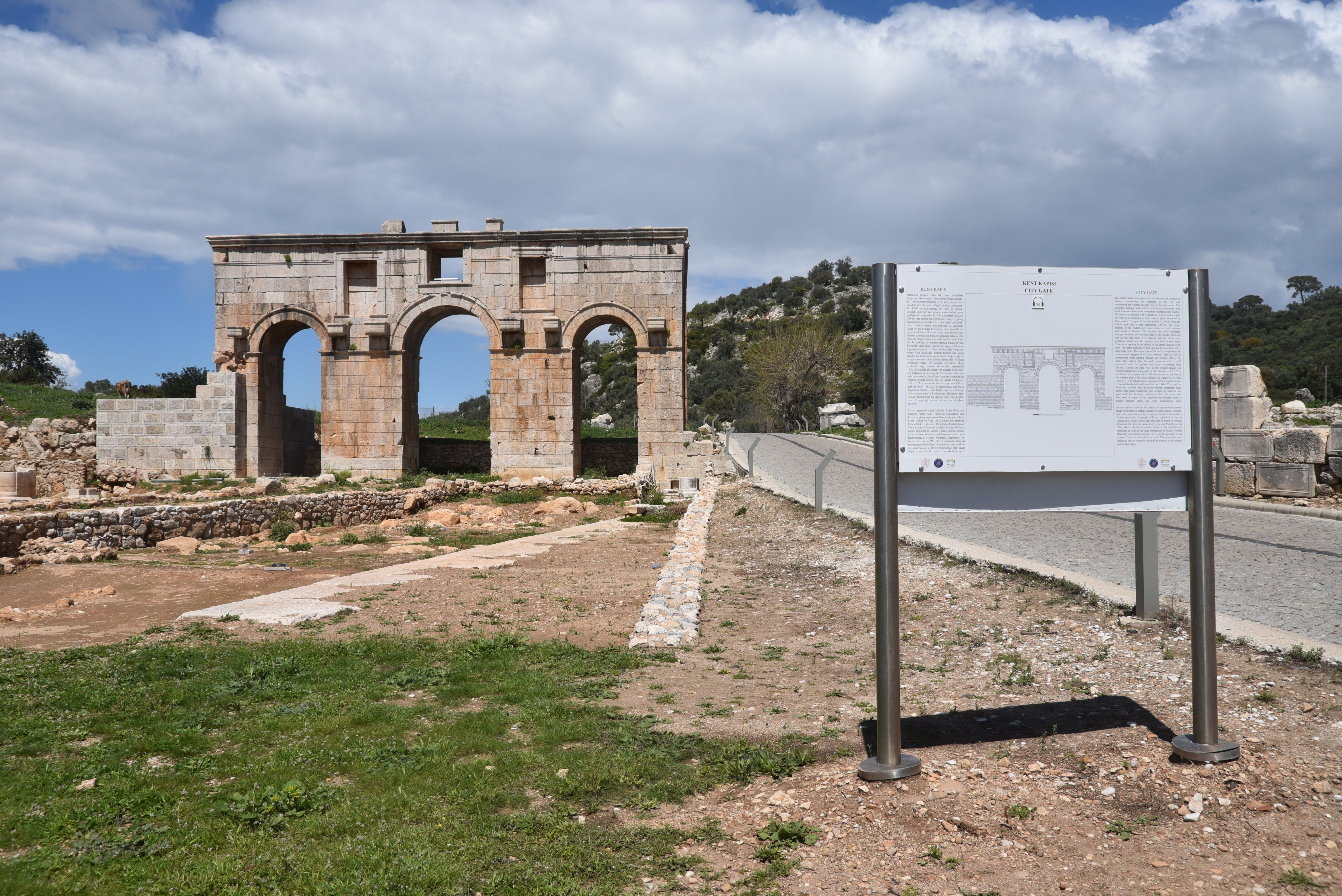
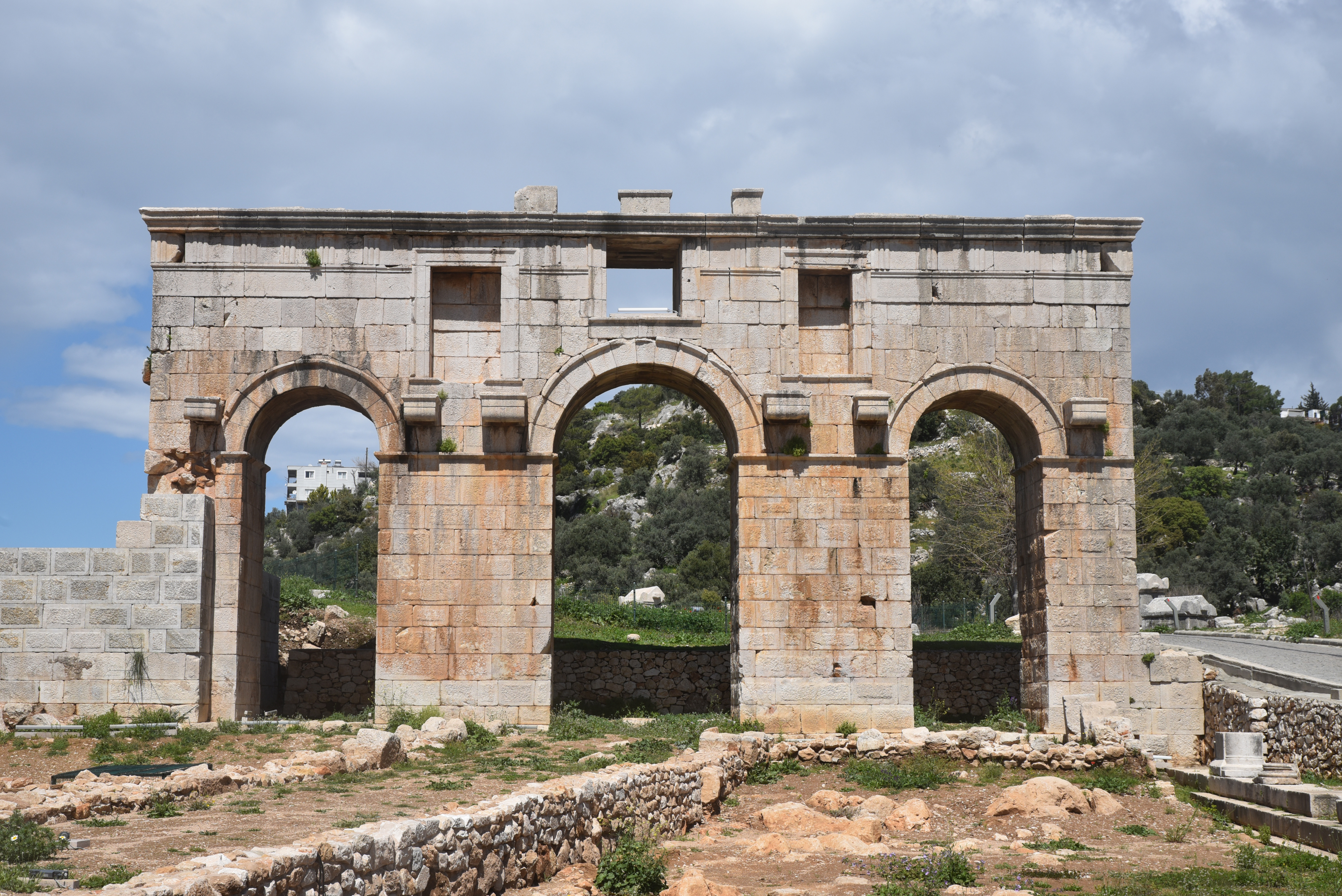
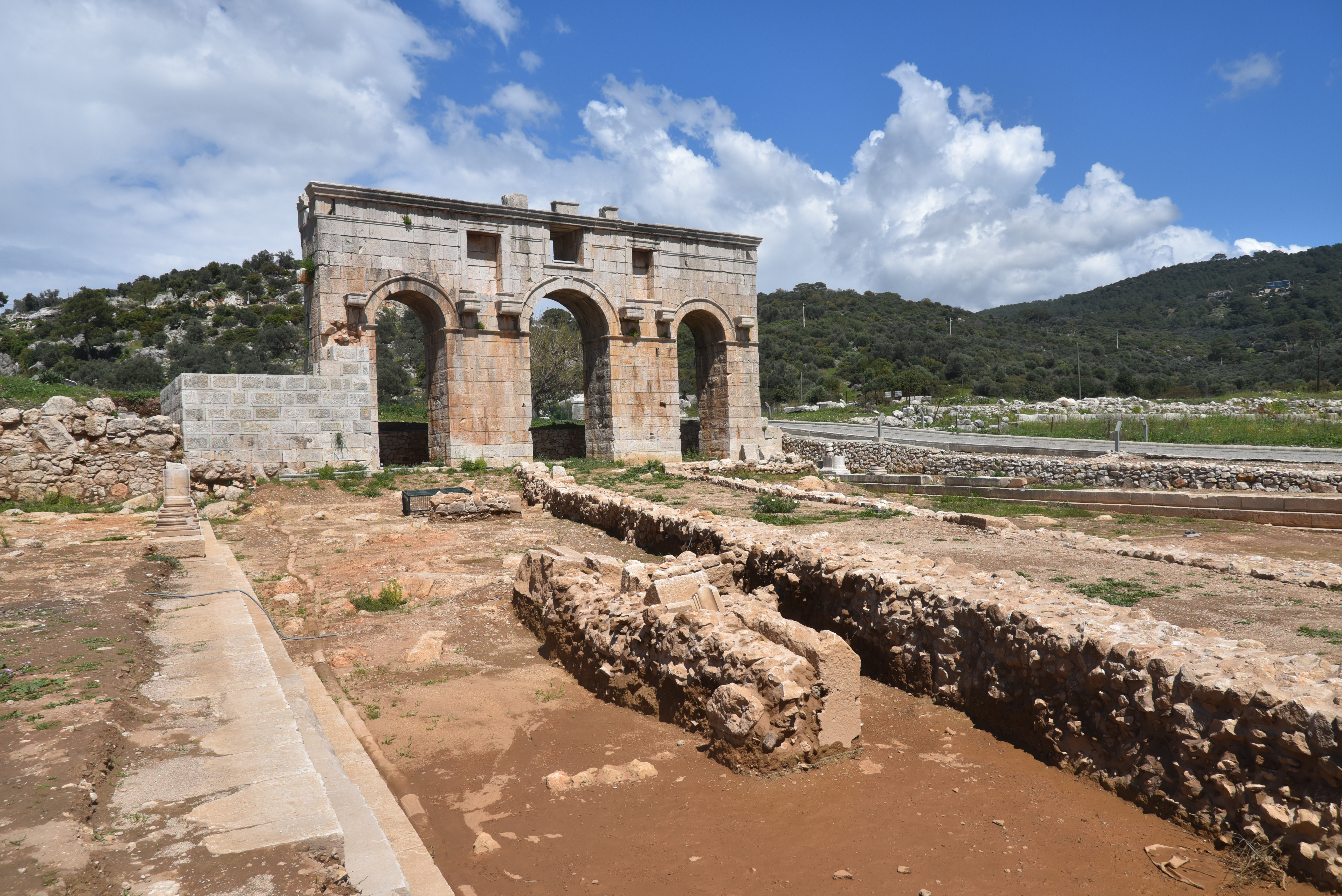
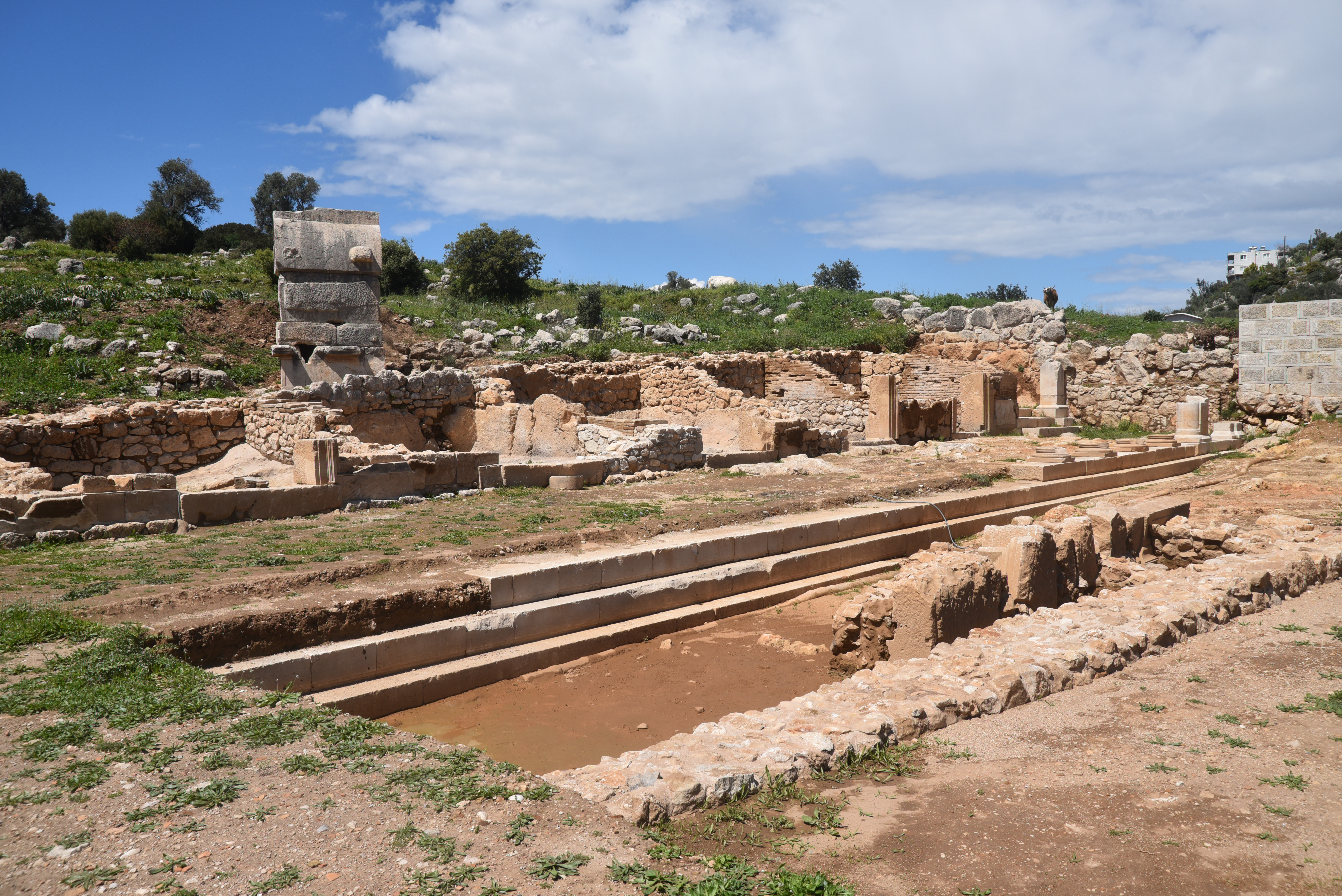
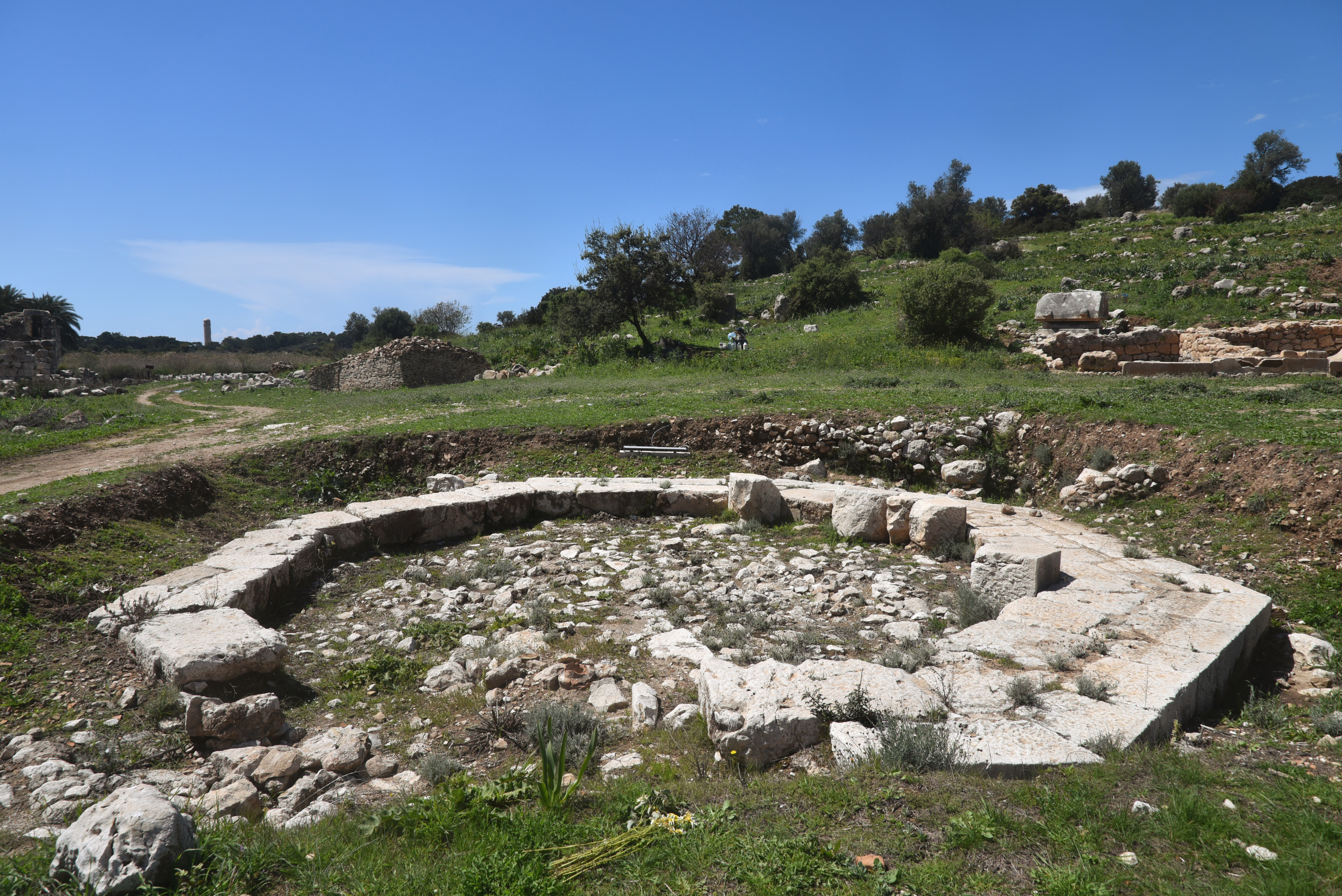
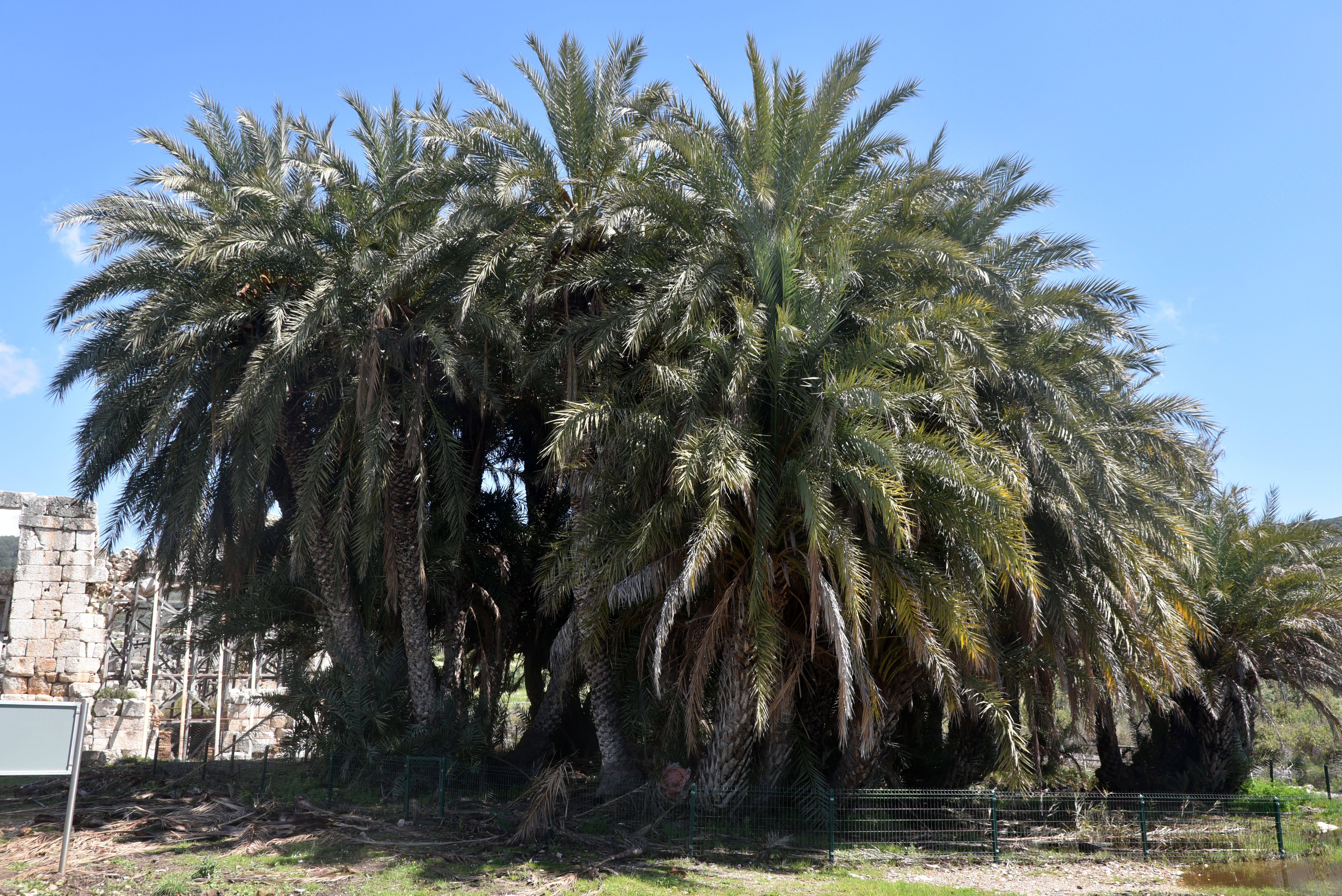
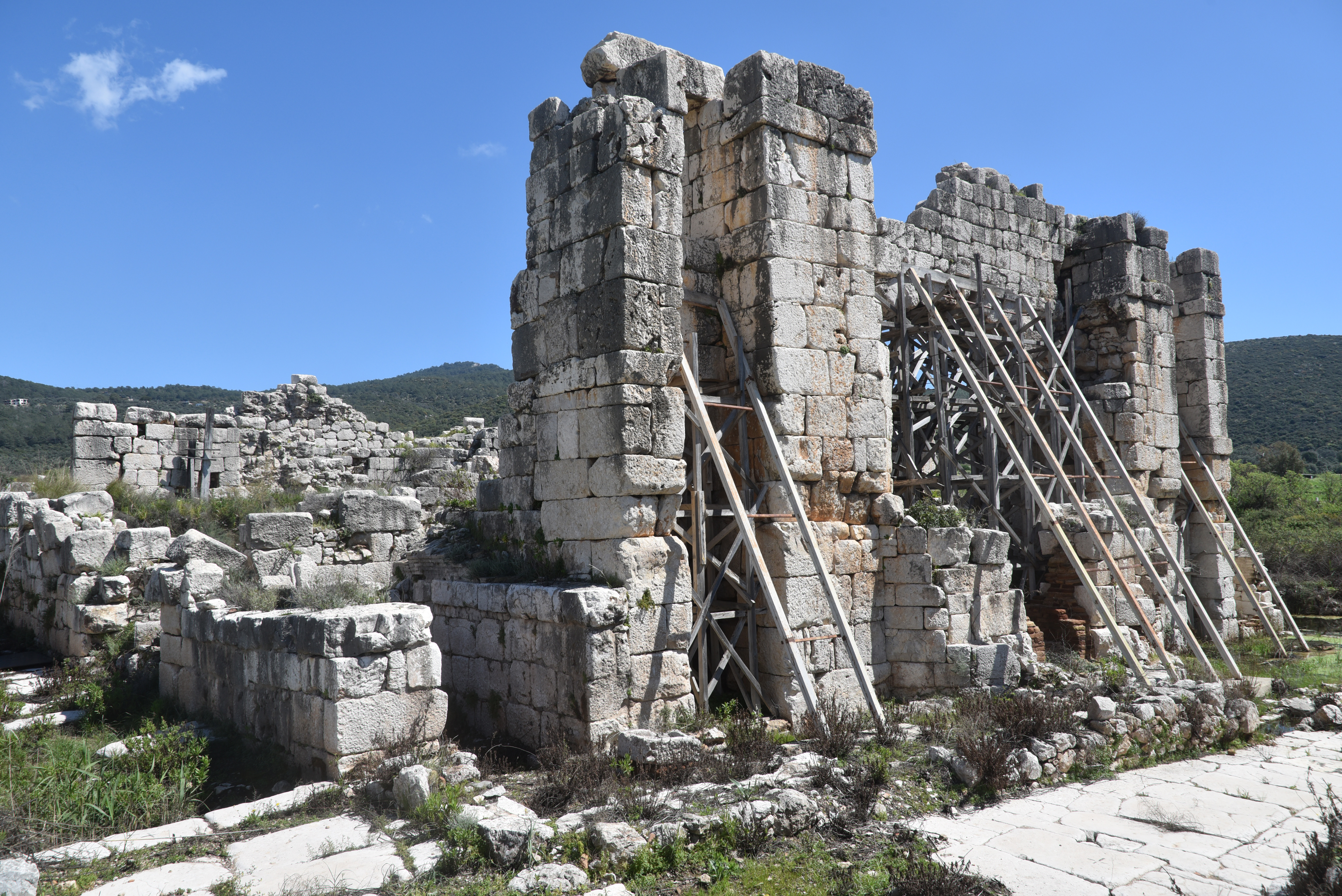
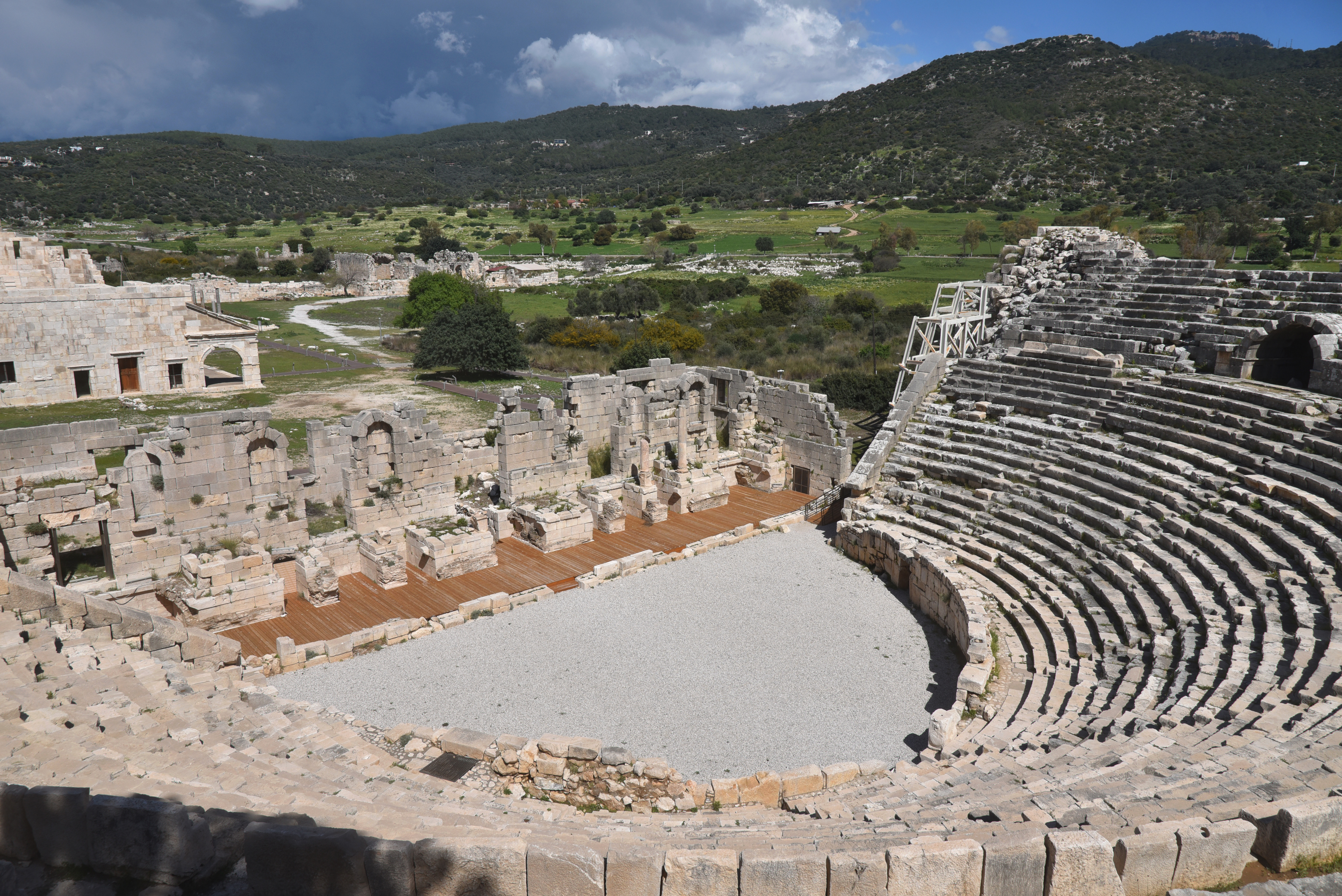
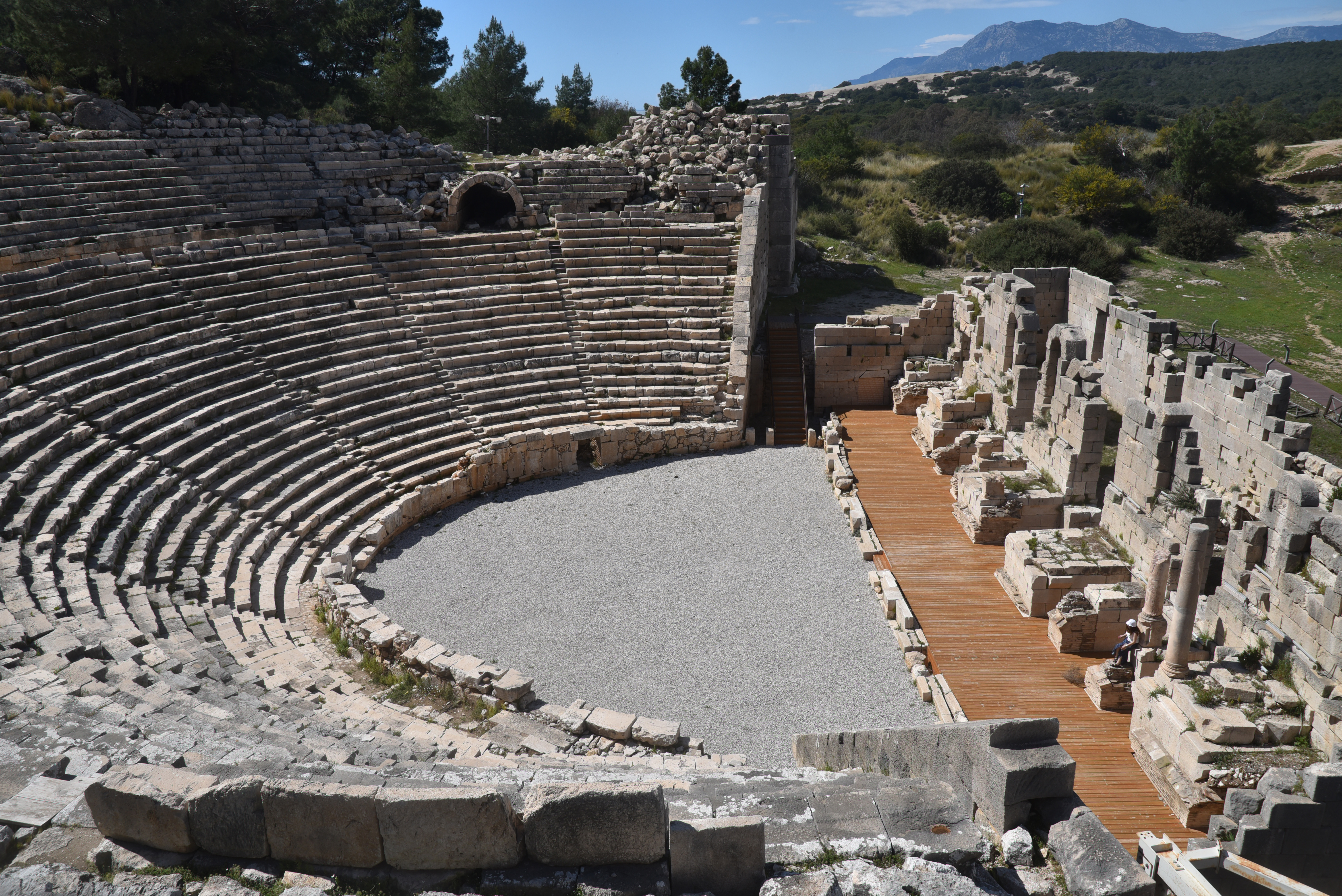
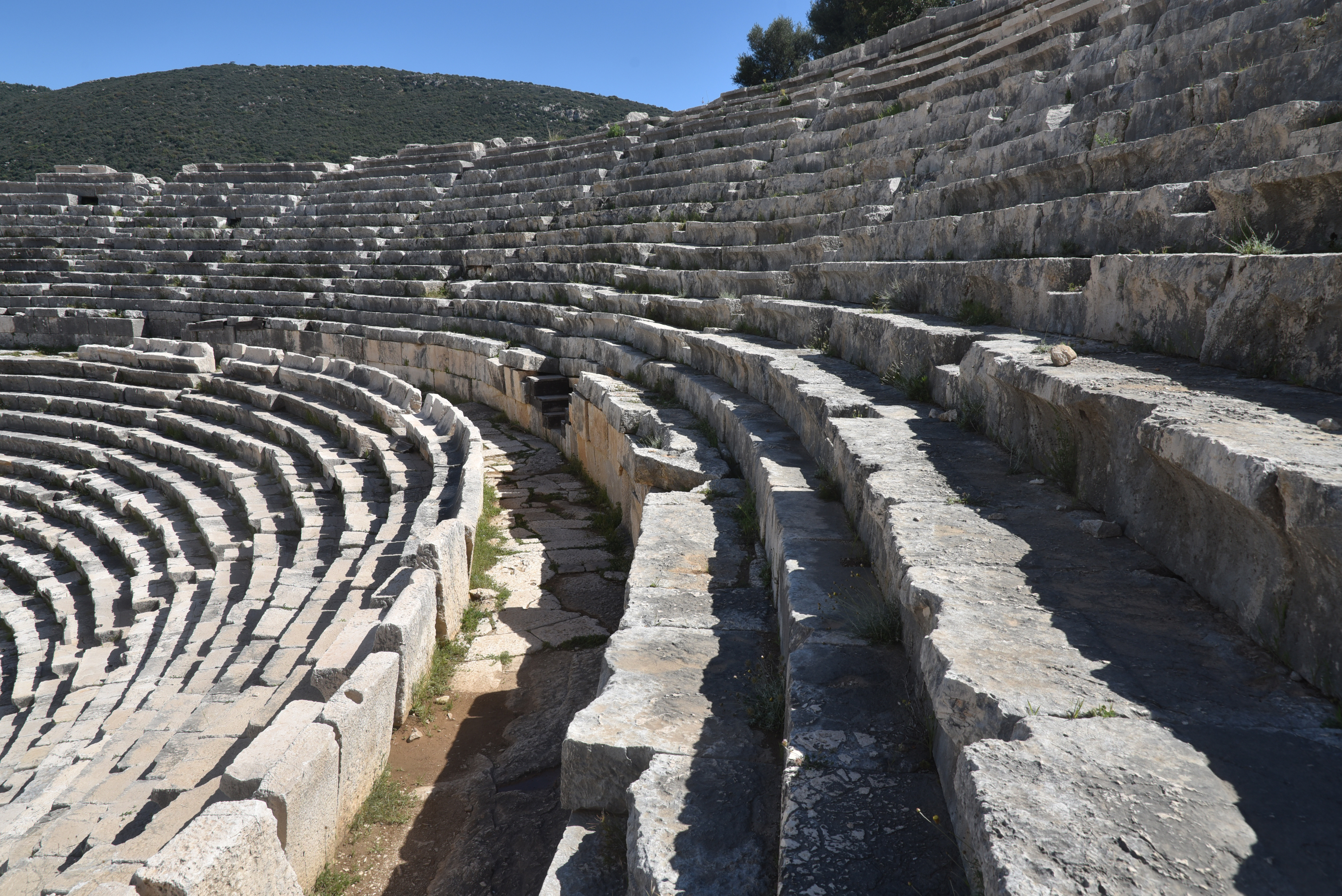
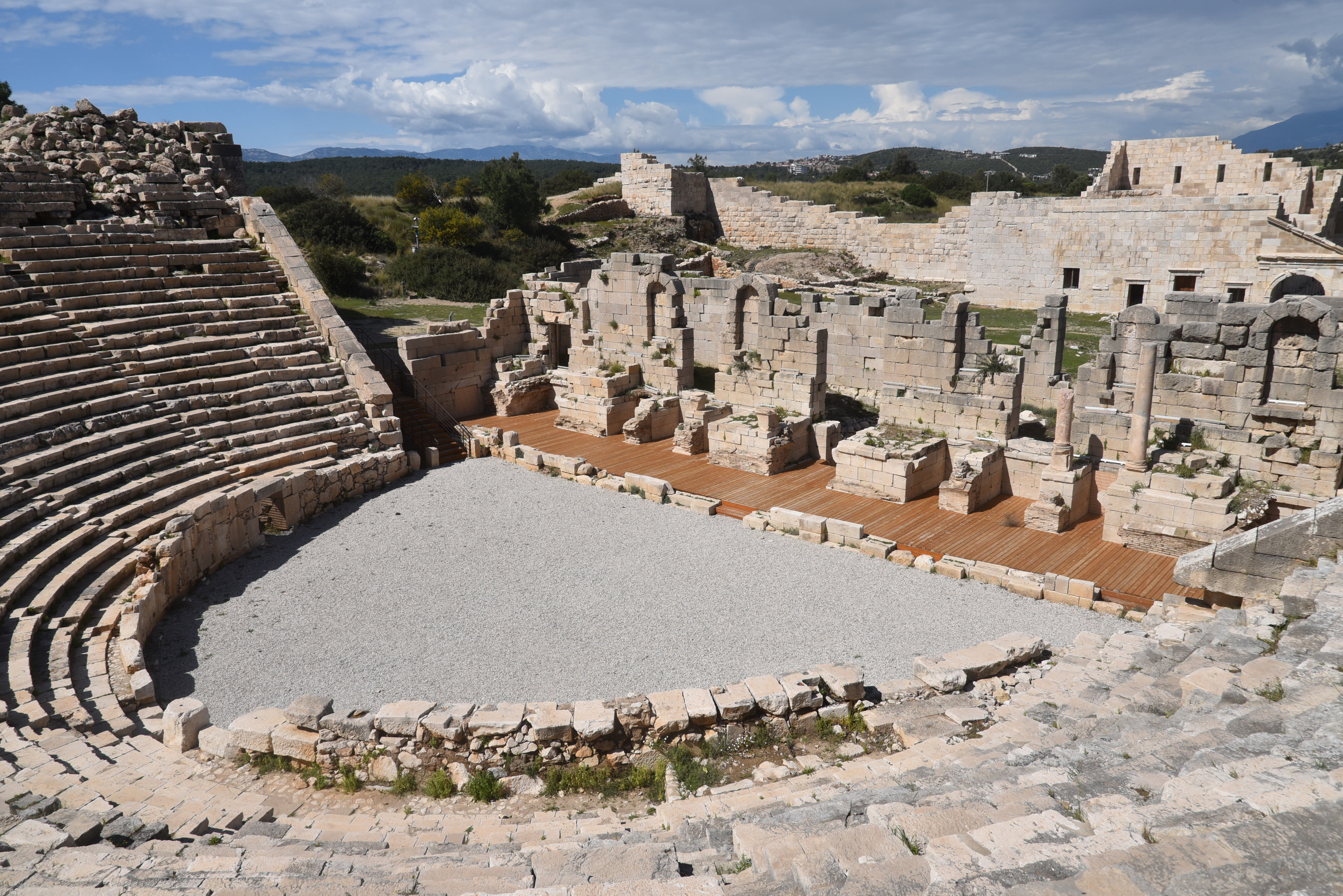
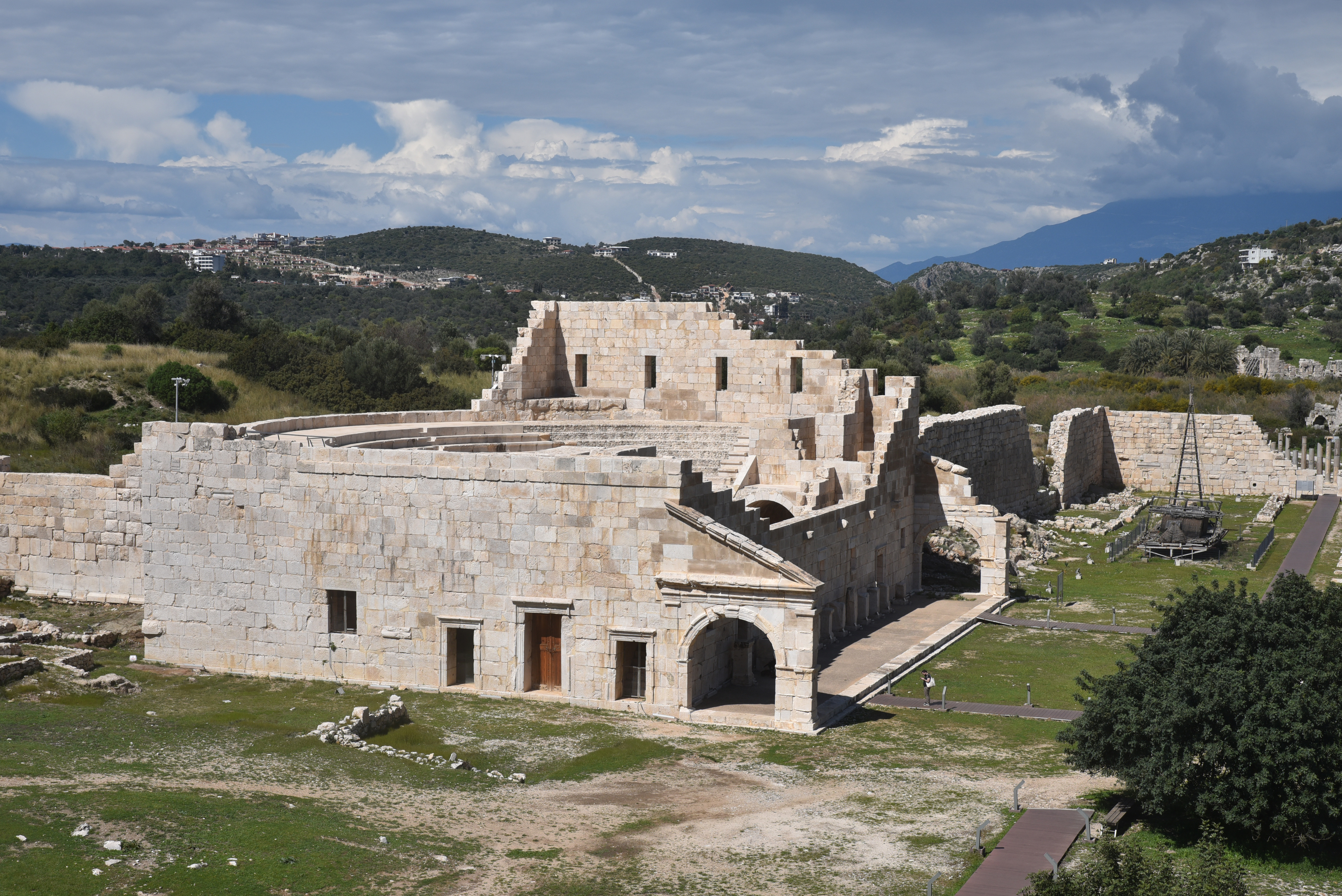
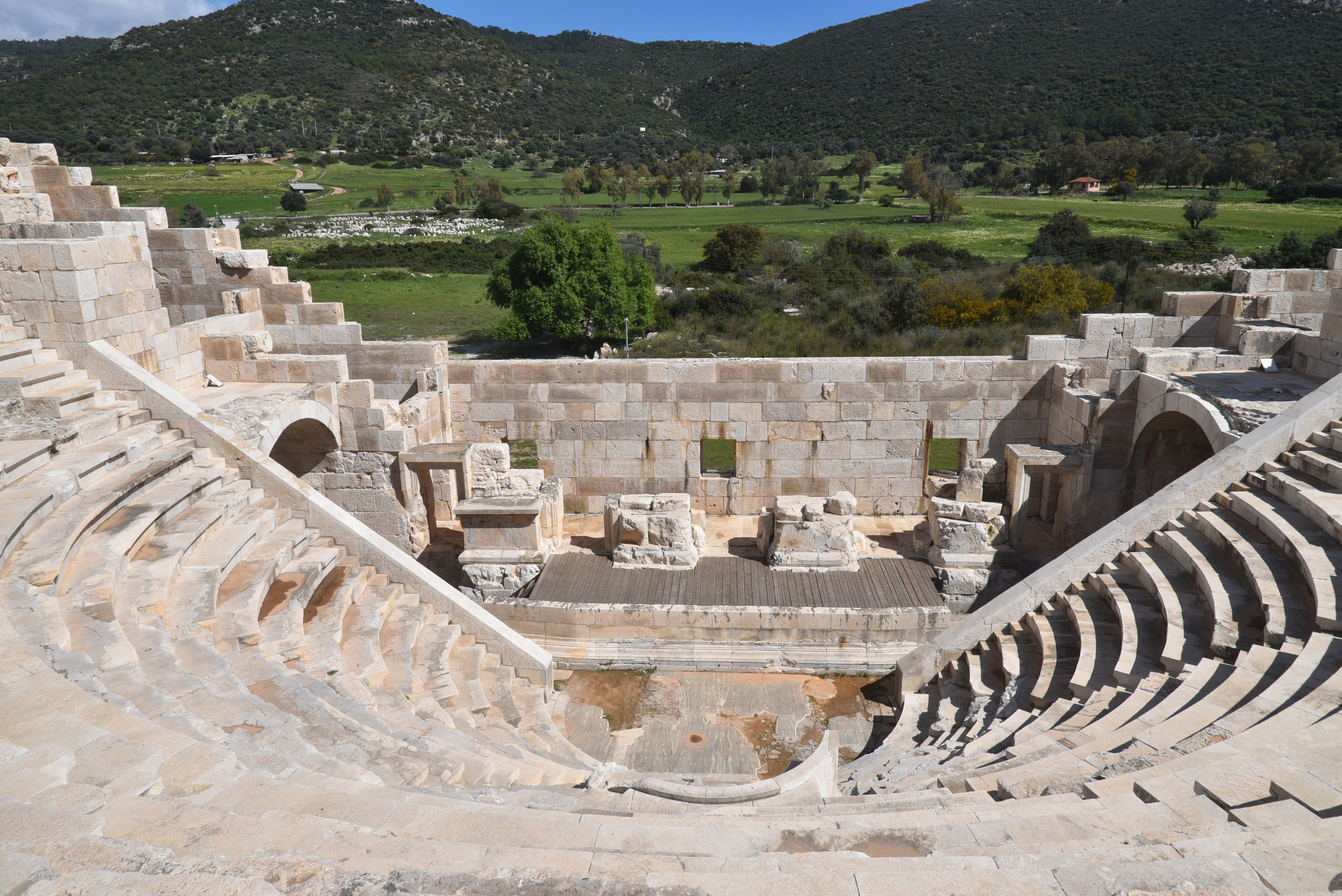
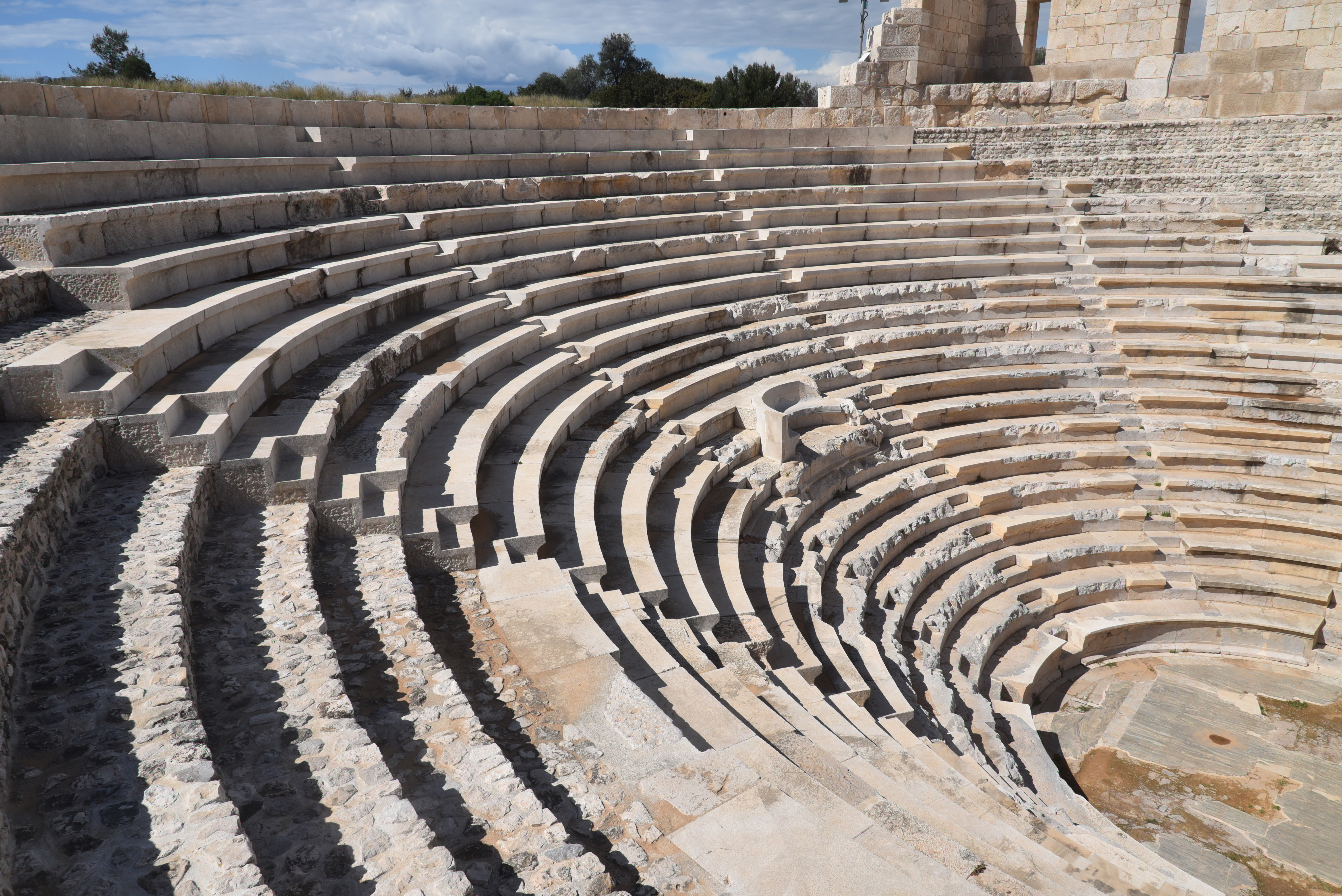
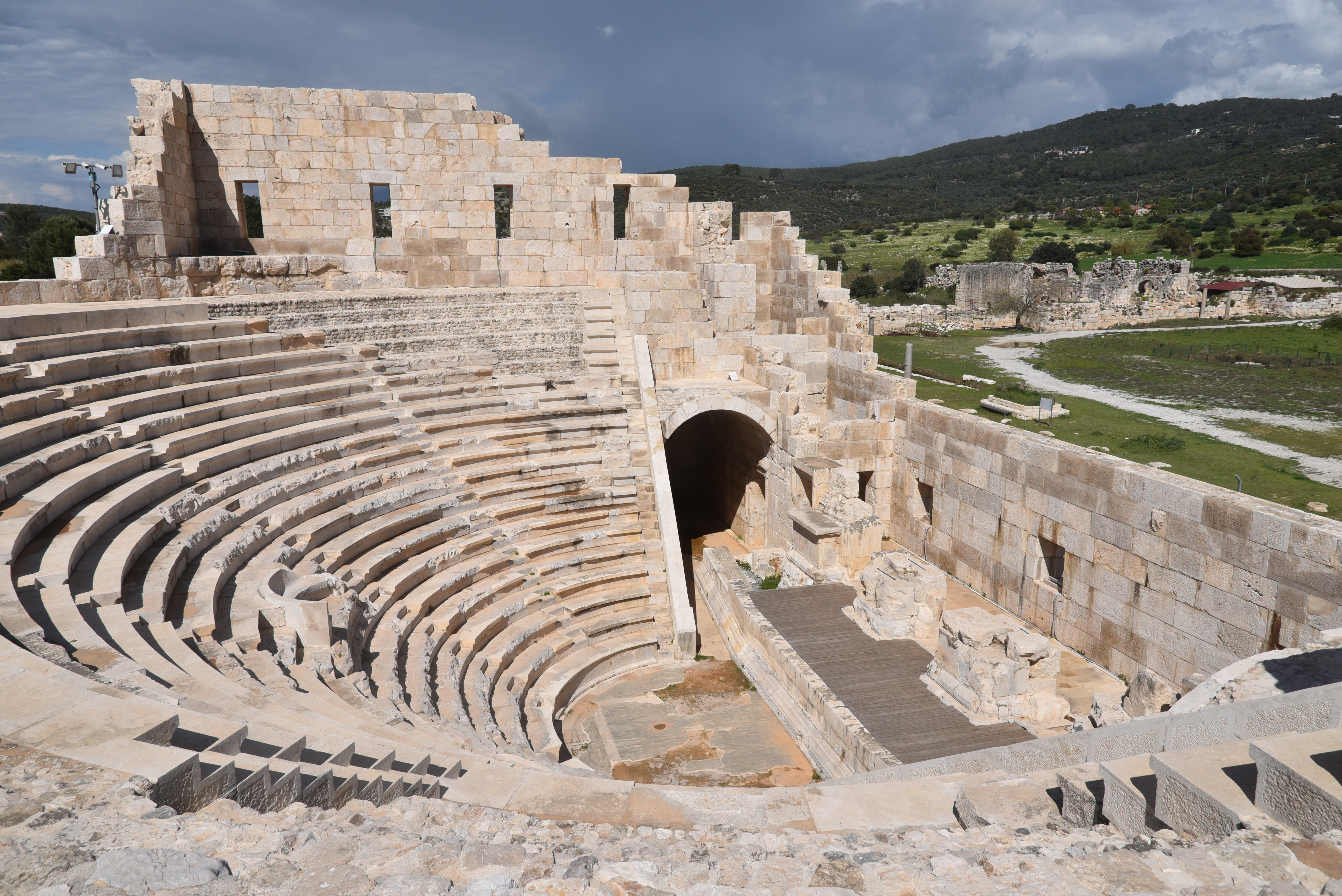
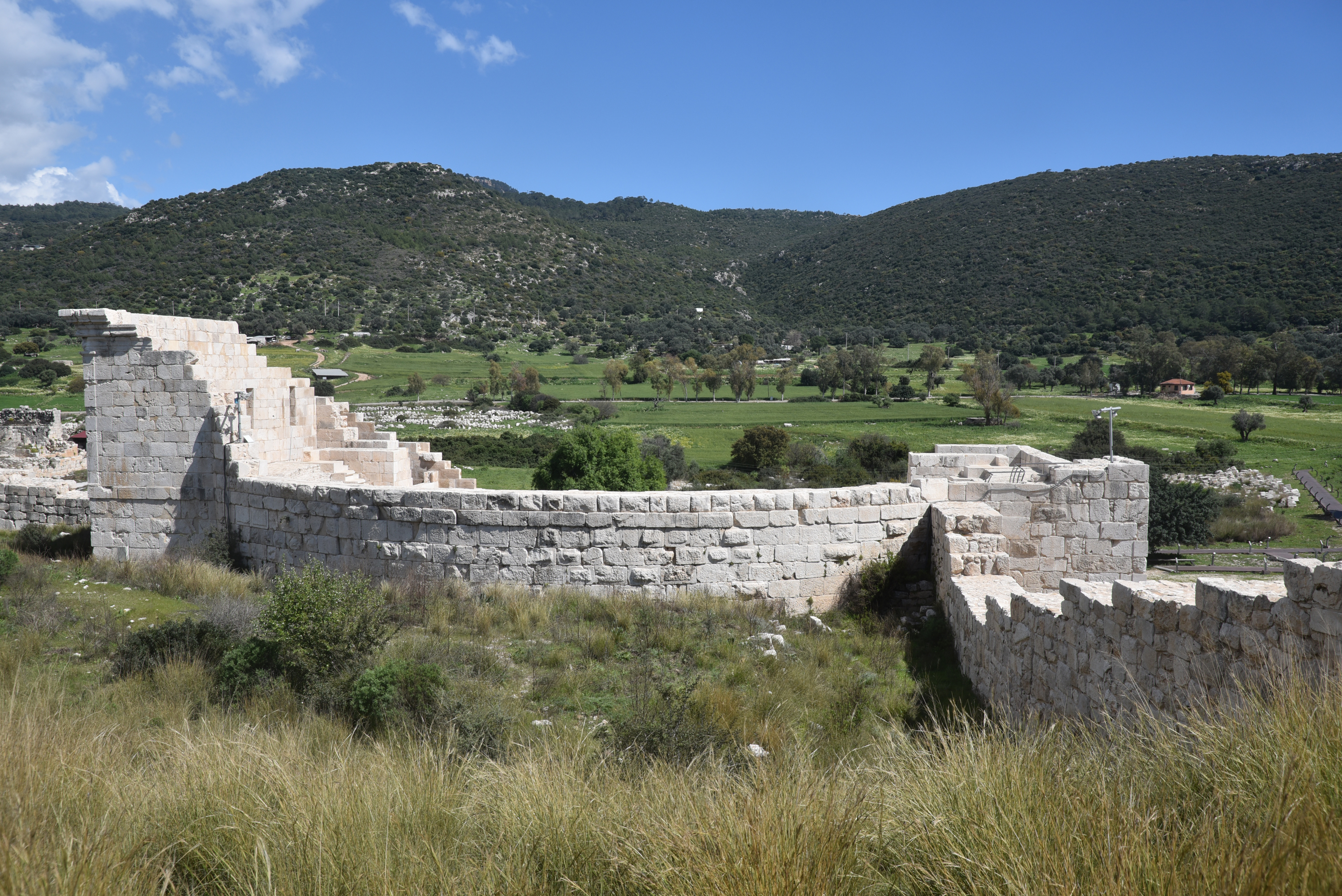
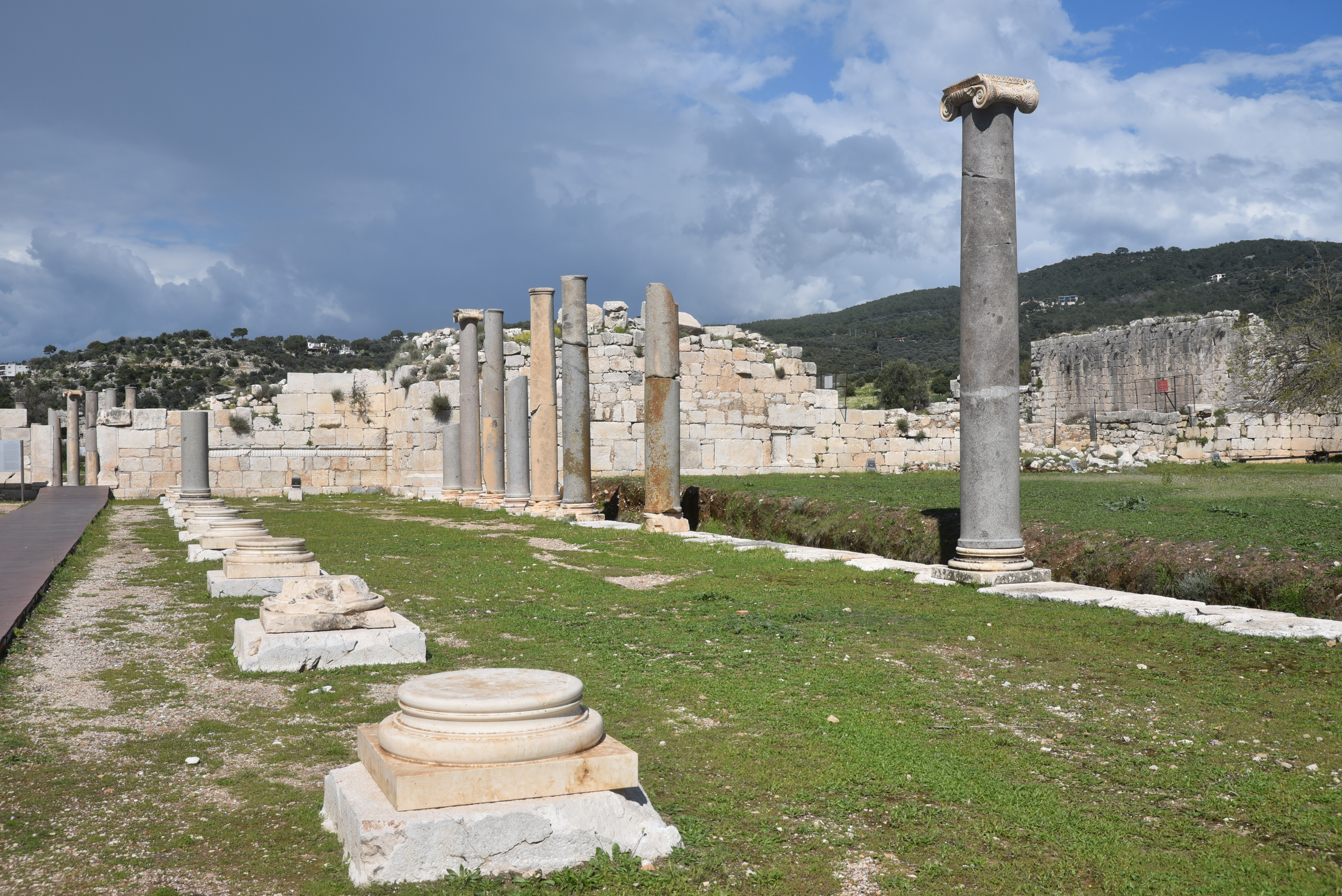
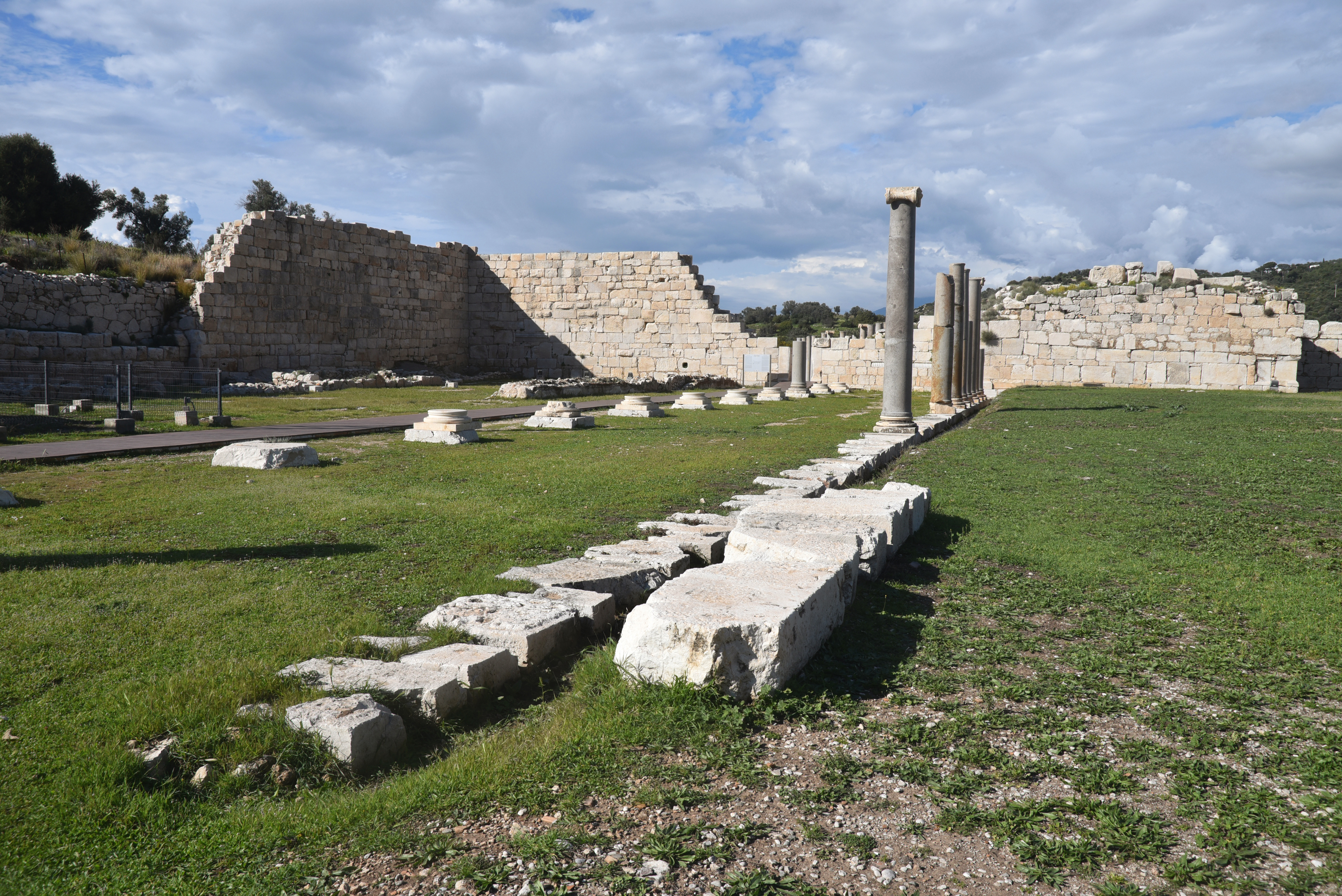
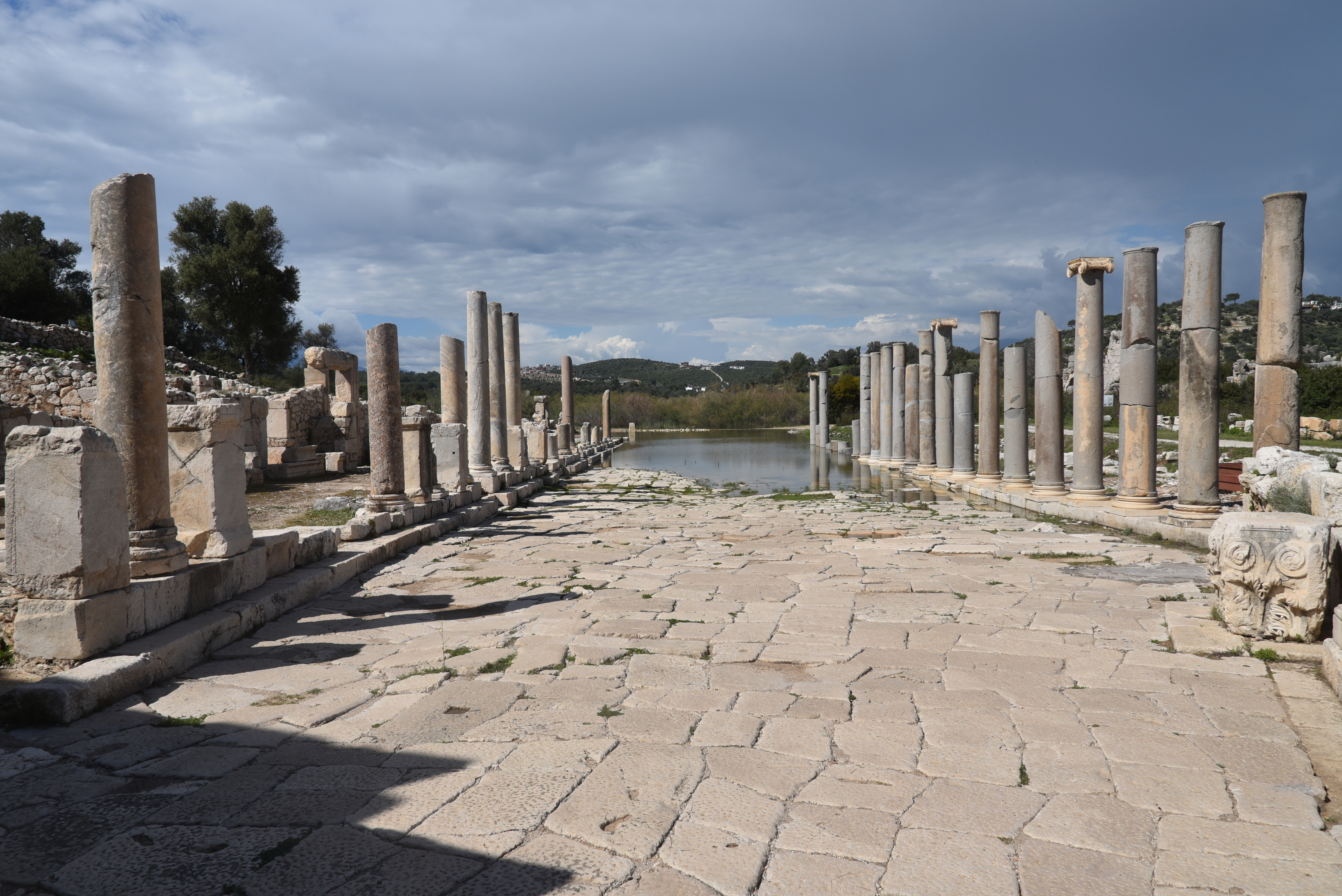
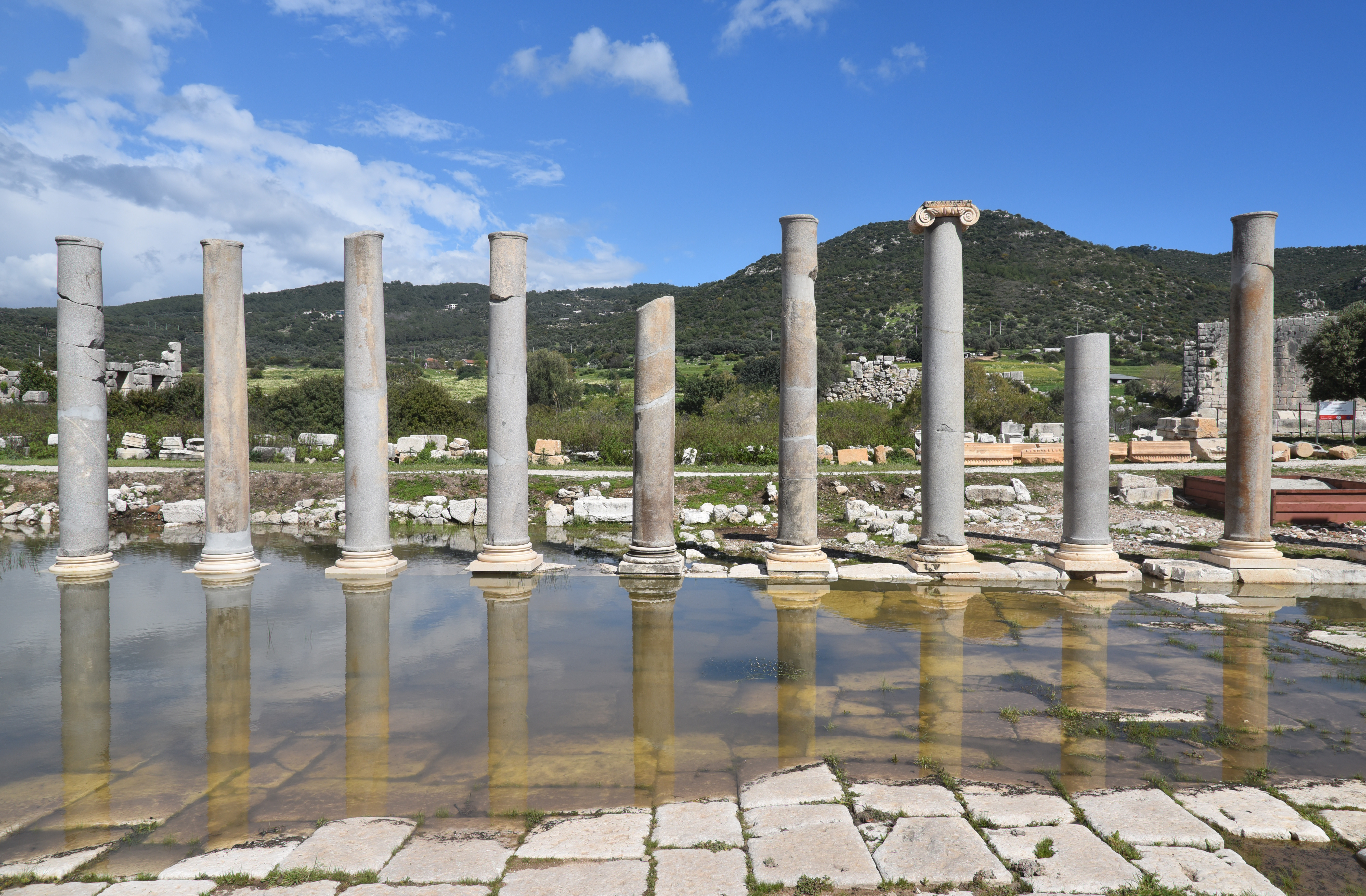
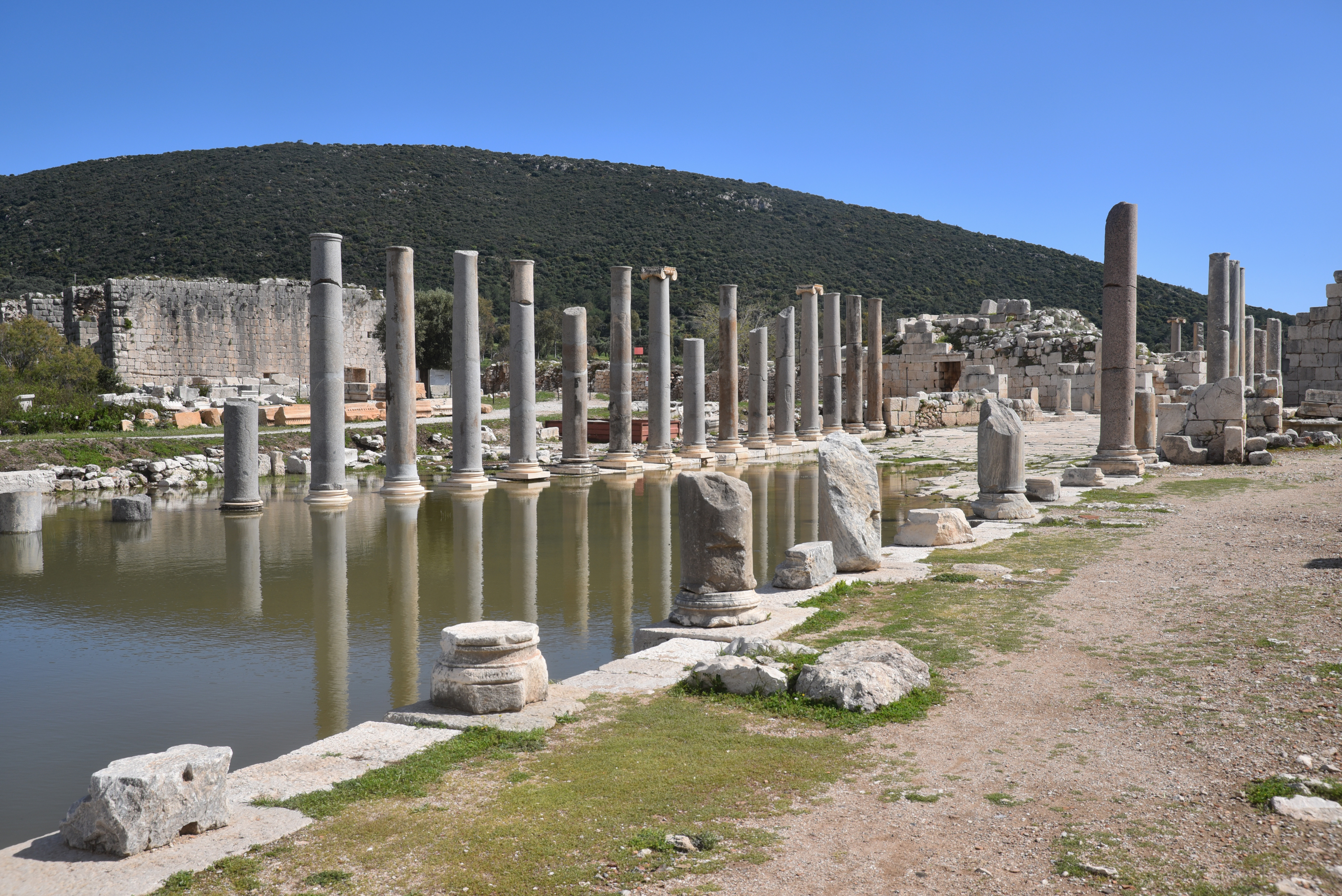
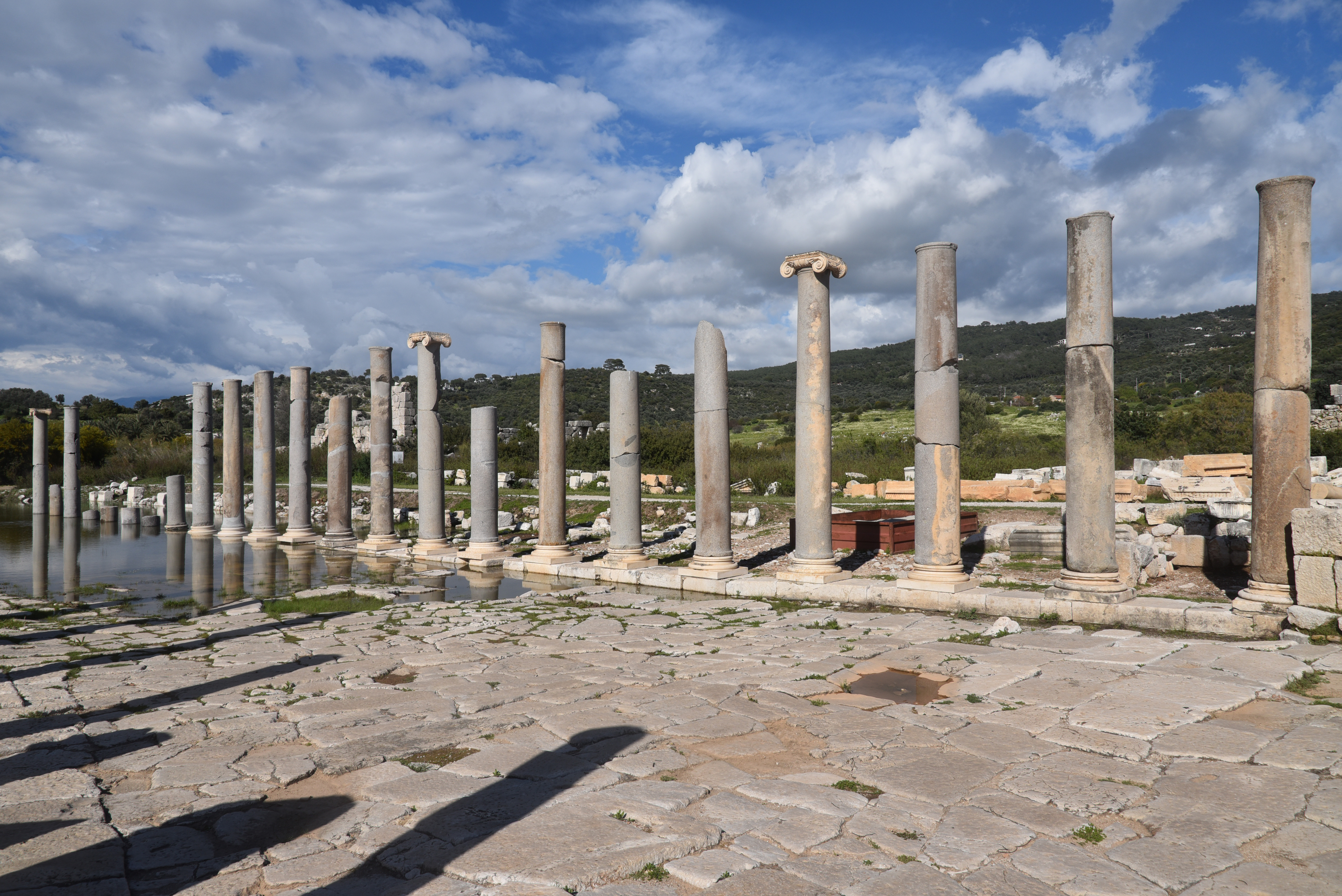
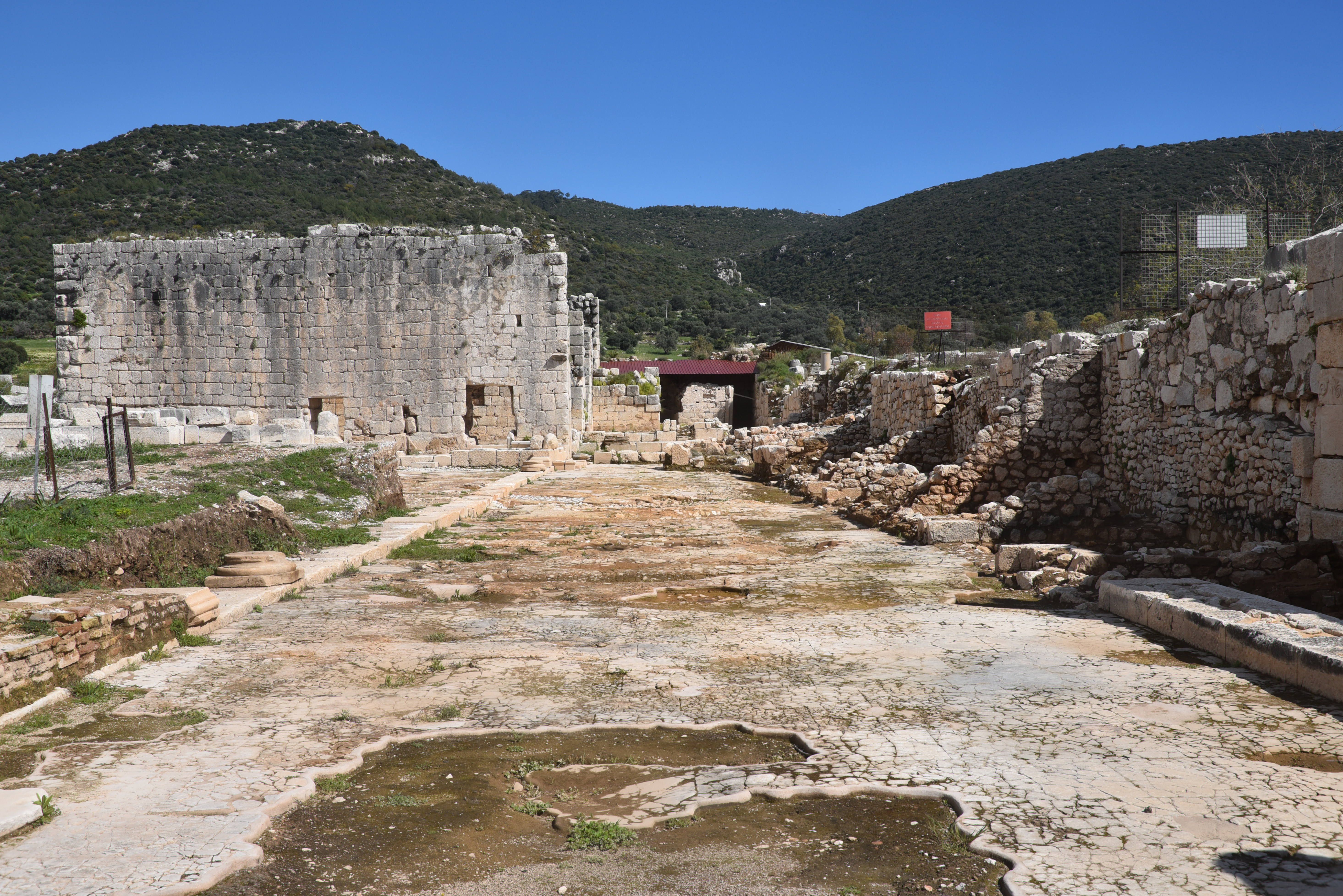
The City Gate is a triple-vaulted triumphal arch dedicated by the people of Patara to Mettius Modestus, a Roman governor of Lycia and Pamphylia during the reign of Trajan, between AD 99 and 102. It marked the formal entrance into the city from the harbour side.Built of large limestone blocks, the City Gate consists of four massive piers connected by three vaulted passages, with the central arch wider and more prominent than those on either side. The façade was richly decorated, with niches that once held statues and architectural detailing such as metopes and triglyphs.Evidence suggests the City Gate was integrated into the water system, with pipes running through the structure and a reservoir-like basin at its base. Beyond the gate, a broad colonnaded street led directly into the city centre.Shops (tabernae) lining the colonnaded street just inside the City Gate. They formed a planned commercial frontage, likely with porticoes in front.The Octagonal Pool, a carefully designed water feature located along the main street, about 50 metres south of the City Gate. Constructed from local limestone blocks, the pool was built around a central water reservoir. The pool functioned primarily as a civic water feature, likely serving both practical and decorative purposes along the street.The Palm Grove of Leto is associated with the mythological birth of Apollo. According to ancient sources, Leto gave birth to Apollo while grasping a palm tree, making the palm grove a sacred setting tied to themes of birth, renewal, and divine presence. While later traditions placed this event on Delos, there is a long-standing suggestion that a Lycian version of the myth existed, connecting Patara itself with the story.The Harbour Baths were constructed in the 2nd century AD at the eastern edge of the ancient harbour. This complex followed the typical design of Roman bathing architecture, featuring rooms arranged along a single axis: the frigidarium (cold room), the tepidarium (warm room), and the caldarium (hot room). The structure also included a palaestra, an open exercise area located on the eastern side, which reflects the broader social and athletic functions of the baths.The Theatre was originally constructed during the Hellenistic period and was later restored and expanded in the 2nd century AD; it could accommodate approximately 6,000 spectators.The theatre was built into the northern slope of Kurşunlutepe hill, using the natural terrain to support its semi-circular cavea. With a diameter of around 80 metres, it could accommodate approximately 6,000 spectators, arranged across 38 rows of seating divided by a central diazoma.The seating was organised into two tiers, with stairways creating wedge-shaped sections, while a removable awning (velarium) once provided shade. The cavea was completed under Tiberius (AD 14-37).The stage building (skene), about 41.5 metres long, was designed as a two-storey façade with elaborate decoration, including columns and architectural ornamentation. Access to the orchestra and stage was provided through side entrances (parodoi) and additional passageways.A small temple stood at the top of the cavea of the theatre, dedicated to a god or the imperial cult.The Assembly Hall of the Lycian League (Bouleuterion) was a substantial civic building that accommodated up to 1,400 people. Built on a large rectangular foundation, it combined architectural features of a council chamber with those of a small theatre, reflecting its dual function as both a political and ceremonial venue.Originally constructed in the Late Hellenistic period, when Patara served as the capital of the Lycian League, the Assembly Hall of the Lycian League underwent several phases of modification during the Roman period. These included expansions to the seating and the addition of architectural elements such as a stoa and stage building, allowing it to function not only as an assembly hall but also as a venue for performances.The seating arrangement in the Assembly Hall of the Lycian League included a designated area for the Lycian governors.The Assembly Hall of the Lycian League also included an orchestra area with marble flooring and was enclosed by substantial masonry walls.Later, in the Byzantine period, the Assembly Hall of the Lycian League was incorporated into the city’s fortifications, marking a shift from civic use to defensive purpose.The Central Agora, with its double colonnade extending for around 120 metres and opening toward the agora. It occupied a broad open space between the Assembly Hall and the southern end of Harbour Street, forming the civic heart of the city. Although much of it has been lost, its blocks reused in later fortifications, the overall layout of this rectangular marketplace can still be traced through the remains of its surrounding stoas.The colonnaded porticoes of the agora provided shaded walkways and spaces for commercial and social activity, linking the agora to nearby public buildings such as the theatre, baths, and assembly hall.The Harbour Street formed the main north–south axis of the city, linking the inner harbour directly with the agora. At around 12.6 metres wide, it was one of the broadest and best-preserved streets in Lycia, flanked on both sides by colonnades approximately 6 metres wide.
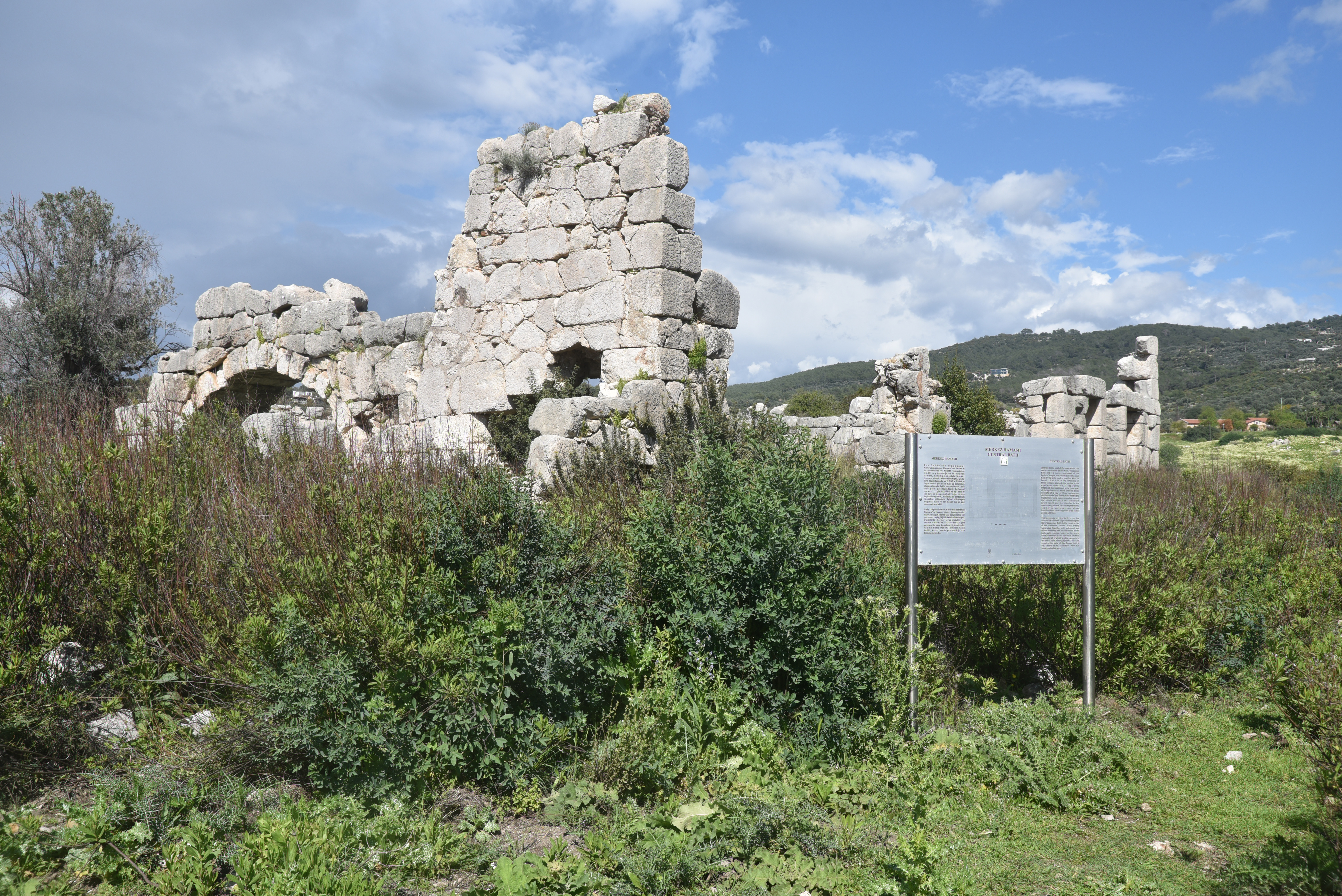
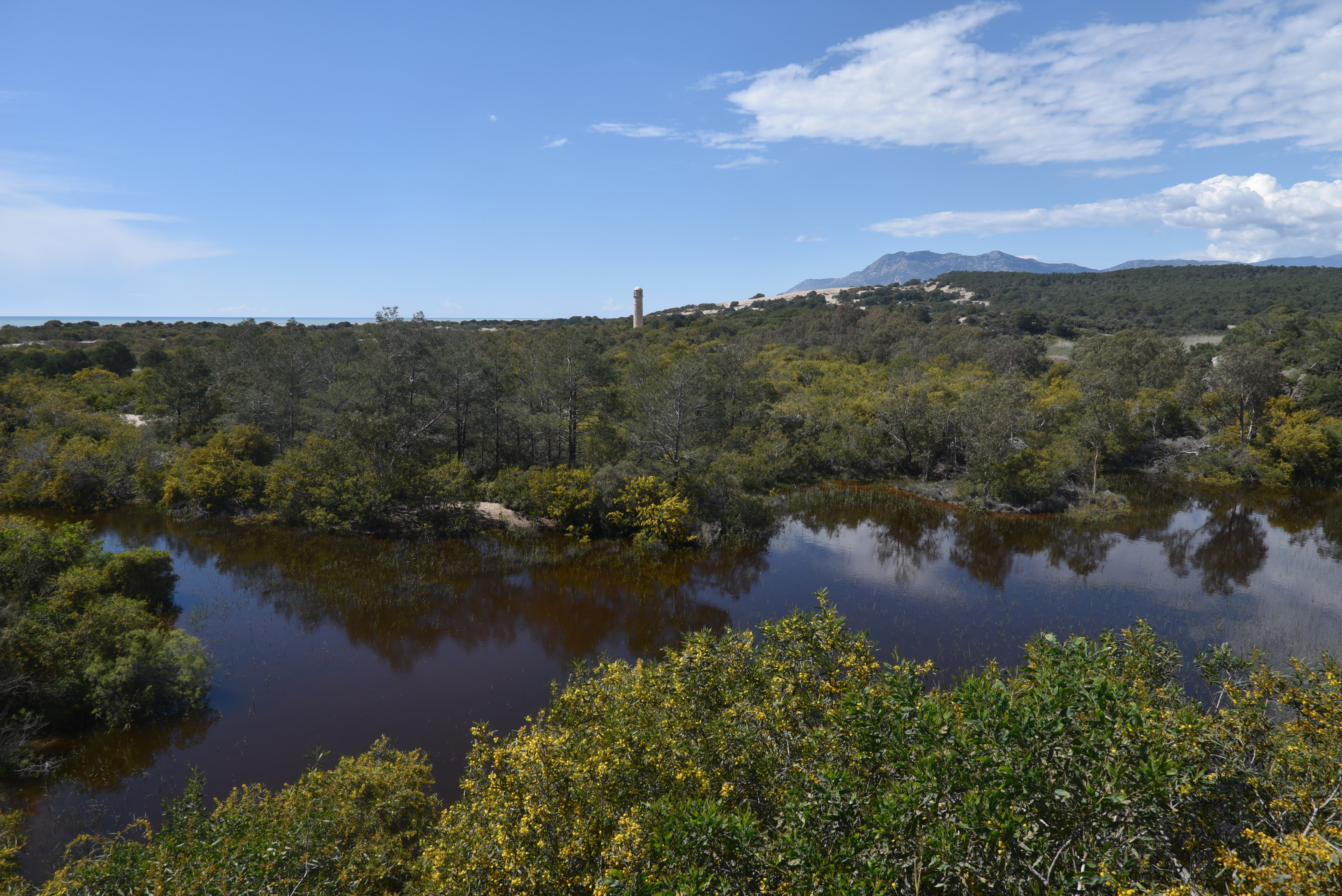
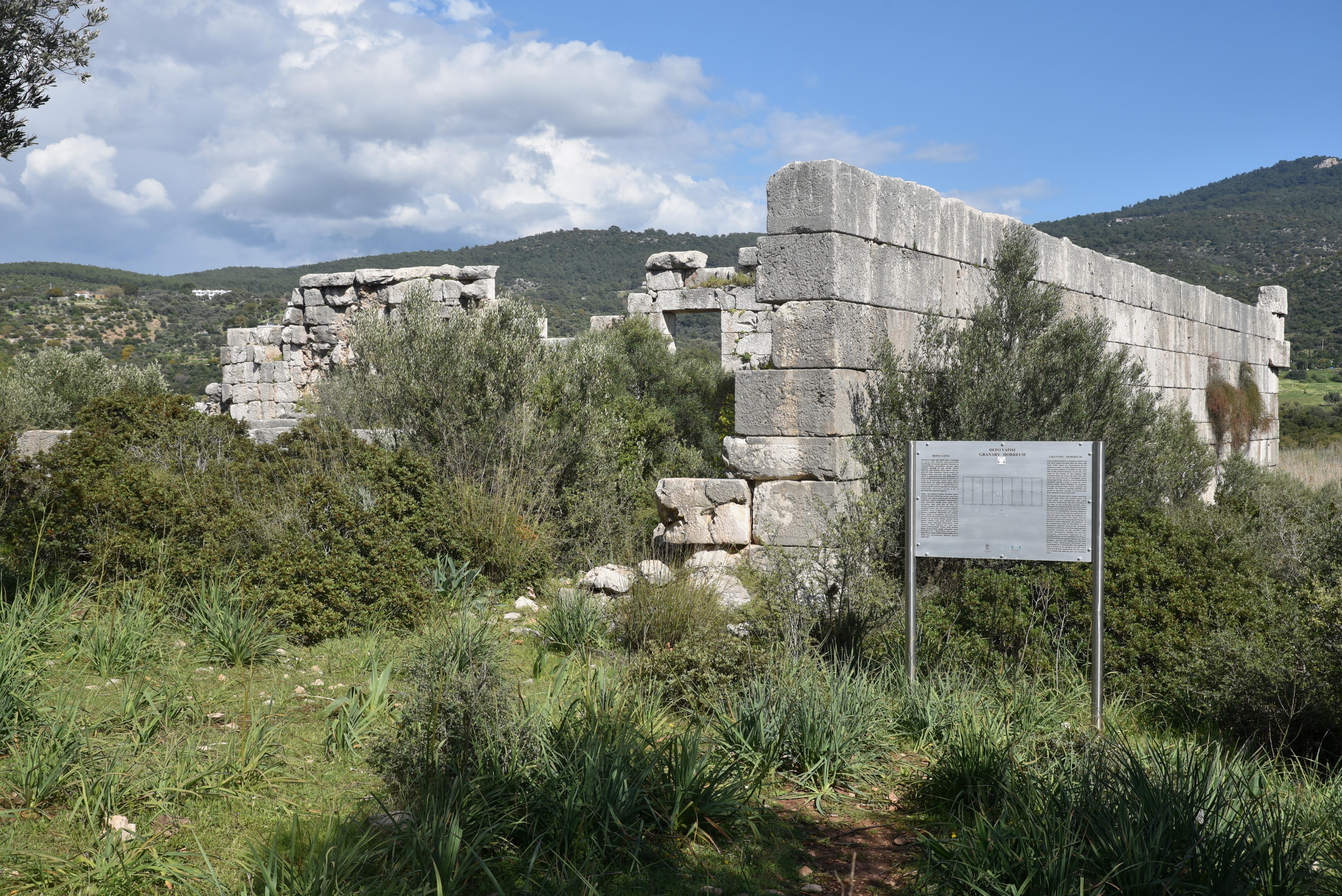
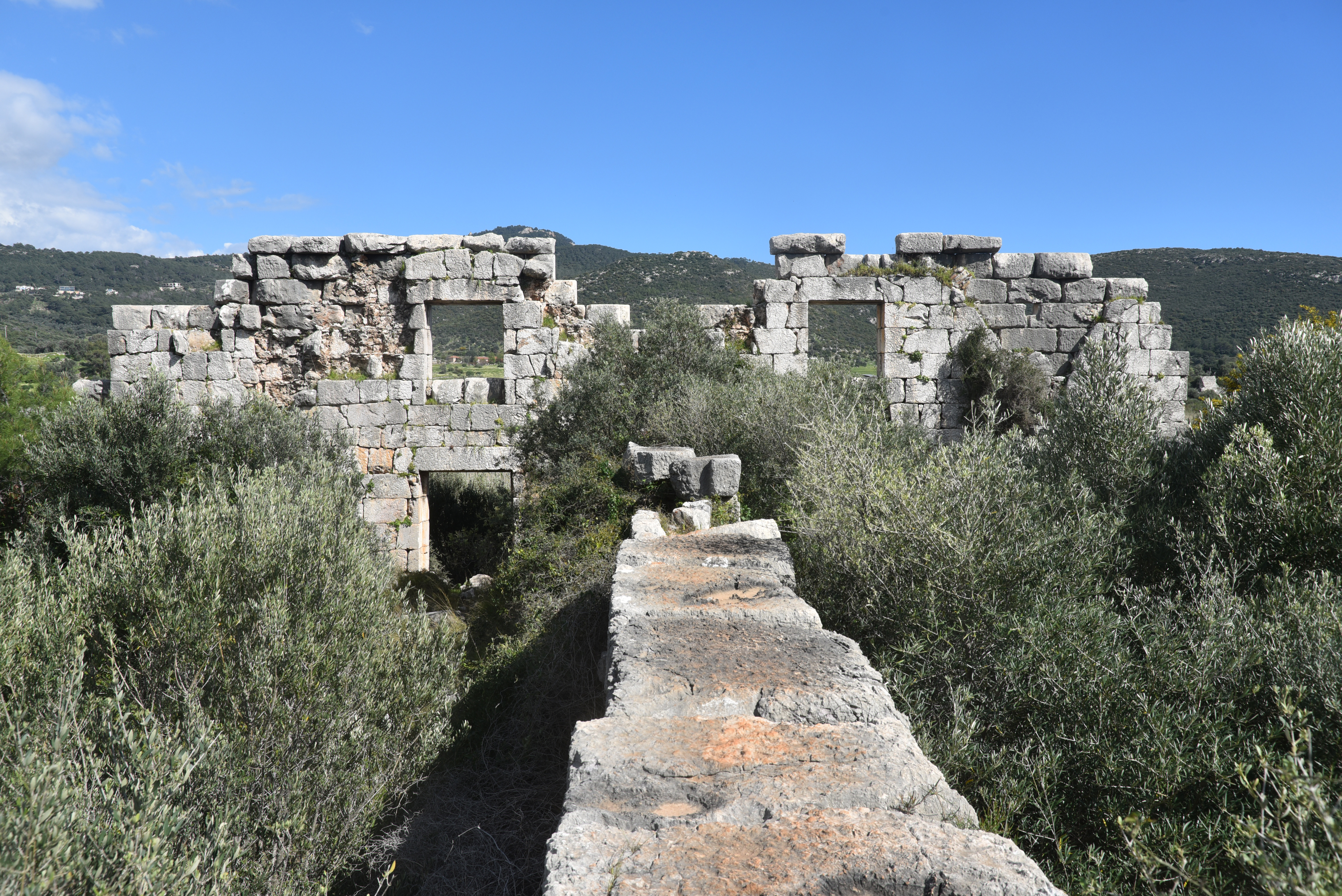
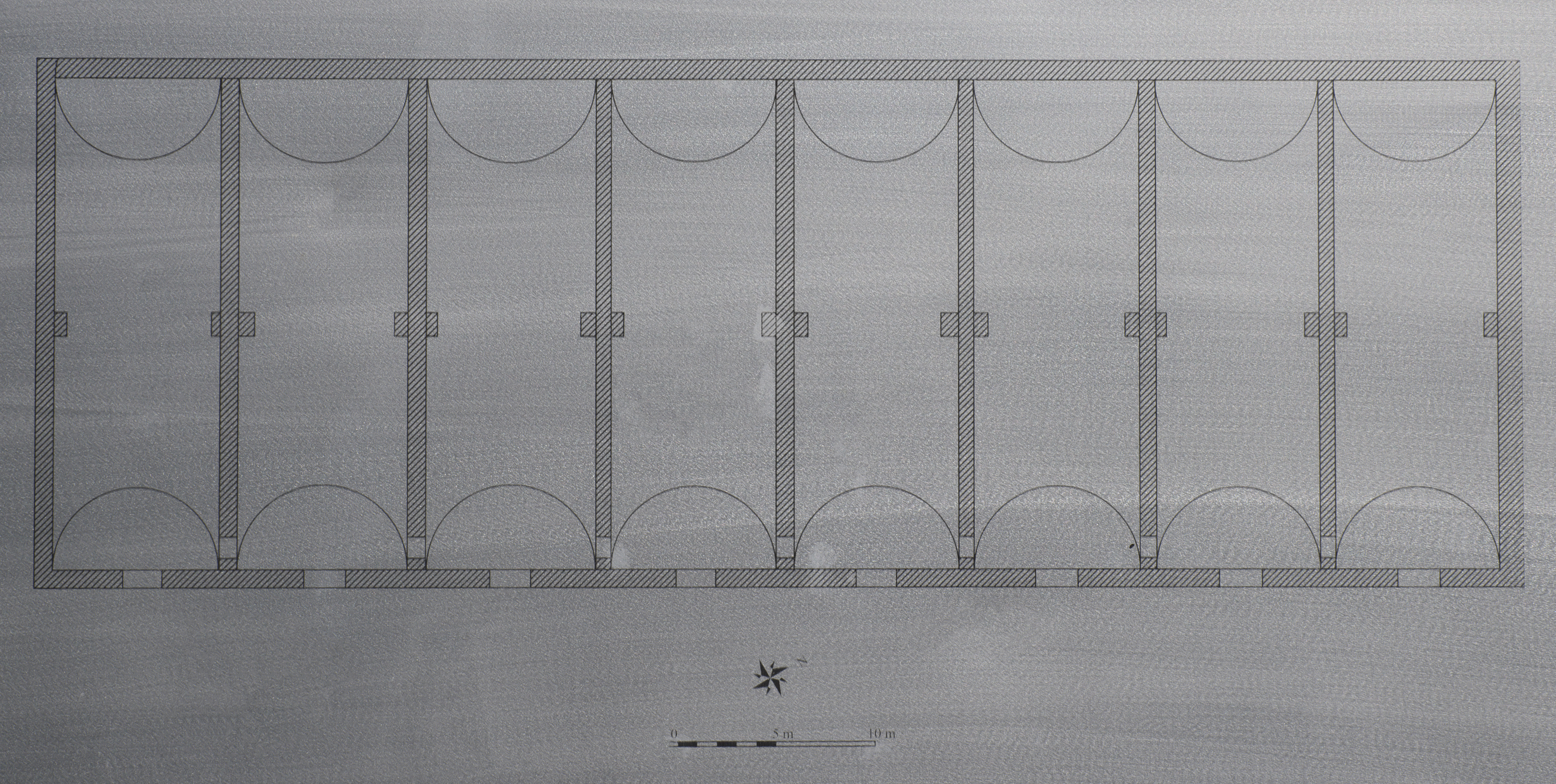
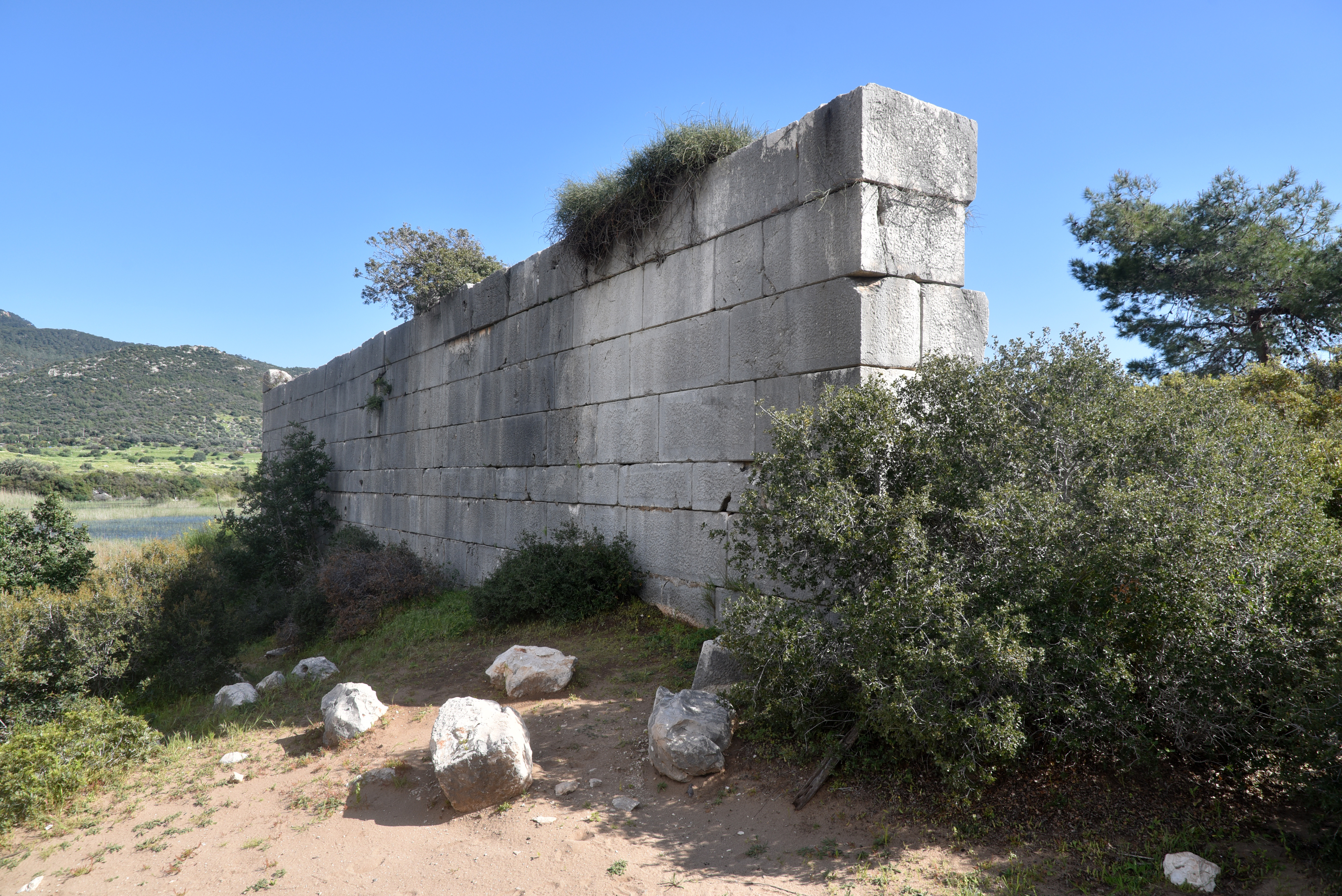
Originally laid out in the Hellenistic period, the Harbour Street was later rebuilt under the Romans as a cardo, intersecting with an east–west decumanus near the Prostylos Temple and continuing southward to the harbour.The eastern colonnade of the Harbour Street was built with granite columns, while the western side used marble and was once decorated with a geometric mosaic pavement. Behind these porticoes lay a series of shops, indicating the street’s important commercial role.The Harbour Street remained in use for several centuries, from at least the 1st century BC until as late as the 7th century AD.The Baths of Nero were originally constructed under Emperor Nero and later expanded during Vespasian’s reign. They are one of the largest and most significant bath complexes in Lycia.The Corinth Temple is a well-preserved 2nd-century temple from the Roman imperial era, located near the ancient harbour. It is built on a high podium and is notable for its intact cella walls. Currently, it is unknown to which deity or emperor the temple was originally dedicated.The Central Baths are located just east of the main street, between the larger Nero/Vespasian Baths and the Corinth Temple. Modest in scale, the complex measures approximately 12.5 by 25 metres and follows the traditional Lycian “row-type” layout, with three rectangular vaulted rooms arranged side by side along an east–west axis.View toward the ancient harbour and lighthouse.The Patara Lighthouse was a substantial freestanding structure that marked the entrance to the harbour, built during the reign of Emperor Nero in AD 65/66. Designed to guide ships safely into the port, it was built on a square podium, about 20 metres on each side, from which a tall tower originally rose to a height of around 26 metres.An inscription in bronze letters once crowned the Patara Lighthouse, recording that the lighthouse was built by the governor Sextus Marcius Priscus. A second inscription refers to additional harbour works, including another lighthouse at the eastern entrance of the port, suggesting a coordinated system of maritime infrastructure (a pair of lighthouses, a pharos, and an antipharos).Destroyed, most likely by an earthquake in the late medieval period, the lighthouse has since been carefully reconstructed using its original blocks, allowing its form to be understood once again within the landscape of the ancient harbour.The Neronian inscription on the lighthouse of Patara, dated to Nero’s twelfth tribunician power, AD 65/66.The Hadrianic Horreum, a key storage and distribution centre for goods arriving by sea, was built in AD 131 and dedicated to Hadrian.The Hadrianic Horreum measured approximately 75 by 25 metres and was divided into eight long, parallel chambers separated by thick internal walls. Each chamber opens toward the harbour through high doorways, while smaller passages within connect the spaces, allowing for the controlled movement of stored goods.
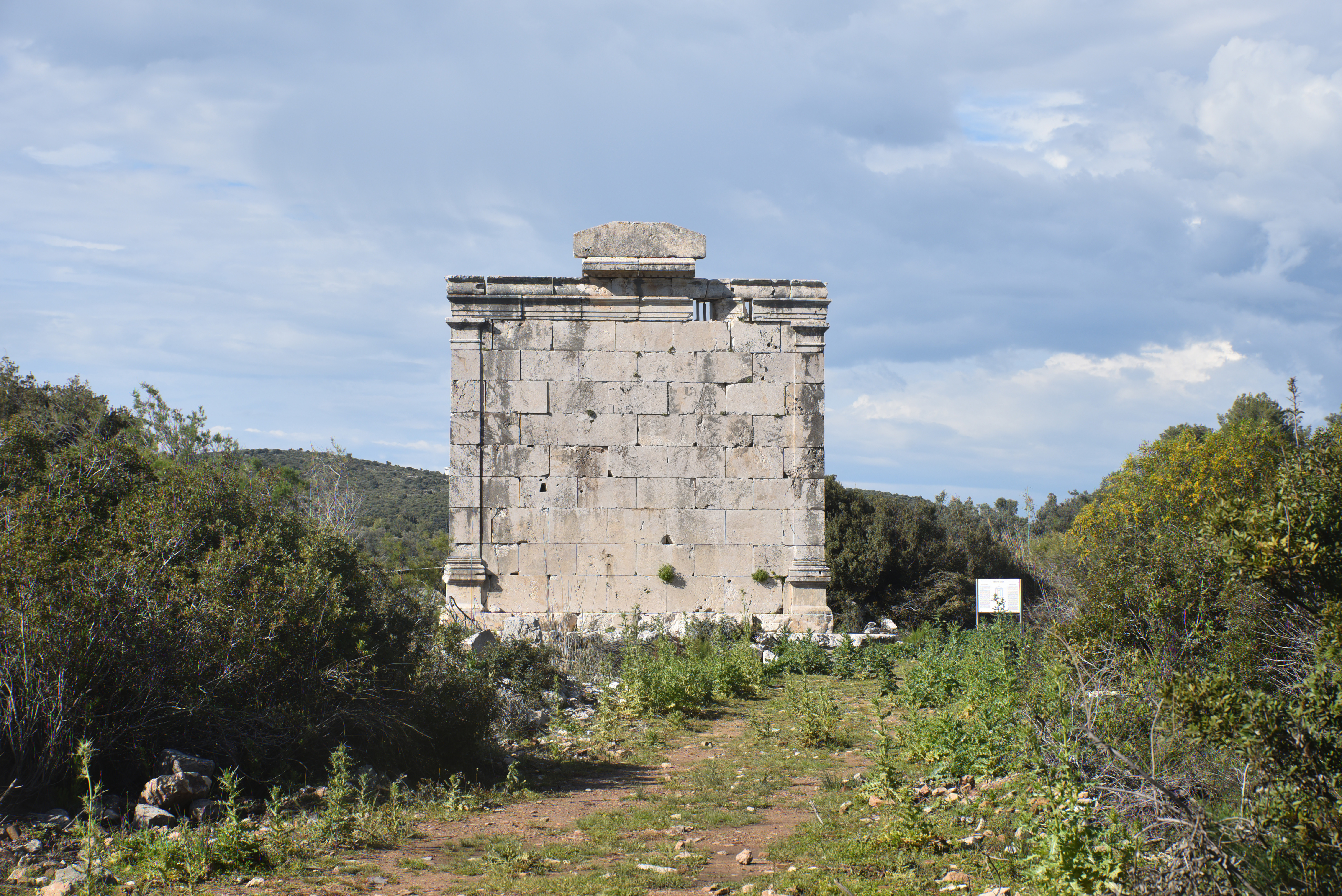
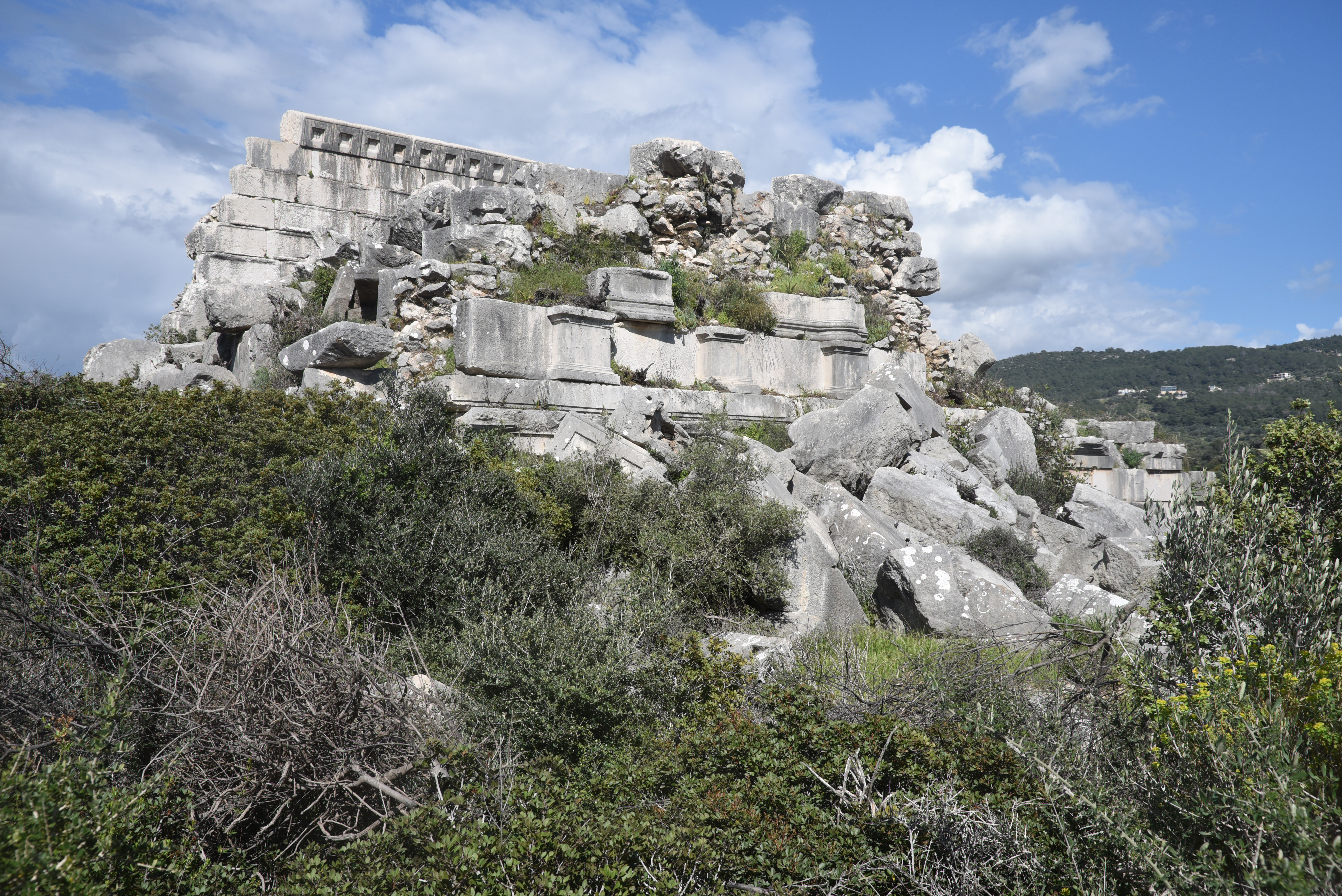
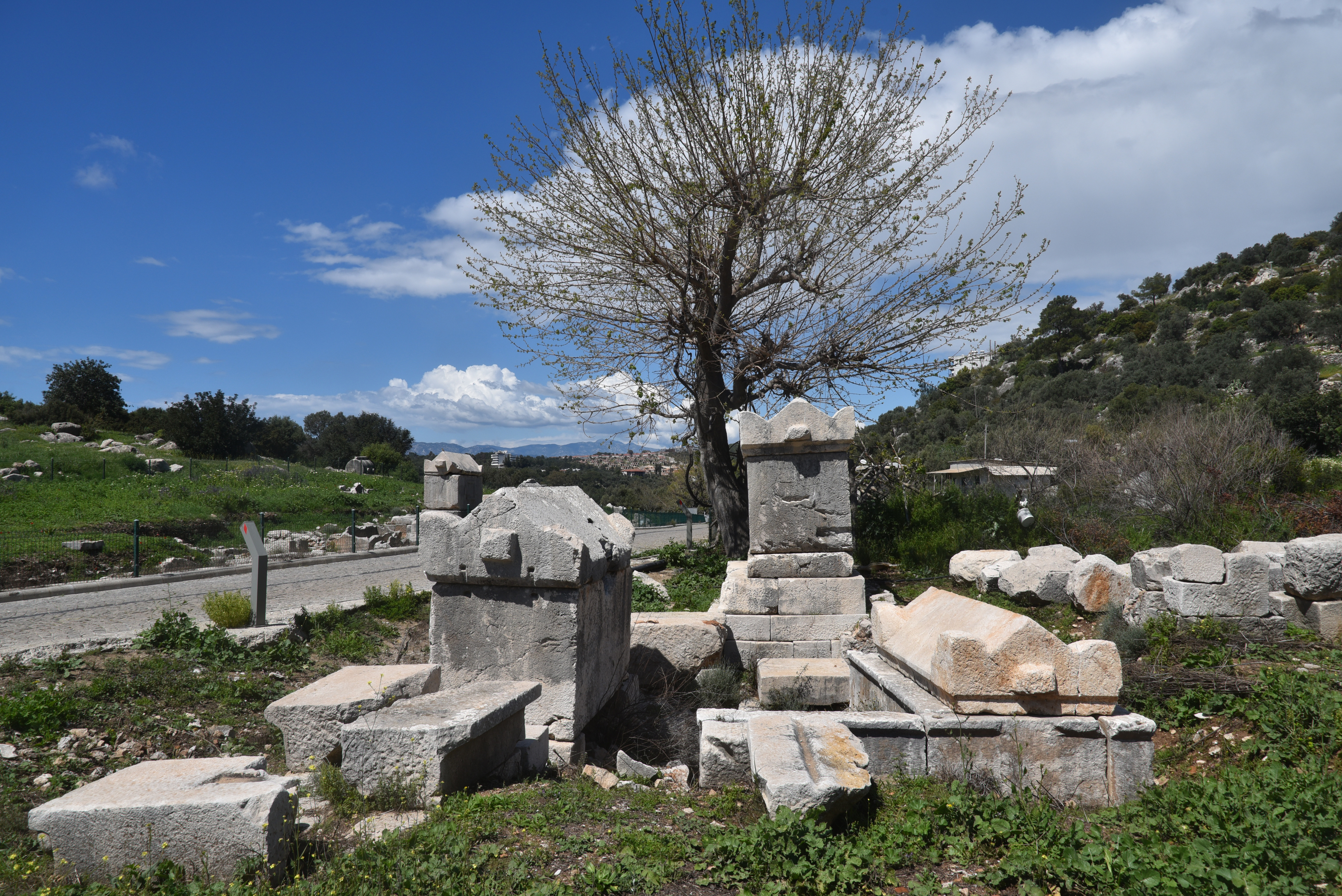
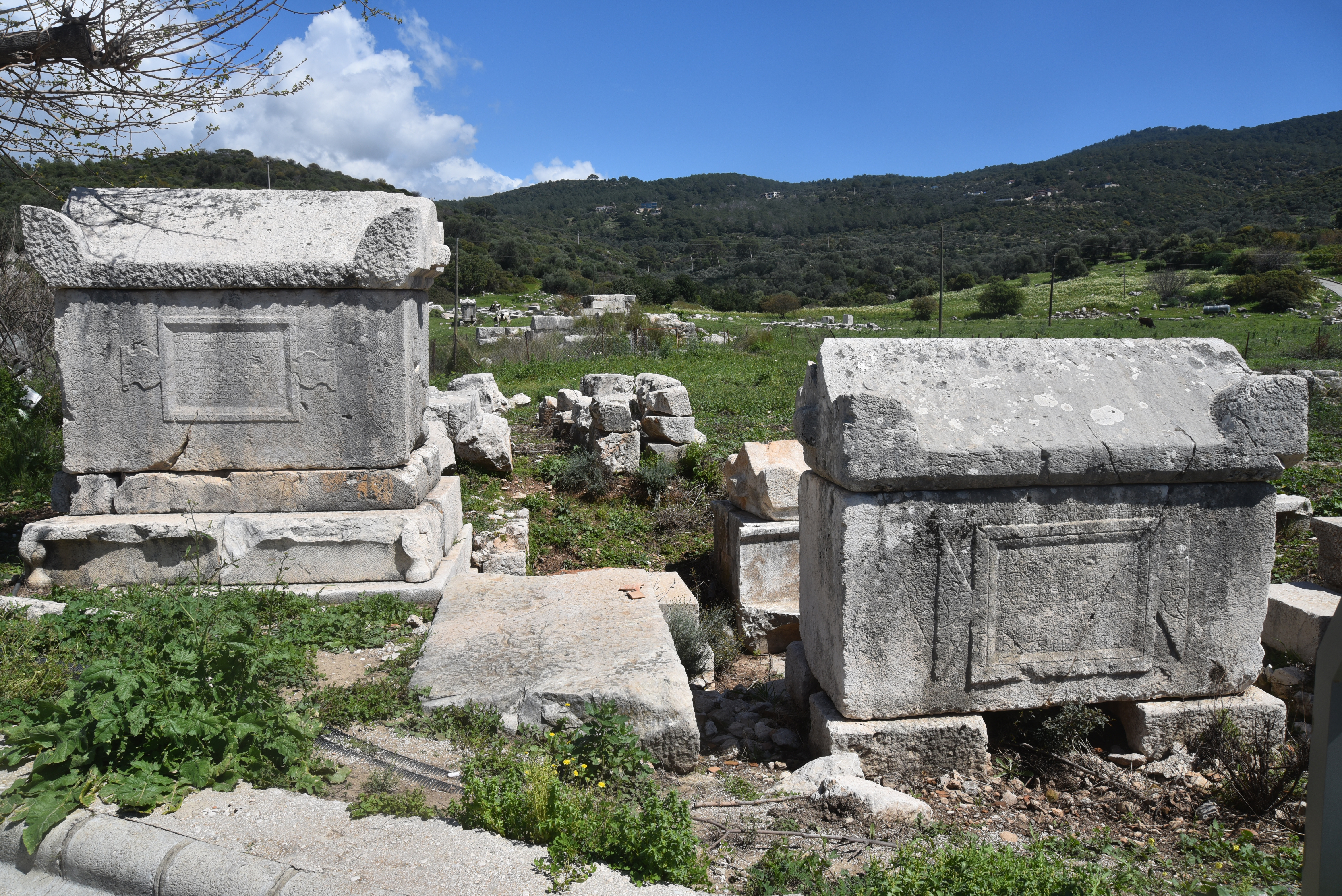
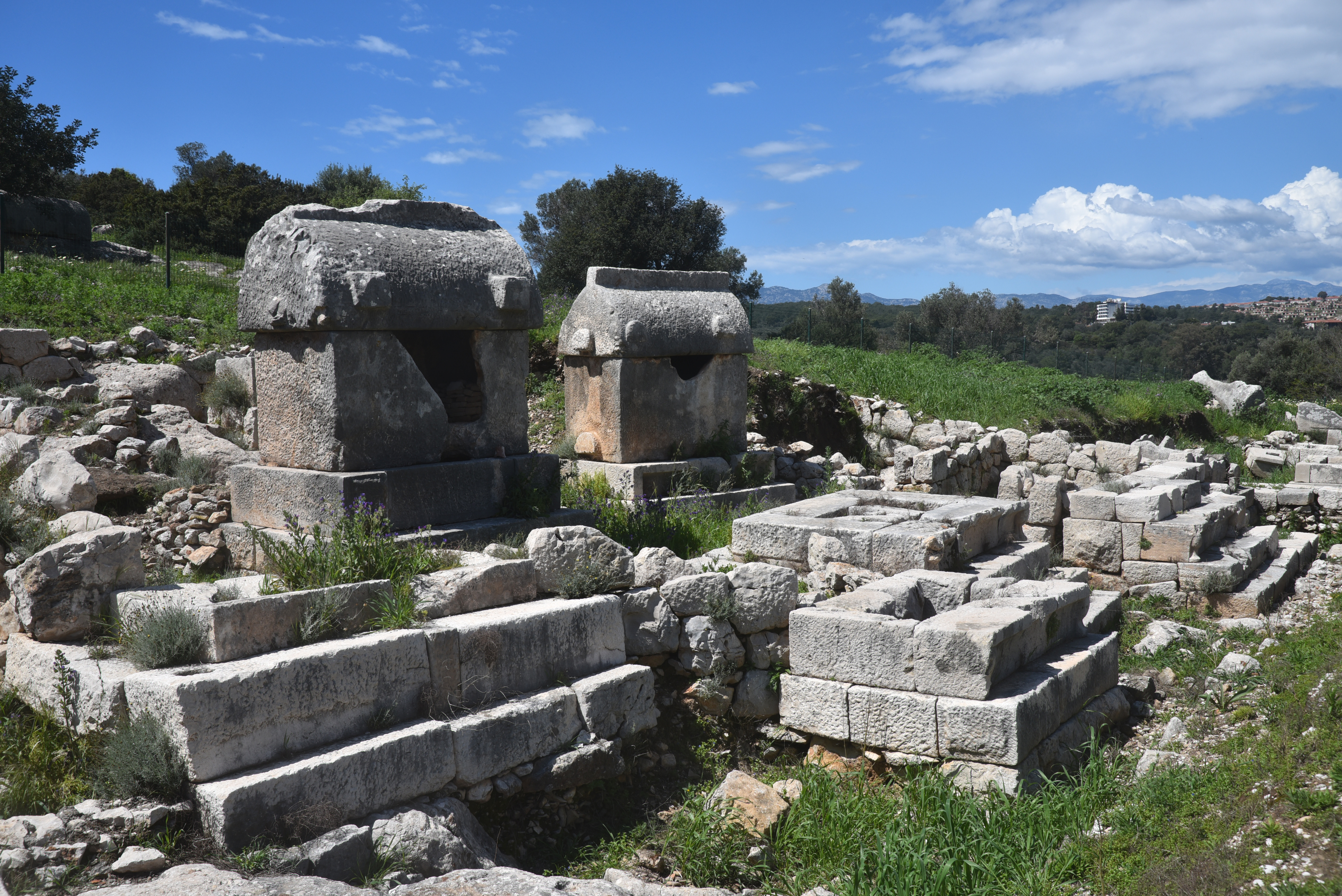
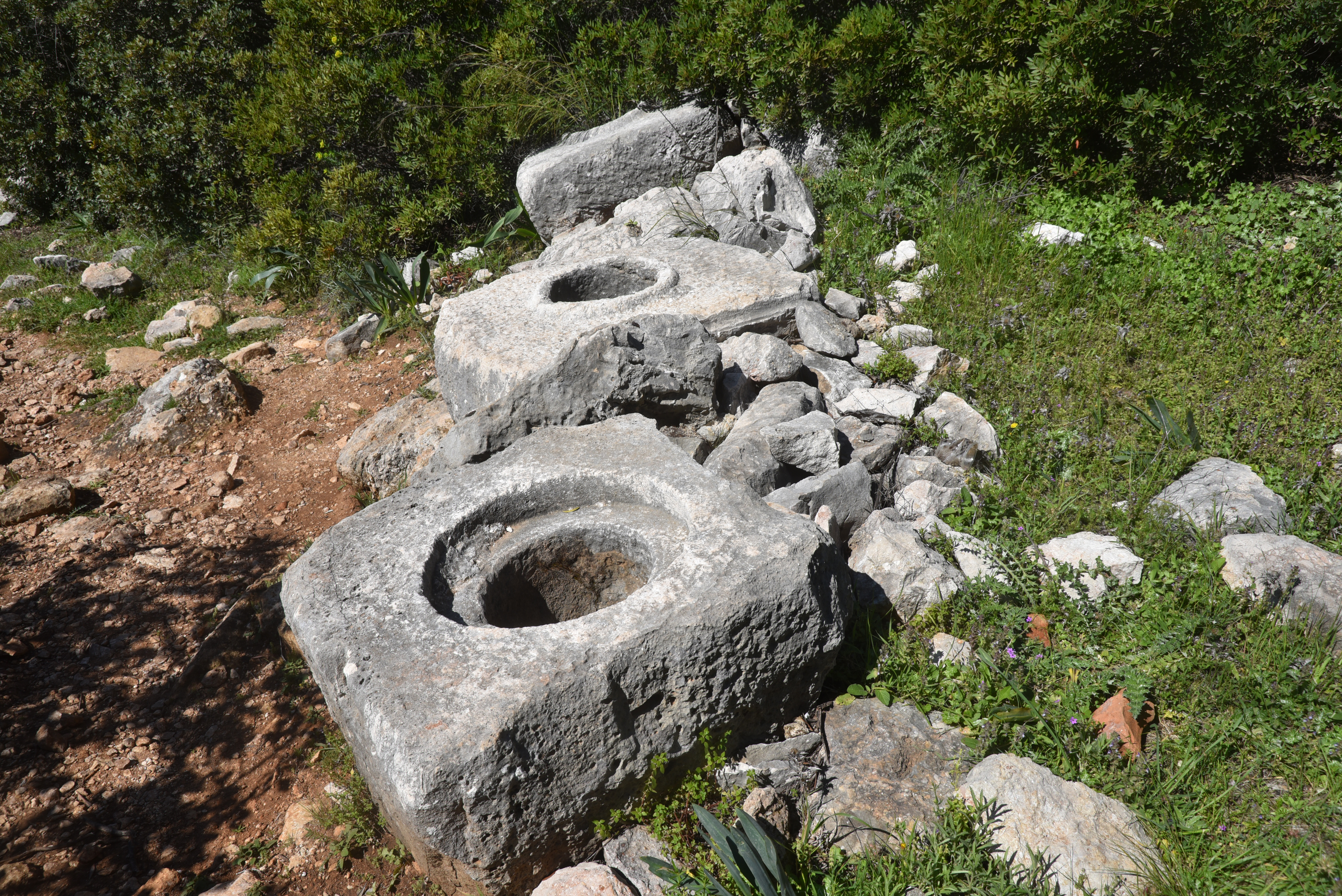
The Hadrianic Horreum is preserved almost to its full height, and its interior was originally covered with barrel vaults. Its façade, though architecturally simple, is carefully articulated with mouldings, projecting lintels, and restrained decorative features that lend rhythm to the long elevation facing the harbour. Subtle details, including cornices and carved garland motifs, add refinement to what is otherwise a highly functional structure.The tomb of Publius Pacconius Hermelas, a citizen of both Rhodes and Patara, dates back to the 1st century AD. It is located on the western edge of the harbour, just north of the Hadrianic granary and south of the stadium. Built from limestone blocks and oriented east-west, the monument stands on a substantial podium that measures approximately 19 by 14 meters. Accessed by a short flight of steps, it gives the structure an imposing appearance, like a small temple.The Necropolis, featuring distinctive Lycian-style sarcophagi.The Necropolis.The Necropolis.The Delikkemer Aqueduct, located a short distance north of Patara, formed one of the most impressive sections of the city’s aqueduct system. This monumental pressure bridge carried water across the valley from springs in the hills toward the city, using an advanced hydraulic design rarely preserved so clearly in the ancient world.Unlike the familiar high arcaded aqueducts of the western Roman Empire, Delikkemer functioned as an inverted siphon. Water descended through stone pipes into the valley and was then forced upward by pressure to continue its course toward Patara. The structure itself consists of a long stone-built bridge with regularly spaced arches, within which terracotta and stone pipes once carried water under pressure.The massive stone pipe blocks of the Roman inverted siphon system had a carefully carved circular opening at their centre, where pressure pipes were joined to form the sealed conduit transporting water across the valley. These blocks, cut from local limestone and scattered beside the ruined aqueduct line, provide a rare glimpse into the technical infrastructure hidden within the masonry of Delikkemer.The masonry walls of Delikkemer were constructed from large, carefully cut limestone blocks, engineered to withstand the considerable hydraulic forces generated by the inverted siphon system. Its thick walls provided both stability and protection for the water pipes running through the top of the bridge.