
Pella lies at sea level in the eastern foothills of the north Jordan Valley, 27 kilometres (17 miles) south of the Sea of Galilee and 130 km (80 miles) northwest of Amman. The first settlers arrived in the region around Pella in the Neolithic period, and the site itself has been continuously occupied from around 8000 BC. Originally called Pihilum, a name derived from Semitic roots and mentioned in Egyptian execration texts from the 19th century BC, Pella was one of the ten cities in the Decapolis founded during the Hellenistic period. Its name was Hellenized to Pella, after the birthplace of Alexander the Great in Macedonia. The Romans settled in ancient Pella in the 1st century AD and developed it into a thriving economic centre. Pella is exceptionally rich in antiquities, and since 1979, the University of Sydney and the Jordanian Department of Antiquities have been conducting excavations in the area.
Coordinates: 32° 27′ 0″ N, 35° 37′ 0″ E
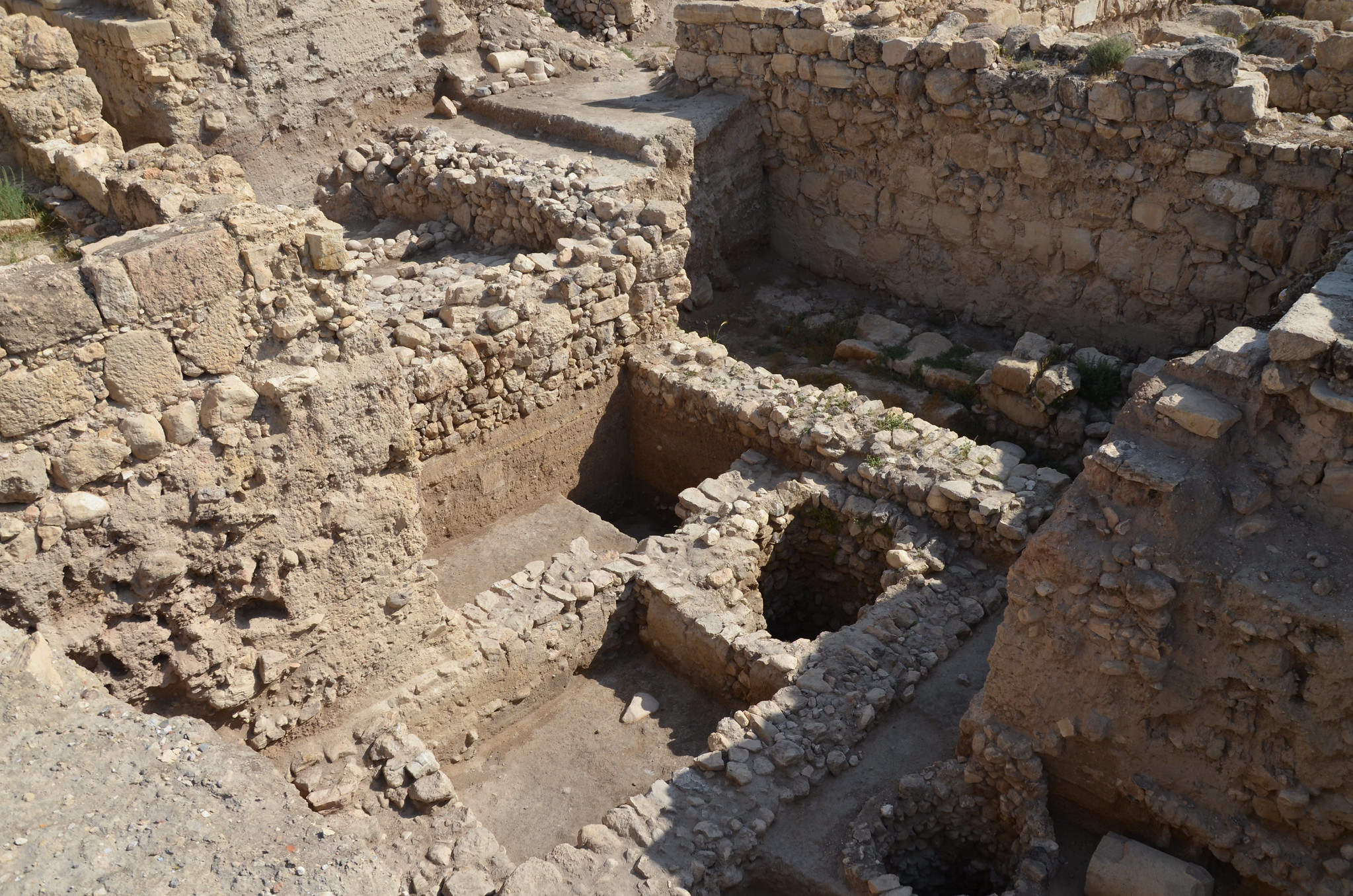
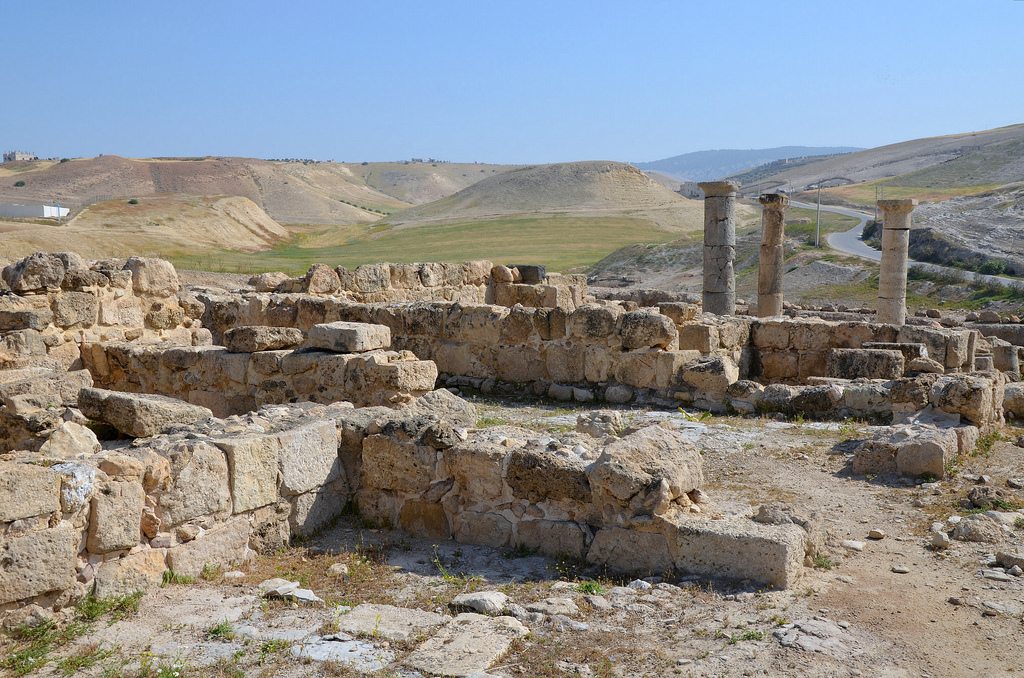
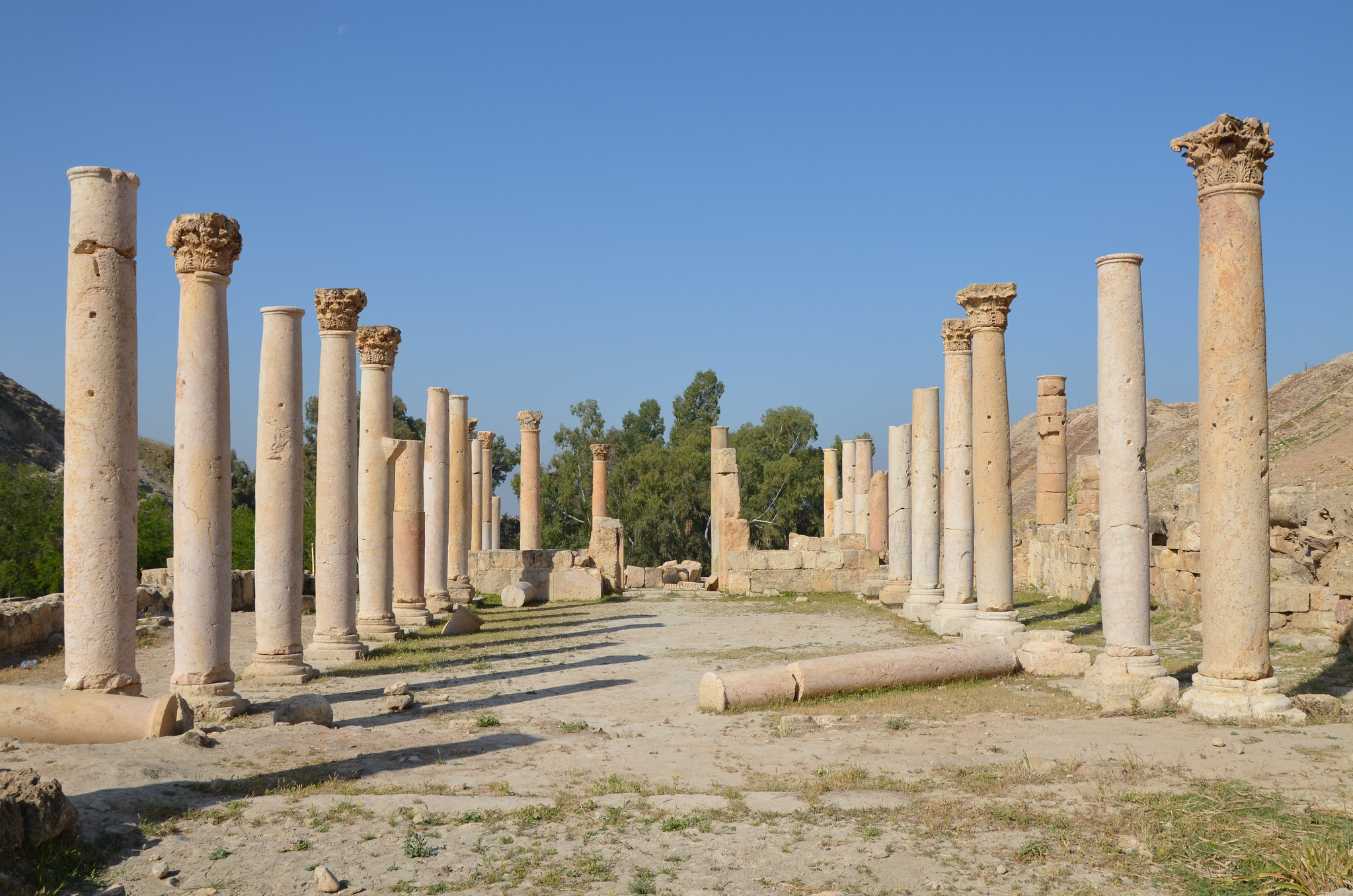
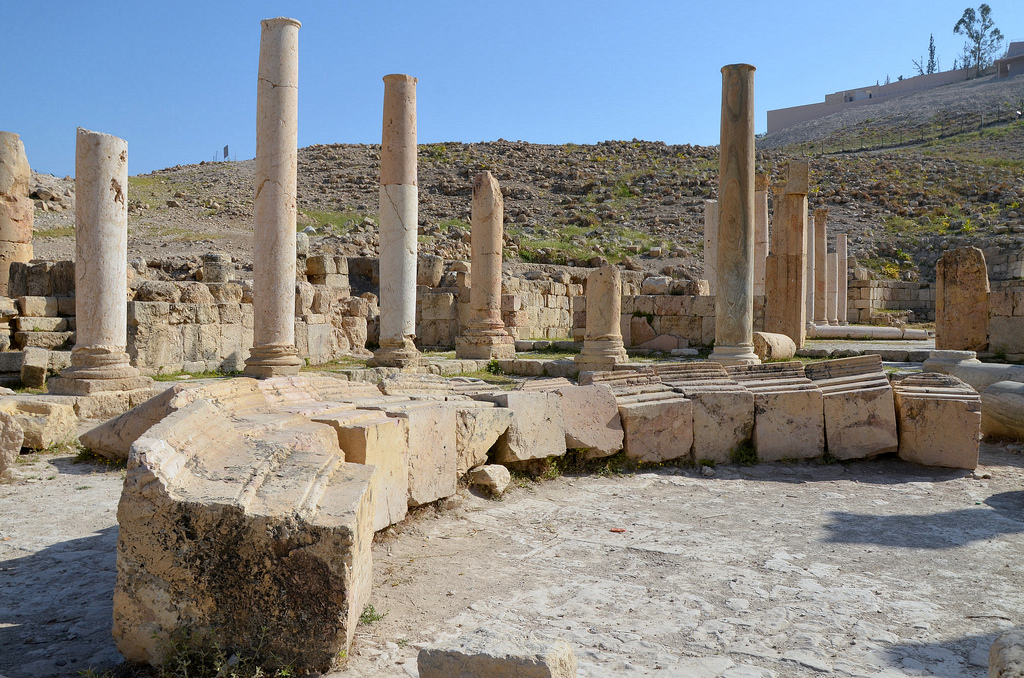
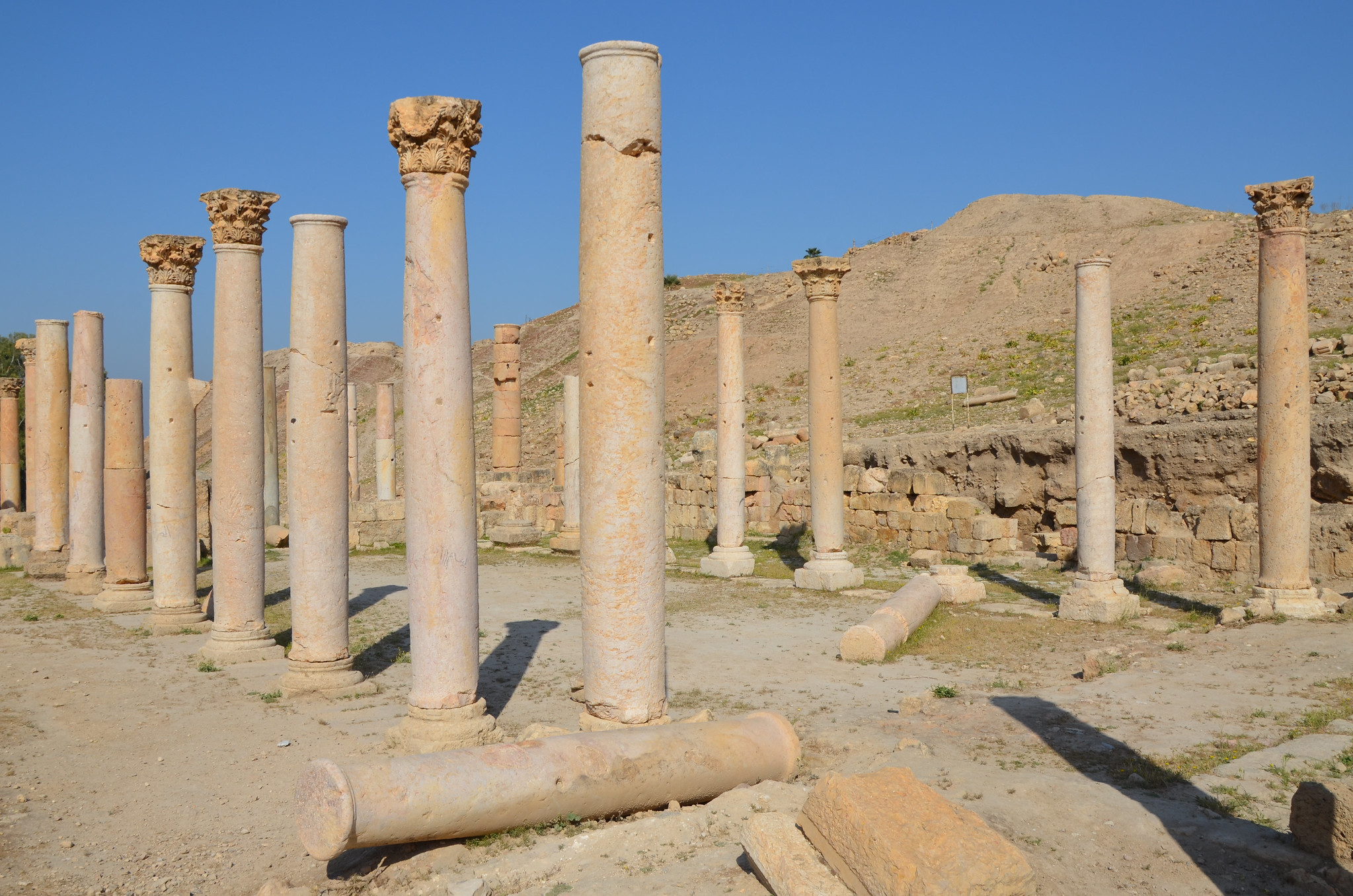
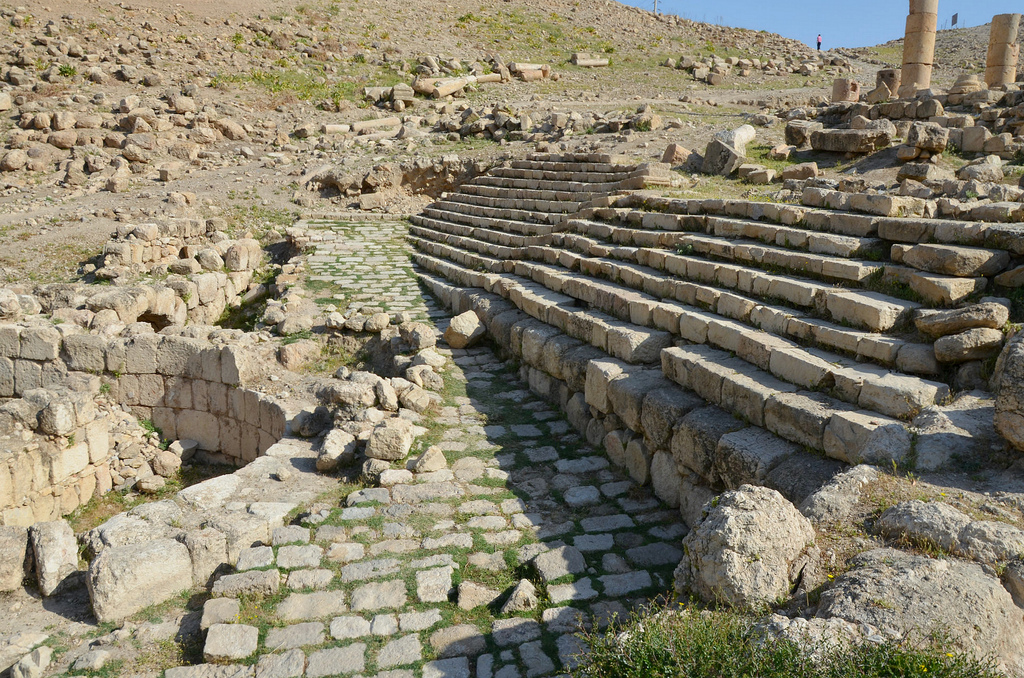
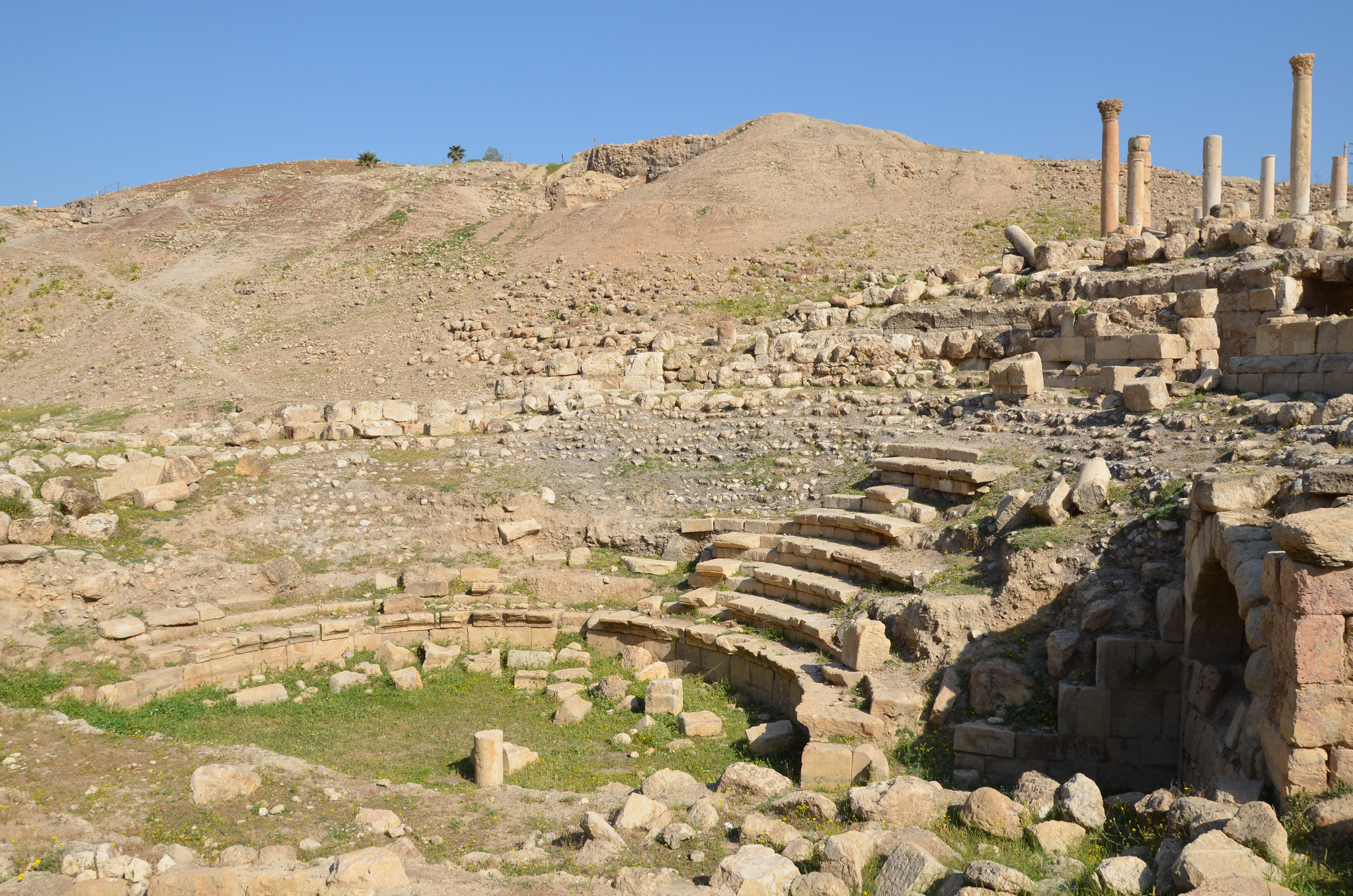
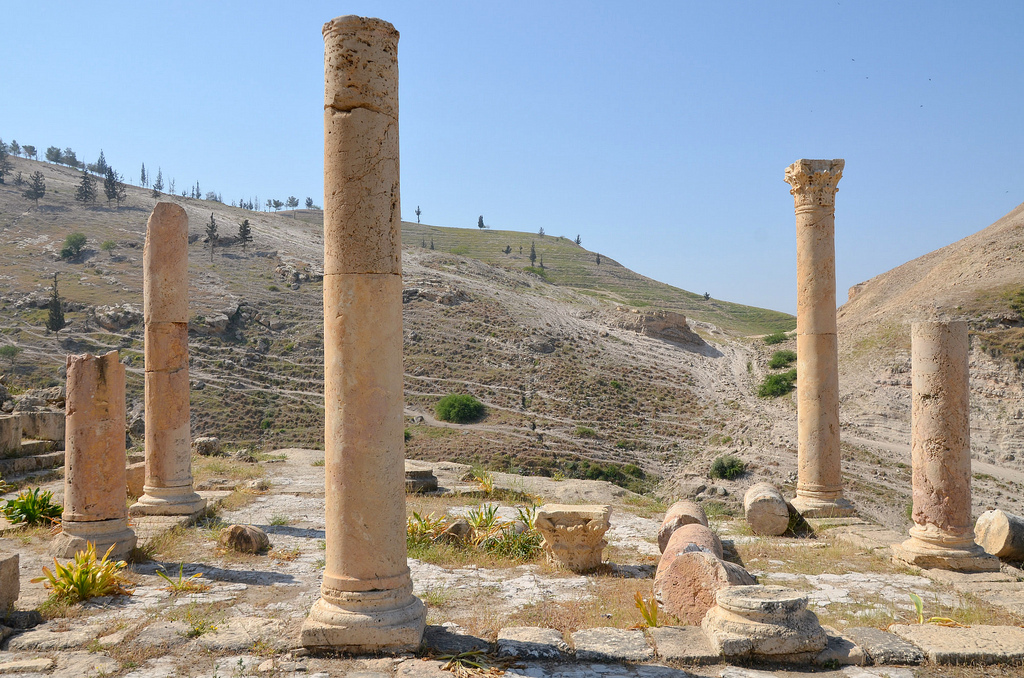
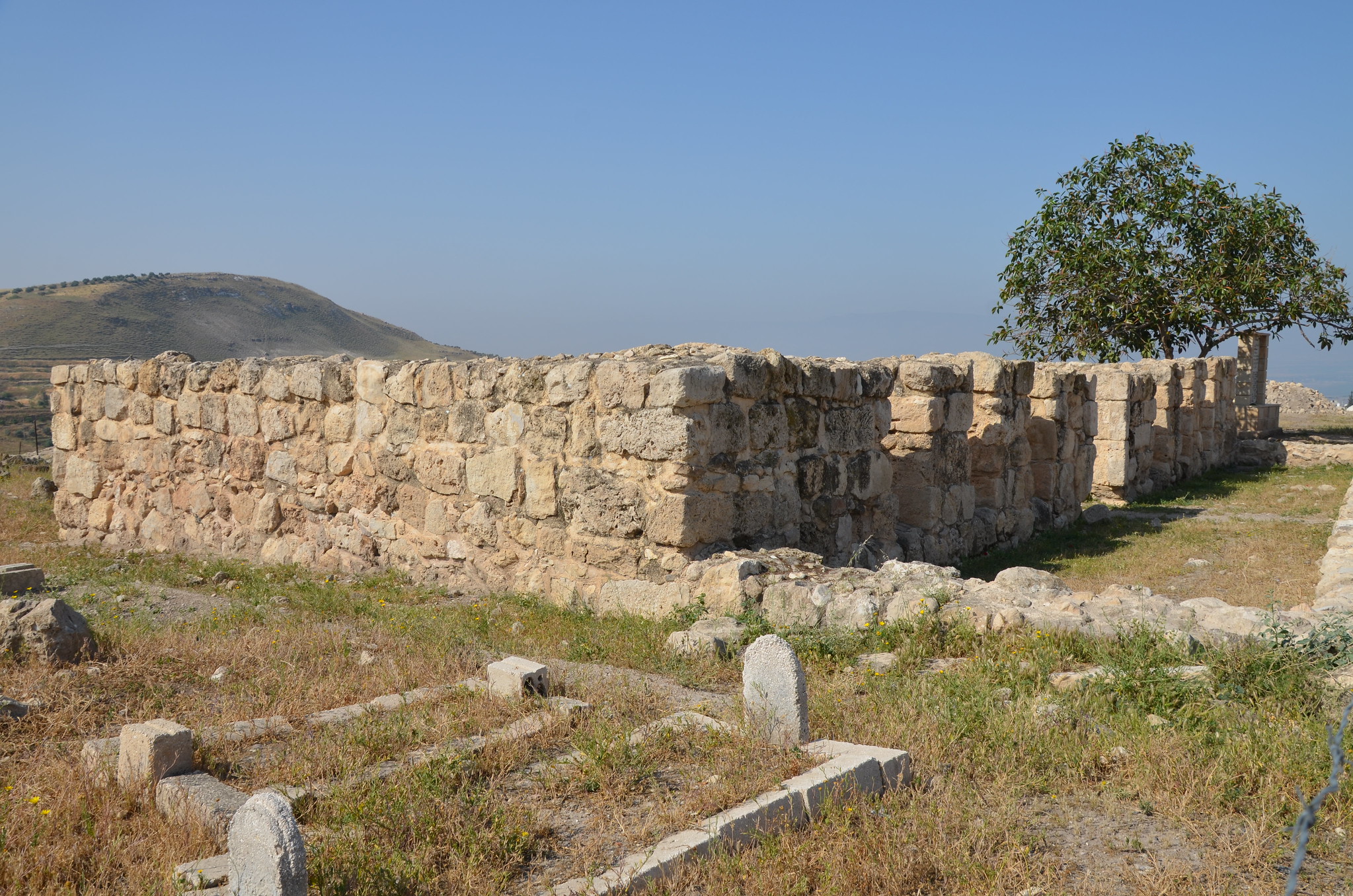
Pella has a rich history and is located at a significant crossroads of trade routes in the Jordan Valley. Over the past thirty-eight years, excavations have revealed many important discoveries, including a Chalcolithic settlement from the 4th millennium BC, the remains of Bronze and Iron Age temples (such as a Canaanite temple) and administrative buildings, an odeon, baths, and a nymphaeum from the Roman Imperial city. Additionally, Byzantine churches and residential structures, an Early Islamic residential quarter, and a small medieval mosque have also been uncovered.
In 63 BC, the Roman General Pompey captured the city, which was integrated into the Eastern portion of the Empire. Pella became one of the Decapolis cities that would become centres of Greek and Roman culture in a region inhabited by ancient Semitic-speaking peoples (Nabataeans, Arameans, and Judeans). During the 1st century AD, the Romans began constructing temples, theatres, colonnaded streets, and integrating civic architecture and city planning into the existing Greek city layout. According to Eusebius in “History of the Church” (3:5), Jewish Christians from Jerusalem sought refuge in Pella during the First Jewish Revolt against Rome (AD 66-70). Additionally, Pliny the Elder mentions Pella’s famous spring in his work “Natural History” (HN 5.16.70).
Pella reached its peak during the Byzantine era when trade routes strengthened and local industries flourished. Many monasteries were built during this time, and the city had its own Christian bishop as early as AD 451. At its height, the population may have been as large as 25,000. The city was also the site of the Battle of Fahl in AD 635, where Byzantine troops faced invading Muslim forces. Unfortunately, much of the city was destroyed by the devastating Galilee earthquake in 749.
Today, Pella is one of the most important archaeological sites in Jordan.
PORTFOLIO








Links:
 following hadrian photography