Baalbek (Heliopolis)

Baalbek is an ancient Phoenician city located in modern-day Lebanon, in the northern part of the Beqaa Valley, a fertile area abundant with springs. It was first settled at the beginning of the 3rd millennium BC and became an important waypoint on the Phoenician trade route from Tyre to Damascus. Over time, Baalbek evolved into a significant pilgrimage site where the god Baal, associated with the sun, was worshipped alongside his consort, Astarte, the Queen of Heaven. The city was renamed Heliopolis, meaning “City of the Sun,” by the Greeks. Today, it is renowned for its exceptionally well-preserved colossal sanctuary that was constructed during the Roman period, as well as for the worship of its three main deities: Jupiter Heliopolitanus, Venus Heliopolitana, and Mercury Heliopolitanus. Baalbek is one of the most remarkably preserved archaeological complexes in the Middle East and is Lebanon’s most celebrated tourist attraction. In 1984, it was designated as a UNESCO World Heritage site.

Coordinates: 34° 0′ 22.81″ N36° 12′ 26.36″ E

The settlement history of Baalbek dates back to the Chalcolithic and Early Bronze Ages. The earliest settlement was located on the hilltop of Tell Baalbek, which likely served as a site of worship. During the Canaanite period, the local temples were primarily dedicated to the Heliopolitan Triad: Baal, his consort Ashtart, and their son Adon. The name Baalbek likely derives from Canaanite words meaning “Lord of the Spring,” associated with the god Baal, and may reflect the nature of the original cult. However, this name does not appear in historical records until the 5th century AD.

Baalbek was transformed into a fortified site during the Hellenistic period, as the Seleucid Empire sought regional power against the Ptolemies of Egypt around 198 BC. During this time, the town was likely renamed Heliopolis, meaning “City of the Sun.” This name continued to be used even after Roman rule began in 64 BC, when Pompey conquered Syria and Palestine. Heliopolis became part of the first Roman colony in Syria, established in Berytus (modern-day Beirut). However, under Emperor Septimius Severus, the city gained independence and was renamed Colonia Julia Augusta Felix Heliopolitana.

The Baalbek Sanctuary with the Drawing locations; (Drawing: Lohmann)
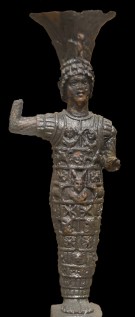
Statuette of Jupiter Heliopolitanus.

The main construction campaign of the sanctuary complex lasted for over 200 years, from the mid-1st century AD to the 3rd century AD. It began with the creation of a T-shaped terrace approximately 12 meters high, along with a propylon and a small altar located in the central courtyard. During the second phase of construction, the colossal Temple dedicated to Jupiter Heliopolitanus, a powerful god of agricultural fertility and the cosmos, was built in the 1st century AD. This temple was constructed on a podium that rose 7 meters above the surrounding courtyard and followed a peripteral Greek design. It featured 10 columns on the shorter side and 19 columns on the longer side, all in the Corinthian order. Although only six of the original 54 columns remain, they clearly indicate the grandeur of this immense structure. Covering an area of approximately 48 by 88 meters, it was one of the largest temples from the Roman period.

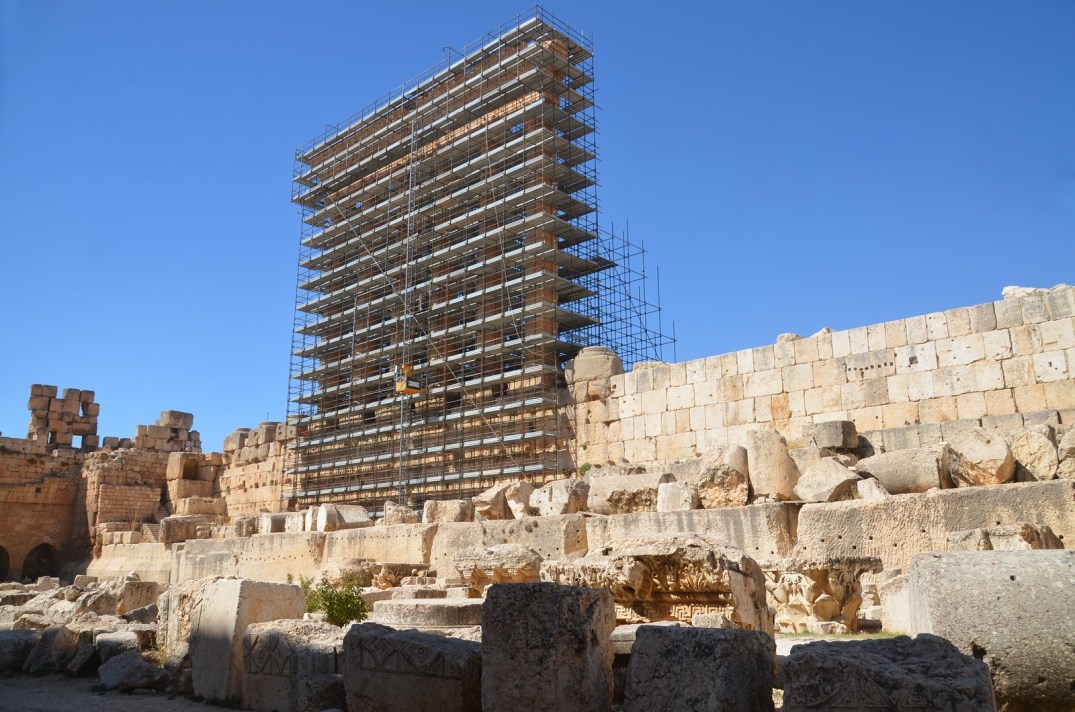
The third phase of construction at the sanctuary was initially undertaken by Hadrian and continued through the Antonine period. During this phase, the courtyard was expanded and enhanced with 128 red granite columns from Aswan, Egypt, along with additional rooms and a semicircular exedra. A Great Altar was built about five meters east of the Small Altar; it stood approximately 14 meters high and featured a staircase leading to a sacrificial platform. Unfortunately, the magnificent structures from this phase remained unfinished.

A 1921 bird’s-eye view reconstruction of the Baalbek temple complex, based on the 1901-1904 German excavation findings.

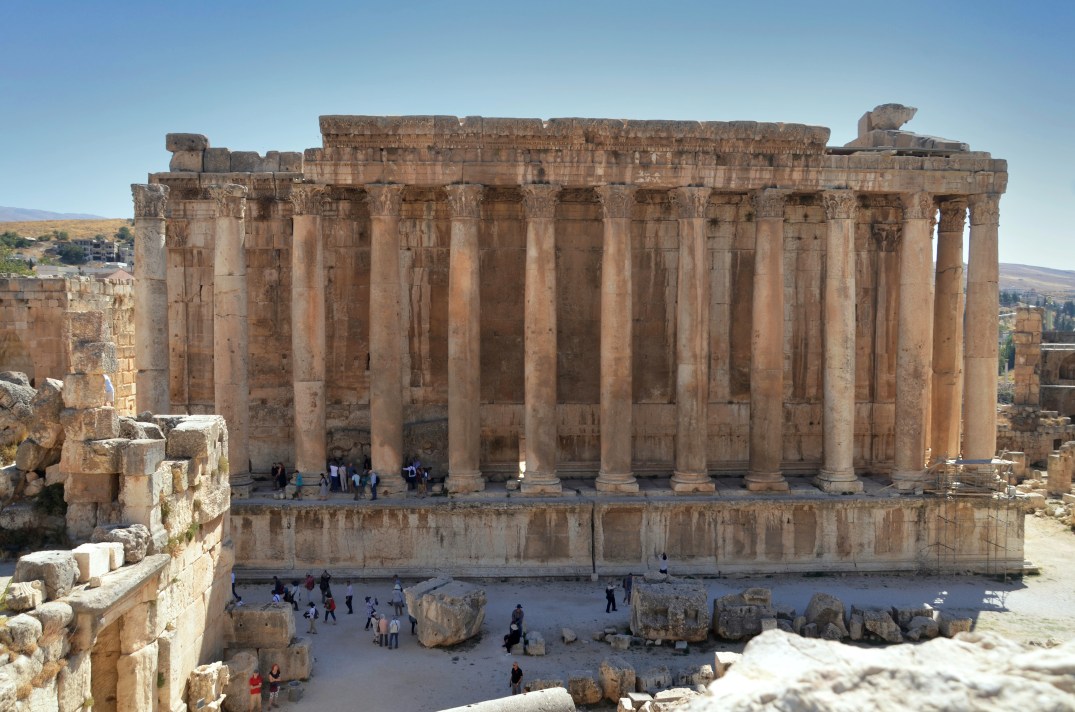
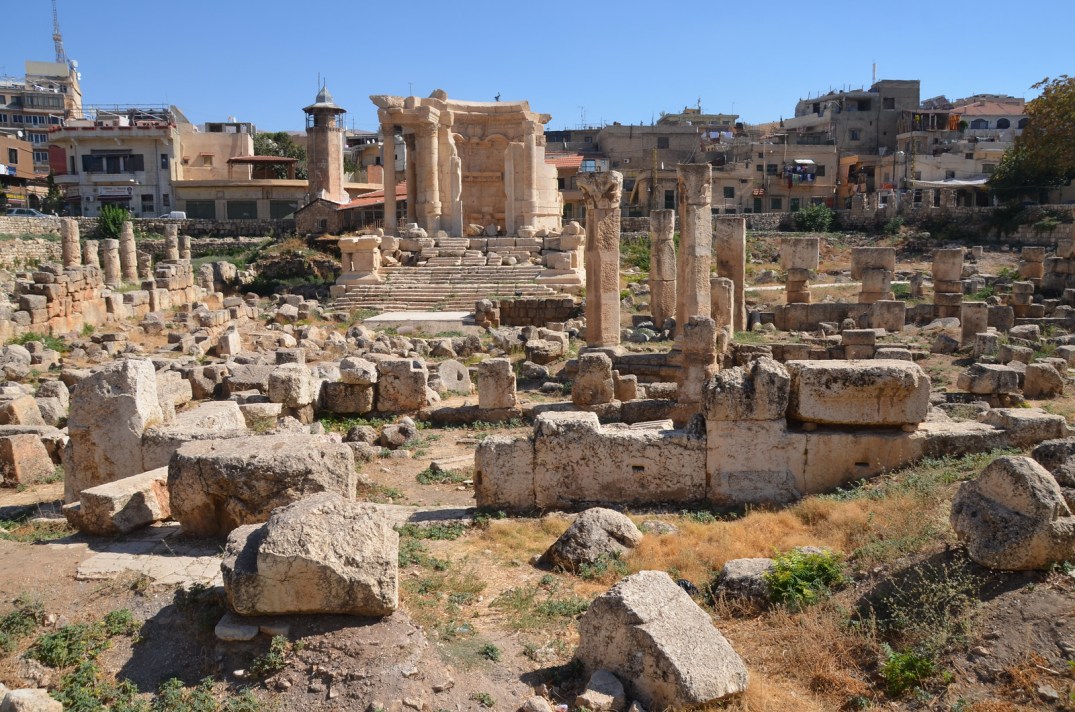
The final construction phase at the sanctuary occurred in the early 3rd century AD during the reign of Emperor Septimius Severus. This period reflects changes in the city’s political status and religious activities. The visit of Caracalla and his mother, Julia Domna, in AD 215 led to the construction of the Hexagonal Courtyard and the Propylaeum. These structures included three gilded-bronze column capitals honouring them, along with inscriptions on the column bases that mentioned Caracalla. Additionally, the Temple of Bacchus was constructed during this time. It was named after the god of wine, Bacchus, due to the Dionysiac motifs that decorated the structure. However, it is possible that the Temple was also used for the imperial cult, honouring gods such as Bacchus and perhaps Venus. The last building added to the complex was a small round temple, which was constructed on a tall podium.

A copper coin from the Heliopolis of Septimius Severus, with the Temple of Jupiter Heliopolitanus on the reverse and the legend COLHEL (Colonia Julia Augusta Felix Heliopolitana).

Quarries located approximately 1 kilometre south and west of the sanctuary provided local limestone for its construction. Additionally, granite was imported from Egypt and the Troad region in northwestern Anatolia to create hundreds of massive columns.

The Temple of Jupiter also functioned as an oracle. The 5th-century Roman author Macrobius noted that Trajan consulted the oracle at Heliopolis before embarking on his second Parthian campaign, where it predicted his imminent death. While it is not known if Hadrian ever visited Heliopolis, he spent considerable time in the region and made significant contributions to the temple’s completion and embellishment.

The rise of Christianity had a significant impact on Heliopolis-Baalbek. At the end of the 4th century, Emperor Theodosius I ordered the destruction of much of the sanctuary, including the construction of a church in the courtyard of the Temple of Jupiter. Additionally, the Round Temple was converted into a church. In AD 635, Baalbek was incorporated into the Islamic Empire. Between the 12th and 14th centuries, the preserved temple areas were integrated into a large fortress.

Scientific research on the ruins began in the early 17th century, focusing on detailed reproductions of the above-ground structures. However, systematic excavations did not commence until 1898, prompted by the visit of German Emperor William II. He was deeply impressed by the beauty and scale of the monuments and requested a thorough investigation and documentation of the site. Throughout the 20th century, German and French scholars, along with Lebanese professionals, worked to uncover and record the main sections of the ruins. Following the end of the civil war in 1991, archaeological investigations resumed. In 1997, a cooperative program was established between the Directorate General of Antiquities (DGA) and the Deutsches Archäologisches Institut (DAI).

PORTFOLIO
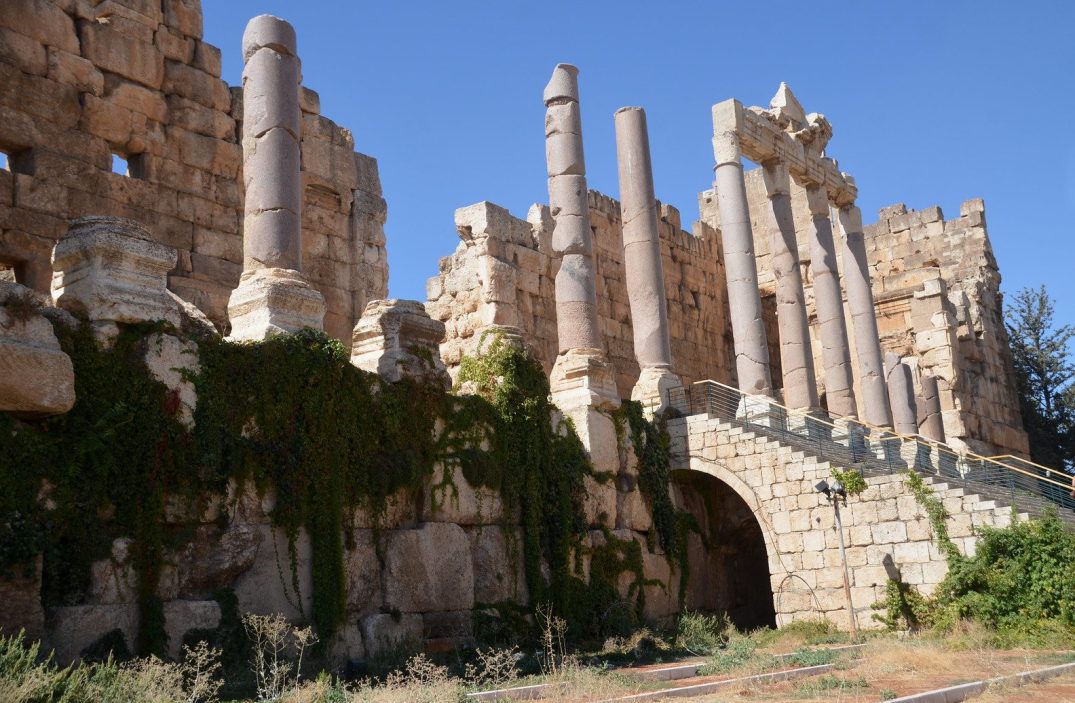
The Propylaeum. The ceremonial entrance was completed in the middle of the 3rd century AD.
The Propylaeum was 48 m wide and 11 m deep. It was flanked by two massive towers and, in front, by a row of twelve columns supporting the entablature.
One of the two towers flanking the Propylaeum still has niches with seashell bases for statues.
The Hexagonal Courtyard, the only example attested in Roman architecture, was built in the 2nd century AD.
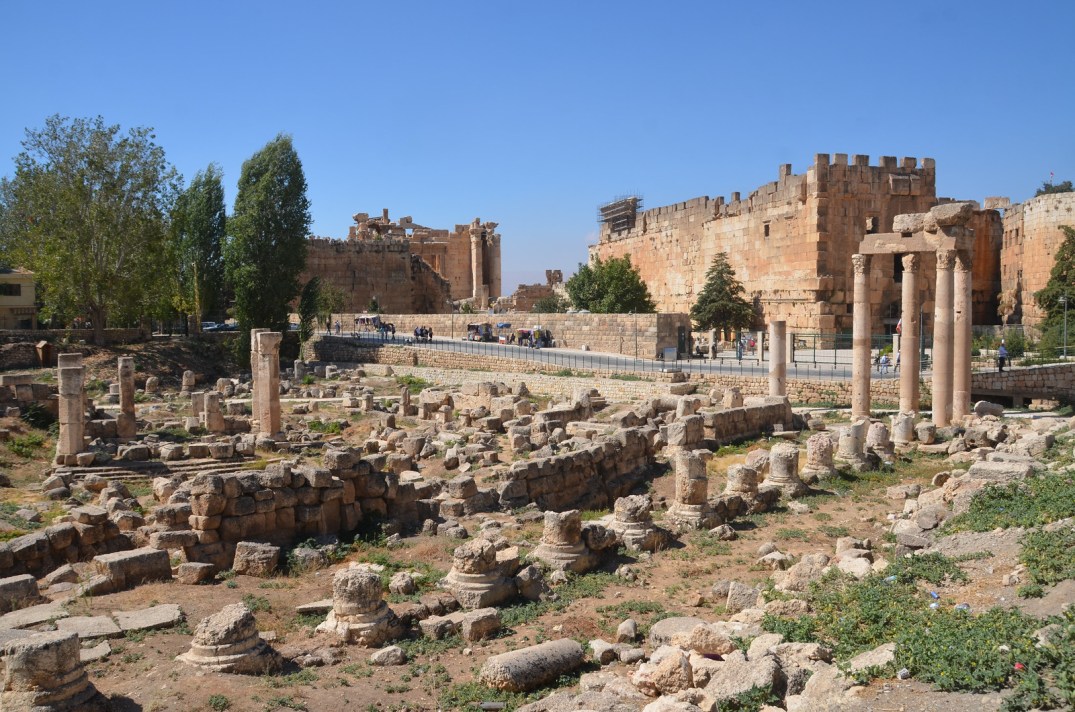
The Hexagonal Courtyard served as a forecourt to the main, sacred Great Courtyard.
The hexagonal courtyard was roofed during the Byzantine period, and a covered way was added during the medieval period when the Temple was transformed into a citadel.
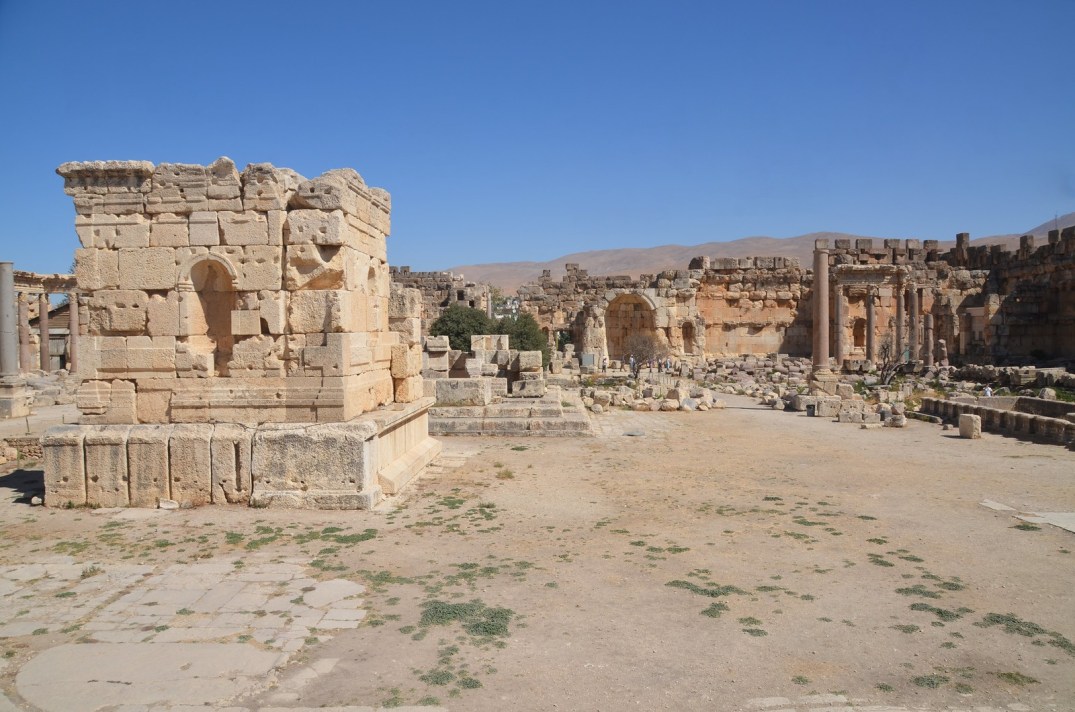
This is an overview of the Great Courtyard of the Temple of Jupiter Heliopolitanus, which has two monumental altars and two water basins within a porticoed enclosure. It covers a vast area of some 134m by 112m.
The northern portico and water basin in the Great Courtyard.
Architectural detail of the northern water basin; sea creatures and cupids are surrounded by two heads.
The porticoes surrounding the Great Courtyard were fronted by columns of pink granite from Egypt (84 in total). Behind this line of columns were several semicircular halls with two levels of niches for statues.

The two tower-altars in the Great Courtyard served as platforms for sacrifices. The Small Altar (right) was built at the beginning of the 1st century AD, while the Great Altar dates to the 2nd century AD. It must have been about 14m high.
The southern portico and water basin.

A dedication to the divine Vespasian by Antonia Pacata and her sister Antonia Priscilla.

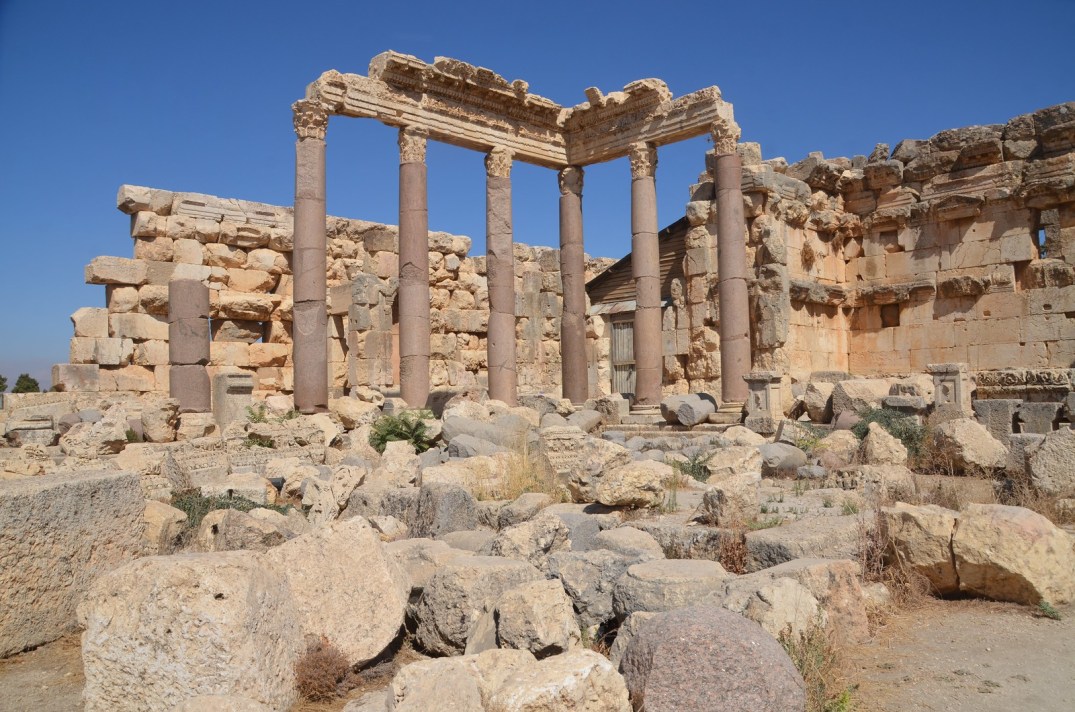
The colossal Temple of Jupiter was constructed on a podium 7m above the surrounding courtyard. It followed a peripteral Greek design of 10 by 19 columns in the Corinthian order. Only six original columns remain standing.
Enormous in size, the Temple of Jupiter was 53m wide and 94m long and reached by a flight of steps running the entire building width. It was one of the largest temples of the Roman period.
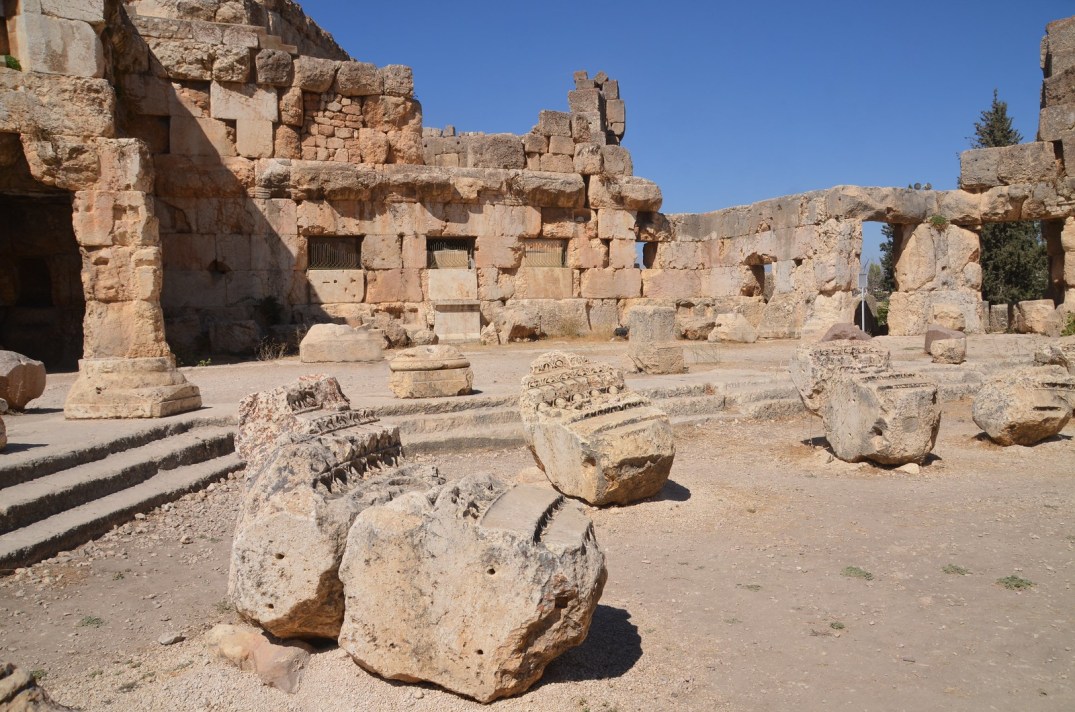
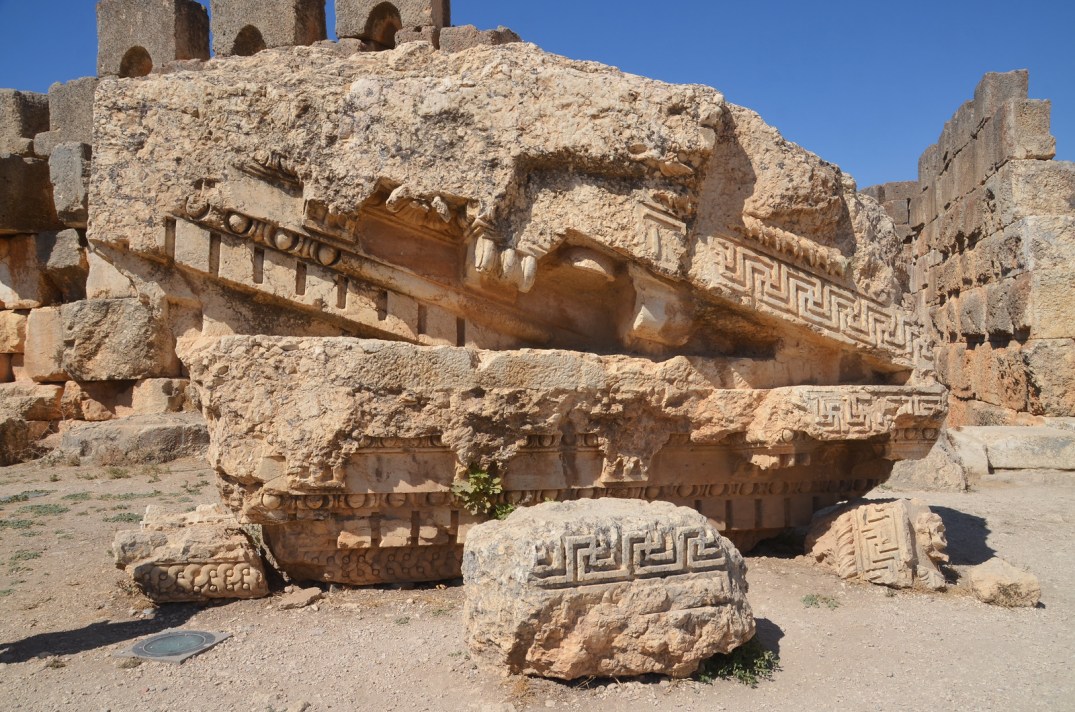
Fallen entablature from the Temple of Jupiter Heliopolitanus.
Lionhead gargoyle from the entablature of the Temple of Jupiter.
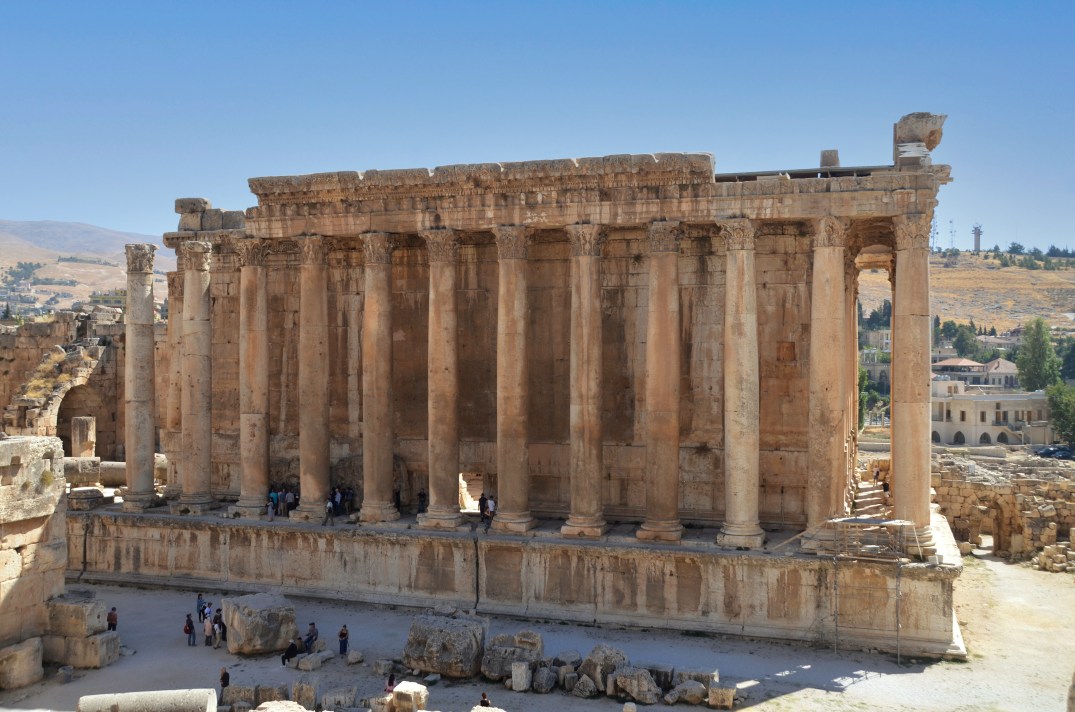
The so-called Temple of Bacchus was flanked on all sides by several 19m-tall Corinthian columns. It was built over a much earlier Phoenician structure.
Interior of the so-called Temple of Bacchus with its magnificent and highly ornamental entrance door.
In addition to its remarkable state of preservation, the interior of the so-called Temple of Bacchus is exceptional for its architectural decoration, including Corinthian columns and niches that originally held statues.
Interior of the so-called Temple of Bacchus.
The Round Temple and the Temple of the Muses are located outside the sanctuary complex.

The Stone of the Pregnant Woman is one of the largest stone building blocks ever carved by human hands. It is 20.76 m long, 4 m wide, 4.32 m high, and weighs an estimated 1,000 tons. The stone block still lies in the ancient quarry near Baalbek.
The largest stone building block ever carved by human hands (still partly buried) is 19.60 m long, 6 m wide, and 5.60 m high and weighs an estimated 1,650 tons. The stone blocks were presumably intended for the nearby gigantic Roman Temple of Jupiter.

Links:

Faqra

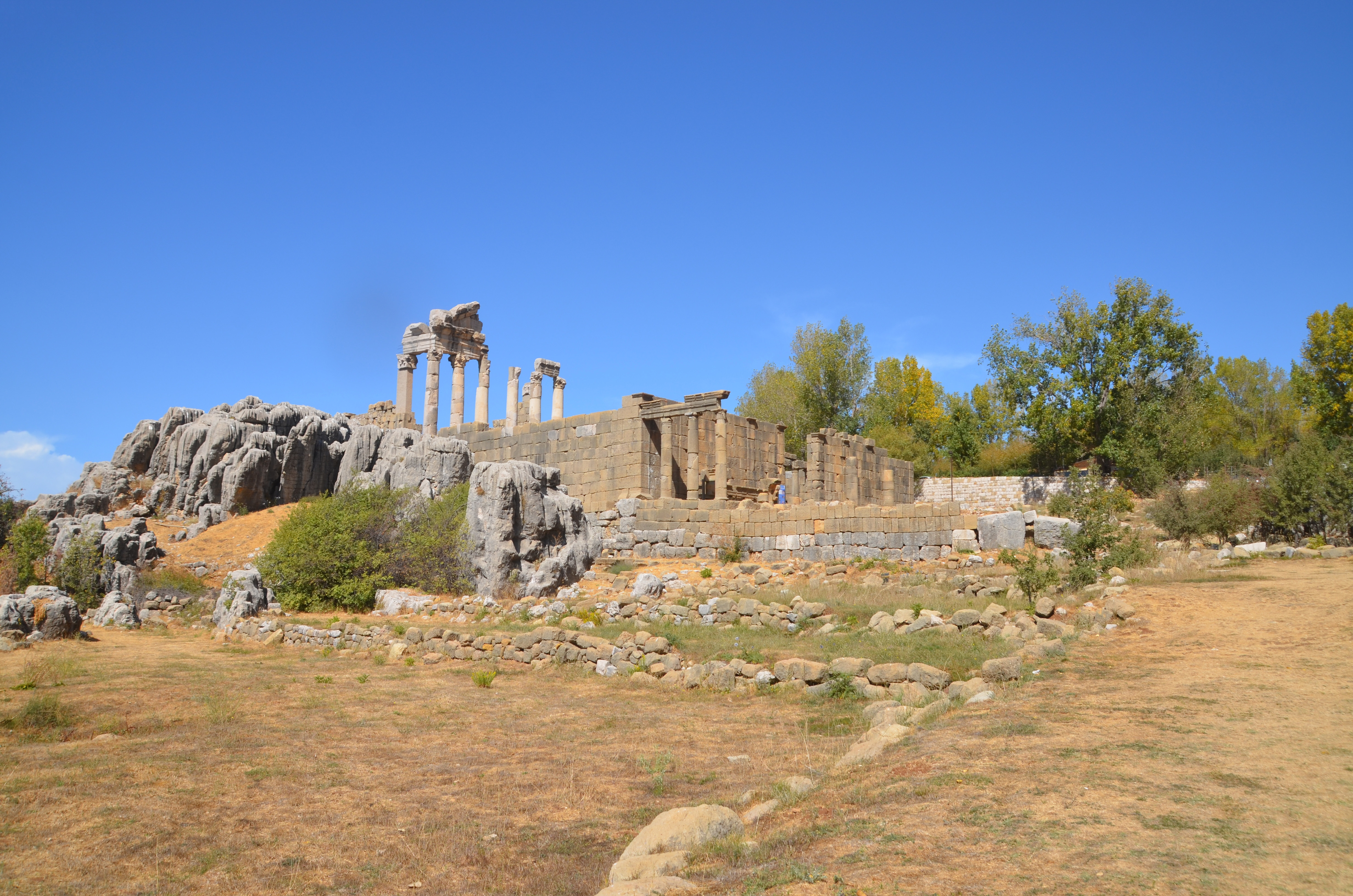
Faqra is an archaeological site in Mount Lebanon with Roman and Byzantine ruins. The ruins include a sanctuary of Zeus Beelgalasos, a temple dedicated to Atargatis and later converted into a basilica, two altars, and a tower restored during the reign of the emperor Claudius. Nestled in the hollow of a rocky landscape at an altitude of 1500 m, Faqra is one of the most important sites in the Nahr El-Kalb Valley region.

Coordinates: 33°59’54.2″N 35°48’27.6″E

The site of Faqra aroused the interest of Western explorers from the 18th century, and a German Delegation undertook the first archaeological and historical surveys at the beginning of the 20th century. These resulted in a scientific publication in 1938, including numerous architectural surveys and outstanding photographs. Restoration work started in 1944 under the auspice of the Department of Antiquities and continued until 1975. No further archaeological excavations have been carried out since.

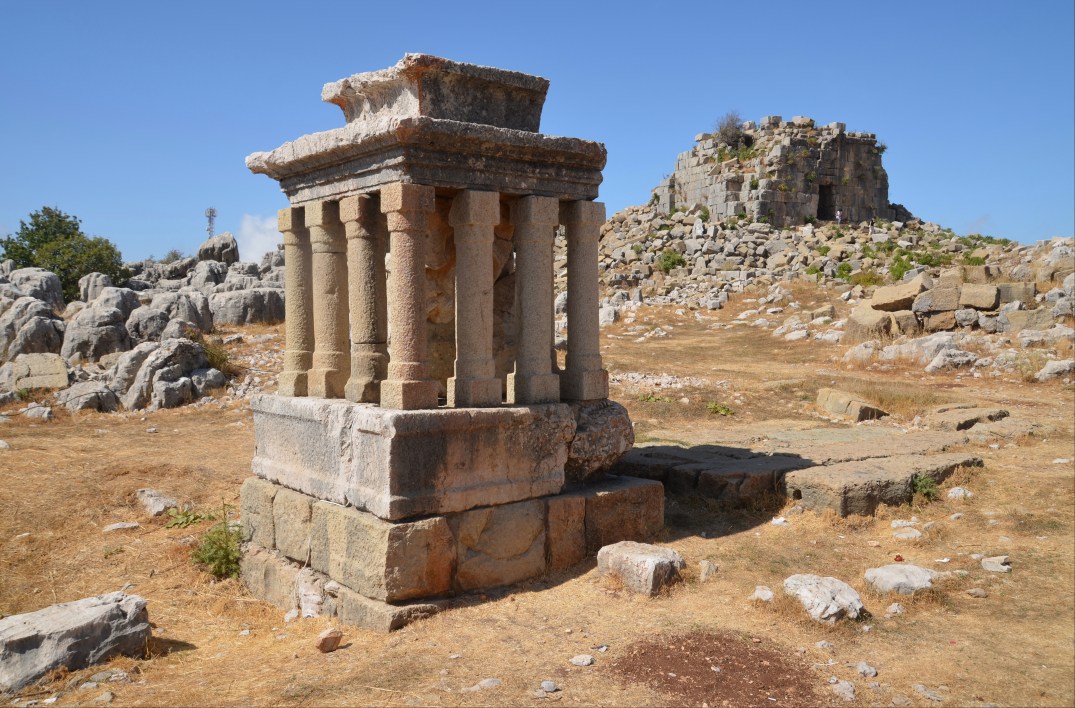
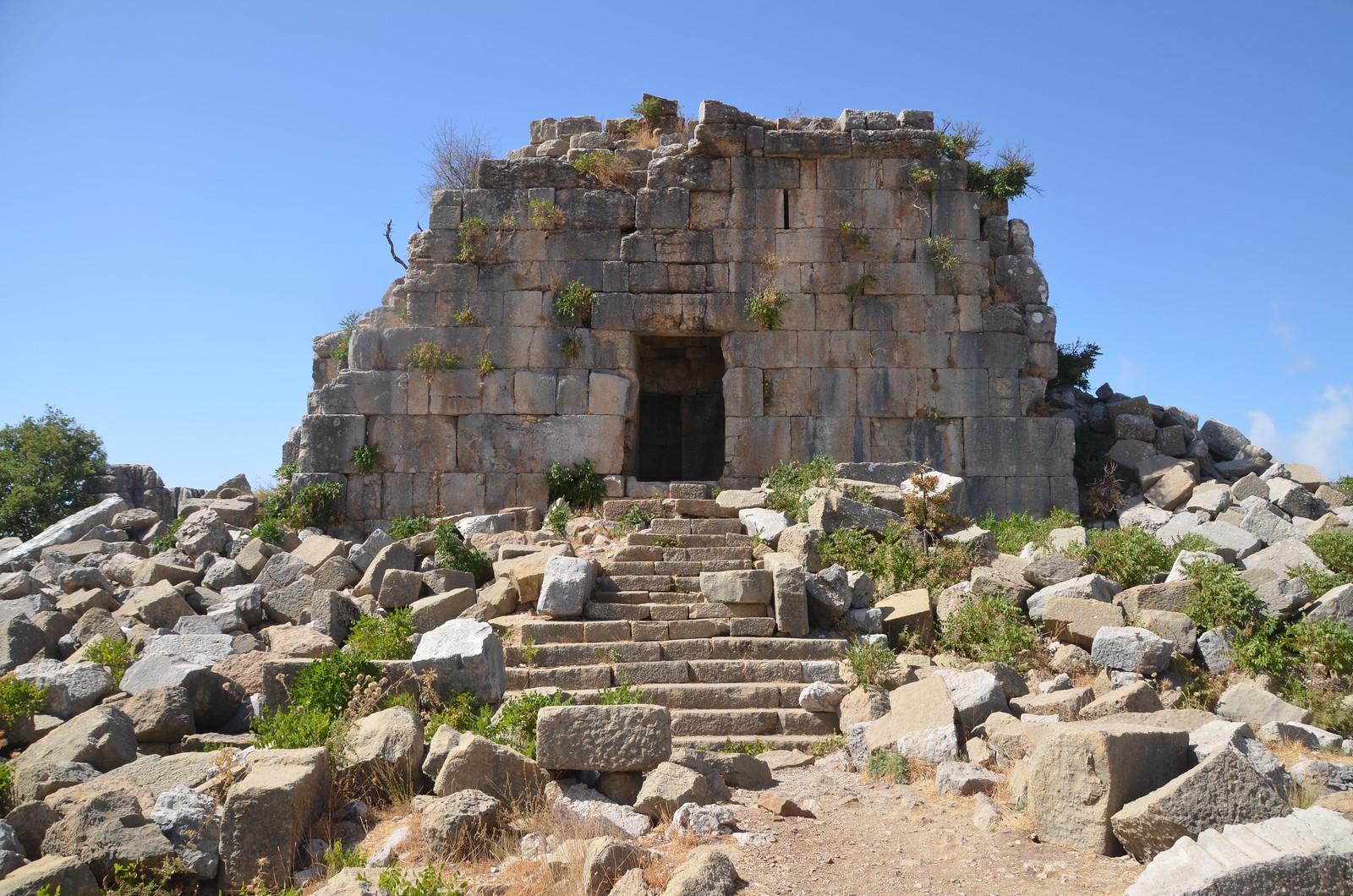
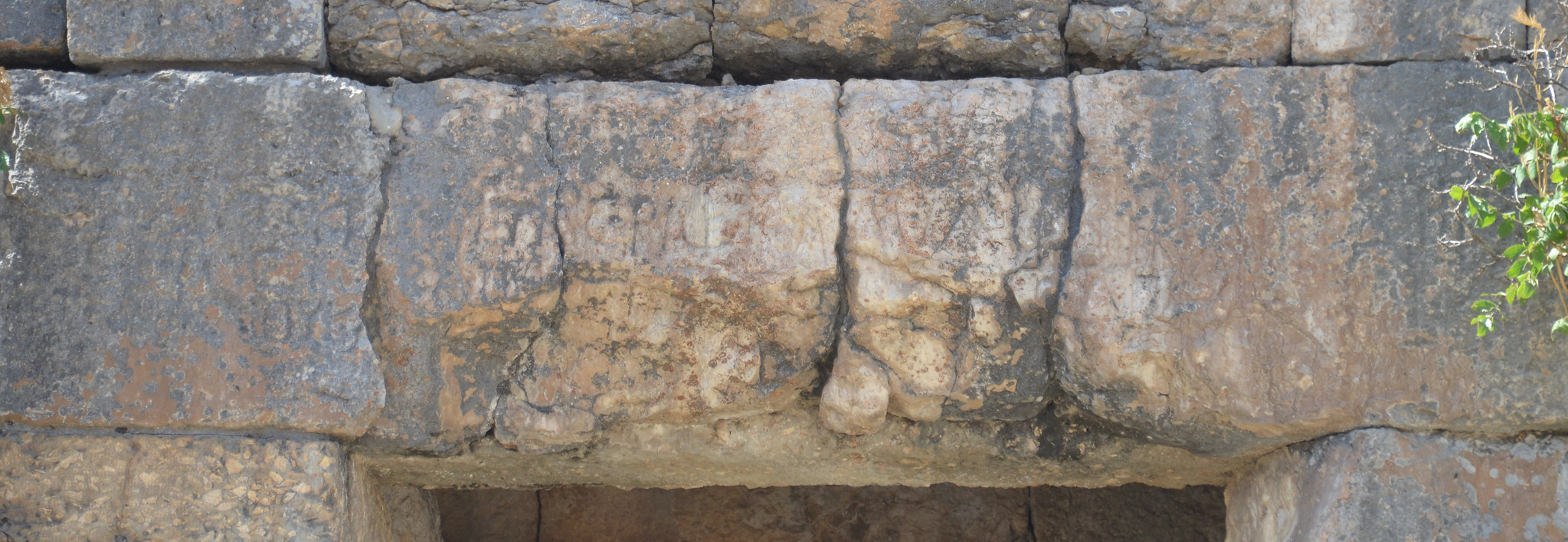
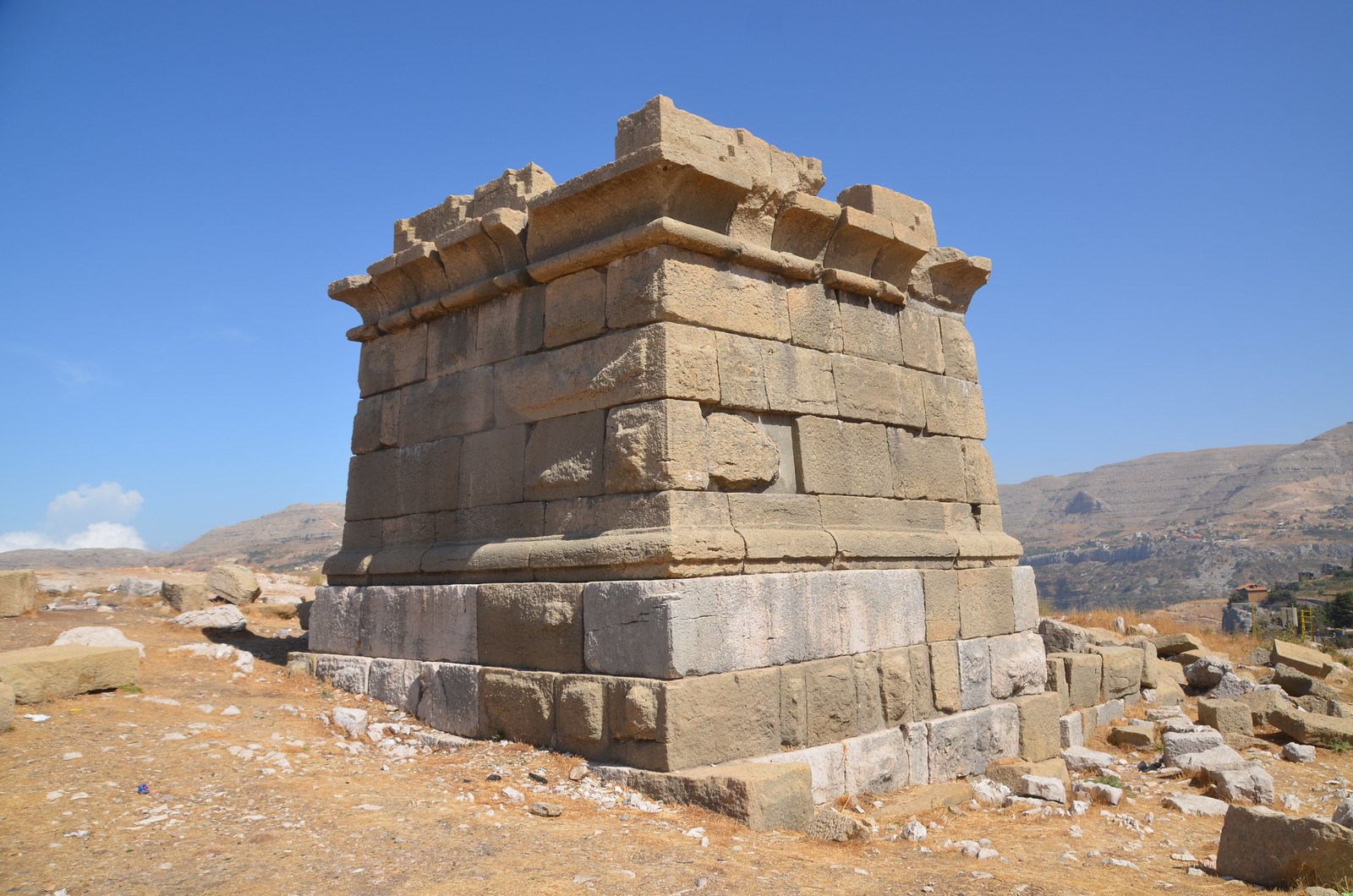
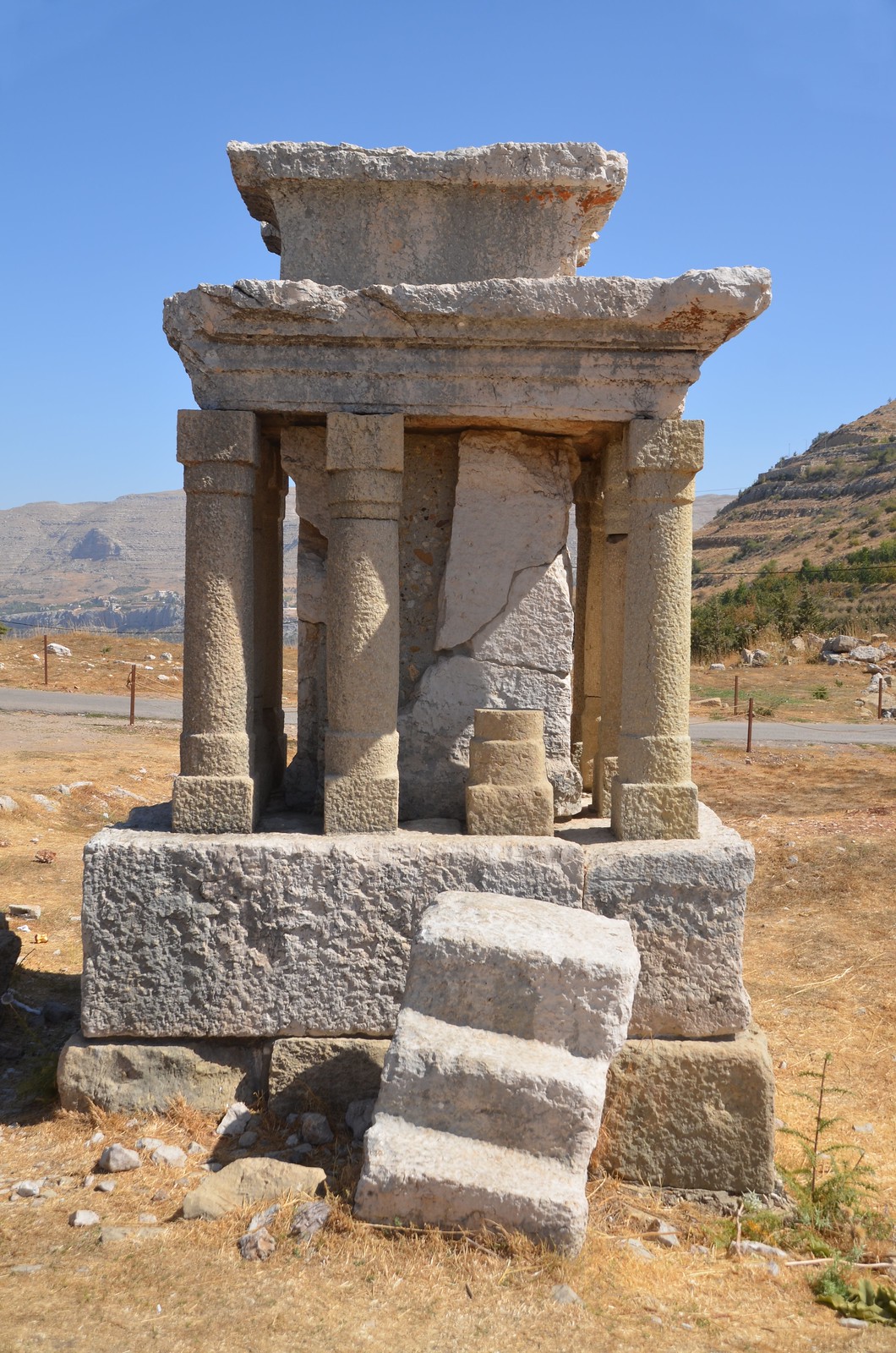
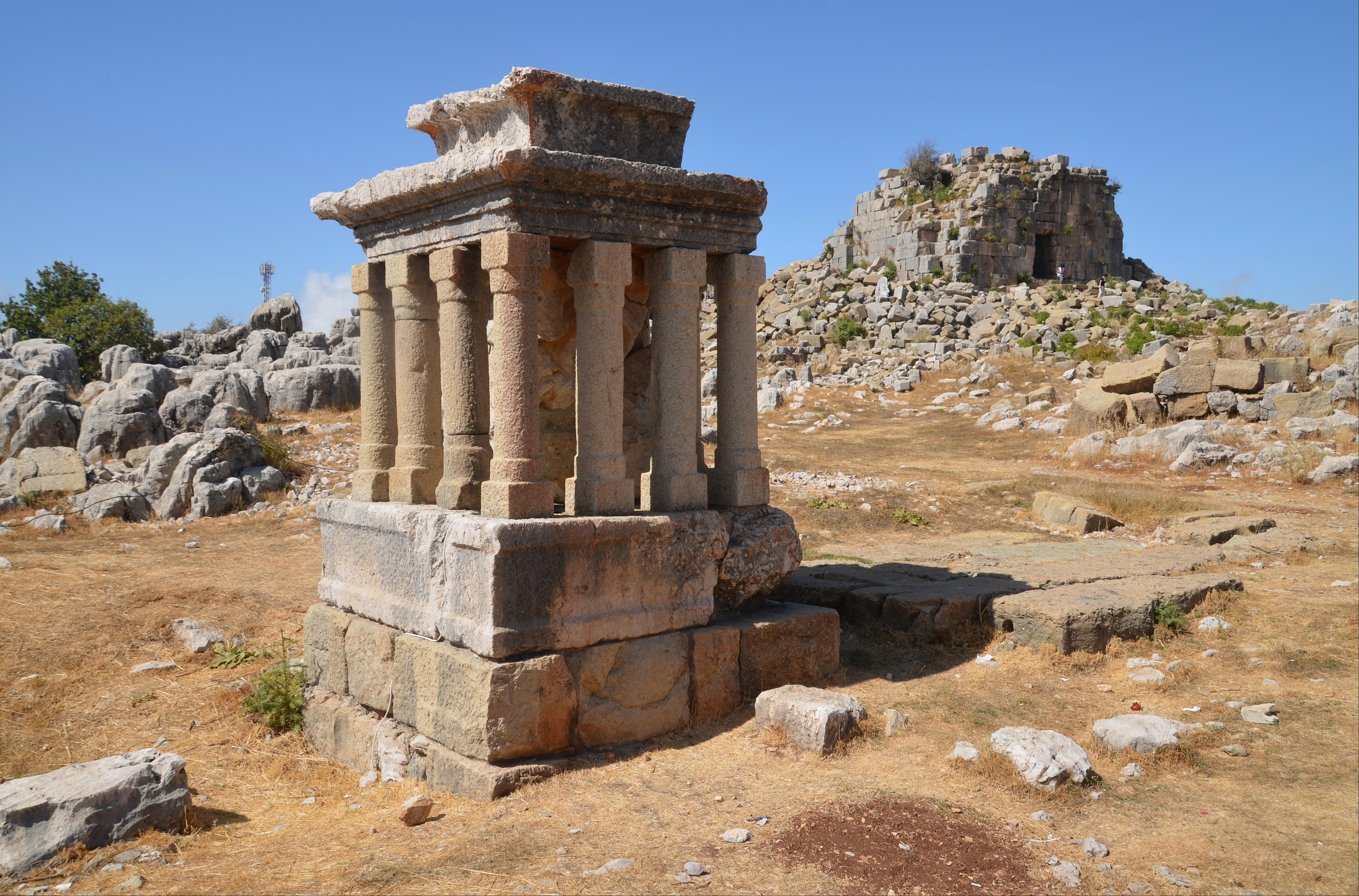
The first site is dominated by a huge 15 m. sq. tower, which originally had a third storey and a pyramid-shaped roof. A Greek inscription on the northeast corner of the tower and another above the door indicate that the building was restored by Claudius in AD 43. Interpretations differ as to the function of the tower. It was considered a tomb, a monumental altar, or sometimes a lookout post. Two other buildings can be seen 50 metres northwest of the tower. The largest is an altar used for making sacrifices, the function of which is evidenced by the discovery of remains of bones and ashes in its ruins. The other is a small colonnaded altar.

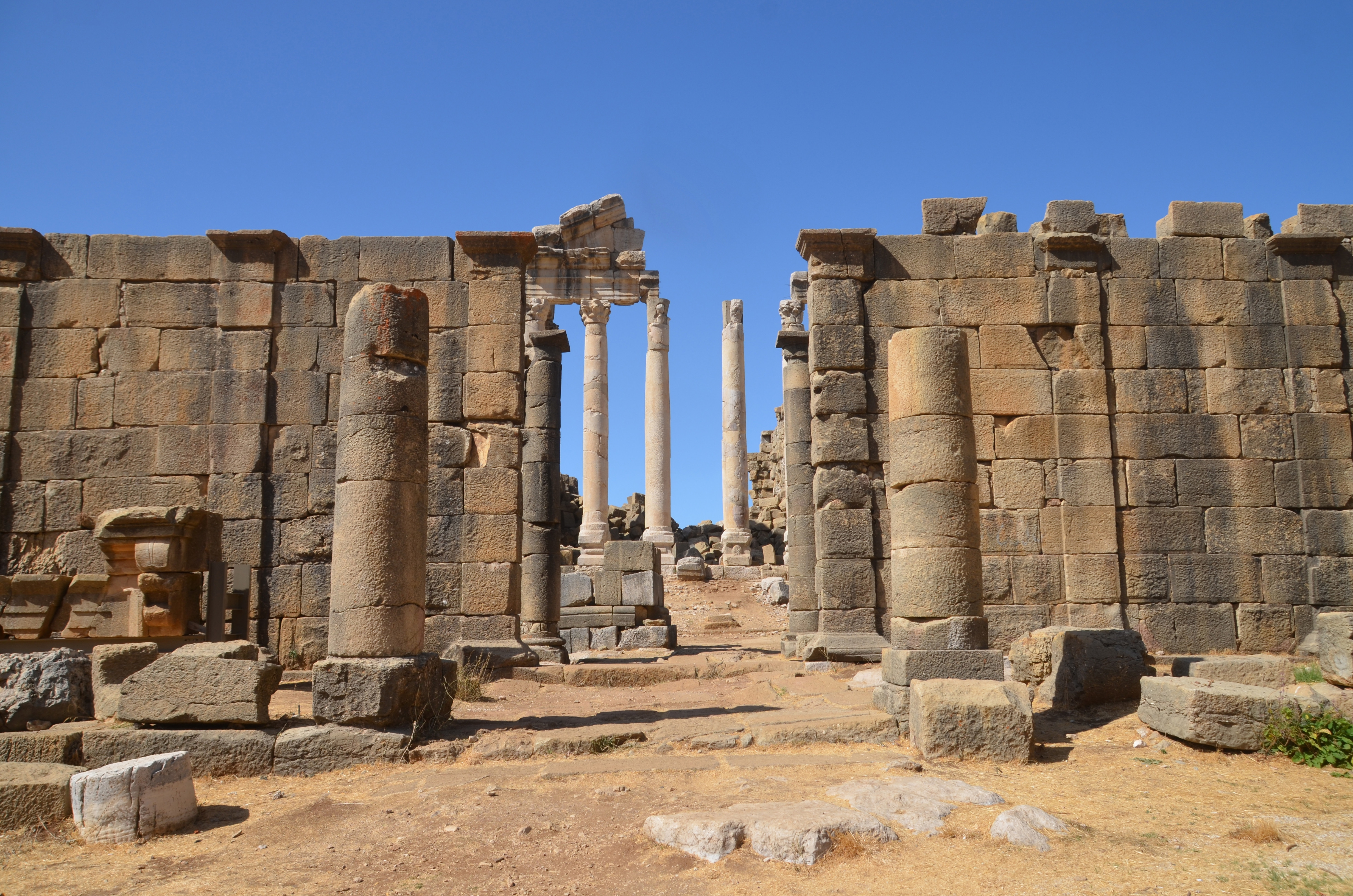
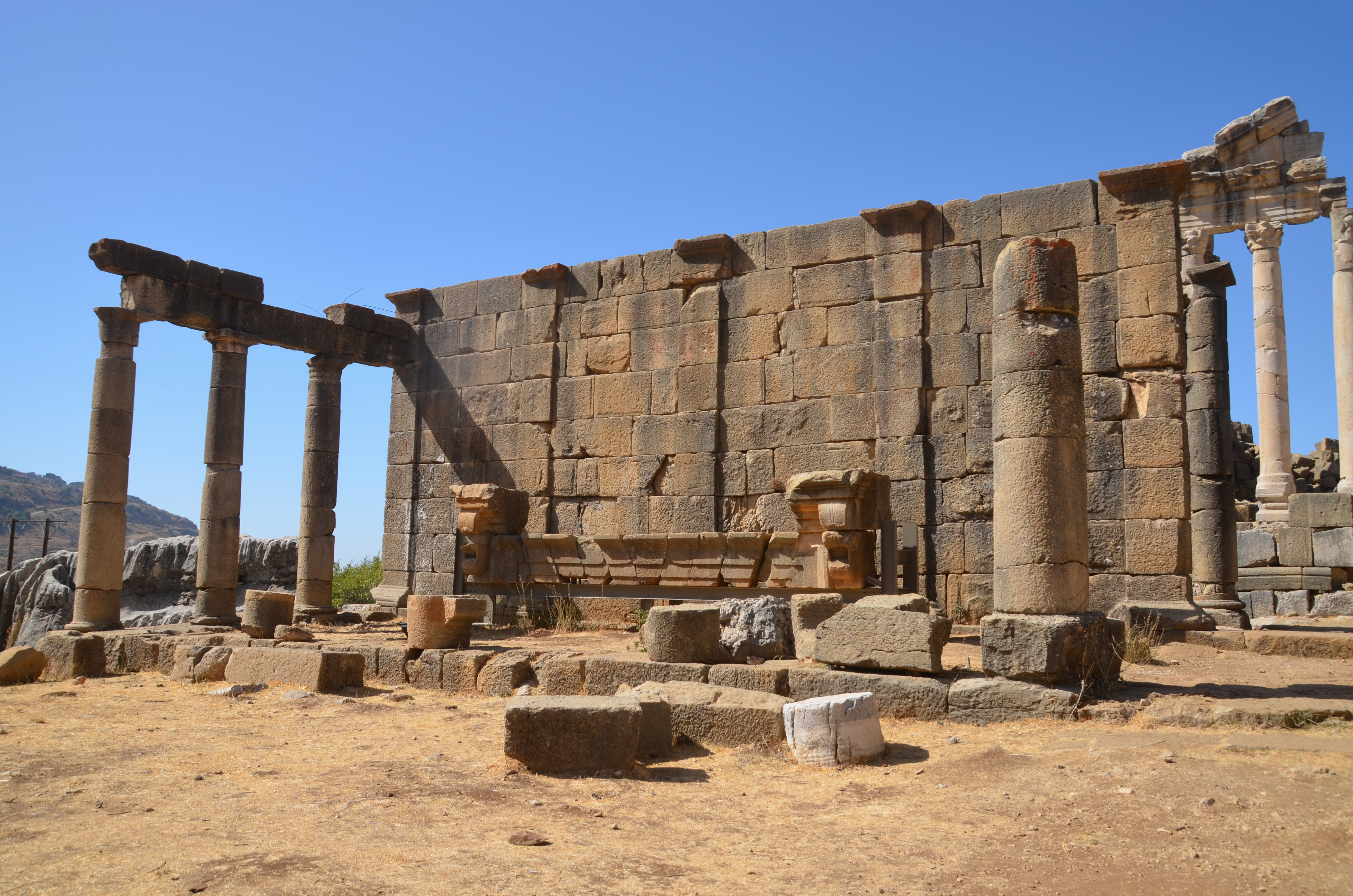
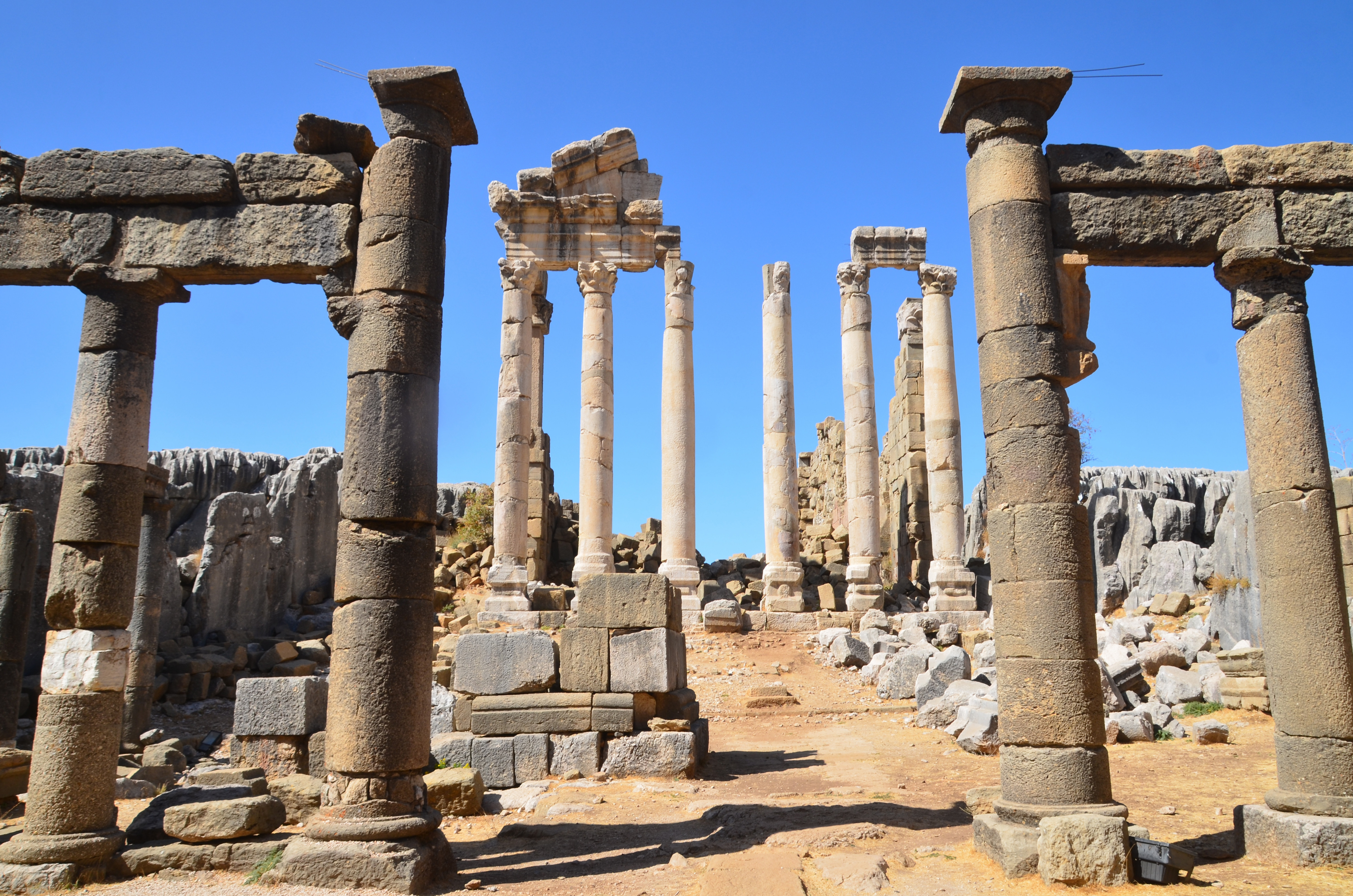
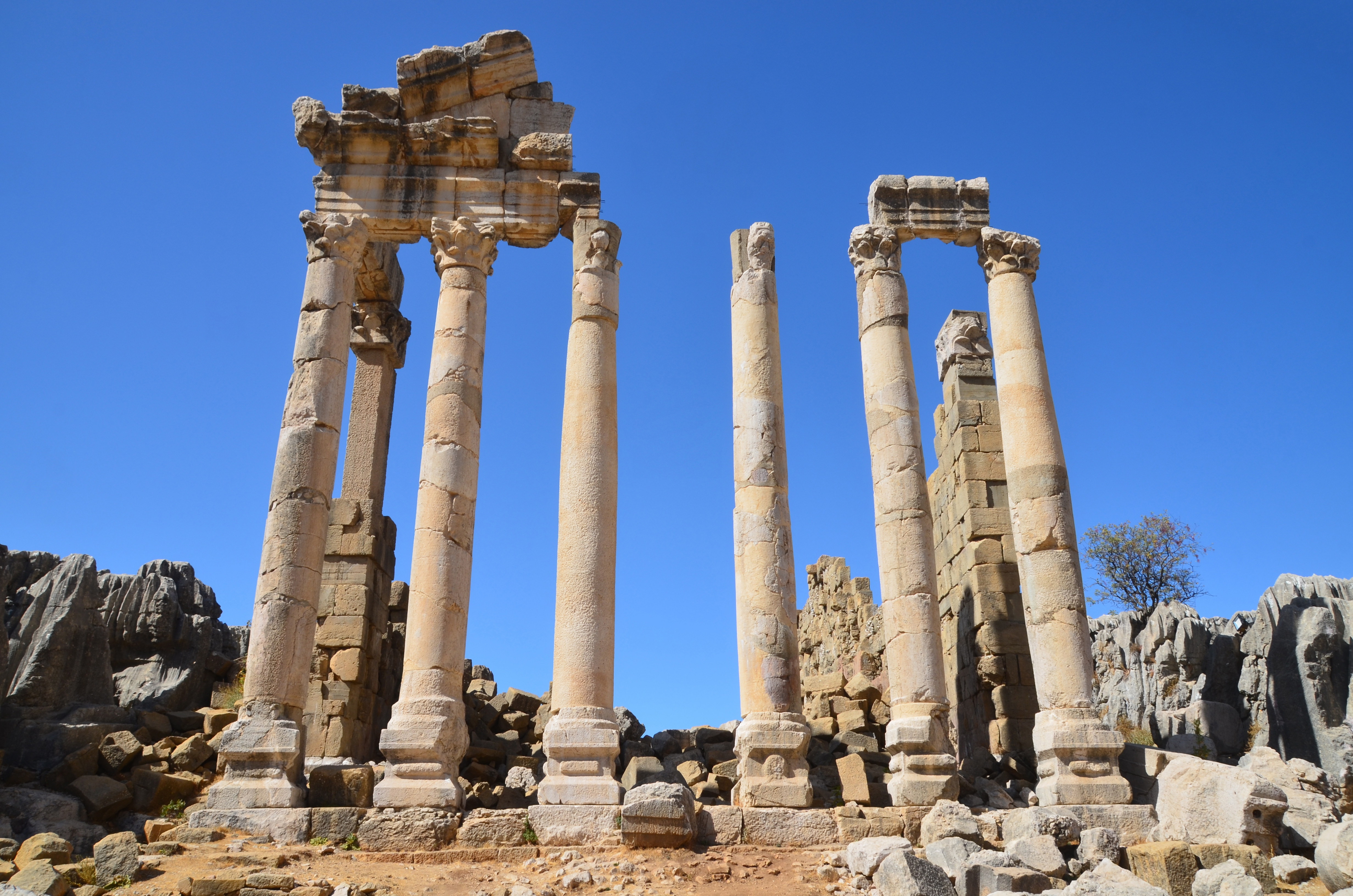
The second site consists of a monumental temple sanctuary and a small temple dedicated to “the Syrian goddess,” a local form of the goddess Atargatis, built in the 1st century AD. The sanctuary is devoted to a deity named Zeus Beelgalassos, the local Baal of Faqra. The sanctuary was partially carved into the bedrock, including the outer courtyard walls and their foundations. It consists of an enclosure 35x35m surrounding a sacred area in the middle of which stands an altar. A large temple facing east has a façade with six restored Corinthian columns, a pediment and an entablature. The courtyard surrounding the temple is protected by a covered portico built in the Tuscan order around AD 240.

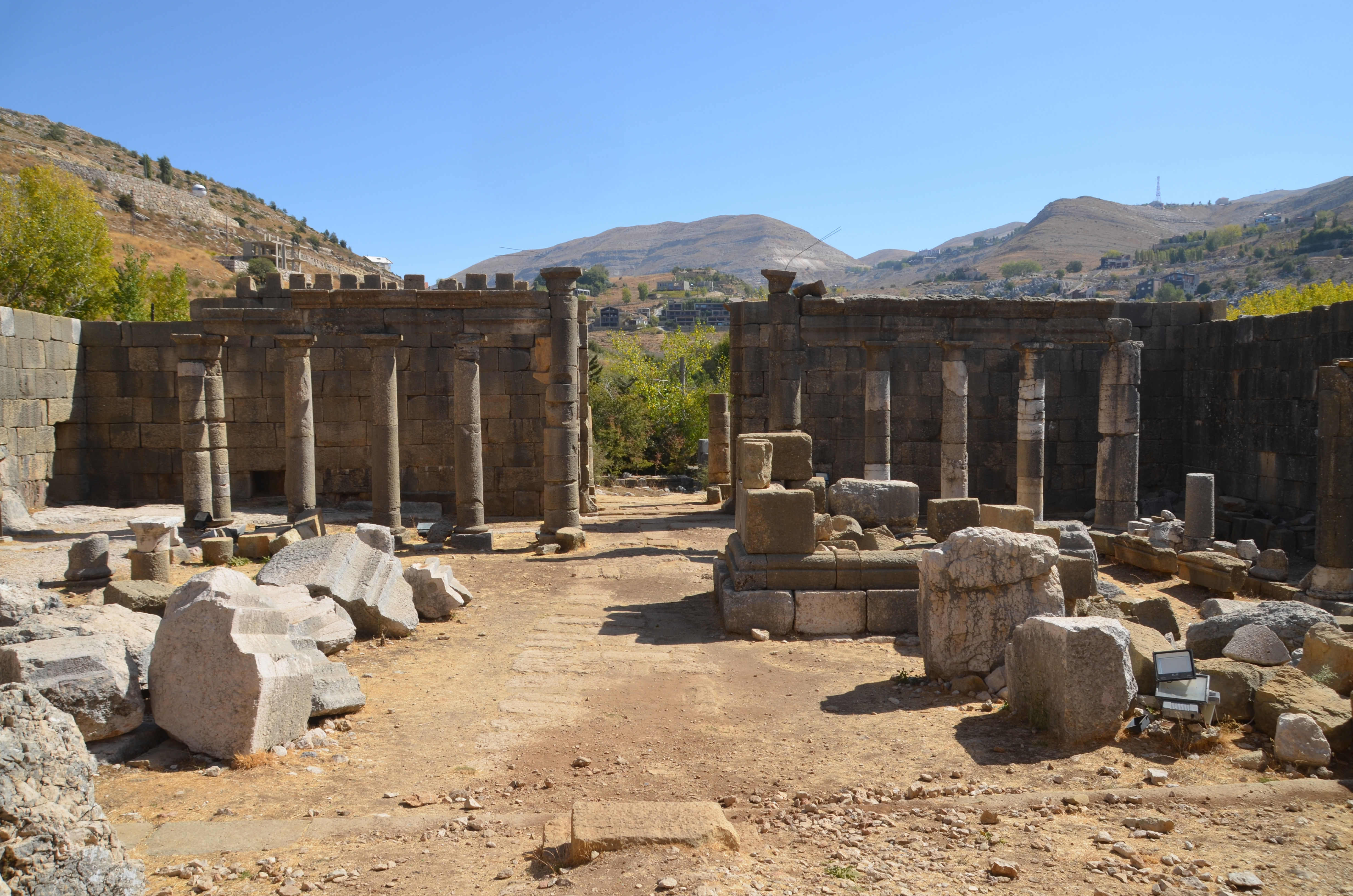
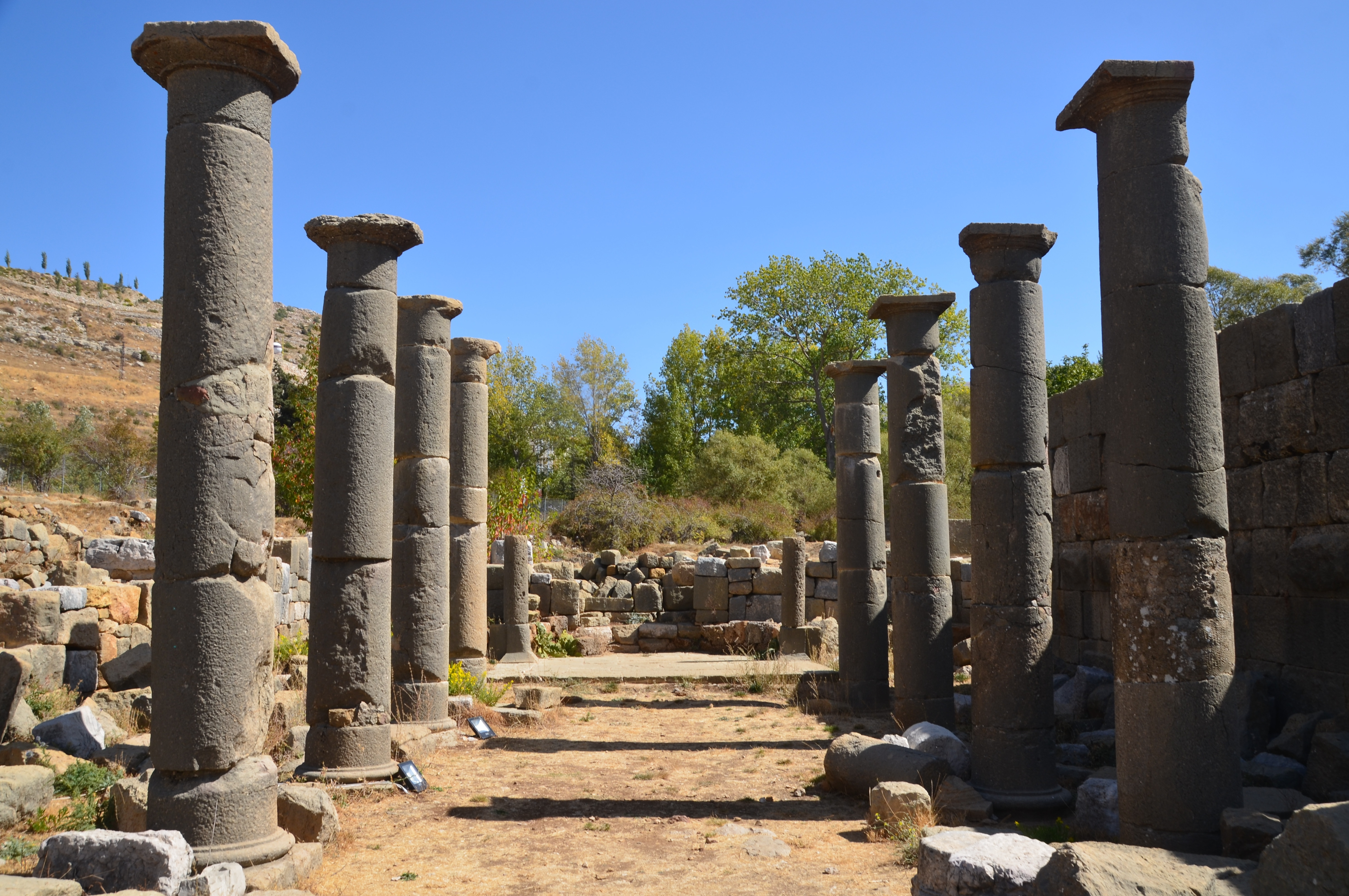
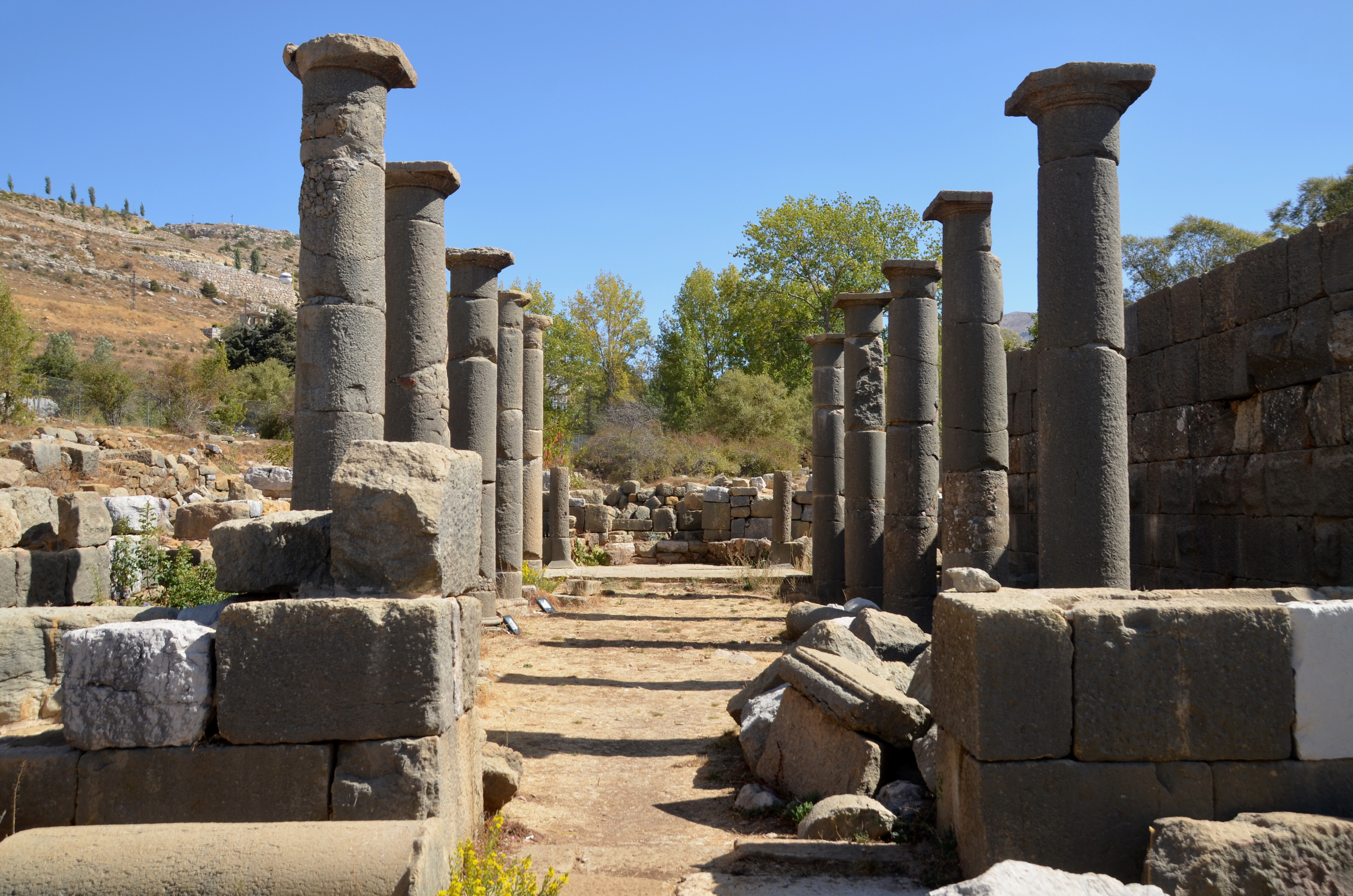
The small temple is located to the south of the monumental sanctuary. It consists of a pagan temple with a Christian basilica attached to it. The commonly accepted attribution of the temple to the goddess Atargatis is due to the presence of a dedication dated to the 1st century AD. In Late Antiquity, Christians built a church next to the temple and reused it as a baptistery.

PORTFOLIO

The Tower of Claudius. The monument is a large platform (a “high place of worship”) where large animals could be sacrificed.
The inscription above the door of the Tower of Claudius.
To the emperor Tiberius Claudius Caesar
Augustus and the ancestral god Beelgalasos,
under Gaius, Ca(ssius) …
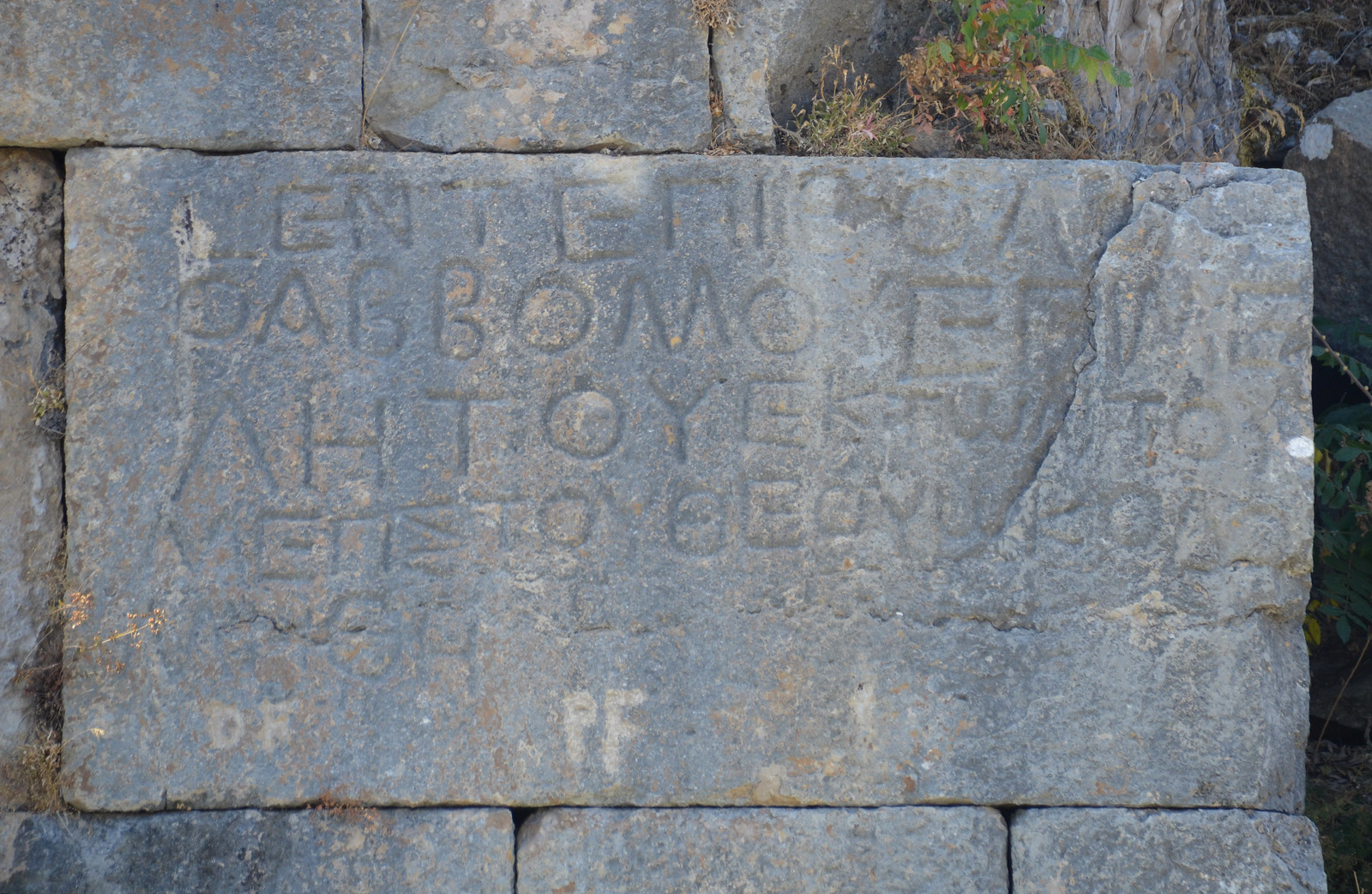
Inscription near the door of the Tower of Claudius.
“The year 355, under Tholom Rabbomos (or son of Rabbomos) commissioner, was built [this monument] at the expense of the God Most Great.”
The Lage Altar. One wall is decorated with a relief of a bull’s head.
The Small Collonaded Altar.
The Small Colonnaded Altar and Tower of Claudius.
General view of the rock sanctuary.
The entrance to the Temple of Zeus Beelgalasos.
View of the temple from the portico surrounding the courtyard.
The façade of the Temple of Zeus Beelgalasos with six Corinthian columns.
The courtyard and the inner altar.
The Byzantine Church.
The Temple of Atargatis.