The impressive archaeological site of Glanum lies at the heart of the magnificent Alpilles mountains in Provence (southern France). It features the remains of important religious and civic monuments.
Originally a simple Gaulish settlement built by the Salluvii around a sacred spring in the 6th century BC, the city later expanded due to contact with the ancient Greeks. This resulted in the extension of the residential area and the construction of buildings in the Hellenistic style. In the Roman period, Glanum benefited from the creation of the via Domitia and became a Roman colony in the early years of Augustus‘ reign (27 BC-AD 14).
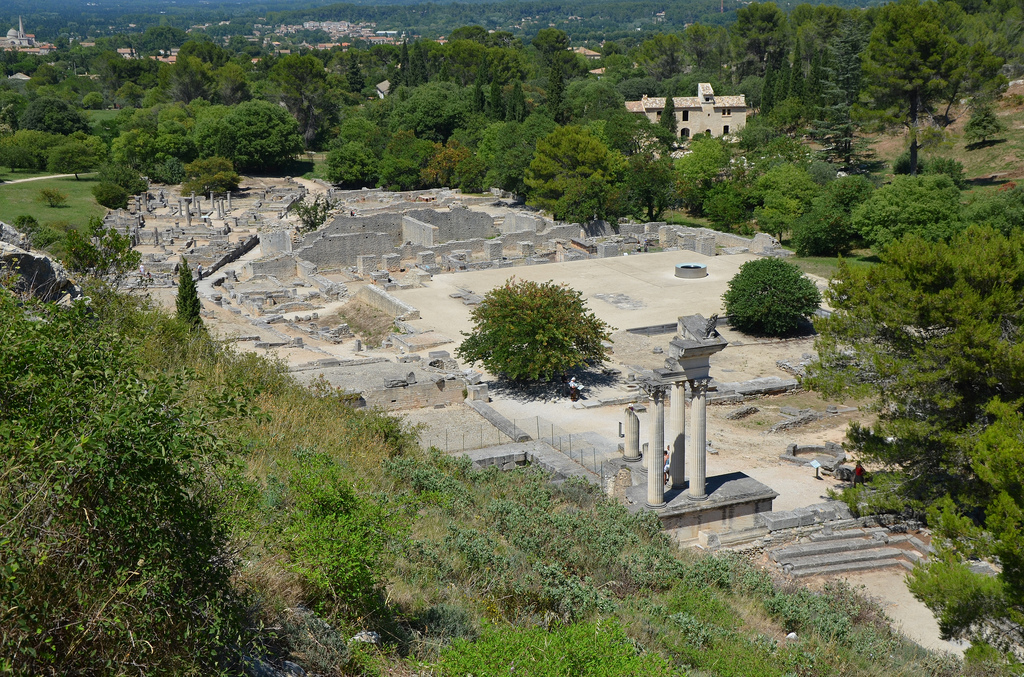
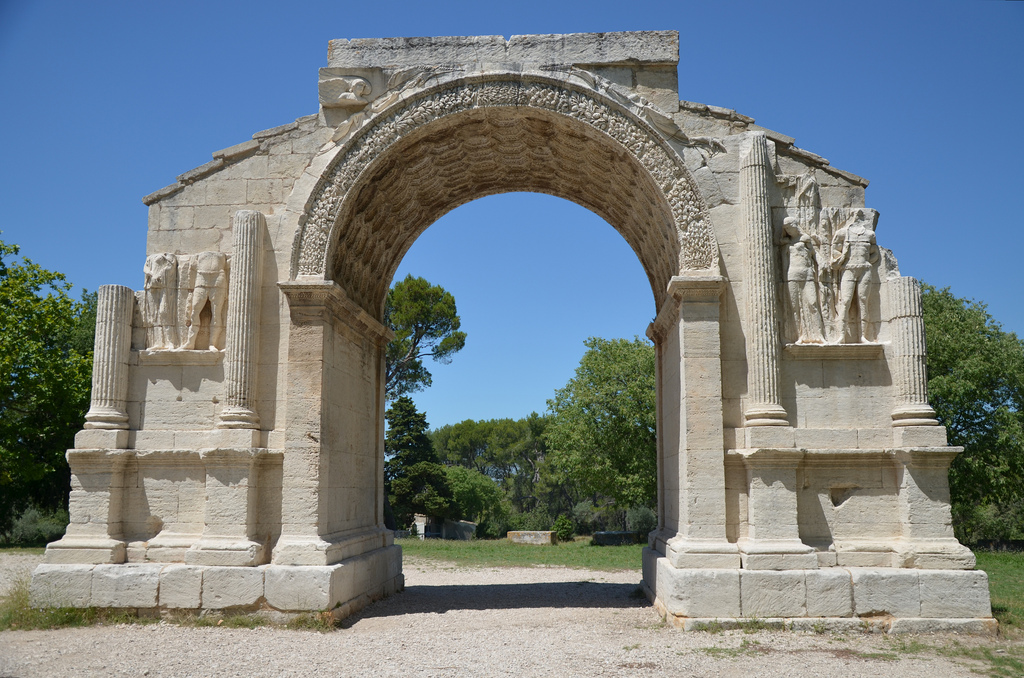
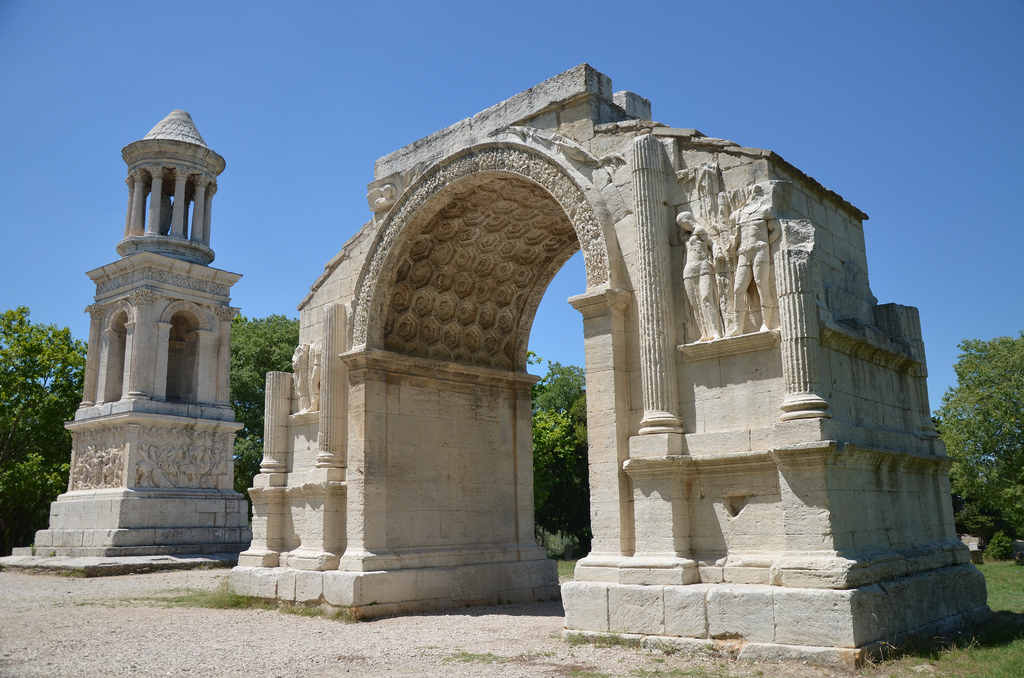
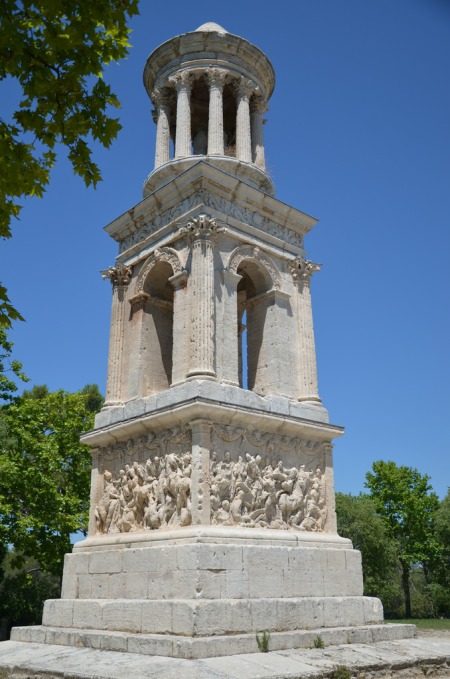
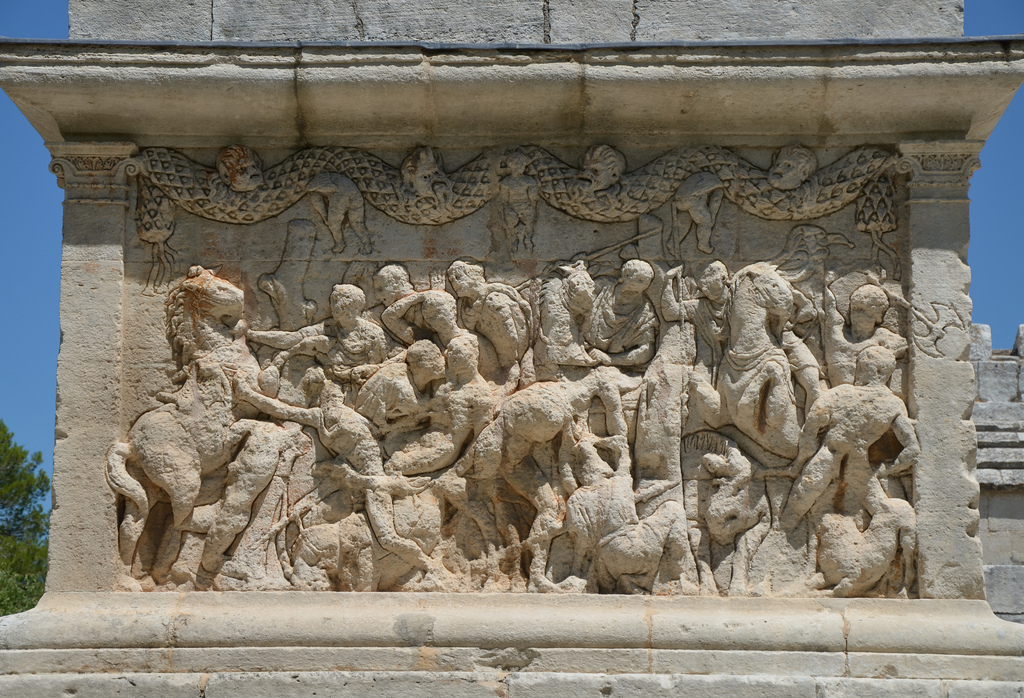
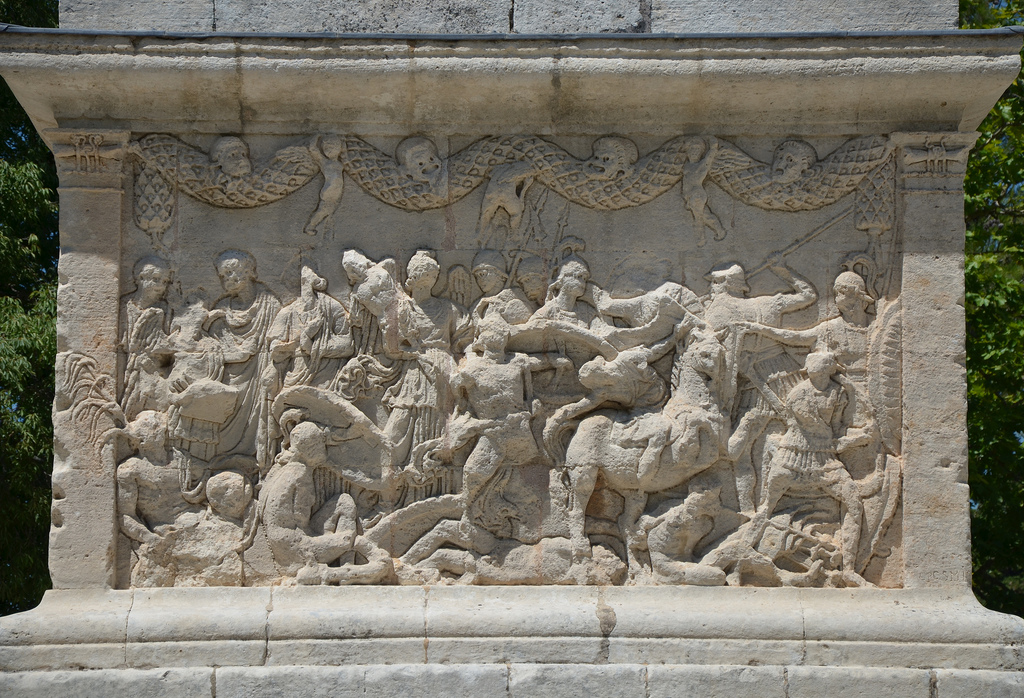
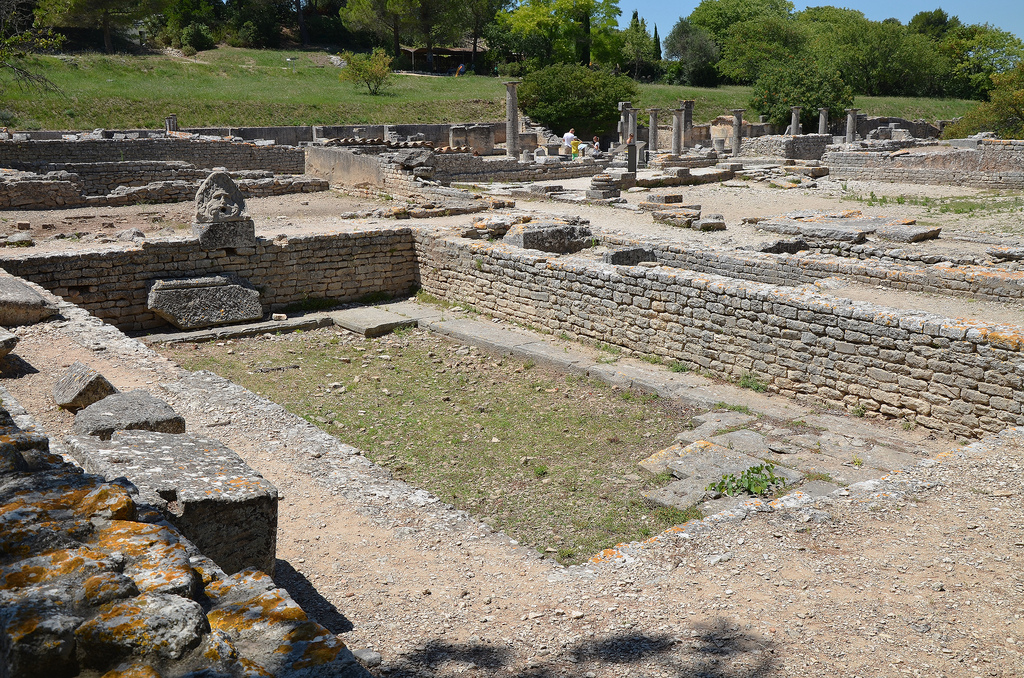
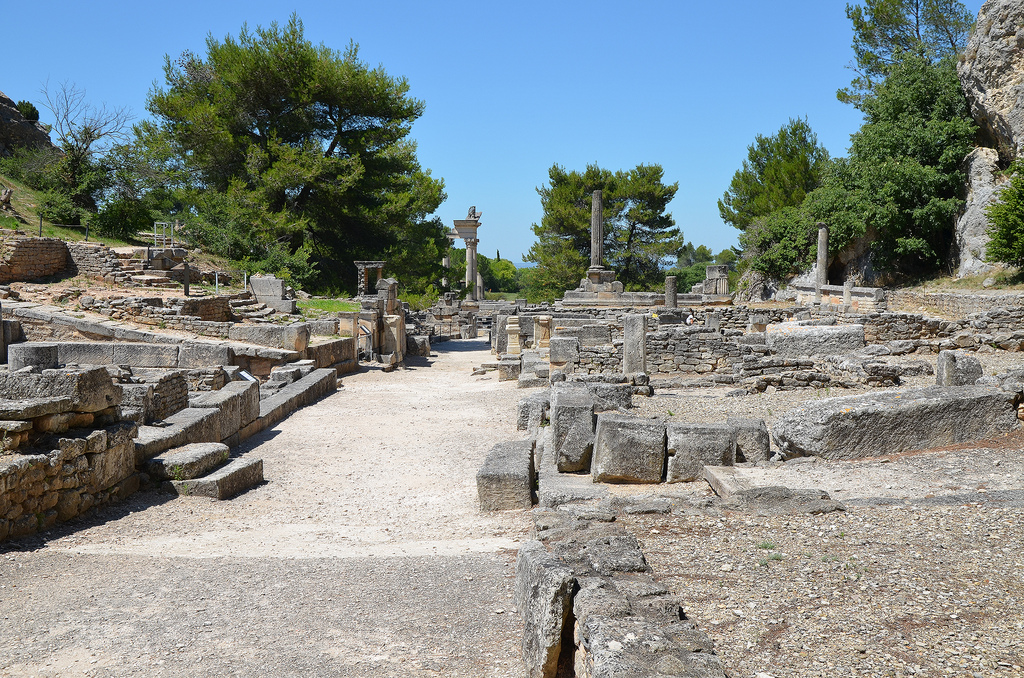
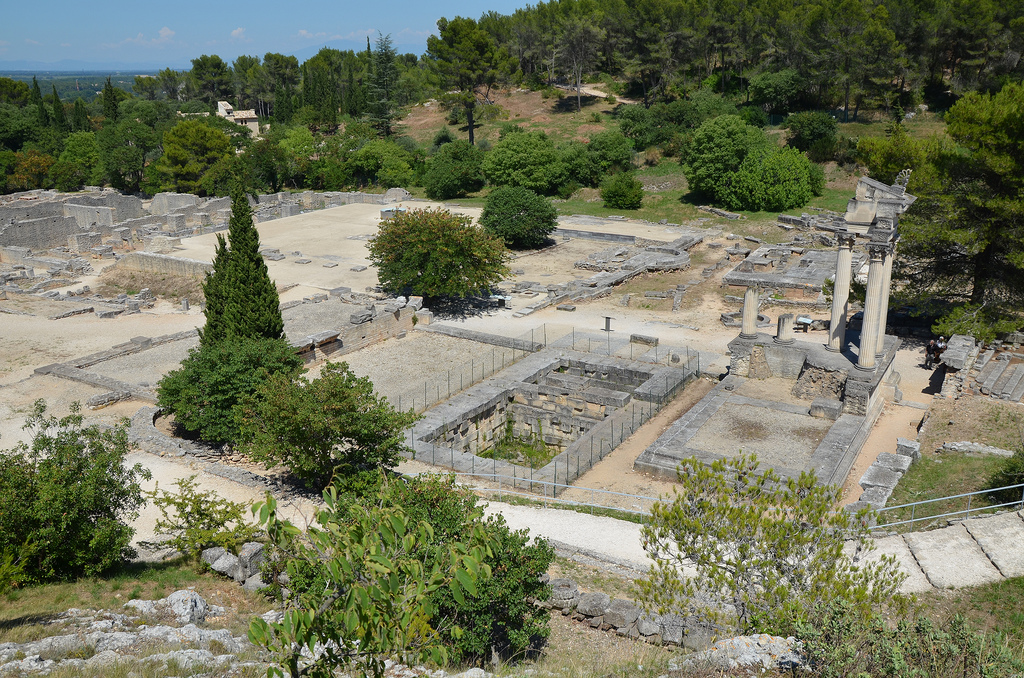
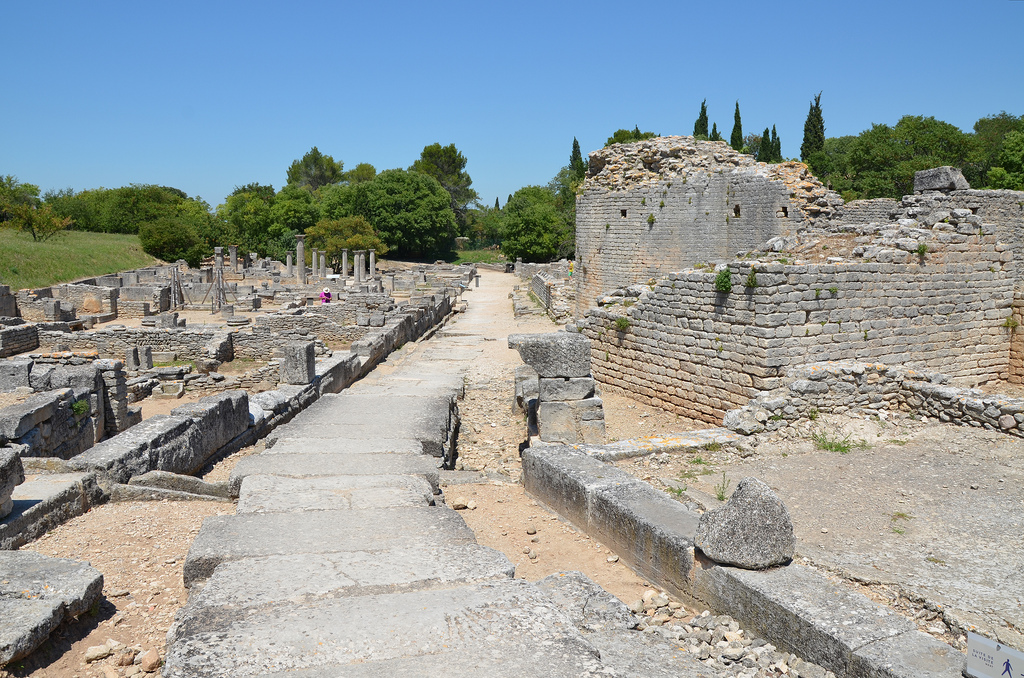
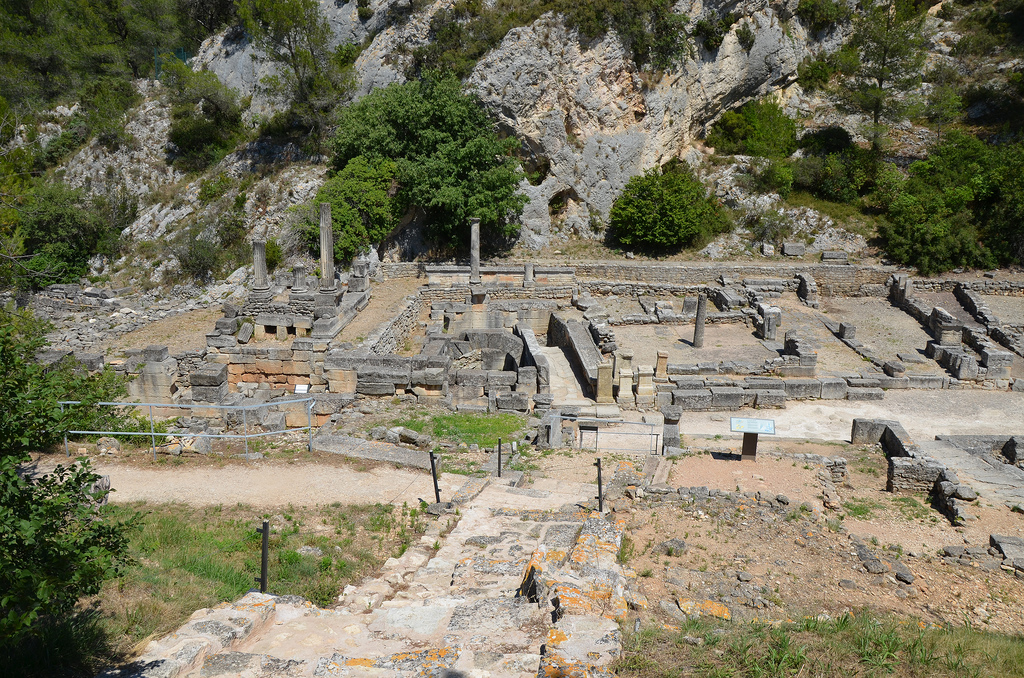
Today, Glanum is particularly known for two well-preserved Roman monuments of the first century BC, known locally as “Les Antiques”: a mausoleum (one of the best-preserved monuments from the ancient world) and a triumphal arch (one of the earliest built in France). The ruins of the residential area sit in a narrow valley sloping up from the north to the higher southern end. At the northern end was the residential quarter, with the public baths, and at the south end was the sacred quarter, with the spring and grotto. In the centre was the monumental quarter, the site of the forum and public buildings.
Portfolio
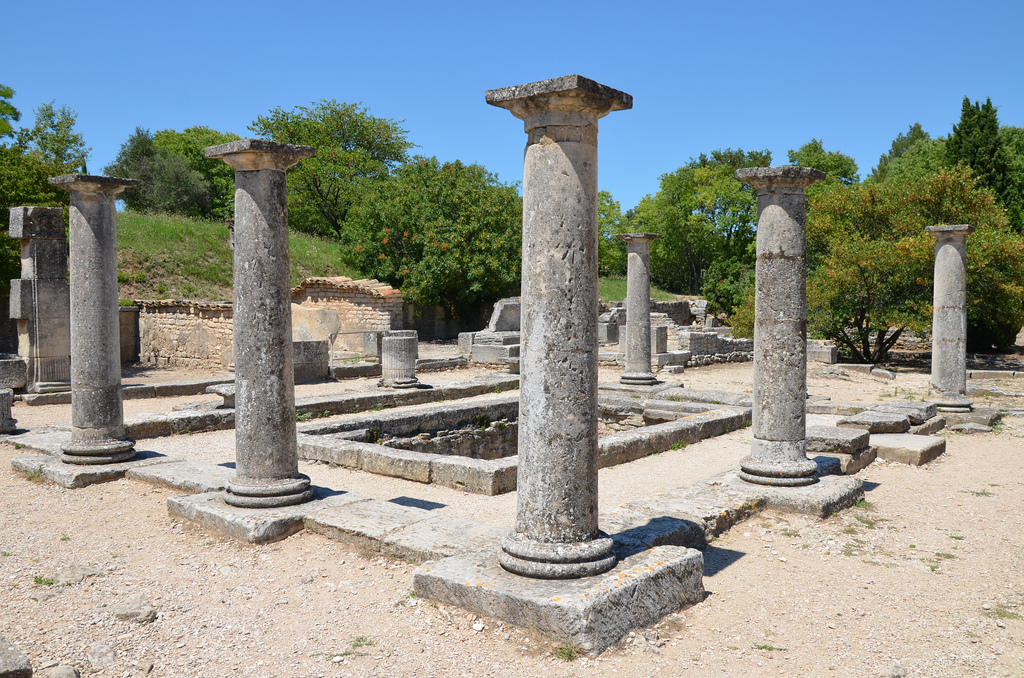
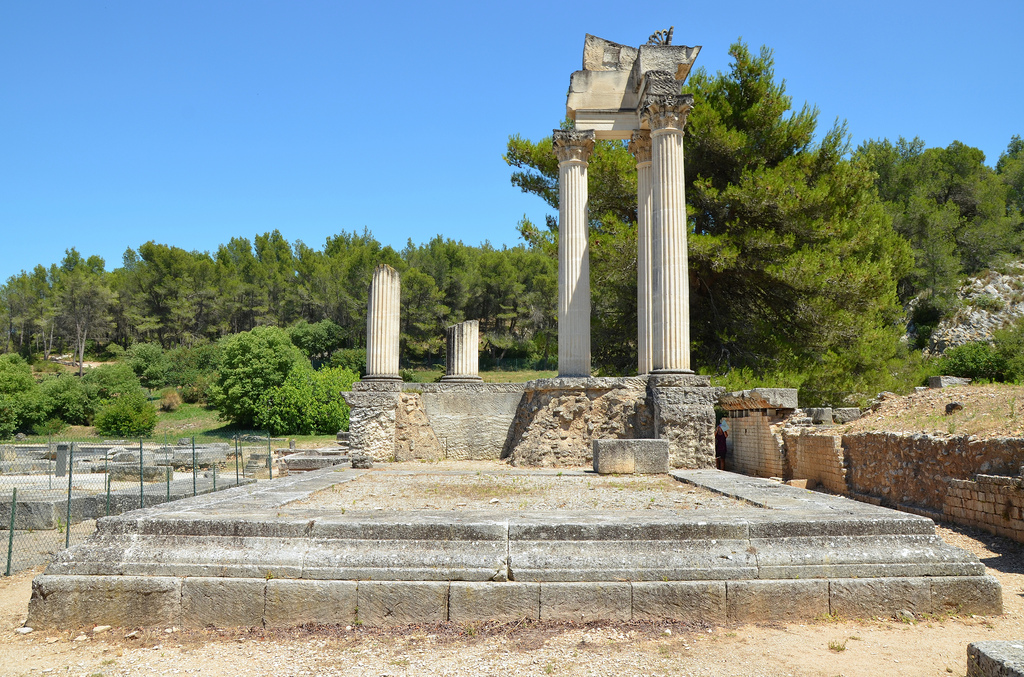
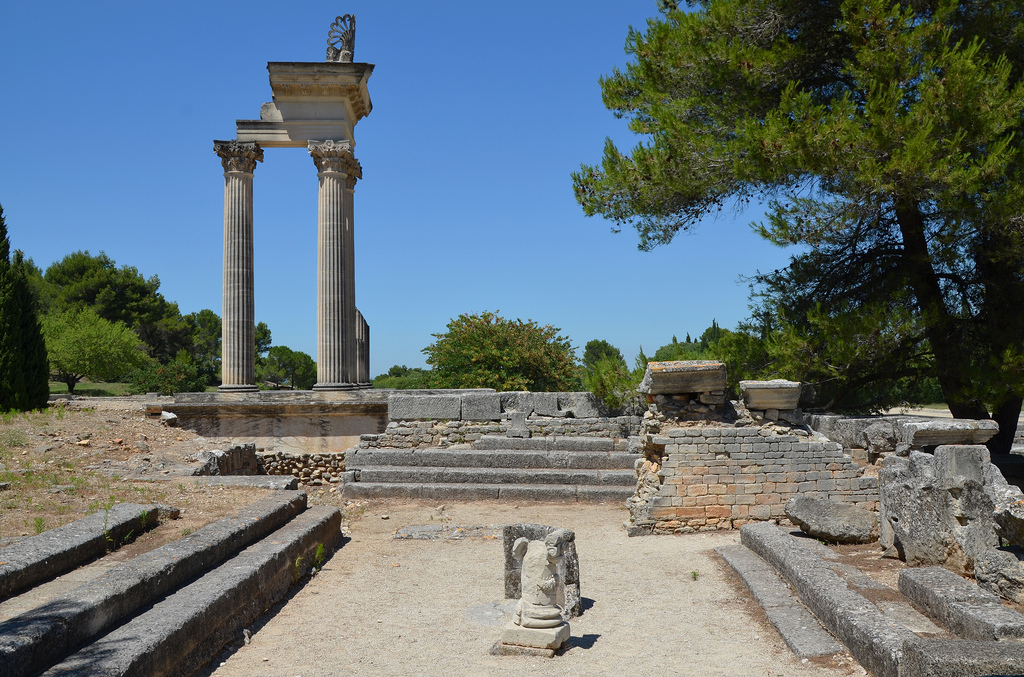
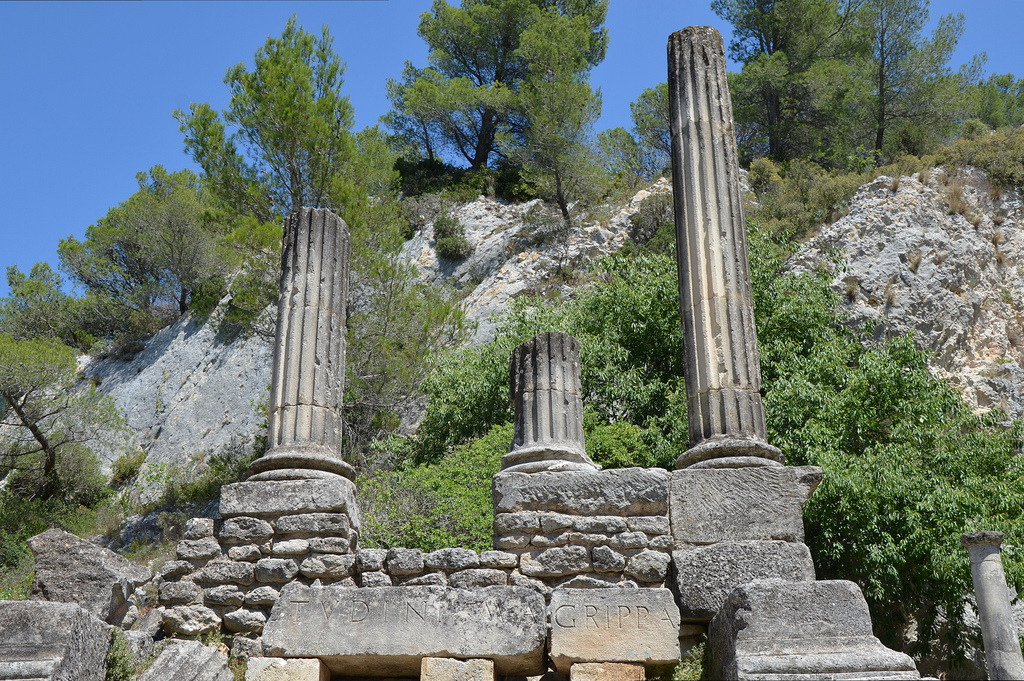
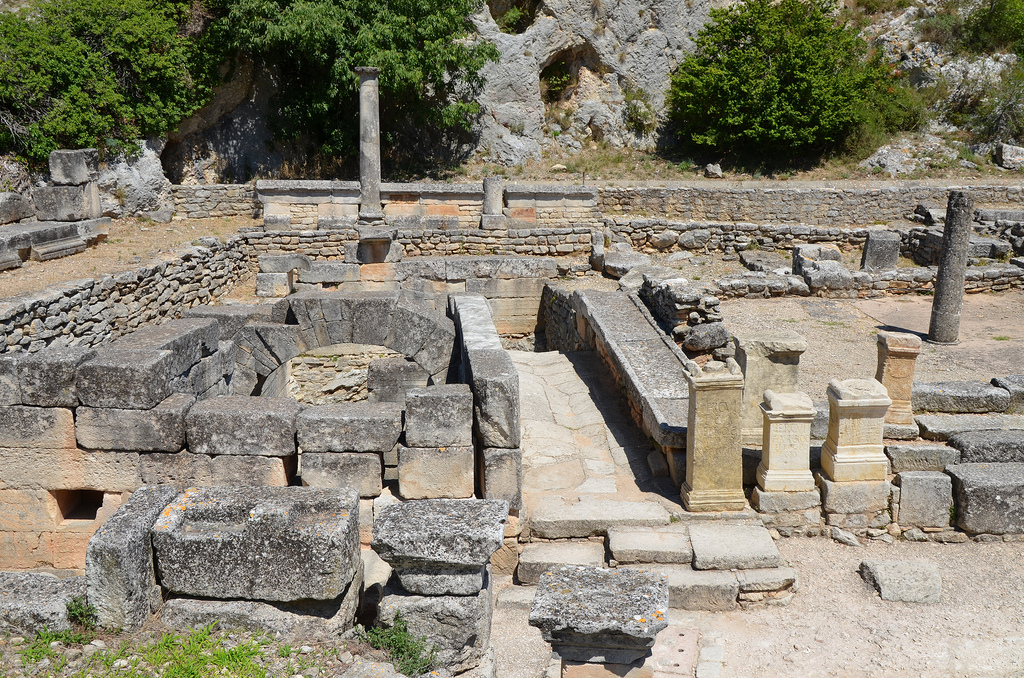
The Triumphal Arch of Glanum stood just outside the city’s northern gate and was the visible symbol of Roman power and authority. It was built between AD 10 and 25. The sculptures decorating the arch illustrated both Rome’s civilisation and her enemies’ dire fate.The Mausoleum of the Julii dating to about 40 BC, and the Triumphal Arch.The Mausoleum of the Julii, dating to about 40 BC. It is one of the best-preserved mausoleums of the Roman era.The lowest part of the mausoleum is decorated with carved garlands of vegetation, theatre masks and cupids, and mythical or legendary scenes.The lowest part of the mausoleum is decorated with carved garlands of vegetation, theatre masks and cupids, and mythical or legendary scenes.The House of the Antae is a Hellenistic-style residence with a peristyle of Tuscan columns and a basin to capture rainwater.The Thermal Baths built around 75 BC, and the House of the Antae in the background.Overview of Glanum.One of the geminated temples that were identical in style and which opened onto the forum. They were both built in the early years of the reign of Emperor Augustus.Overview of the Twin Temples and the Forum.Overview of Glanum with the Curia on the right. The Curia was used as an assembly hall for local officials.The Hellenistic Bouleteurion with the partially reconstructed temple in the background.The Temple of Valetudo is dedicated to Valetudo, the Roman goddess of health. The inscription indicates that it was built by Agrippa, the future son-in-law of Emperor Augustus.The shrine is devoted to Hercules, the guardian of springs, and six altars to Hercules, 2nd century AD.Overview of the Valley of the Sacred Spring.
Located at the Southern tip of the Istrian peninsula, Pula sits at a location highly appreciated by ancient civilizations. It is a town of extraordinary beauty and culture with a three-thousand-year long history. This important Istrian port boasts a rich and varied cultural heritage that has attracted visitors for centuries.
Pula was originally founded as a fortified settlement of the Histri, the pre-Roman inhabitants of Istria after whom the peninsula is named. In the Illyrian period, until the arrival of the Romans in 177 BC, Pula was no more than the surroundings of nearby Nesactium, the political, administrative, military and religious centre and capital of the Histri. As a result of intensive colonization, trade routes as well as the importance of its military position, Pula took over the leading position. Numerous trades developed in that period: agriculture, viticulture, olive-growing, fishing and pottery for the transport of olive-oil, wine, wheat and fish.
Pula was elevated to colonial rank between 46–45 BC under Julius Caesar as the tenth region of the Roman Empire. During that time the town grew and peaked at about a population of about 30,000. During the civil war that followed Caesar’s assassination in 44 BC, Pula took the side of Cassius, since the town had been founded by Cassius Longinus, brother of Cassius. After Octavian’s victory, the town was demolished. It was soon rebuilt at the request of Augustus’ daughter Iulia and was then named Colonia Pietas Iulia Pola Pollentia Herculanea. Pula was transformed into an imperial city where some of the best examples of Roman architecture were built.
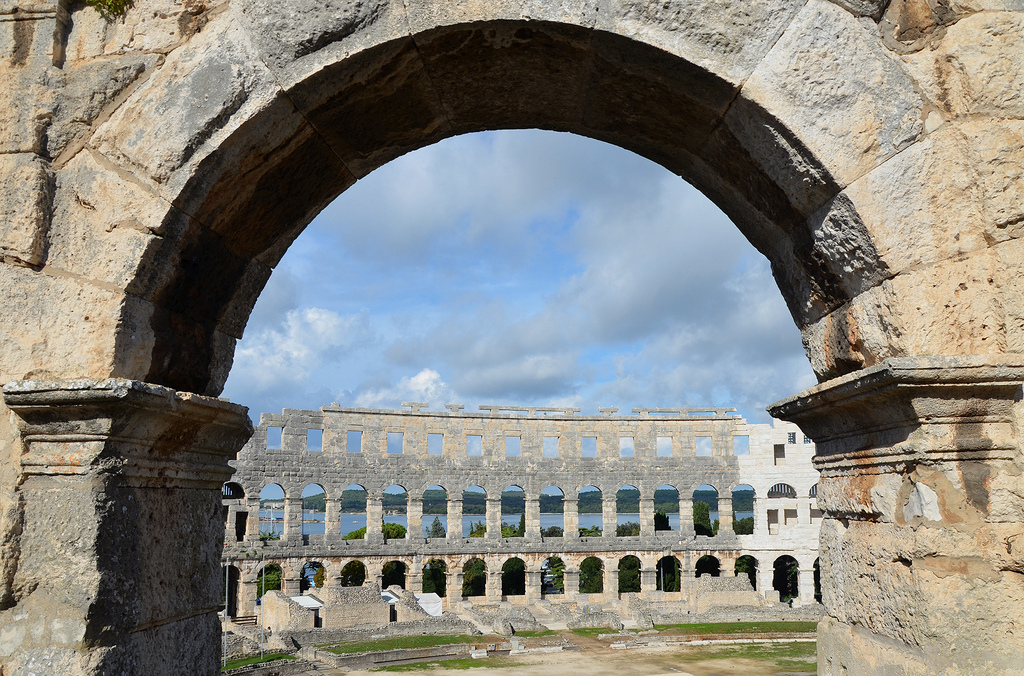
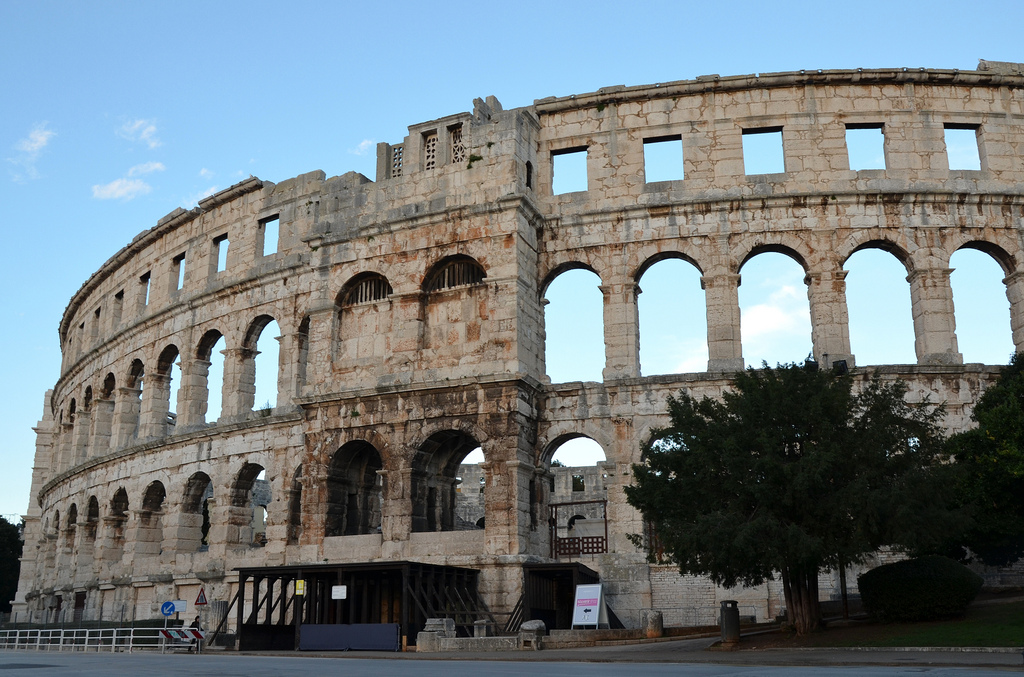
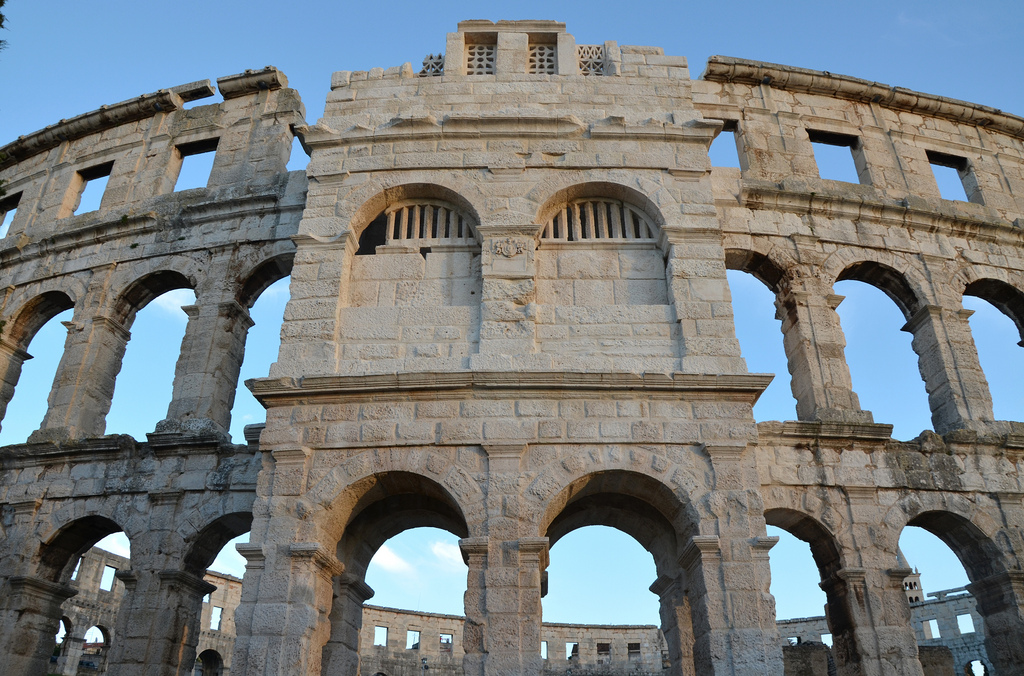
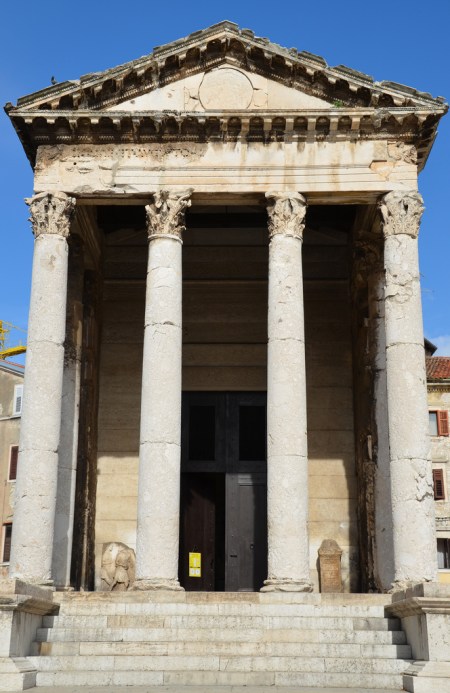
Pula is well known for its many surviving ancient Roman buildings, the most famous of which is its 1st-century amphitheatre, one of the best preserved from antiquity. Two other notable and well-preserved ancient Roman structures are the 1st-century AD Arch of the Sergii and the Temple of Rome and Augustus.
PORTFOLIO
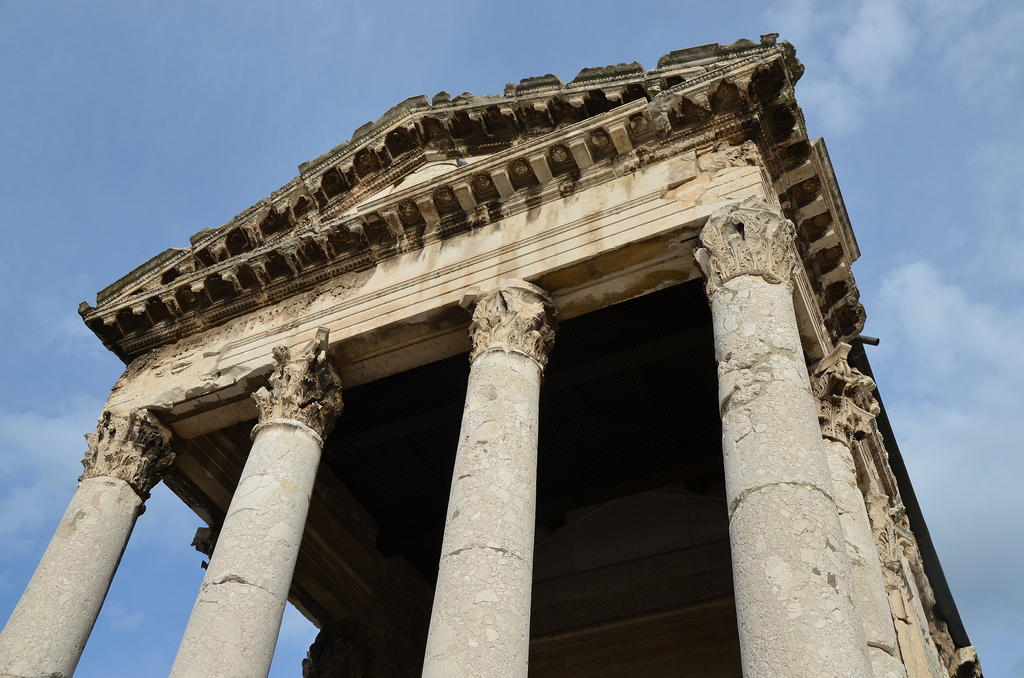
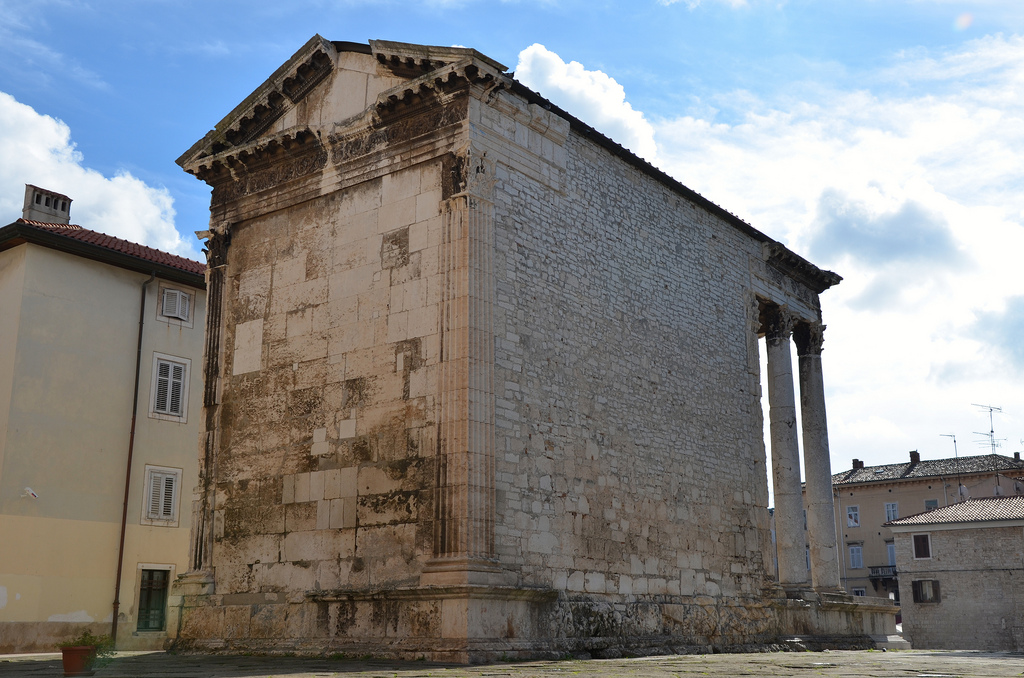
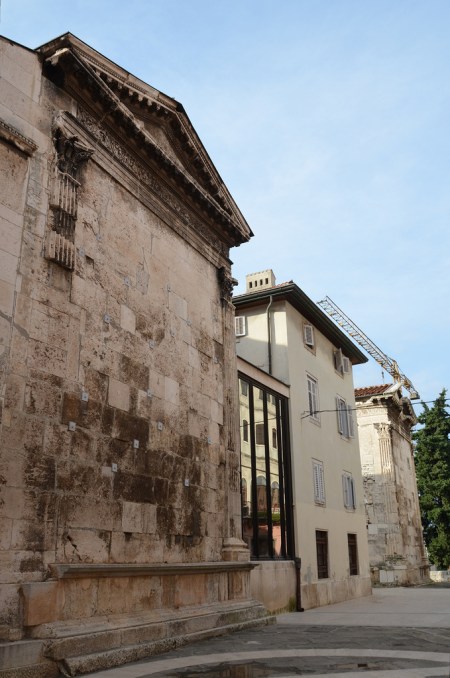
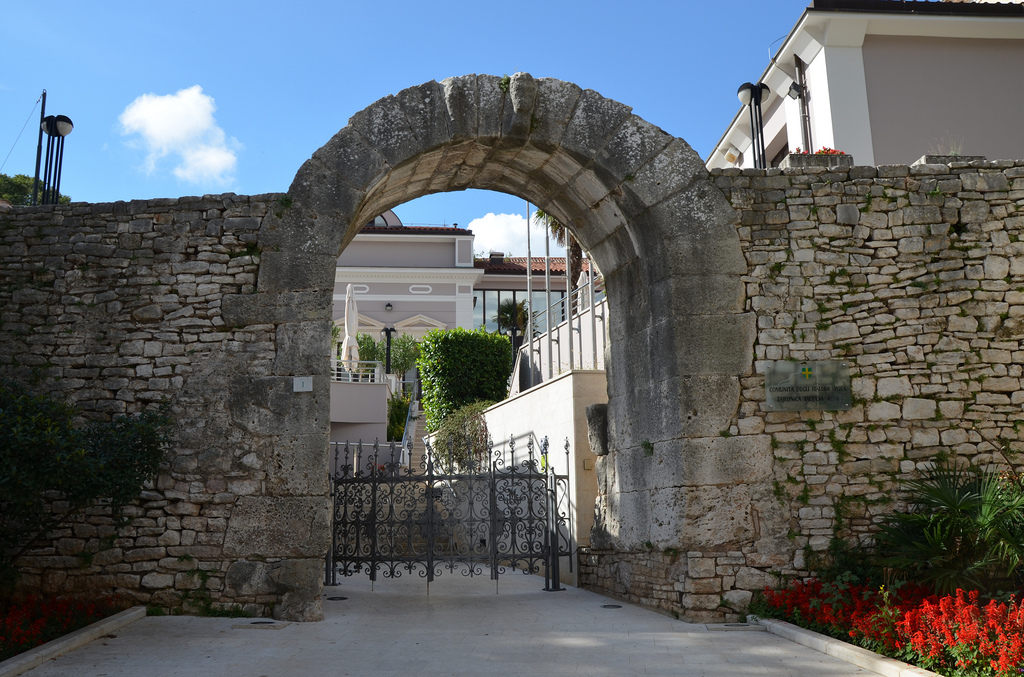
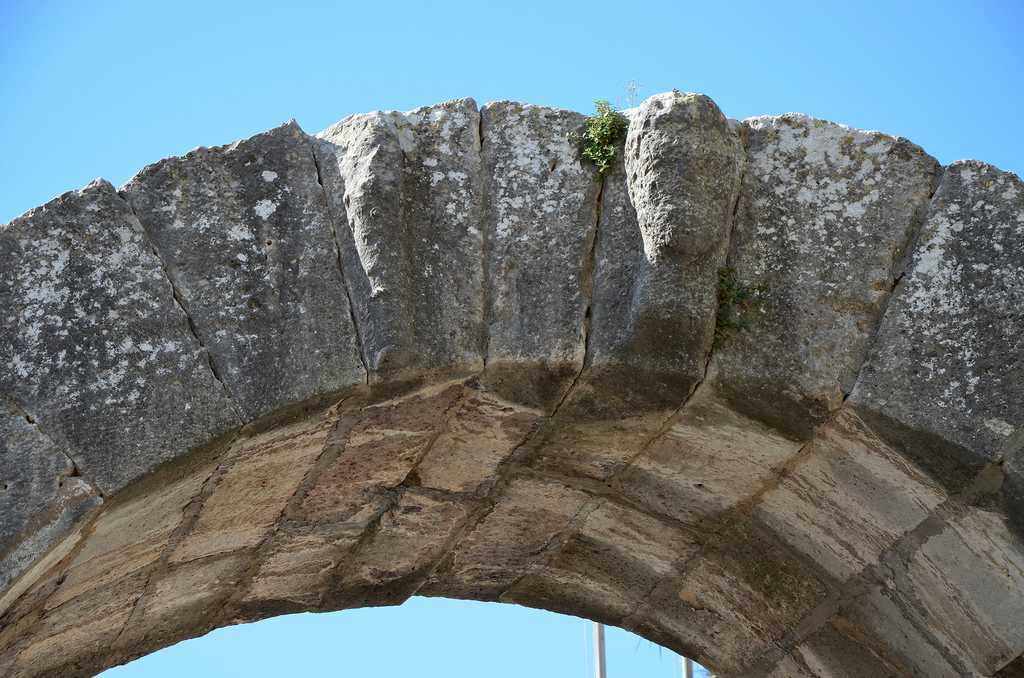
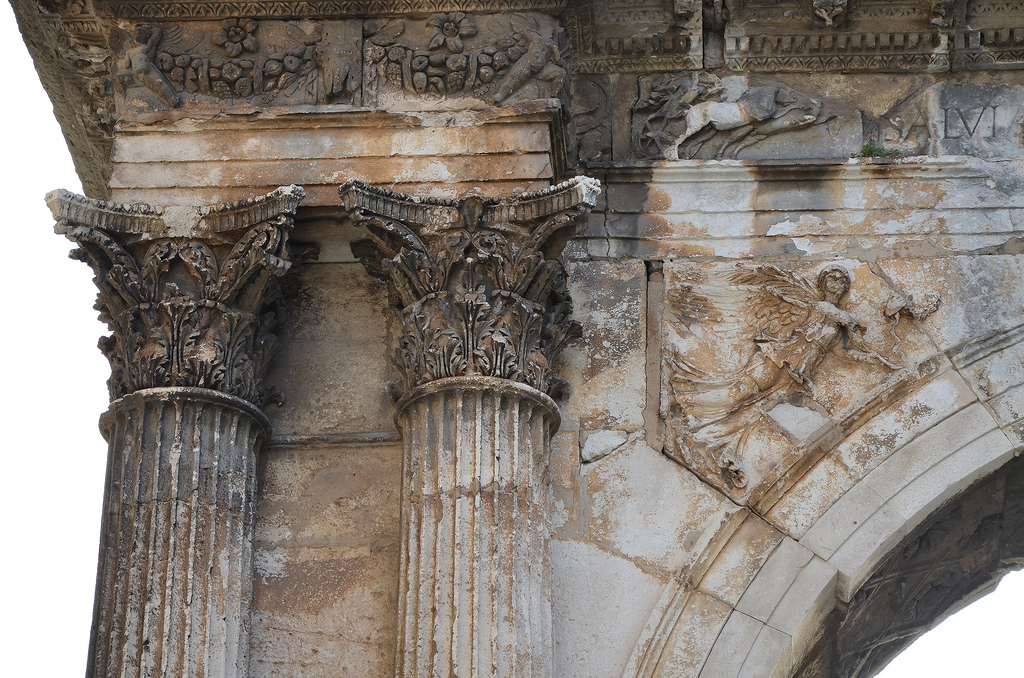
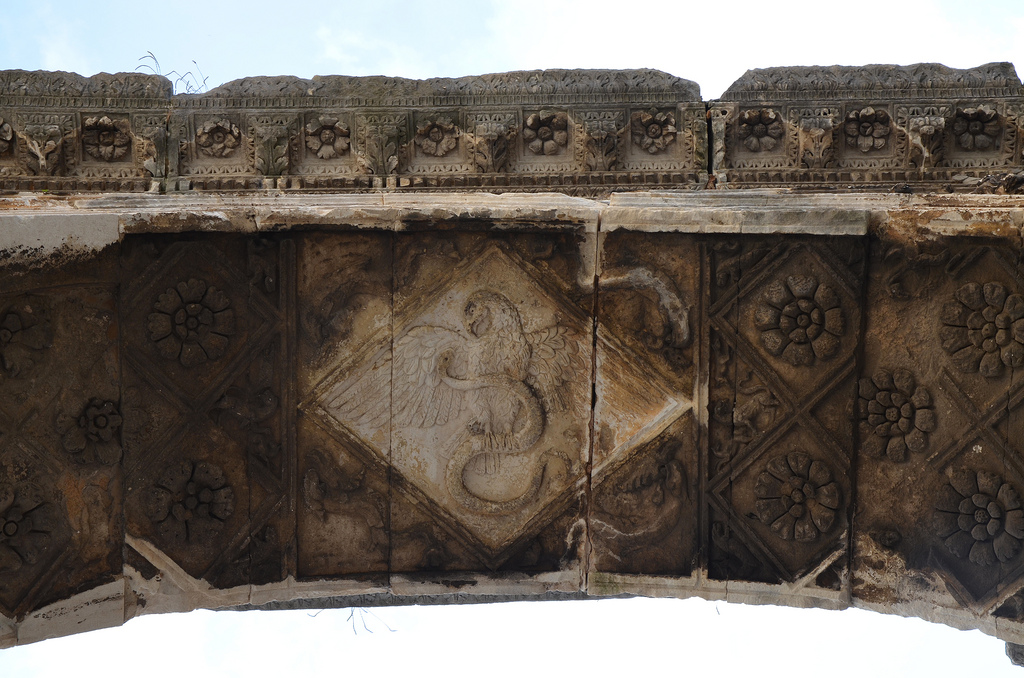
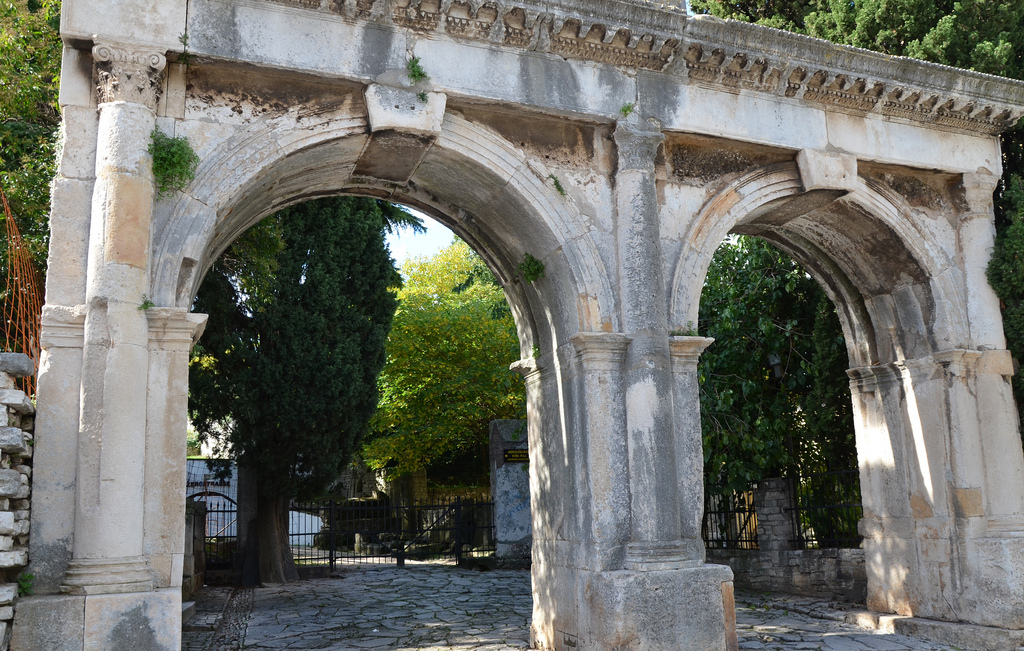
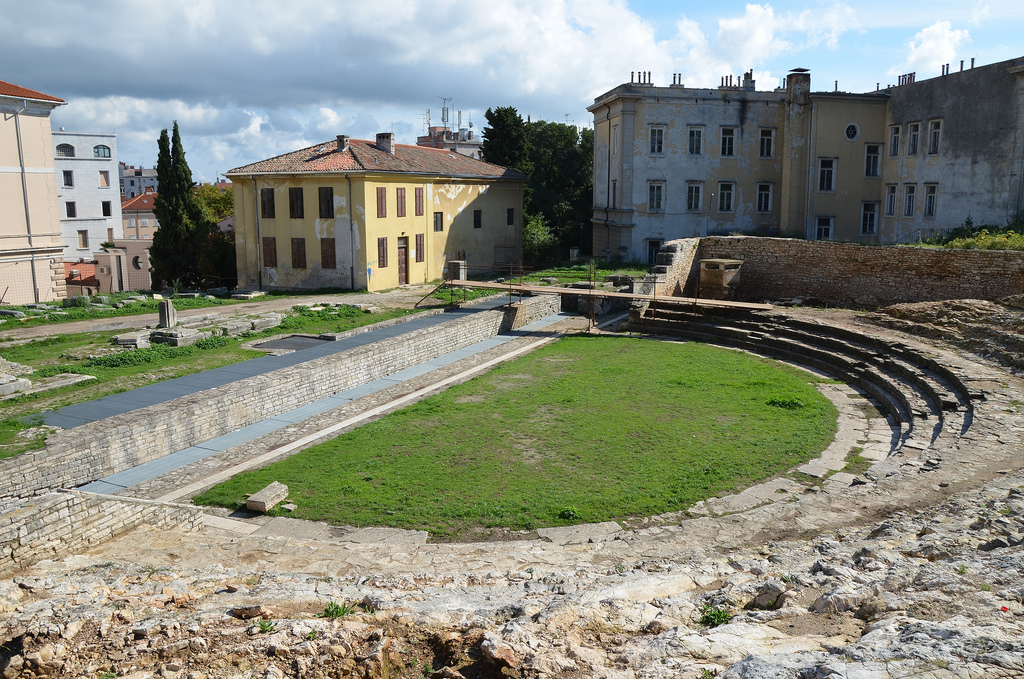
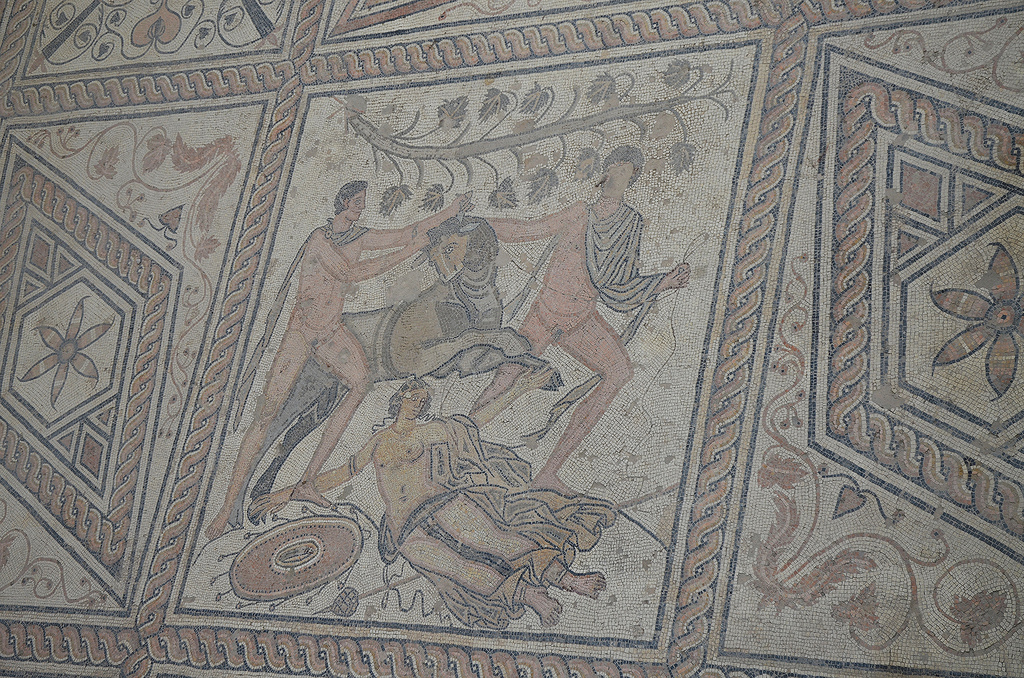
The Pula Arena, one of the best preserved amphitheatres of the Roman world. It was completed during the reign of Vespasian and could hold about 20,000 spectators.The amphitheatre of Pula was built outside the city walls along the Via Flavia, the road from Pula to Aquileia and Rome.The amphitheatre at Pula is unique as it features four rectangular towers that had been included into the outer wall mantle. Each of them held a wooden staircase leading to the top rows and to a water reservoir. The reservoirs were filled with rainwater that feed a fountain used to refresh the spectators in the heat.The Temple of Augustus, situated in the Forum, was dedicated to the goddess Roma and the Emperor Augustus. It was constructed between the year 2 BC and AD 14.The temple of Augustus was built on a podium with a tetrastyle portico of Corinthian columns. It is one of the most beautiful examples of early Roman imperial temple architecture.The back of the Temple of Augustus.The temple of Augustus was part of a triad consisting of three temples. The Temple of Augustus stood at the left side of the central temple whilst the similar Temple of Diana stood on the other side.The Gate of Hercules, the oldest surviving Roman structure in Pula. A carving of the head of Hercules and his club is clearly visible at the top of the arch.The Gate of Hercules with head of Hercules and his club.The Arch of the Sergii, a famous patrician family in ancient Rome. It was built at the end of the 1st century BC (around 29 and 27 BC) by Salvia Postuma Sergii with her own money, in honour of the three members of her family who took part in the battle of Actium.Detail of the Arch of the Sergii. Standing 8 meters high, the arch was constructed in Corinthian style with strong Hellenistic influences. It is richly adorned with relief decorations of grapevines. Two winged victories stand between the inner half columns.Detail of the Arch of the Sergii. Central arch relief depicting a scene of an eagle fighting a snake.The Porta Gemina built between the end of the 1st and the beginning of the 2nd century AD. It was once the entrance to the city.The Roman Theatre built in the 2nd century AD. The remains of the scene, semicircular orchestra and cavea have been partly reconstructed.The Roman Theatre.The Punishment of Dirce mosaic discovered after the bombing of World War II. It is preserved in-situ.Central panel of the mosaic of Dirce. The mosaic covered the floor of a central room of a Roman house, probably from the 3rd century.




 following hadrian photography