Burnum is a Roman Legionary camp located nearby the natural beauties of the Krka National park. The camp was erected at the turn of the new era at a strategically important position from which the Romans could control the crossing over the Krka river, called Titius in Roman times.
Burnum was once the camp of the Eleventh Legion of the Roman army (Claudia Pia Fidelis) from 42 AD, and was succeeded in 69 AD by the Fourth Legion (Flavia Felix). Auxiliary units (cohorts) were also stationed here. Epigraphic monuments indicate that during Hadrian’s era (CIL III 2828), in 118 AD, Burnum became a municipium (municipium Burnistarum) and the population grew around the camp.
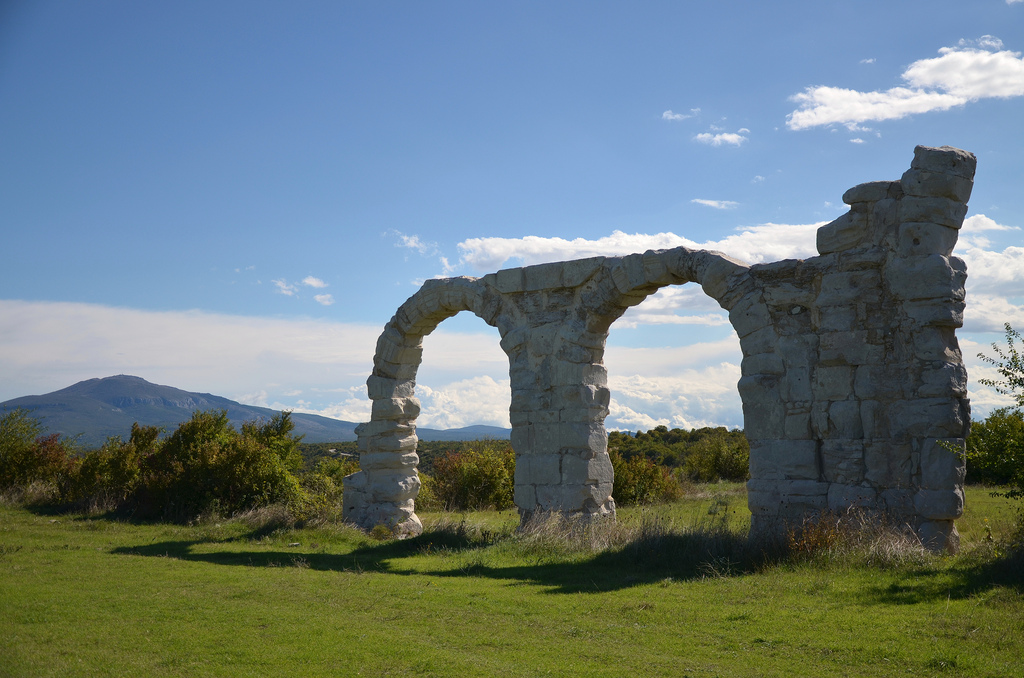
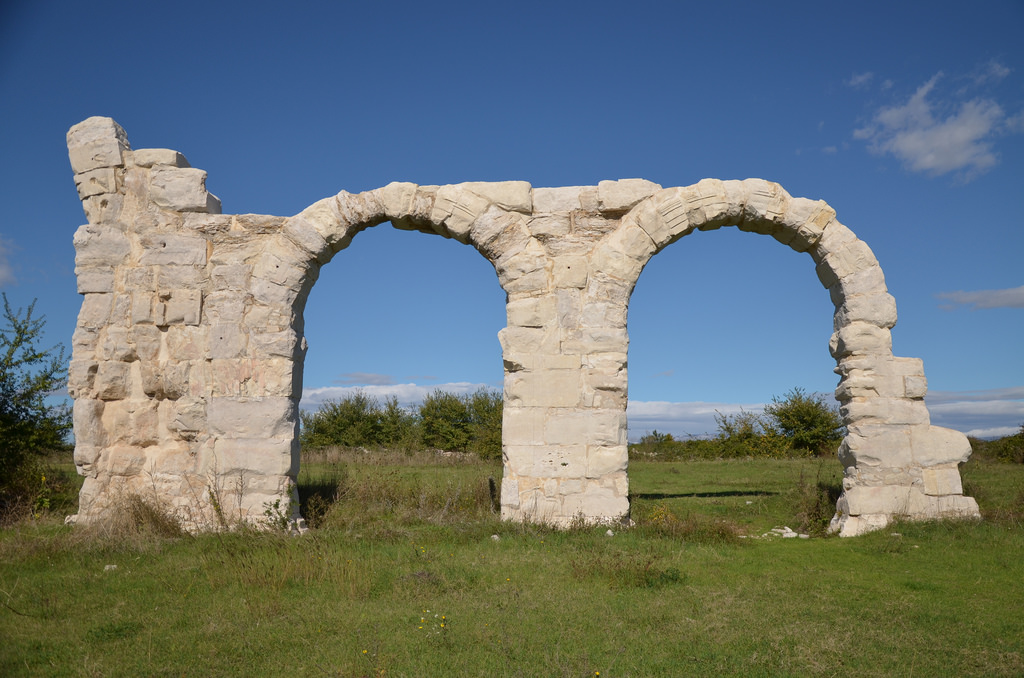
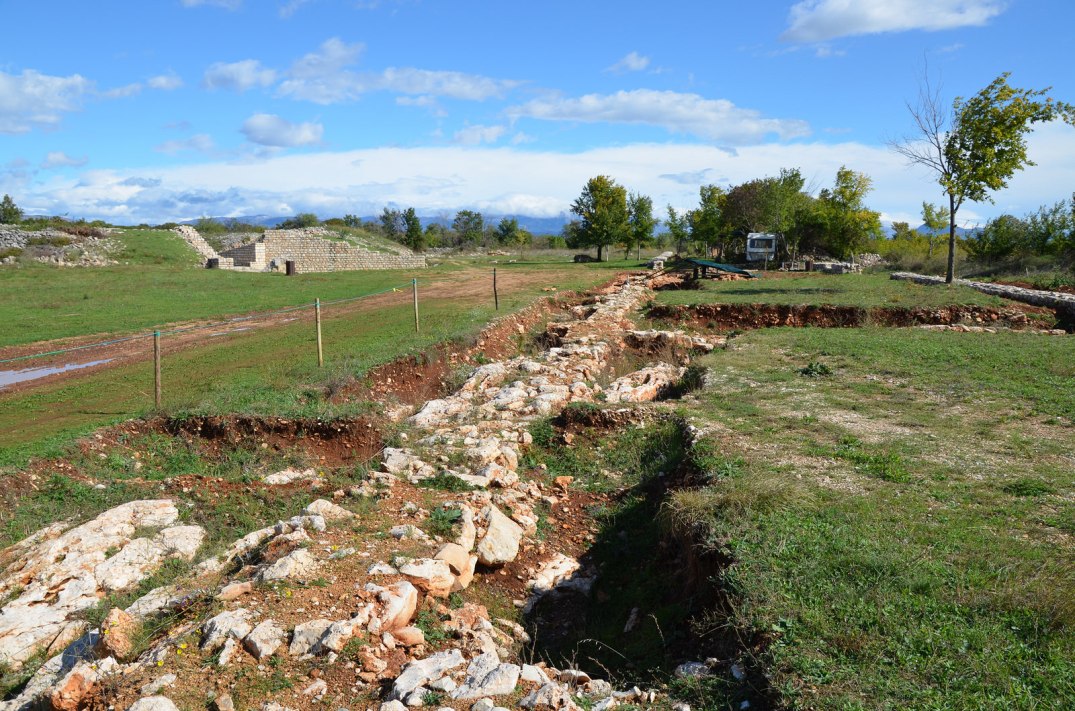
Visitors today can see the arches of the headquarters (praetorium) of the camp and the only military amphitheatre in Croatia. Weapons, tools and objects of everyday use belonging to soldiers and civilian inhabitants are on display in the new Burnum museum (open to the public since 2010).
PORtFOLIO
The arches of the headquarters (praetorium) of the legionary camp.The military amphitheatre of Burnum legionary camp. It acquired its definite form in 76-77 AD when the inscription of Vespasian was placed on the facade of the southern entrance, marking the completion of the construction.The military amphitheatre of Burnum legionary camp.The remains of the training camp of Burnum.Contruction drawing of the legionary camp of Burnum.The arches of the headquarters (praetorium) of the legionary camp of Burnum.
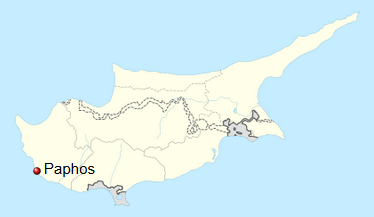
Paphos is one of Cyprus‘s most mesmerising archaeological sites and the most accessible to visitors. Located in the resort of Paphos on the island’s southwest coast, Nea Pafos -as it was called in antiquity- is home to a treasure trove of some of the most lavish ancient mosaics in the world.
Founded in the late 4th century BC, Pafos became the island’s capital, replacing Salamis during the Hellenistic and Roman eras. Now a UNESCO World Heritage Site, the site is a vast archaeological area with remains of four Roman villas, an odeon, an agora, an Asclepeion (a healing temple sacred to the god Asclepius, the god of medicine) and royal tombs.
Like Salamis, Nea Pafos was severely damaged by earthquakes on several occasions and went into decline following the devastating earthquake of the 4th century AD. The city originally occupied an area of about 950,000 square metres and reached its zenith during the Antonine and Severan periods (second half of the 2nd / early 3rd century AD). This is reflected by the number of public and private opulent buildings that survived this period. A chance discovery made in 1962 by a farmer ploughing his field has brought exquisite light mosaics that decorated the floors of wealthy residences of the Roman period.
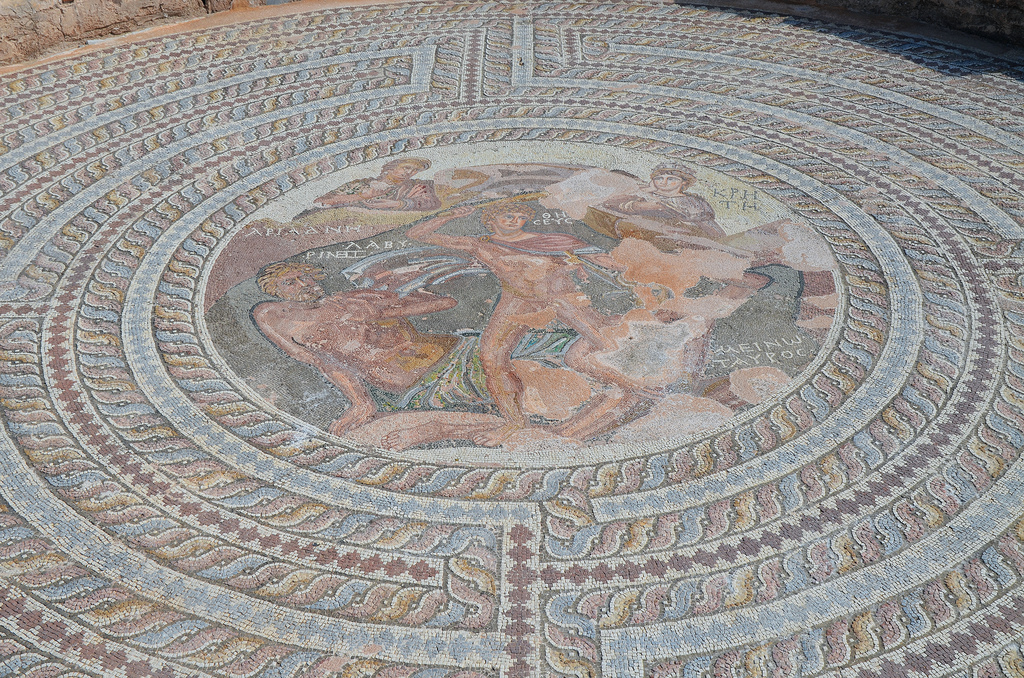
One of the most exquisite and best-preserved mosaics unearthed at the site is the round mosaic of Theseus and the Minotaur in the Villa of Theseus, named after the representation of the Athenian hero fighting the Cretan monster in the Labyrinth. The most spectacular group of mosaics comes from the House of Dionysus. The building occupies an area of about 2000 square metres, of which 556 are covered with mosaic floors. A short walk away lies the Agora (forum), the Asclepeion and the Odeon, where musical performances were held. These buildings constituted the heart of the ancient city.
PORTFOLIO
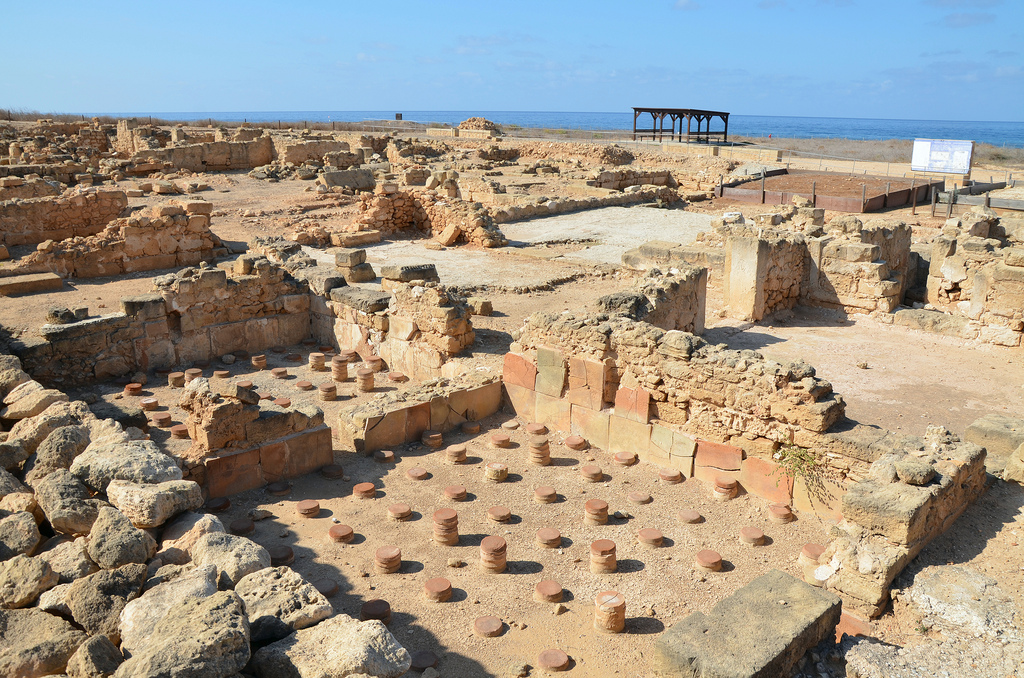
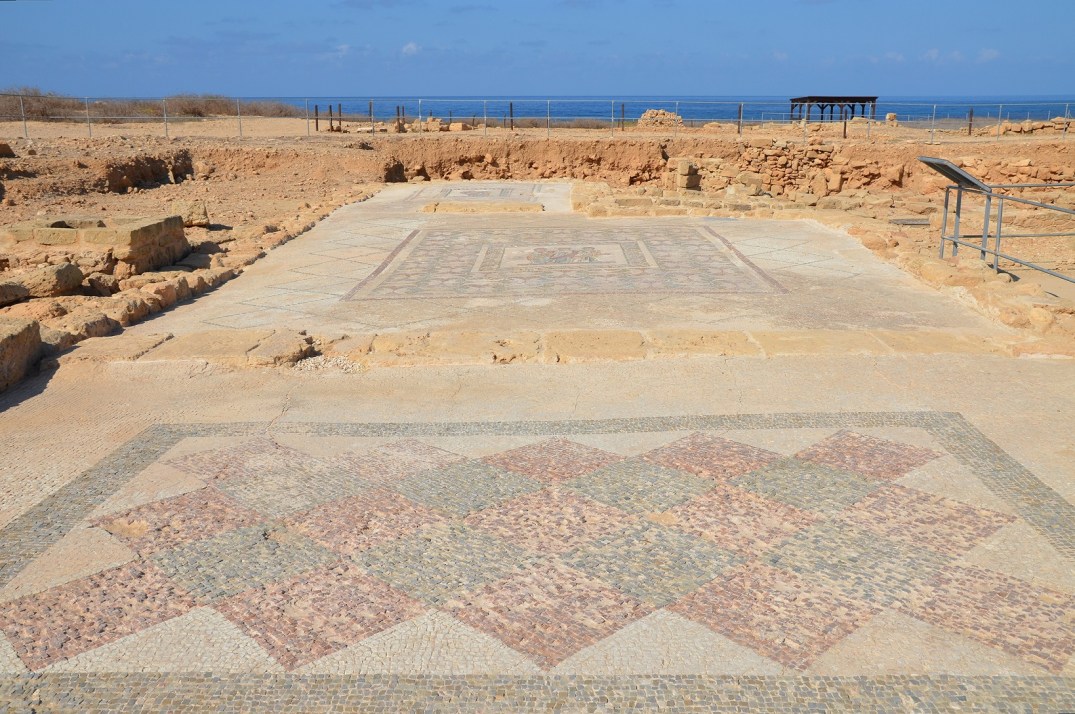
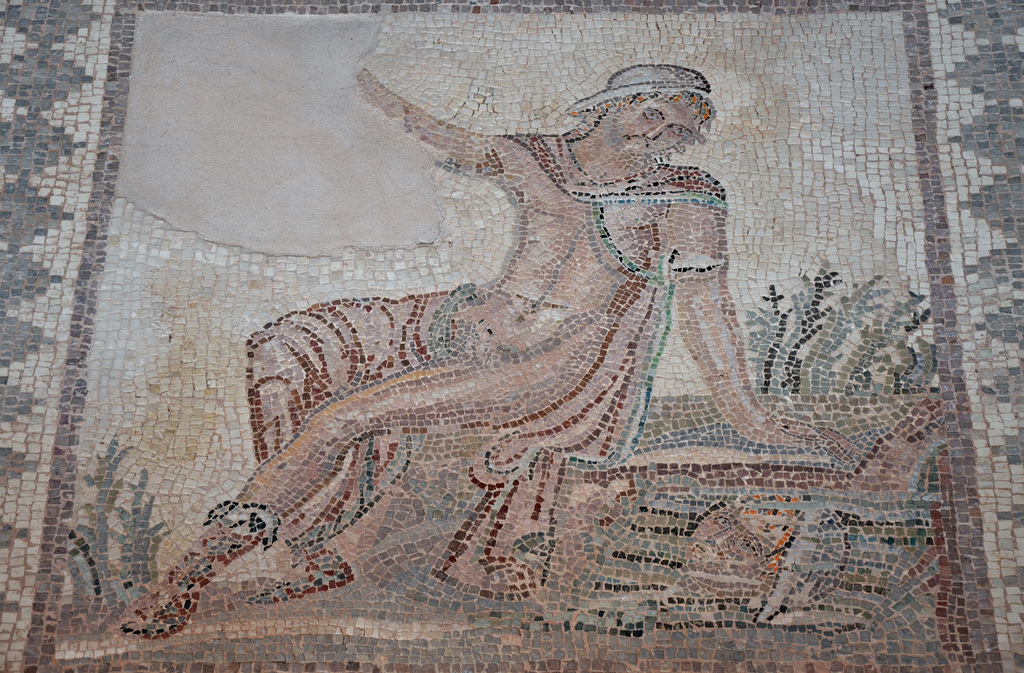
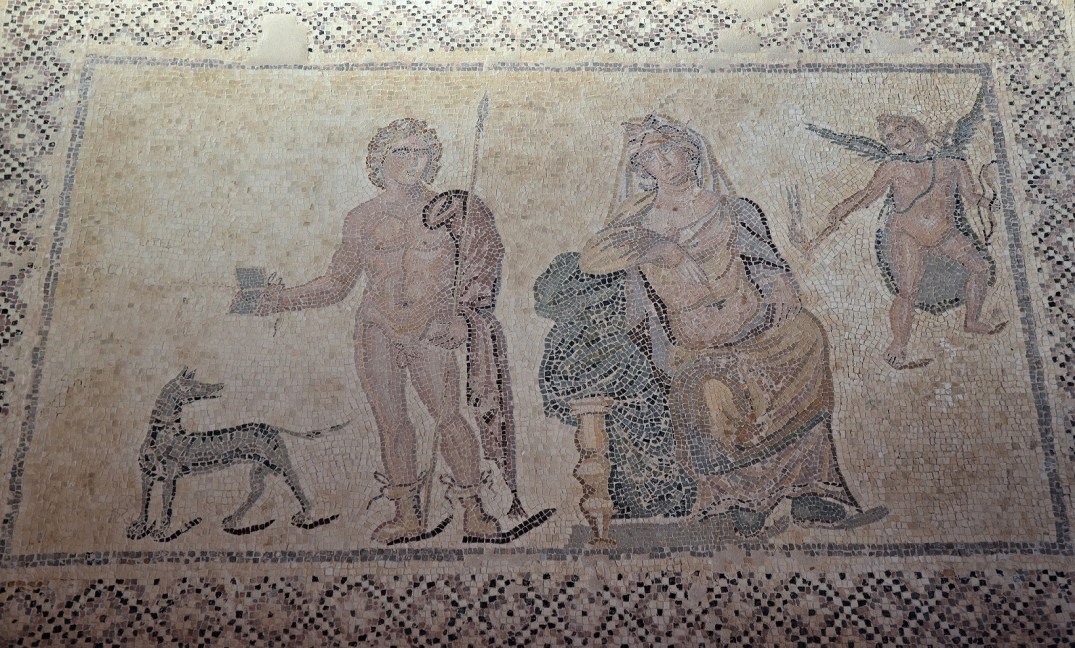
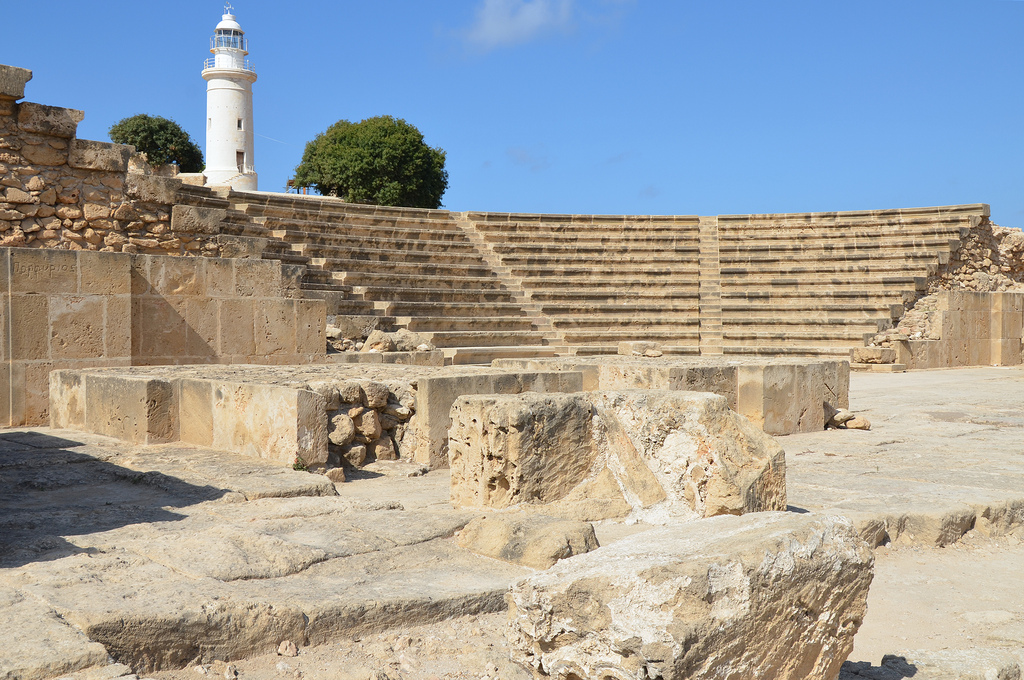
The House of Theseus. With more than 100 rooms, this house is the largest residential structure on the island and one of the largest in the Mediterranean. It was the residence of the governor of Cyprus (proconsul).Mosaic floor in the House of Theseus depicting the mythical duel between Theseus and the Minotaur in the Labyrinth of Crete, 3rd-4th century AD.The first bath of Achilles mosaic in one of the rooms of the House of Theseus, 5th century AD. The hero lies in the arms of his mother, Thetis, who is shown lying on a bed in the centre. This part of the scene has been significantly damaged. Achilles is also shown sitting on the knees of his nurse, who is preparing to dip the infant in a basin.The House of Theseus.The House of Theseus.The House of Theseus has three mosaic pavements.The House of Dionysus. The name is derived from the central mosaic featuring Dionysus, the god of wine. The building occupies an area of about 2000 square metres, of which 556 are covered with mosaic floors.The Triumph of Dionysus mosaic in the House of Dionysus, dating from the late 2nd / early 3rd century AD. Dionysus sits on a two-wheeled chariot.Mosaic of Narcissus in the House of Dionysus, late 2nd / early 3rd century AD.The Rape of Ganymede mosaic in the House of Dionysus. The god Zeus, having transformed into an eagle, carries Ganymede away. Dating from the late 2nd / early 3rd century AD.Phaedra and Hippolytus in the House of Dionysus, late 2nd / early 3rd century AD.The Odeon was located in the northeastern part of the ancient city. It was built in the 2nd century AD and could hold approximately 1,200 spectators.The Odeon.In the foreground is the Agora, the city’s central square court surrounded by colonnaded porticoes dating from the middle of the 2nd century AD; in the background on the left is the Asclepeion, and on the right is the Odeon.












 following hadrian photography