Halicarnassus

Halicarnassus was an ancient Ionian Greek city at the site of modern Bodrum in Turkey. It was located in southwest Caria on a picturesque, advantageous site on the Ceramic Gulf. The town was famous for the tomb of Mausolus, the origin of the word Mausoleum, which was built between 353 BC and 350 BC and was one of the Seven Wonders of the Ancient World. It was part of the Persian Empire until it was captured by Alexander the Great during the siege of Halicarnassus in 334 BC.

Coordinates: 37° 2′ 16″ N, 27° 25′ 27″ E

Haliarnassus

The Mausoleum was built as a tomb for the Persian Satrap Mausolus, a member of the Hecatomnid dynasty who governed Caria from 377 to 353 BC. Mausolus moved his capital from Mylasa to Halicarnassus. He founded many cities in the Greek model and encouraged Greek democratic traditions.

When Mausolus died in 353 BC, his queen Artemisia (also his sister) decided to build him the most splendid tomb in the known world. It was an elaborate tomb, 135 feet (41 m) tall, ornately decorated with fine statuary and relief carvings. It was destroyed by a series of earthquakes and remained in ruins for hundreds of years, until it was completely dismantled in 1494 and used by the Knights of Malta to build their castle at Bodrum. The modern word for a monumental tomb, “mausoleum”, derives from the Latin form of Mausolus’ name. Many statues and reliefs from the Mausoleum were carried to London’s British Museum in 1856, where they have been displayed since then (see images here). Only the foundation remains, along with a small museum at the site of the Mausoleum.

17362934180_1f2ea1f108_b
The Mausoleum at Halicarnassus was built for King Mausolus in the mid-4th century BC.

Just a short distance from the Mausoleum lies the theatre, the best-preserved structure of ancient Halicarnassus. It is located 50 meters above sea level and overlooks the bay and the islands, providing a great background for the spectators. The theatre was built in the 4th century BC during Mausolus’ reign and was enlarged in the 2nd century AD. The theatre’s original capacity is estimated at 10,000, whereas its current capacity is almost 4,000.

PORTFOLIO
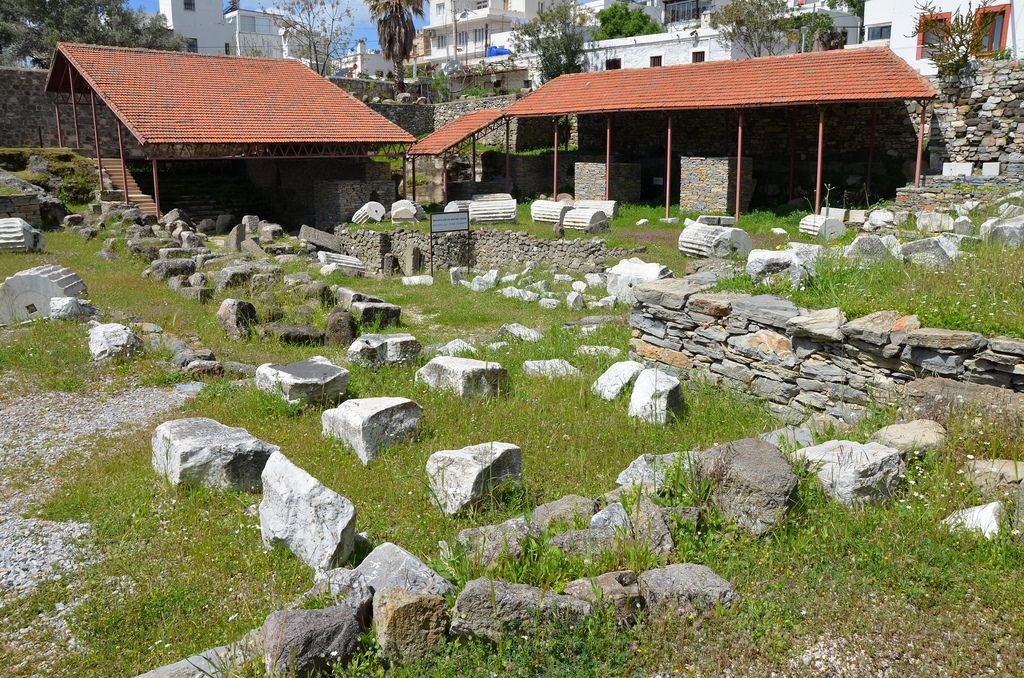
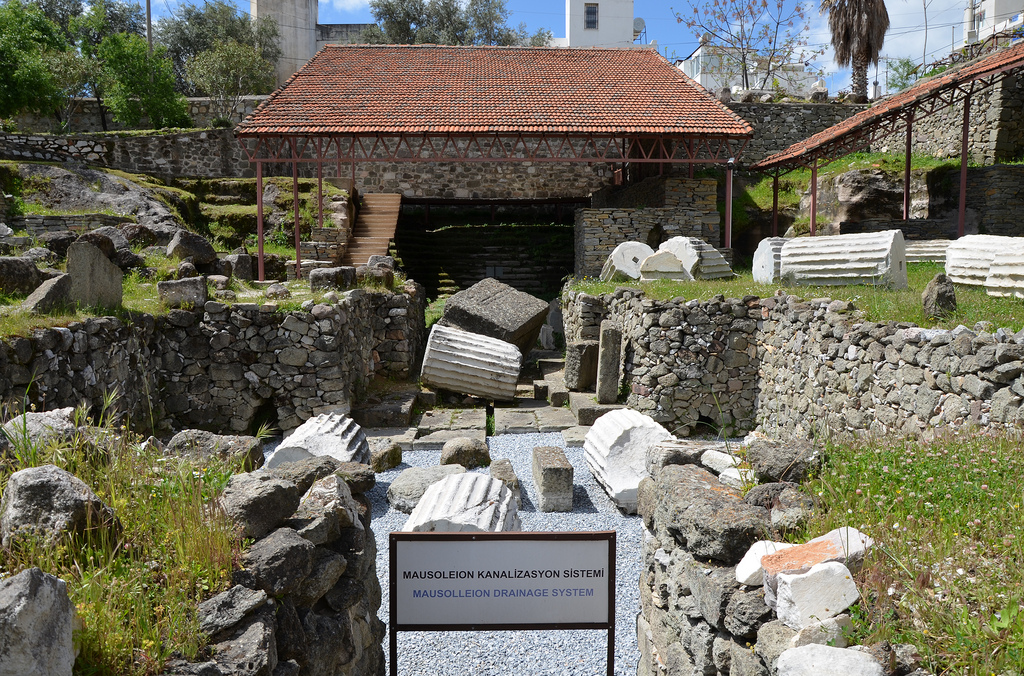
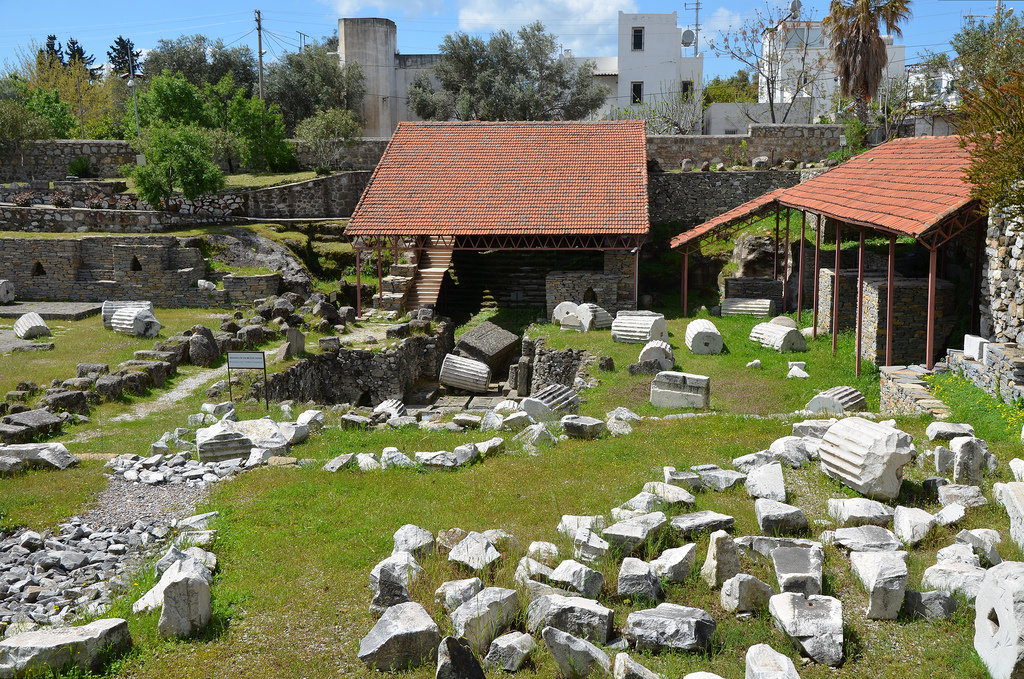
The ruins of the Mausoleum of Halicarnassus, constructed for King Mausolus during the mid-4th century BC at Halicarnassus in Caria, Bodrum, Turkey
The ruins of the Mausoleum at Halicarnassus.
The ruins of the Mausoleum of Halicarnassus, constructed for King Mausolus during the mid-4th century BC at Halicarnassus in Caria, Bodrum, Turkey
The ruins of the Mausoleum at Halicarnassus.
The ruins of the Mausoleum of Halicarnassus, constructed for King Mausolus during the mid-4th century BC at Halicarnassus in Caria, Bodrum, Turkey
The ruins of the Mausoleum at Halicarnassus.
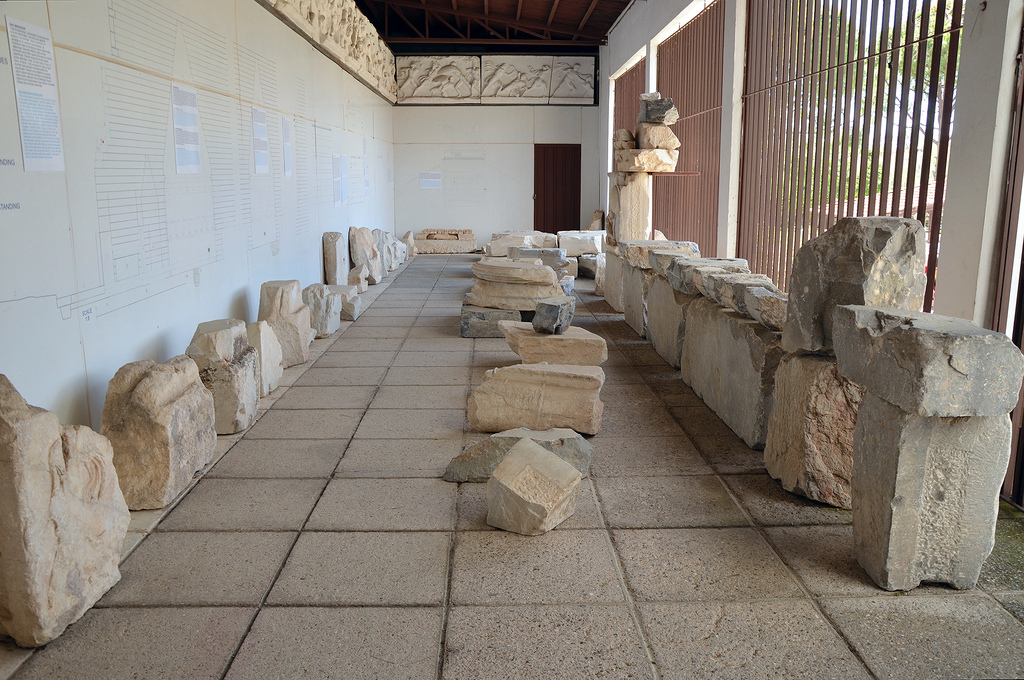
Architectural elements from the Mausoleum of Halicarnassus.
Architectural elements from the Mausoleum at Halicarnassus.
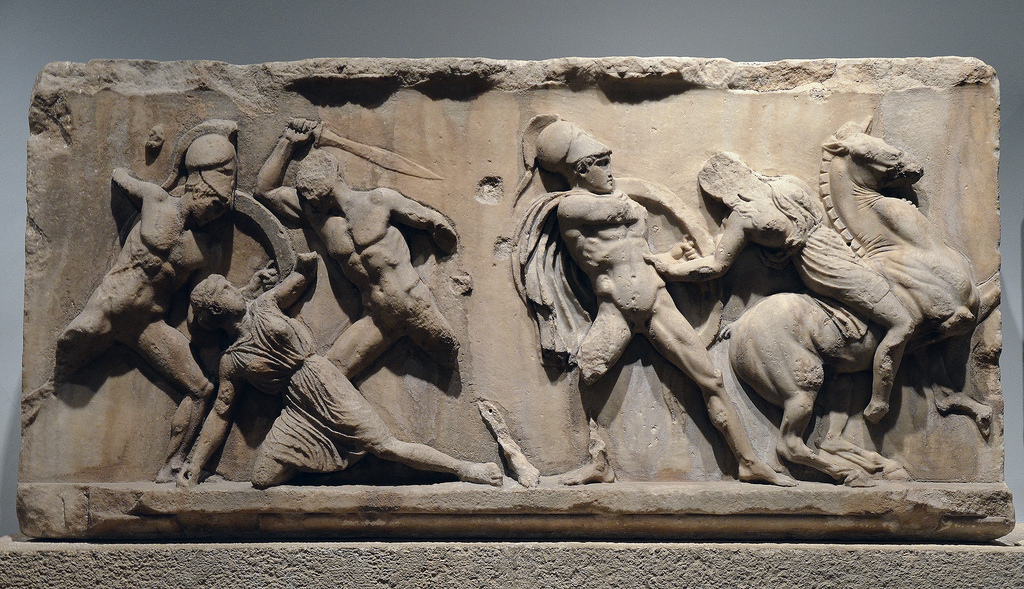
Slab of the Amazonomachy frieze from the Mausoleum at Halicarnassus. On display in the British Museum in London.
Slab of the Amazonomachy frieze from the Mausoleum at Halicarnassus. It is on display in the British Museum in London.
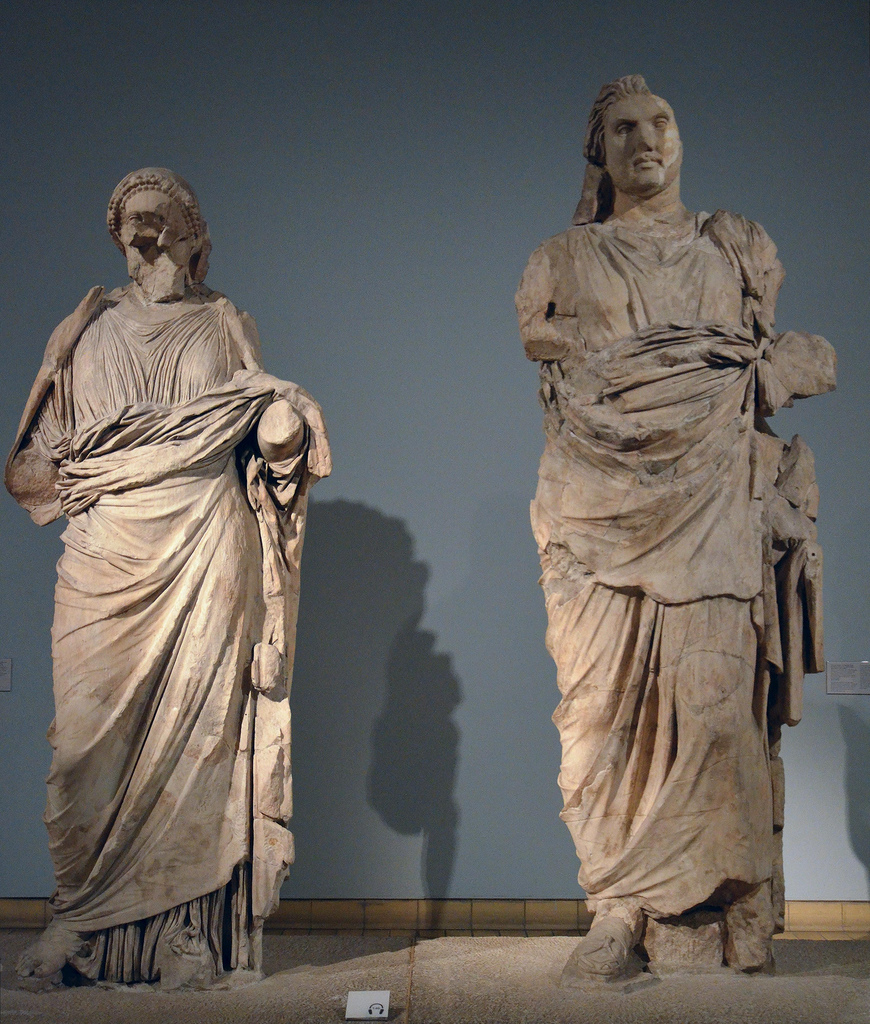
Colossal statues of a man and a woman from the Mausoleum at Halikarnassos, traditionally identified as Maussollos and Artemisia II, around 350 BC. On display in the British Museum in London.
Colossal statues of a man and a woman from the Mausoleum at Halicarnassus, traditionally identified as Mausolus and Artemisia II. It is on display in the British Museum in London.
The theatre of ancient Halicarnassus, built in the 4th century BC during the reign of King Mausolos and enlarged in the 2nd century AD, the original capacity of the theatre was 10,000, Bodrum, Turkey
The theatre of ancient Halicarnassus was built in the 4th century BC during the reign of King Mausolus and was enlarged in the 2nd century AD.
The theatre of ancient Halicarnassus, built in the 4th century BC during the reign of King Mausolos and enlarged in the 2nd century AD, the original capacity of the theatre was 10,000, Bodrum, Turkey
The original capacity of the Theatre of Halicarnassus was 10,000.
The theatre of ancient Halicarnassus.
The theatre of Halicarnassus.

Links:

Lagina

Just a few kilometres away from Stratonicea lies the ancient cult site of Lagina, one of the most significant Carian sanctuaries. The establishment of the sanctuary at Lagina as a religious centre dates back to the Seleucid period, although evidence from the necropolis suggests that the settlement’s origins date back to the 7th century BC. An 11-kilometre-long road known as the Sacred Way connected these two sites.

Coordinates: 37° 22′ 42.83″ N, 28° 2′ 21.94″ E

The deity worshipped at the sanctuary was the goddess Hecate. She was the goddess of magic, witchcraft, the night, the moon, ghosts and necromancy. In statuary, Hecate was often depicted in triple form, with three bodies or three heads. She was also associated with crossroads and entranceways. Numerous festivals were celebrated at the site, during which a procession delivered the temple’s key from Lagina to the bouleuterion in Stratonicea, where the rules for the religious celebrations of Hecate were inscribed.

The sculptural decorations that once adorned the temple are now displayed in the Archaeology Museum in Istanbul. These decorations covered all four sides of the building. They depicted various scenes, including episodes from Zeus’s life, the battle of the gods and giants (Gigantomachy), the legendary conflict between the Ancient Greeks and the Amazons (Amazonomachy), and scenes from Carian mythology.

PORTFOLIO

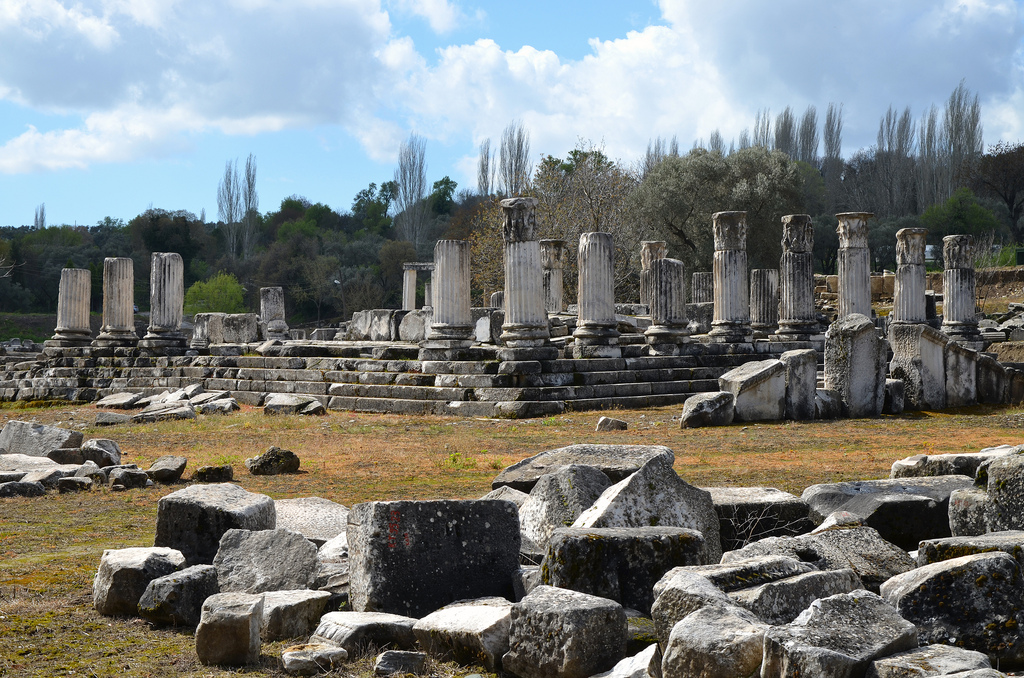
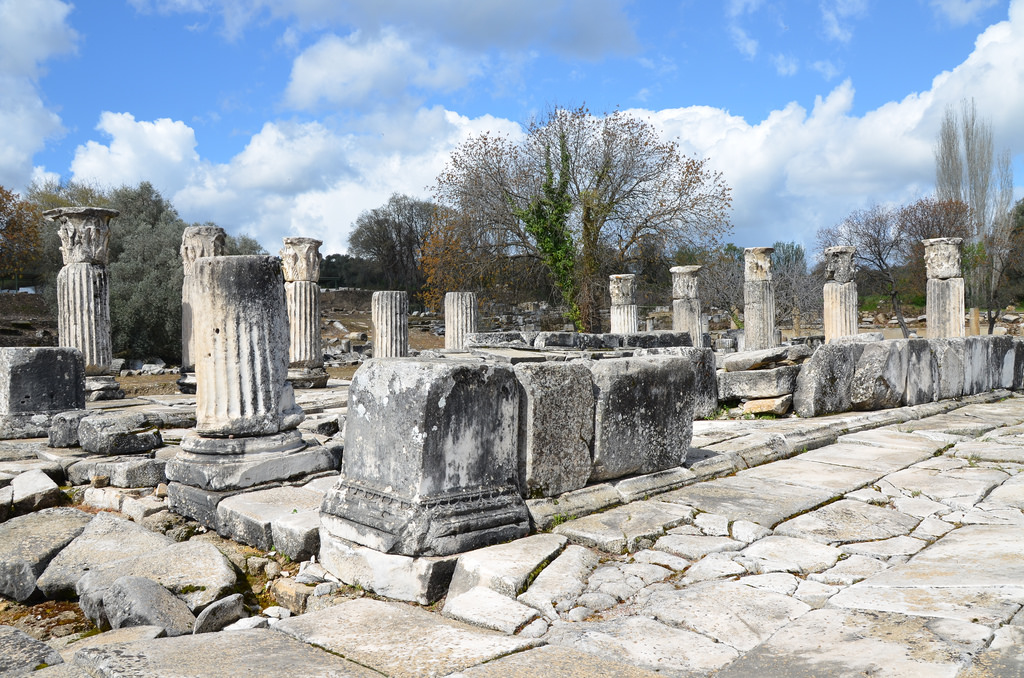
The Sanctuary of Hecate in Lagina, dated to the last quarter of the 2nd century BC, Caria, Turkey
The temple of Hecate stood in the centre of the sacred precinct. It was constructed in the 2nd century BC.
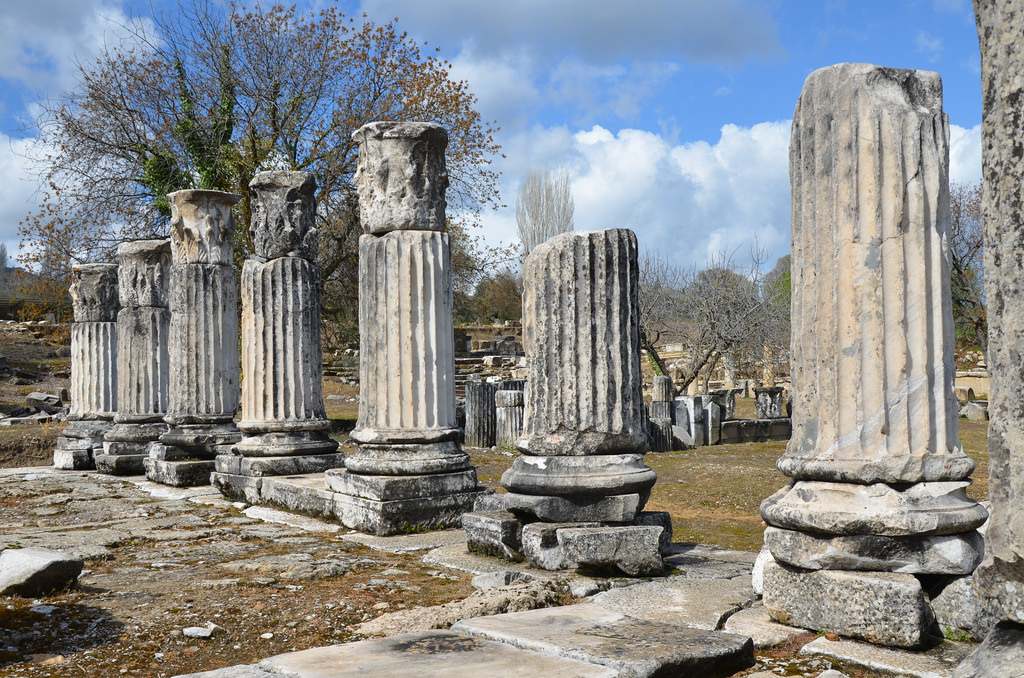
The architectural type of the Temple was pseudodipteral, in the Corinthian order, with a peristyle of 11 columns by 8.
The Corinthian columns of the Temple of Hecate.
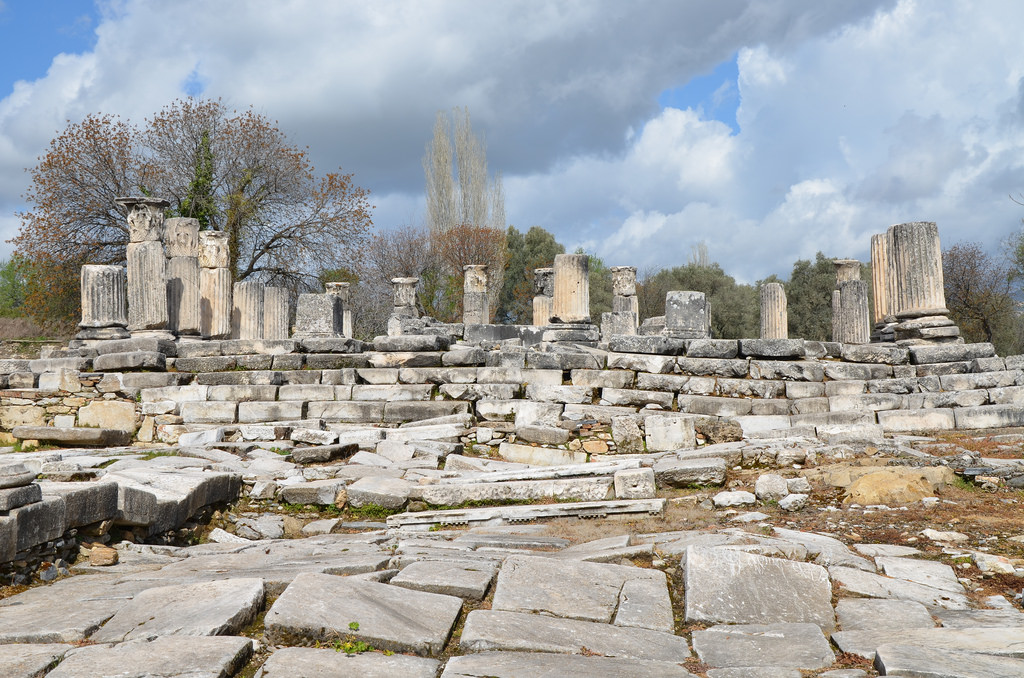
The Sanctuary of Hecate in Lagina, dated to the last quarter of the 2nd century BC, Caria, Turkey
The paving of the peristyle in front of the Temple.
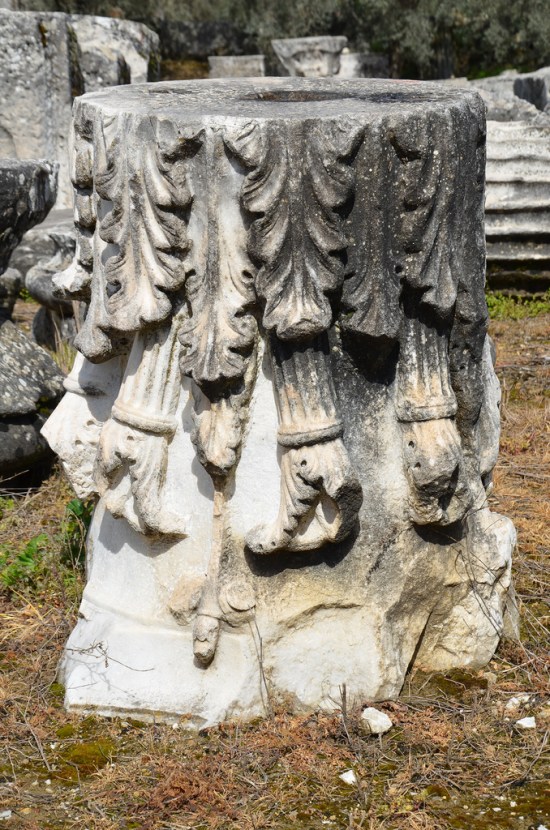
Corinthian column from the Temple of Hecate.
The Sanctuary of Hecate in Lagina, dated to the last quarter of the 2nd century BC, Caria, Turkey
The Sanctuary of Hecate.
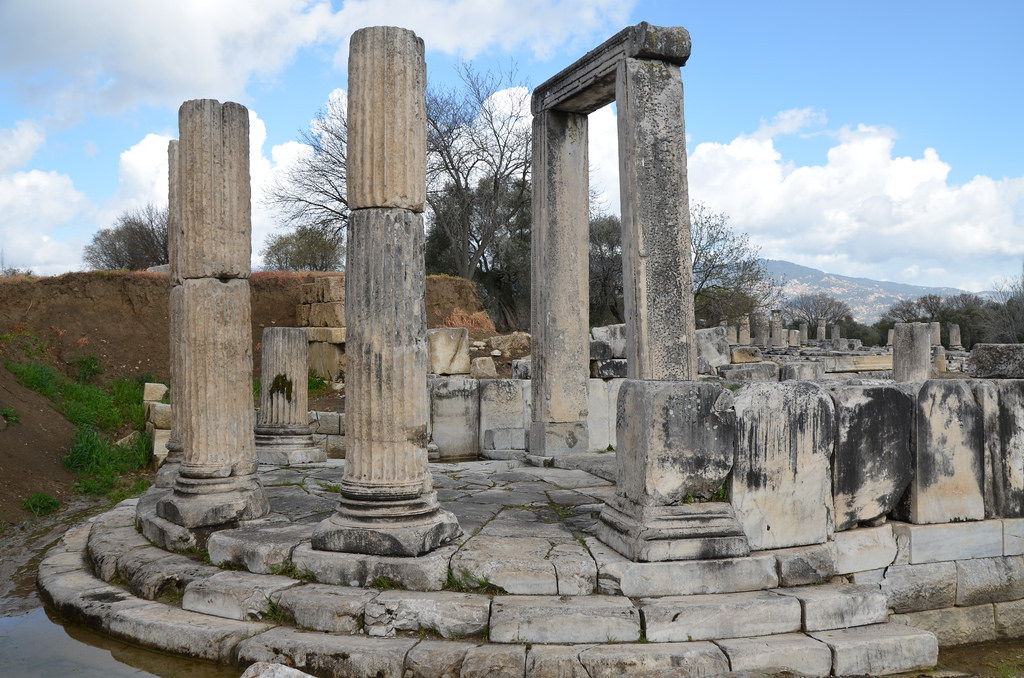
The propylaea (monumental gateway) with a semicircular colonnade at the front, Sanctuary of Hecate in Lagina, Caria, Turkey
The propylaea (monumental gateway) with a semicircular colonnade at the front.
The propylaea (monumental gateway) with a semicircular colonnade at the front, Sanctuary of Hecate in Lagina, Caria, Turkey
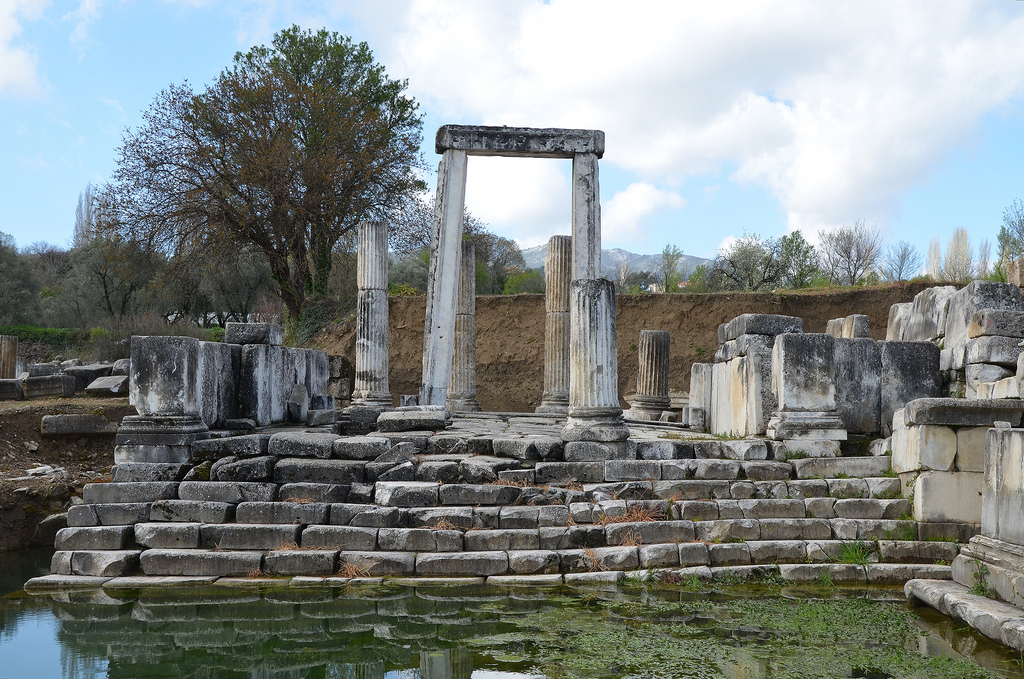
A stairway with ten steps led from the propylaea to a paved way and then to the altar.
The stairway with ten steps leading from the propylaea to the Temple.
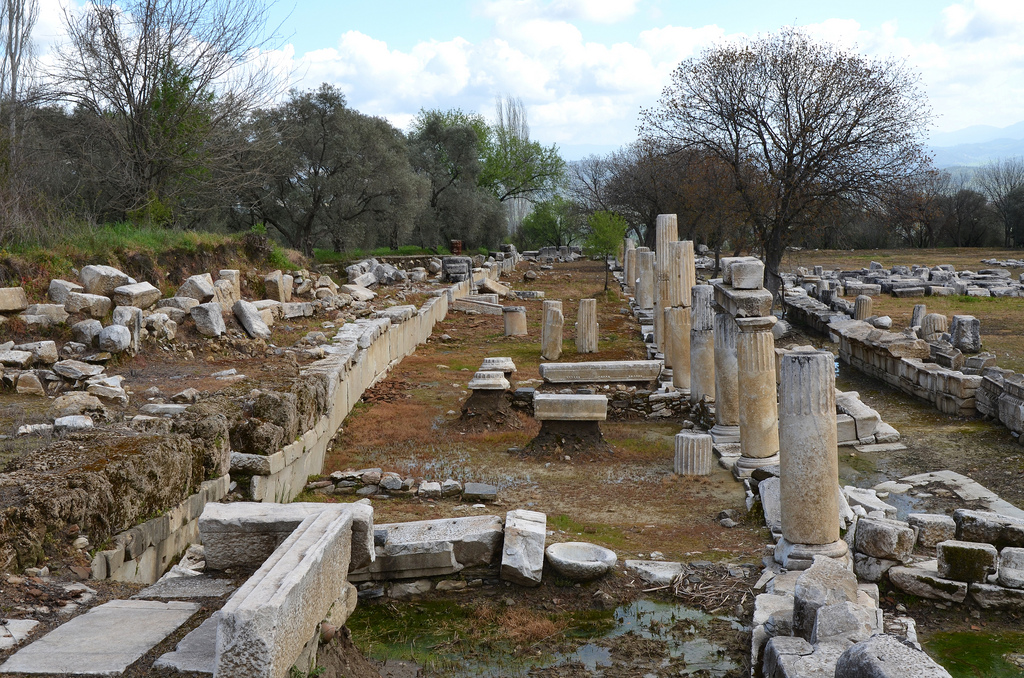
The precinct surrounding the temple was ca. 150 by 135 m. It was enclosed by a stoa in the Doric order, the S side of which was raised on a flight of 11 steps, with a staircase at the W end
The precinct surrounding the temple was ca. 150 by 135 m. It was enclosed by a stoa in the Doric order.
The south side of the Stoa was raised on a flight of 11 steps, with a staircase at the west end.
The temple of Hecate.

Links: