
Founded during the eighth-century Umayyad Caliphate, the city of Anjar was an inland trading centre at the crossroads of two important routes: one connecting the Mediterranean coast with the Syrian interior and the other linking northern Syria with northern Palestine.
Anjar is one of five cultural UNESCO World Heritage Sites in Lebanon.
Coordinates: 33°43’57.7″N 35°56’00.3″E
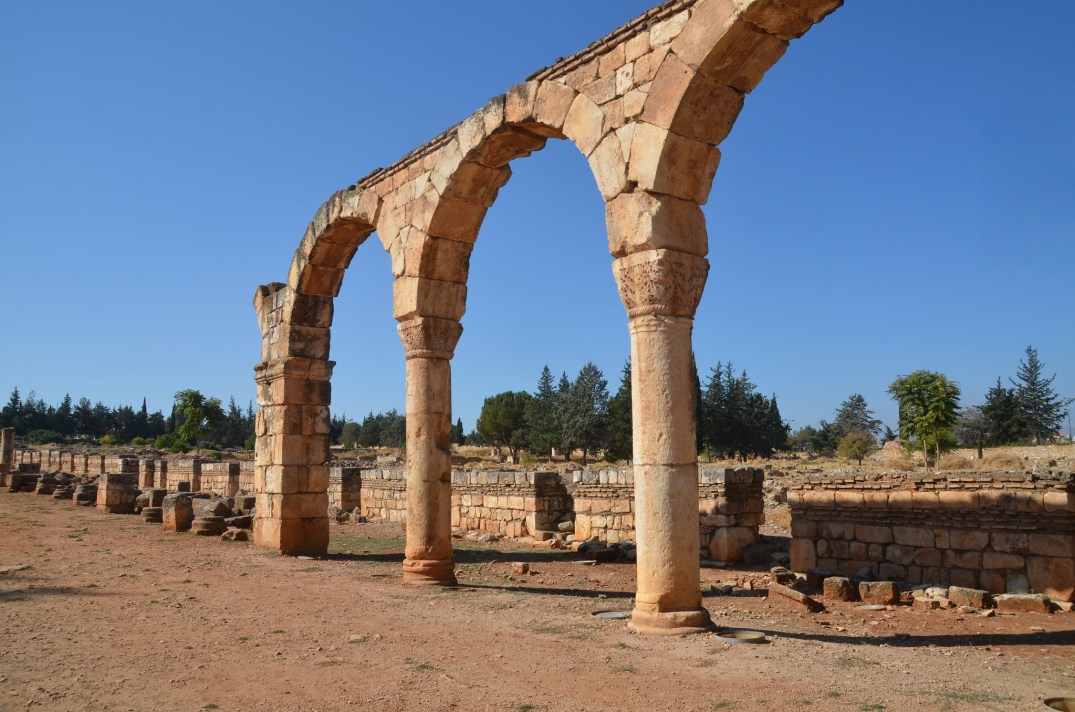
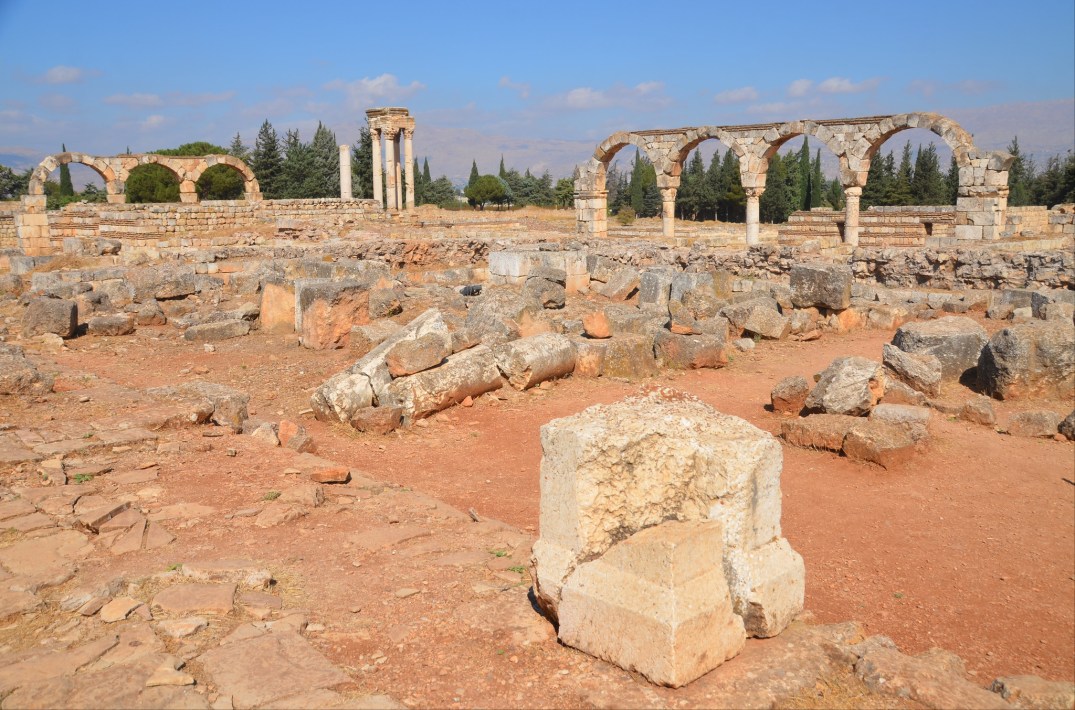
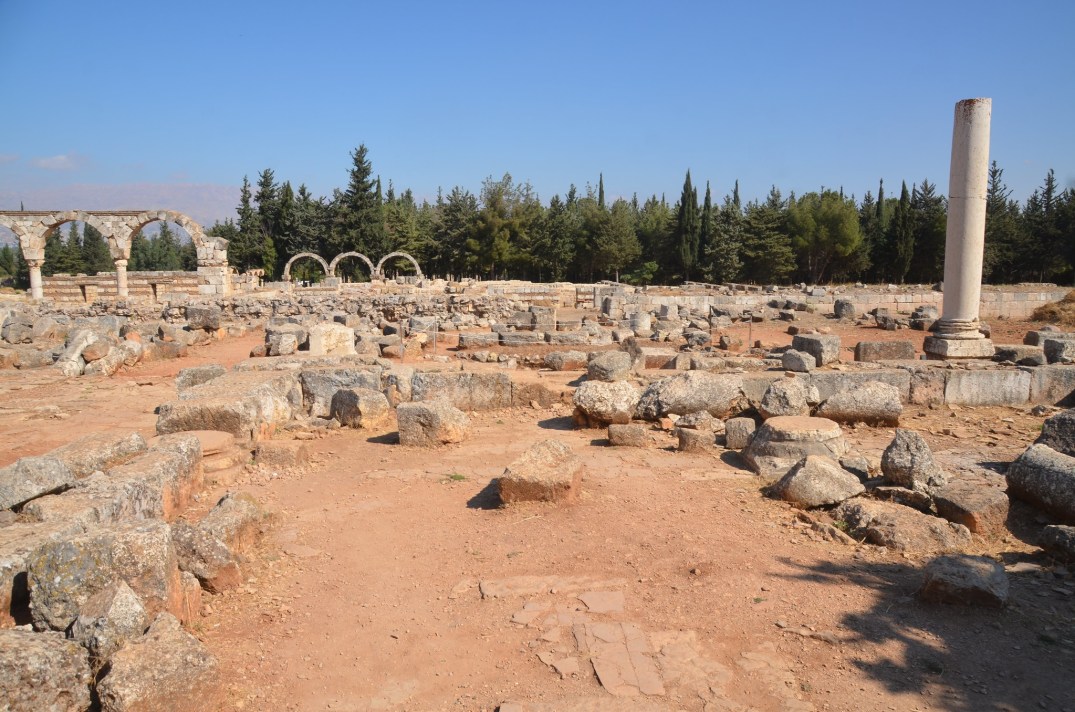
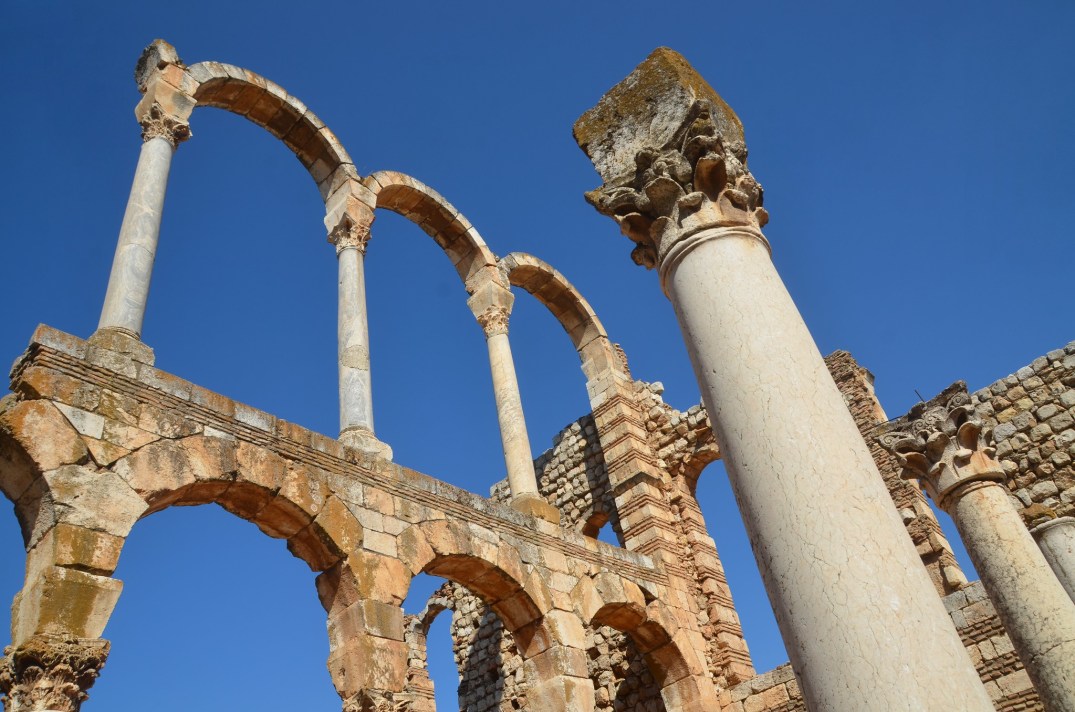
Archaeologists discovered the site at the end of the 1940s, revealing a fortified city that spans approximately 114,000 square meters and is surrounded by two-meter-thick walls. The city is divided into four equal quarters by two main streets: a 20-meter-wide north-south axis (cardo maximus) and a 20-meter-wide east-west axis (decumanus maximus). The layout features both private and public buildings organised according to a strict plan.
Key structures include the partially reconstructed Grand Palace, with a central courtyard surrounded by a peristyle; the Small Palace, known for its numerous ornamental fragments and intricately decorated central entrance; and a mosque between the two palaces, along with smaller harems and baths. A prominent feature of the ruins is a monumental Tetrapylon, consisting of four columns at the intersection of the two main streets. These structures include decorative and architectural elements that date back to the Roman era.
PORTFOLIO






Links:
 following hadrian photography