Tripolis ad Maeandrum

The ancient city of Tripolis is located in the Denizli province, about 20 km northwest of Hierapolis (Pamukkale). The city was founded on the northern bank of the Maeander, where the borders of Phrygia, Caria and Lydia meet, and on the road leading from Sardes to Laodicea ad Lycum. It was originally known as Apollonia and, for a short time in the 1st century BC, was later renamed Antoniopolis (in honour of Mark Antony). The city took its final name sometime later, becoming known as Tripolis due to its location at the crossroads of these three regions.

Coordinates: 38°02’14.5″ N 28°57’08.2″ E

The earliest mention of Tripolis is by Pliny the Elder, who described it as a Lydian settlement. In the 2nd century AD, Claudius Ptolemy described it as a Carian town, whilst the Byzantine geographer Hierocles called it a Lydian town. Although the city’s history dates back to the Hellenistic period, archaeological excavations have shown that the settlement’s origins can be traced to the 4th millennium BC. Tripolis reached its peak during the Roman period, from the 2nd century AD onwards. New public buildings, such as the city gates, baths, a stadium, a theatre, and a bouleuterion (council hall), were built during this period. During the Byzantine period, Tripolis became an important bishopric centre. A church dating back to the 6th century AD was unearthed during excavations in 2013.

PORTFOLIO

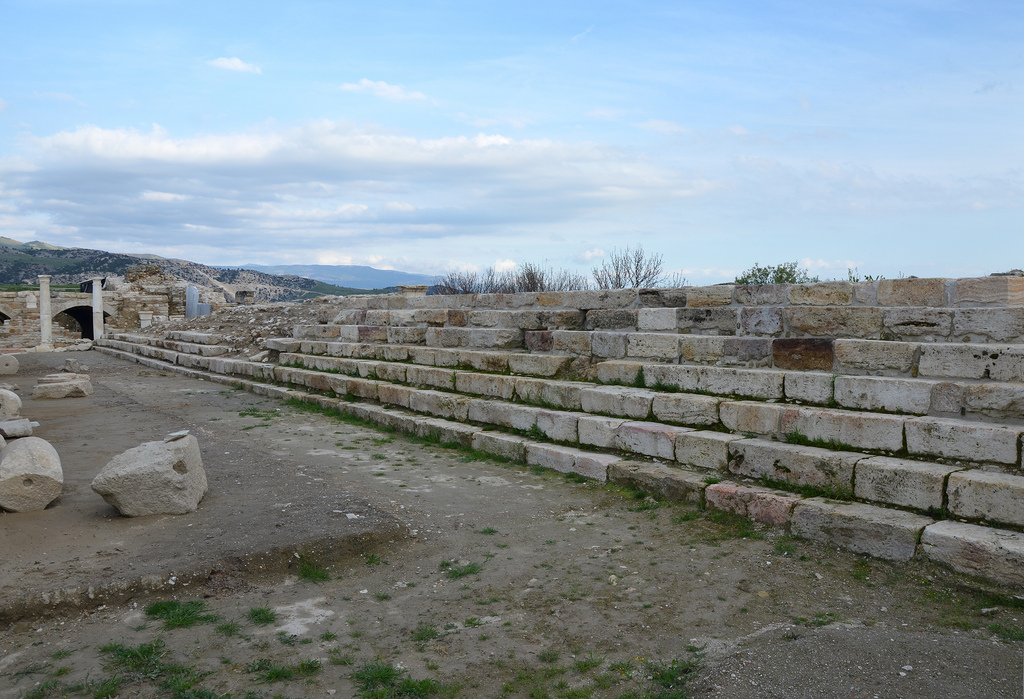
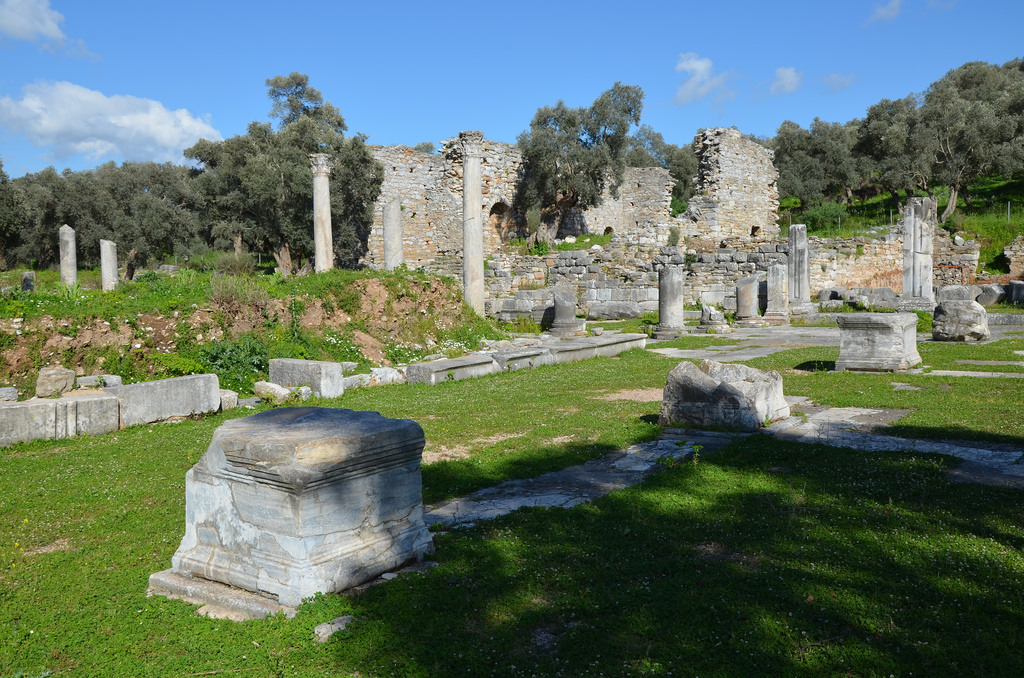
The Late Roman Agora
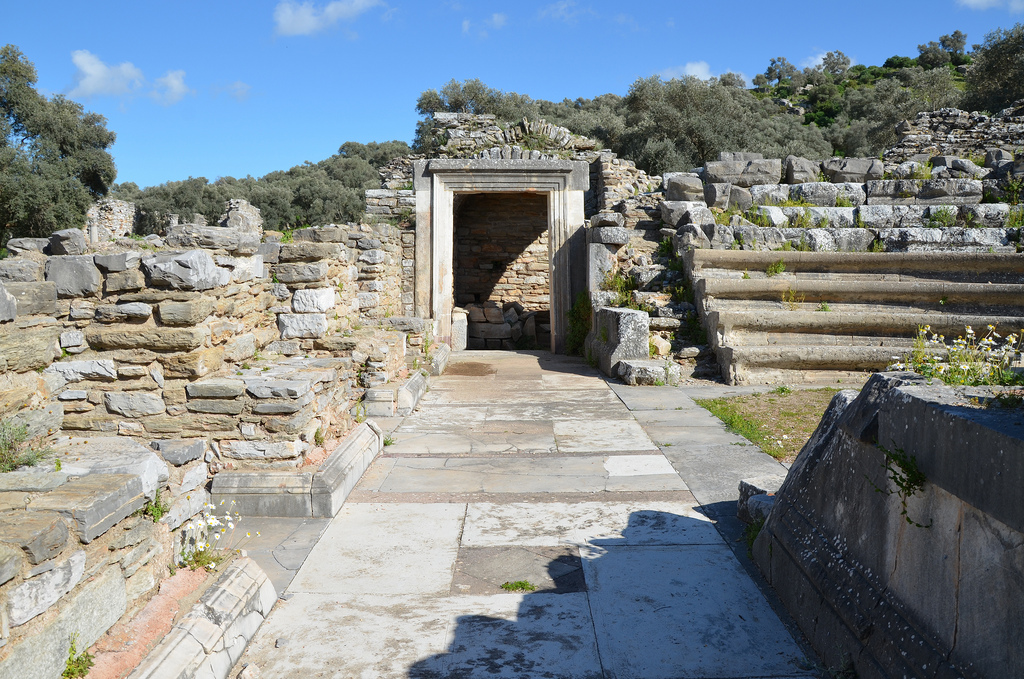
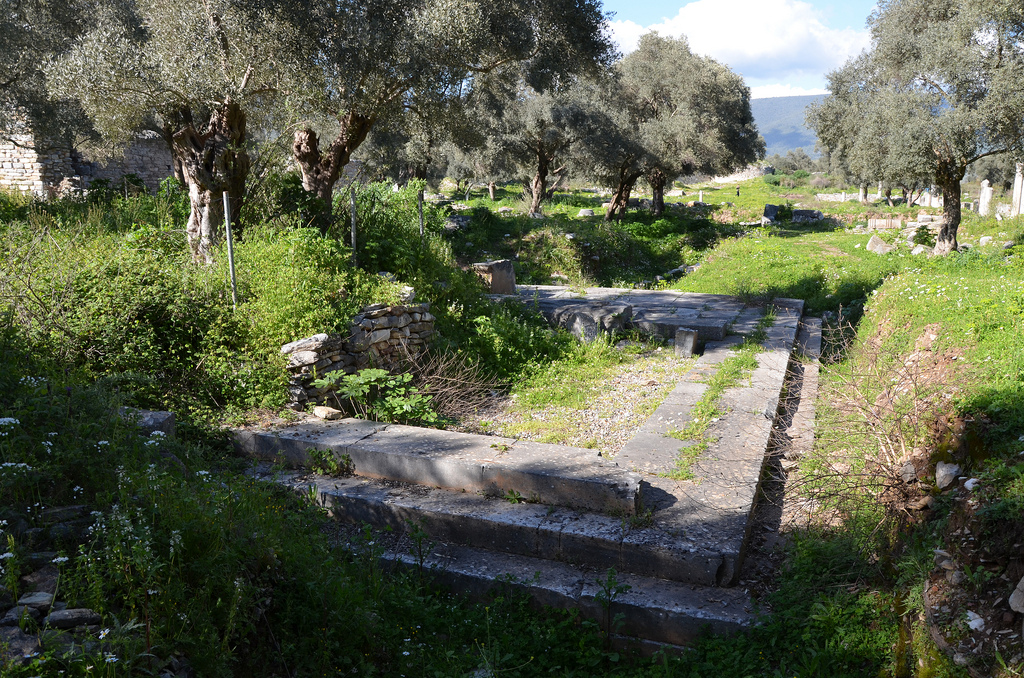
The Late Roman Agora. Constructed in the 4th century AD, the Agora was bordered by a seven-stepped platform intended for visitors to rest.
The seven-stepped platform in the Late Roman Agora.
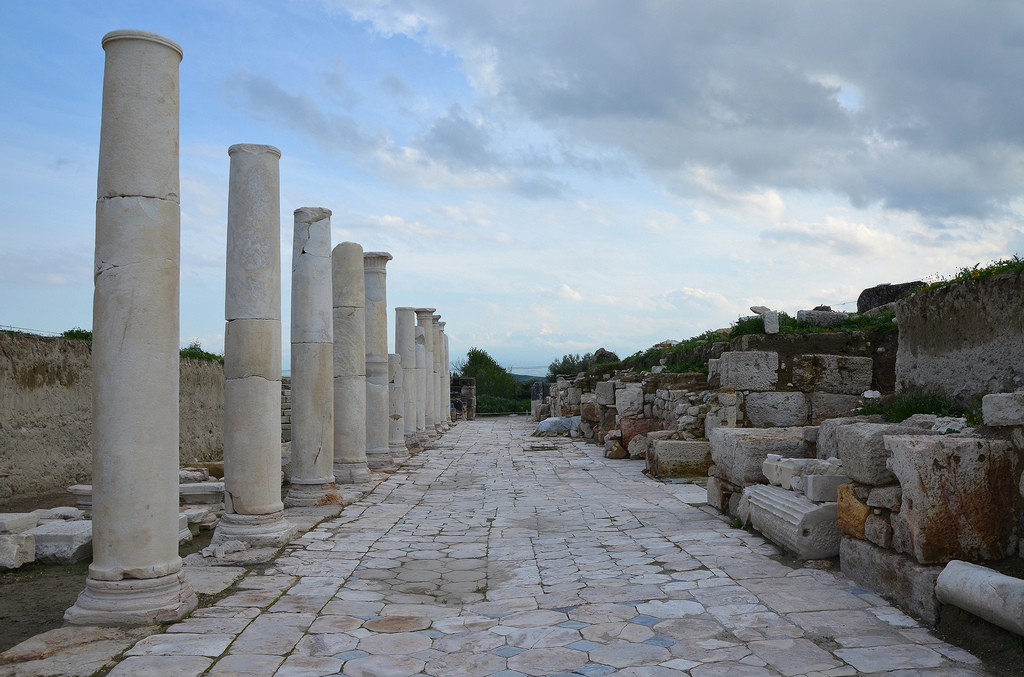
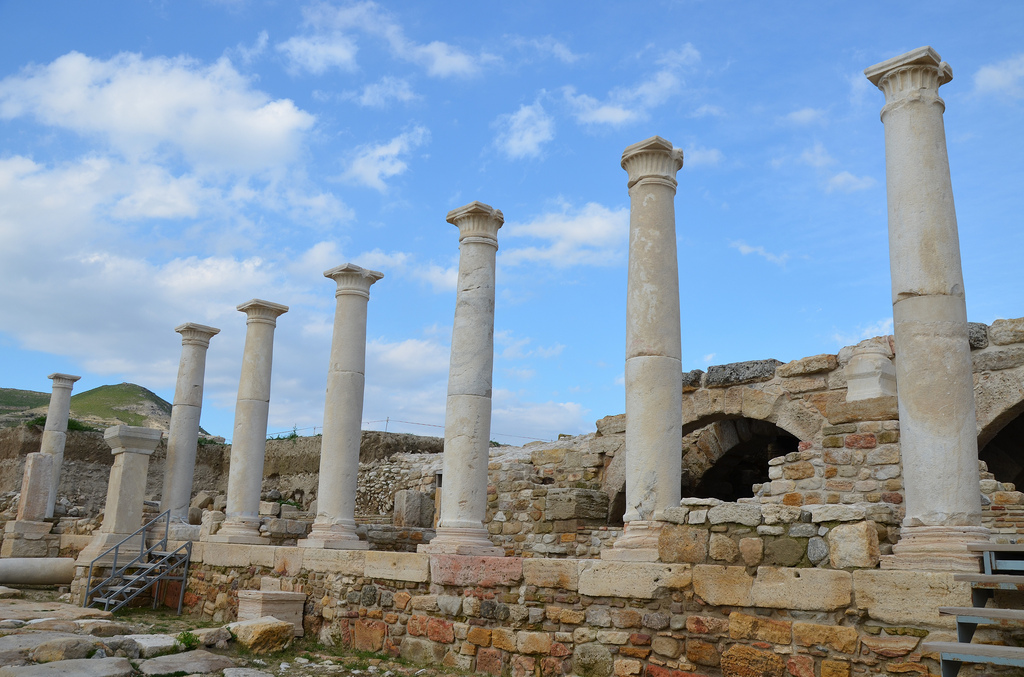
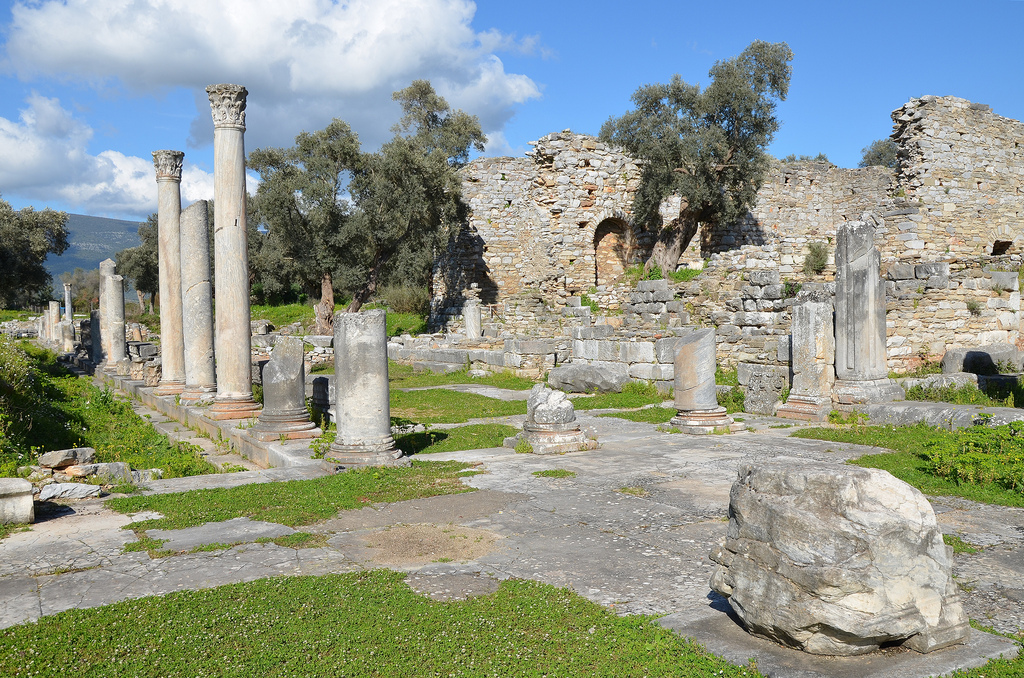
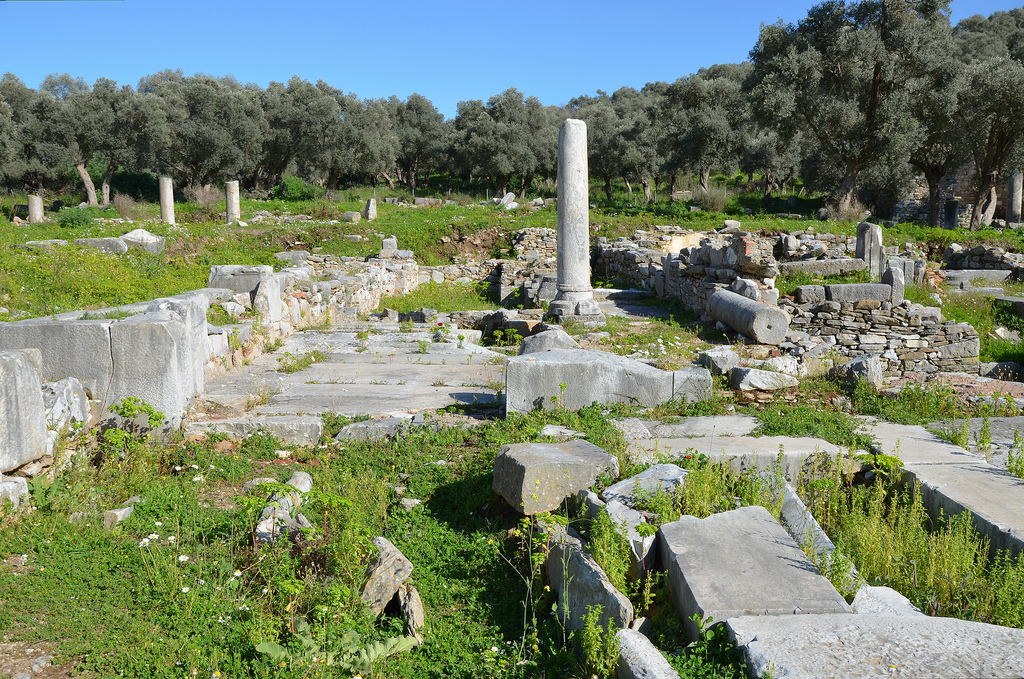
The portico of the Late Roman Agora paved with opus sectile made from onyx marble.
The western portico of the Late Roman Agora was paved with opus sectile made from onyx marble.
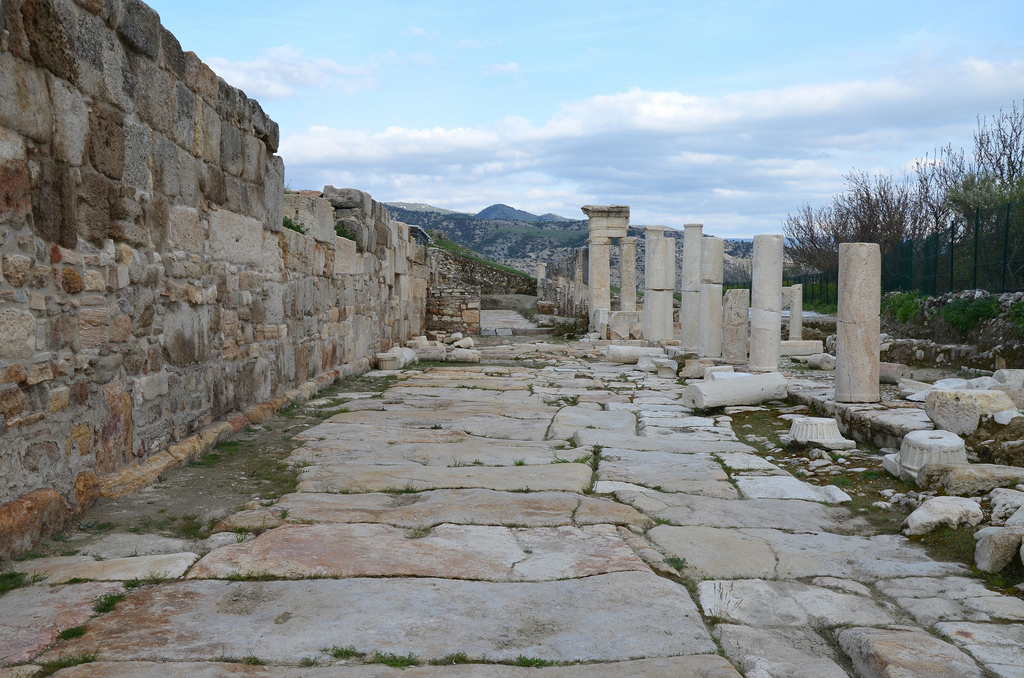
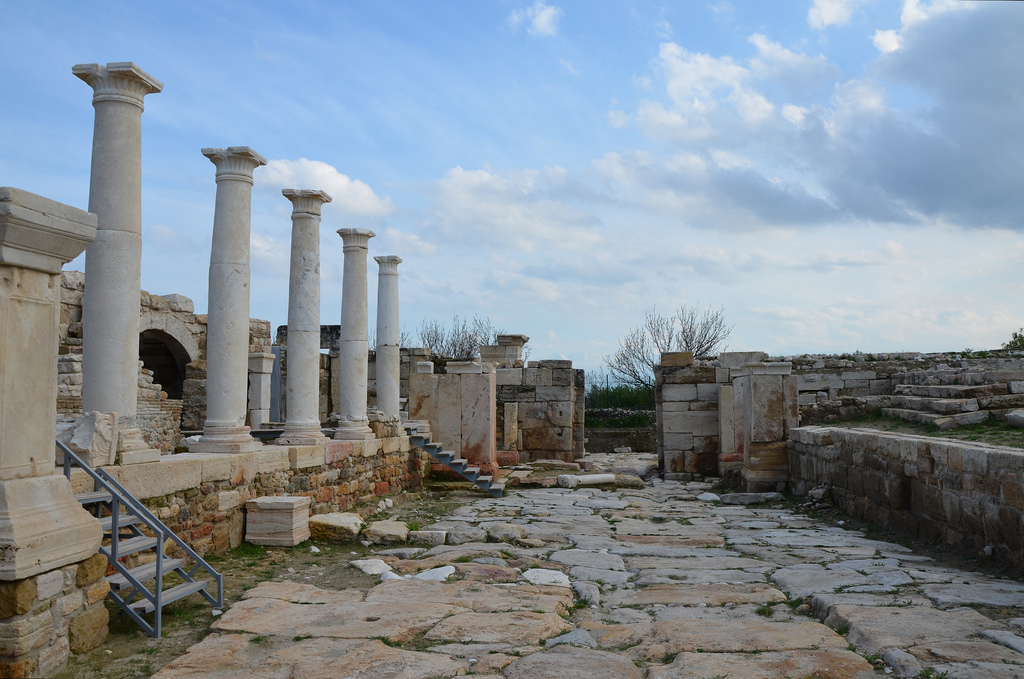
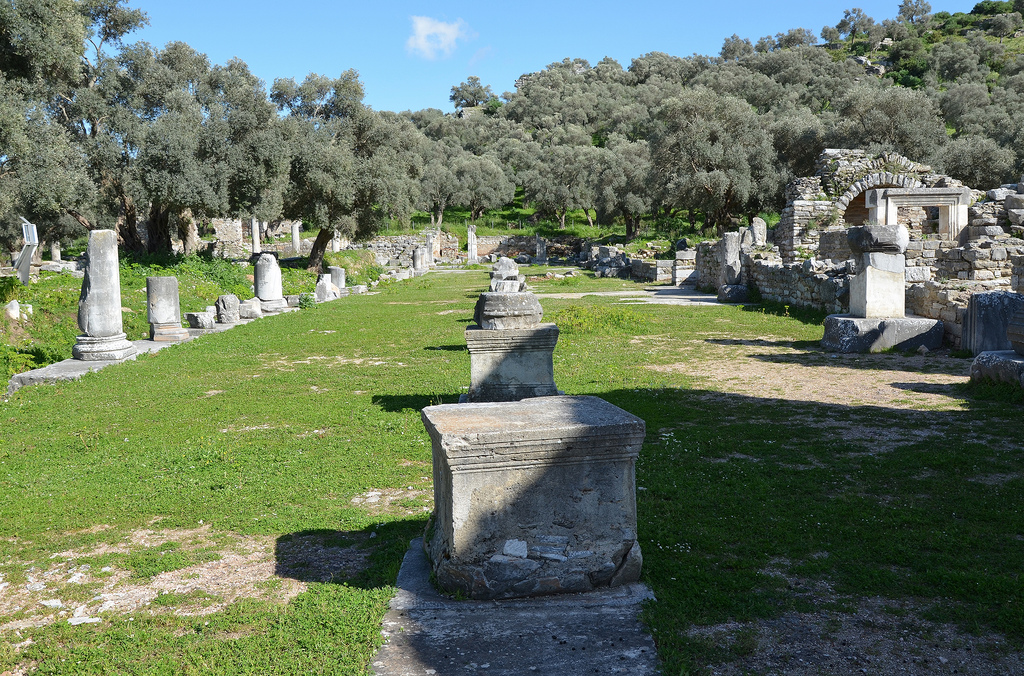
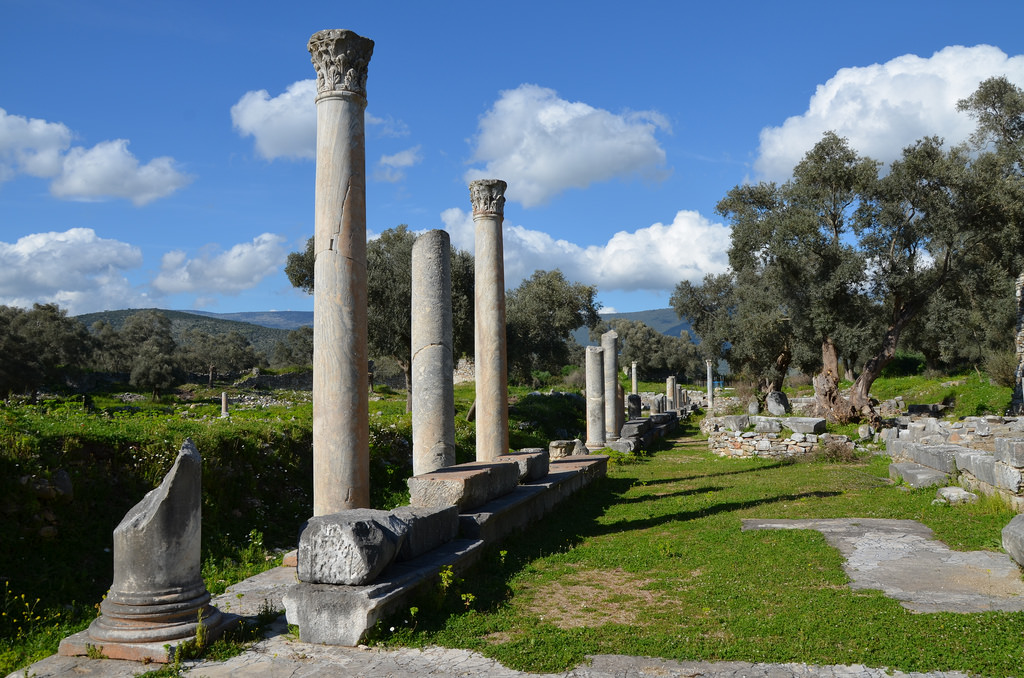
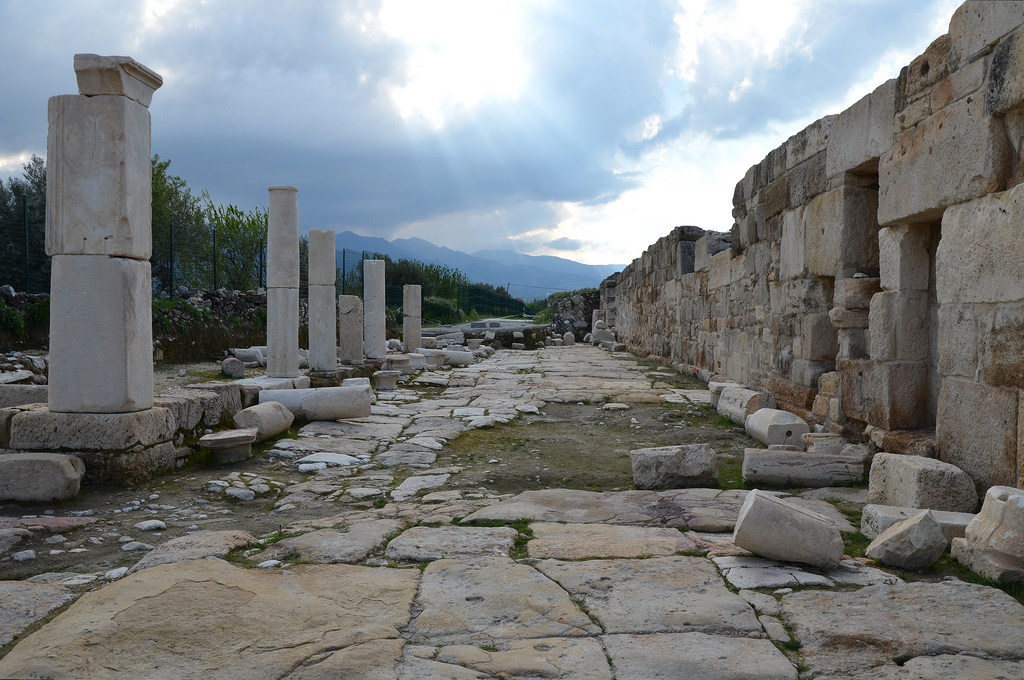
The 450m long colonnaded street running in a north-southerly direction. in the early 5th century CE, fortification walls were built on its north
The 450m long colonnaded street ran in a north-southerly direction and was constructed in the early Roman period. In the early 5th century AD, fortification walls were built on its northern side.
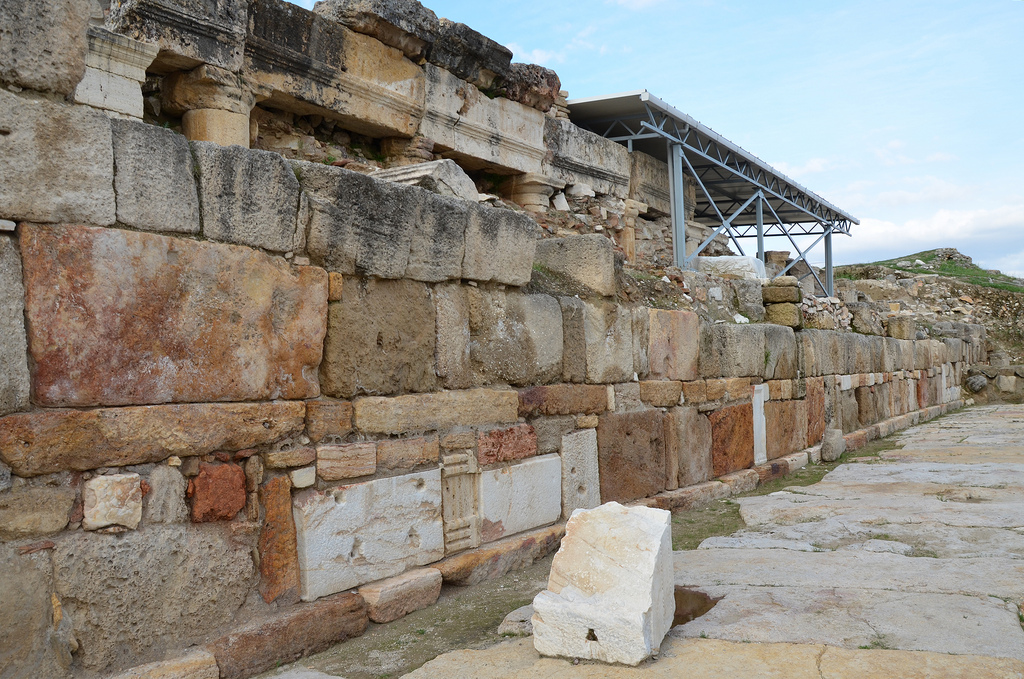
The Byzantine fortification wall built in the 5th century AD along the Colonnaded Street.
The Byzantine fortification wall was built along Collonaded Street in the 5th century AD.
The 450m long colonnaded street runs in a north-southerly direction.
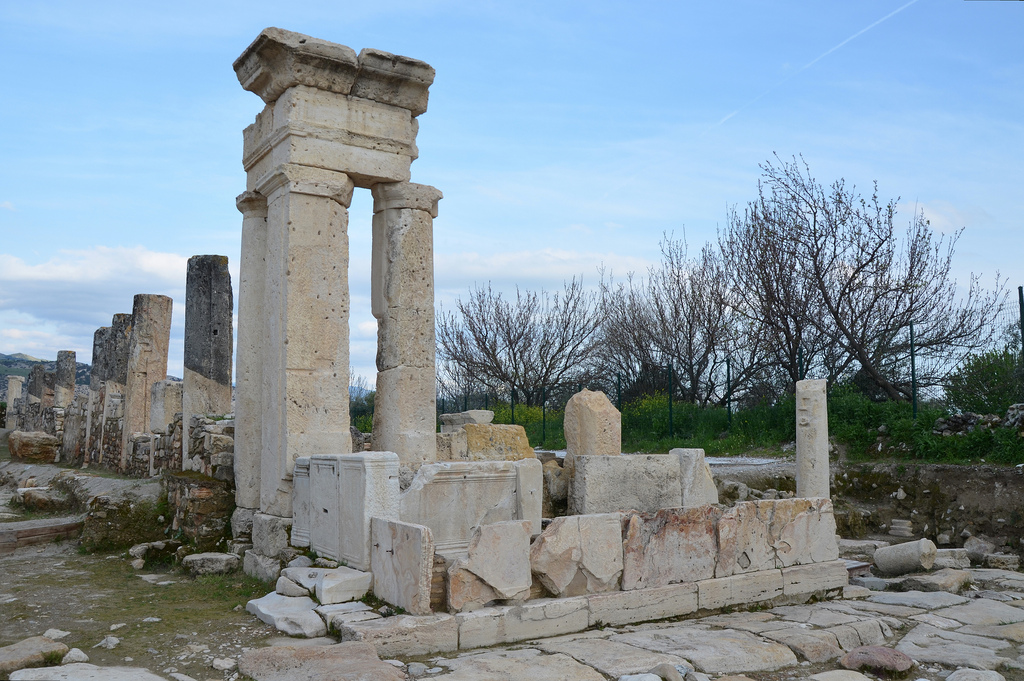
The Nymphaeum (Orpheus Fountain) built at the crossroads between the Colonnaded Steet and the Hierapolis Street.
The Nymphaeum (Orpheus Fountain) was built at the crossroads between Colonnaded Street and Hierapolis Street.
The Hierapolis Street constructed of travertine blocks running in an east-west direction.
Hierapolis Street is constructed of travertine blocks running in an east-west direction.
The Hierapolis Street.
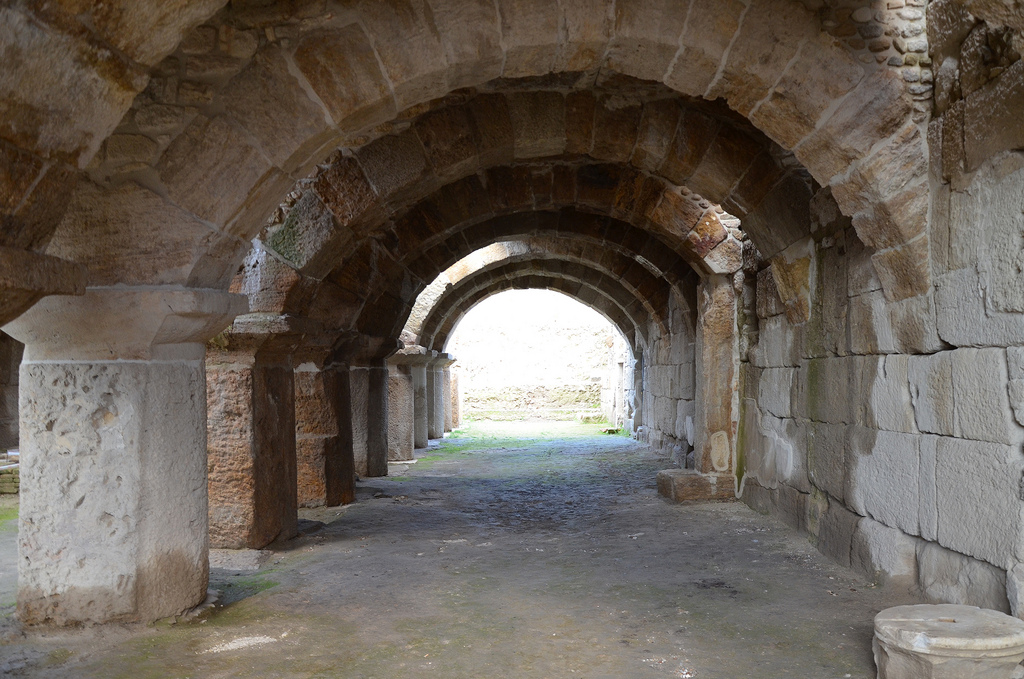
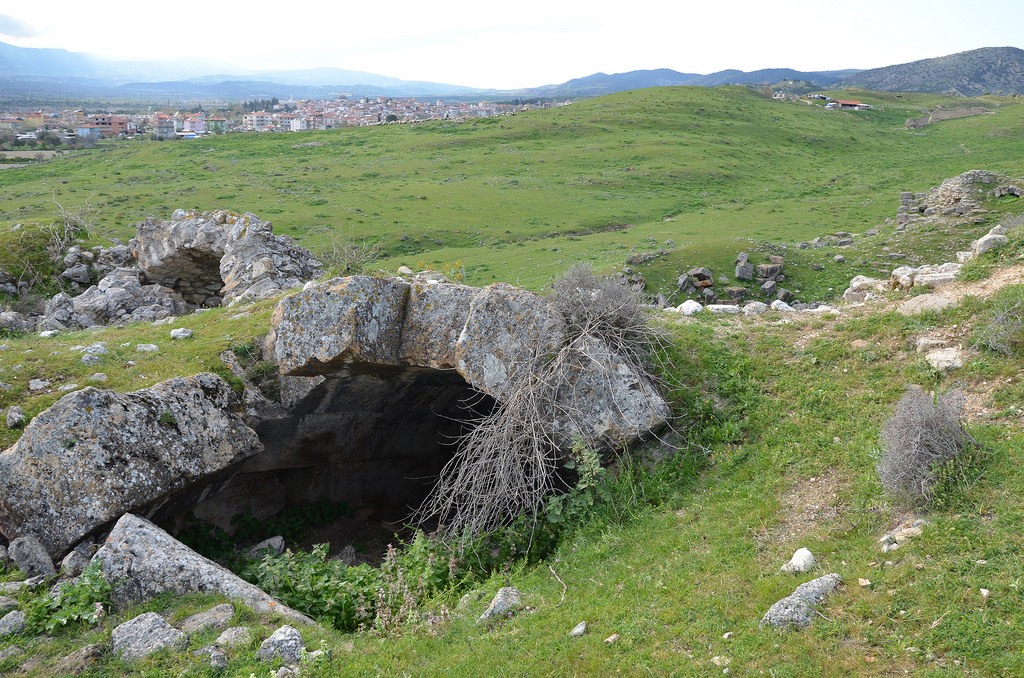
The Arched Building with cryptoporticus constructed in the late Hellenistic or early Roman period.
The Arched Building with Cryptoporticus was constructed in the late Hellenistic or early Roman period.
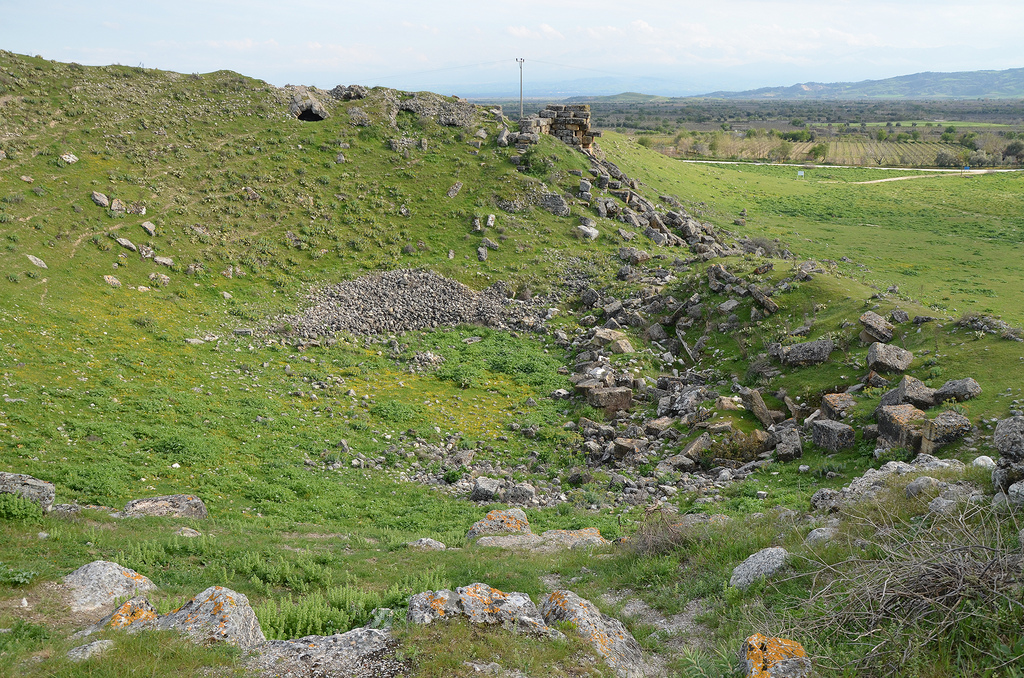
The theatre built on the natural hill with a slope of 50 degrees, it had a capacity of 8,000.
The Theatre was built on a natural hill with a 50-degree slope. It had a capacity of 8,000.
The Theatre was probably erected in the 2nd century AD.
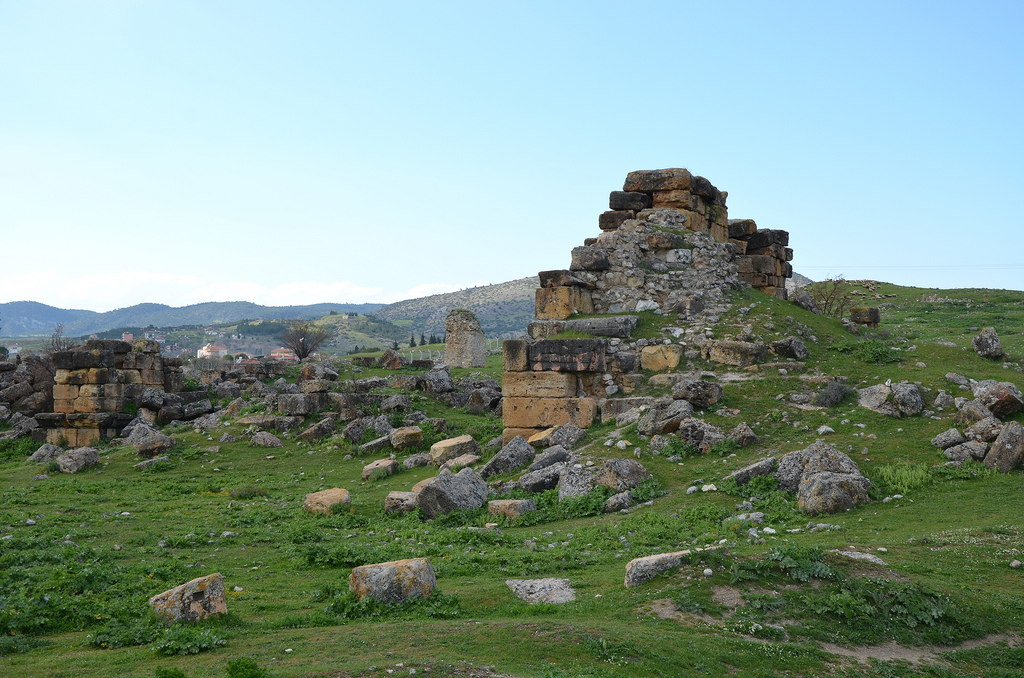
The ruins of the Bouleuterion (Council Hall).
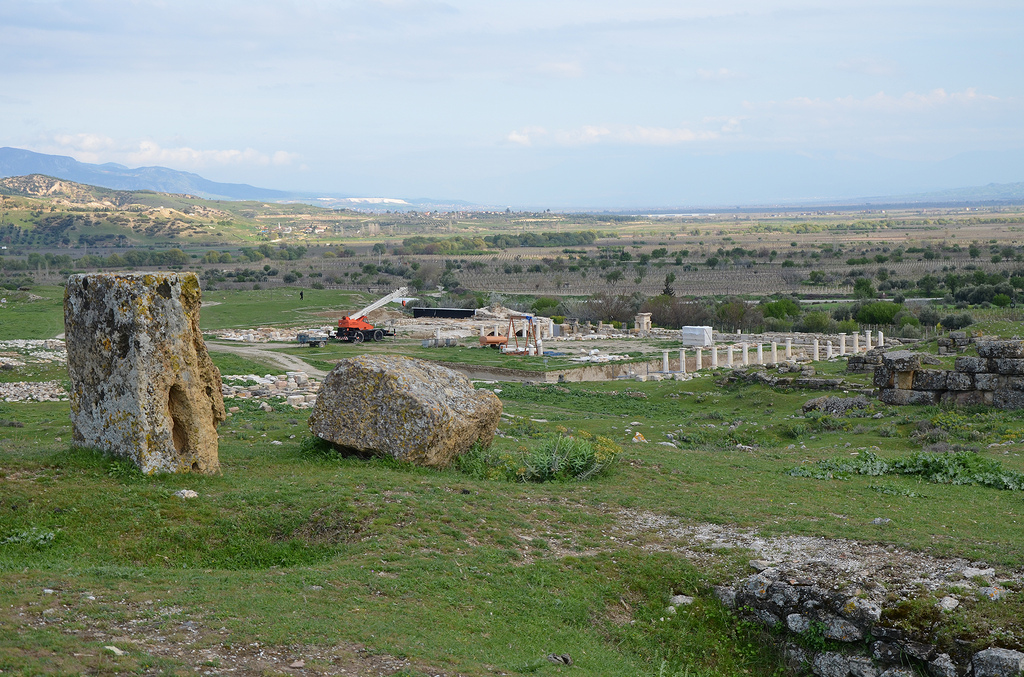
The excavations in 2015.

Links:

Iassos

Iassos was an ancient Greek city located in Caria on a small peninsula connected to the mainland by an isthmus. According to the historian Strabo, Iassos was well known for its fishing and had a harbour, making it an important commercial centre. Today, it is an extensive multi-period site located on the shores of the Gulf of Güllük, halfway between Didyma to the north and Halicarnassus to the south.

Coordinates: 37° 16′ 40″ N, 27° 35′ 11″ E

According to tradition, Iassos was colonised in the 9th or 8th century BC by Greeks from Argos (the Dorians). However, Archaeological evidence shows that the site had been inhabited since the Neolithic period and flourished as one of the major Minoan and Mycenaean settlements in Asia Minor. Prosperity continued throughout the Hellenistic, Roman, and Byzantine periods, with many of the remains visible today originating from these later eras.

Twentieth-century excavations have uncovered the Agora, dating back to the time of Hadrian and Antoninus Pius (AD 117 – 161), the bouleuterion (one of the best-preserved buildings in Iassos), temples, including a sanctuary dedicated to Artemis Astias (the patron goddess of the city), and numerous other buildings. Additionally, an impressive Roman-period funerary monument in the form of a Corinthian temple is located within the courtyard of the “Old Fish Market.” This site was restored in 1995 to serve as an open-air museum.

PORTFOLIO

The Bouleuterion, dated to around the end of the 1st century AD, it was constructed of local porous while the stairs and the floor were of marble, Iassos, Caria, Turkey
The Bouleuterion is dated to around the end of the 1st century AD. The structure measured 29,5 × 21,75 metres, while its capacity was estimated at 960.
The Bouleuterion, dated to around the end of the 1st century AD, it was constructed of local porous while the stairs and the floor were of marble, Iassos, Caria, Turkey
The scaenae frons of the Bouleuterion was two-storey high with Corinthian columns. It was decorated with Dionysiac scenes.
The orchestra of the Bouleuterion was decorated with opus sectile.
The Bouleuterion, dated to around the end of the 1st century AD, it was constructed of local porous while the stairs and the floor were of marble, Iassos, Caria, Turkey
The Agora was entirely reconstructed during Hadrian’s time. Its initial building must have started in the 4th century BC.
The Agora, reconstructed mainly during Hadrian’s time, its initial building must have started in the 4th century BC, Iassos, Caria, Turkey
The Agora. It had a rectangular shape, and it was surrounded by porticoes and temples.
The Agora, reconstructed mainly during Hadrian’s time, its initial building must have started in the 4th century BC, Iassos, Caria, Turkey
The Agora.
The Agora, reconstructed mainly during Hadrian’s time, its initial building must have started in the 4th century BC, Iassos, Caria, Turkey
The Agora.
The Sanctuary of Artemis Astias.
Iassos ruins.
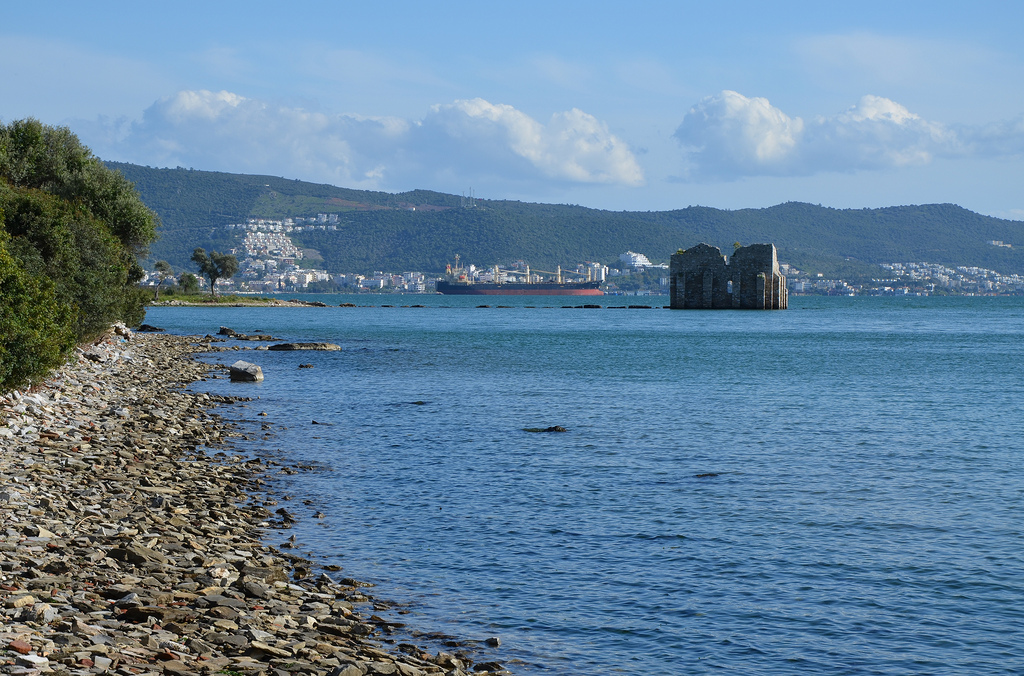
The western harbor with the ruins of a Byzantine Tower.
The western harbour with the ruins of a Byzantine Tower.
A monumental Roman tomb from Iassos Caria, it had the appearance of a small Corinthian temple on a very high podium , Iassos Museum, Caria, Turkey
A monumental Roman tomb from Iassos. It had the appearance of a small Corinthian temple on a very high podium (Iassos Museum).

Links: