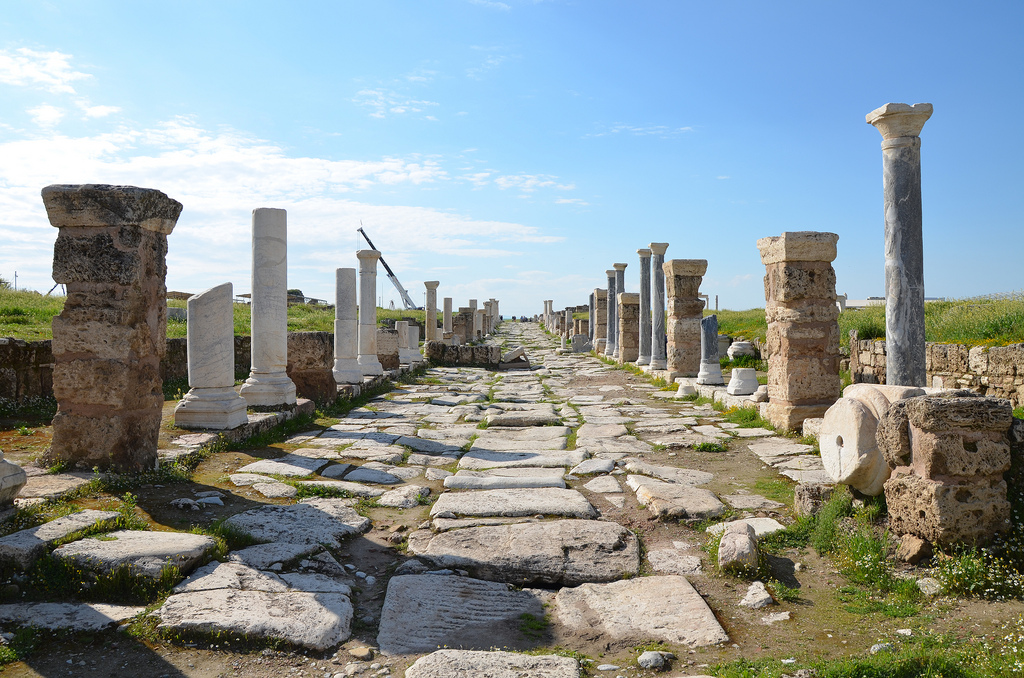
Laodicea on the Lycus (Latin: Laodicea ad Lycum) is an ancient city located in present-day western Turkey, near the modern town of Denizli. Founded in the 3rd century BC along the river Lycus by Seleucid King Antiochus II, the city was named in honour of his wife, Laodice. It became one of the most important and prosperous commercial centres in Asia Minor, situated on the trade route from the East, and was well-known for its woollen and cotton textiles. Laodicea is mentioned as one of the Seven Churches in the Book of Revelation (1:11, 3:14-22) and is also referenced in Paul’s letter to the Colossians (4:16). In 2013, the site was added to UNESCO’s World Heritage Tentative List.
Coordinates: 37° 50′ 9″ N, 29° 6′ 27″ E
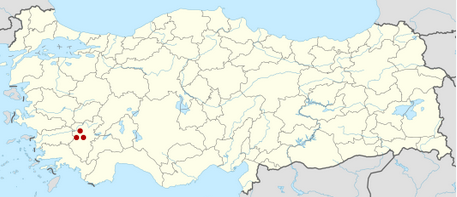
Laodicea was built on a high plateau overlooking the Lycus River Valley and covered more than five square kilometres. Excavations have revealed that the town was continuously inhabited from the Chalcolithic Period (around 5500 BC) until the 7th century AD. The settlement was originally known as Rhoas (located on Asopos Hill), then as Diopolis (meaning City of Zeus), and finally as Laodicea (Laodikeia). In 188 BC, the city became part of the Kingdom of Pergamon and later came under Roman control in 133 BC when the last king of Pergamon, Attalus III, bequeathed his entire empire to Rome. Cicero, the renowned Roman orator and statesman, served as the governor of the province, primarily residing in Laodicea. In 60 BC, during Nero’s reign, the city was devastated by a powerful earthquake but was subsequently rebuilt. Laodicea experienced a resurgence during the early 2nd century AD and once again in the 3rd century AD, under the rule of Roman emperors Hadrian and Caracalla.
Laodicea became an important commercial centre thanks to its location on the crossroads of major trade routes: north-south between Sardis and Perga and east-west from the Euphrates to Ephesus. The most important trade was textiles. Besides, marble, grain and livestock commerce also provided an essential income to the city. The land surrounding Laodicea was fertile, providing excellent pastures for large flocks of sheep.
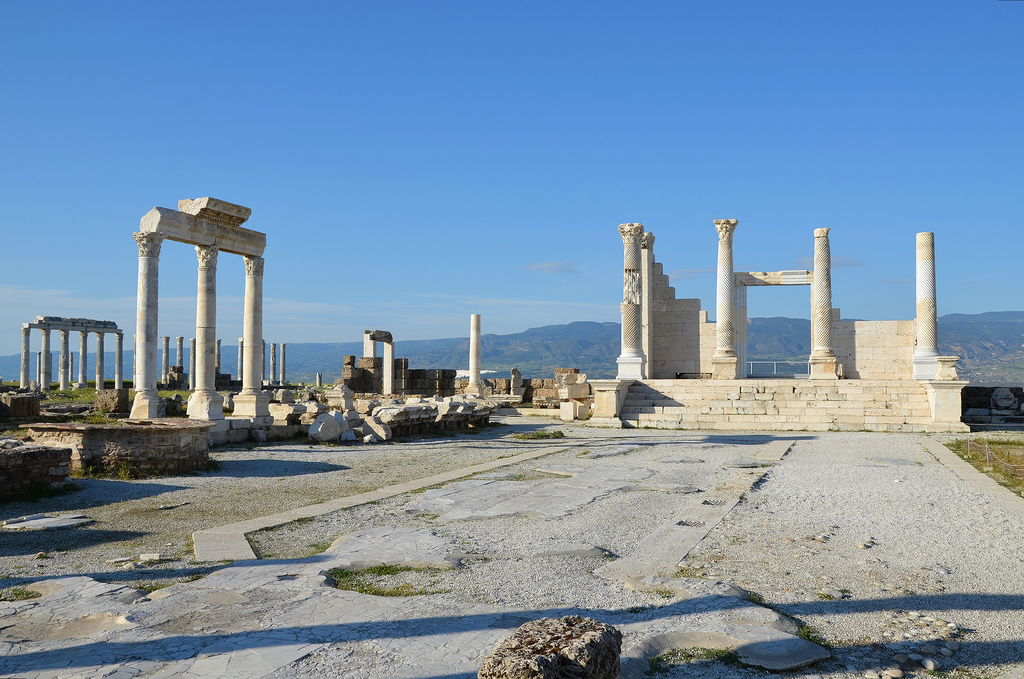
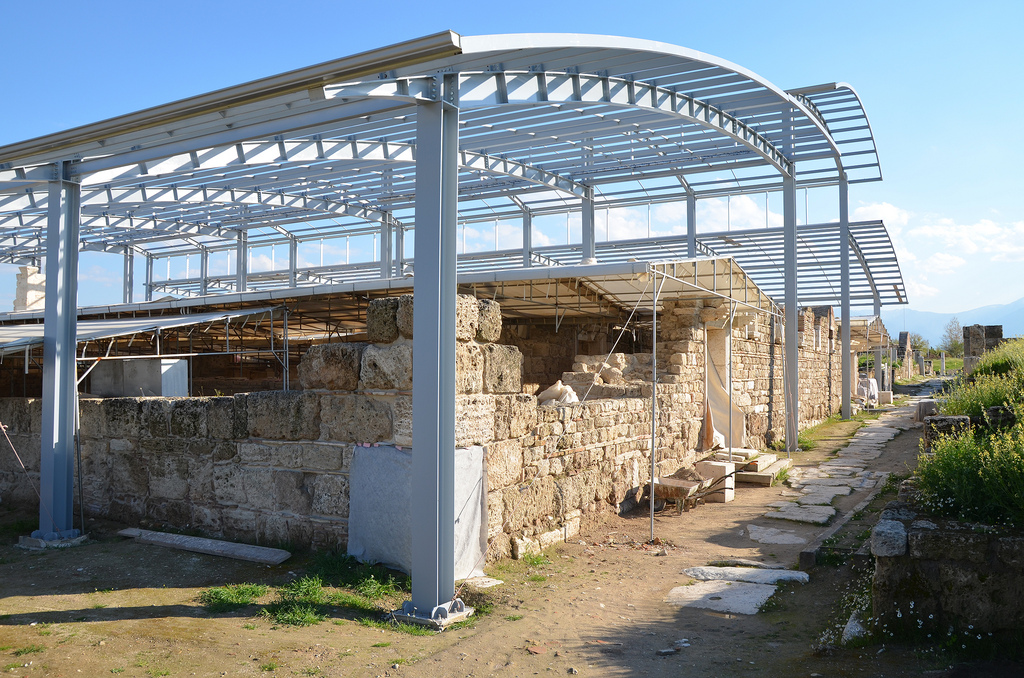
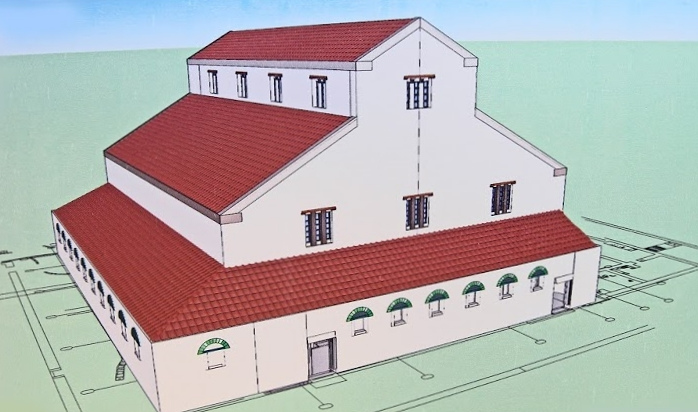
The city gained prominence as a Christian centre and as a place of religious pilgrimage in the Early Byzantine Period. Extant churches among the ruins date from the 4th to the 7th centuries AD. In 2010, a well-preserved church built during the reign of Constantine the Great was discovered using ground-penetrating radar. The excavations and restorations of this large basilica have been nearly completed over the past two years. By the end of the 5th century AD, a powerful earthquake devastated Laodicea, leading to a decline in its importance. The city was never rebuilt, and its inhabitants relocated to nearby cities such as Denizli.
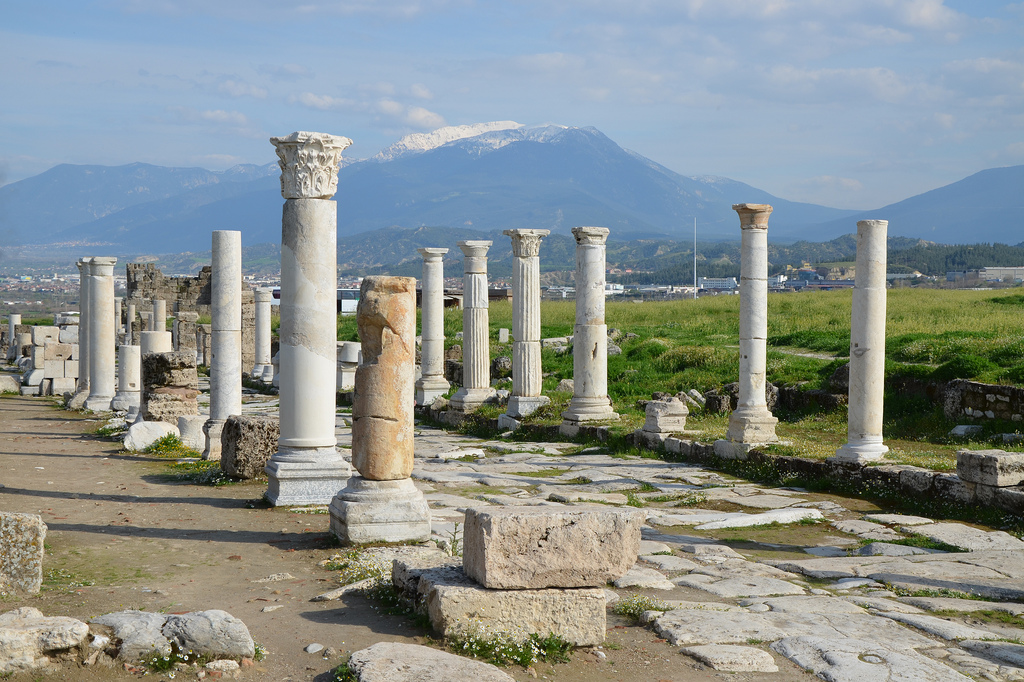
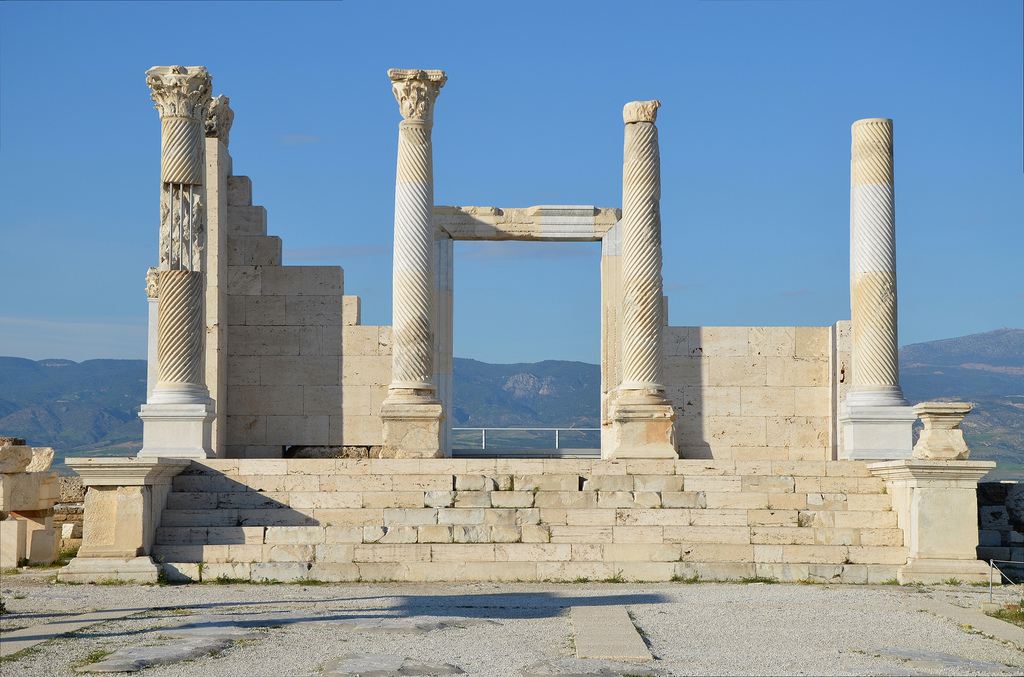
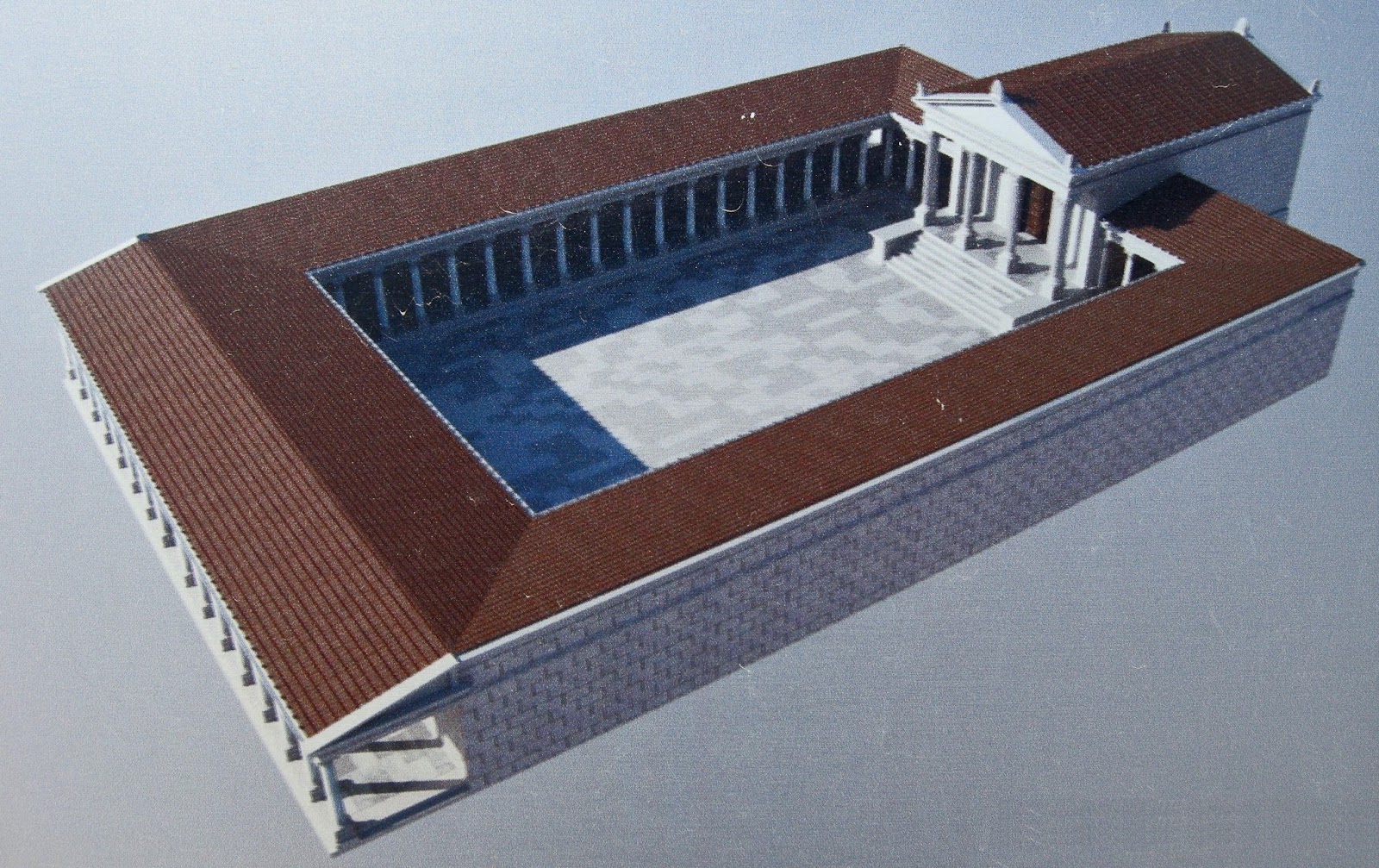
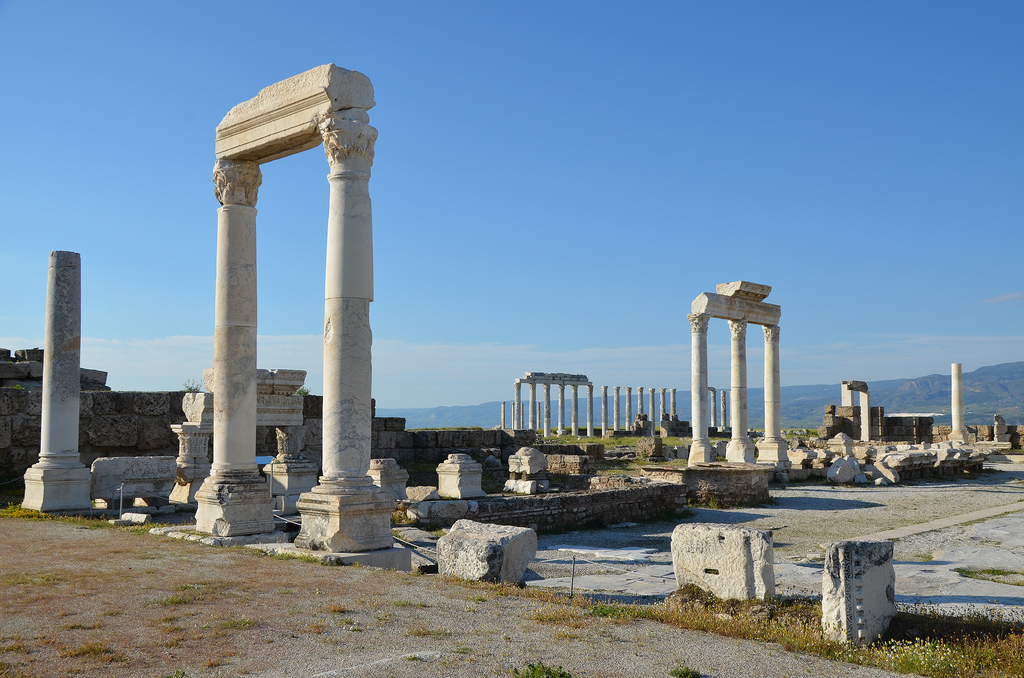
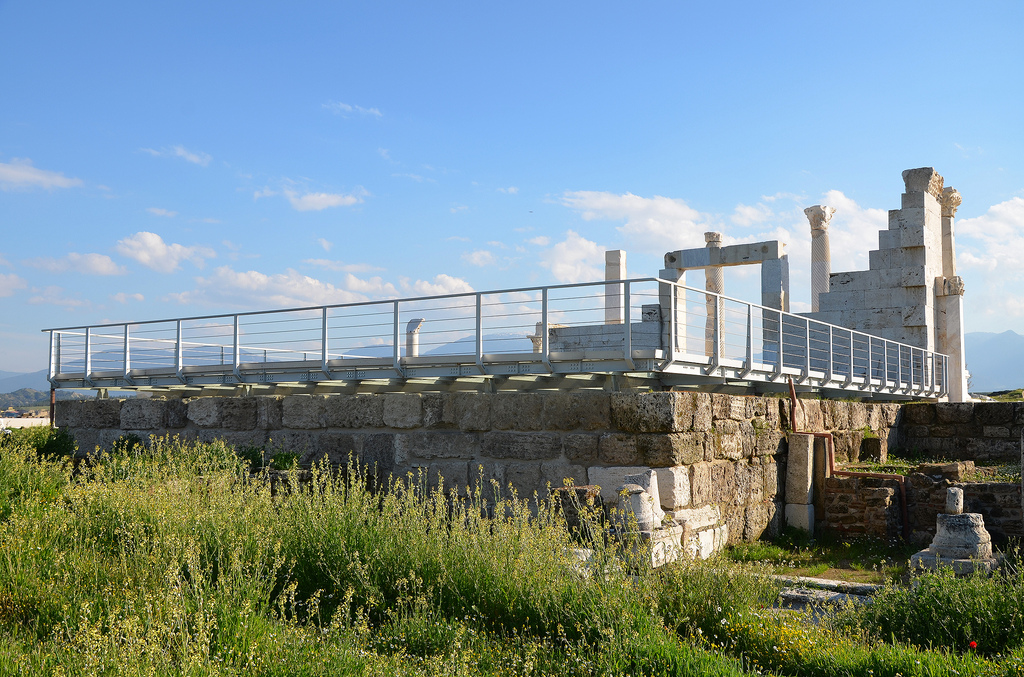
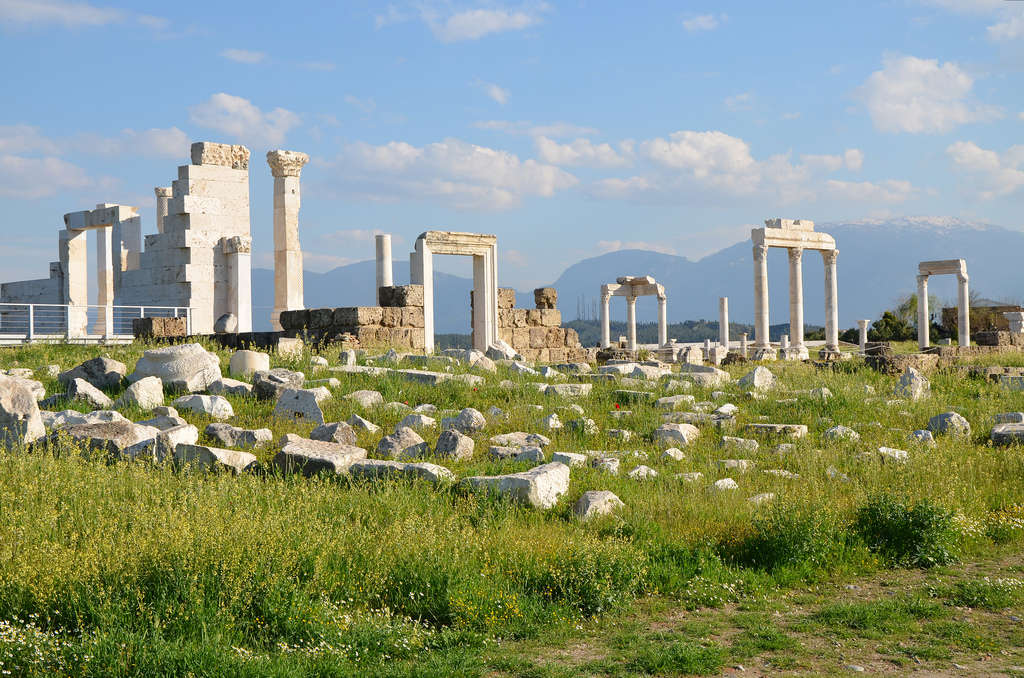
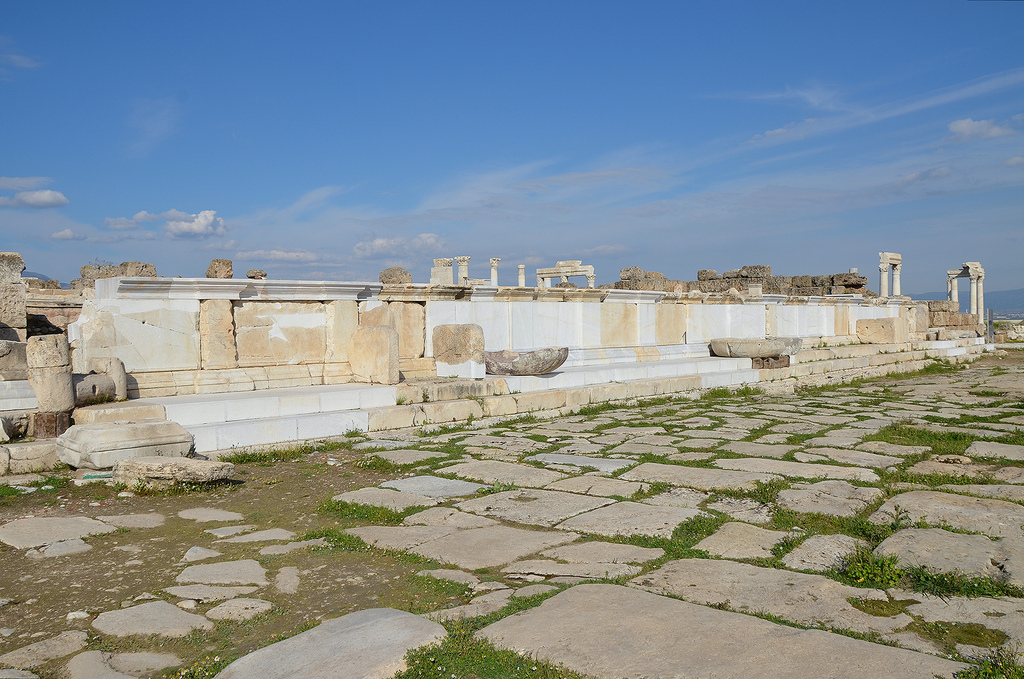
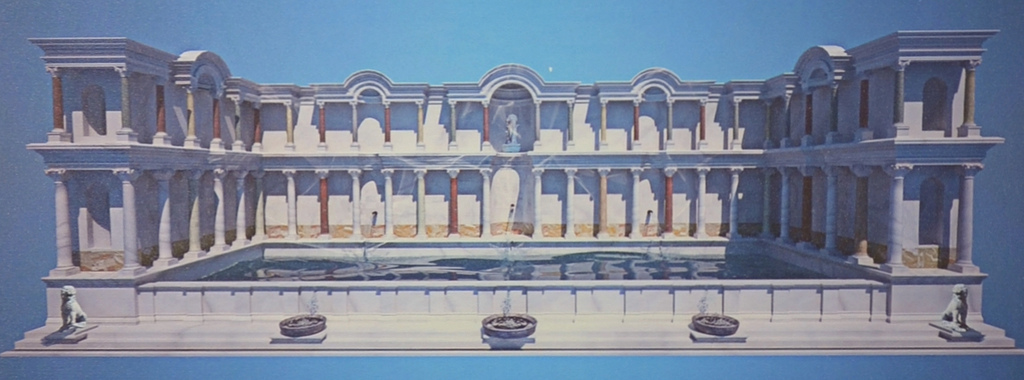
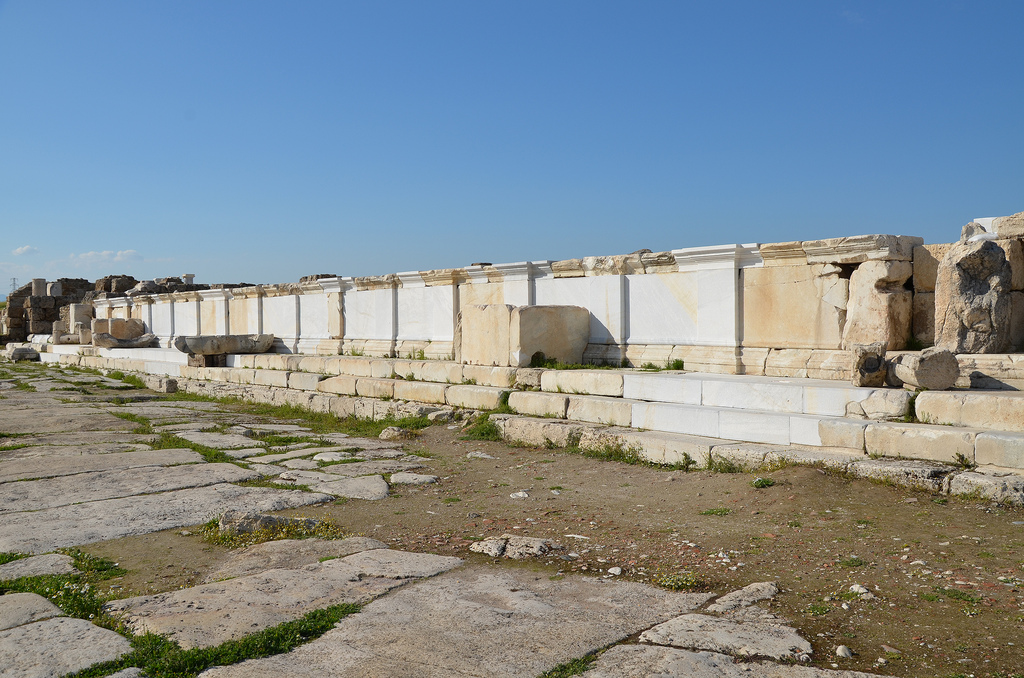
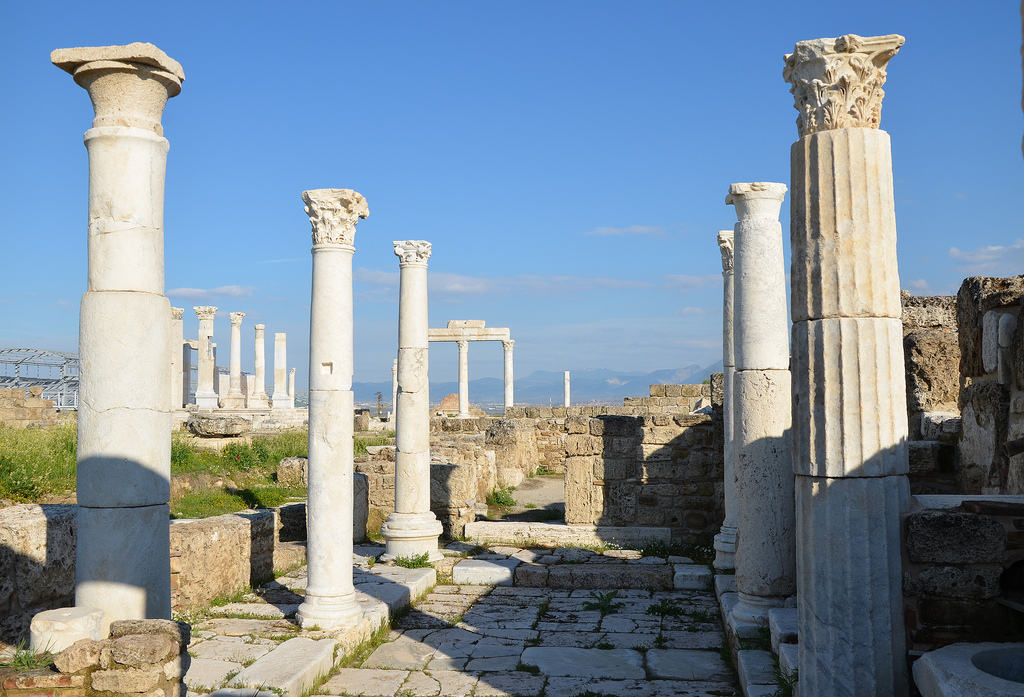
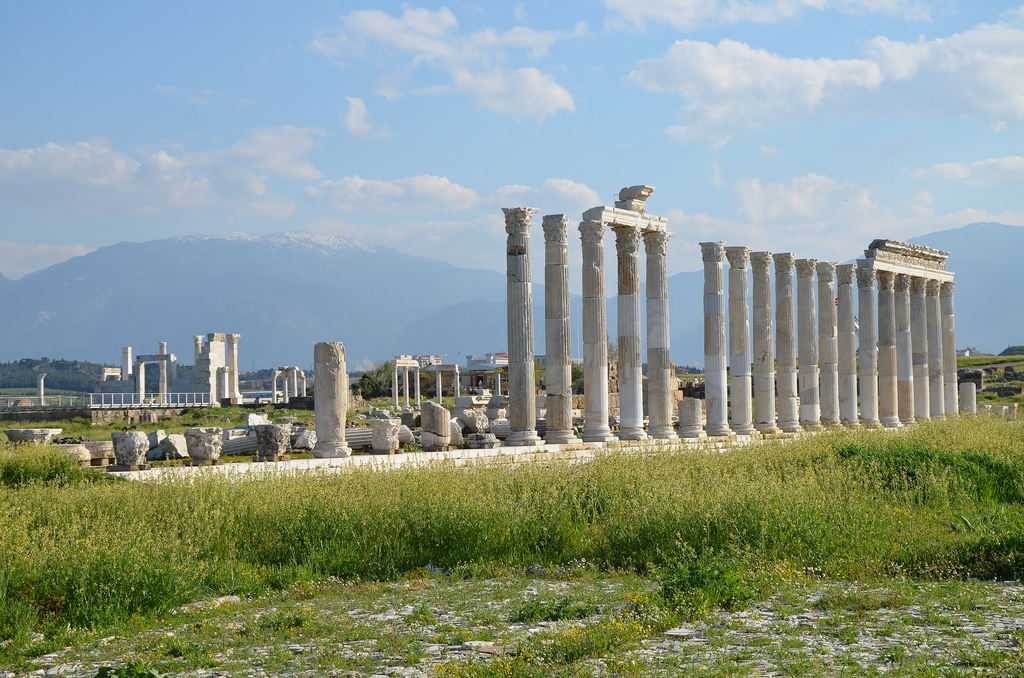
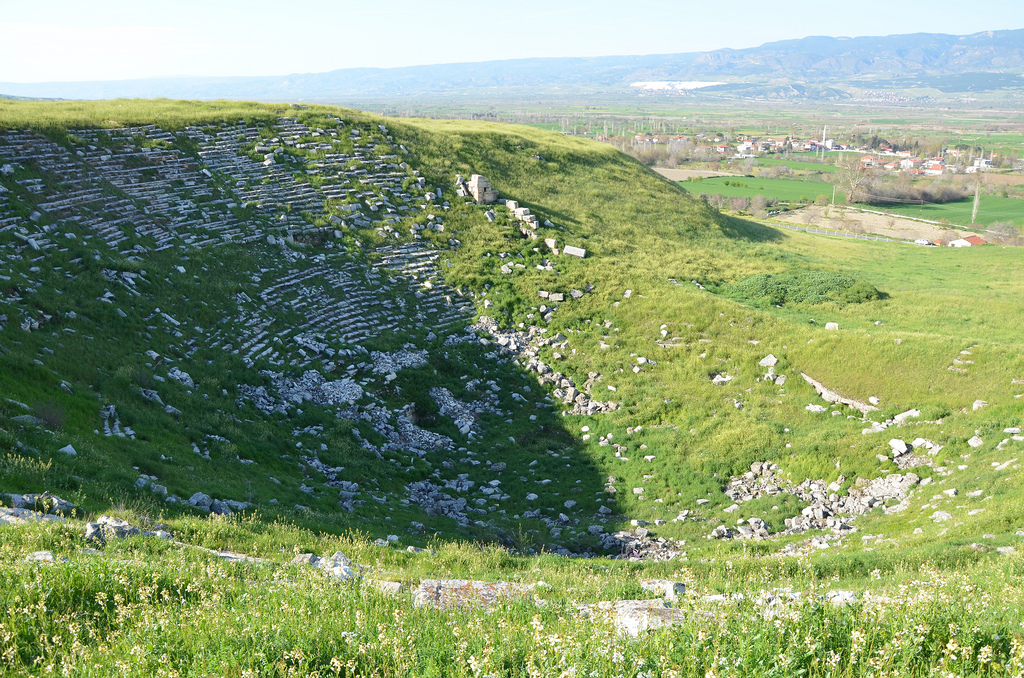
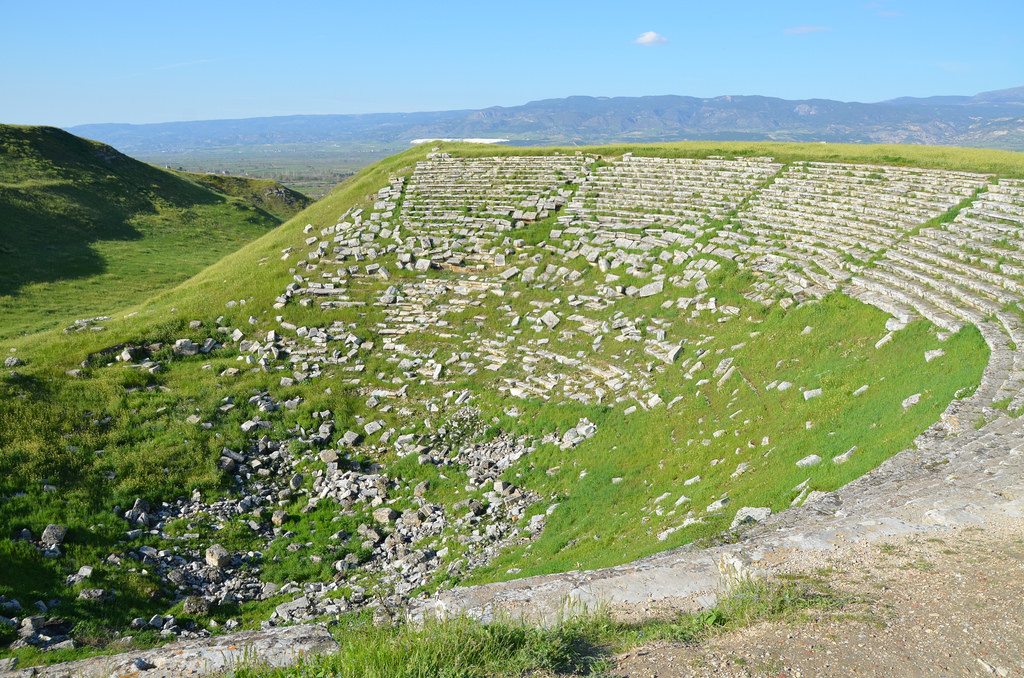
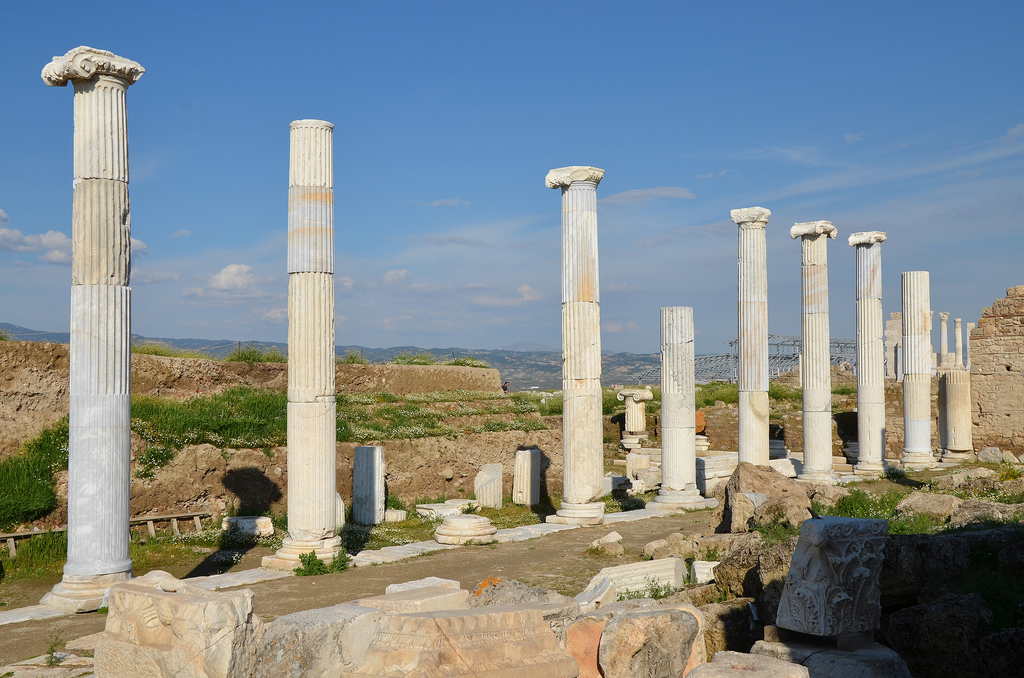
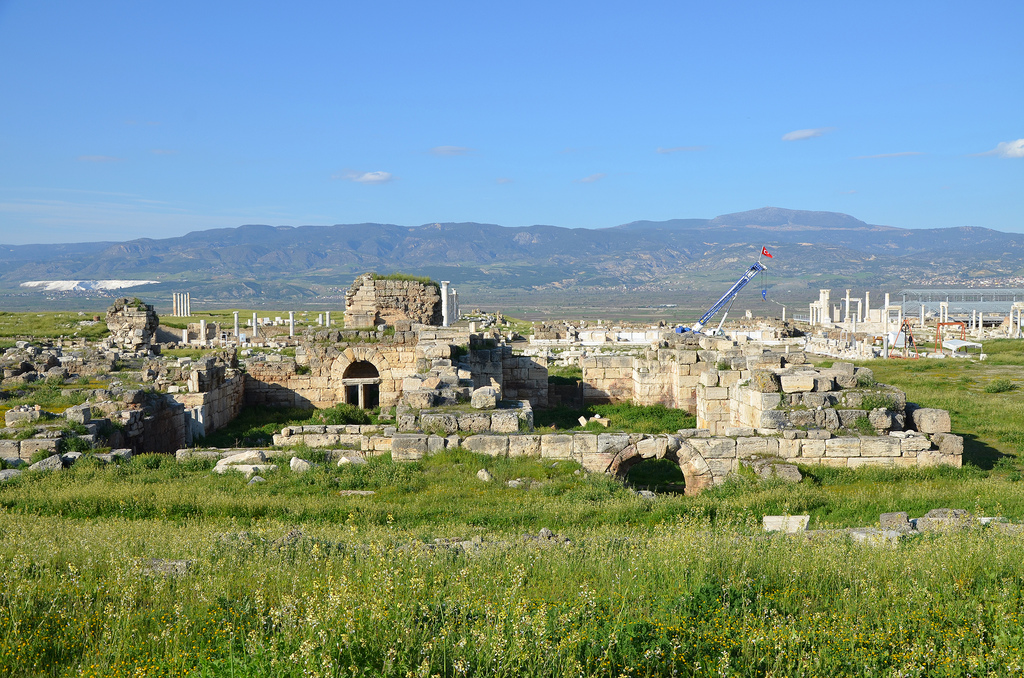
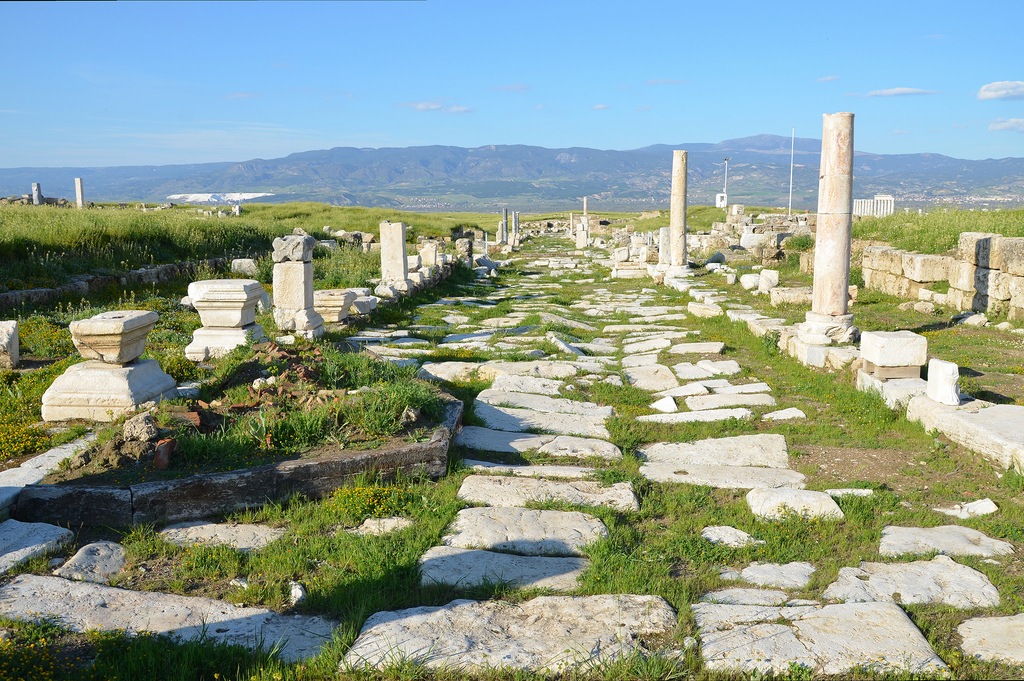
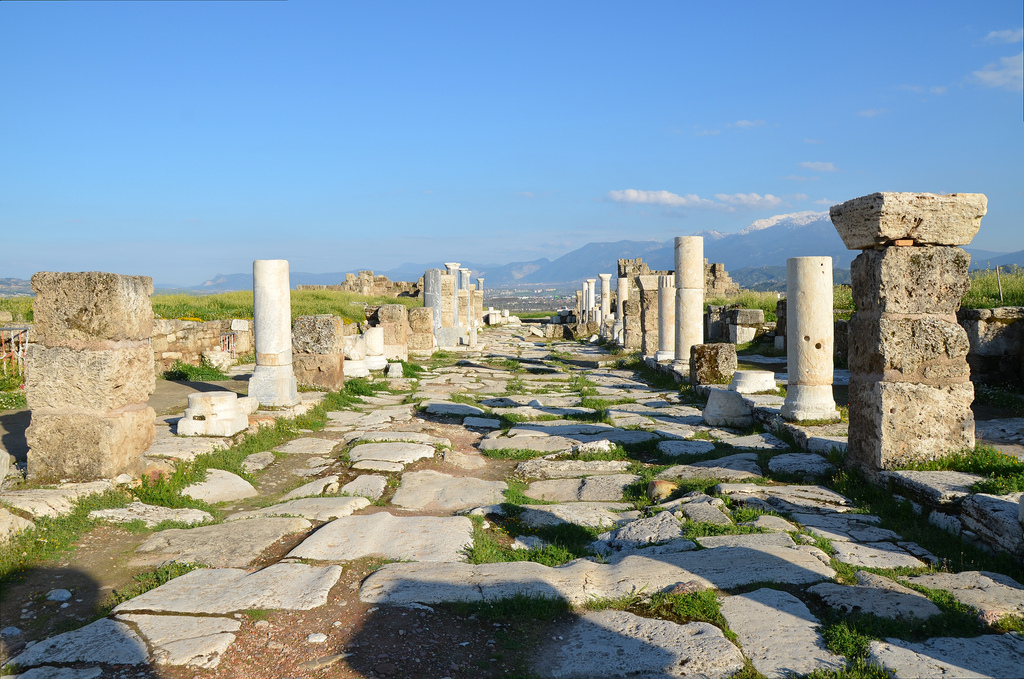
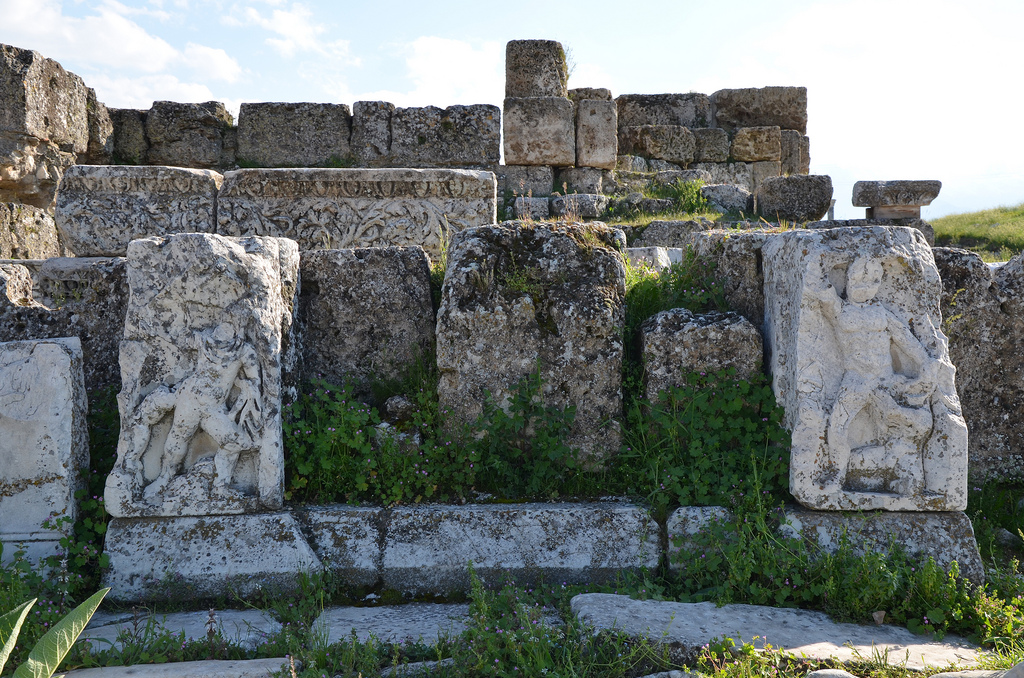
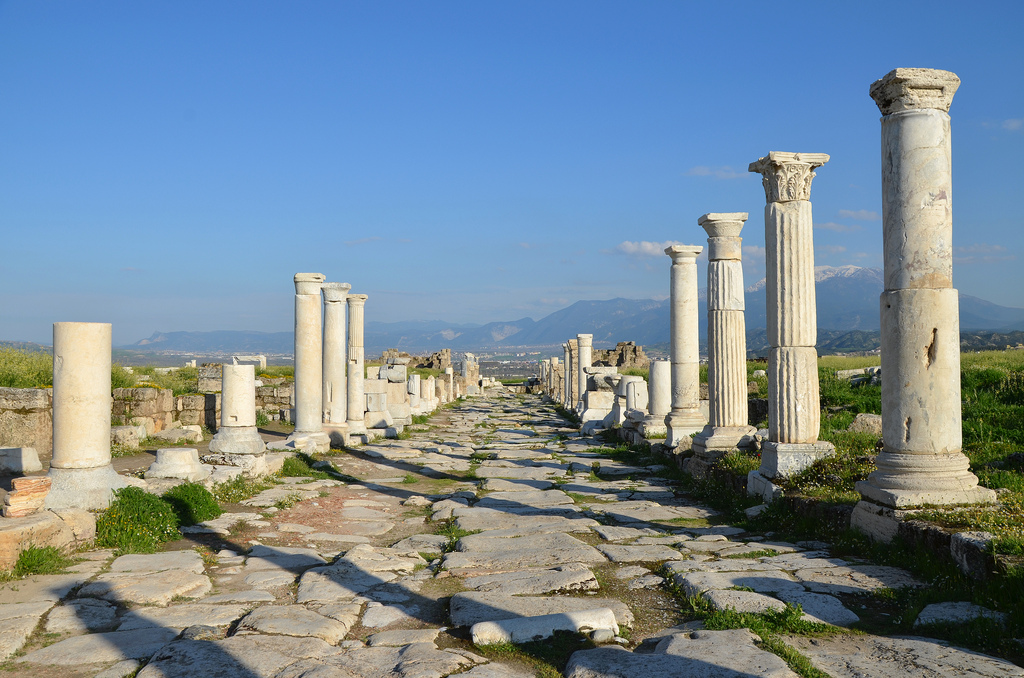
Today, Laodicea boasts impressive remains of the ancient city, including two theatres, the biggest stadium of Anatolia, four bath complexes, five agoras, five nymphaea, temples, churches and monumental colonnaded streets. Over the past seven years, excavation work in the ancient city has uncovered approximately 2,300 artefacts, including the Laodicean Church, the monumental columns of the Sacred Agora, and a marble block inscribed with a “water law” that dates back to AD 114. Restoration of the Western (Hellenistic) Theatre is currently in progress and is expected to be completed by the end of 2020. Additionally, a three-meter-high statue of Emperor Trajan was discovered in 2019. The statue depicts Trajan in full military regalia, towering over a much smaller figure of a prisoner.
PORTFOLIO
Links:
 following hadrian photography