The remains of Kourion (Curium in Latin), the best-preserved Graeco-Roman city on Cyprus, stand atop a cliff overlooking the Mediterranean Sea. According to legend, the ancient city was founded by Achaean colonists from Argos in the Peloponnese. The town prospered under the Ptolemies and the Romans, becoming an important cultural and religious centre with the nearby Sanctuary of Apollo Hylates. Christianity was established at Kourion by the beginning of the 3rd century AD and eventually supplanted the worship of the pagan god Apollo.
Like all other coastal cities on the island, Kourion was ruined by the disastrous earthquakes of the late 4th century AD. The city was rebuilt at the beginning of the 5th century, only to be destroyed by fire during the Arab raids of the 7th century AD. Kourion declined and was finally abandoned, its inhabitants having moved to a new site two kilometres east (the modern village of Episkopi). Kourion was not rediscovered until 1820, while systematic excavations began in 1934.
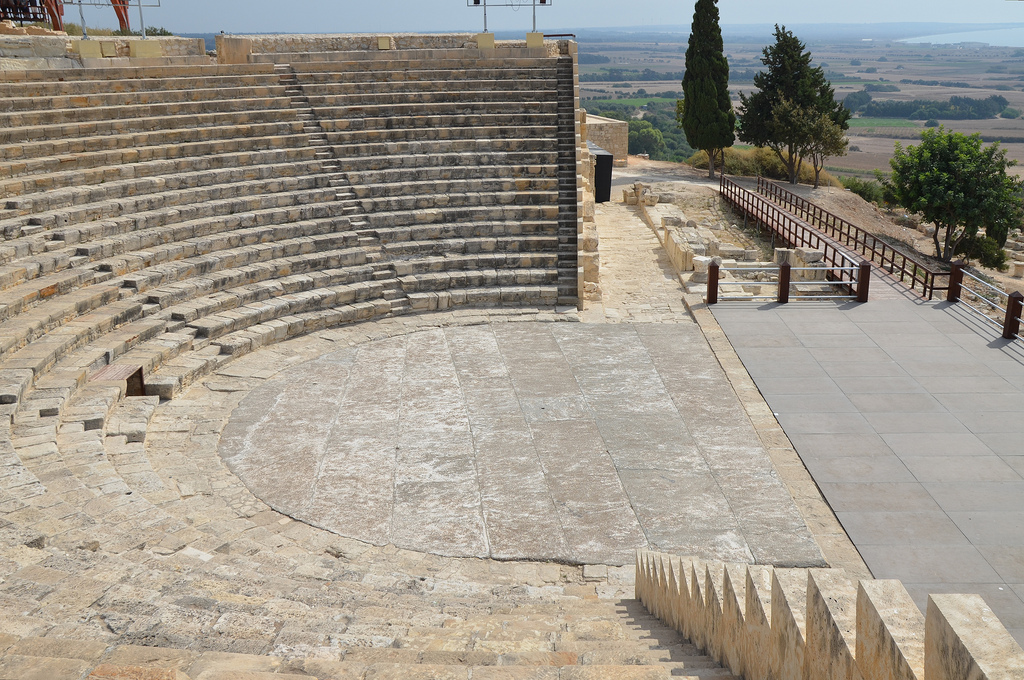
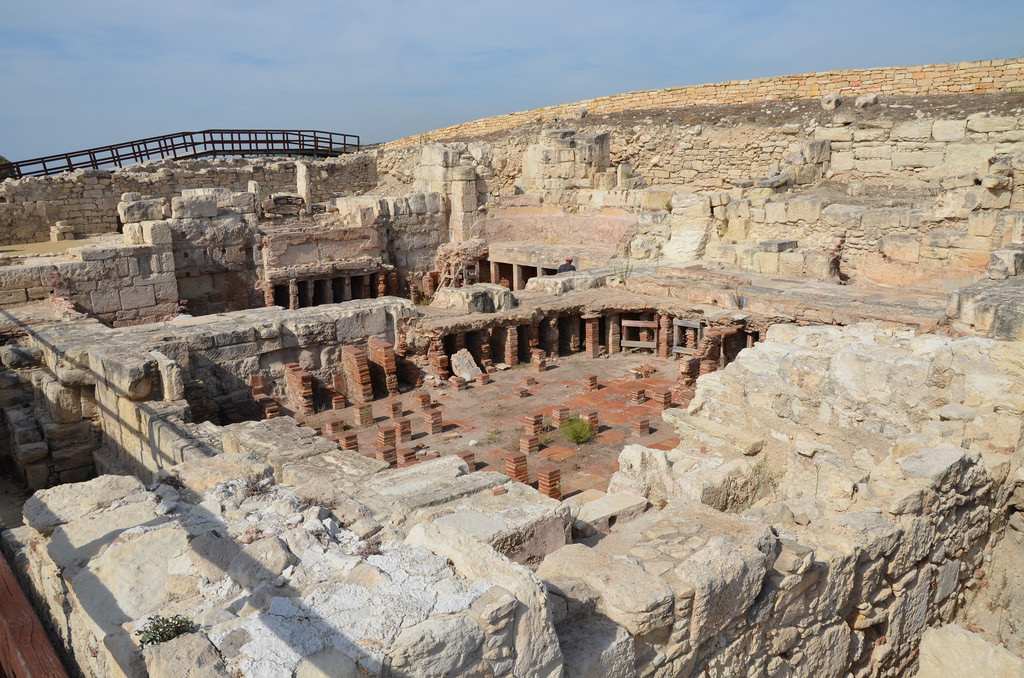
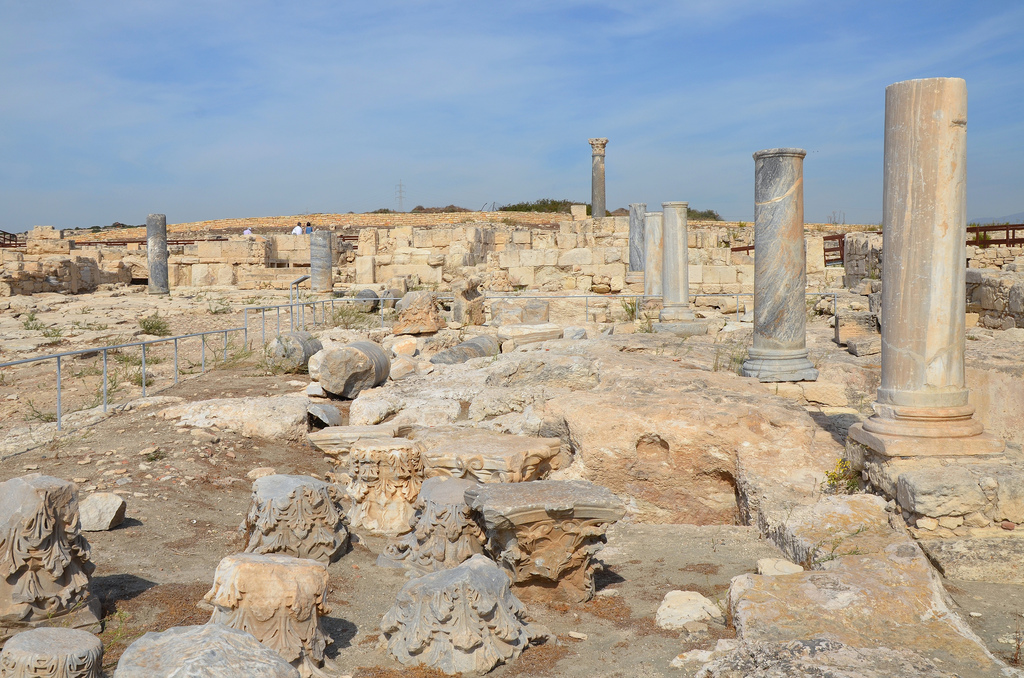
The excavated remains at Kourion lie about 19 km west of Limassol on the road to Paphos. Visitors can wander around impressive ruins, including the theatre, the House of Eustolios, the Early Christian Basilica, the Forum, the public baths, and other houses with fascinating mosaics. Apart from the basilica and the House of Eustolios, all the other buildings belong to the Roman period.
PORTFOLIO
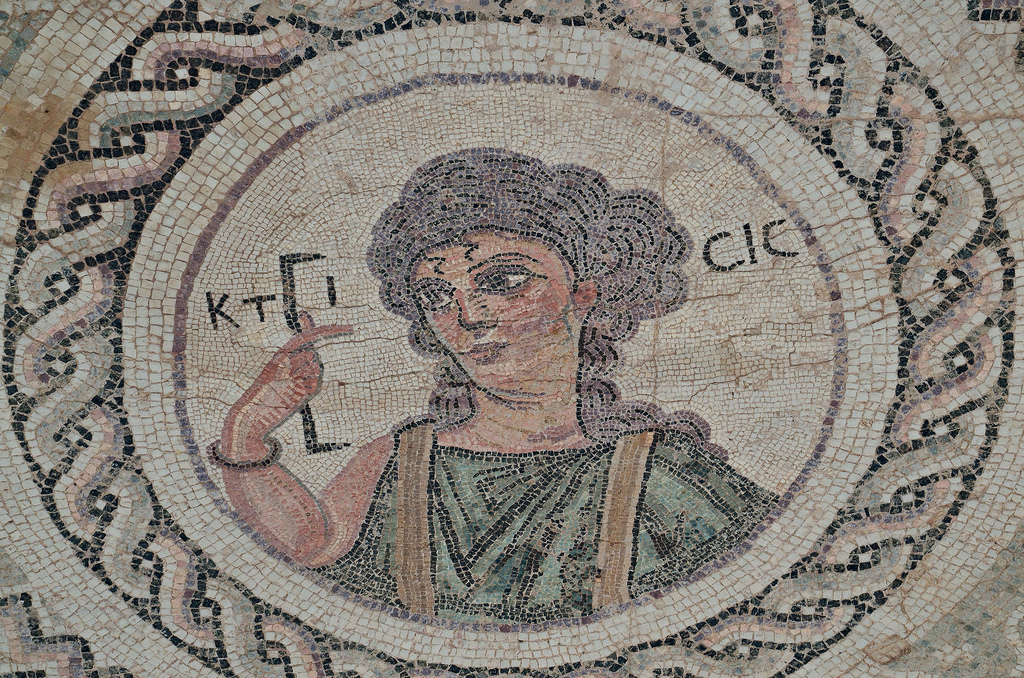
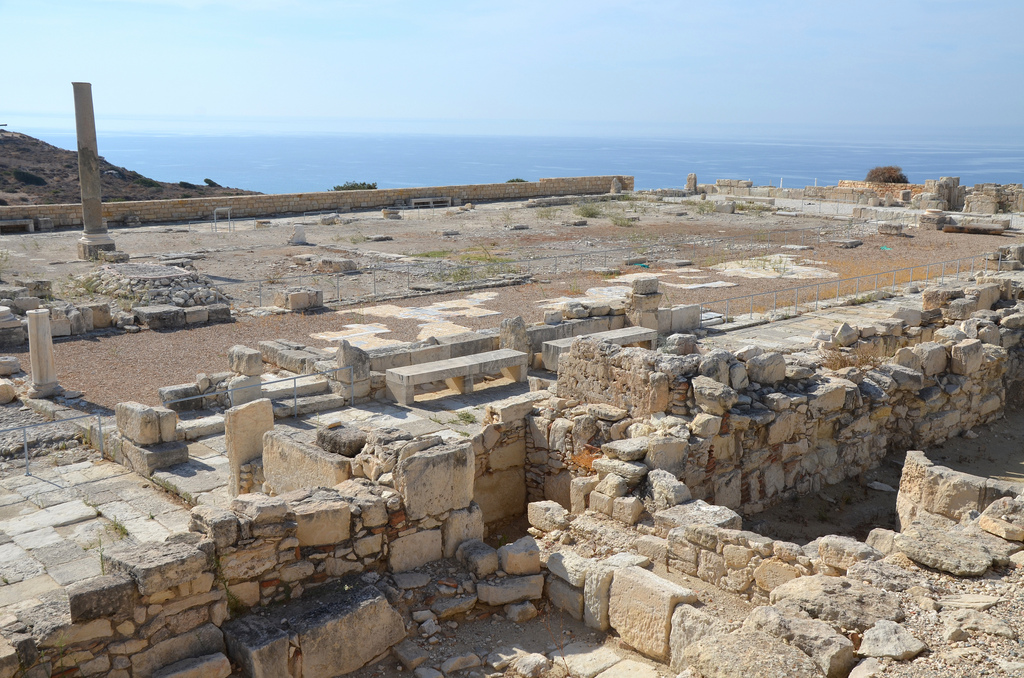
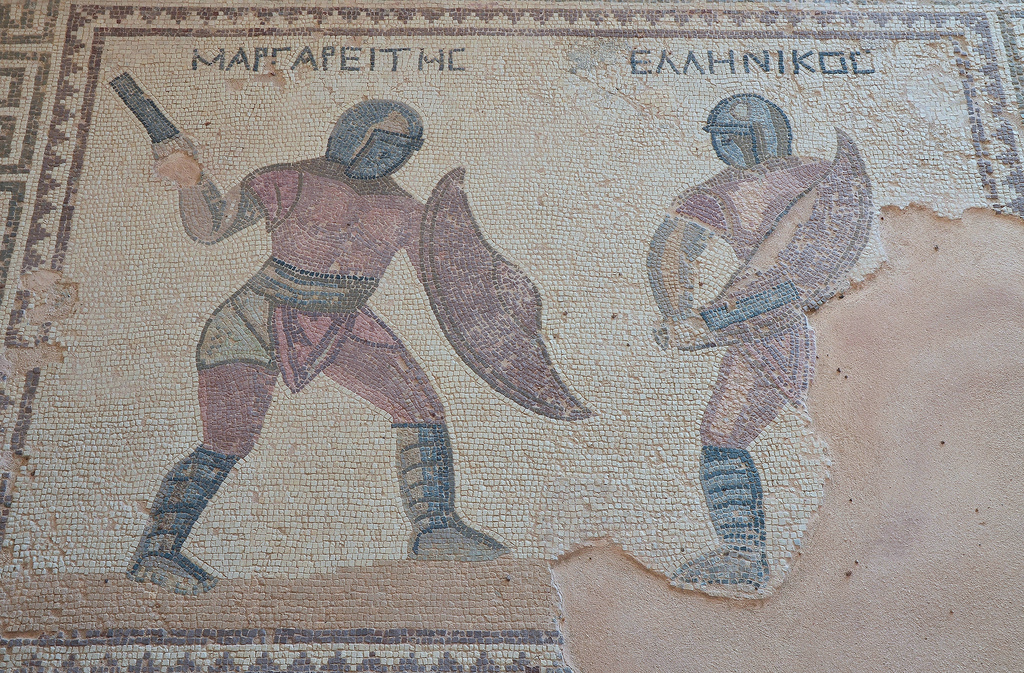
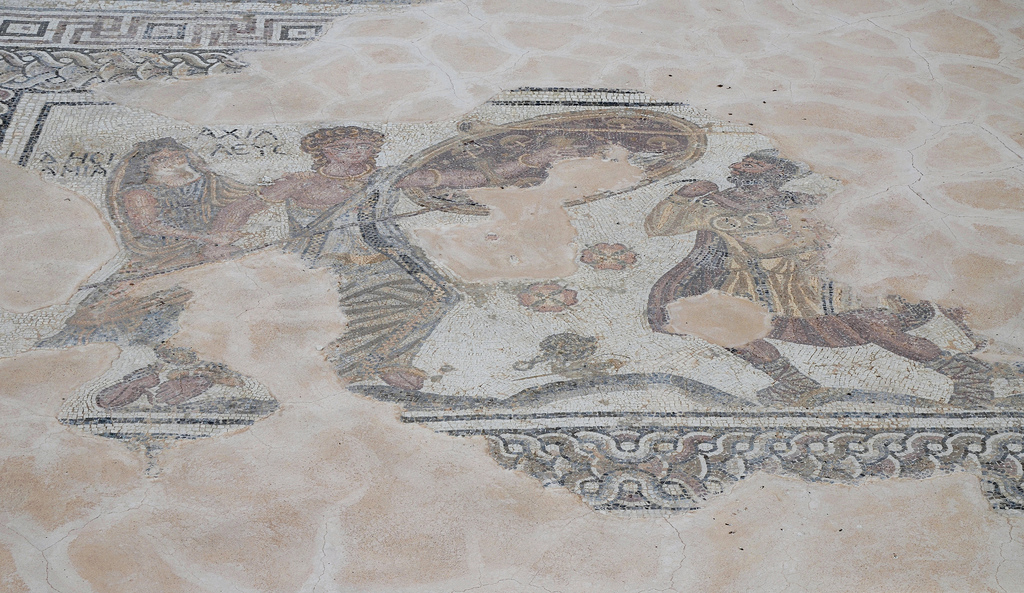
The Roman theatre was built over an earlier Hellenistic theatre. It was remodelled in the 1st and 2nd centuries, and in the 3rd century, it was used as an arena.The Roman theatre.The Byzantine mosaic emblema in the House of Eustolios depicts a young woman in a medallion holding a measuring instrument equating to a Roman foot. The Greek inscription identifies her as Ktisis, the personification of Foundation/Donation/Creation.The Early Christian Basilica, dating to the beginning of the 5th century AD.The Early Christian Basilica.The Early Christian Basilica.The tepidarium (warm room) and the caldarium (hot room) of the public baths.The remains of the portico of the Roman Forum, with unfluted columns and Corinthian capitals, date to the Severan era (193-235 AD).A mosaic in the House of the Gladiators depicts two gladiators in combat. Their Greek names are listed above: Margarites (left) and Hellenikos (right), late 3rd century AD.Mosaic in the House of the Gladiators depicting gladiators separated by a referee, late-3rd century AD.Mosaic floor depicting the unmasking of Achilles by Odysseus on the island of Skyros, 4th century AD.The 186m long stadium, constructed during the Antonine period (138-180), had a capacity of 6,000 spectators.
Once a thriving port city and an important Greek city-state on the eastern shore of Cyprus, Salamis offers a tantalising glimpse into the island’s vast history. According to ancient Greek tradition, Salamis was founded after the Trojan War by the archer Teukros, son of King Telamon. The latter came from the island of Salamis off the coast of Attica. Half-brother to the hero Ajax, Teukros, was unable to return home from the war after failing to prevent his half-brother’s suicide, leading him to flee to Cyprus, where he founded Salamis.
Successively controlled by various dominant powers, Salamis served as the island’s main port and capital for a thousand years. The city saw great wealth and dominated the island until its near-destruction in the 4th century AD following a series of earthquakes. Most of the ruins we see today are from the Roman period. Set along the seashore, they cover an area over one kilometre long. Among the many impressive sights to be seen at Salamis are the Gymnasium devoted to the training of athletes, the Roman baths, the theatre and the basilicas.
For over a thousand years, Salamis lay buried beneath a thick layer of sand, which helped preserve the city from looting and destruction.
PORTFOLIO
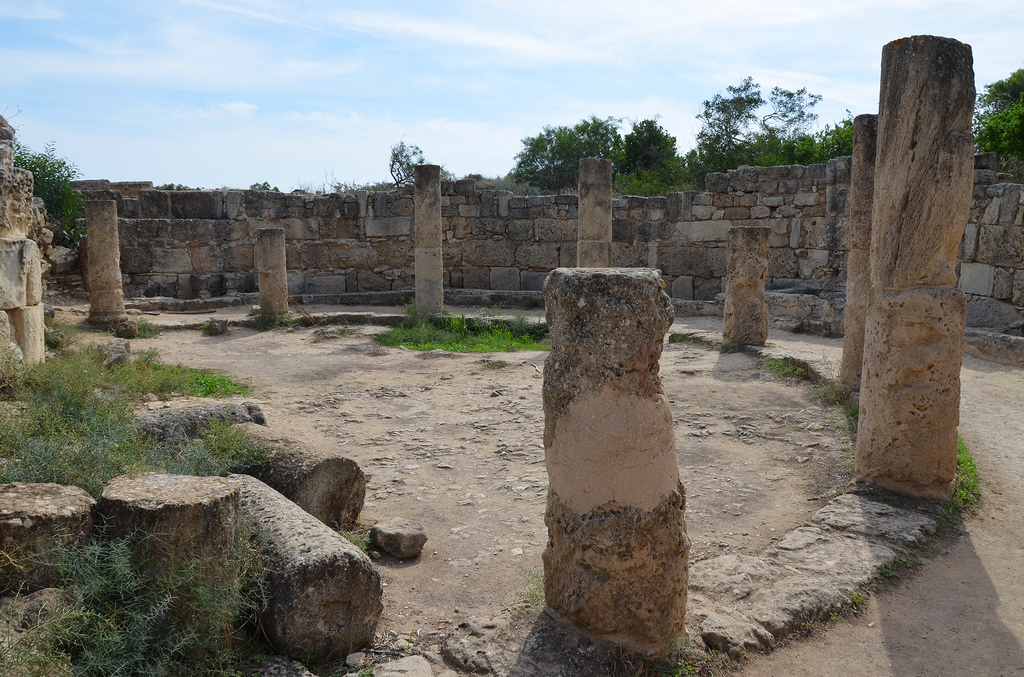
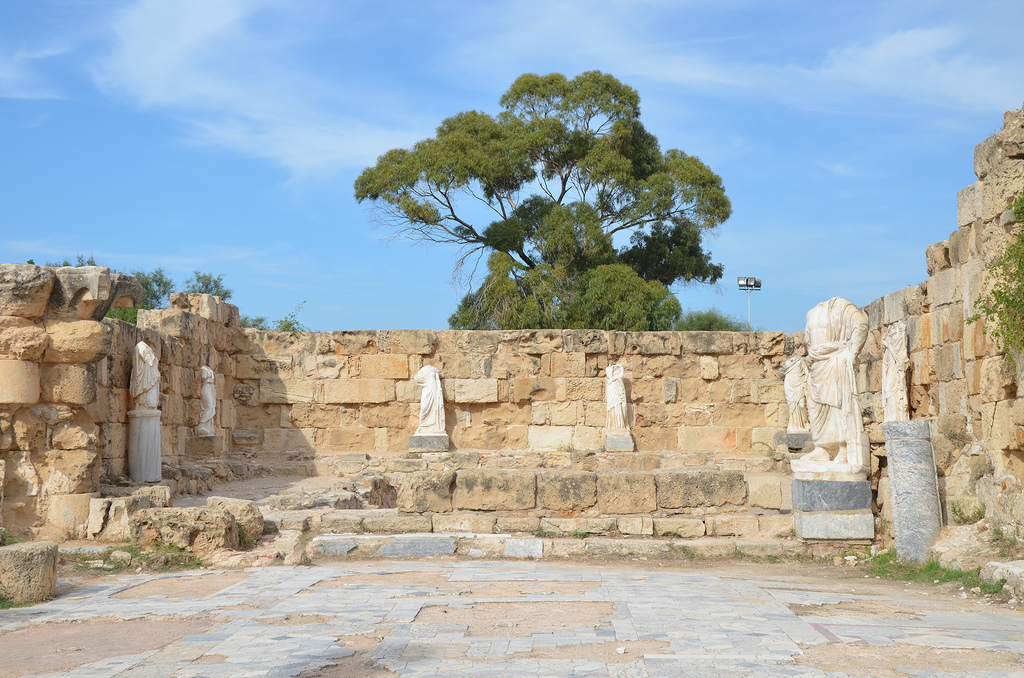
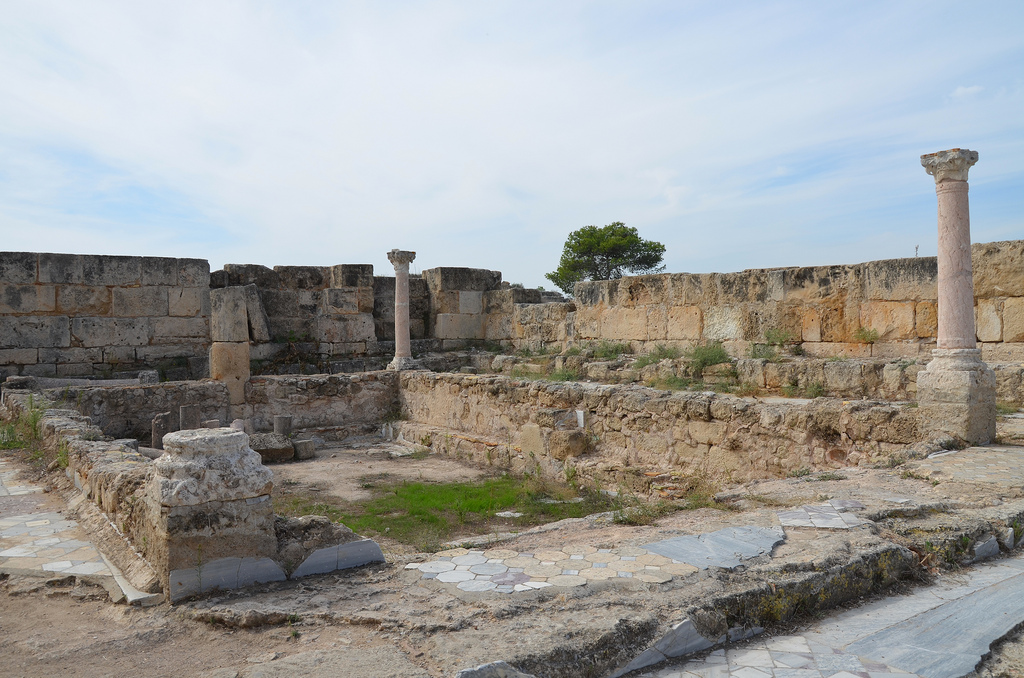
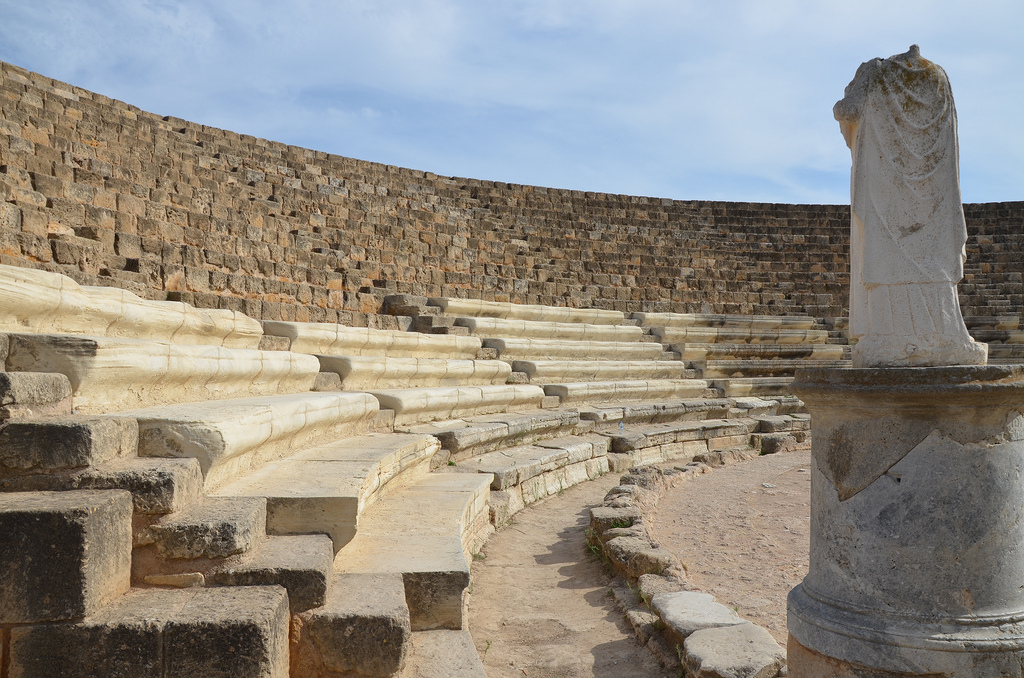
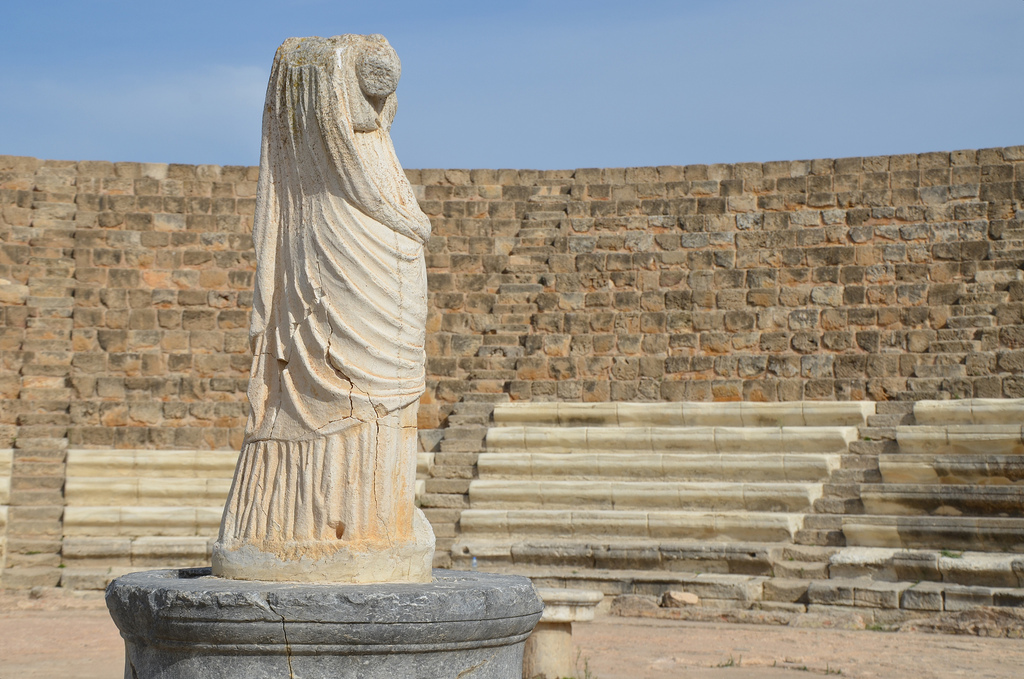
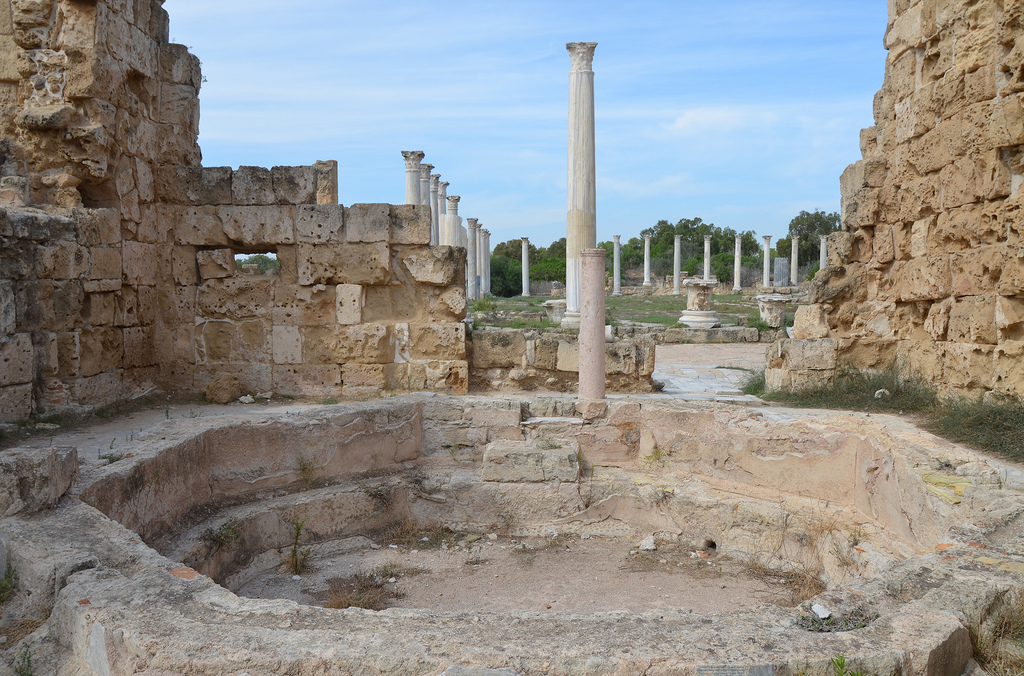
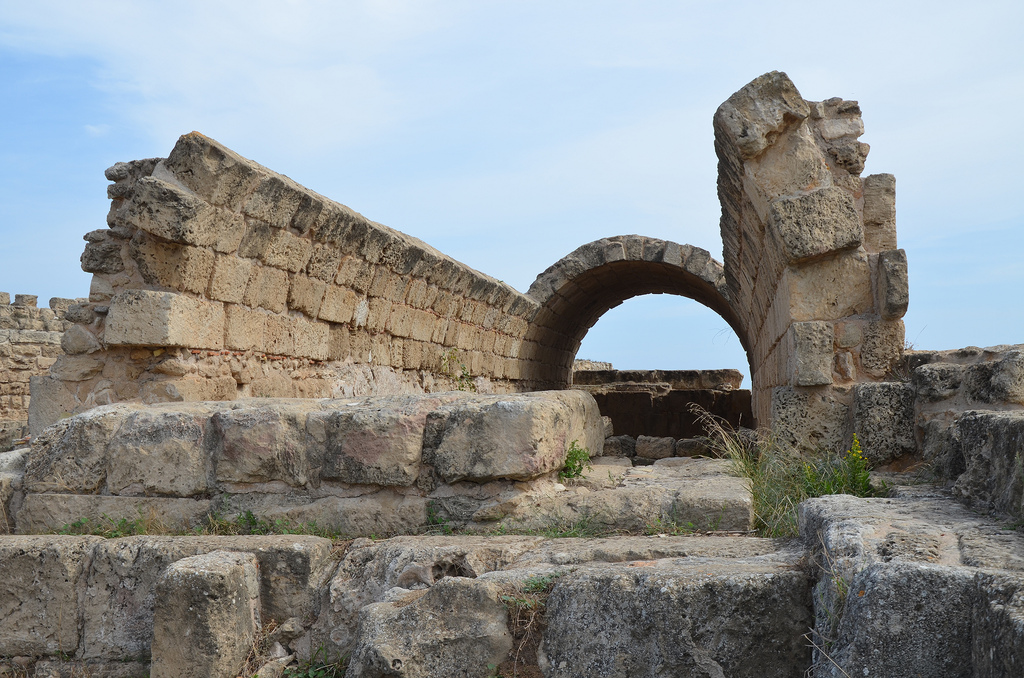
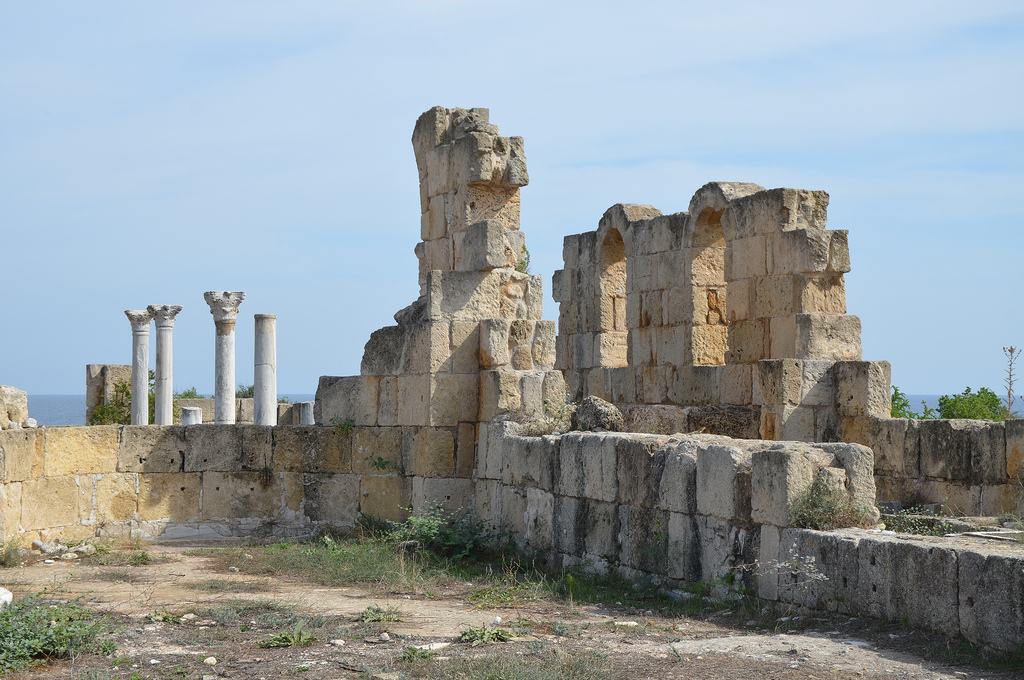
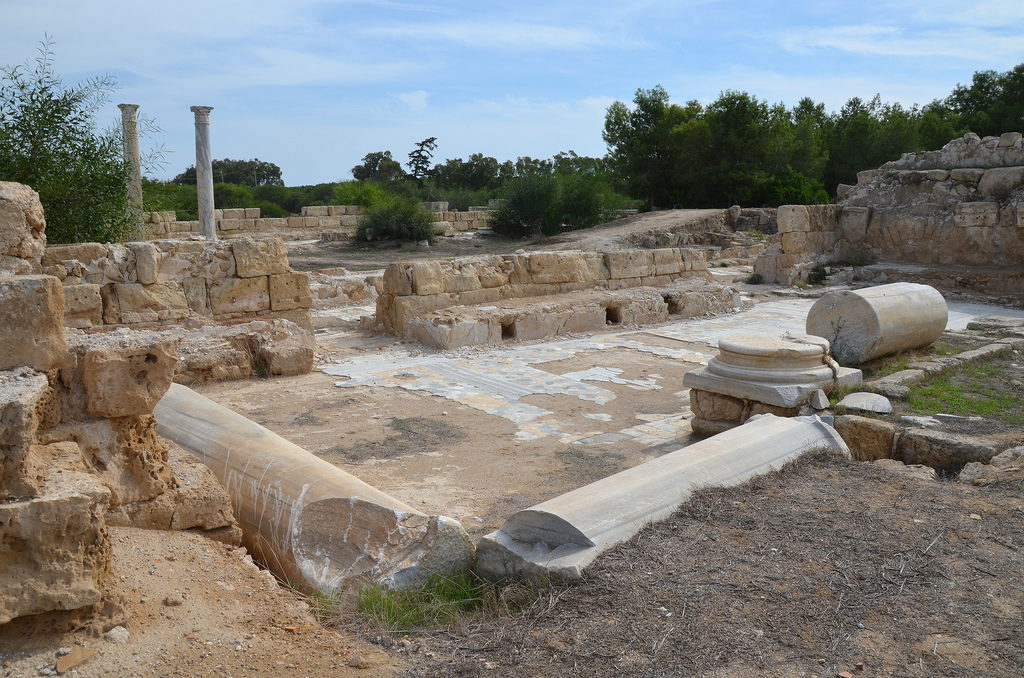
The Gymnasium, with its colonnaded palaestra, was built over the ruins of an earlier Hellenistic gymnasium in the 2nd century AD during Trajan and Hadrian’s reigns after Salamis had significantly been damaged in AD 116 during the Jewish revolt.The Gymnasium with its columned palaestra.The Gymnasium with its columned palaestra.The Gymnasium’s latrines were a semicircular structure with a roof supported on columns and a capacity of 44 people.The marble pool at the NE corner of the Gymnasium’s portico was surrounded by headless statues dating back to the 2nd century AD (Trajanic/Hadrianic).The marble pool.Headless statues dating back to the 2nd century AD (Trajanic/Hadrianic) surround the marble pool at the NE corner of the Gymnasium’s portico.The Roman theatre was built during the reign of Augustus and completed during the years of Trajan and Hadrian. It originally had 50 rows of seats (just 18 remain) and held over 15,000 spectators.The Roman theatre.The Roman theatre.The bath complex.The niche in one of the bath complex’s rooms was decorated towards the end of the 3rd century AD with polychrome wall mosaics depicting Apollo (in the centre) and Artemis (left) slaying the Niobids.The cistern and remains of the aqueduct were used to supply the baths and the pools with water.SalamisThe Kambanopetra Basilica was built in the 4th century AD.Salamis.
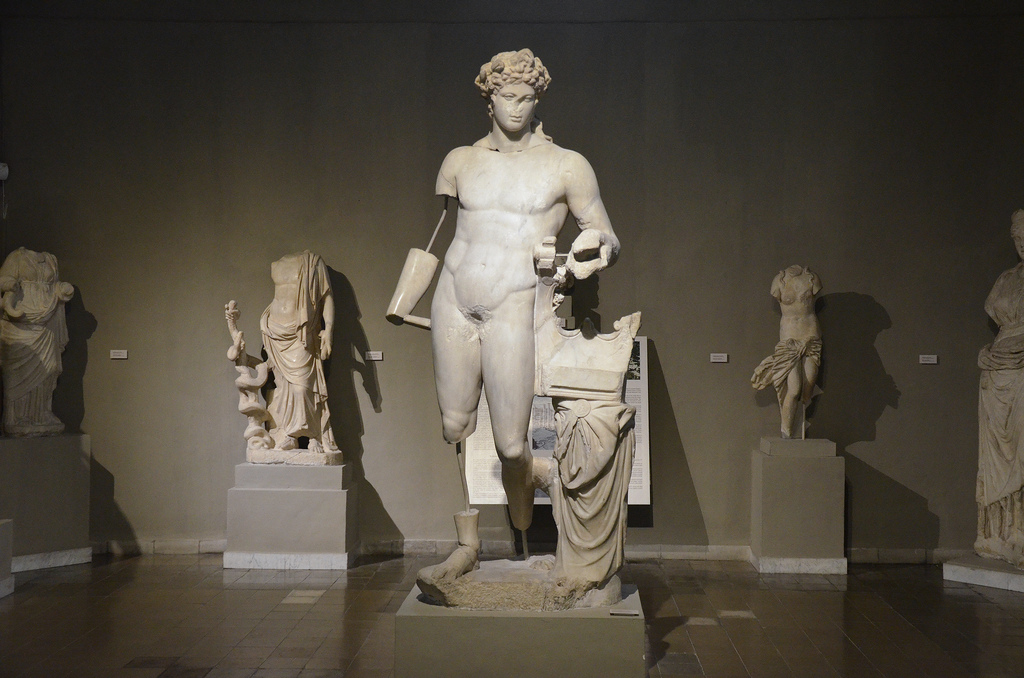
Many Roman sculptures from the Gymnasium of Salamis are housed in the Cyprus Museum in central Nicosia.
Sculptures from the Gymnasium of Salamis, 2nd century AD, Cyprus Museum, Nicosia.Sculptures from the Gymnasium of Salamis, 2nd century AD, Cyprus Museum, Nicosia.
See more images of the archaeological site of Salamis on Flickr
See more images of the Roman sculptures from the Gymnasium on Flickr













 following hadrian photography