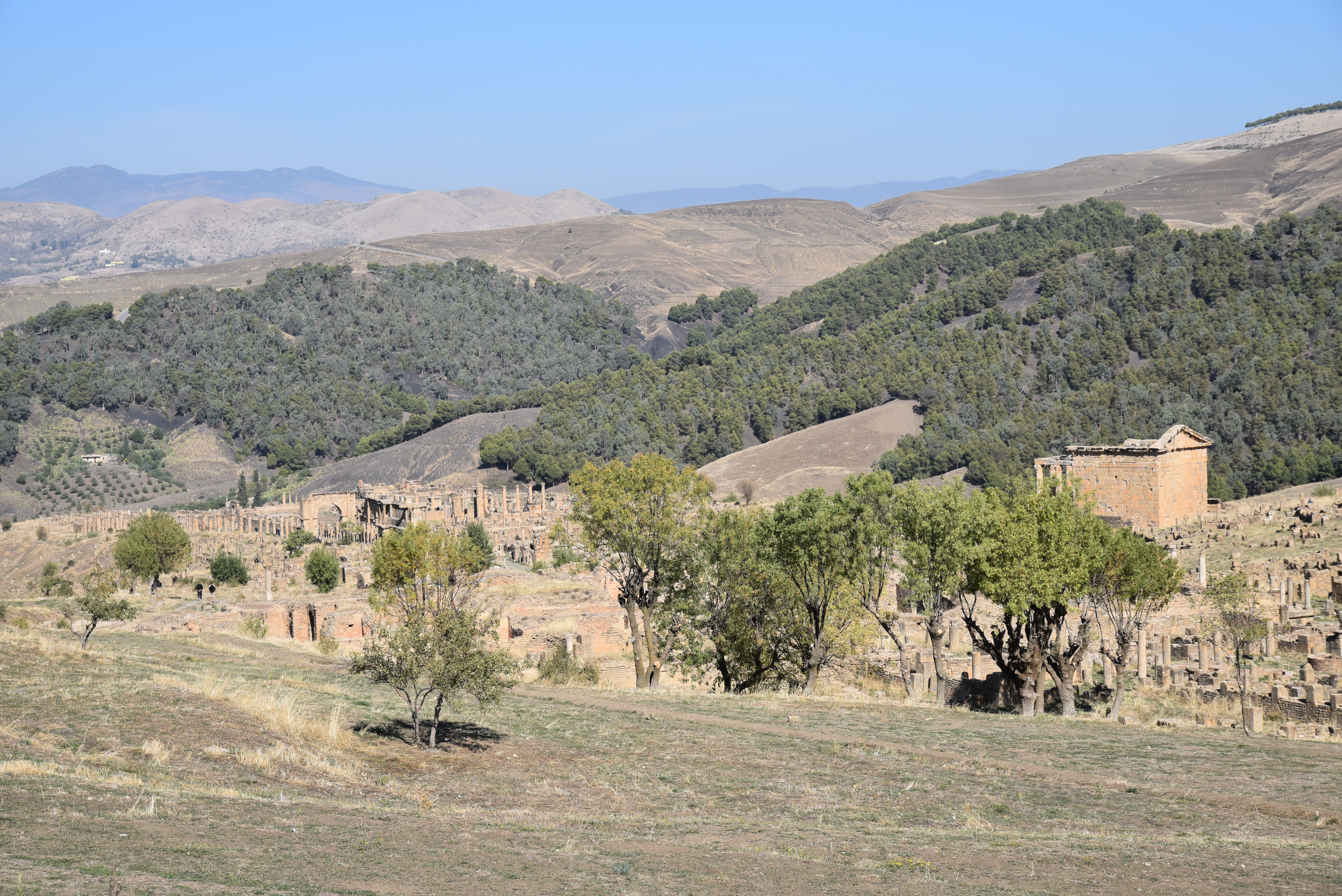
The UNESCO World Heritage site of Djémila, meaning “beautiful” in Arabic and also known by its Berber name Cuicul, is located near the northern coast of Algeria, east of Algiers. Nestled between two deep ravines at an elevation of 900 meters above sea level, Djémila features streets with wheel ruts that are lined with elaborate houses, a forum, temples, markets, and triumphal arches. The site exemplifies Roman town planning adapted to its mountainous location.
Cuicul was a veteran colony founded under Nerva (r. AD 96-98). It was a prosperous commercial city during the 2nd and early part of the 3rd centuries AD, outgrowing its original defensive wall and reaching a population of over 12,000. Under the Antonine Dynasty (AD 96-192), the town had a forum, a capitol, several temples, a curia (town hall), a market, and a theatre. Under the Severan dynasty (AD 193-235), new districts were laid out around a new forum. Cuicul became a city where retired soldiers enjoyed a comfortable lifestyle.
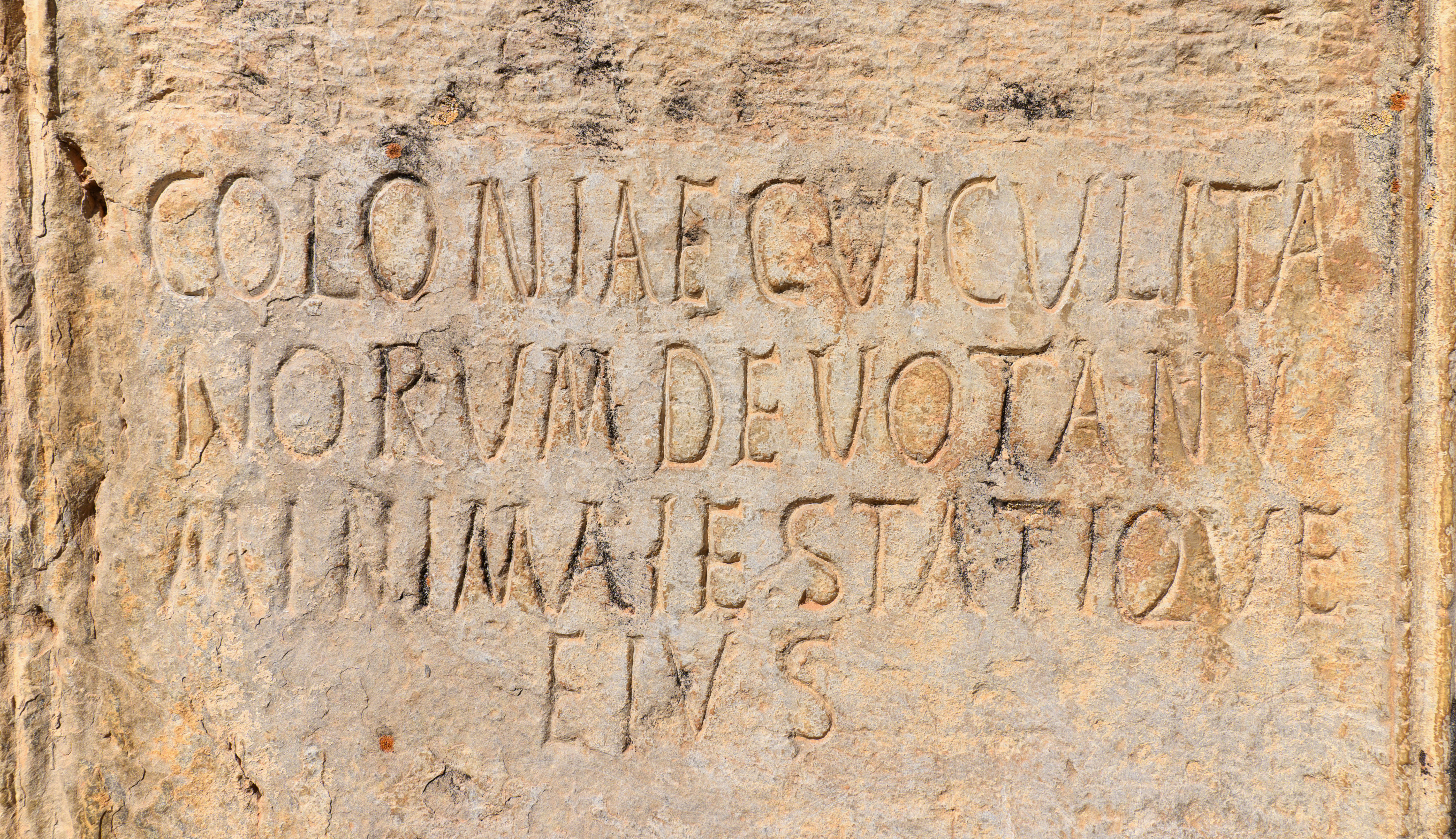
Latin inscription mentioning the Numen Caesaris of Cuicul and the name of the colony. ILAlg II.3
Christianity came to Cuicul early, with the first bishop recorded in AD 255. Religious buildings appeared by the end of the 4th century AD as the southern extension of the city, known today as the Christian quarter, with its baptistery, chapels, and basilicas. The city fell to the Vandals and had a brief renaissance under the Byzantines during the first half of the 6th century AD, only to be abandoned after the Arab invasion of North Africa.
The Museum of Djémila is located within the site and contains beautiful Roman mosaic pavements found on the site. They cover around 1700 m², almost the whole of the wall space of the museum. Highlights include a hunting scene mosaic – the 10-metre-long so-called Mosaic of the Ass and the Toilet of Venus.
PORTFOLIO
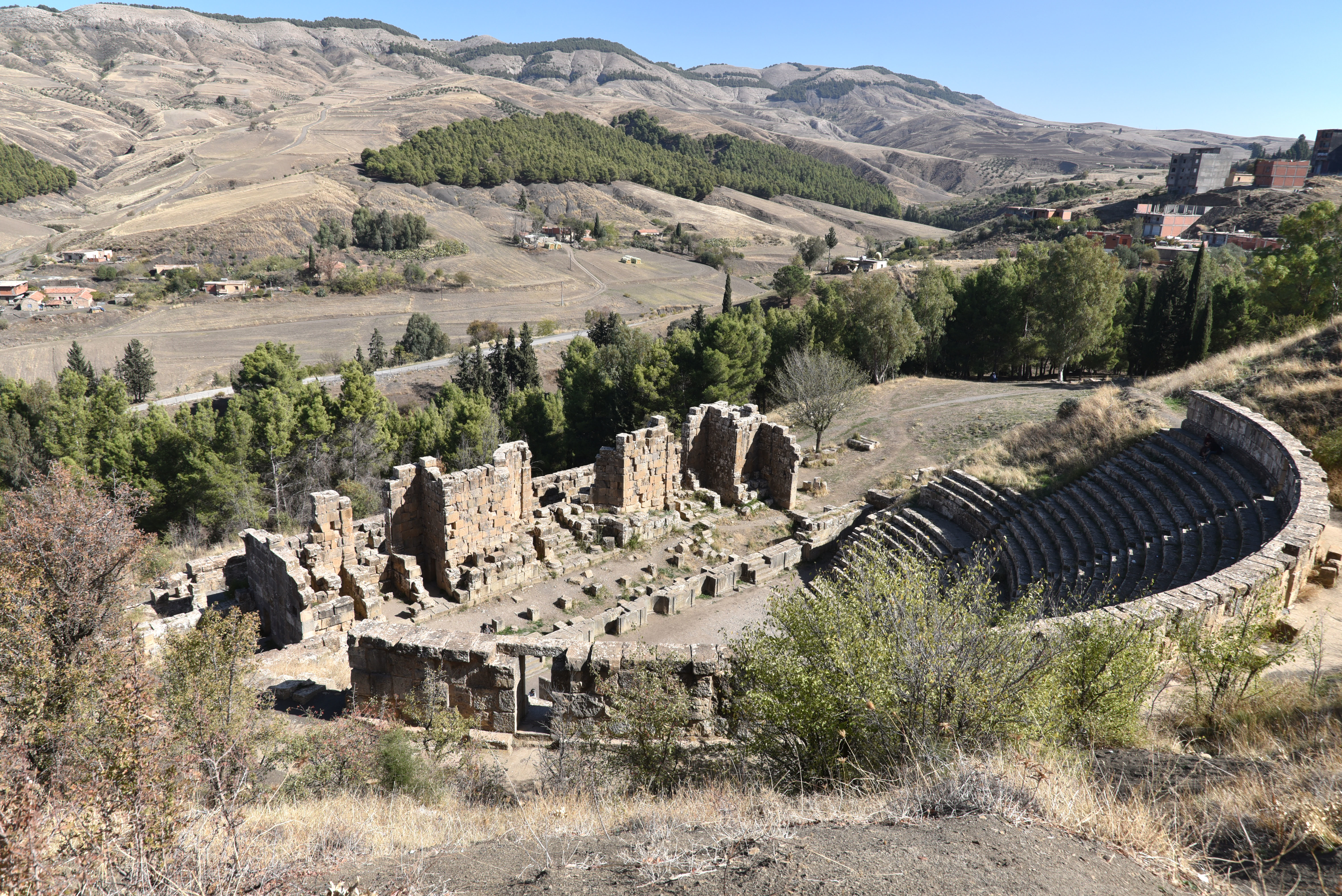
View of Cuicul from above.The Roman theatre, constructed into the side of the hill overlooking the valley, was built in AD 161 at the initiative of Caius Julius Crescens and Caius Julius Didius Crescentianus, who decorated it with statues of Fortuna and Mars, patrons of Cuicul. Its two tiers of seats could have accommodated 3,000 spectators.
The Old City/Forum
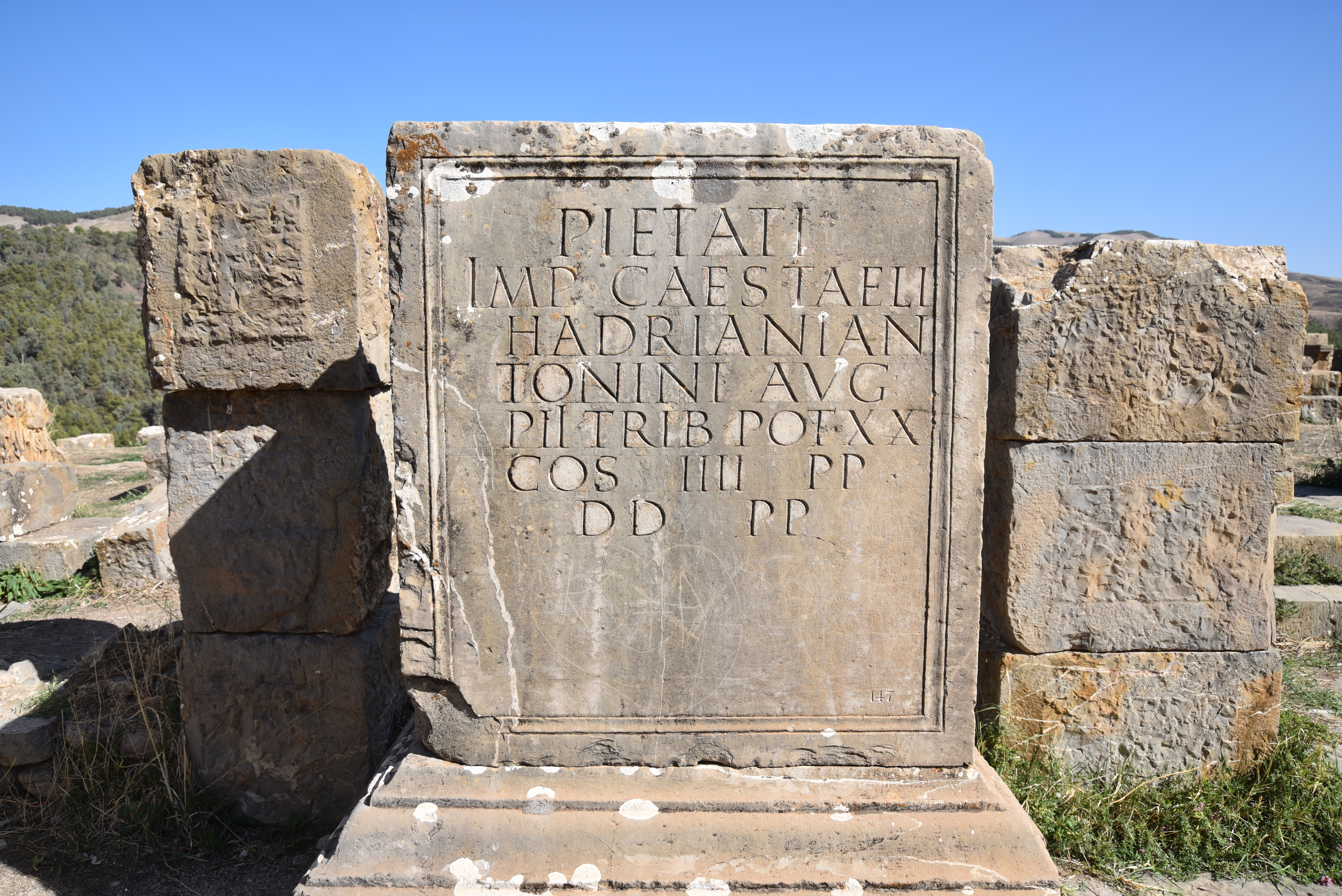
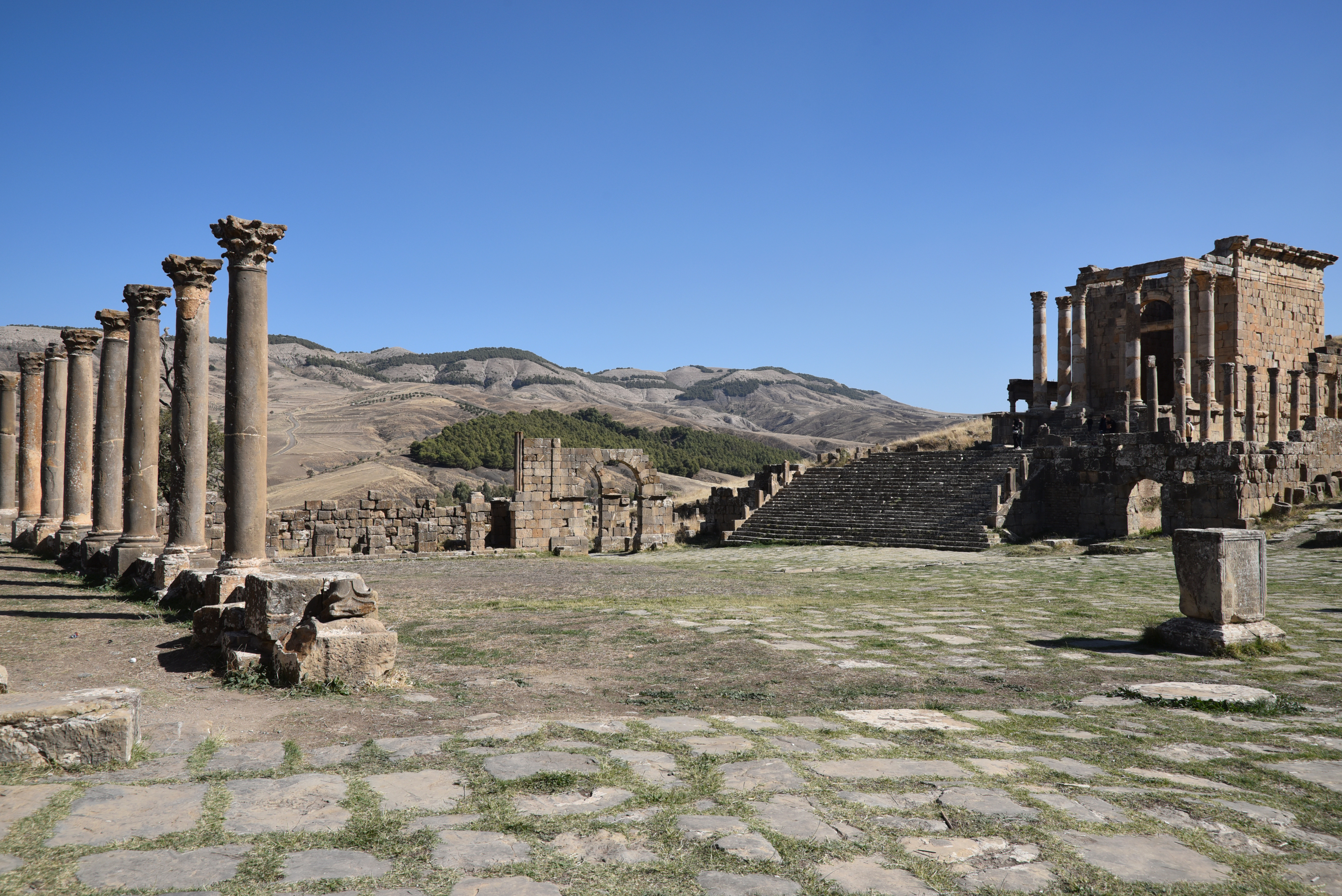
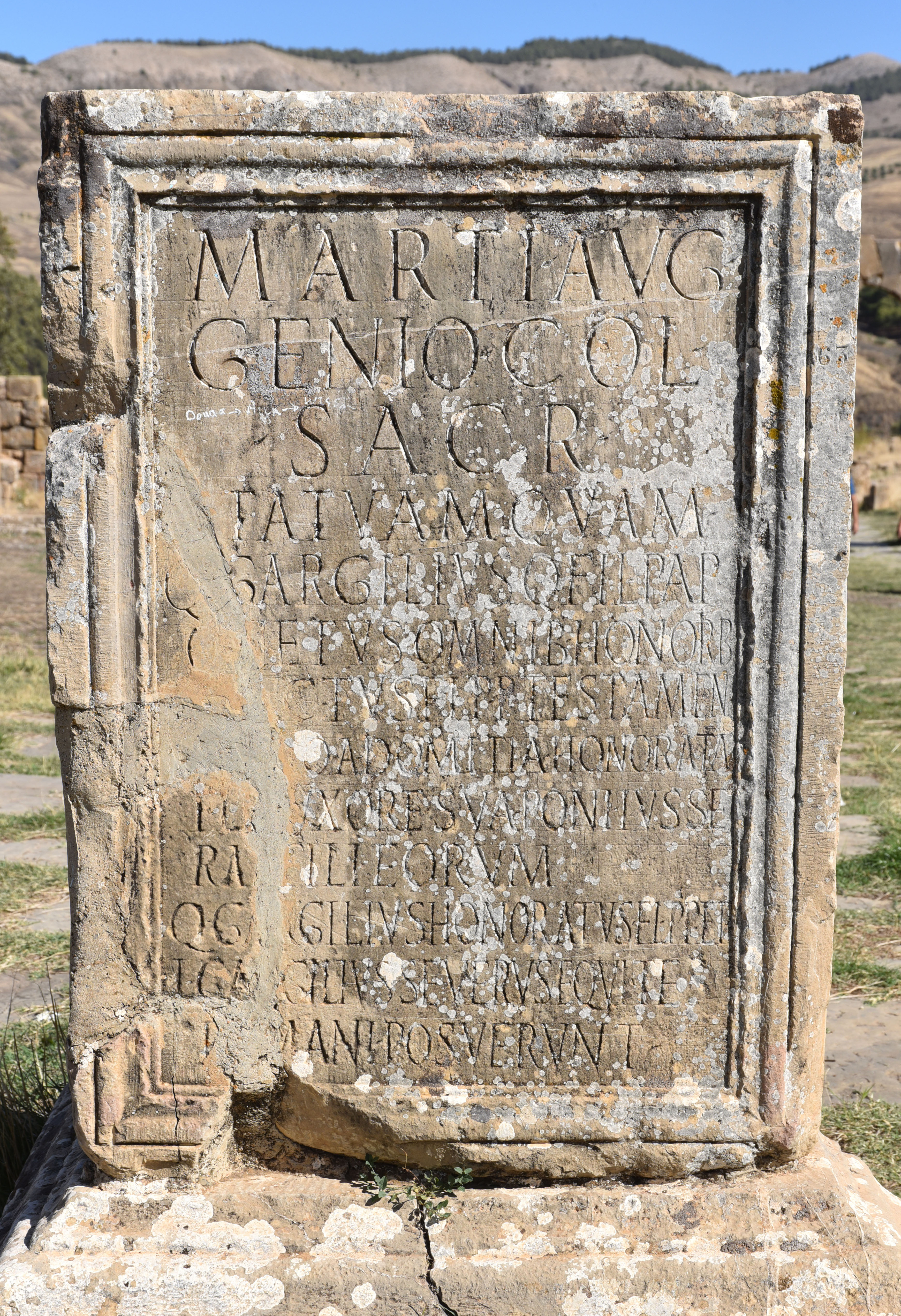
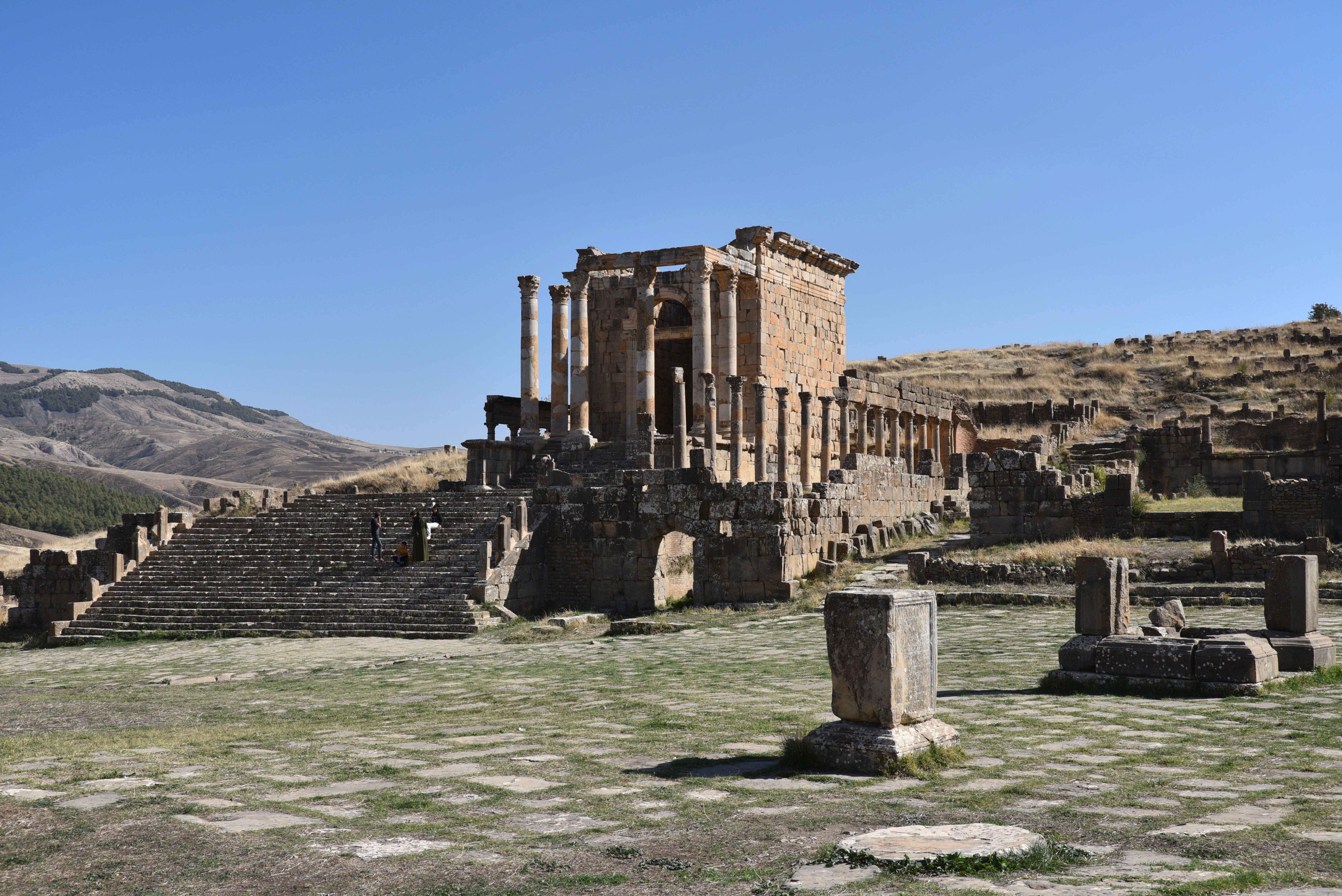
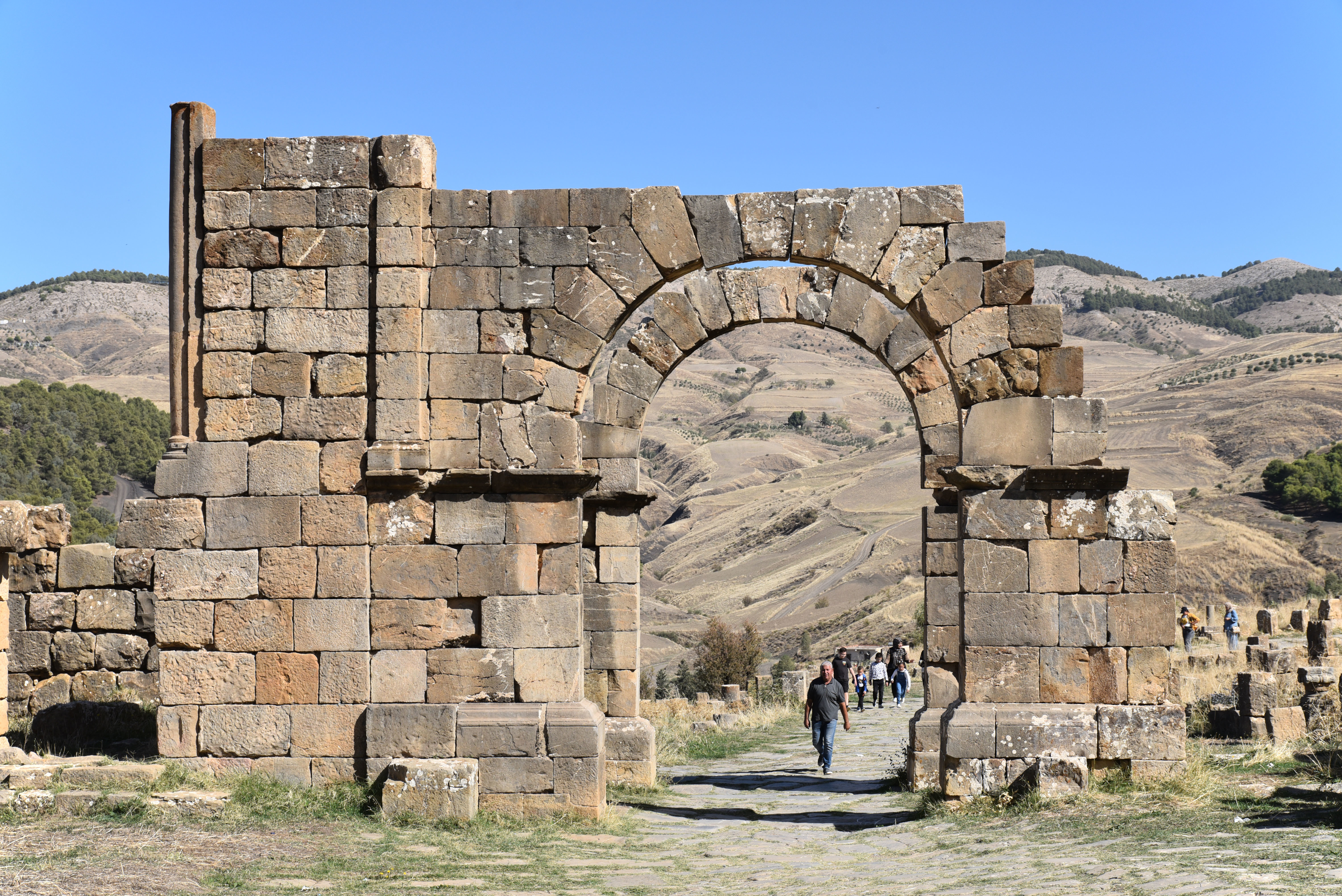
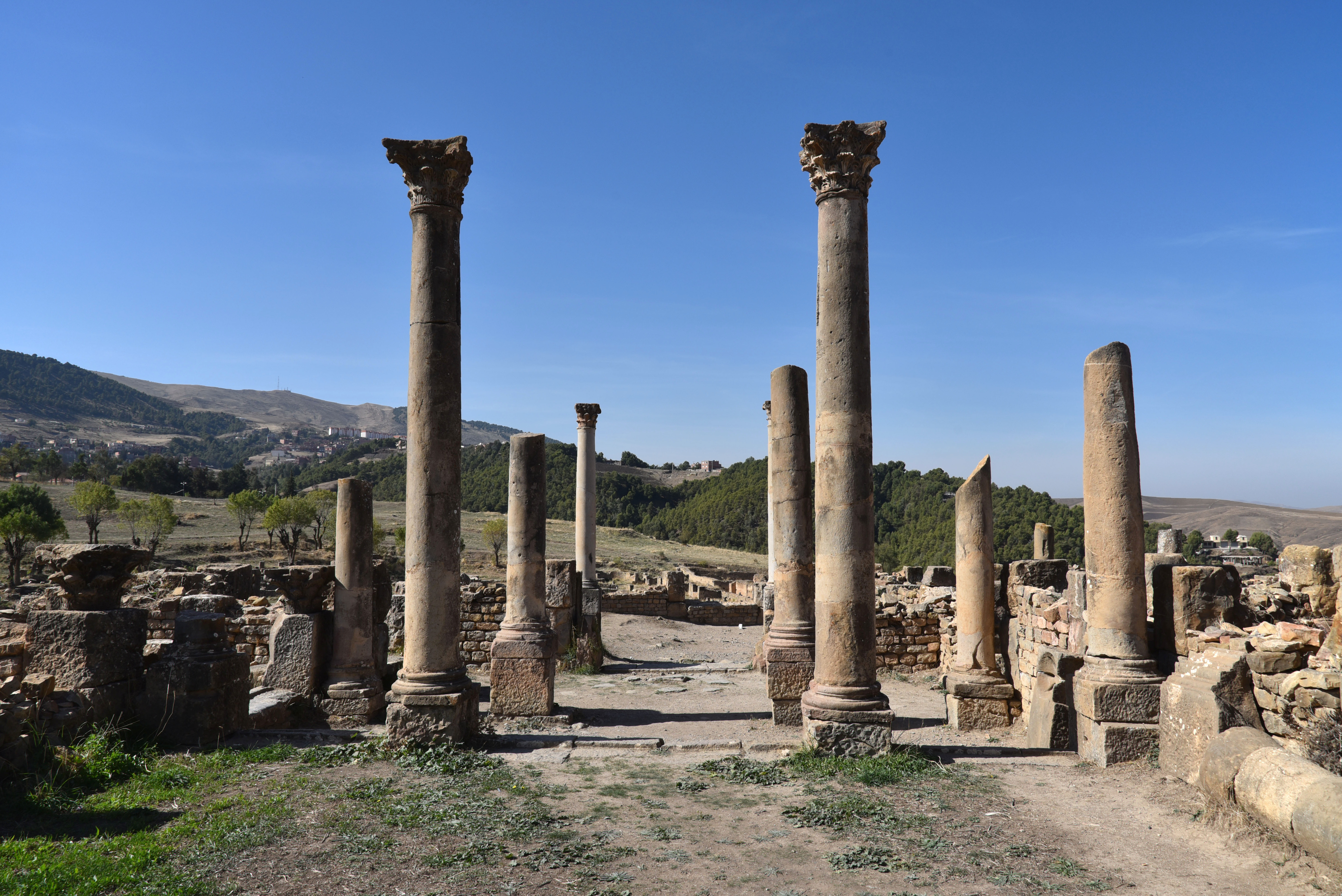
The Cardo Maximus leading to the North Gate. This street, which averaged 5 m wide, was bordered on both sides by a 3.50 m wide pavement sheltered by porticoes and a Tuscan Doric colonnade.The Tuscan Doric colonnade of the Cardo Maximus.An arch on the Cardo Maximus next to the Temple of Genetrix. Crowned by an elaborately carved cornice, this monument features a single archway flanked on either side by two engaged Corinthian columns.The Temple of Genetrix. This sanctuary is enclosed within a trapezoidal courtyard surrounded by porticoes on three sides.The Temple of Genetrix stands on top of a podium approached by twelve steps.The Forum was located at the heart of the original settlement. It was a paved square measuring 48×44 m with porticoes on two sides. It included the curia, judicial basilica and Capitoline Temple.Dedications in the Forum dedicated to Hercules (AE 1914, 0236) and the Genius of Cuicul (AE 1908, 0241).Purification altar in the Old Forum decorated with carving in relief. One side shows the requirements for a sacrifice, the other a winged genius from whom sprouts vine tendrils and ears of corn.Dedication set up and paid for by the city of Cuicul to the Pietas of Antoninus Pius. AE 1916, 0017Building dedication to Hadrian. ILAlg-02-03, 07777The Market of Cosinius was put up by the brothers C. and L. Cosinius, who spent 30,000 sesterces for its construction during the reign of Antoninus Pius (AD 138-161).The Market of Cosinius was a square building with a portico on all sides and a circular tholos in the middle of its central courtyard. There was a circular kiosk in the courtyard’s centre and eighteen shops around the market perimeter fronted with stone counters adorned with animal heads and garlands.Torso of a statue of Jupiter from the Capitolium. This temple was dedicated to the Capitoline Triad: Jupiter, Juno, and Minerva. Due to the slope’s decline, the temple was built on arches and piers of a massive basement, which is the only part that remains today. The Capitolium was probably built in the second half of the 2nd century.
The New Severan City/Forum
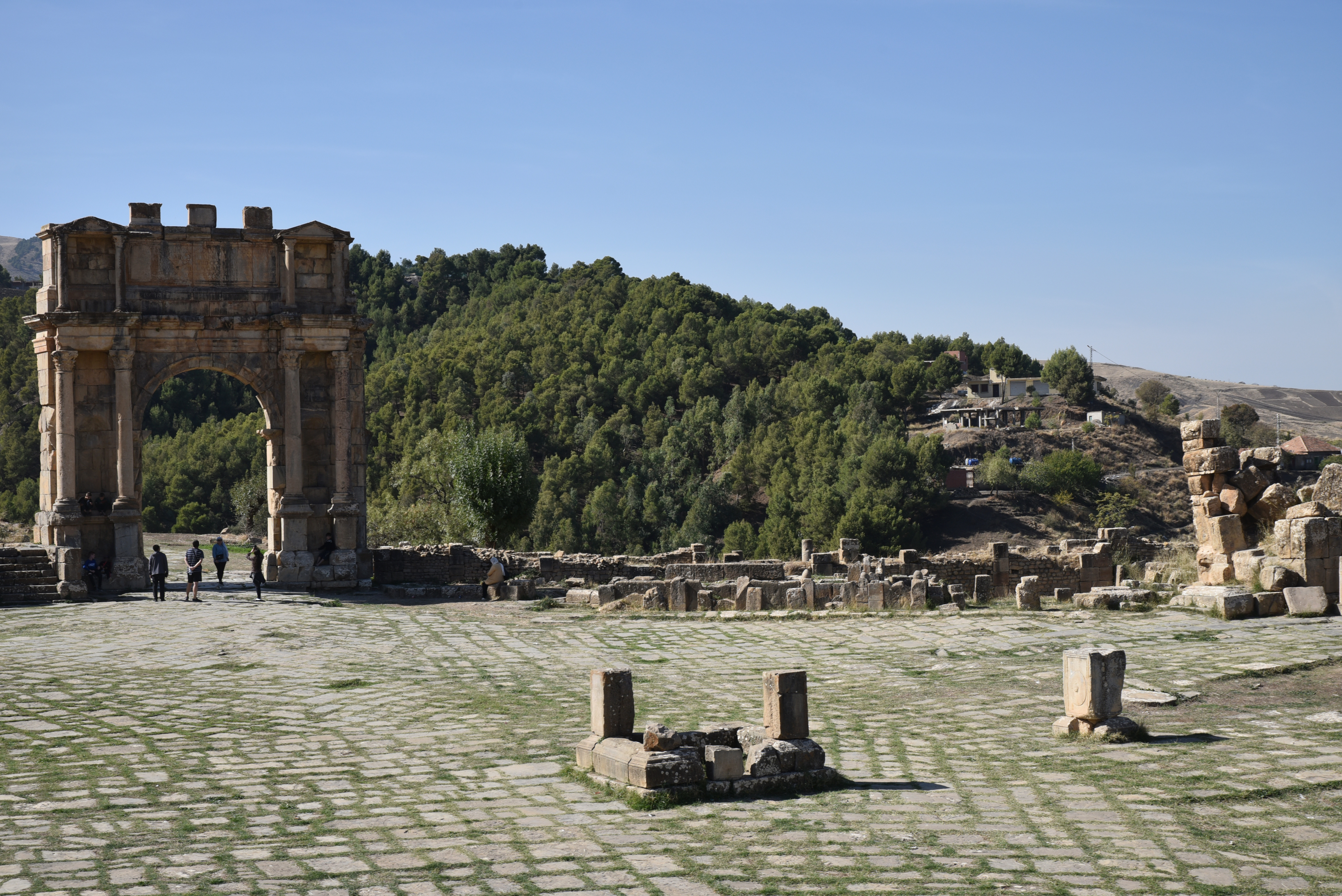
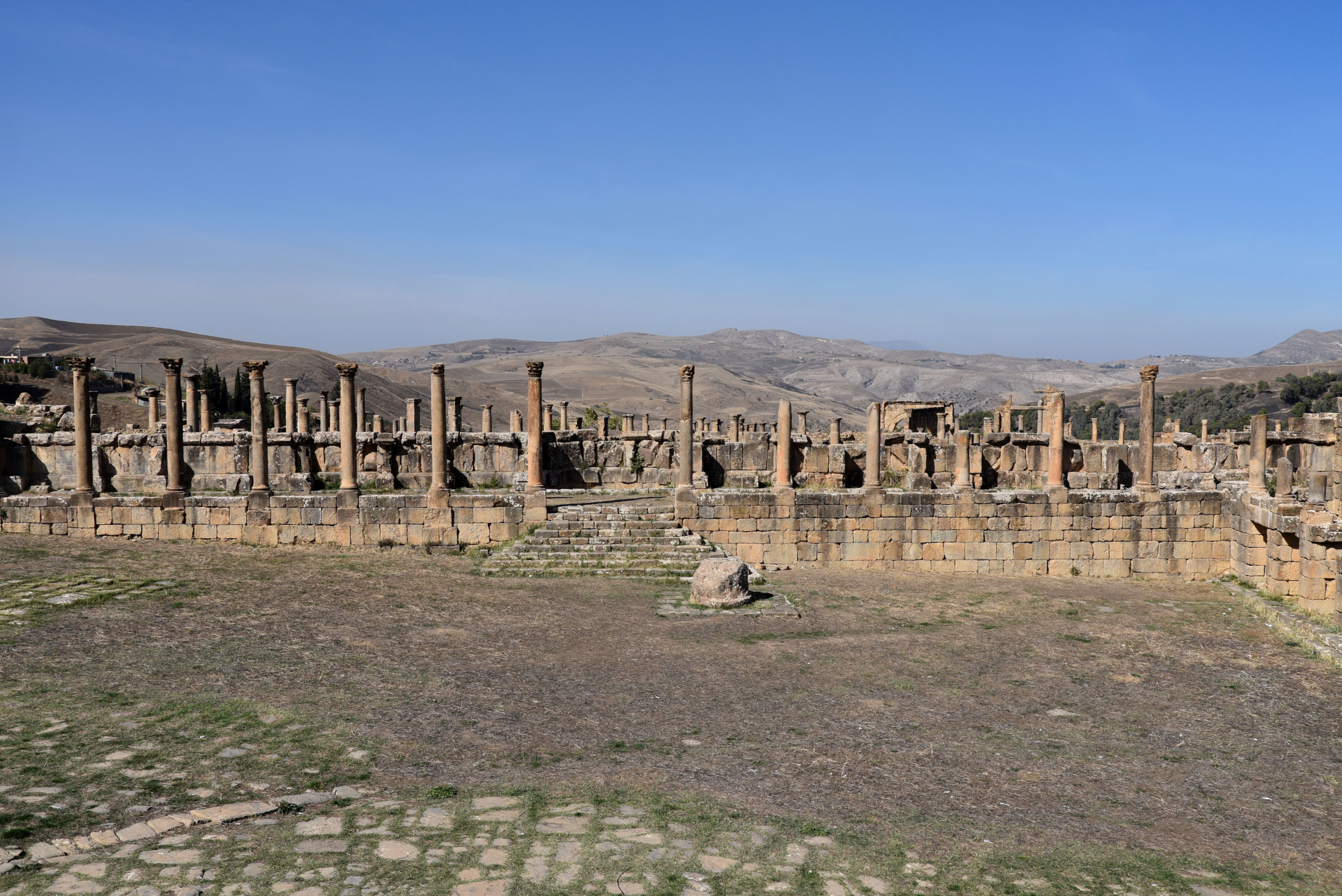
View of the New Severan Forum from above.The back side of the Temple of the Gens Septimia in the Severan Forum and the western colonnade.The Severan Forum was located in the heart of the new city of the 3rd and 4th centuries AD. The new Forum was a large quadrilateral square covering 3,200 sq.m, dominated by the Temple of the Gens Septimia.The square had porticoes on its two long sides. It was paved throughout; in front of the basilica, a dedication records that the god Mars was the natural protector of this city founded by military veterans.The dedicatory inscription recording that the god Mars was the protector of the city founded by military veterans. AE 1912, 0026The Severan Forum.The Temple of the Gens Septimia was dedicated in AD 229, during the reign of Alexander Severus, to the gens Septimia (the imperial family of the Severii).The Temple of the Gens Septimia stood on top of a podium approached by a second flight of 13 steps, the uppermost of which passed between the four columns of the pronaos. The interior of the building was adorned with marble. Inside, colossal heads of Septimius Severus and his wife, Julia Domna, were discovered.Colossal head of Septimius Severus found inside the Temple of the Gens Septimia.The North portico of the Severan Forum.The double eastern entrance to the Severan Forum along the road leading to the theatre and eventually to Cirta.The western side of the Severan Forum with the Arch of Caracalla.The Arch of Caracalla. The monument was erected in AD 216 by the people of Cuicul in honour of the reigning emperor Caracalla, his mother Julia Domna and his deceased father, Septimius Severus.The north portico of the Severan Forum that separated the old and new city.
The Christian Quarter
The entrance to the Christian Quarter.The entrance to the Basilica of Cresconius.The Basilica of Cresconius, a huge church (40x28m) with a central nave flanked on either side by two aisles.The Basilica of Cresconius.The North Basilica. Measuring 30x15m, it has a nave with two aisles separated by reused columns.The Baptistery, a circular pavilion built of bricks and surmonted by a dome.The interior of the Baptistery, an annular corridor with a square basin surmounted by a ciborium of stone, provided for baptism.The seating recesses inside the Baptistery. Originally rendered with stucco, recesses (36 in total) provided the neophytes with seats and space for clothing.
The Western Quarter
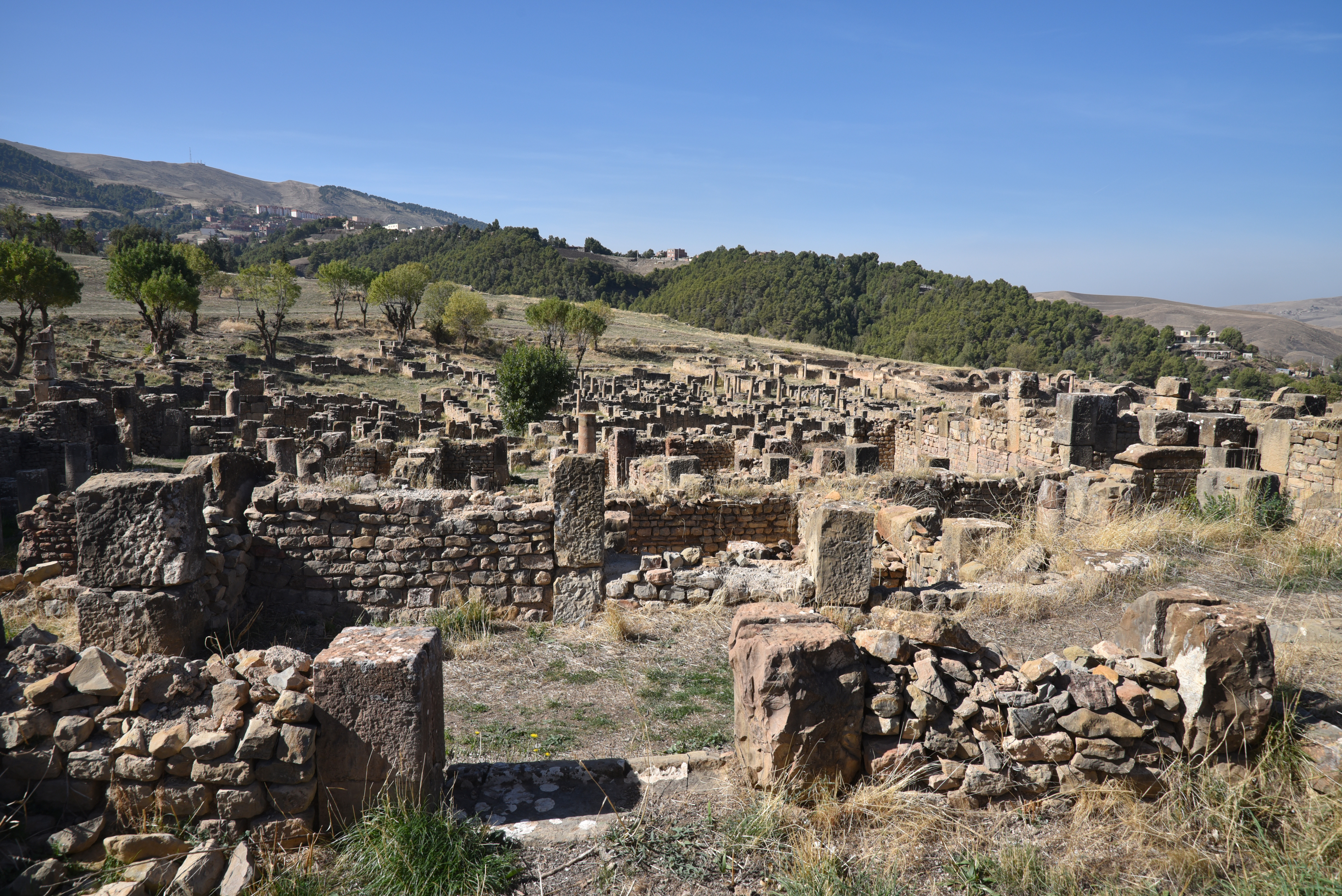
The Western Quarter with the House of Bacchus. The lavish middle-fifth-century House of Bacchus included a peristyle court embellished with four basins and mosaics, a huge banqueting hall paved with a mosaic of hunting in the amphitheatre, two gardens, and a fish pond.View of the Western Quarter with the House of Bacchus (left) and the Great Baths (right).The northern side of the Cardo Maximus.The southern side of the Cardo Maximus.A conical fountain on the Cardo Maximus. This monument takes the form of a 5 m high cone. A lead pipe delivered water into a circular basin adorned with pinecone finials on its rim.
The Djemila Museum
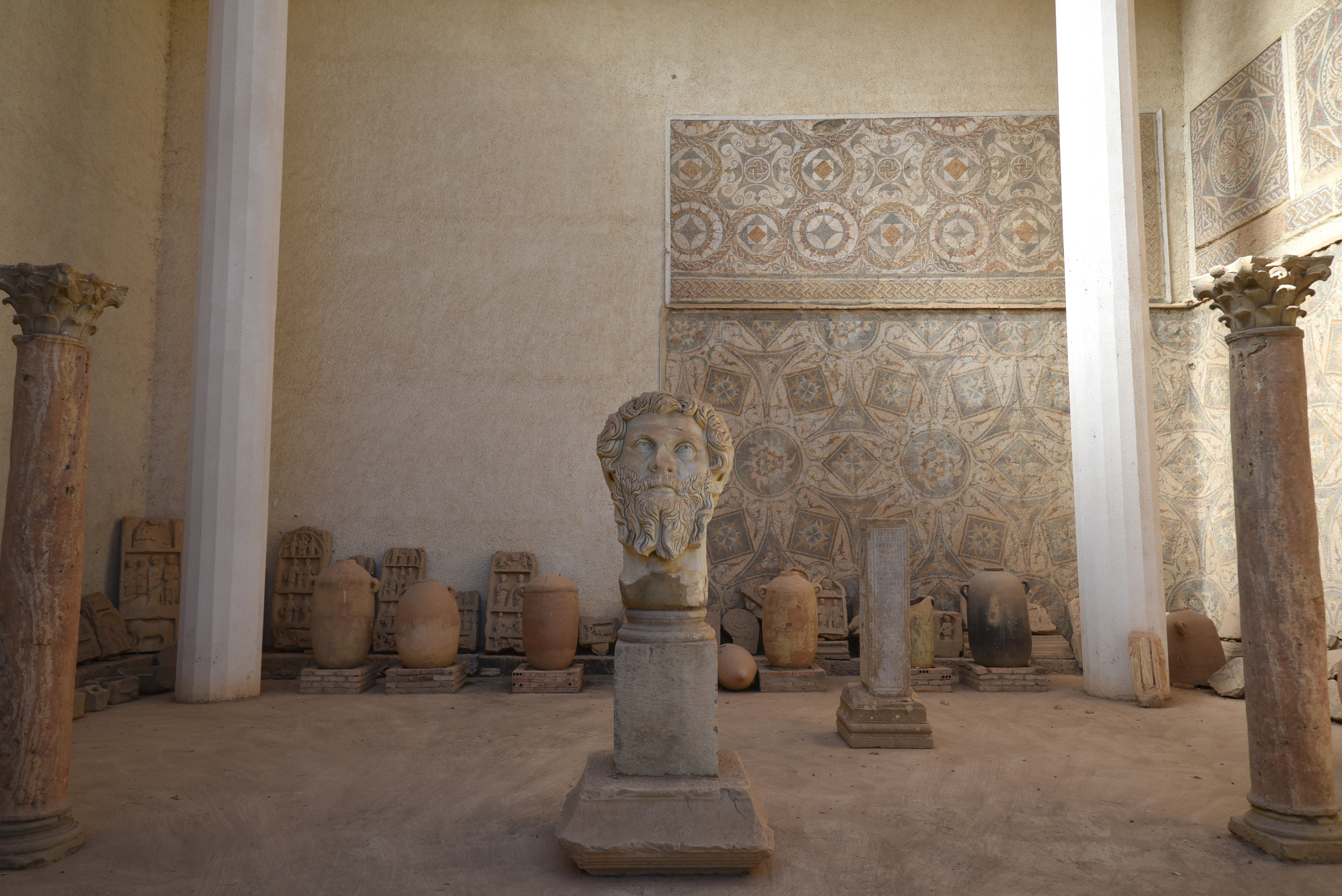
The courtyard of the museum housing the colossal head of Septimius Severus, geometric mosaics, architectural fragments, votive stelai dedicated to Saturn and other inscriptions.The interior of the museum with mosaic pavements covering almost the whole of the wall space, from floor to ceiling.Two funerary statues of a couple.
Model of the ruins of Cuicul.Mosaic depicting the Toilet of Venus from the House of the Ass. Crowned with a diadem and sitting in a shell supported by two tritons, Venus gazes at her reflection in a mirror. At the four corners, nereids riding marine creatures escort the goddess. Dated to the late 4th or beginning of the 5th century AD.The Rape of Europa, mosaic from the House of Europa. Dated to the late 4th century or 5th century AD. Above a sea inhabited by dolphins, fishes and other marine creatures, Jupiter, disguised as a bull, is carrying off Europa on his back.Great Hunt Mosaic, from the banqueting hall in the House of Bacchus. Dated to the mid-4th century AD.
Blas de Roblès, Jean-Marie; Sintes, Claude; Kenrick, Philip. Classical Antiquities of Algeria: A Selective Guide (p. 127). Society for Libyan Studies. pp. 100-137
Hippo Regius was an ancient port located on the coast of North Africa, near the modern town of Annaba in northeastern Algeria. Its natural harbours and defences, proximity to fresh water, and fertile hinterland attracted the Phoenicians and ensured the city’s continuing prosperity. Throughout its history, various groups—including the Numidians, Romans, Vandals, Byzantines, Arabs, Ottomans, and French—have been drawn to the site. Hippo enjoyed great wealth and splendour, eventually emerging as one of the largest cities and most significant markets in Roman Africa.
Hippo Regius was originally a Phoenician settlement established in the 10th century BC. It later became a prosperous Punic city allied with Carthage and the Numidian metropolis of King Massinissa in the 3rd century BC. Following the defeat of Juba I, an ally of Pompey, in 46 BC, Hippo was not annexed to the Roman province of Africa Nova, created by Julius Caesar. Hippo Regius flourished most under the Romans, becoming a municipality under Augustus and elevated to a colony under Trajan. It developed into a vital commercial hub, exporting wheat that fed Rome.
In the 5th century AD, Hippo became the home of Christianity under the episcopate of St. Augustine, who was bishop of the town from 396 AD until his death in 430 AD. Hippo Regius later fell to the Vandals and became the capital city of the Vandal Kingdom from 435 to 439. Hippo Regius passed to the Byzantine emperor Justinian in 533, and about two centuries later, it was overcome by Arabs. The settlement was moved to its present site of Annaba.
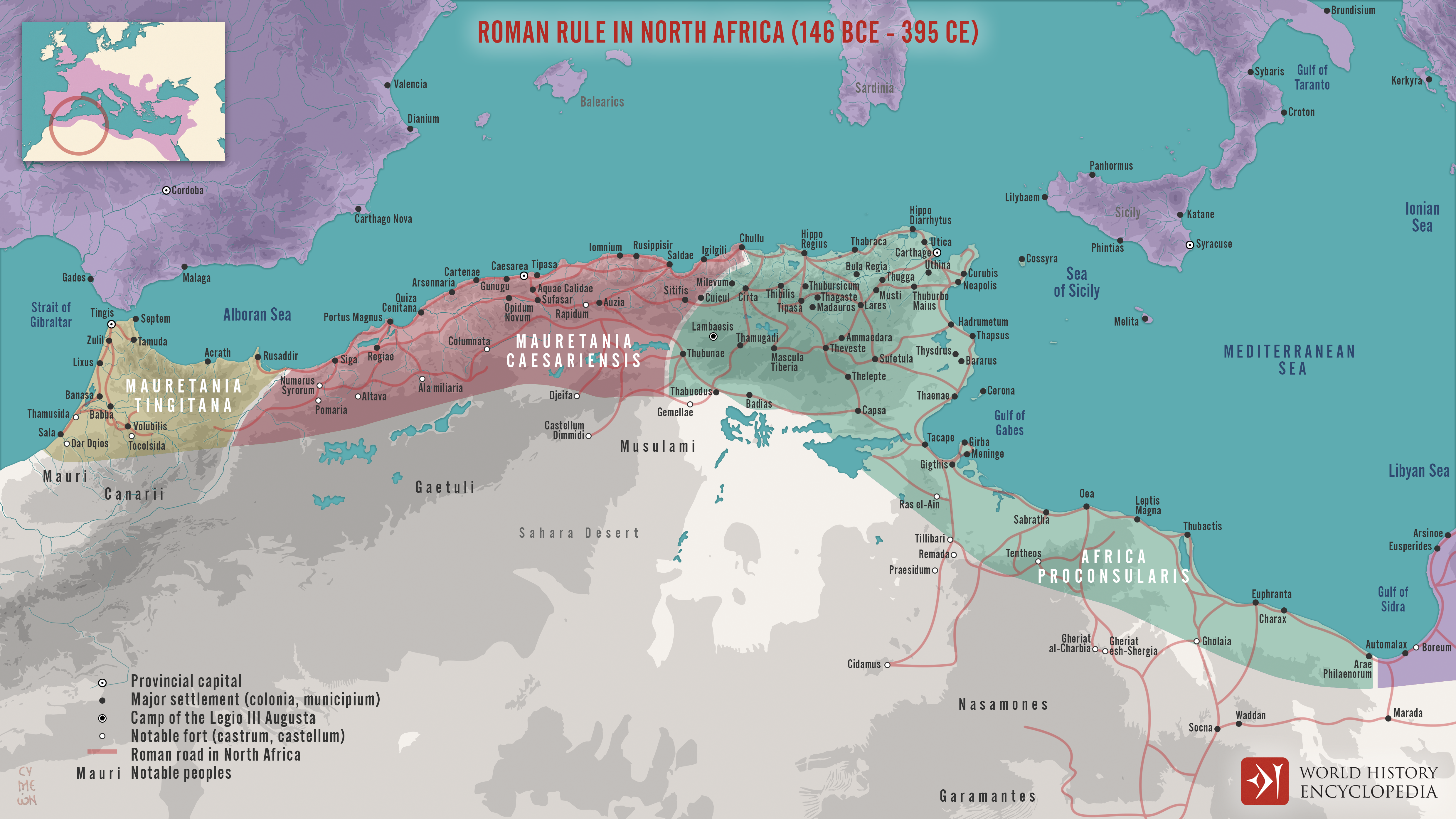
Roman rule in North Africa. Map created by Simeon Netchev (CC BY-NC-SA 4.0).
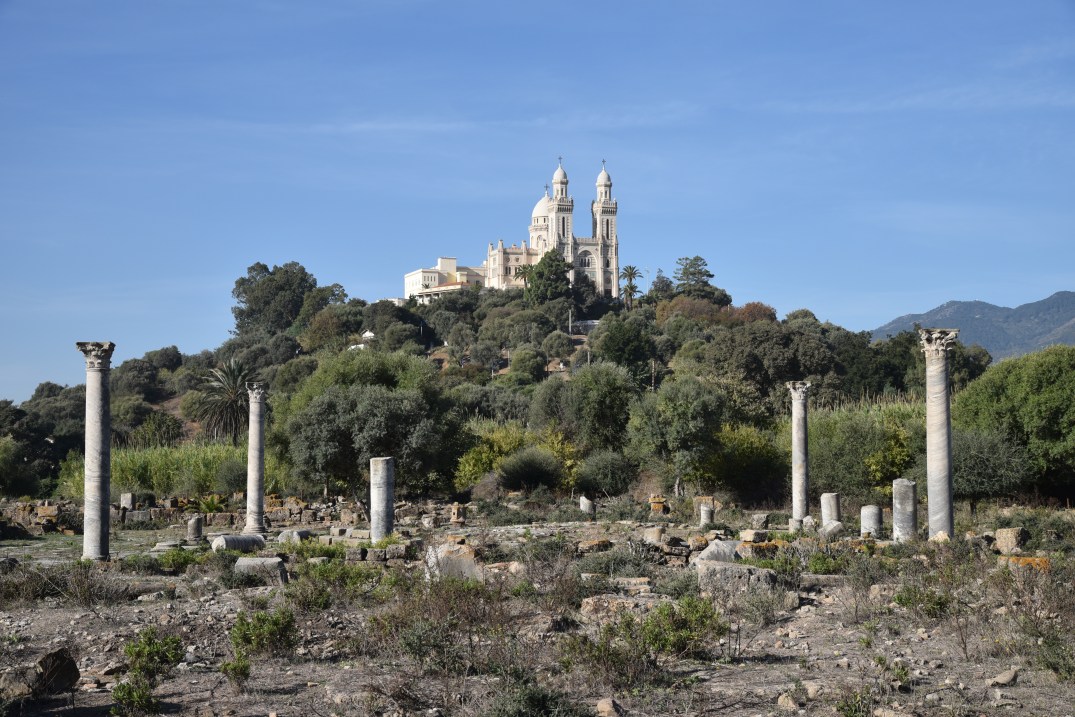
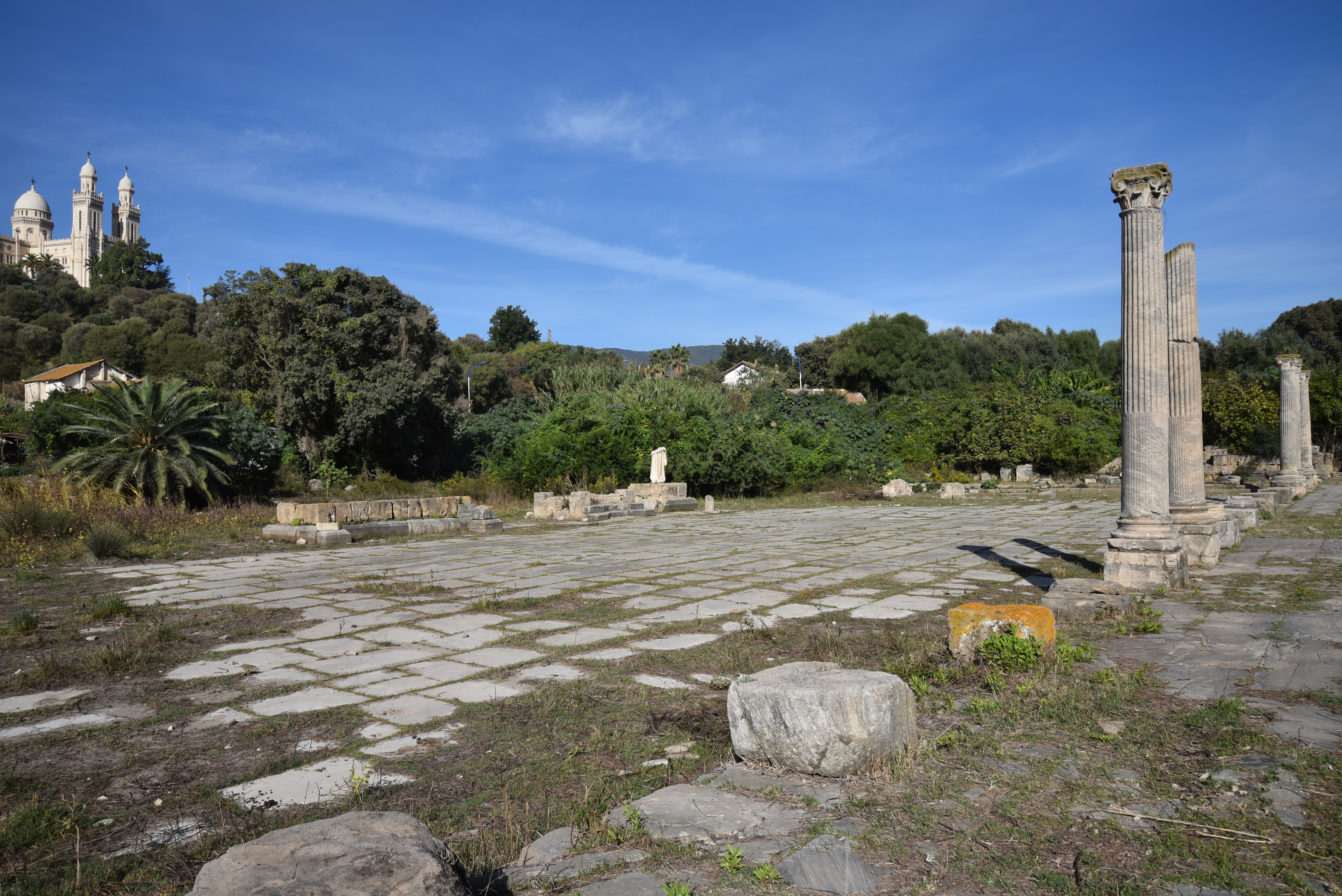
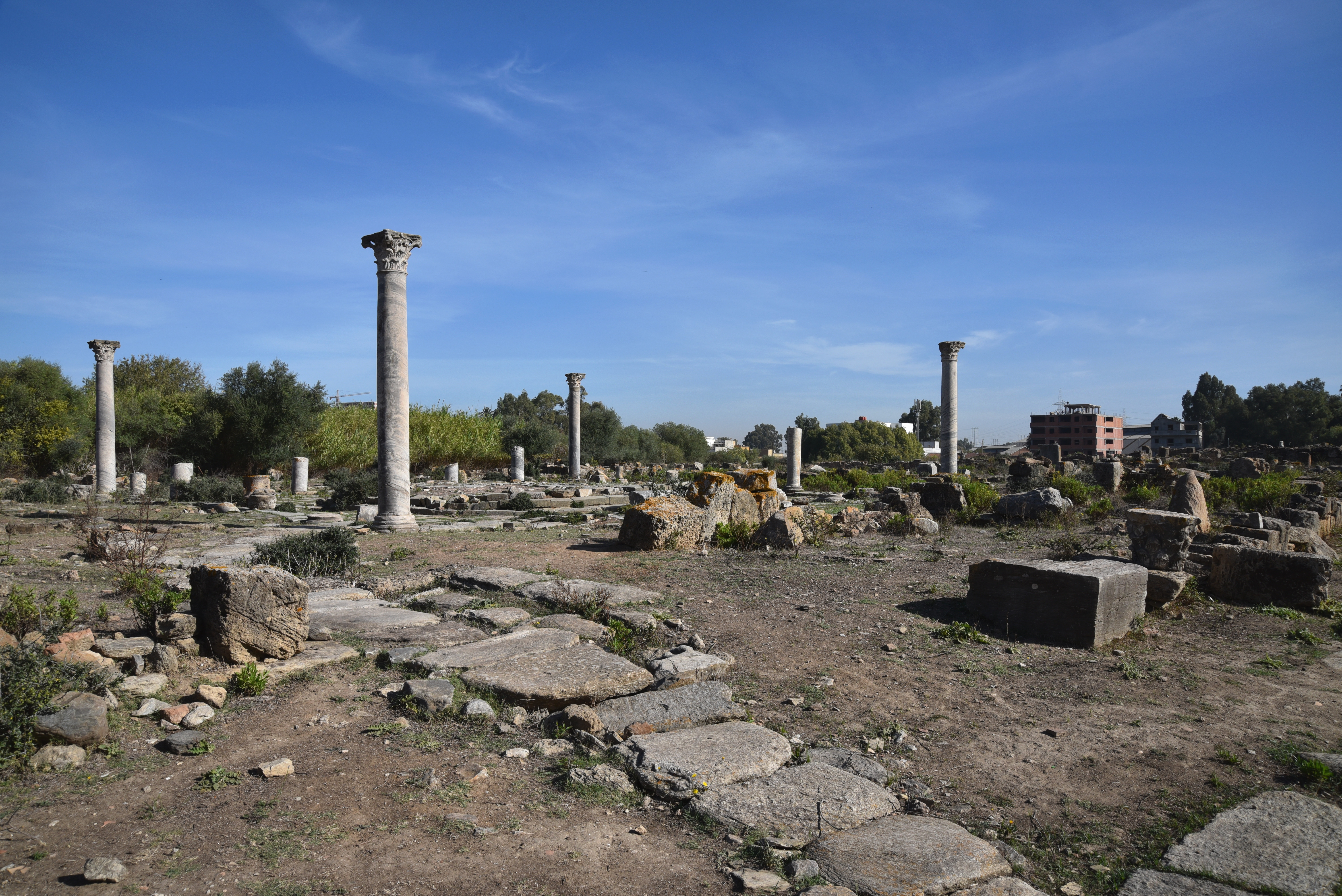
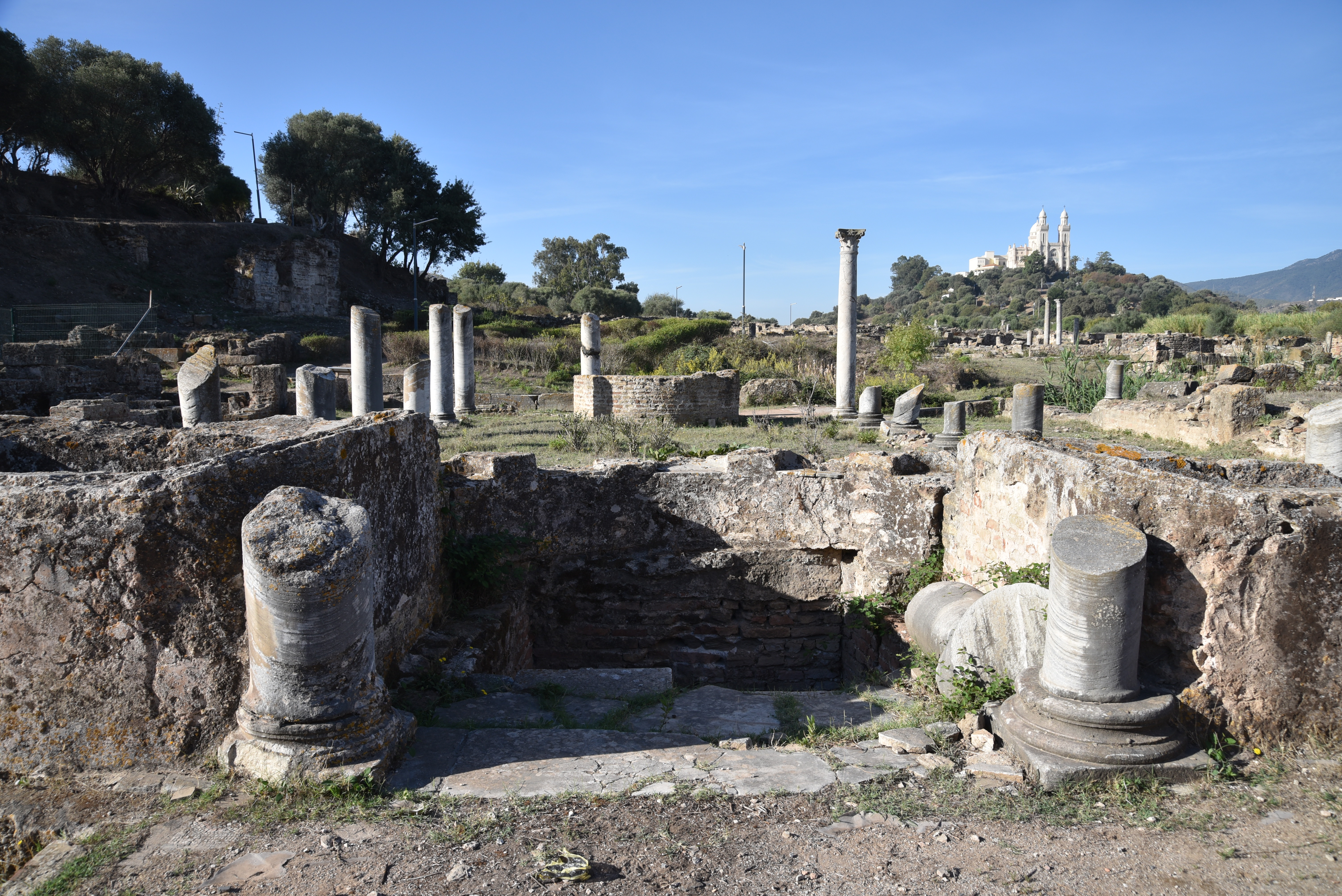
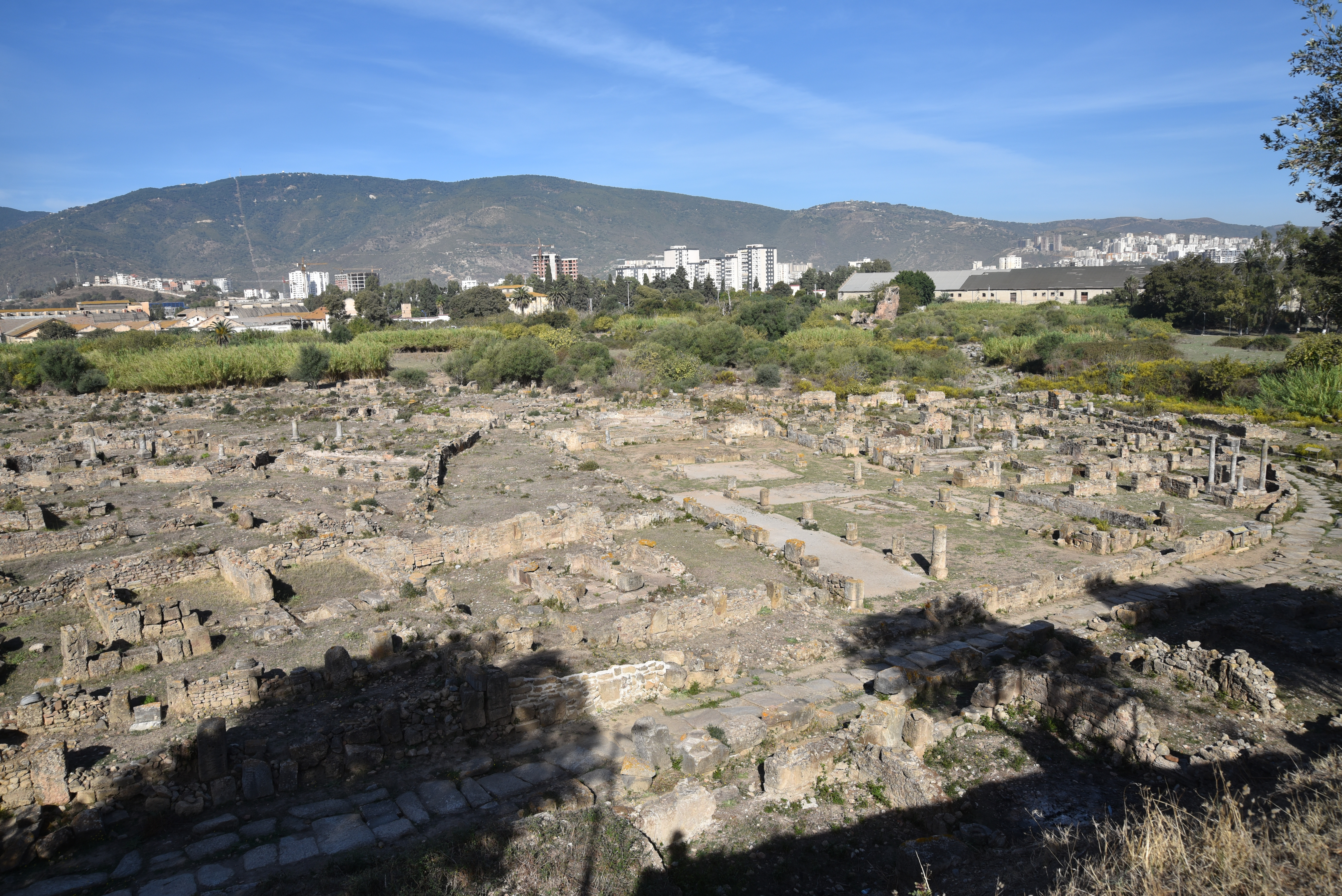
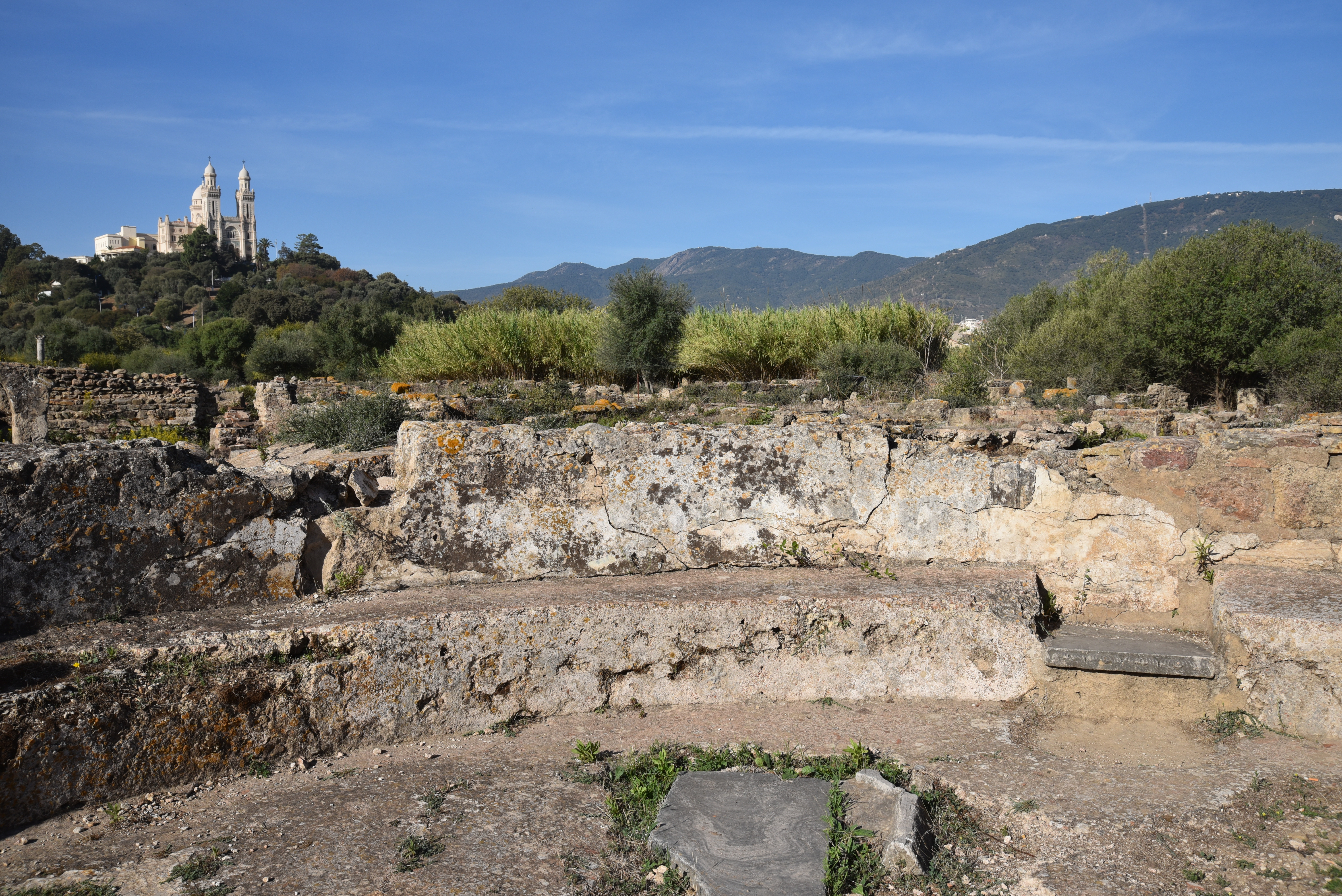
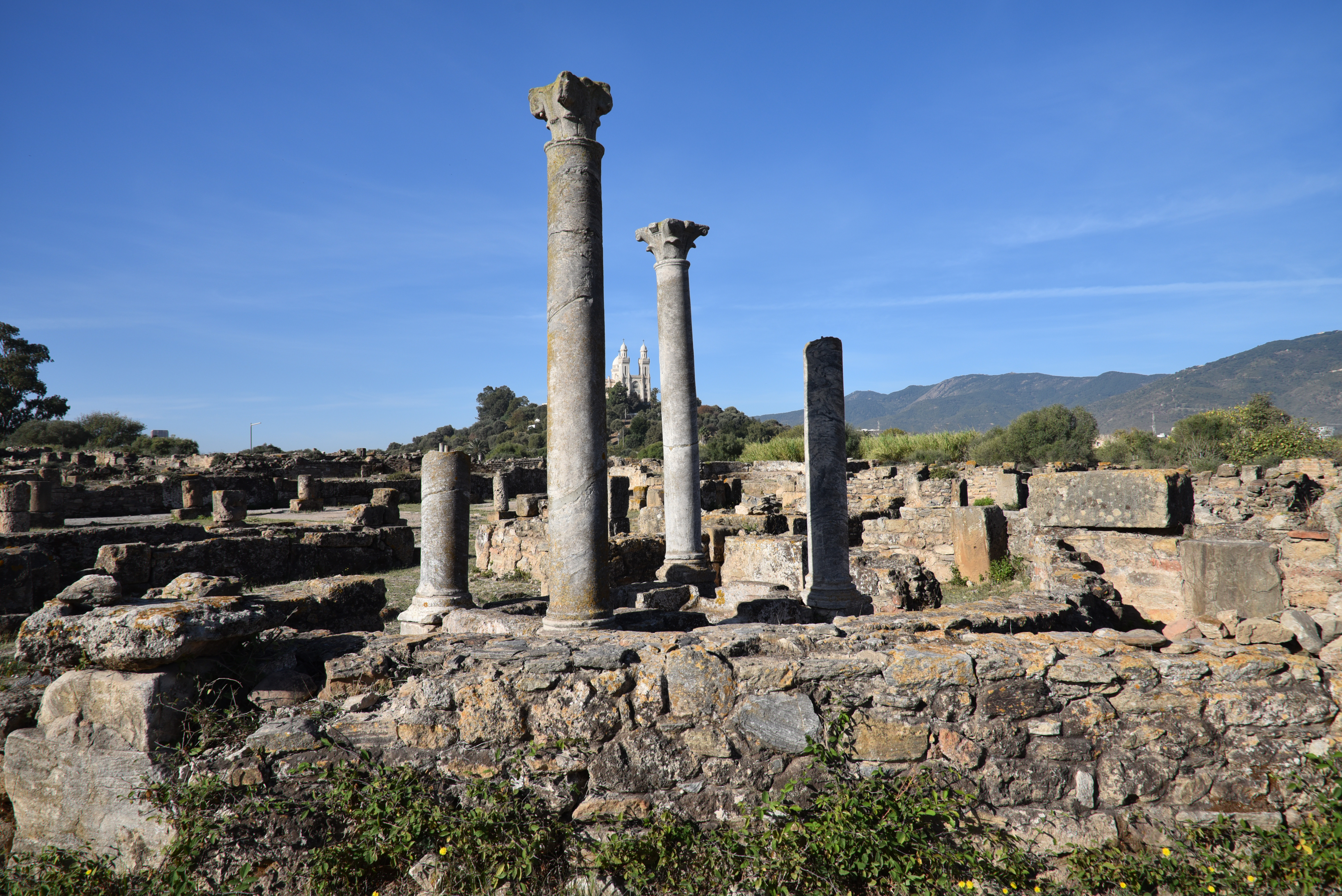
The ruins of Hippo Regius, overlooked by the imposing colonial-era Basilica of St. Augustine, are among the most evocative in Algeria. The forum is one of North Africa’s largest. It features an inscription extending over two lines across its entire width. In the Christian quarter stands a 42-metre-long (131-ft) basilica still covered with mosaics. This may have been the basilica where St. Augustine served as the renowned bishop.
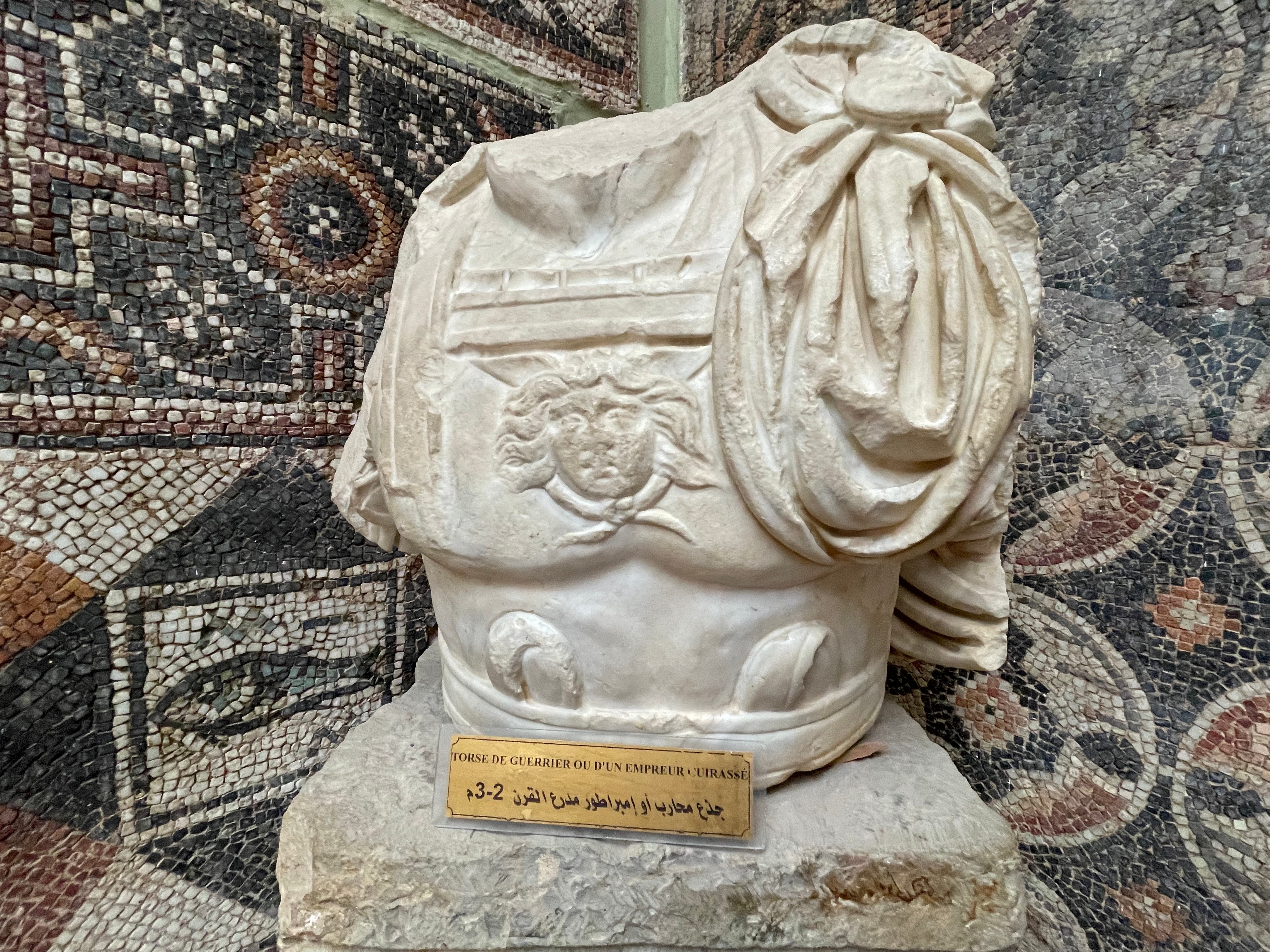
The Musée d’Hippone is located on the hill of Gharf el-Atran, overlooking the archaeological site of Hippo. Built in 1968, the museum houses over 20,000 works from Roman antiquity and later periods. It includes ancient sculptures, ceramics, coins, jewellery, bronze and fired clay vases, statuettes of Numidian, Punic, and Roman goddesses, marble busts, pottery, and Roman mosaics. The centrepiece is a bronze trophy about two meters high, commemorating the victory of Julius Caesar over King Juba I. This representation of a breastplate on a trunk was discovered on the forum of Hippo Regius.
PORTFOLIO
General view of the site.
Forum Quarter
The paved Decumanus leading to the Forum.The Forum of Hippo Regius, a rectangular paved area measuring 76 x 43 m, is one of the largest in North Africa.The Forum was paved in marble and surrounded by Corinthian porticoes.A long inscription, originally filled with bronze letters, extends across the entire width of the Forum. The text records that the paving was dedicated by Gaius Paccius Africanus, pontifex, consul, proconsul, and patron of the municipium of Hippo Regius.
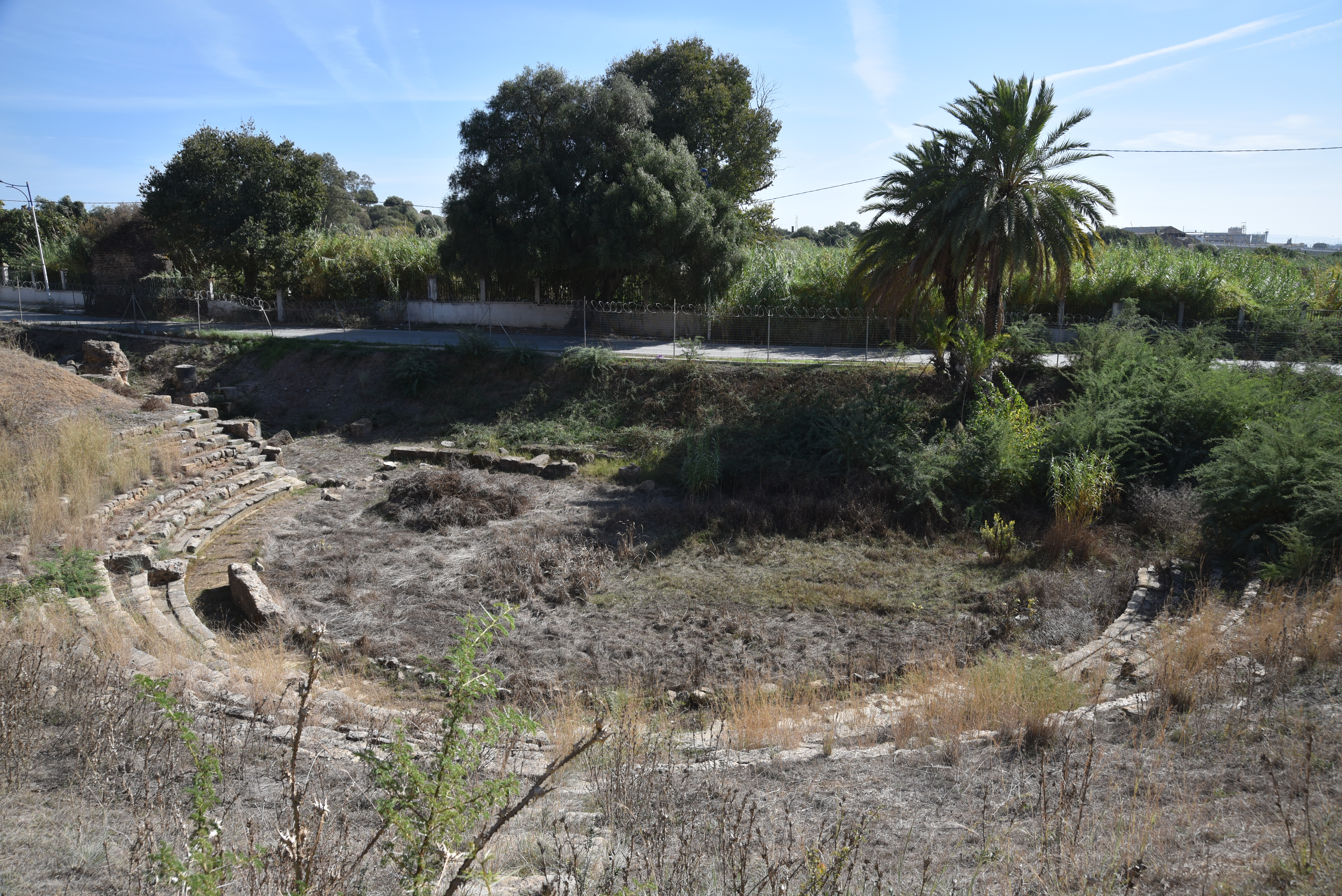
The Macellum (market). It consisted of a rectangular peristyle court (37 x 11 m) paved with black-and-white mosaics and a second court (16 x 16 m) with shops on three sides and a central tholos.The building was constructed in the 1st century AD and refurbished in the 4th century AD.The Theatre, possibly built in the 1st century AD. Its stage building, at 40 × 14 m, was one of the largest in Africa.
Quarter of the Villas
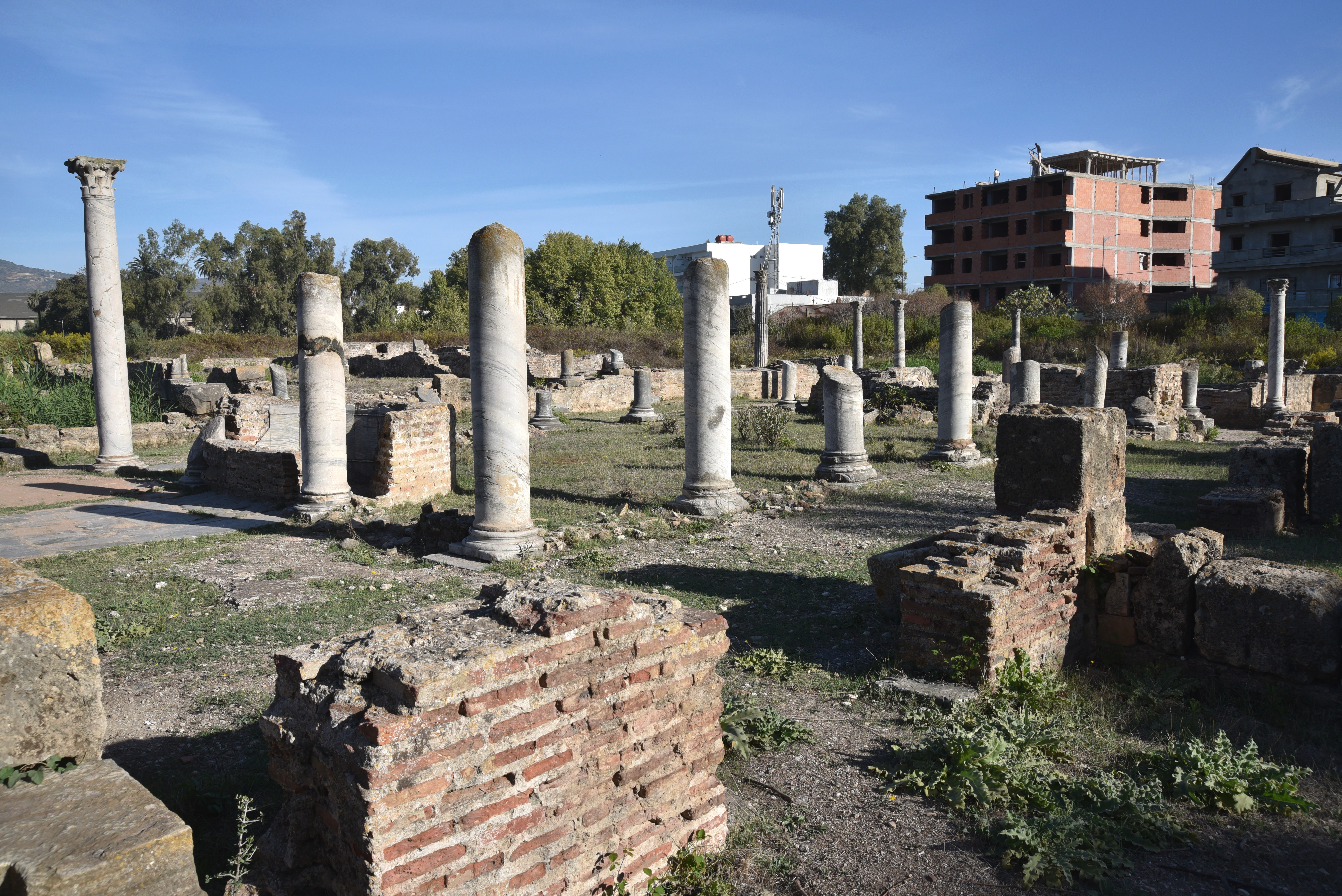
The peristyle of the Villa of the Hunt with fountains.The Villa of the Hunt.Mosaic pavement in one of the houses of the Quarter of the Villas.
Christian Quarter
General view of the Christian Quarter.View of the main Basilica. It measured 42x20m and was divided into a nave and two aisles by rows of columns on plain square bases. The basilica floor was covered with mosaics in its centre nave and aisles. This basilica is commonly known as the Basilica of Peace. During Augustine’s time, it was also referred to as the Church of Saint Stephen because he placed the relics of that martyr in it in the year 424.The apse of the main Basilica.The apse of the main Basilica and seat of Augustine of Hippo (?) with the new Basilica in the background.An apsed chapel, probably the consignatorium, associated with the adjoining baptistery.The Baptistery.
The Museum
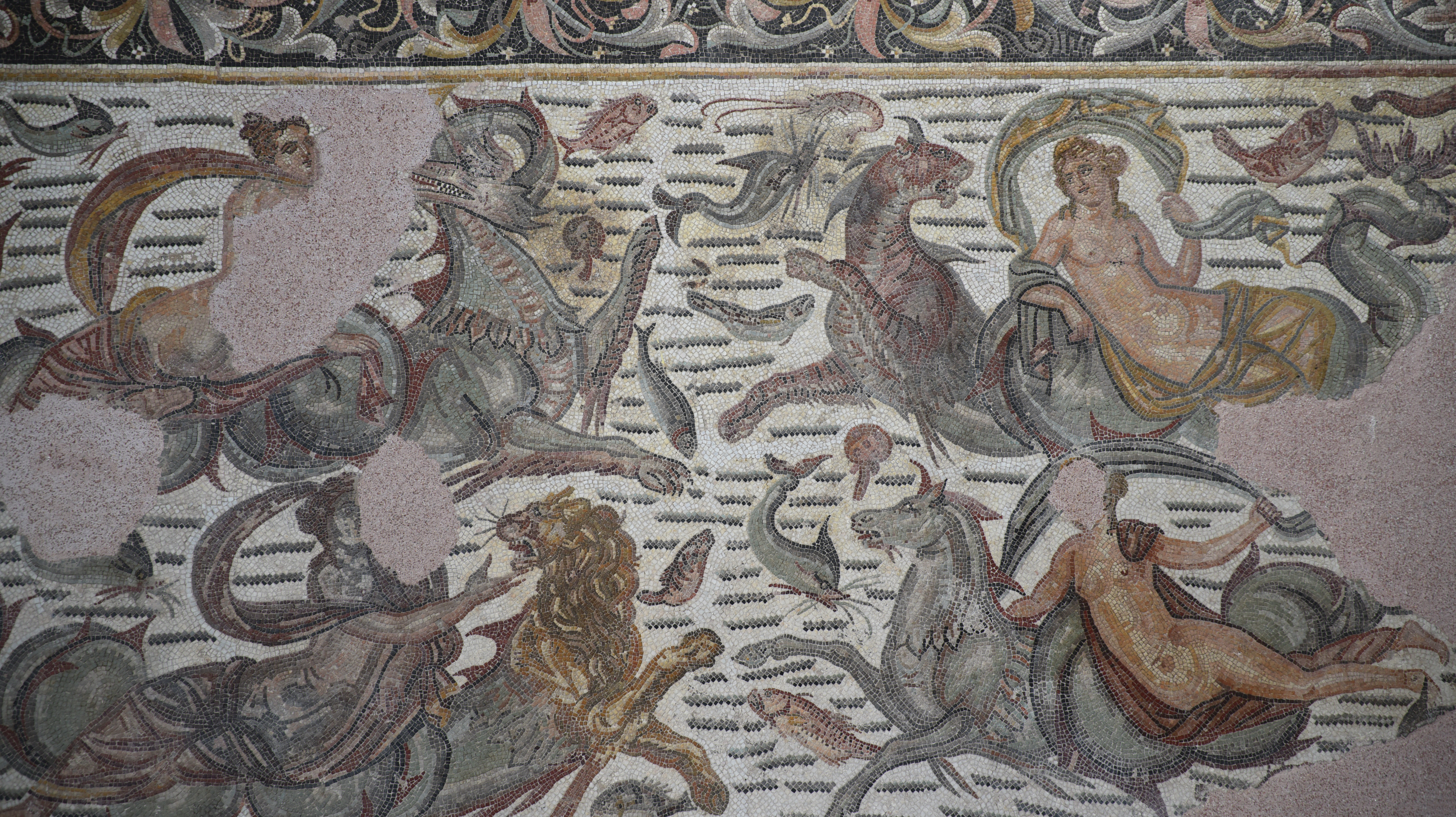
The room of the mosaics.The Hunt Mosaic from the Quarter of the Villas. It depicts a hunting scene in which lions, leopards and antelopes are chased into a trap. The wild animals are being rounded up for transport to games in the arena. Dated to the early 4th century AD.Mosaic of the Nereids. Four nereids are riding on various marine monsters. Dated to the first half of the 4th century AD.Bronze Trophy (tropaeum), a military monument that may commemorate Caesar’s victory over Juba I at the battle of Tapsus in 46 BC. This trophy measures 2.44 metres high and weighs 240 kg. It depicts a tree trunk with a cape and military armour draped over it.
Blas de Roblès, Jean-Marie; Sintes, Claude; Kenrick, Philip. Classical Antiquities of Algeria: A Selective Guide (p. 127). Society for Libyan Studies. pp. 232-521































 following hadrian photography