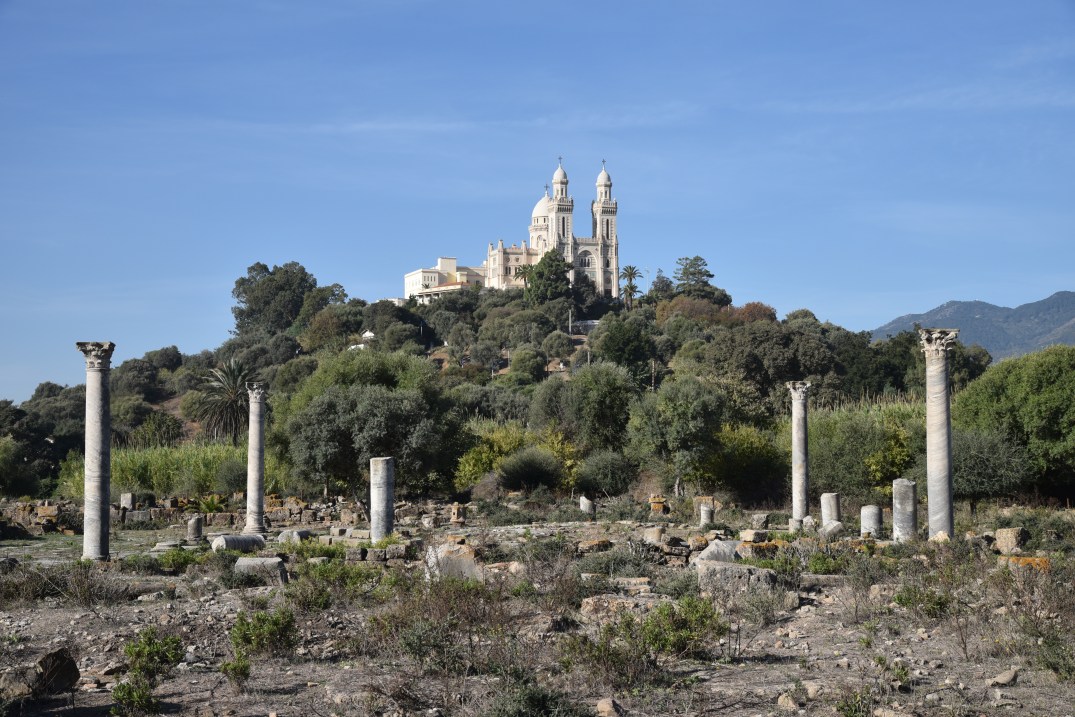
Hippo Regius was an ancient port located on the coast of North Africa, near the modern town of Annaba in northeastern Algeria. Its natural harbours and defences, proximity to fresh water, and fertile hinterland attracted the Phoenicians and ensured the city’s continuing prosperity. Throughout its history, various groups—including the Numidians, Romans, Vandals, Byzantines, Arabs, Ottomans, and French—have been drawn to the site. Hippo enjoyed great wealth and splendour, eventually emerging as one of the largest cities and most significant markets in Roman Africa.
Coordinates: 36° 52′ 57″ N, 7° 45′ 0″ E
Hippo Regius was originally a Phoenician settlement established in the 10th century BC. It later became a prosperous Punic city allied with Carthage and the Numidian metropolis of King Massinissa in the 3rd century BC. Following the defeat of Juba I, an ally of Pompey, in 46 BC, Hippo was not annexed to the Roman province of Africa Nova, created by Julius Caesar. Hippo Regius flourished most under the Romans, becoming a municipality under Augustus and elevated to a colony under Trajan. It developed into a vital commercial hub, exporting wheat that fed Rome.
In the 5th century AD, Hippo became the home of Christianity under the episcopate of St. Augustine, who was bishop of the town from 396 AD until his death in 430 AD. Hippo Regius later fell to the Vandals and became the capital city of the Vandal Kingdom from 435 to 439. Hippo Regius passed to the Byzantine emperor Justinian in 533, and about two centuries later, it was overcome by Arabs. The settlement was moved to its present site of Annaba.
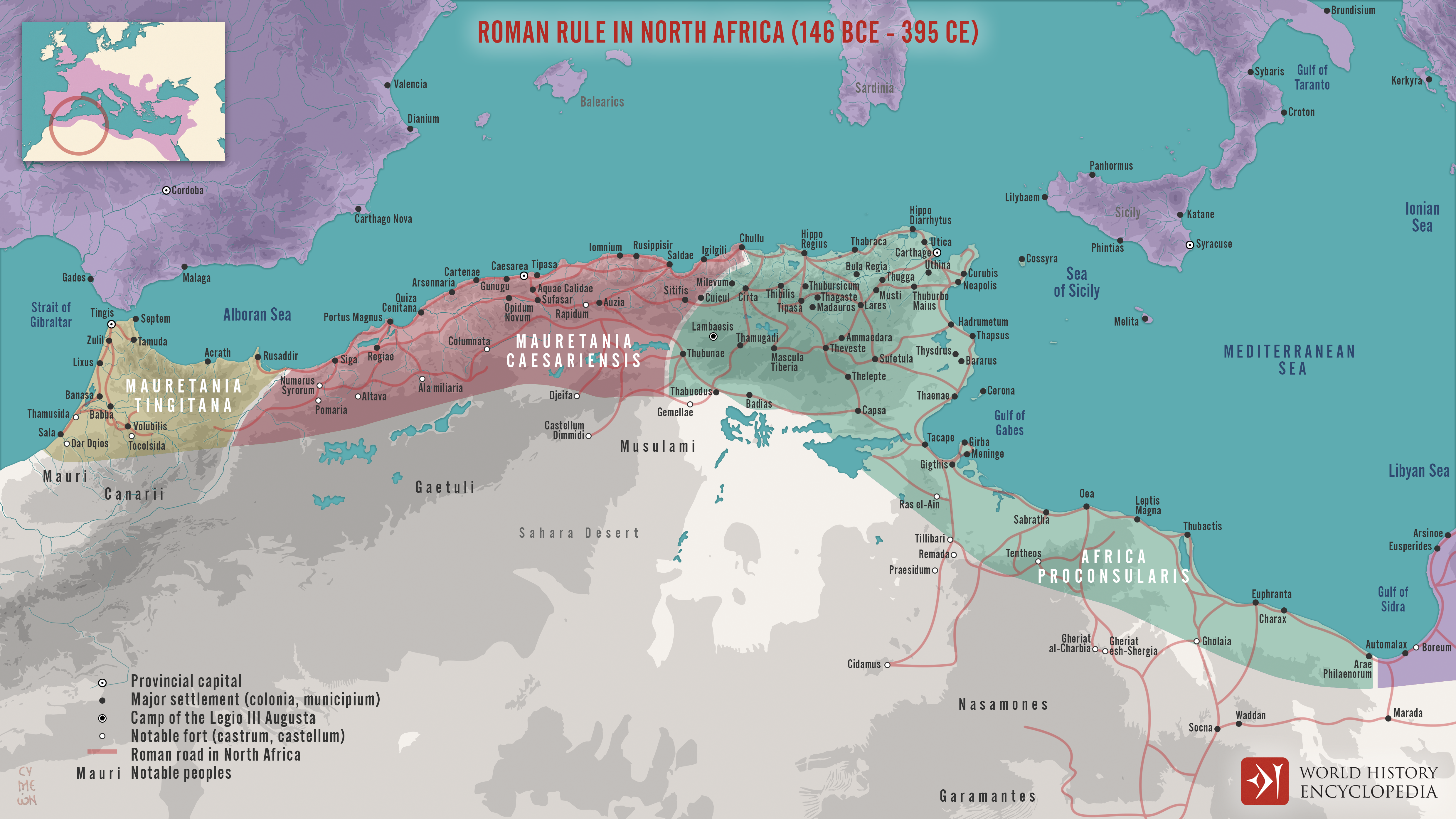
Map created by Simeon Netchev (CC BY-NC-SA 4.0).
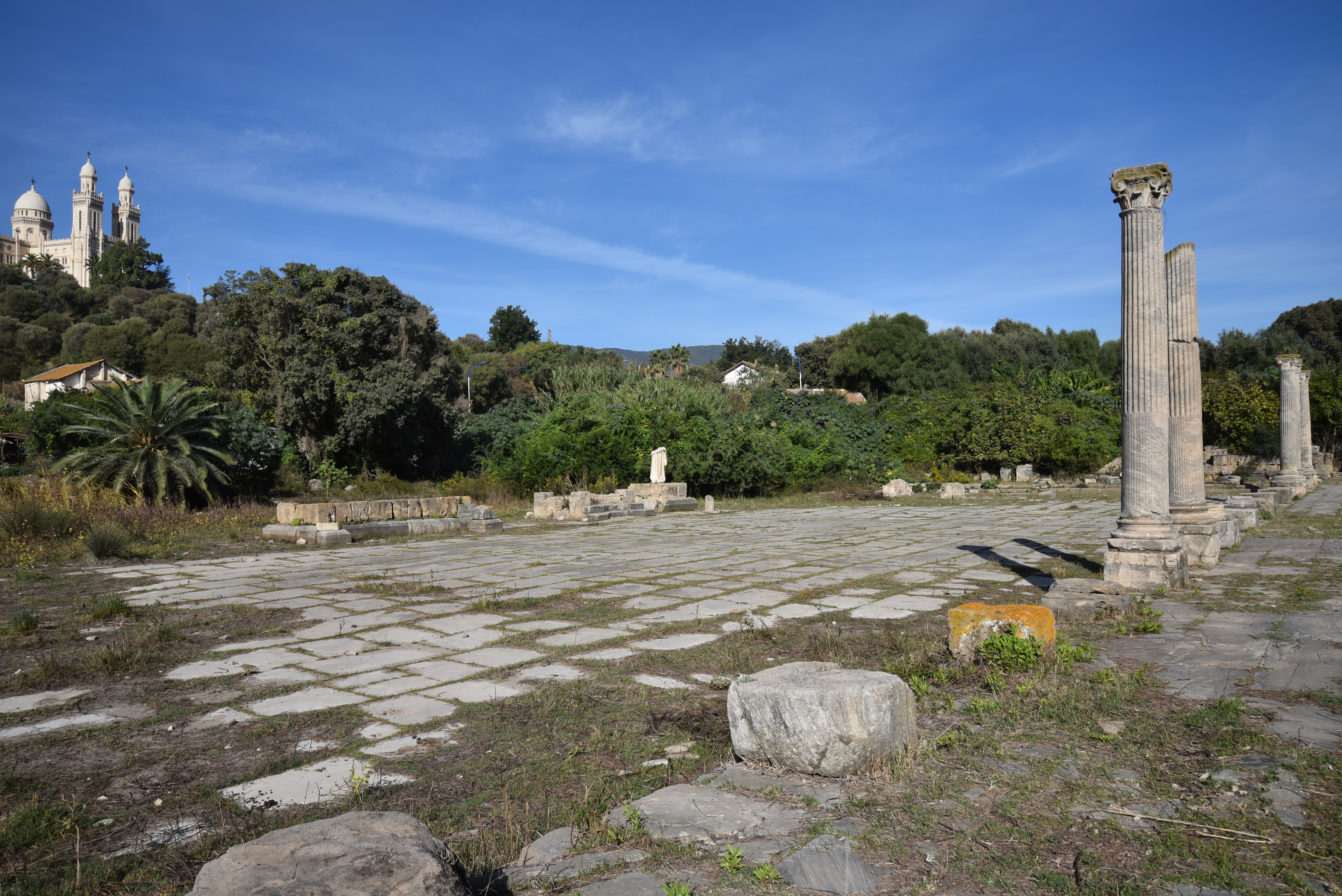
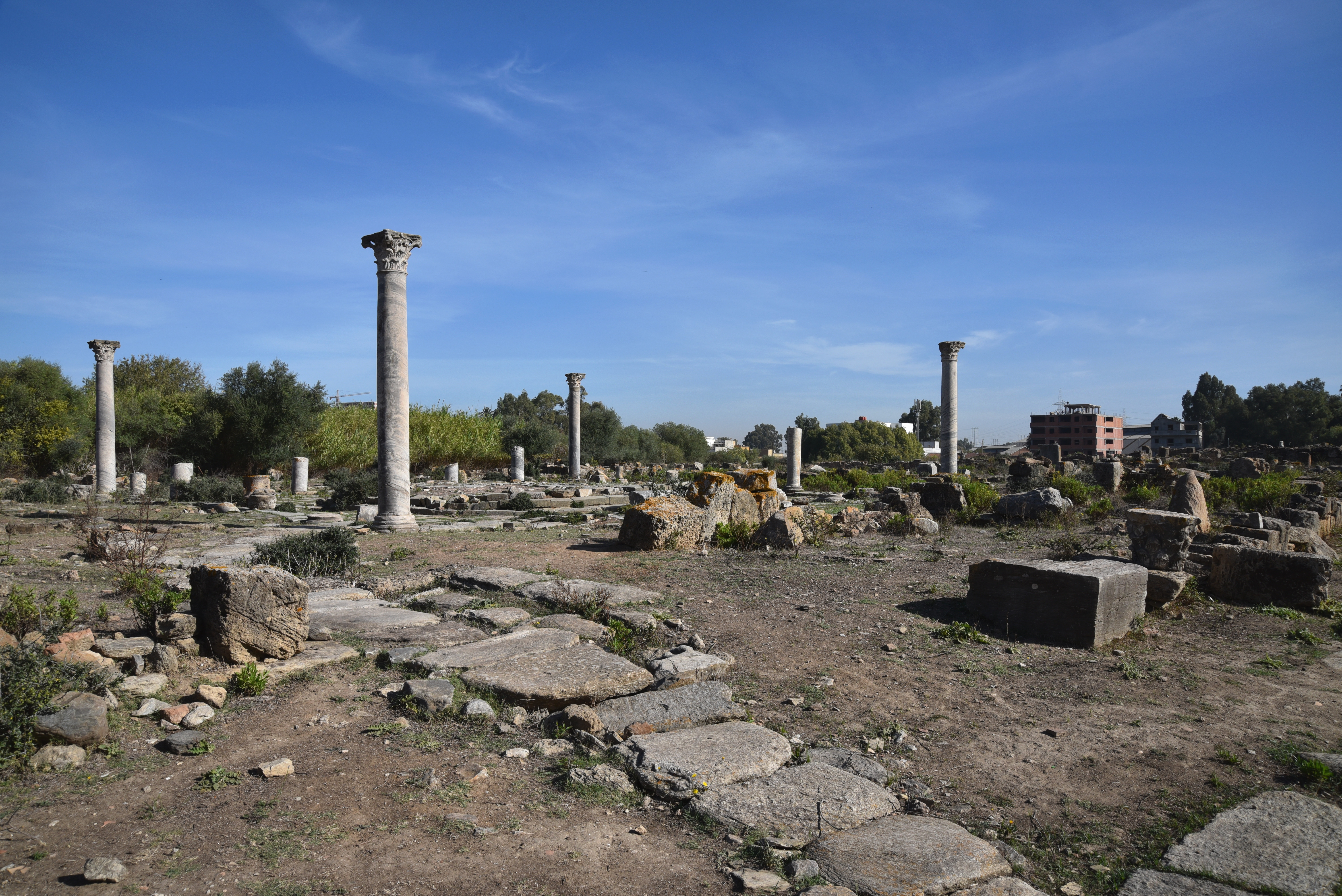
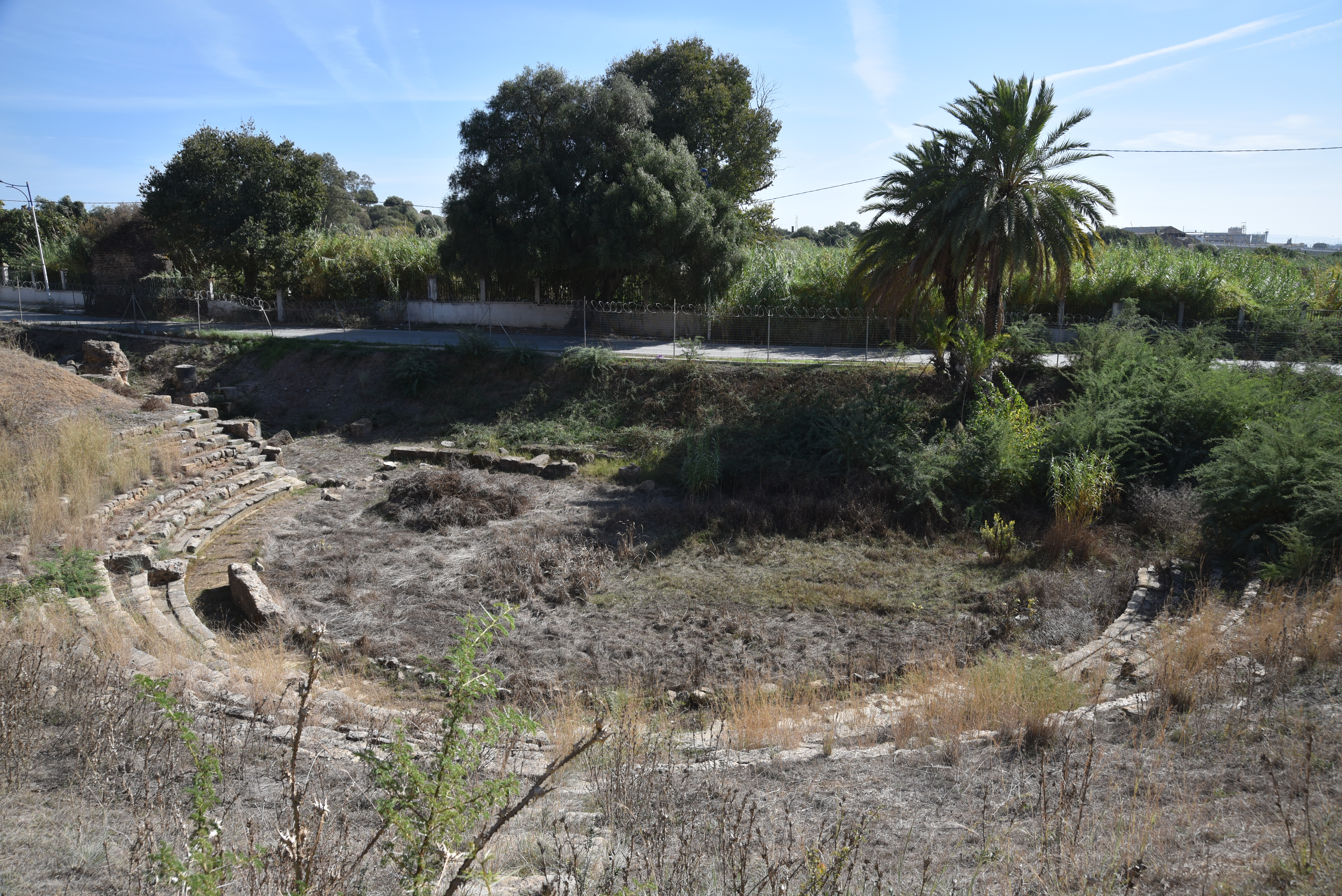
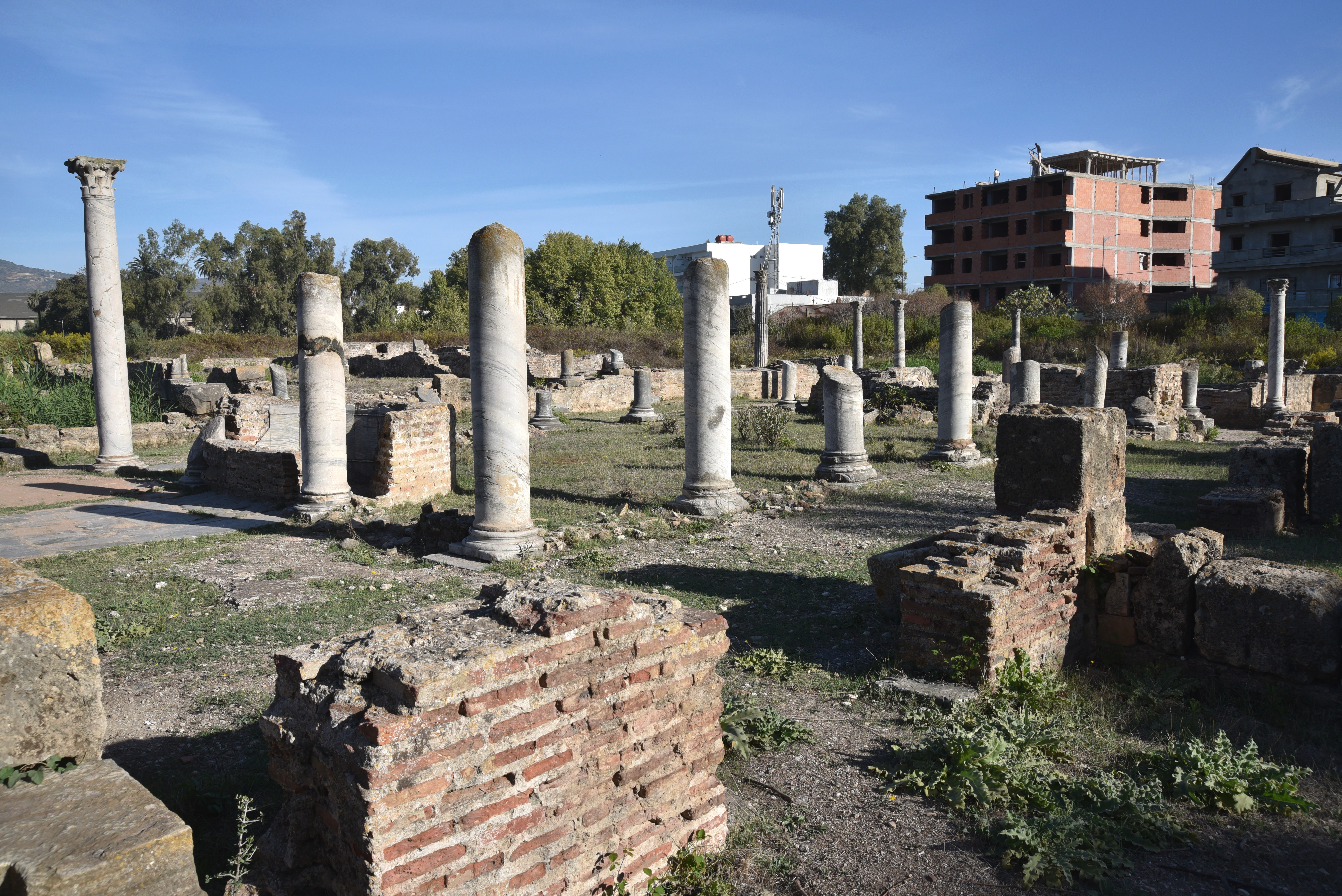
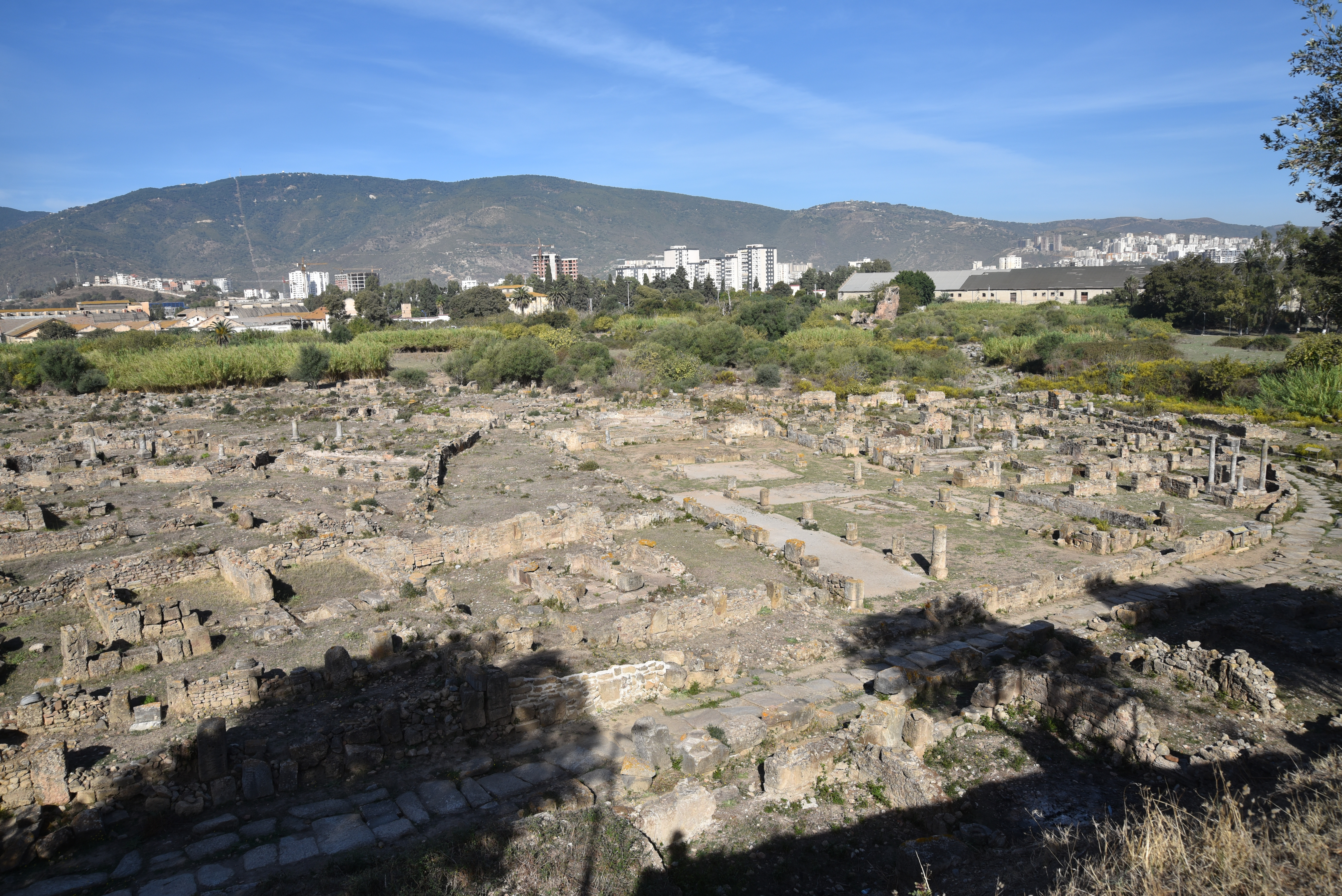
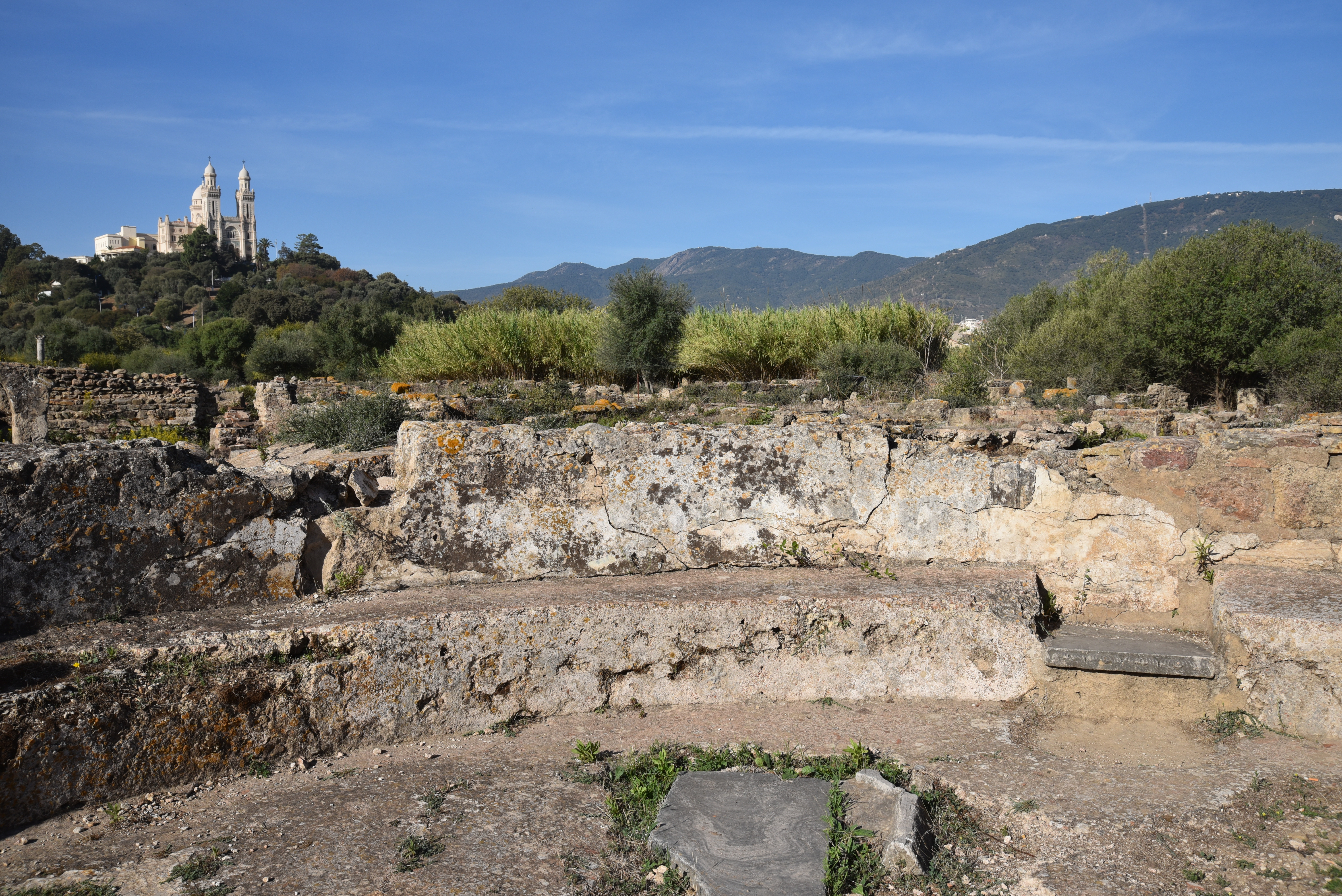
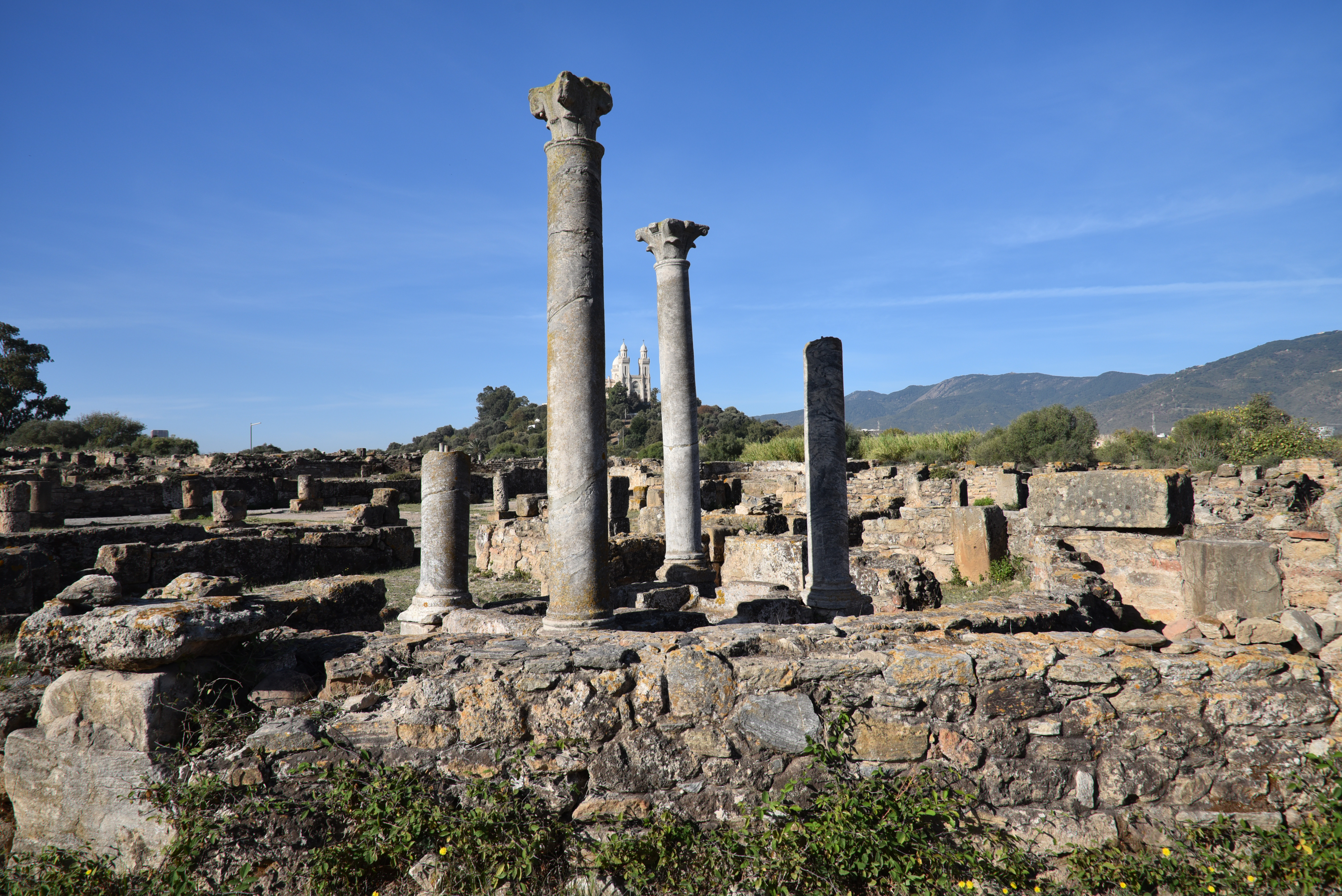
The ruins of Hippo Regius, overlooked by the imposing colonial-era Basilica of St. Augustine, are among the most evocative in Algeria. The forum is one of North Africa’s largest. It features an inscription extending over two lines across its entire width. In the Christian quarter stands a 42-metre-long (131-ft) basilica still covered with mosaics. This may have been the basilica where St. Augustine served as the renowned bishop.
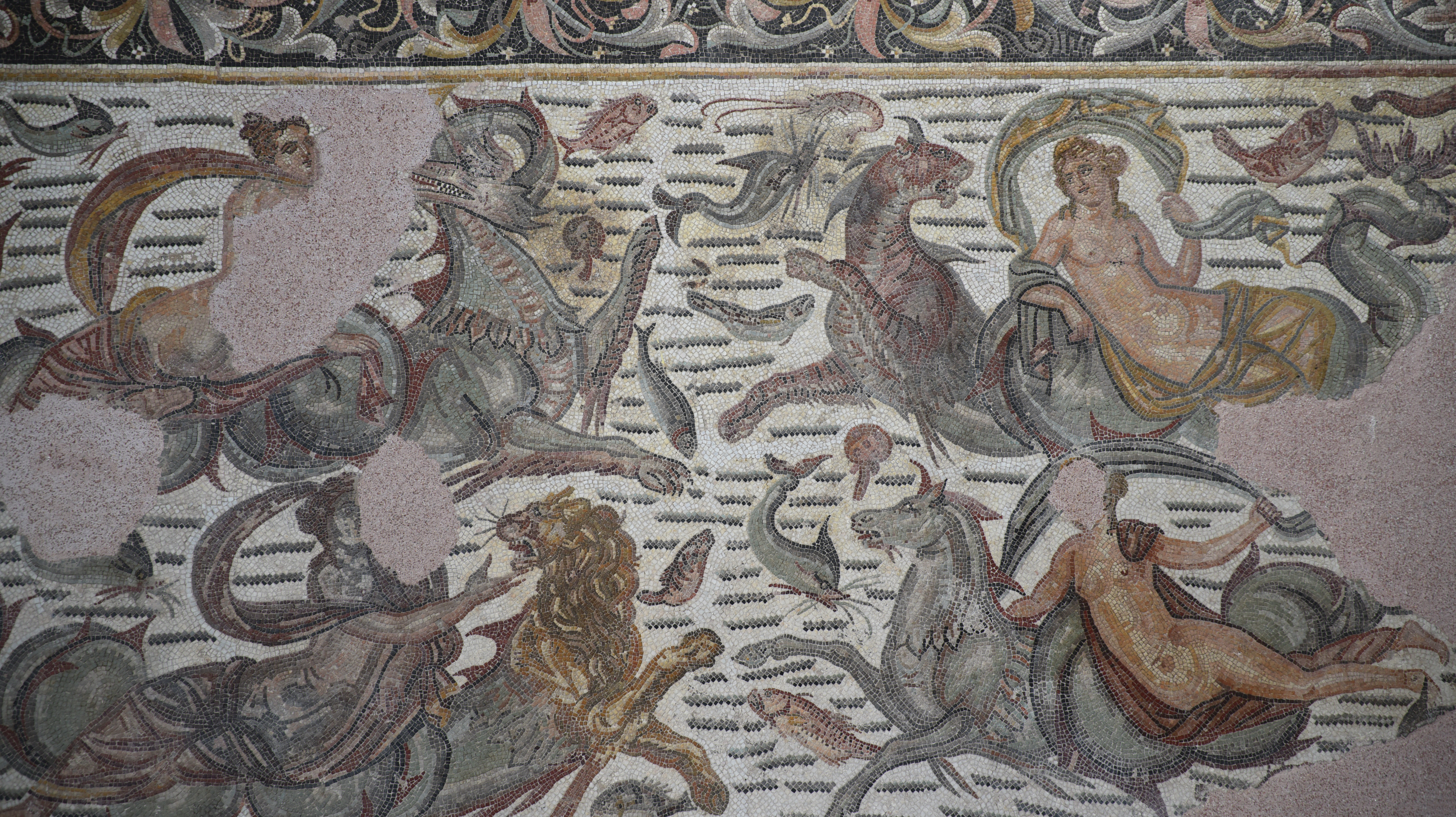
The Musée d’Hippone is located on the hill of Gharf el-Atran, overlooking the archaeological site of Hippo. Built in 1968, the museum houses over 20,000 works from Roman antiquity and later periods. It includes ancient sculptures, ceramics, coins, jewellery, bronze and fired clay vases, statuettes of Numidian, Punic, and Roman goddesses, marble busts, pottery, and Roman mosaics. The centrepiece is a bronze trophy about two meters high, commemorating the victory of Julius Caesar over King Juba I. This representation of a breastplate on a trunk was discovered on the forum of Hippo Regius.
PORTFOLIO

Forum Quarter




Quarter of the Villas
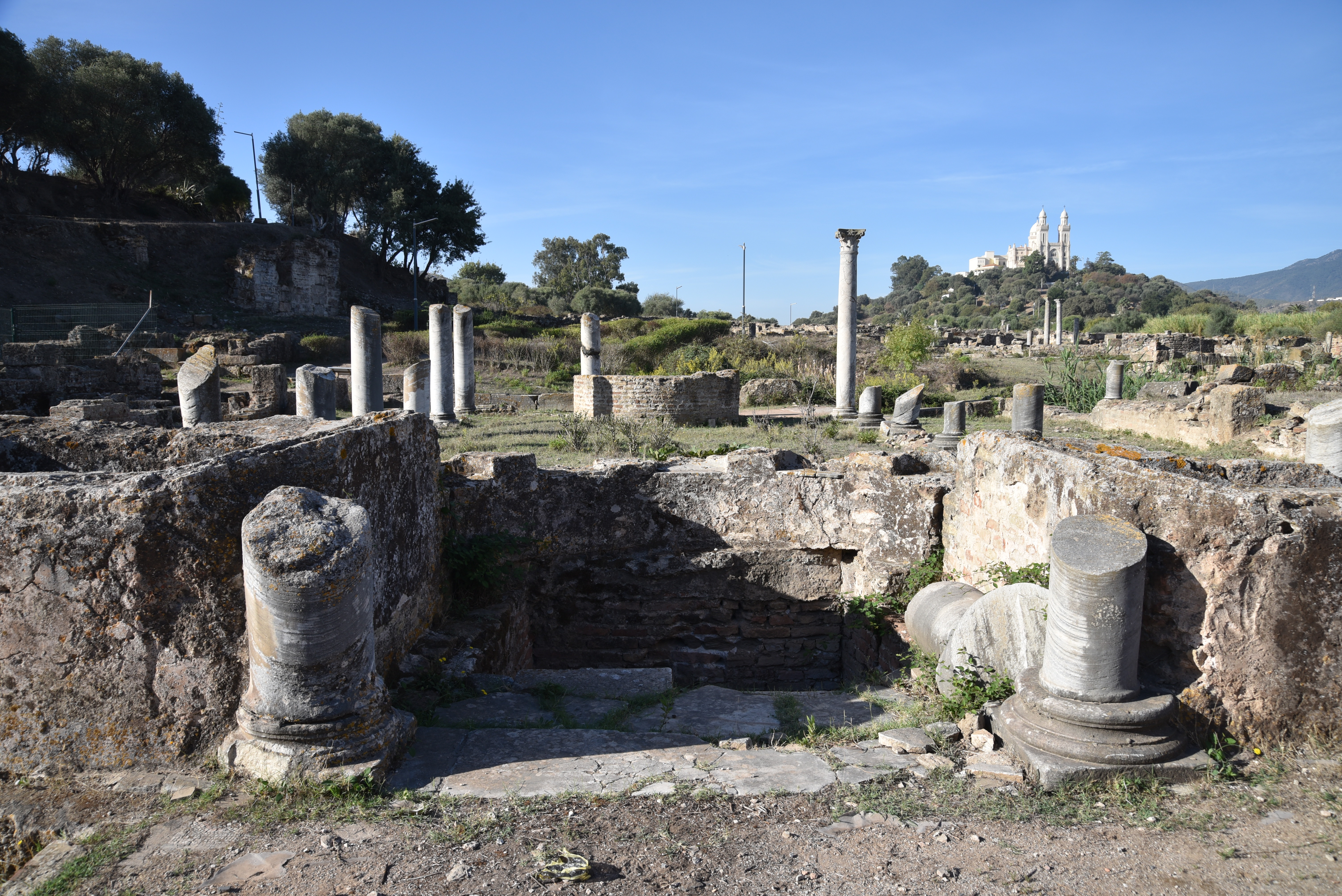

Christian Quarter



The Museum



References & links:
- The Splendours of Roman Algeria
- Blas de Roblès, Jean-Marie; Sintes, Claude; Kenrick, Philip. Classical Antiquities of Algeria: A Selective Guide (p. 127). Society for Libyan Studies. pp. 232-521
 following hadrian photography
excellent and thank ups
LikeLiked by 1 person