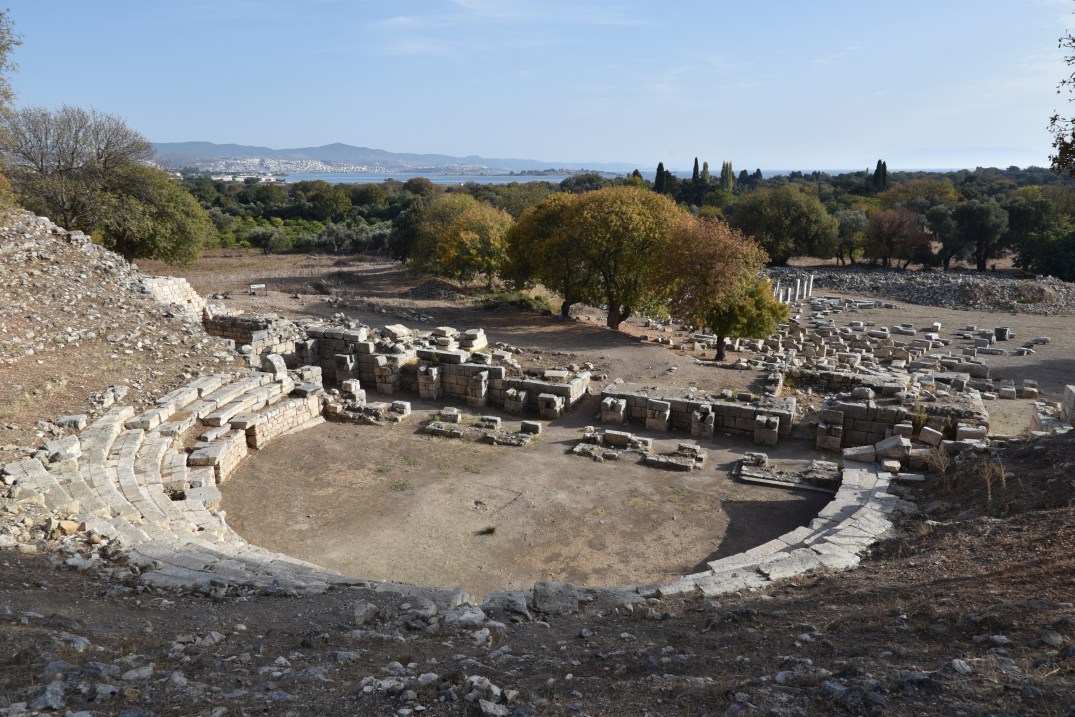
Teos, an ancient Greek city located in the Ionia region on the west coast of Anatolia (present-day Turkey), was founded in the 8th century BC during the Ionian colonisation. Strategically situated on the coast, it benefited from its proximity to the sea, becoming a thriving maritime and trading centre. Teos was one of the twelve cities forming the Ionian League, a confederation of Greek city-states established after the Meliac War in the mid-7th century BC. Throughout its history, the Ionian city underwent periods of prosperity and cultural development. Teos is home to the largest temple of Dionysus in the ancient world, designed by the famous architect Hermogenes of Priene.
Coordinates: 38° 10′ 38″ N, 26° 47′ 6″ E
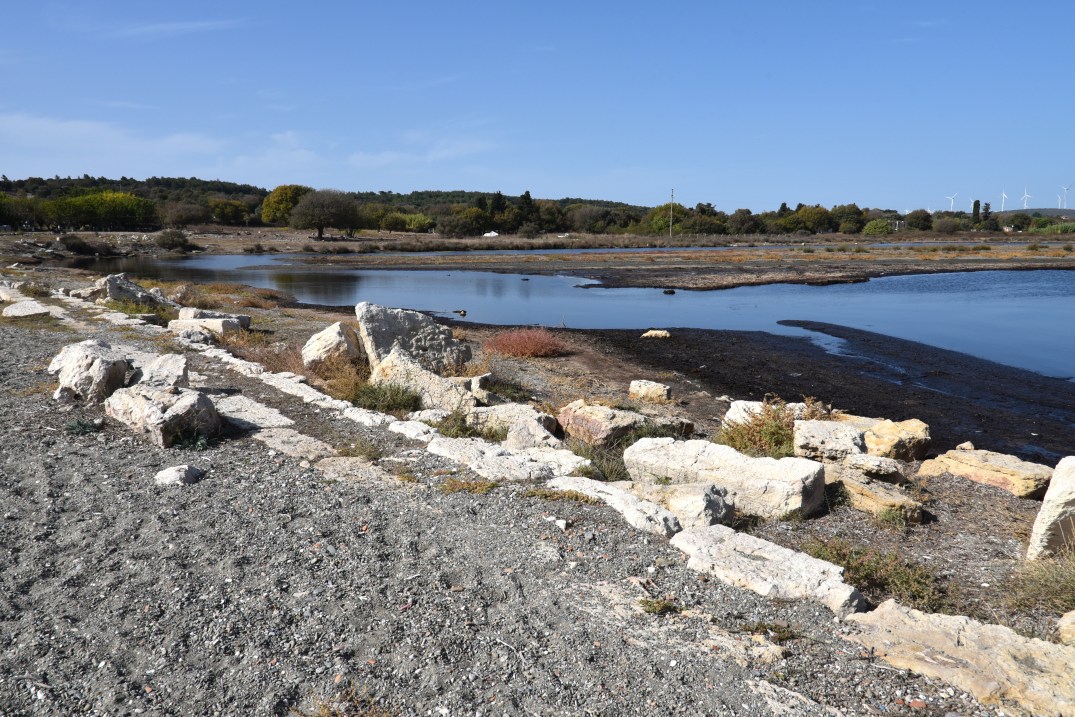
Teos was once a thriving seaport along the Ionian coast, boasting two excellent harbours. According to tradition, the city was initially established by Athamas, who brought Minyan colonists from Orchomenus (Paus. 7.3.6). They were followed by Ionians (when the city was re-founded by Nauklos), Boeotians (with Geres as founder) and Athenians (with Apoikos and Damasos as founders). Teos was a member of the Panionium, an Ionian sanctuary devoted to Poseidon Helikonios located on Mount Mycale and the gathering place of the Ionian League. The city developed rapidly and soon reached the stage where colonists from Teos settled in Phokaia (Phocaea). When the Persians seized the cities of Ionia in 546 BC, some of Teos’ inhabitants abandoned their hometowns. They established significant colonies at Abdera in Thrace and Phanagoreia on the Asian side of the Bosporus, while they participated in the establishment of the Greek trading station at Naukratis in Egypt.
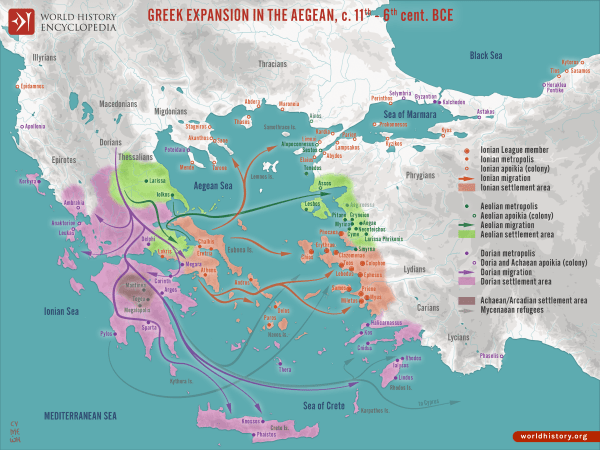
Map created by Simeon Netchev for World History Encyclopedia (link).
Teos took part in the Ionian Revolt against Persian rule (499-493 BC), which led to the Greco-Persian Wars and the first invasion of Greece. After its liberation from Persian domination, Teos joined the First Athenian League and remained a member until 412 BC. Later, the city became a part of the Delian League and paid an annual tax of 6 talents, demonstrating Teos’s thriving economy at that time.
After the Peloponnesian War (431–404 BC), Teos came under Spartan and Persian control. The Persian rule was eventually overthrown with Alexander the Great‘s conquests. During the Hellenistic period, Teos flourished as a cultural and economic centre. According to Strabo (14.644), a sanctuary dedicated to the Macedonian king was founded in Teos, and a festival known as the Alexandreia was held there. When the kingdom of Alexander fell, the city was successively occupied by Antigonids, Seleucids, and Ptolemies.
In 190 BC, the allied Roman and Rhodian fleets defeated the Seleucid navy of Antiochus III, commanded by Hannibal, in the bay of Teos. As a result of the defeat, the city of Teos, which stood on Antiochus’ side, surrendered to the Romans. Through the Peace of Apamea of 188 BC, the Kingdom of Pergamon gained control of the city. From 129 BC onwards, Teos became part of the Roman province of Asia.
Teos was renowned for its production of wine, olive oil, and marble. This contributed significantly to its wealth and influence in the region. It was also a centre of artistic and intellectual activity, attracting poets, philosophers, and artists from across the ancient Greek world. Anacreon, the famous poet, who makes an interesting appearance on the provincial Roman coinage (see here), hailed from Teos, while Epicurus reportedly studied in the city for three years. In the Roman period (late 1st century AD), Tiberius Claudius Philistes was the most eminent Teian citizen. He was honoured as the ‘new Athamas’, the first mythical founder of the city (see here). Philistes served as priest of Dionysus and held several other official positions in Teos. He spent most of his wealth on public benefactions.
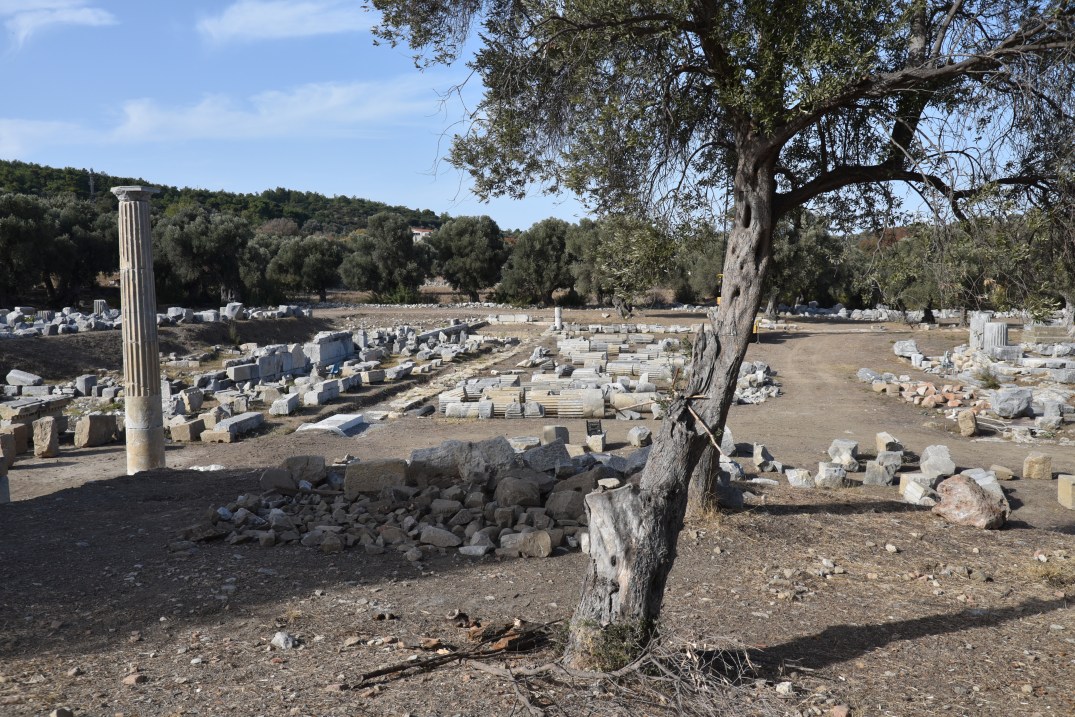
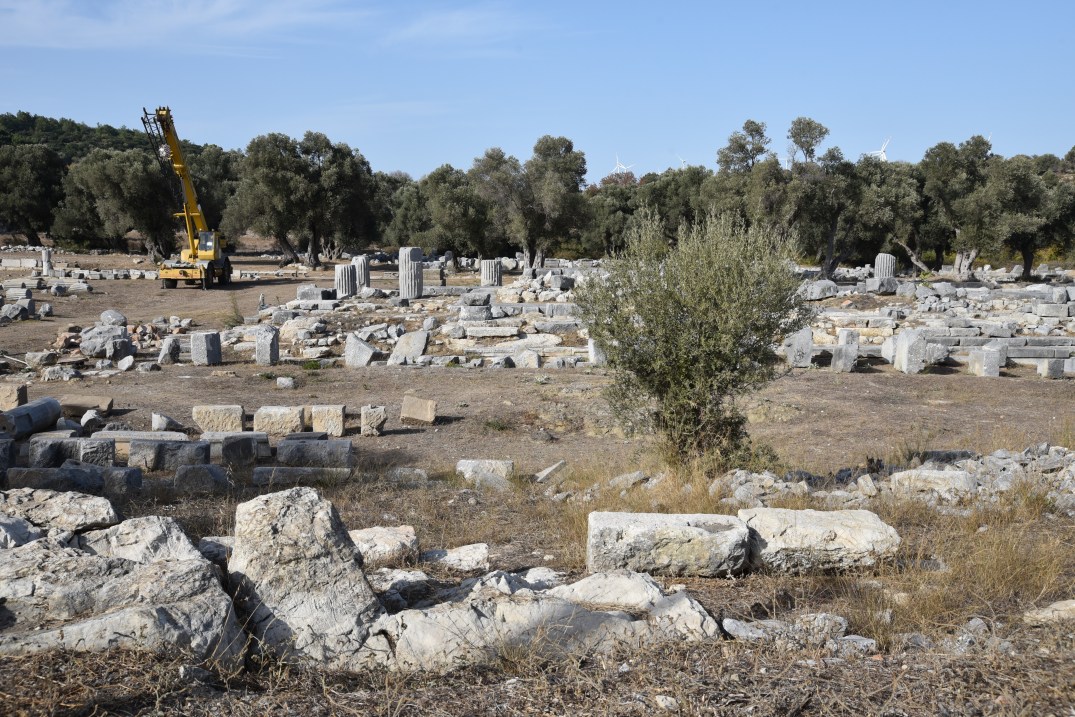
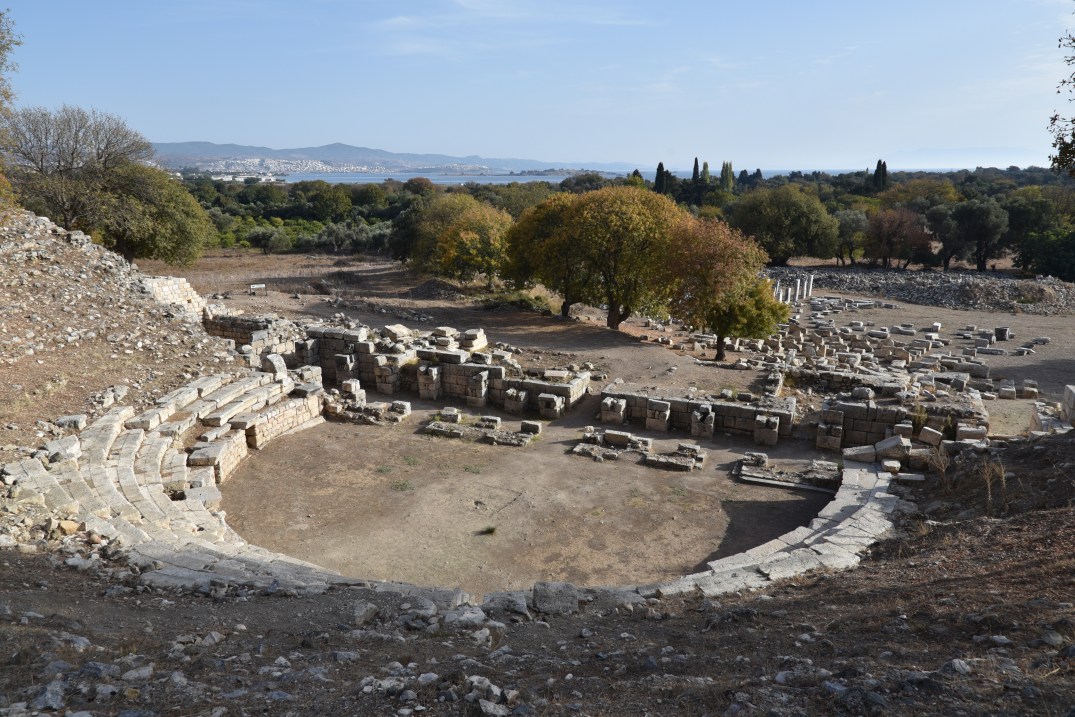
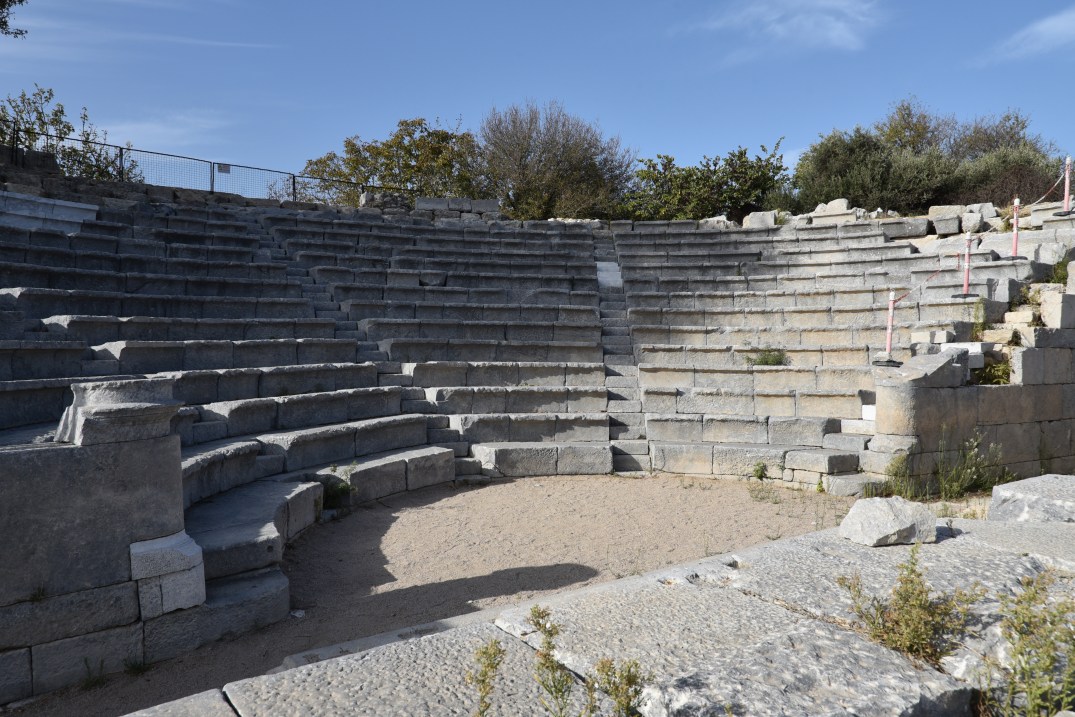
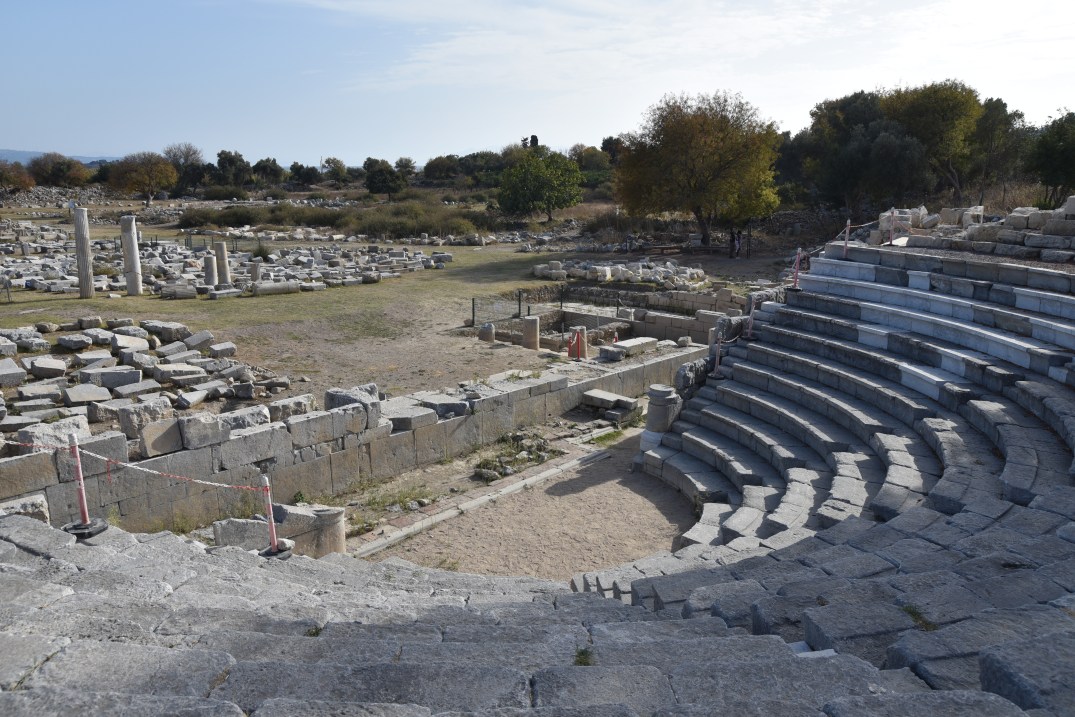
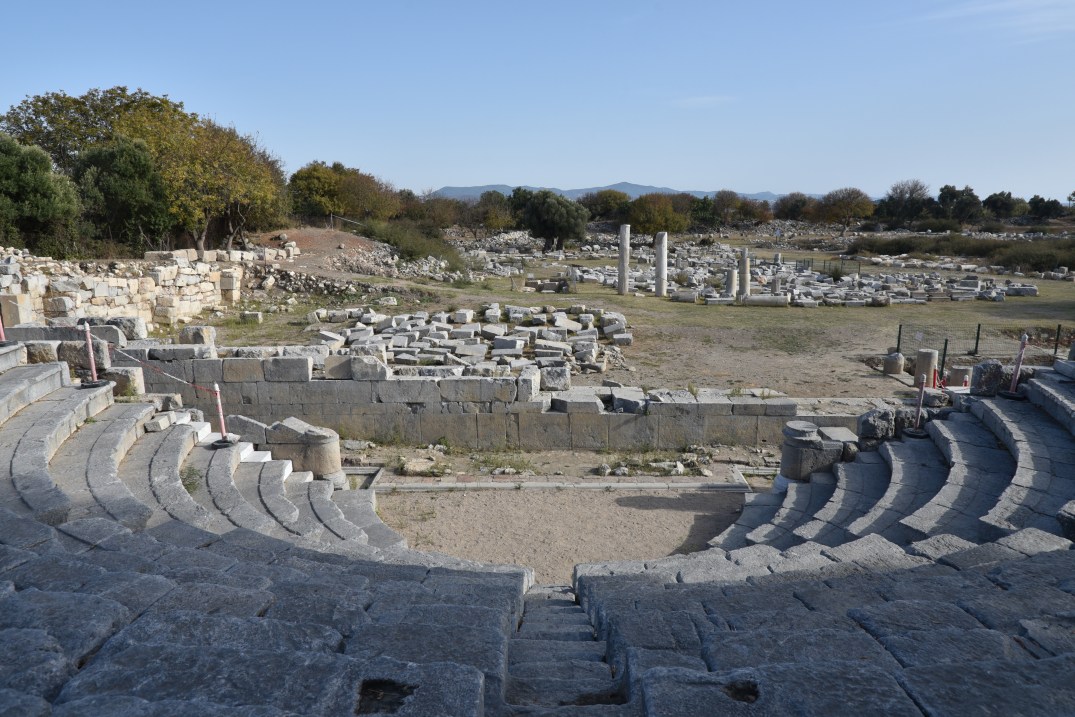
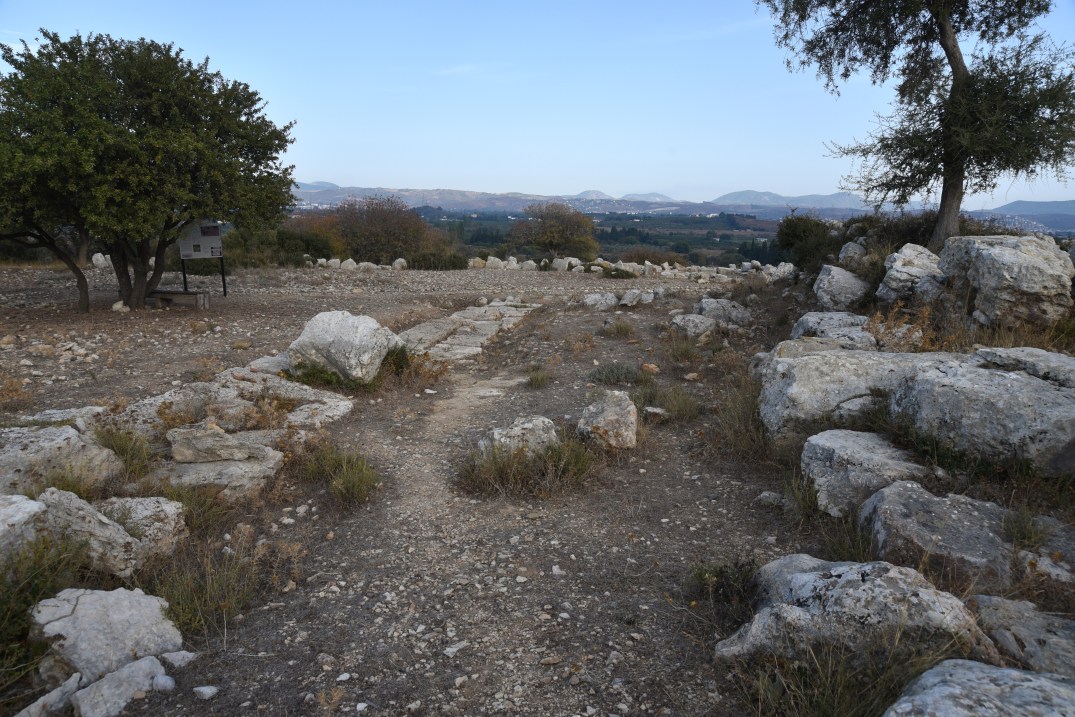
The ruins of ancient Teos can still be visited today, offering a glimpse into the city’s rich history and legacy as a prominent Ionian city in antiquity. The ruins include a harbour, temples, an Agora, a bouleuterion, and a Hellenistic theatre located at the foot of the Acropolis. The Temple of Dionysus is the most significant building in Teos and was the largest temple dedicated to the god of wine in the ancient world, measuring 18.50 meters by 35 meters. The temple was also associated with the celebrated synod, an organisation of actors related to the cult of Dionysus, who established their headquarters in Teos in the late 3rd century BC.

CHOISEUL-GOUFFIER, Gabriel Florent Auguste de. Voyage pittoresque de la Grèce, Paris, J.-J. Blaise M.DCC.LXXXII [=1782].
Αὐτοκράτω[ρ Καῖσαρ]| Θεοῦ Τρ|[α]ϊαν|οῦ Πα|[ρθικοῦ υἱ]|ὸς Θεο|[ῦ Νέρου]|α υ[ἱωνὸς Τραϊανὸς Ἁδριανὸς Σεβαστὸς Ὀλύμπιος Πανελλήνιος —]
Παν[ι]ώνιο[ς ἀρχιερεὺ]|ς μέγι|[σ]τος| δημ|[αρχικῆς ἐξου]|σίας| [τὸ ․, ὕπατ]|ος τ̣|[ὸ —]
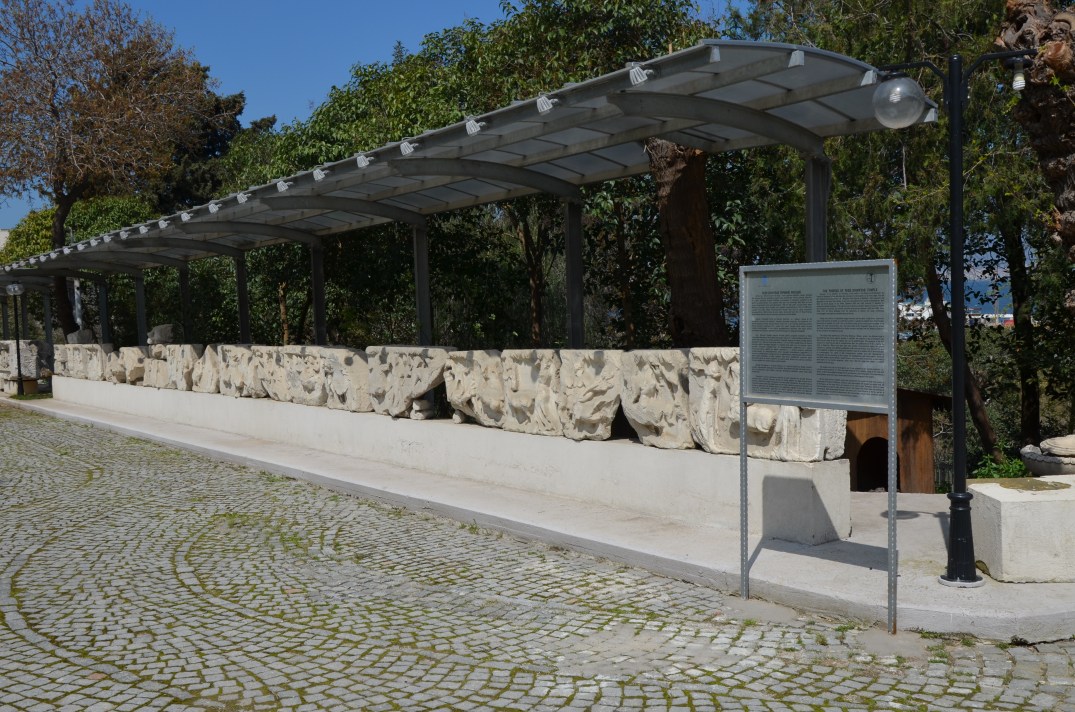
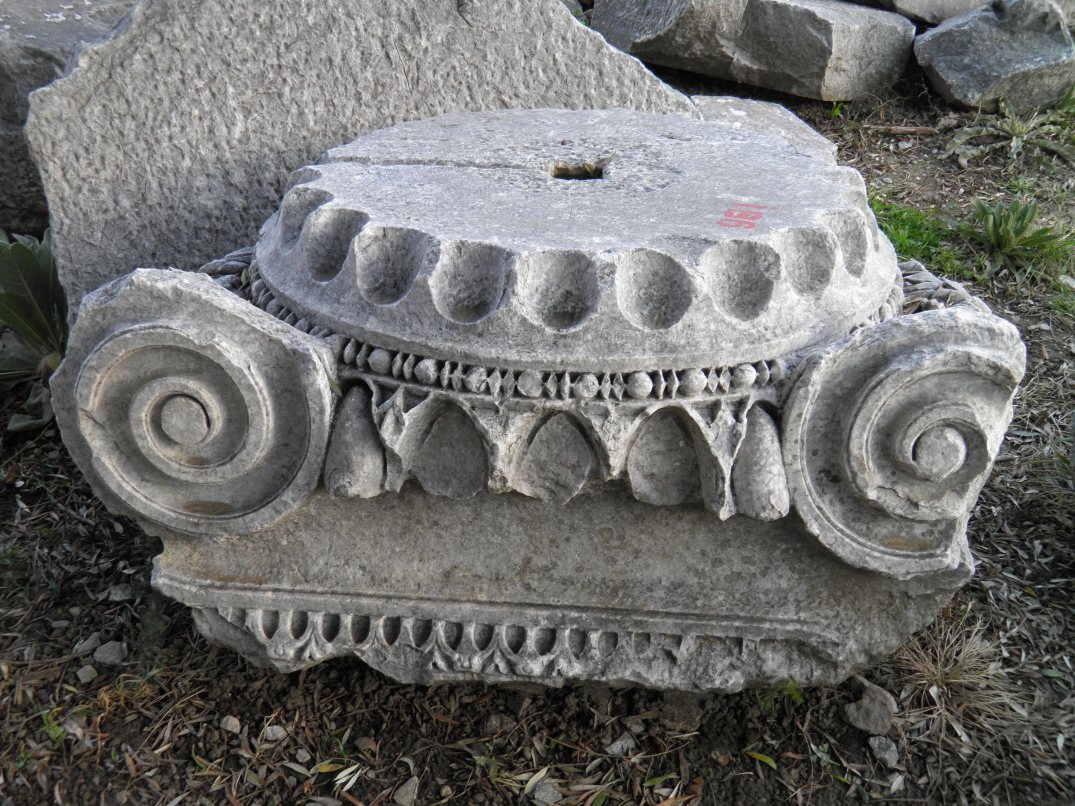
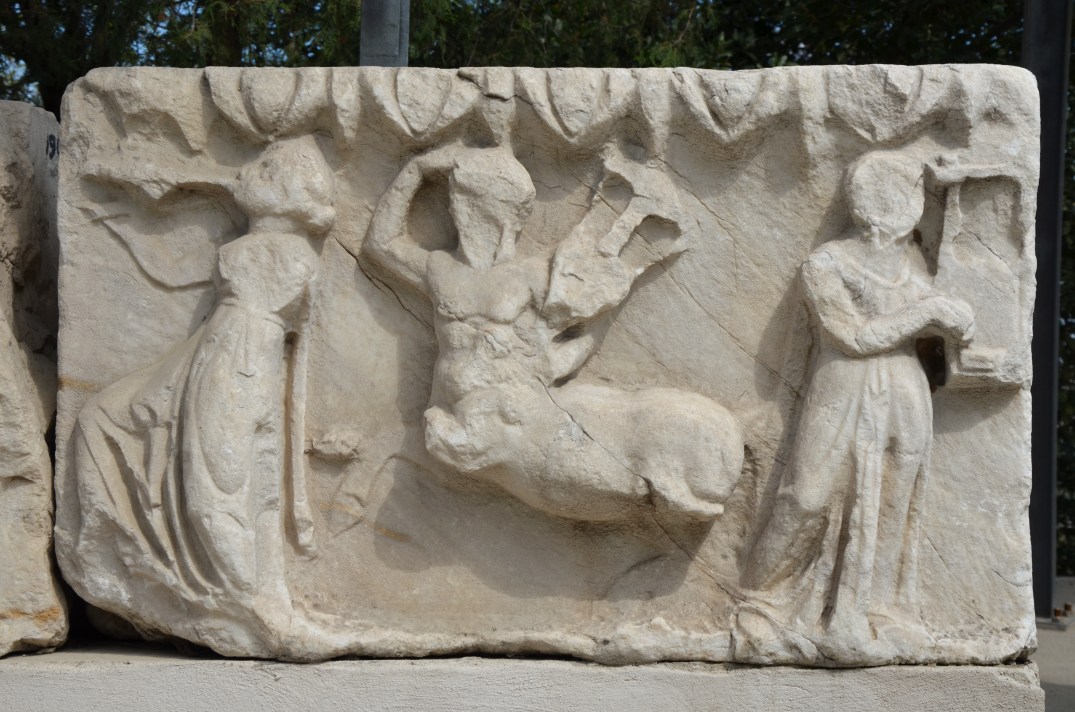
Some of the columns of the Temple of Dionysus have been restored, while parts of the relief frieze and an acroterion are exhibited in the Archaeological Museum in Izmir.
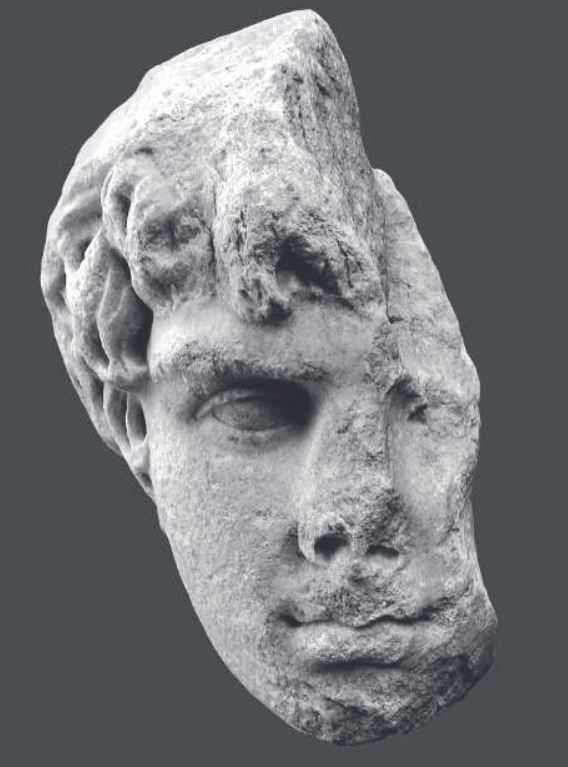
Another temple, located in the agora, was dedicated to the goddess Roma and the emperor Augustus. During excavations in the southeast corner of this temple, a marble portrait head of Antinous was discovered. This discovery could be related to the imperial cult or to the Emperor’s last visit in AD 131 (Kadioğlu, 2022).
PORTFOLIO


south) and two Ionic (east and west).










Links:
Source:
- Kadıoğlu, M., (2022). A new Antinous portrait from Teos. ASIA MINOR , no.2, 55-65.
 following hadrian photography
Beautiful job! Love these reports, so detailed, yet also so simple and clear. The photography is especially gorgeous (as usual!). Thanks,
Dr. Richard J Gibson, Brevard NC
LikeLiked by 1 person
Thank you for this wonderful post. The photos are exceptionally good.
LikeLike