
Soli (later Pompeiopolis) is an ancient port city in Cilicia, 11 km west of Mersin in present-day Turkey. Founded in the 6th century BC by Rhodian colonists from Lindos, Soli developed into a prosperous city known for its cultural and intellectual achievements. It was renowned for its philosophers, including the famous Stoic philosopher Chrysippus and two distinguished poets, Philemon and Aratus. Soli was re-established in the 1st century BC by Pompey, who renamed the city of Pompeiopolis and used it as his naval base during his campaign against the Cilician pirates. The town served as a significant centre for trade and commerce due to its strategic location along the Cilician coast. Over time, Pompeiopolis experienced various cultural influences, reflecting the region’s diverse history. The city flourished during the Roman and Byzantine periods but eventually declined, like many ancient cities, due to economic shifts and invasions.
Coordinates: 36° 44′ 31″ N, 34° 32′ 24″ E
Soli was first mentioned by Xenophon as a maritime town of Cilicia between the mouths of the rivers Lamus and Pyramus, from each of which its distance was about 500 stadia. It was supposedly founded by Greek colonists from Lindos on Rhodes. Over time, this village grew into a significant city and became the province’s capital when the Persians ruled Asia Minor. Soli prospered under Achaemenid hegemony, minting coins to the Persian standard until Alexander the Great drove the Persians out of Cilicia in 333 BC. In Hellenistic times, under the rule of the Seleucid dynasty, Soli continued to grow and prosper until its destruction by Tigranes II (King of Armenia and the Seleucid Empire) in 83 BC.
In 67 BC, Pompey the Great restored the city and colonised it with survivors from his successful campaign against the Cilician pirates. He renamed the site Pompeiopolis. Pompeiopolis likely absorbed elements of the older Soli, contributing to the region’s continuous historical development. The city was then surrounded by new defensive walls, and many public buildings and roads were built.
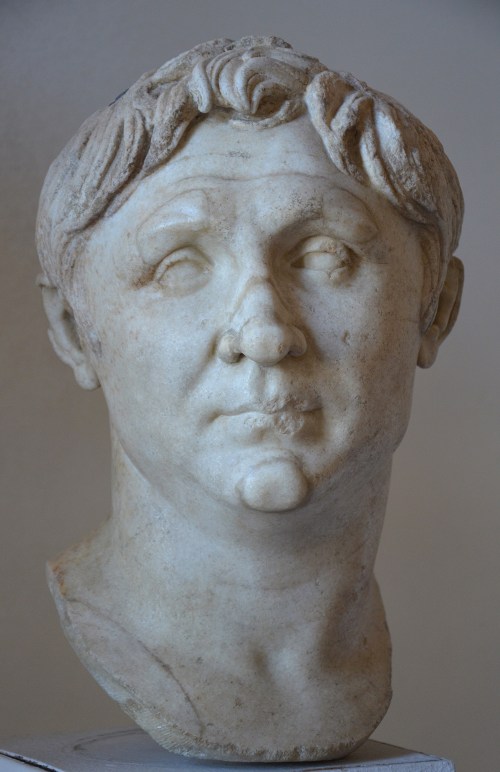
Venice Museo Archeologico Nazionale
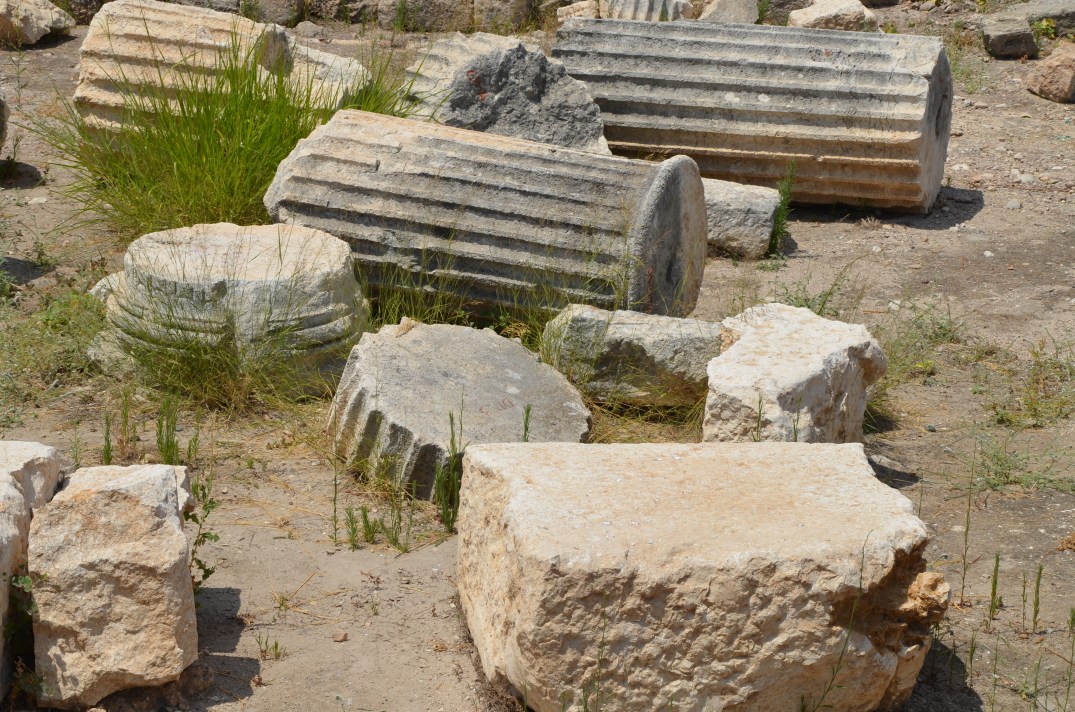
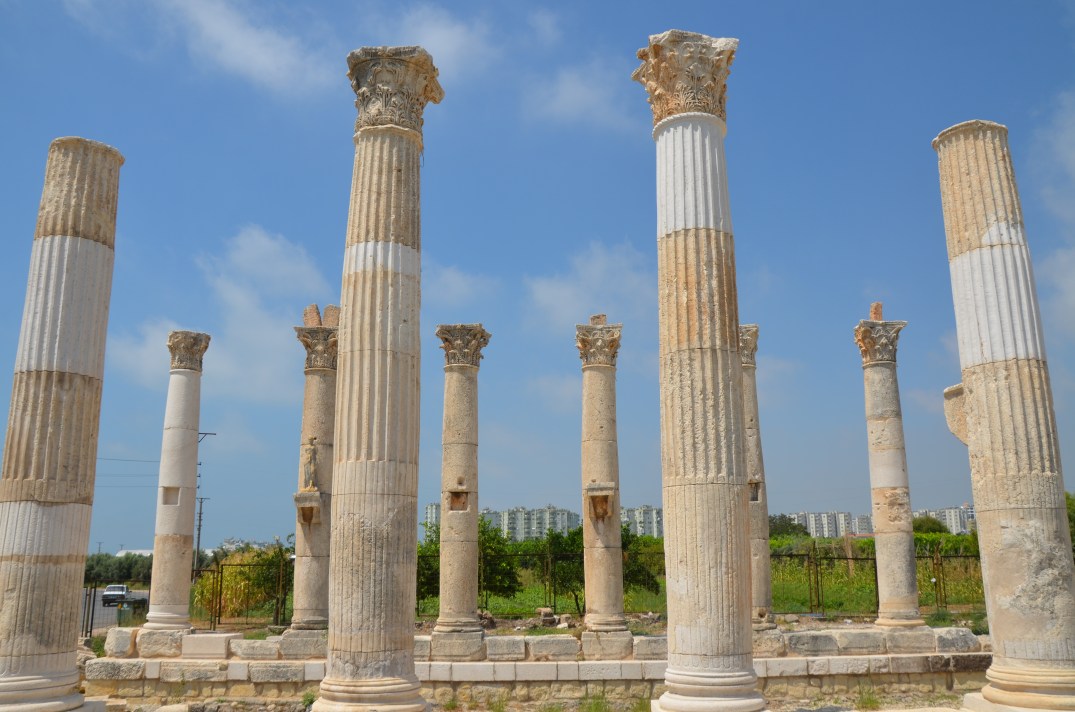
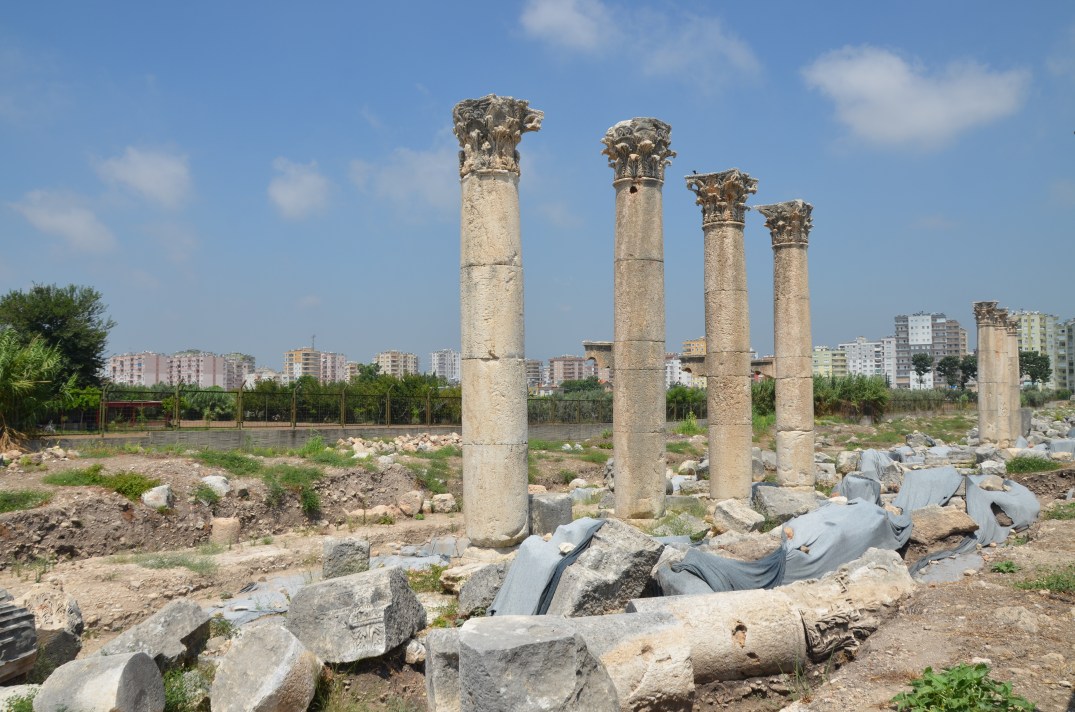
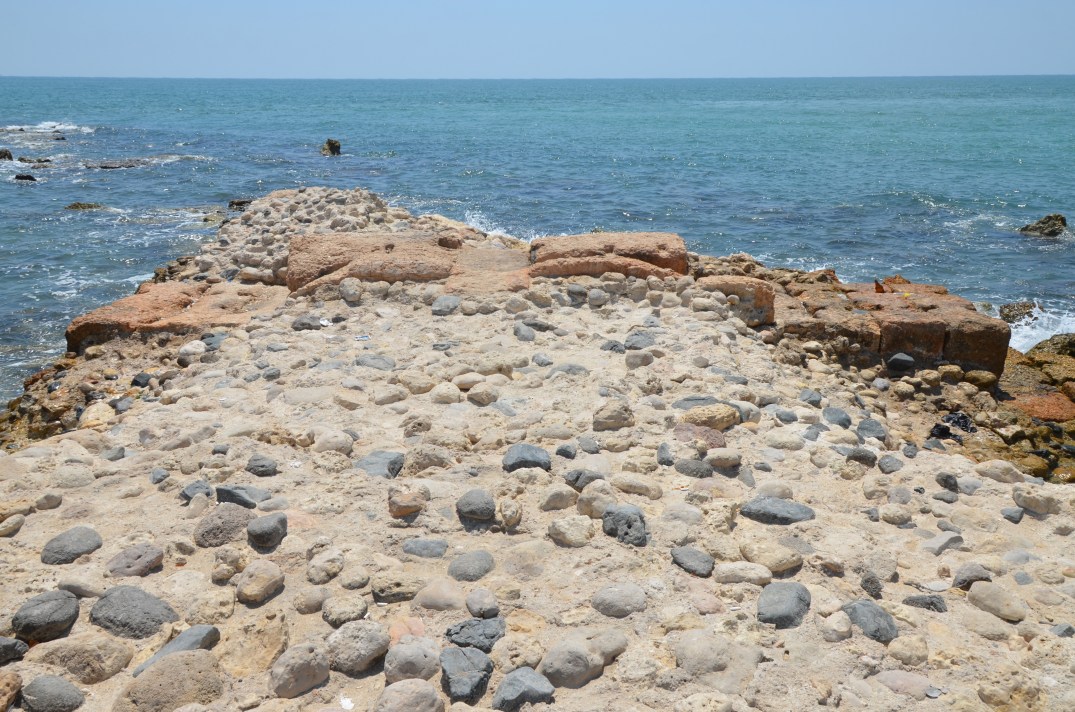
Only a few remains of ancient Pompeiopolis have survived, including the harbour basin and columns of a colonnade road that led from the northern gate of the city to the port. A theatre seen by travellers at the beginning of the 19th century is no longer visible. The harbour of Pompeiopolis played a crucial role in the city’s prosperity, serving as a hub for maritime trade and commerce. The harbour was strategically located along the Cilician coast, facilitating connections with other Mediterranean regions. The well-designed harbour infrastructure, including docks and loading facilities, contributed to the city’s economic growth.
In AD 129/30, the province of Cilicia was visited by Hadrian, who donated funds for the expansion of the port in Pompeiopolis, but the work was completed only in the reign of Antoninus Pius, his adopted son. The completion of the harbour renovations was celebrated on the coinage. The coin’s reverse depicts a two-storey harbour and a divine figure lying down within it, probably representing a local river god. A lighthouse is visible at the end of the western breakwater. On the roof of the harbour, jar-like objects are perched at regular intervals, and a torch is seen between the first two. These torches are thought to have been used to illuminate the harbour. In AD 525, Pompeiopolis was completely destroyed by a powerful earthquake and never regained its former importance.

American Numismatic Society
In 2018, a 1,700-year-old portrait bust was uncovered, believed to be of a Roman aristocrat (see here).
PORTFOLIO








Links:
 following hadrian photography