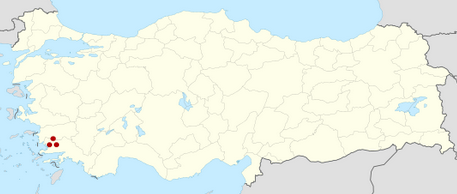
Labraunda is the site of the Sanctuary of Zeus Labraundos, situated in the mountains that overlook the Milas plain. It was one of the most significant sanctuaries in Caria, particularly during the 4th century BC when King Mausolus, the satrap of Caria, made Labraunda his family’s sanctuary.
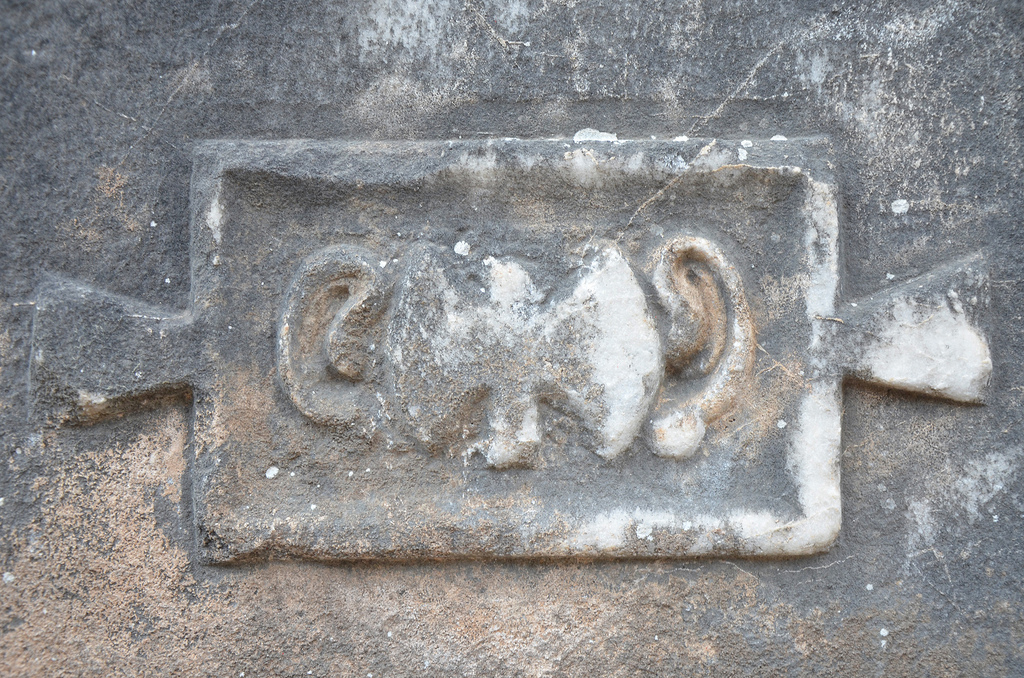
The cult of Zeus Labraundos, known for its double-headed axe symbol, likely originated in the 7th century BC near a spring located just above the temple terrace. This site may have been selected as a sacred location due to the presence of a rock that appears to have been split in two by a thunderbolt.
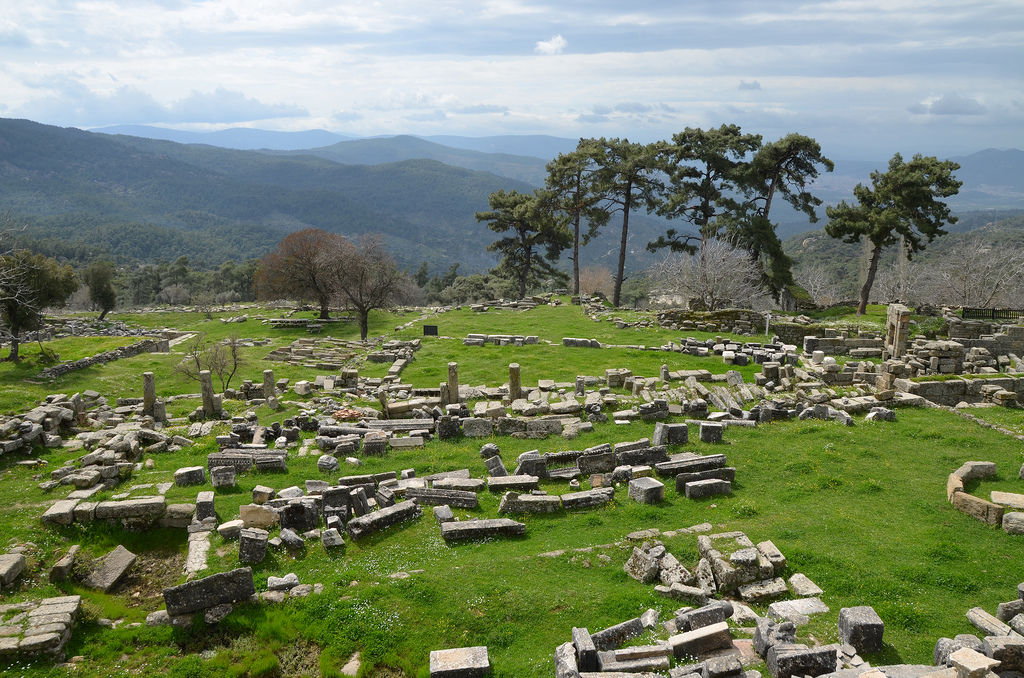
Labraunda was located on a steep slope, which led to the construction of the buildings on a series of five artificial terraces. It was connected to the city of Mylasa (modern Milas) by a 7.5-meter-wide paved Sacred Way. Every year, a five-day sacrificial feast was celebrated at Labraunda.
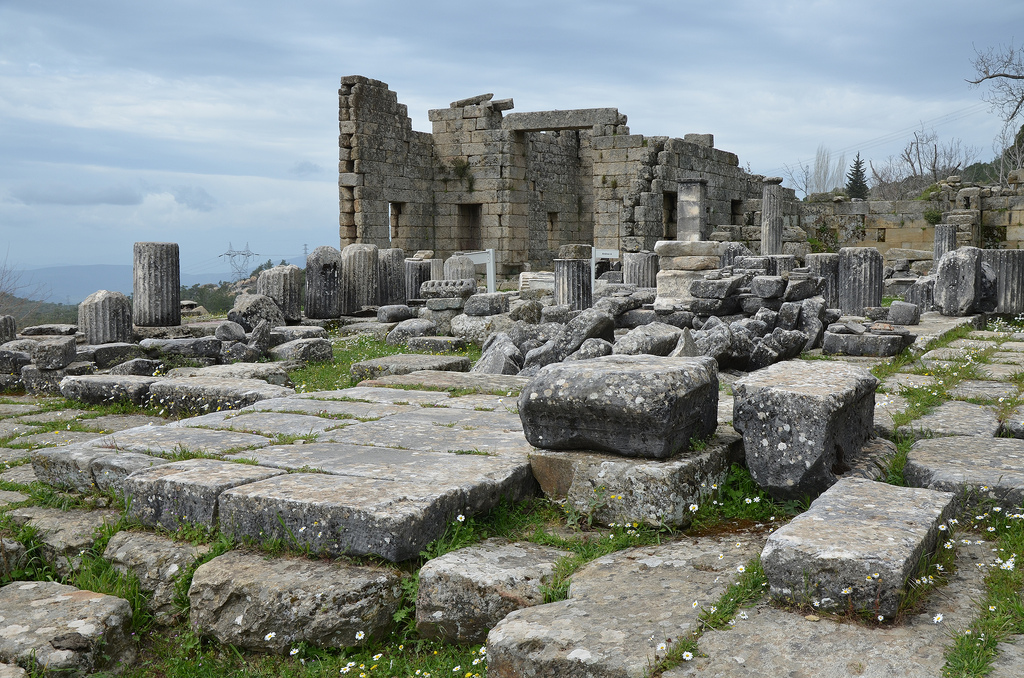
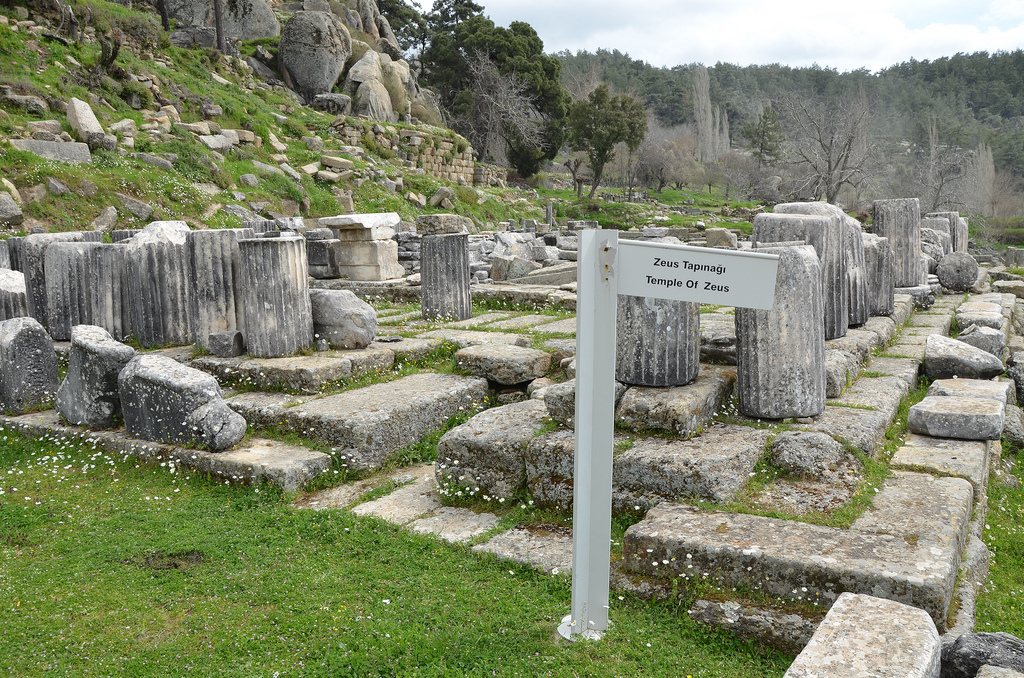
The archaeological remains, dating from the 5th century BC to the 1st century AD, include the Temple of Zeus, two large andrones (ceremonial dining halls), two stoas, two Roman baths, several residences for priests, and a nymphaeum.
PORTFOLIO
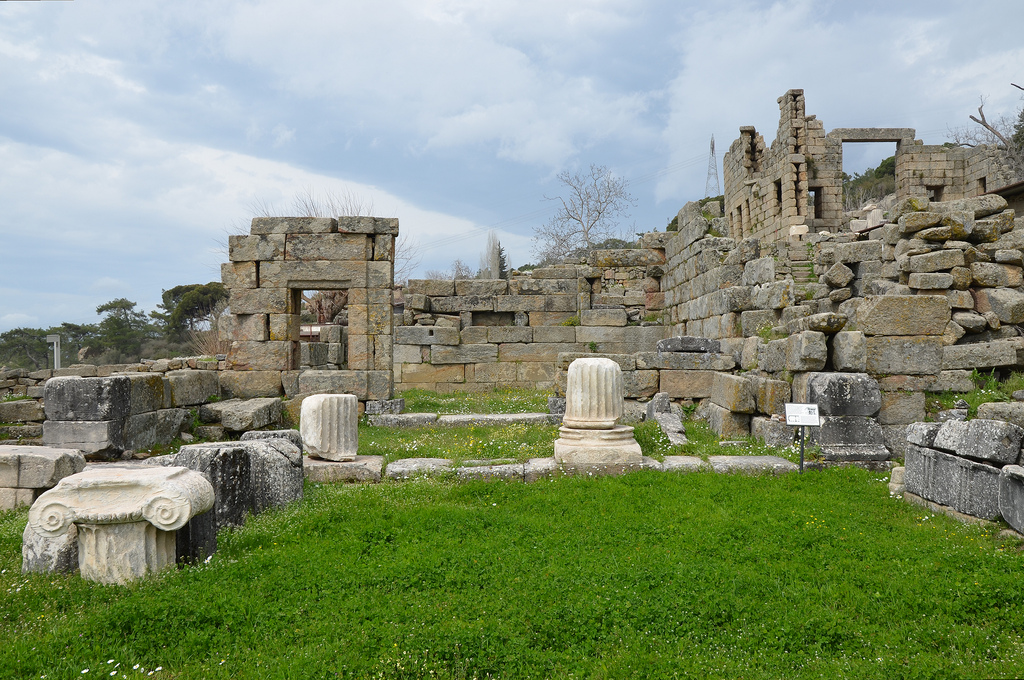
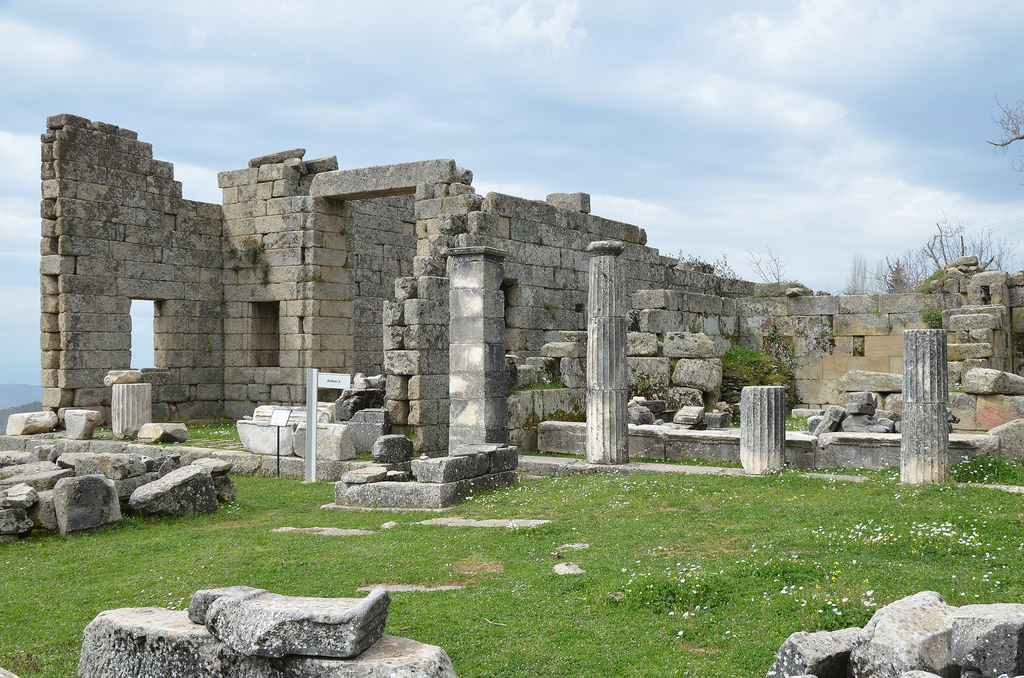
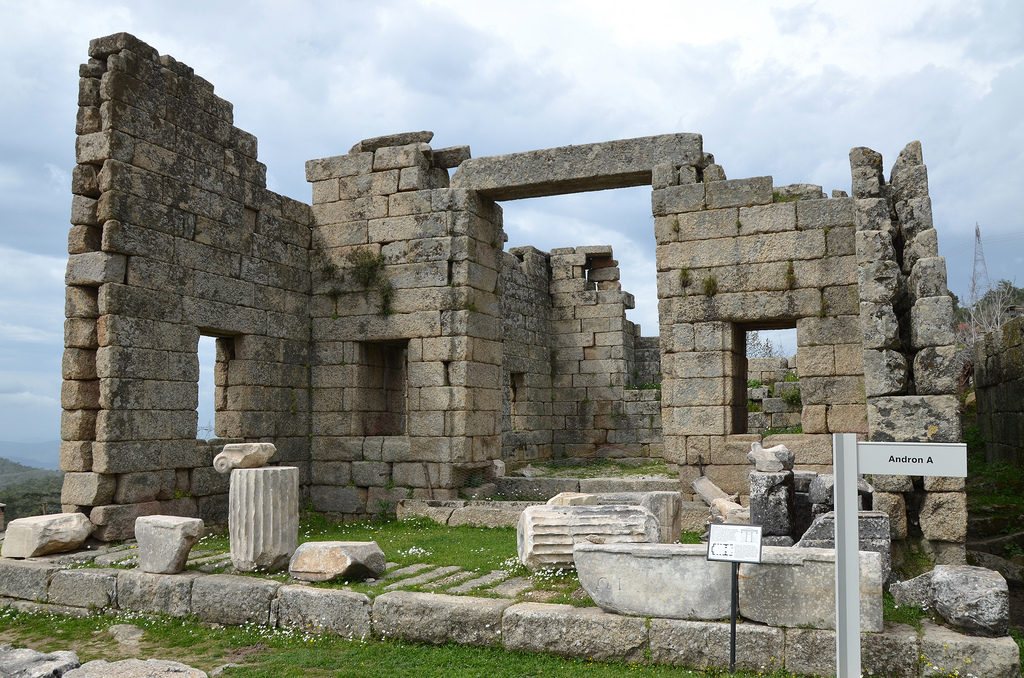
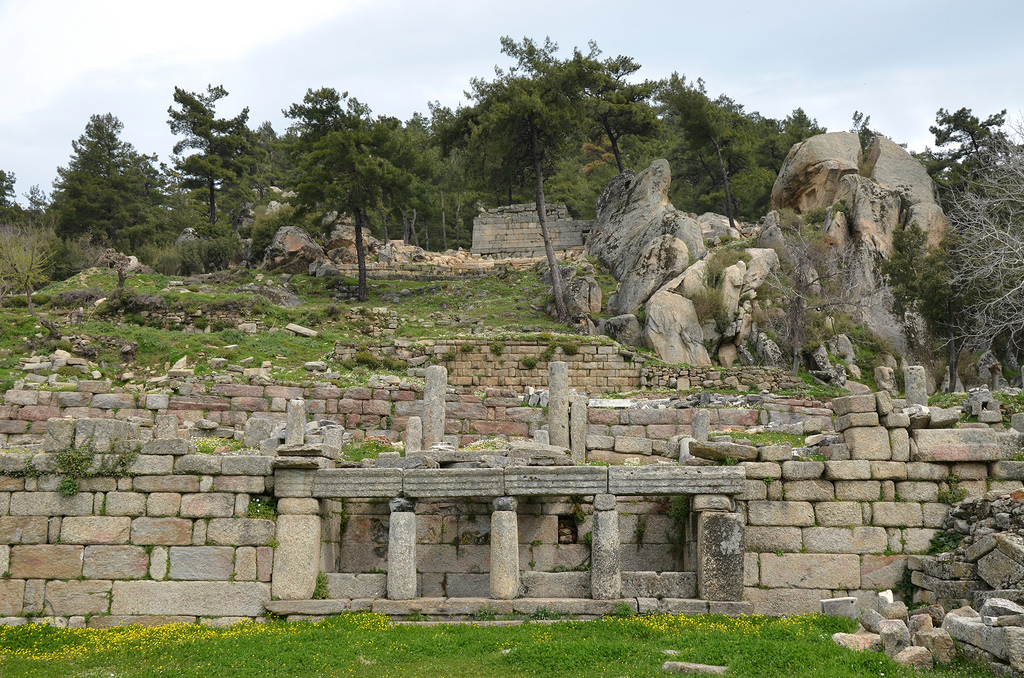
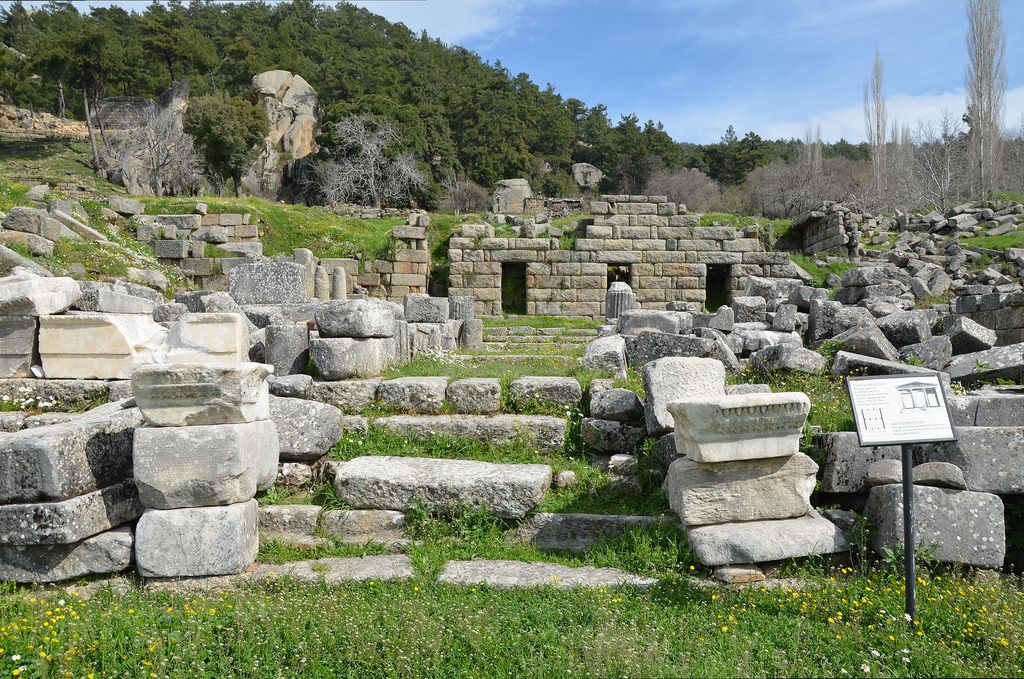
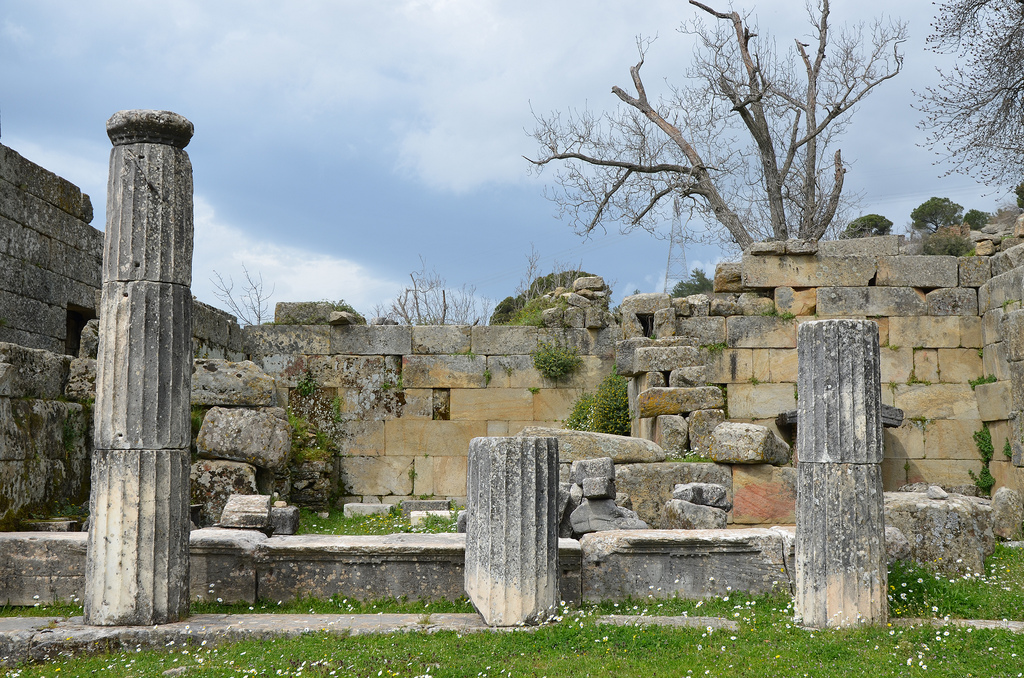
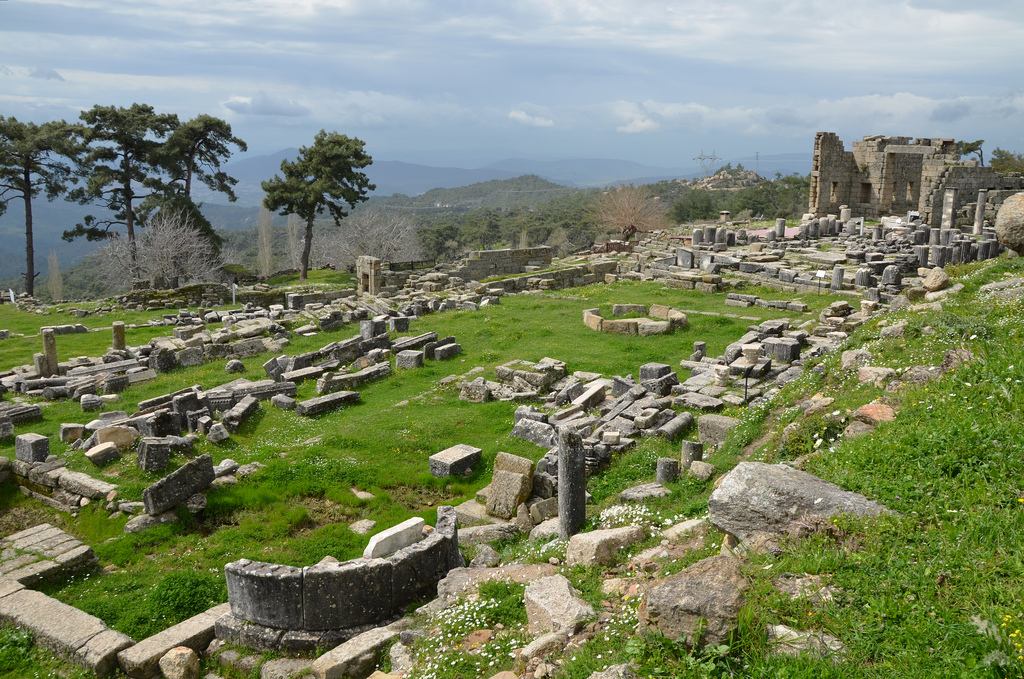
The Sanctuary of Zeus Labraundos.The ruins of the Temple of Zeus built in the 4th century BC.The Temple of Zeus, built in the 4th century BC.The ruins of Andron B (banqueting hall) erected by Mausollos (377-352 BC), it had two Ionic columns and a Doric frieze with triglyphs.Andron B (banqueting hall).The second banqueting hall (the so-called Andron A), presumably built by Idrieus (351-344 BC).Andron A (banqueting hall).
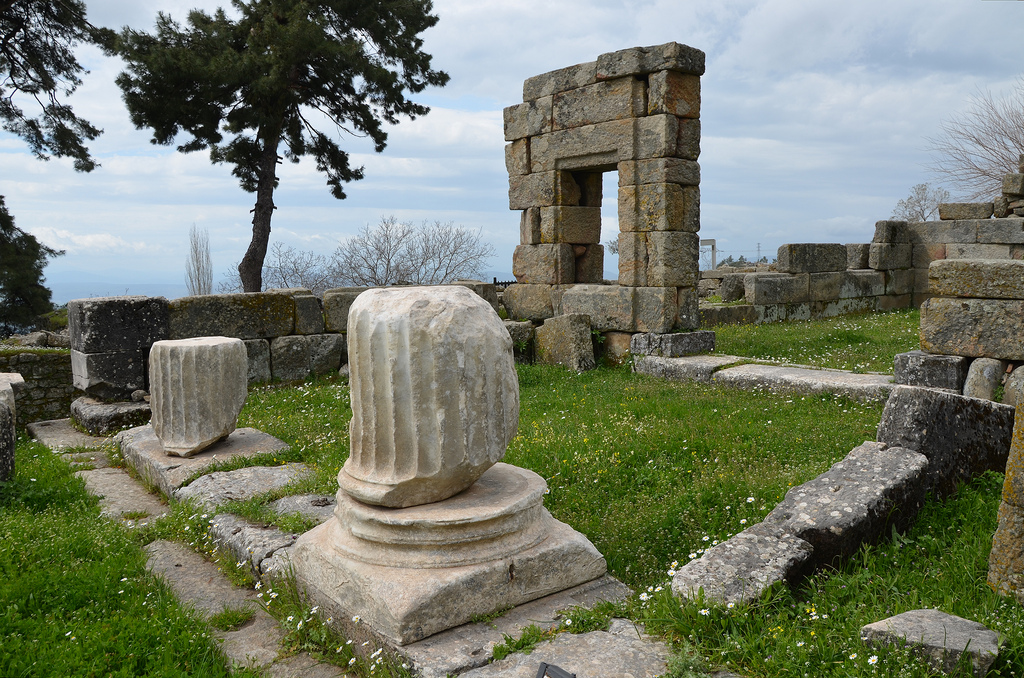
The North Wall of the Propylon area and the monumental staircase leading up from the entrance.The Well-house with three low gneiss columns with simple Doric marble capitals, note the huge Split Rock in the background which may have been the inspiration for the establishment of the cult to the Carian sky god.The ruins of the South Propylon, a gate building with high Ionic marble columns built by Idreus (351-344 BC).The Oikoi Building built by Idrieus (351-344 BC), it possibly served as a Treasury, it had two rooms behind a marble portico with four doric columns.Overview of the Temple Terrace.
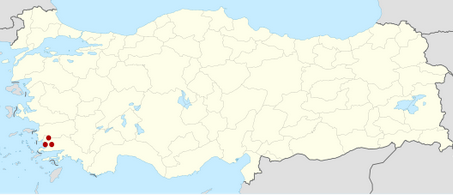
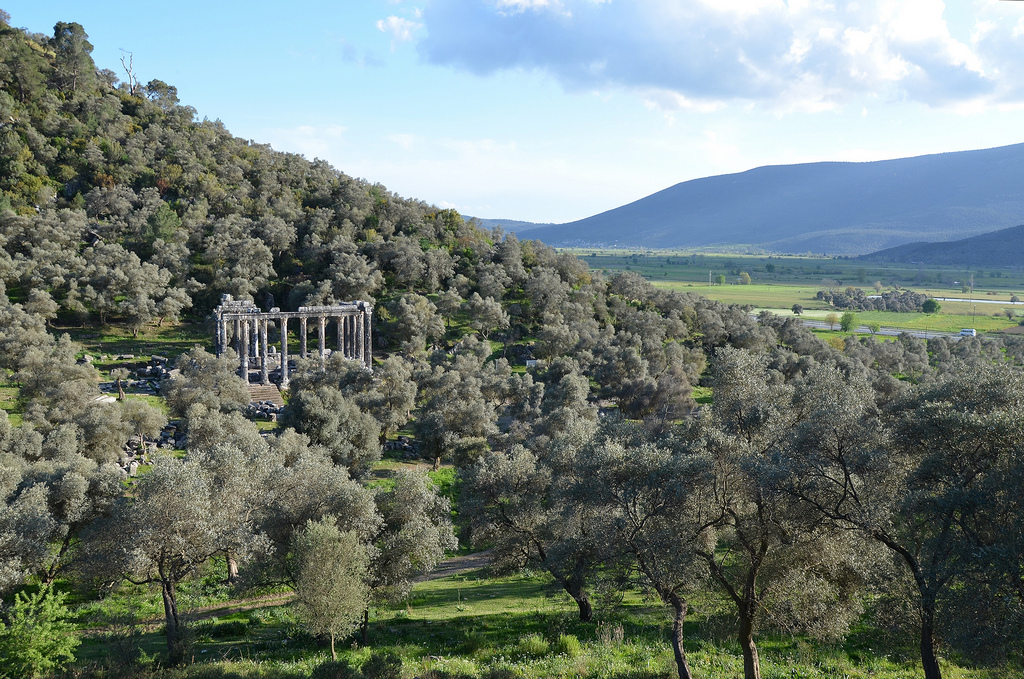
Euromos was an ancient city located in the province of Caria. It was first mentioned in the 5th century BC when it was known as Kyromos. The city was subdued by nearby Mylasa during the reign of King Mausolus of Halicarnassus in the 4th century BC, but regained some autonomy during Roman rule. Its ruins are located approximately 4 km southeast of Selimiye and 12 km northwest of Milas in the Muğla Province of Turkey.
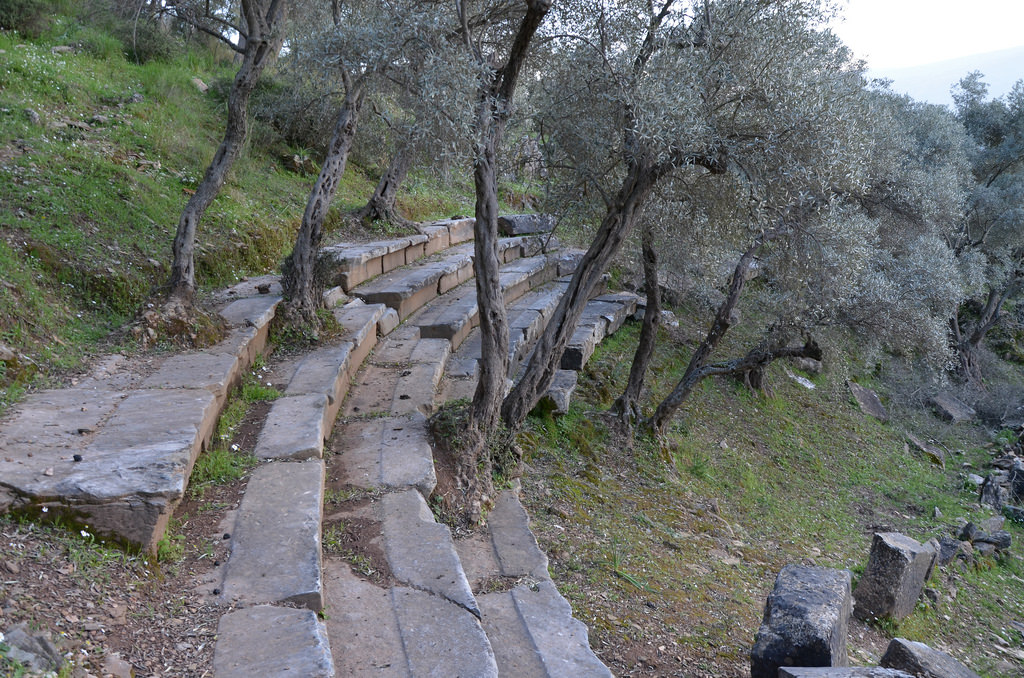
Euromos stood on flat ground, which did not provide a natural defence, so the city was protected by thick walls of ashlar masonry with towers at intervals. On the western slope of the hill are the remains of a small theatre facing west. Only a few rows of seats and some fragments of the stage building have been preserved. But the most striking monument is the Temple of Zeus Lepsinos, just outside the city wall, one of the best-preserved temples in Asia Minor.
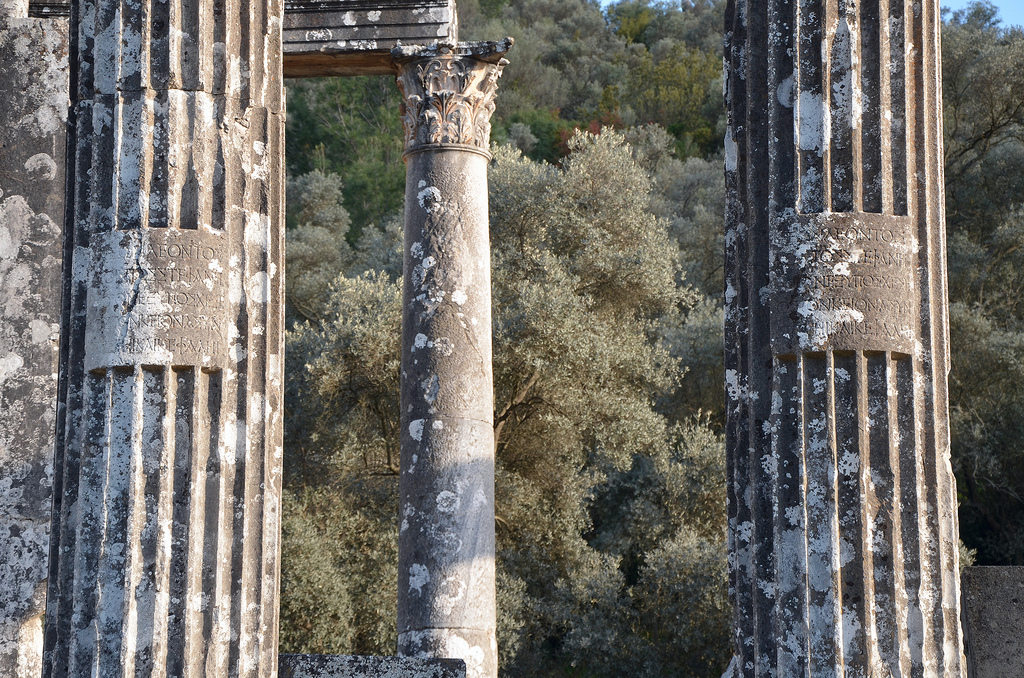
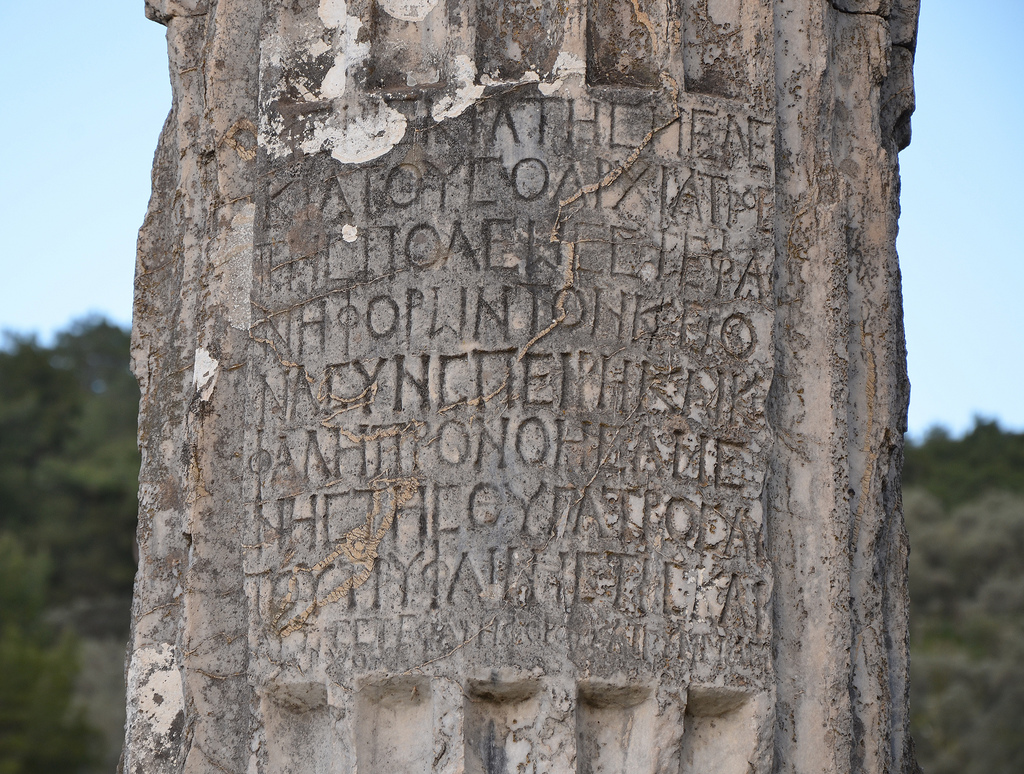
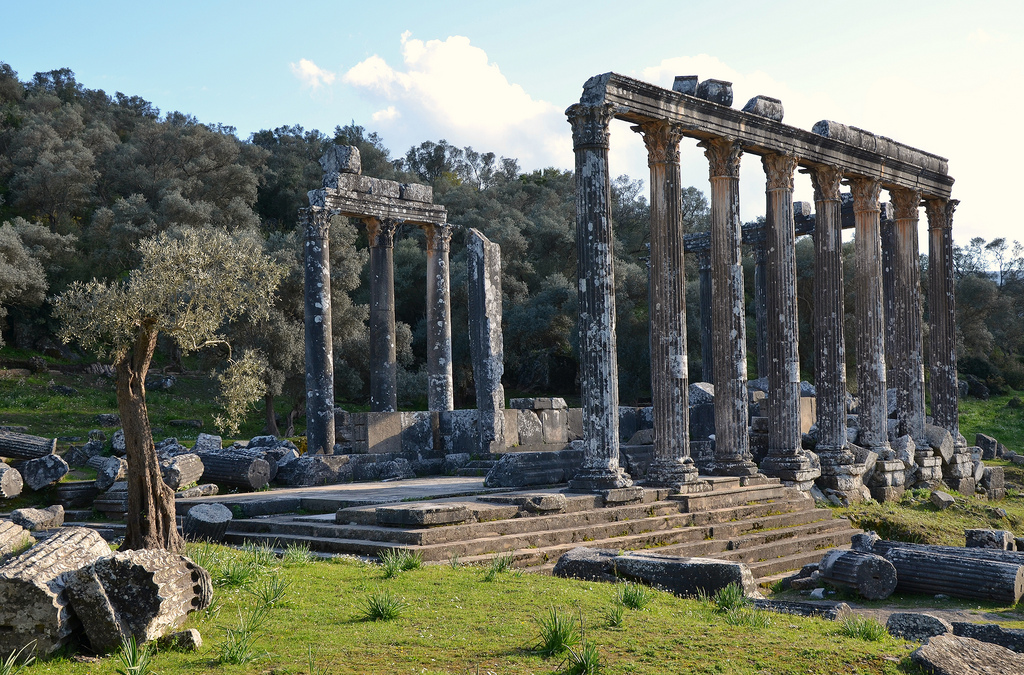
The temple was built during the reign of Emperor Hadrian in the 2nd century AD on the site of an earlier Carian temple (the temenos itself dates back to the 6th century BC). However, the temple was never entirely completed (some standing columns were never fluted), probably due to the economic crisis that struck the ancient city 1,800 years ago. Wealthy citizens stepped forward with financial support and had their names engraved on plaques on some of the columns, but this support was insufficient. An inscription says that a physician named Menecrates donated five of the 32 columns of this temple, while another inscription mentions that a magistrate named Leo Quintus donated another seven.
Recent excavations have brought to light the remains of an altar and a Hellenistic decree, revealing that the temple was dedicated to Zeus Lepsynos and was not the first temple erected to him at Euromos.
PORTFOLIO
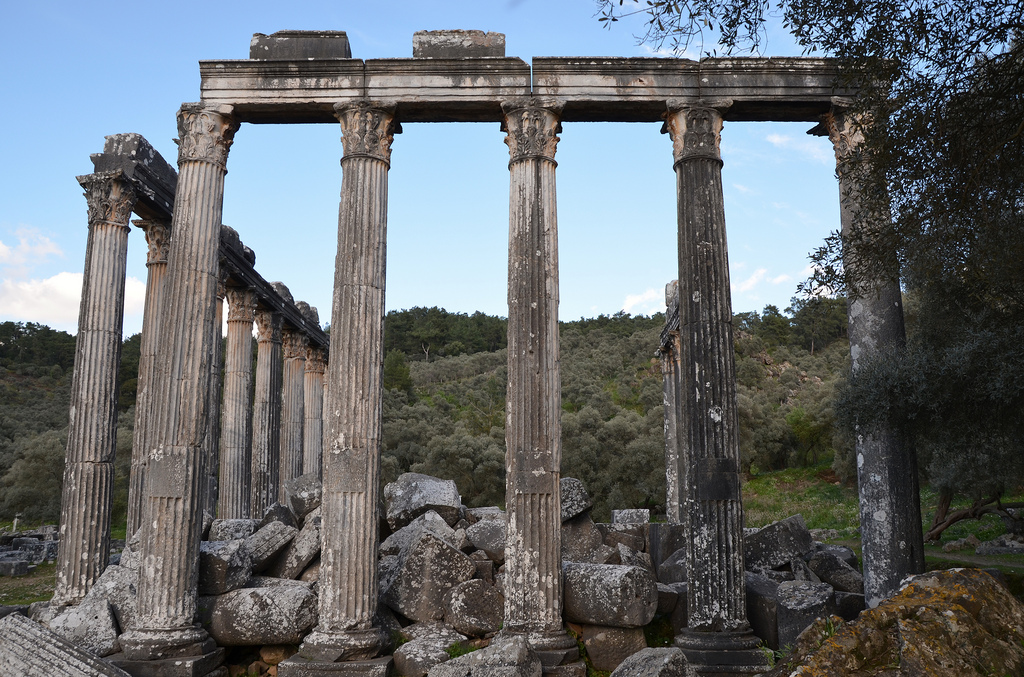
The Temple of Zeus Lepsynos had a peristyle of 11 by 6 columns in the Corinthian order, 16 of which are standing, complete with architrave.
Not all the columns were fluted, so the construction of the temple was probably never completed.
Twelve columns have inscriptions indicating the donor who paid for their execution.
Inscription on a fluted columns of the Temple of Zeus Lepsynus.
Carving of a labrys (double-bitted axe), Zeus’ symbol, flanked by two ears.







 following hadrian photography