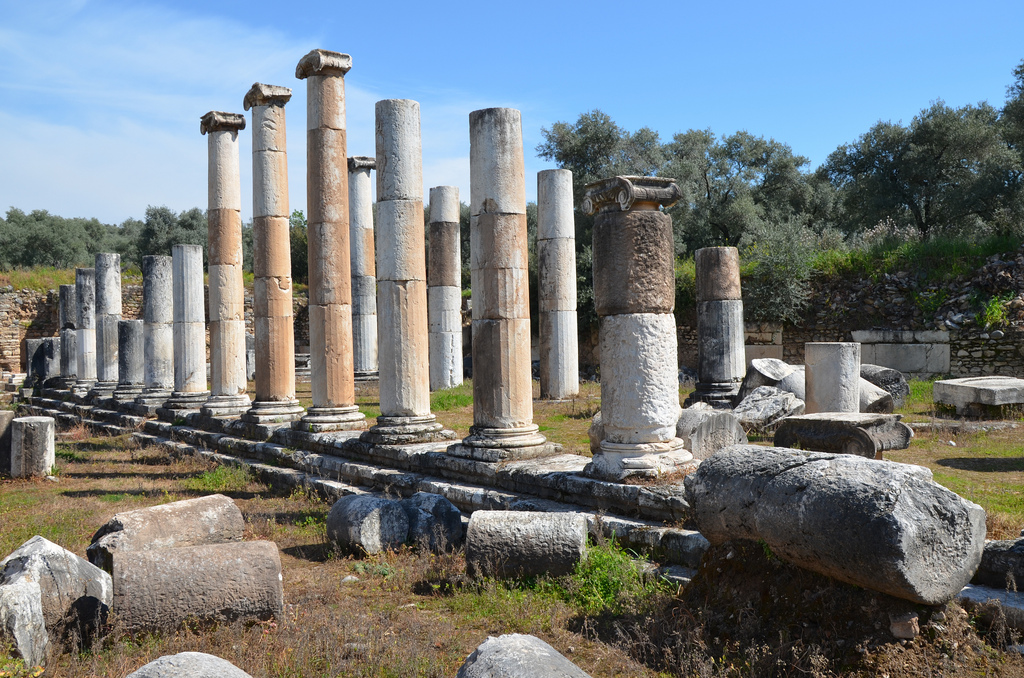
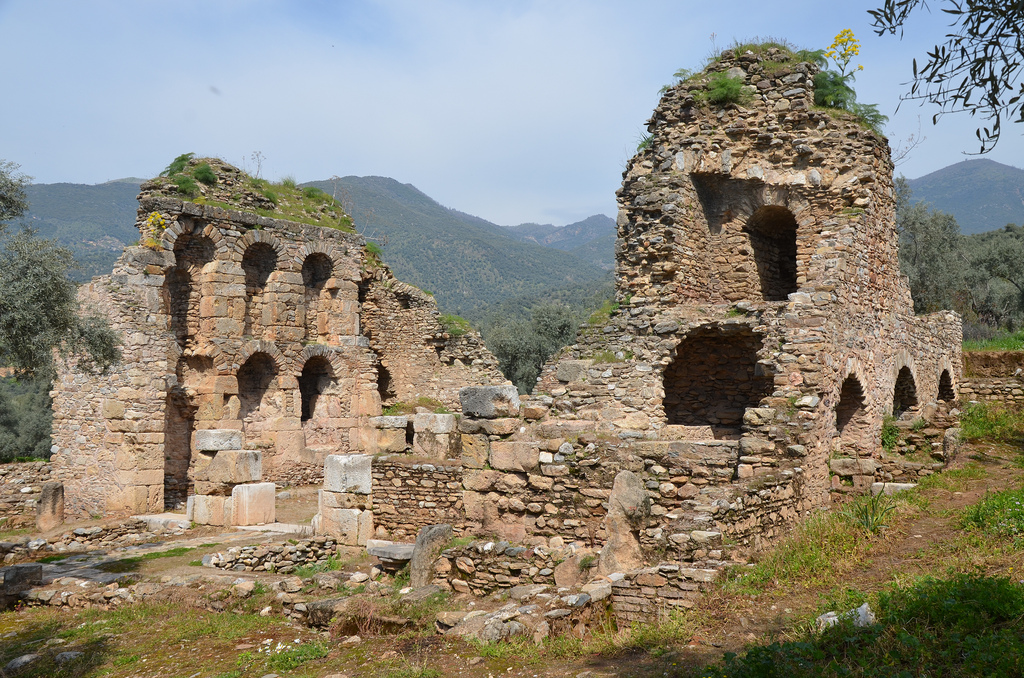
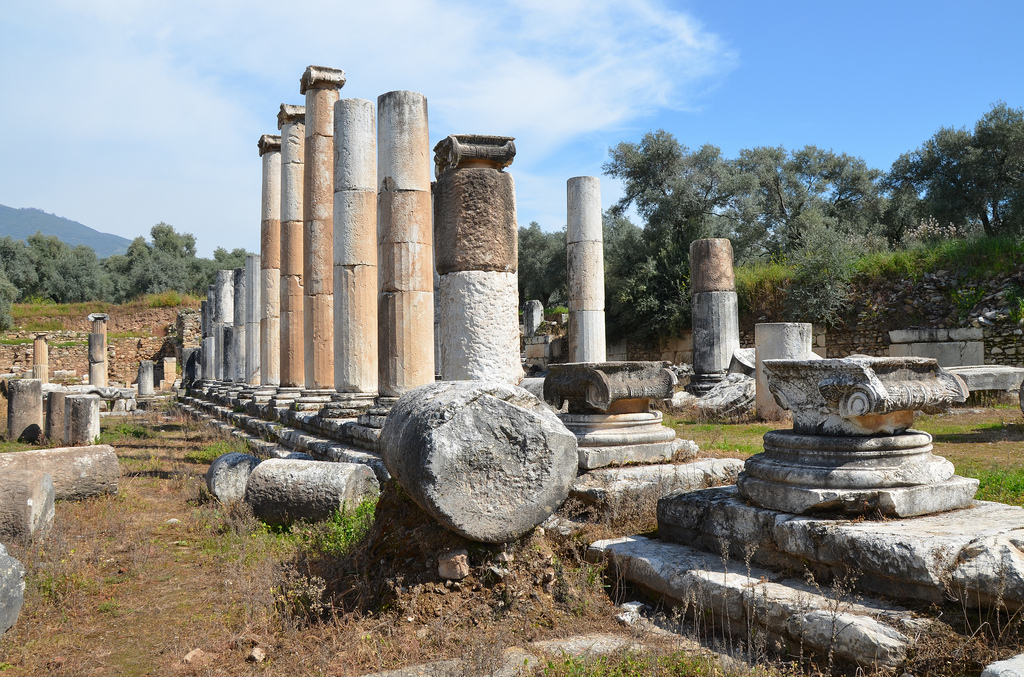
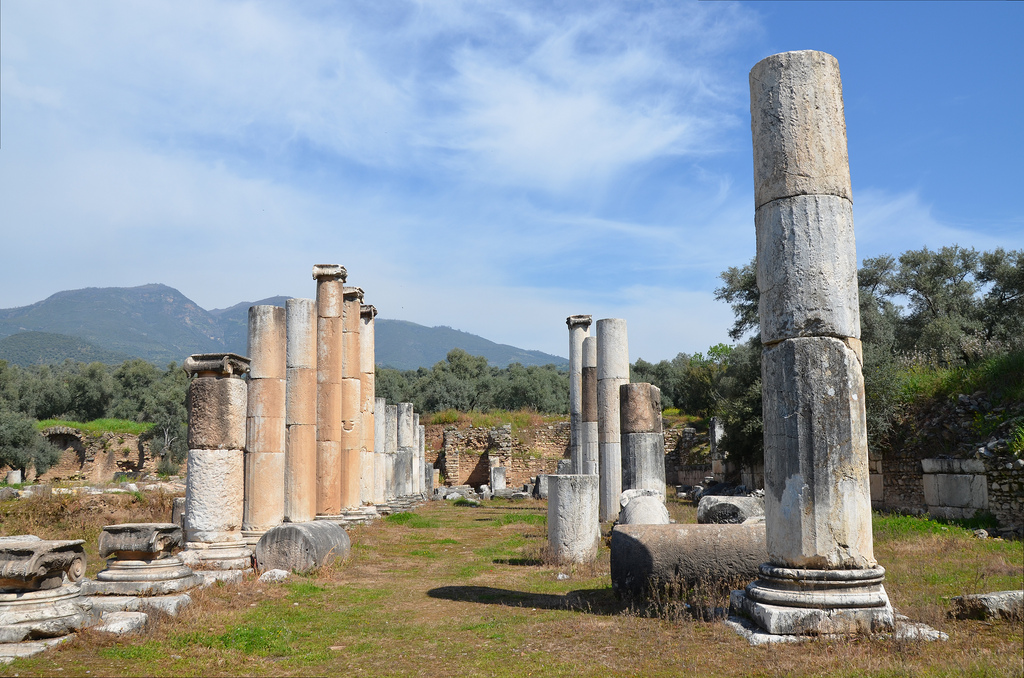
Nysa on the Maeander is a true gem of Caria, nestled deep within the valleys of the Aegean. The ancient city was a significant Carian centre, located in the northern part of the region, 50 kilometres east of the Ionian city of Ephesus. Today, it stands as a well-preserved archaeological site.
Coordinates: 37° 54′ 6″ N, 28° 8′ 48″ E
The city rose to prominence under the Romans and was home to the historian Strabo (63 BC-AD 25). Strabo described it as a combination of three towns. He mentioned that it was originally called Athymbra, but by the 2nd century BC, the settlement appears to have been renamed Nysa, possibly in honour of the wife of King Antiochus I Soter. Nysa was designed as a city with two distinct sections on either side of a mountain cliff.
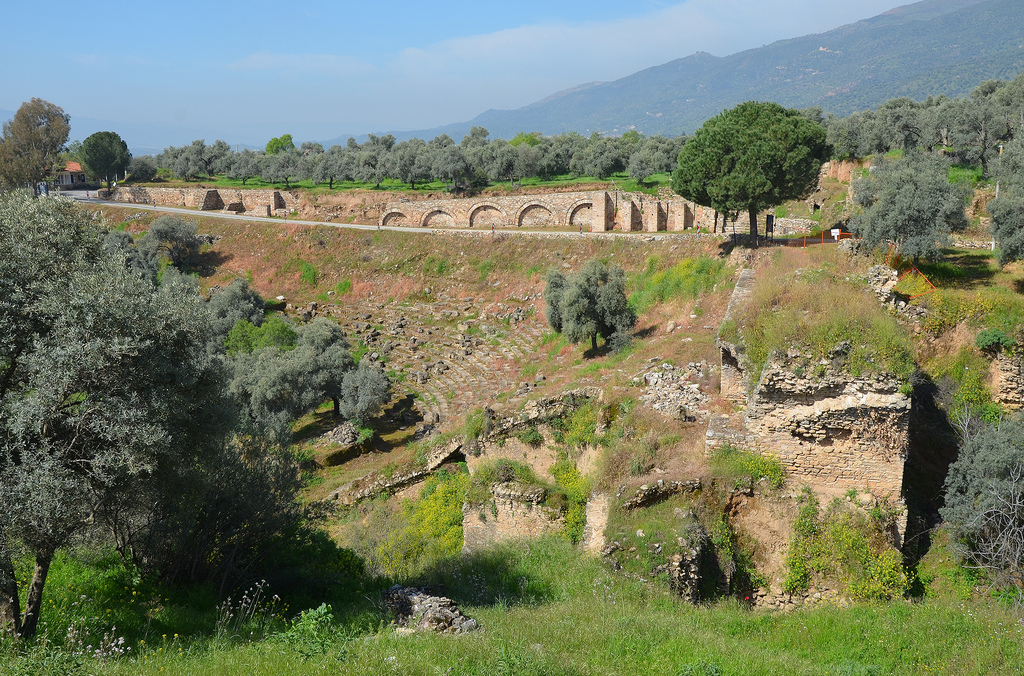
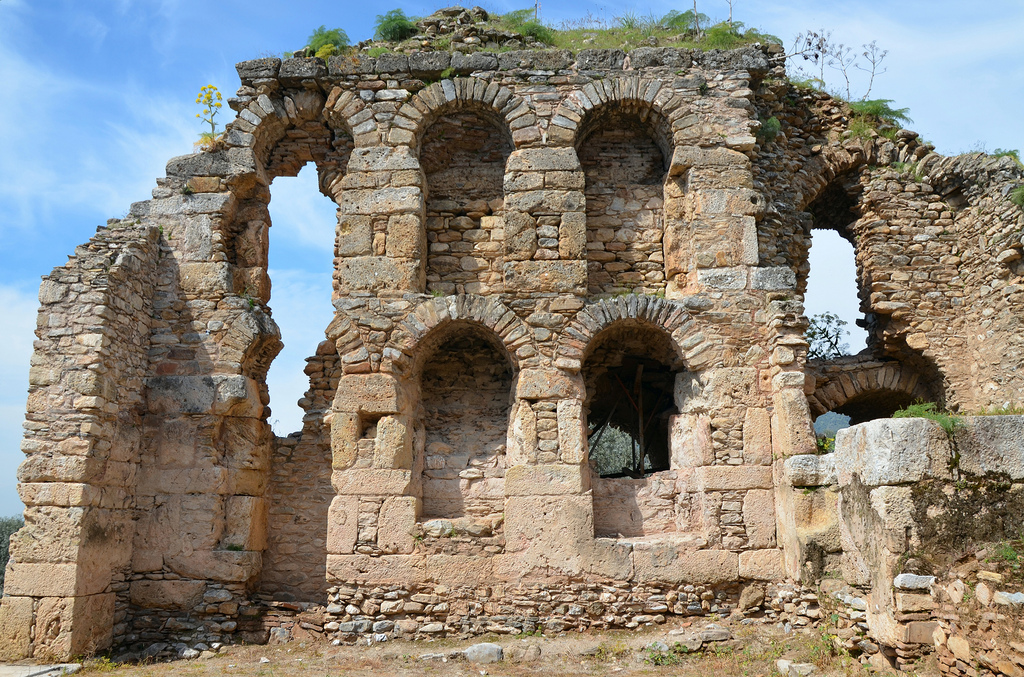
Important ruins are scattered on the mountain slope from the Hellenistic, Roman, and Byzantine periods. The well-preserved theatre, rebuilt during the Roman Imperial period, is famous for its friezes depicting the life of Dionysus and the sacred marriage (theogamia) between Persephone (daughter of the goddess Demeter) and the god of the Underworld, Pluto. With its 57 rows of marble seats, it had a capacity of 12,000 people.
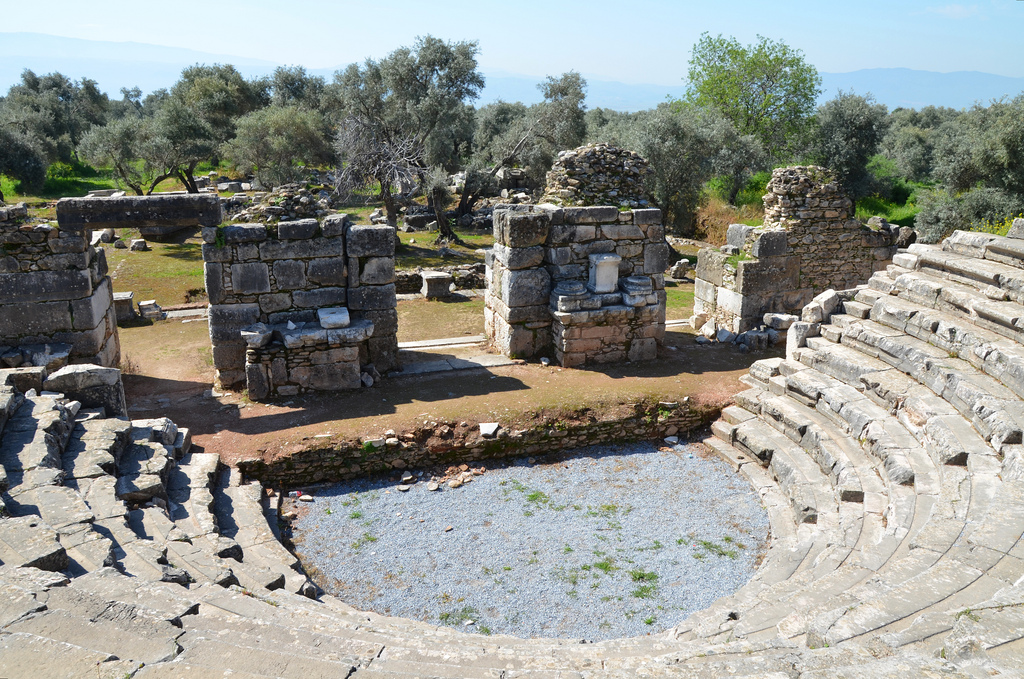
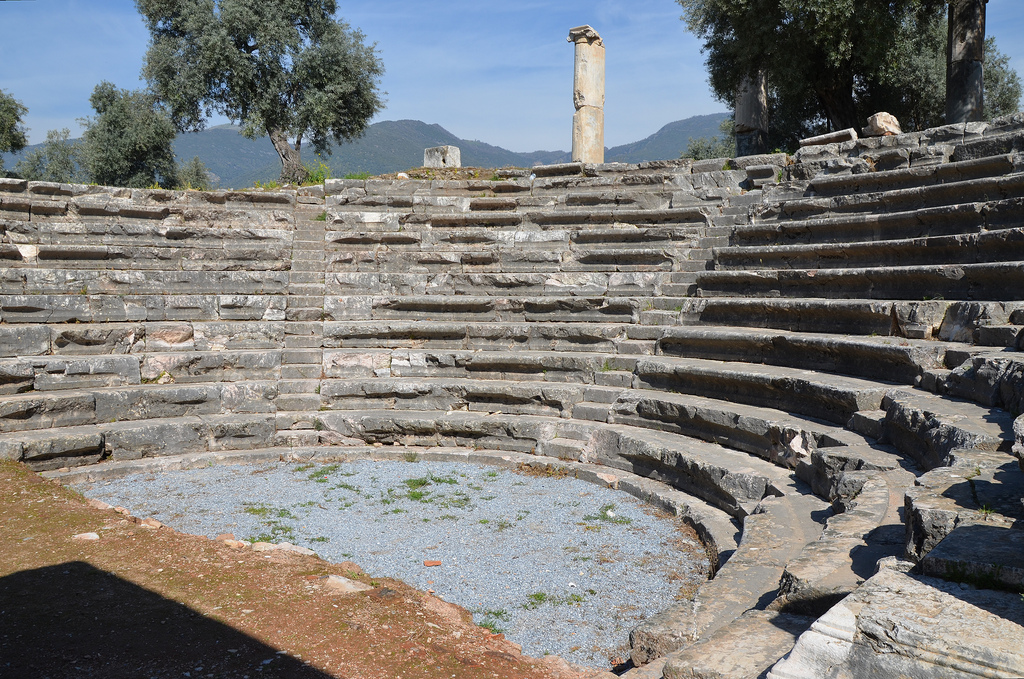
The library, dating to the 2nd century AD, is considered Turkey’s second-best-preserved ancient library structure after the Celsus Library of Ephesus. The Stadium of Nysa, partially damaged by flooding, had a capacity of 30,000. The Hellenistic gerontikon (Council House of the Elders), adapted in the 2nd century AD into an odeon, could accommodate up to 700 people.
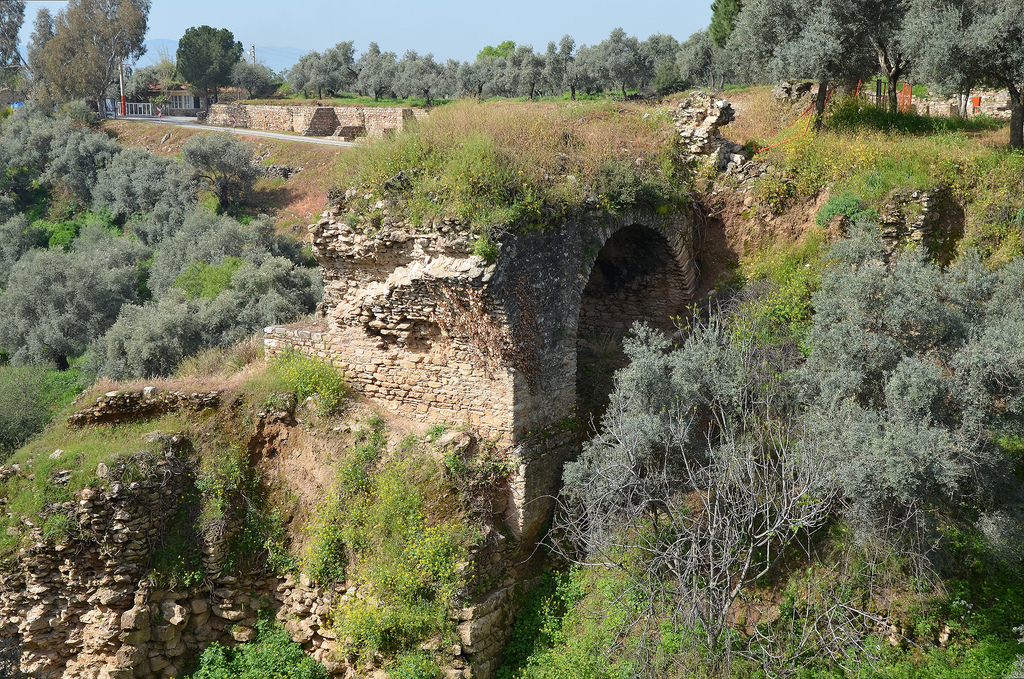
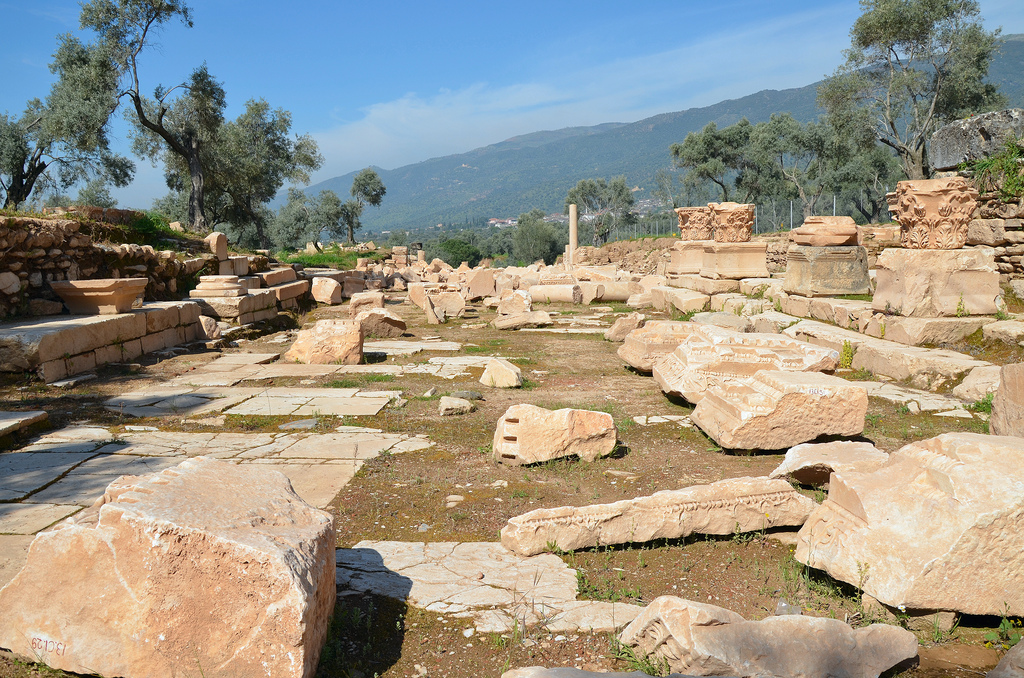
Other significant structures include the Agora (marketplace), the Gymnasium and the Roman baths. The 100 m-long Nysa Bridge was the second-largest of its kind in antiquity.
PORTFOLIO


Links:
 following hadrian photography